






Is That Faint Line a Positive Chlamydia Test? What It Really Means
Last updated: April 2026
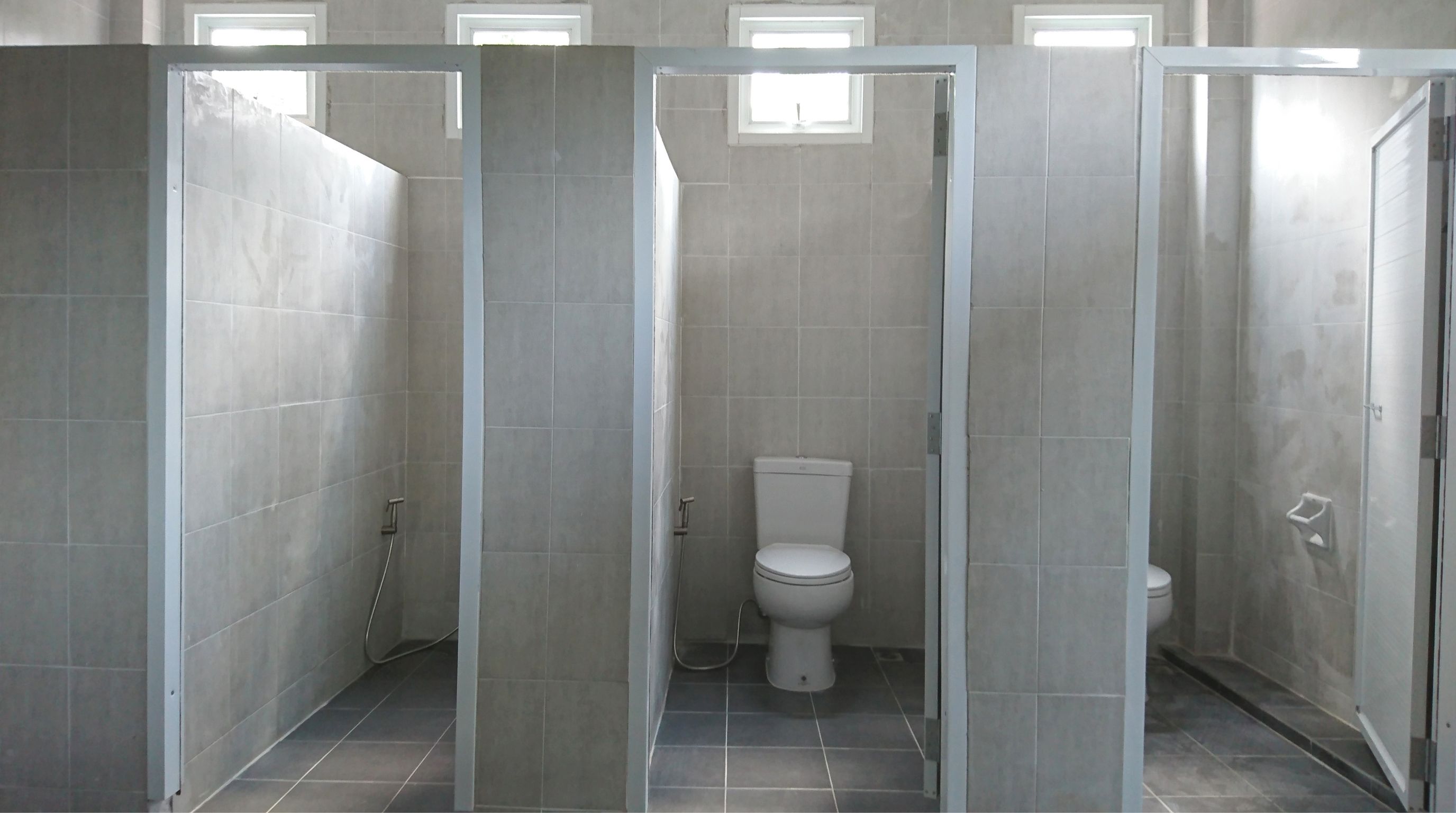
No, you cannot get an STD from sitting on a public toilet seat. The bacteria, viruses, and parasites responsible for sexually transmitted infections require direct contact with mucous membranes, the lining inside the vagina, urethra, rectum, or mouth, to enter the body and establish infection. The skin covering your buttocks and thighs is a dense physical barrier that pathogens cannot penetrate, and even the CDC has stated directly that infections like HIV and herpes are not transmitted through toilet seats. That said, there are a small number of nuances worth understanding, and there is a much more important conversation to have about where STD risk actually comes from.
People are also reading: Do You Need STD Testing After Sex With a Condom? What Your Risk Actually Looks Like
Why STD Pathogens Cannot Survive on a Toilet Seat
Bacteria, viruses, and parasites that cause STDs are all biologically designed to live in warm, moist human tissue. Most of them start to die right away when they leave that environment. Chlamydia and gonorrhea bacteria are very delicate. They only live in the mucous membranes of the genitals, urethra, rectum, and throat, and they can't live on cold, hard, dry surfaces. They die quickly when they are exposed to open air and room temperature.
Viral pathogens, such as HIV, act in the same way. HIV can be spread by coming into direct contact with blood, semen, vaginal fluids, or breast milk. It needs living cells to reproduce. The virus breaks down quickly once it leaves the body. The CDC says that HIV doesn't last long outside of the body and can't be spread through surfaces like toilet seats, door handles, or things that are shared. It's clear from a biological point of view that the virus stops working when it doesn't have a host cell to infect and replicate in.
Some people think that the herpes simplex virus is more resistant to the environment, but it breaks down quickly on hard, non-porous surfaces. A 2024 systematic review published in Clinical Microbiology Reviews investigated the duration of replication capacity of various pathogens on inanimate surfaces. The study revealed that most sexually transmitted disease-causing organisms have survival times limited to minutes on surfaces such as ceramic and porcelain, the materials used to construct toilet seats. The toilet seat myth continues to exist because of fear, not science. And while it's perfectly normal to be anxious, it's not a good way to learn about biology.
The One Exception That Keeps Coming Up: Trichomoniasis
Trichomoniasis is caused by a single-celled parasite called Trichomonas vaginalis. Unlike bacteria or viruses, parasites are slightly more resilient in wet environments, which is why trichomoniasis occasionally shows up in the toilet seat conversation. In theory, the parasite can survive briefly on a damp surface. In practice, transmission from a toilet seat has essentially never been documented in clinical literature, and the conditions required would be so specific as to be nearly impossible in a normal restroom scenario.
For any theoretical transmission to occur, the infected source material would need to be freshly deposited on the seat, the surface would need to remain damp, and the next person would need to place their genital area in direct contact with exactly that spot. That sequence of events, while technically conceivable, does not happen in the real world. Trichomoniasis is overwhelmingly transmitted through vaginal sex, specifically through direct genital-to-genital contact where the parasite transfers between mucous membranes. A toilet seat does not create the conditions for that transfer.
The same logic applies to pubic lice, sometimes called crabs. Pubic lice live in coarse body hair and are primarily transmitted through direct body contact during sex. They can theoretically survive off a host for a day or two, and occasional non-sexual transmission through shared bedding or towels has been documented, but toilet seat transmission is not a recognized route. The parasite needs to physically migrate from one body's hair to another's, and a brief contact with a smooth, hard surface does not accomplish that.
Check Your STD Status in Minutes
Test at Home with RemediumTrichomoniasis Test Kit
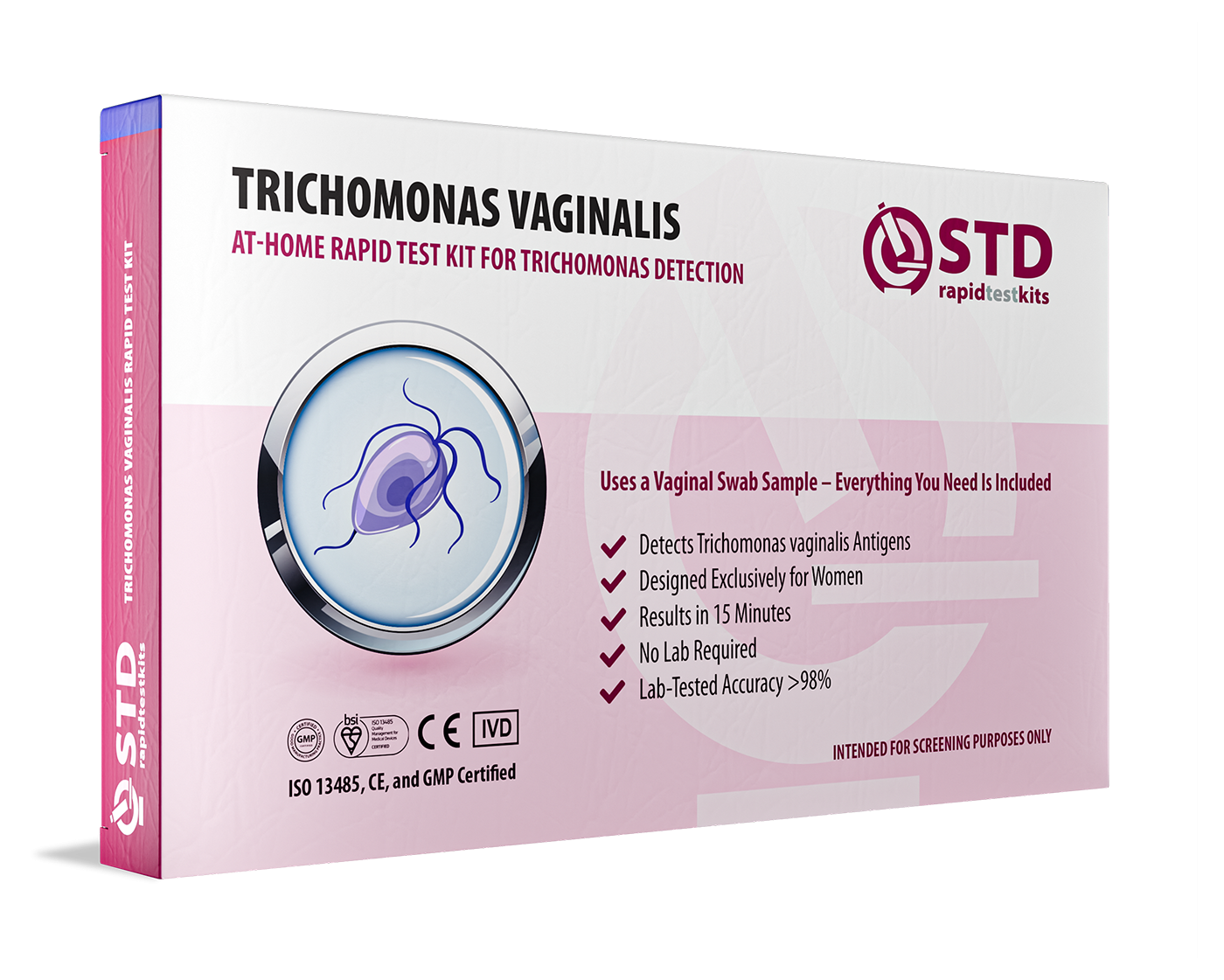
Claim Your Kit Today
Save 31%
 For Women
 Results in Minutes
 No Lab Needed
 Private & Discreet
Order Now $33.99 $49.00
What the Science Actually Says About Toilet Seat Transmission
The best framework for evaluating toilet seat risk is to understand the two things that must both be true simultaneously for any STD transmission to occur from a surface: the pathogen must survive long enough in a viable state, and it must gain entry into the body through an appropriate route. For bacterial STDs like chlamydia, gonorrhea, and syphilis, the first condition fails almost immediately. For viral STDs like HIV, herpes, hepatitis B, and HPV, the first condition fails quickly and the second condition, entry through mucous membranes or broken skin, is also virtually impossible in a toilet seat scenario.
The CDC explicitly notes that syphilis cannot be spread through casual contact with toilet seats. The American Cancer Society has stated that HPV is not transmitted through toilet seats. These aren't cautious hedges, they are clear statements based on decades of epidemiological data showing no documented cases of toilet seat STD transmission under normal conditions.
What public toilets can plausibly transmit are gastrointestinal illnesses, primarily through hand-to-mouth contact after touching contaminated surfaces. If you touch a faucet handle, door knob, or flush lever and then touch your face before washing your hands, that is a realistic transmission route for organisms like norovirus or E. coli. The solution there is straightforward: wash your hands thoroughly before leaving the restroom. That single habit addresses the actual risk in a bathroom environment. The toilet seat itself, when it comes to STDs, is not the concern.
Where STD Risk Actually Comes From
The reason this question matters beyond satisfying curiosity is that misunderstanding transmission routes leads people to worry about the wrong things, and miss the actual risks. The CDC's 2024 provisional surveillance data found over 2.2 million reported cases of chlamydia, gonorrhea, and syphilis in the United States in 2024. That is an enormous number, and virtually none of those infections came from toilet seats. They came from unprotected vaginal, anal, and oral sex, which is where transmission happens overwhelmingly, consistently, and predictably.
Bacterial STDs, chlamydia, gonorrhea, syphilis, are transmitted when bacteria pass directly between the mucous membranes of two people. That means unprotected sex without a barrier method is the mechanism. Viral STDs work differently depending on the specific virus. HIV requires contact with infected fluids. Herpes (HSV-1 and HSV-2) can spread through skin-to-skin contact in the genital or oral region even without visible sores, because viral shedding occurs from the skin surface. Hepatitis B is transmitted through blood, semen, and vaginal fluids. HPV spreads through genital skin-to-skin contact and is the most commonly transmitted STD precisely because it doesn't require a visible sore or fluid exchange, just skin contact in the right area.
| Infection | Primary Transmission Route | Toilet Seat Risk |
|---|---|---|
| Chlamydia | Unprotected vaginal, anal, or oral sex | None, bacteria die almost instantly outside mucous membranes |
| Gonorrhea | Unprotected vaginal, anal, or oral sex | None, bacteria cannot survive on hard surfaces |
| Syphilis | Direct contact with a syphilitic sore | None, CDC confirms no toilet seat transmission |
| HIV | Blood, semen, vaginal fluids, breast milk | None, virus degrades rapidly outside the body |
| Herpes HSV-1 and HSV-2 | Skin-to-skin genital or oral contact | Effectively none, degrades quickly on hard surfaces |
| Hepatitis B | Blood, semen, vaginal fluids | Effectively none unless fresh blood contacts open wound |
| HPV | Genital skin-to-skin contact | Effectively none in normal restroom use |
| Trichomoniasis | Vaginal sex, direct genital contact | Theoretical only, no documented toilet seat cases |
Understanding that toilet seats are not a risk for STDs does not mean STD exposure is only a concern for people who feel symptoms. The majority of STD infections produce no noticeable symptoms, especially in the early weeks. Chlamydia is asymptomatic in an estimated 70–80% of women and around 50% of men. Gonorrhea frequently produces no discharge or pain, particularly in women. Herpes can shed the virus from the skin without any visible sore or outbreak. This is exactly why testing after sexual exposure matters, not because you can feel an infection, but because most of the time you cannot.
People are also reading: Syphilis Is Spreading Into Populations Who Never Thought They Had to Worry About It
At-Home Testing: When to Test and What Your Result Means
If you have had unprotected sex and you are not sure of your partner's status, the productive question is not whether a toilet seat could be responsible, it is whether you have waited the right amount of time to get an accurate result. Testing too early after exposure can produce a false negative, not because the test is unreliable, but because your immune system has not yet generated detectable antibodies, or the pathogen has not yet reached detectable levels. Every infection has its own window period, and getting that timing right is what makes the difference between a result you can trust and one that gives you false reassurance.
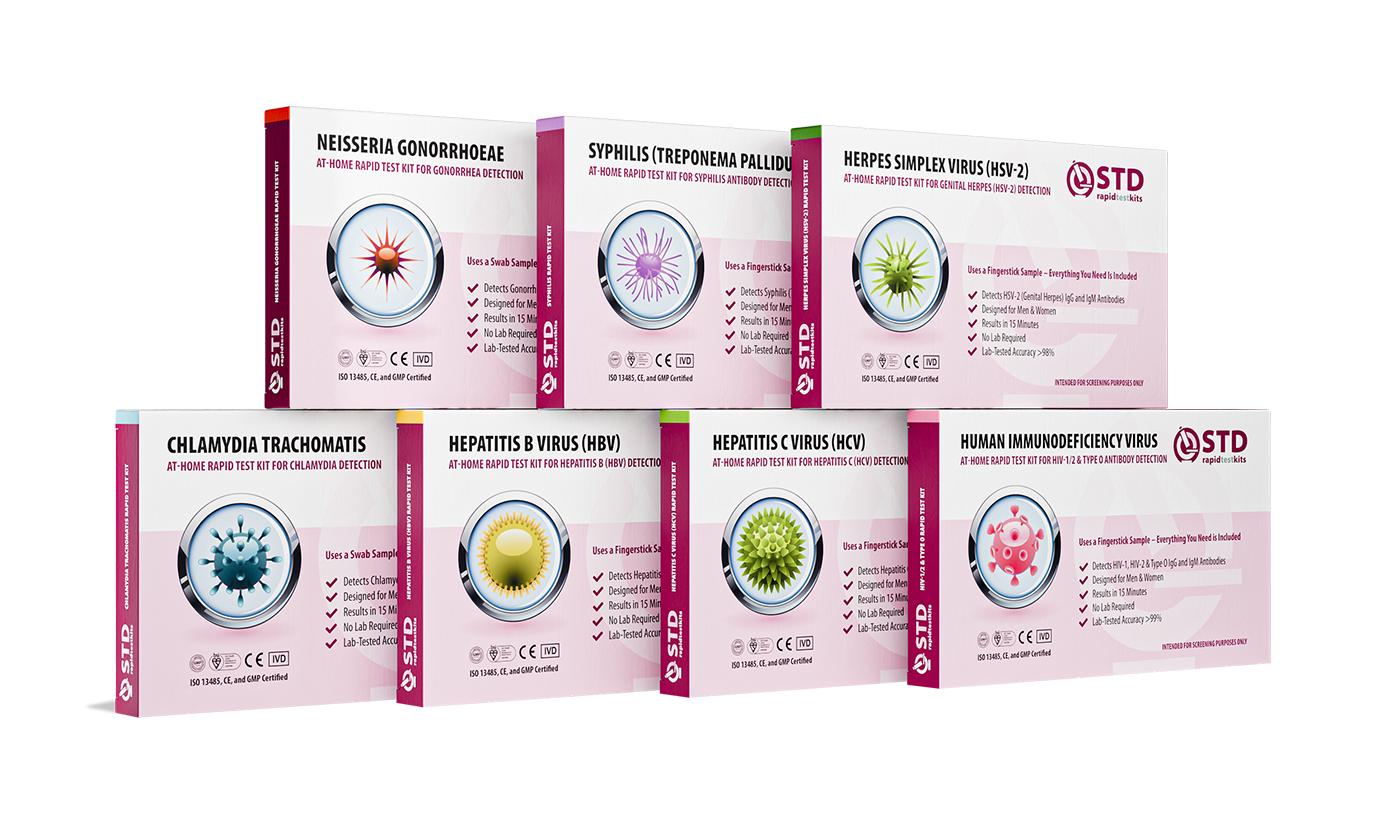
At-home rapid test kits work by detecting antibodies or antigens in a blood sample from a fingertip prick or a urine sample, depending on the test. Results appear within minutes without sending anything to a lab. The 7-in-1 Complete At-Home Rapid Test Kit covers HIV, HSV-2, chlamydia, gonorrhea, syphilis, hepatitis B, and hepatitis C, all in one testing session at home. If you are a woman and want full coverage that includes HPV and trichomoniasis, the Women's 10-in-1 Complete At-Home Rapid Test Kit is the most comprehensive option available.
| Infection | Test From | What a Negative Result Means | What a Positive Result Means |
|---|---|---|---|
| Chlamydia | 14 days after exposure | No detectable infection at this time, retest if new exposure occurs | Active infection confirmed, treatment is available and highly effective |
| Gonorrhea | 3 weeks after exposure | No infection detected within the window | Active infection present, treatment clears it completely |
| Syphilis | 6 weeks after exposure | Antibodies not detected, exposure did not result in infection | Syphilis antibodies detected, confirm with a healthcare provider and begin treatment |
| HIV | 6 weeks for first indicator; retest at 12 weeks for certainty | At 6 weeks: most likely negative, but 12-week retest recommended for full certainty | HIV antibodies detected, confirm immediately with a healthcare provider |
| Herpes HSV-1 and HSV-2 | 6 weeks after exposure | No antibodies detected, exposure has not resulted in infection, or immune response has not developed yet | HSV antibodies detected, herpes is manageable, and a provider can discuss next steps |
| Hepatitis B | 6 weeks after exposure | No infection detected within the window | Active hepatitis B infection, treatment is available; see a provider promptly |
| Hepatitis C | 8–11 weeks after exposure | No antibodies detected in the window, hepatitis C did not establish infection | Hepatitis C antibodies detected, highly effective treatment exists; see a provider |
A negative result within the correct window period is genuinely reassuring, it means the test did not find evidence of infection when it had the biological capacity to do so. A positive result is actionable information: every infection on this list has effective treatment available. The goal of testing is not to confirm your worst fears. It is to replace uncertainty with actual information so you can make informed decisions about your health and your partner's health.
Symptoms That Might Make You Wonder, and What They Actually Indicate
People who are anxious about STD exposure after using a public restroom sometimes start noticing symptoms they were not paying attention to before. This is completely normal human psychology, attention sharpens when anxiety is active. But it is worth understanding what symptoms are and are not consistent with actual toilet seat exposure. If you notice irritation, redness, or a rash in the genital area shortly after using a public bathroom, the far more likely explanation is contact dermatitis from toilet paper, soap residue, laundry detergent, or friction from clothing, not a sexually transmitted infection.
Genuine STD symptoms develop because of a biological process that takes time. Chlamydia, if it does produce symptoms, typically does so between 7 and 21 days after sexual exposure, not hours after using a restroom. Gonorrhea symptoms, when they appear, usually develop 1 to 14 days after sexual contact. A syphilitic sore (called a chancre) appears between 10 and 90 days after exposure to the bacterium through direct contact with an infected sore. These timelines exist because infection requires a pathogen to enter the body, replicate, and trigger an immune or tissue response. None of that can result from a brief encounter with a toilet seat.
If you are experiencing genital symptoms and you have had recent unprotected sexual contact, the symptoms may genuinely be worth investigating, but through testing, not through trying to trace them back to a bathroom. The only way to know whether you have an STD is to test for it at the right time. Guessing based on symptoms is notoriously unreliable, because many STDs produce no symptoms at all, and many non-STD conditions can produce symptoms that look superficially similar to an STD.
Check Your STD Status in Minutes
Test at Home with Remedium7-in-1 STD Test Kit
Claim Your Kit Today
Save 62%
 For Men & WomenResults in MinutesNo Lab NeededPrivate & Discreet
Order Now $129.00 $343.00
For all 7 tests
Understanding False Negatives and Why Timing Matters
One of the most important things to understand about STD testing is that a negative result only means what it says if it is taken within the correct window period. Every test works by looking for evidence that your immune system has responded to an infection, specifically, the antibodies your body produces when it detects a foreign pathogen. The problem is that this immune response takes time to develop. If you test too early, before antibodies have reached detectable levels, the test may return a negative result even if an infection is present. That is a false negative, not because the test malfunctioned, but because the biology was not ready.
This is why the exact testing windows in Table 2 matter so much. Testing for HIV at two weeks after exposure is not just premature, it could actively mislead you into thinking you are clear when the window period has not elapsed. Testing for hepatitis C at five weeks gives you the same problem: the virus may be present, but antibodies have not reached the threshold the test can detect. The solution is straightforward: note the date of your most recent potential exposure, count forward to the appropriate window period for each infection you want to test for, and test then. If you test early and feel anxious about the result, retest at the full window period before drawing conclusions.
False positives are also possible but are less common with modern rapid test technology. A positive result on an at-home rapid test should be confirmed with a follow-up test or a clinical assessment, particularly for infections like herpes, where antibody tests have known sensitivity and specificity ranges. A positive home test result is not a diagnosis on its own; it is a strong signal to seek confirmation and discuss next steps with a healthcare provider.
What Actually Reduces Your STD Risk
The toilet seat question gets asked so often partly because controlling what surfaces you touch feels manageable in a way that conversations about sexual risk can feel complicated. But the interventions that actually protect your sexual health are the ones that address the real transmission routes. Using barrier methods, condoms for penetrative sex, dental dams for oral sex, significantly reduces transmission risk for chlamydia, gonorrhea, syphilis, and HIV. They provide less complete protection against herpes and HPV, which can spread through skin-to-skin contact in areas a condom does not cover, but they still reduce transmission risk substantially.
Regular testing is the other non-negotiable. Even people who consistently use barrier methods benefit from periodic testing, because barrier methods are not 100% effective and because many STDs circulate without any symptoms. The CDC recommends annual chlamydia and gonorrhea testing for all sexually active women under 25 and for older women at increased risk. Sexually active men who have sex with men are advised to test for HIV, syphilis, chlamydia, and gonorrhea at least every three to six months. These are not arbitrary guidelines, they reflect the biology of how these infections spread silently and the value of catching them before they cause complications.
Open communication with sexual partners about testing history and status is also meaningful. It does not eliminate risk, but it changes the risk landscape. And it normalizes a conversation that benefits everyone in the interaction. Testing is not an accusation. It is a health practice, the same category as any other routine health check you would not think twice about.

People are also reading: Tested Positive for Herpes… But Is It Accurate?
FAQs
1. Is it possible to get chlamydia from a toilet seat?
No, Chlamydia is caused by the bacterium Chlamydia trachomatis, which only lives in mucous membranes and dies almost right away when it comes into contact with air and dry surfaces. There is no biological way that sitting on a toilet seat could spread this infection.
2. What about herpes? I've heard it can live on surfaces.
Hard, non-porous surfaces like ceramic or plastic break down herpes simplex virus quickly. The CDC is clear that herpes does not spread through toilet seats. To spread, there must be direct skin-to-skin contact in the genital or oral area. People think that herpes can spread through surfaces because it can live for a short time in wet places, but a toilet seat doesn't have the right conditions for this to happen.
3. I used a public bathroom and now I have a rash. Could it be an STD?
Not likely from the toilet. If you have genital irritation after using a public restroom, it's much more likely to be contact dermatitis caused by toilet paper, soap residue, or rubbing on fabric. Symptoms of STDs show up days to weeks after having sex, not hours after using the bathroom. If you've had unprotected sex recently and are worried, the only way to know for sure is to get tested, not by looking for symptoms after going to the bathroom.
4. How long after having sex without protection should I test?
It depends on the kind of infection. If you think you might have chlamydia, get tested 14 days after you were exposed. For gonorrhea, test after three weeks. You should test for syphilis after 6 weeks. If you think you might have HIV, get tested after six weeks and again after twelve weeks to be sure. For herpes, test from 6 weeks for HSV-1 and HSV-2. If you have hepatitis B, you should test from 6 weeks. For hepatitis C, you should get tested between 8 and 11 weeks. Testing before these times can give false negatives.
5. Can HIV live on a toilet seat?
No, HIV quickly breaks down outside of the body and needs to come into direct contact with infected blood, semen, vaginal fluids, or breast milk to spread. The CDC has said that HIV cannot be spread through toilet seats, shared surfaces, or any other kind of casual contact.
6. Is trichomoniasis the only STD you can get from a toilet?
This conversation sometimes turns to trichomoniasis because the parasite can survive in wet conditions better than bacteria or viruses. However, there have been no reports in clinical literature of transmission from a toilet seat. Vaginal sex is by far the most common way to get trichomoniasis. The conditions needed for it to spread through toilet seats are so rare and specific that they are almost impossible to happen in real life.
7. What is the difference between a false negative and a real negative?
A true negative means that the test looked for signs of infection during the time when it could have found them and didn't find anything. If the test came back negative even though there may be an infection, it means that the test was done too soon, before antibodies or antigens could be found. This is why it's important to wait for the right window period: a result taken at the right time is a true negative that you can trust.
8. Should I still get tested if I don't have any symptoms?
Yes, especially if you had sex without protection with someone whose status you don't know. Most common STDs don't show any symptoms, or they do but they're so mild that people don't notice them or think they're caused by something else. Chlamydia, gonorrhea, and syphilis can all be active and spread without causing any obvious pain. The only way to know is to test.
9. Is it possible to get hepatitis B from a toilet seat?
Not usually. Blood, semen, and vaginal fluids can all spread hepatitis B. In theory, a toilet seat could spread the disease if there was fresh infected blood on it that came into contact with an open wound. However, this is so unlikely that it almost never happens in real life. Hepatitis B is spread through sex and sharing needles, not by using the bathroom casually.
10. I got a positive result on a home test. What should I do next?
If you get a positive result on a quick at-home test, it's a good idea to see a doctor for a confirmatory test. Don't worry; there is a good treatment for every STD on this list. Call a sexual health clinic or your doctor, and tell any recent partners so they can get tested too. Acting quickly is important because it leads to better results and stops the spread of the disease.
Get Tested, Because Real Risk Comes From Real Exposure
The toilet seat is not where your sexual health risk lives. If you have had unprotected sex and you are not certain of your partner's status, that is the situation that calls for testing, not a bathroom visit. The 7-in-1 At-Home Rapid Test Kit covers the seven most common STDs, HIV, herpes HSV-2, chlamydia, gonorrhea, syphilis, hepatitis B, and hepatitis C, with results in minutes, no lab required, and no clinic visit necessary. For women who want complete coverage including HPV 16 and 18 and trichomoniasis, the Women's 10-in-1 Complete At-Home Rapid Test Kit covers all ten of the most common infections in one session.
If your concern is narrower, a specific exposure, a specific infection, a targeted single test may be the right starting point. The full range of single STD test kits is available so you can test for exactly what is relevant to your situation. Testing is fast, private, and the only way to replace uncertainty with actual answers. The STD Rapid Test Kits homepage has everything you need to find the right kit for your situation.
Whatever brought you to this question, anxiety, curiosity, a recent exposure you are thinking about, the answer is the same: the toilet seat is not the risk. But knowing your status is always worth it.
How We Sourced This: Our article was constructed based on current advice from the most prominent public health and medical organizations, and then molded into simple language based on the situations that people actually experience, such as treatment, reinfection by a partner, no-symptom exposure, and the uncomfortable question of whether it "came back." In the background, our pool of research included more diverse public health advice, clinical advice, and medical references, but the following are the most pertinent and useful for readers who want to verify our claims for themselves.
Sources
1. CDC, HIV Transmission Basics
3. CDC, Sexually Transmitted Infections Surveillance 2024 (Provisional)
4. WHO, Herpes Simplex Virus Fact Sheet
5. Healthline, Can You Get an STI from a Toilet Seat?
About the Author
Dr. F. David, MD is a board-certified infectious disease specialist focused on STI prevention, diagnosis, and treatment. He writes with a direct, sex-positive, stigma-free approach designed to help readers get clear answers without the panic spiral.
Reviewed by: Rapid STD Test Kits Medical Review Team | Last medically reviewed: April 2026
This article is for informational purposes and does not replace medical advice.


