






Can You Get an STD from a Public Toilet?
Last updated: April 2026
This article works through the most common "can I get an STD from X?" questions about non-sexual contact, toilet paper, toilet seats, towels, swimming pools, kissing, shared items, and sex toys. For each scenario, you'll find a direct answer and the biology behind it, so you can stop guessing and understand what actually does and doesn't transmit STDs.
The anxiety around unusual transmission routes is understandable. STDs carry stigma, the internet amplifies worst-case scenarios, and most people don't have a clear sense of which pathogens can actually survive outside the human body, or for how long. The short answer to almost all of these questions is no, but the longer answer is more interesting: understanding why these routes don't work tells you a lot about how STDs actually do spread, and what genuinely matters for your sexual health. For a broader look at the misconceptions that do the most damage, the STD myths and facts hub covers the full landscape.
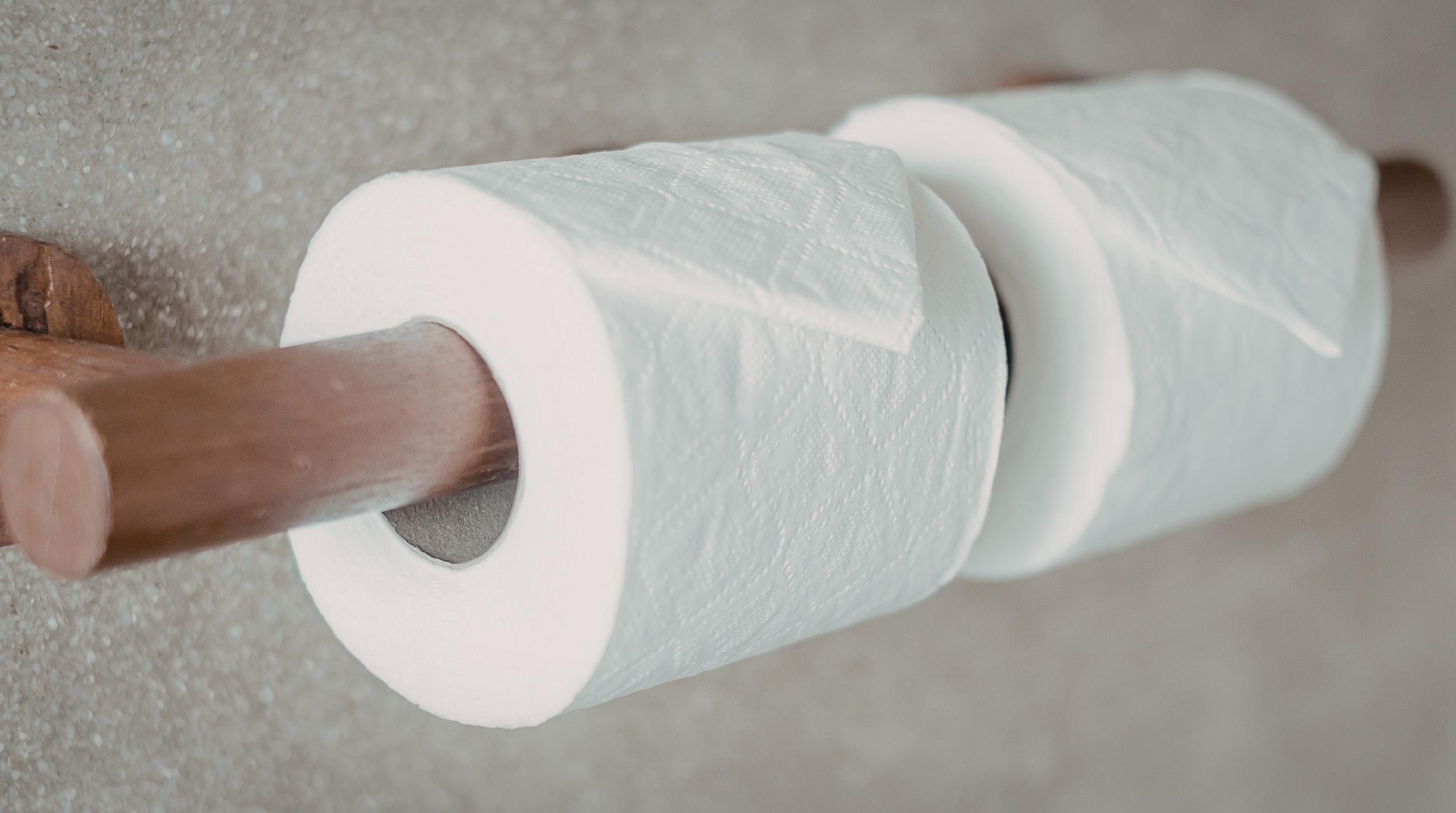
Can STDs survive on toilet paper? No. Toilet paper is dry, porous, and absorbent, a hostile environment for the bacteria, viruses, and parasites that cause STDs. Most of these pathogens need the warmth and moisture of living tissue to survive, and they lose viability within minutes to hours of leaving the human body. Toilet paper offers none of what they need. The same biology that makes sexual transmission so effective makes surface transmission essentially impossible for the vast majority of STDs.
People are also reading: STD Myths and Facts: Common Misconceptions About Sexually Transmitted Infections
Why Can't STDs Spread Through Casual Contact or Surfaces?
Before working through specific scenarios, it's worth understanding the biology that makes all of these questions answerable in roughly the same way. The pathogens that cause STDs, bacteria like chlamydia and gonorrhea, viruses like HIV and herpes, parasites like trichomoniasis, have evolved to live inside human bodies. They're adapted to the temperature, moisture, and pH of mucosal tissue and bodily fluids. Remove them from that environment, and they begin to deteriorate rapidly.
HIV, for example, is notoriously fragile outside the body. According to the CDC, HIV does not survive long outside the human body and cannot reproduce outside a human host. Once exposed to air and environmental conditions, it loses the ability to infect within minutes to hours. The bacteria that cause gonorrhea survive for only seconds to a few minutes on dry surfaces. Chlamydia is similarly fragile. Syphilis is so dependent on a living host that transmission requires direct contact with active sores or infectious fluids, inanimate objects simply don't factor into its transmission at all.
| Infection | Survival Outside the Body | Surface Transmission Risk |
|---|---|---|
| HIV | Minutes to a few hours (rapidly loses infectivity) | Negligible, no documented cases from surfaces |
| Gonorrhea | Seconds to minutes on dry surfaces | Negligible on dry surfaces; theoretical on wet |
| Chlamydia | Minutes on dry surfaces; up to 45 min on some plastics | Negligible, requires mucosal contact to infect |
| Syphilis | Very short, fully host-dependent | None, requires direct contact with sores or fluids |
| Herpes (HSV-1/2) | Minutes on dry surfaces; up to 2 hours on wet/moist | Very low, possible in specific moist conditions |
| Trichomoniasis | Up to 45 minutes on damp surfaces | Low but possible, damp towels, swimwear |
| Hepatitis B | Up to 7 days on surfaces at room temperature | Low, requires contact with infectious fluid/blood |
| Pubic lice (crabs) | 24–48 hours off the body | Possible via shared clothing, towels, bedding |
There are meaningful exceptions, and this article covers them honestly. Research indicates that trichomoniasis can survive on damp surfaces for up to 45 minutes, herpes simplex virus survives briefly on moist surfaces, and pubic lice and scabies, technically parasites rather than pathogens, can survive in fabric for 24 to 48 hours. But even in these cases, the conditions required for transmission are quite specific, and accidental infection through ordinary daily life is genuinely rare.
Can You Get an STD from Toilet Paper?
No, and the biology makes this fairly clear. Toilet paper is dry and porous, which means any pathogens deposited on it begin losing viability almost immediately. The bacteria and viruses that cause the most common STDs, gonorrhea, chlamydia, HIV, syphilis, herpes, cannot survive on dry, absorbent paper long enough to be transmitted under any realistic circumstance.
The scenario people typically imagine involves used toilet paper in a shared or public bathroom, making contact with their skin. Even setting aside the physics of how that would have to happen, the pathogen survival window on toilet paper is measured in seconds, not minutes. There is no documented case of an STD being transmitted via toilet paper, and the biology explains why there won't be.
To be specific about the pathogens: gonorrhea bacteria survive for seconds to minutes on dry surfaces and require direct mucosal contact to cause infection; skin-to-paper-to-skin transfer simply doesn't meet that threshold. HIV degrades rapidly on exposure to air and dry surfaces, losing infectivity within minutes. Herpes simplex virus can survive up to two hours on wet or moist surfaces, but toilet paper is absorbent by design; it draws moisture away rather than holding it. The window for any viable herpes transfer from toilet paper is negligible.
Trichomoniasis is the one infection most likely to raise an eyebrow here; it can survive on damp surfaces for up to 45 minutes. But even then, toilet paper is absorbent rather than retentive of moisture, and the specific conditions required for trich to remain viable and then infect someone through incidental contact are vanishingly unlikely in practice. The concern about toilet paper and STDs is one of the more resilient bathroom myths in sexual health, but it is a myth.
Can You Get an STD from a Toilet Seat or Public Bathroom?
The toilet seat question is one of the most searched STD myths on the internet, and the answer is the same: almost certainly not. The pathogens that cause bacterial STDs cannot survive on hard, cold, dry surfaces like toilet seats. Viral STDs like HIV and herpes lose viability quickly outside the body. Even trichomoniasis, the most surface-resilient of the common STDs, would require direct genital-to-surface-to-genital contact within a very narrow time window, under conditions of sufficient moisture. That's not how bathroom use works.
The one theoretical exception cited in some medical literature involves trichomoniasis on a wet toilet seat, but even this requires your genital area to make direct contact with the parasite within the survival window, a scenario doctors consistently describe as extremely unlikely in practice. Our dedicated article on STDs and public toilets goes into full detail on what you can and can't catch in a public bathroom.
People are also reading: Scared to Get Tested for an STD? Here's How to Actually Pull Through
Can You Get an STD from Sharing Towels or Clothing?
This one is more nuanced than the toilet paper or toilet seat questions, and it's worth being precise. For the majority of STDs, HIV, gonorrhea, chlamydia, and syphilis, sharing towels and clothing poses no meaningful transmission risk. These pathogens don't survive on fabric long enough to be transferred and then infect someone through skin contact.
There are genuine exceptions, and honesty matters here. Trichomoniasis can survive on damp towels or wet clothing for up to 45 minutes, which is long enough to theoretically be transmitted if a damp, recently-used towel makes direct contact with the genital area of another person. This isn't a common route of transmission, but it's not zero either, which is why the standard advice about not sharing damp towels or swimwear is medically grounded rather than just a hygiene preference.
Pubic lice, sometimes called crabs, and scabies are the clearest exceptions to the "you can't get an STD from clothing" rule. Both are parasitic infestations that can survive in fabric and bedding for 24 to 48 hours, making transmission through shared clothing, towels, or bedding a real possibility. These aren't what most people mean when they worry about getting an STD from a towel, but they're worth knowing about.
Herpes occupies its own category. Oral herpes (HSV-1) is primarily transmitted through saliva and direct skin contact, and the virus can survive briefly on moist surfaces. The American Sexual Health Association advises against sharing towels during an active outbreak as a precautionary measure, though this is more about best practice than high-risk behavior. Sharing a dry towel with someone who doesn't have active herpes sores is not a meaningful transmission route.
Can You Get an STD from a Swimming Pool or Hot Tub?
Swimming in the same pool as someone who has an STD will not give you that STD. The dilution of water alone is enough to reduce any pathogen to non-infectious concentrations, and chlorine and other pool disinfectants actively destroy the bacteria and viruses that cause STDs. There are no documented cases of any STD being transmitted through swimming pool or hot tub water.
The caveat that's worth stating clearly: if two people have unprotected sexual contact in a pool or hot tub, STDs can absolutely be transmitted. The water doesn't protect against that. Having sex in water carries the same transmission risks as having sex anywhere else, and in some cases slightly higher risks due to the disruption of natural lubrication and the potential for micro-tears in tissue. The safety of the water itself is a separate question from the safety of sexual activity within it.
Hot tubs specifically do sometimes appear in questions about trichomoniasis, since the parasite is more surface-resilient than most. But hot tubs are treated with disinfectants, water temperatures are high, and the dilution factor makes waterborne trich transmission effectively impossible. The genuine hot tub health risk is bacterial; poorly maintained hot tubs can harbor Pseudomonas aeruginosa, which causes folliculitis (hot tub rash). That's a hygiene concern, not an STD concern.
Check Your STD Status in Minutes
Test at Home with Remedium8-in-1 STD Test Kit
Claim Your Kit Today
Save 62%
 For Men & Women
 Results in Minutes
 No Lab Needed
 Private & Discreet
Order Now $149.00 $392.00
For all 8 tests
Can You Get an STD from Kissing?
Kissing sits in genuinely different territory from the toilet paper and swimming pool questions, because the answer here is sometimes yes, depending on which infection you're asking about.
The most important one is oral herpes (HSV-1). Oral herpes is transmitted through saliva and direct oral contact, and kissing is one of its primary routes, particularly when one person has an active cold sore. According to the American Sexual Health Association, HSV-1 affects the majority of adults and is often acquired through non-sexual kissing in childhood. Kissing someone with an active oral herpes outbreak creates genuine transmission risk. Kissing someone with no visible sores is lower risk, but asymptomatic shedding means it's not zero.
For most other STDs, HIV, gonorrhea, chlamydia, syphilis, casual kissing carries negligible to no risk. HIV is not transmitted through saliva. Gonorrhea and chlamydia require mucosal contact with infected secretions; ordinary kissing does not create that pathway. Syphilis theoretically could be transmitted through kissing if an active sore is present in the mouth, but this is uncommon. The practical takeaway: for most STDs, kissing is not a meaningful transmission route, but oral herpes is genuinely transmissible that way, and it's common enough that most adults will encounter it at some point.
Can You Get an STD from Sharing Drinks, Utensils, or Personal Items?
For the same reasons that make toilet paper and surfaces low-risk, sharing cups, glasses, or cutlery doesn't transmit the vast majority of STDs. The pathogens simply don't survive in saliva on inanimate objects long enough to be infectious when another person comes into contact with them.
Oral herpes is again the exception. HSV-1 is present in saliva during active infection and shedding periods, and sharing lip balm, lip gloss, straws, or drinking vessels with someone who has an active cold sore does carry a low but real transmission risk. The virus doesn't survive long outside the body, but the transfer of infected saliva to another person's lips or mouth through shared items is a documented, if uncommon, route. During an active outbreak, specifically, not sharing these items is a sensible precaution.
For everything else, HIV, gonorrhea, chlamydia, syphilis, HPV, sharing a glass or fork is not a transmission risk. These infections require specific bodily fluids and mucosal contact that ordinary everyday sharing doesn't provide.
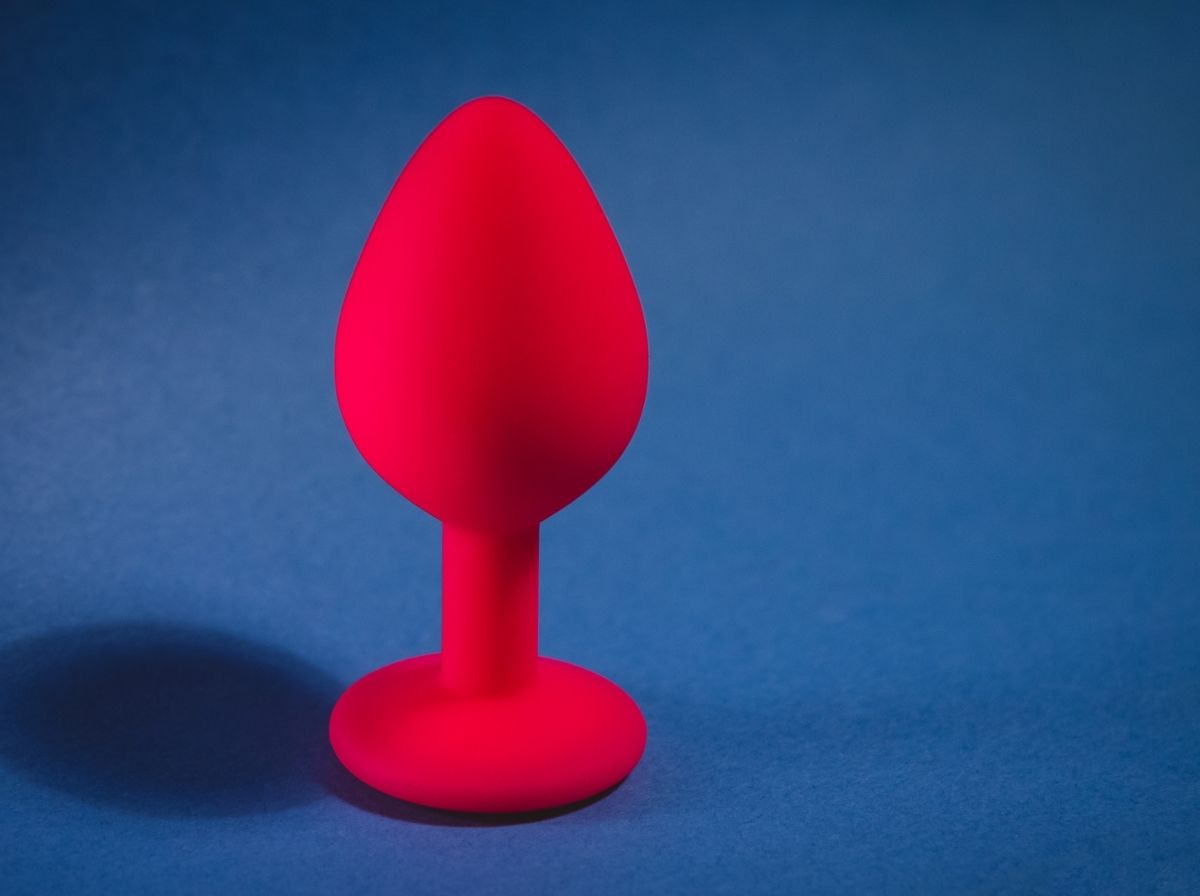
Can You Get an STD from Sex Toys?
This is the question on this list where the answer shifts most significantly. Unlike toilet paper, swimming pools, and shared towels, unclean sex toys used by someone with an STD and then used by another person, or on another part of the same person's body, do carry real transmission risk for several infections. Sex toys are not passive surfaces; they can carry and transfer infected bodily fluids directly to mucosal tissue.
Gonorrhea, chlamydia, herpes, trichomoniasis, and HPV have all been documented as transmissible through shared, uncleaned sex toys. HIV survival on toys depends on factors including time elapsed and whether fluid is wet or dried, but the general precaution of not sharing penetrative toys without cleaning or using a fresh condom applies. Our dedicated article on getting an STD from sex toys covers the specific risks and prevention in full detail.
The prevention here is straightforward: clean toys thoroughly between uses, and use a fresh condom on penetrative toys when sharing between partners. A toy used on one person's genitals and immediately on another's, without cleaning in between, is a direct fluid transfer scenario, which is meaningfully different from the surface-contact scenarios that make toilet paper and toilet seat worries unfounded.
People are also reading: At-Home STD Testing, How It Works, How Accurate It Is, and What to Do With the Results
Can You Get an STD Without Having Sex?
Underneath most of these questions is a specific anxiety: I had a contact that I can't quite categorise as sexual, and I'm trying to work out whether it matters. That's a legitimate and common experience, and it deserves a straight answer rather than reflexive reassurance.
The biology behind surface transmission is genuinely reassuring for the vast majority of everyday scenarios, such as toilet paper, toilet seats, shared cutlery, swimming pools, dry towels, because the pathogens that cause STDs aren't built for that kind of transmission. They're built for the warm, moist, intimate contact of sexual activity. Ordinary daily life doesn't provide what they need.
But the same biology makes sexual transmission remarkably efficient, which is why STDs are so common despite being entirely preventable. The infections that spread through kissing, unprotected sex, and shared intimate items do so because those are the conditions where pathogen transfer is possible. Understanding the difference between what does and doesn't transmit STDs isn't just useful for managing anxiety; it's the foundation of actually protecting yourself. If something you did is genuinely on the sexual contact side of that line rather than the casual contact side, testing at the right window is what resolves the uncertainty.
| Scenario | STD Risk? | Key Nuance |
|---|---|---|
| Toilet paper | No | Dry, porous surface, pathogens lose viability in seconds |
| Toilet seat / public bathroom | Effectively no | Hard, cold, dry surface, no documented cases of STD transmission |
| Sharing dry towels | No (with caveats) | Pubic lice and scabies can survive in fabric; trich can survive on damp towels |
| Sharing damp towels or swimwear | Low but possible | Trichomoniasis survives up to 45 min on damp surfaces |
| Swimming pool or hot tub water | No | Chlorine and dilution eliminate pathogens; sexual activity in water is different |
| Kissing | Low-moderate for HSV-1 | Oral herpes transmissible via saliva; most other STDs not via casual kissing |
| Sharing drinks / utensils | Low for HSV-1 during active outbreak | Infected saliva transfer possible but uncommon; not a route for most STDs |
| Shared sex toys (uncleaned) | Yes, real risk | Direct fluid transfer to mucosal tissue; clean or use condoms between partners |
When to Actually Test
If after reading this article your concern is about a scenario in the "effectively no risk" category, toilet paper, toilet seats, swimming pools, you almost certainly don't need to test for that specific incident. The biology doesn't support it.
If your concern is about sexual contact, protected or unprotected, oral, vaginal, or anal, or about shared sex toys without cleaning, then testing at the right window is the right move. For the most common infections associated with sexual contact, the testing windows are 14 days for chlamydia, 3 weeks for gonorrhea, 6 weeks for HIV, syphilis, herpes, and hepatitis B, and 8 to 11 weeks for hepatitis C.
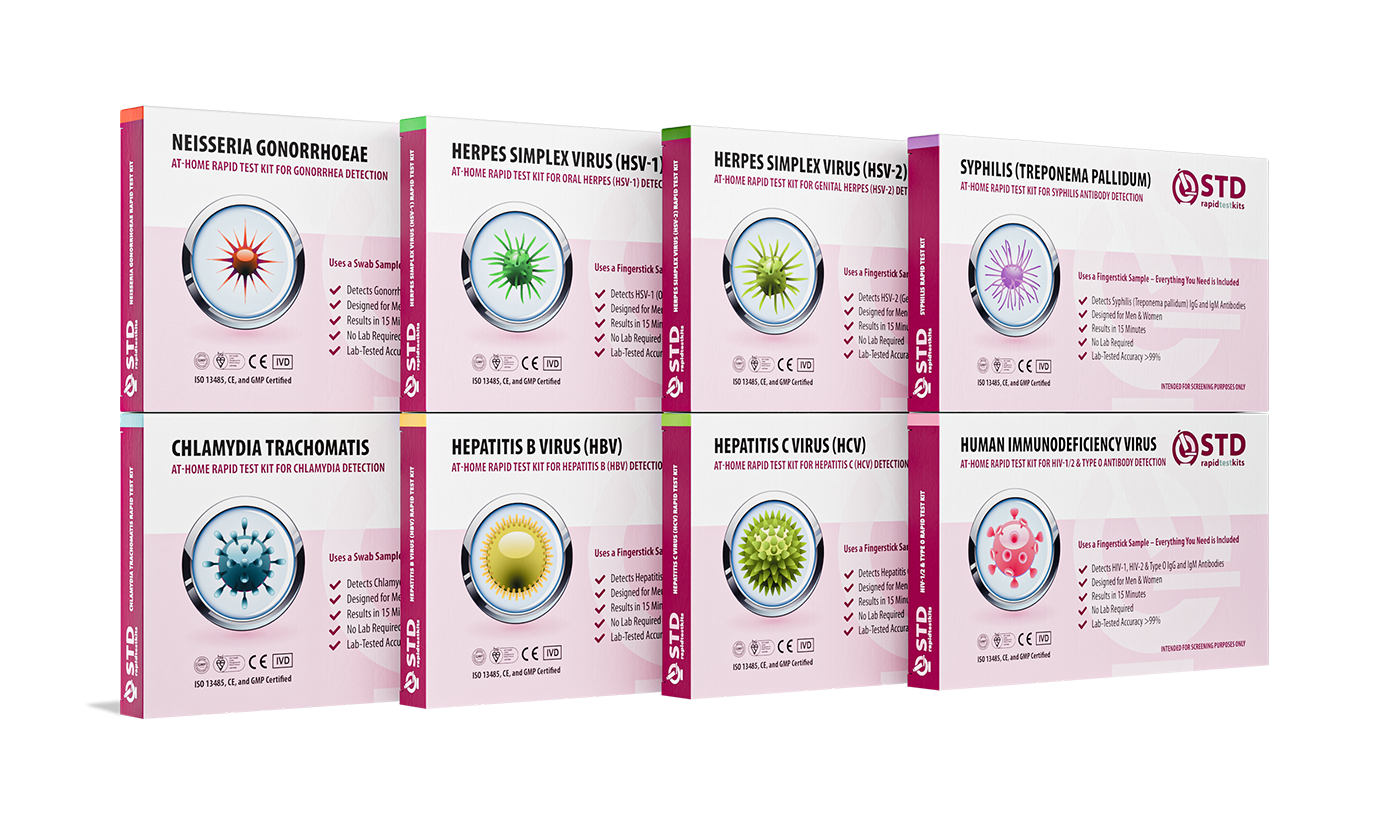
At-home rapid testing means you can get accurate results in minutes without a clinic visit. The Chlamydia, Gonorrhea & Syphilis 3-in-1 At-Home Rapid Test Kit (99.5% accuracy) covers the three most common reportable bacterial STIs in a single test. For a comprehensive panel that includes HIV, herpes HSV-2, hepatitis B, and hepatitis C alongside chlamydia, gonorrhea, and syphilis, the 7-in-1 Complete At-Home STD Test Kit covers everything at once. Women seeking the most complete panel available, including HPV and trichomoniasis, can use the Women's 10-in-1 Kit. Visit STD Rapid Test Kits to find the right kit for your situation.
Check Your STD Status in Minutes
Test at Home with Remedium8-in-1 STD Test Kit
Claim Your Kit Today
Save 62%
For Men & WomenResults in MinutesNo Lab NeededPrivate & DiscreetOrder Now $149.00 $392.00
For all 8 tests
FAQs
1. Can you get an STD by touching something that someone with one has touched?
No. The germs that cause STDs can't live on dry surfaces long enough to be passed on by touch. You can't get STDs by shaking hands, touching door handles, or touching things you use every day.
2. Which STD is the most resistant to surfaces?
Trichomoniasis is the most frequently mentioned. The parasite can live for up to 45 minutes on wet surfaces like wet towels and toilet seats. Scabies and pubic lice can live in fabric for up to 48 hours. Hepatitis B is the most resilient viral STD. It can live on surfaces at room temperature for up to 7 days, but it still needs contact with infectious fluid to spread.
3. Is it possible to get herpes from a toilet seat?
It is possible in theory, but not very likely in practice. The herpes simplex virus can live on smooth surfaces for a short time in wet conditions, but toilet seats are usually too cold, hard, and dry to keep the virus alive. There are no documented cases in the medical literature of herpes spreading through a toilet seat.
4. Is it possible to get gonorrhea or chlamydia from a pool?
No. The bacteria that cause both infections are very weak outside the body and can only live for a few seconds to a few minutes at most. Adding water and chlorine to a pool would get rid of them completely. There are no records of either infection being spread through pool water.
5. Is it okay for partners to share sex toys?
Not without cleaning properly or using a new condom between partners. If you don't clean sex toys, they can carry and transfer infected bodily fluids directly to mucosal tissue. This is a common way for gonorrhea, chlamydia, herpes, trichomoniasis, and HPV to spread. This is not the same as situations where transmission is pretty much impossible because of contact with the surface.
6. Can you catch HIV from toilet paper or surfaces that other people have used?
No. HIV is one of the weakest STD viruses outside the body; it loses its ability to infect within minutes of being exposed to air. The CDC and WHO both say that HIV cannot be spread through toilet seats, shared surfaces, casual contact, or normal daily activities.
7. What can you actually get from a public bathroom?
Gastrointestinal infections and some bacterial skin infections are genuinely transmissible through poor bathroom hygiene, not through sitting on a seat, but through not washing hands after using the toilet. Handwashing is the single most effective hygiene intervention in a public bathroom. STDs are not the concern there.
8. Can you get pubic lice from a toilet seat?
Technically, yes, though it's uncommon. Pubic lice can survive off the body for 24 to 48 hours and can cling to fabric or surfaces. The more common routes of transmission are direct body-to-body contact and shared bedding or clothing. A toilet seat is possible but not a significant transmission route.
9. Can you get an STD from sharing a razor?
Sharing razors that have drawn blood creates a genuine risk for blood-borne infections, including hepatitis B and, in theory, HIV, though HIV degrades quickly even in dried blood. For infections like herpes, a razor used on or near an active outbreak site and then used on someone else is a possible transmission route. Razors should not be shared as a general hygiene practice, and the STD risk is a legitimate part of the reason why.
10. If I had a non-sexual contact that worried me, do I need to test?
For the scenarios covered in this article, toilet paper, toilet seats, swimming pools, casual kissing without visible sores, shared cups, testing is not warranted based on those contacts alone. If there was also sexual contact involved, or use of shared uncleaned sex toys, then testing at the appropriate window is the right step. When in doubt about whether a contact meets the threshold for testing, testing provides certainty that worry alone cannot.
The Bottom Line, STDs You Can't Get from Casual Contact
You cannot get HIV, gonorrhea, chlamydia, syphilis, or HPV from toilet paper, toilet seats, swimming pools, shared cutlery, or casual kissing. These pathogens require direct mucosal contact, infected bodily fluids, or skin-to-skin contact with active sores, none of which occur through ordinary daily life. The infections where surface or indirect transmission is genuinely possible are trichomoniasis (damp towels, wet surfaces), oral herpes HSV-1 (kissing, shared lip products), pubic lice and scabies (shared clothing and bedding), and shared uncleaned sex toys (direct fluid transfer). For all other STDs, the biology simply doesn't support casual transmission, and no amount of bathroom anxiety changes that.
If your concern stems from a genuine sexual exposure rather than a casual contact scenario, the table below shows when testing gives a reliable result for each infection. Testing before these windows risks a false negative, not because the test is inaccurate, but because antibody levels haven't yet reached detectable thresholds.
| Infection | Test From |
|---|---|
| Chlamydia | 14 days after exposure |
| Gonorrhea | 3 weeks after exposure |
| Syphilis | 6 weeks after exposure |
| HIV | 6 weeks (first indicator); retest at 12 weeks for certainty |
| Herpes HSV-1 & HSV-2 | 6 weeks after exposure |
| Hepatitis B | 6 weeks after exposure |
| Hepatitis C | 8–11 weeks after exposure |
Our STD myths and facts hub covers a wider range of misconceptions in the same direct style. And if a genuine exposure, sexual rather than casual, is what you're working through, testing at the right window is the most useful thing you can do.
How We Sourced This: Our article was constructed based on current advice from the most prominent public health and medical organizations, and then molded into simple language based on the situations that people actually experience, such as treatment, reinfection by a partner, no-symptom exposure, and the uncomfortable question of whether it "came back." In the background, our pool of research included more diverse public health advice, clinical advice, and medical references, but the following are the most pertinent and useful for readers who want to verify our claims for themselves.
Sources
2. American Sexual Health Association, Fast Facts About HSV
3. MedicineNet, Can I Get STDs Through Casual Contact?
4. Hackensack Meridian Health, Can You Get an STD from a Toilet Seat?
5. Healthline, Can You Get Herpes From a Towel?
6. Herpes Viruses Association, Passing and Transmitting Herpes
About the Author
Dr. F. David, MD is a board-certified infectious disease specialist focused on STI prevention, diagnosis, and treatment. He writes with a direct, sex-positive, stigma-free approach designed to help readers get clear answers without the panic spiral.
Reviewed by: Rapid STD Test Kits Medical Review Team | Last medically reviewed: April 2026
This article is for informational purposes and does not replace medical advice.


