Can STDs Survive on Toilet Paper? Exploring Unusual Modes of Transmission
In the world of health and wellness, there is quite a bit of misinformation and myths that cause people undue stress and worry. One such example is people believing they can catch STDs through things like toilet paper. Now, how much truth does it have? Through this article, we hope to break such myths and provide factually-accurate information on some of the unusual modes of transmission of STDs. En-route, we talk about the significance of self-testing for STDs at home through a rapid test meant to provide results instantly.
03 October 2024
5 min read
151422
A Brief About STDs: Understanding Them
Before going further into our main question, let us understand what an STD is. Sexually transmitted diseases are infectious diseases communicated through sexual contact. These may range from bacterial infections like gonorrhea and syphilis, to viral infections including human papillomavirus, herpes simplex virus, and human immunodeficiency virus.
Can STDs Live on Toilet Paper?
In plain words: STDs cannot exist on toilet paper. This primarily is because most pathogens that cause STDs are very sensitive to changes in the environmental setting and hence cannot exist outside the human body for a long time, let alone on such a dry and absorbent surface as toilet paper. Main forms of infection with STD involve person-to-person contact during sexual activity; therefore, indirect contact with fomites is excluded from the basic modes of infection.
Why Fear the Toilet Paper?
This may be partly a product of the general anxiety about hygiene and the use of public restrooms, which is often highlighted as potential sites of disease transmission. Indeed, some infectious diseases can be transmitted in public restrooms; however, these do not include STDs. In this case, appropriate awareness can dispel baseless fears and provide scientific insight into how STDs are transmitted.
Uncommon Means of Transmitting STDs
While sexual contact is the major route for the transmission of the majority of STDs, there are other less common routes through which such infections spread. For instance, sharing needles during drug use furthers the spread of some STDs, such as HIV and Hepatitis B. Pregnant women can pass such infections to their babies during childbirth or breastfeeding.
However, note that the STDs are not transmitted in any casual social contact with an infected person by hugging, shaking hands, sharing toilets, or touching objects.
STD Testing: The Need for Early Detection
The prevalence of STD infections is nevertheless also high globally despite the low risk of acquiring the infections from the inanimate objects, mainly due to unprotected sexual contact and a deficiency of routine tests. Testing for STDs should be done regularly and is very important, especially for sexually active individuals, since many of these infections have no signs in the early stage.
Self-Testing at Home with a Rapid Test for Instant STD Results
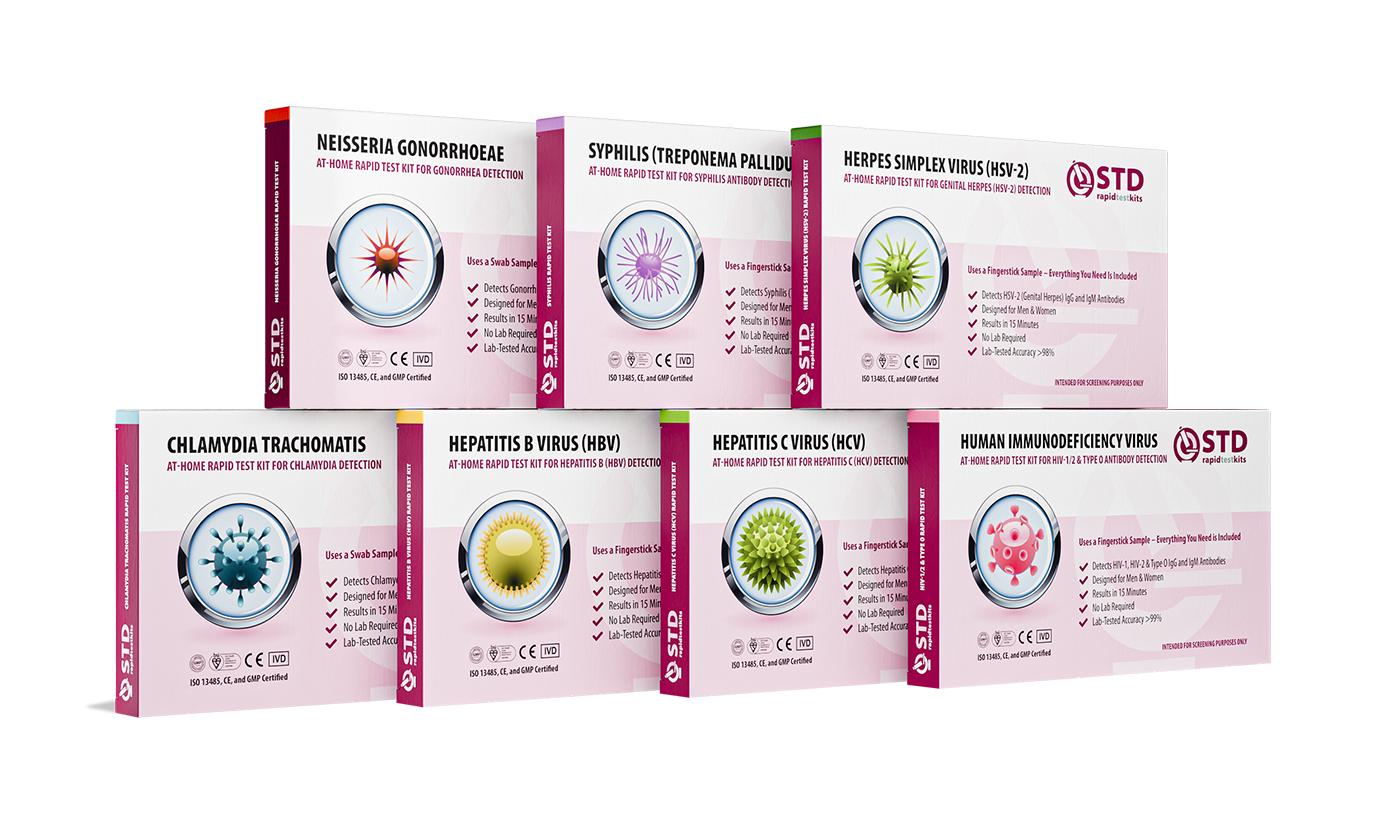
Of course, one major development in the field of health technology is home testing for STDs. They were quick, easy, and private ways of finding out your status in terms of STDs. With these home tests, you can take a sample—usually urine or a swab—in the convenience and privacy of your own home and obtain direct, instant STD results.
Rapid testing for STDs has transformed the fight against these diseases by enabling early detection and treatment. Early diagnosis can help avoid complications related to untreated STDs, such as infertility, some types of cancers, and other long-term health problems.
Conclusion: You Cannot Get STDs from Toilet Paper
STDs cannot be transmitted through toilet paper or similar surfaces. The most usual mode of transmission is still sexual contact, and less frequently through shared needles or from mother to child.
Of course, this includes routine testing for STDs, including home-based rapid tests to instantly find out if one has an STD. Being in a comfort zone at home where one can test themselves may boost an individual to make their own health choices and help reduce the incidences of STDs.
A Final Word on Prevention
While understanding the modes of STD transmission is important, perhaps more or even equally important is prevention. The use of barrier methods such as condoms during sexual contact, vaccination against preventable diseases such as HPV and Hepatitis B, limiting sexual partners, and testing for sexually transmitted diseases on a regular basis are some of the best strategies for risk minimization.
Gaining Conveniences of Home Testing
Home testing kits for STDs offer a great, invaluable tool for dealing with your own sexual health, with direct instant STD results in the privacy of your own home. No need for appointments or uncomfortable talks; you can test yourself at your convenience and get the treatment you need if necessary.
How Accurate Are Home STD Tests?
In recent years, home rapid STD testing has dramatically improved. Today's tests are very accurate, but the key is to carefully follow the directions for an accurate result. If your test results are positive, you will need to confirm those results and seek recommendations from your health care provider concerning the appropriate treatment.
Medical Recommendations
Remember, self-testing does not replace regular check-ups with your healthcare provider; in cases of any symptoms or high risk for STDs, it is advisable to seek professional medical advice.
It is also a myth that a person will get an STD from toilet paper; this science has cleared as the mode of transmission is generally sexual contact, while in other instances, it's through sharing needles or from mother to child at birth or during breastfeeding.
Home-based rapid tests for STDs offer a valuable tool in the fight against these diseases by facilitating their early detection and treatment. Regular testing is required for sexual health, the prevention of the spread of the disease, as well as safe sex and open lines with health providers.
It's ultimately good news to dispel fear. Understanding how STDs are really transmitted can facilitate clearing up some misunderstandings and reducing stigma while promoting healthy, responsible behaviors. So the next time you venture out to a public restroom, remember: It's not the toilet paper that will get you infected with an STD, but it could be your failure to practice safer sex.







 For Men & Women
 Results in Minutes
 No Lab Needed
 Private & Discreet


