How Accurate Are At-Home Trichomoniasis Tests Compared With a Lab Test?
A home trichomoniasis swab gives you an answer in about 15 minutes. A lab test takes longer and catches more infections. This guide puts the published sensitivity and specificity figures side by side, explains what the gap means for a positive or a negative result, and shows when each test is the better choice.
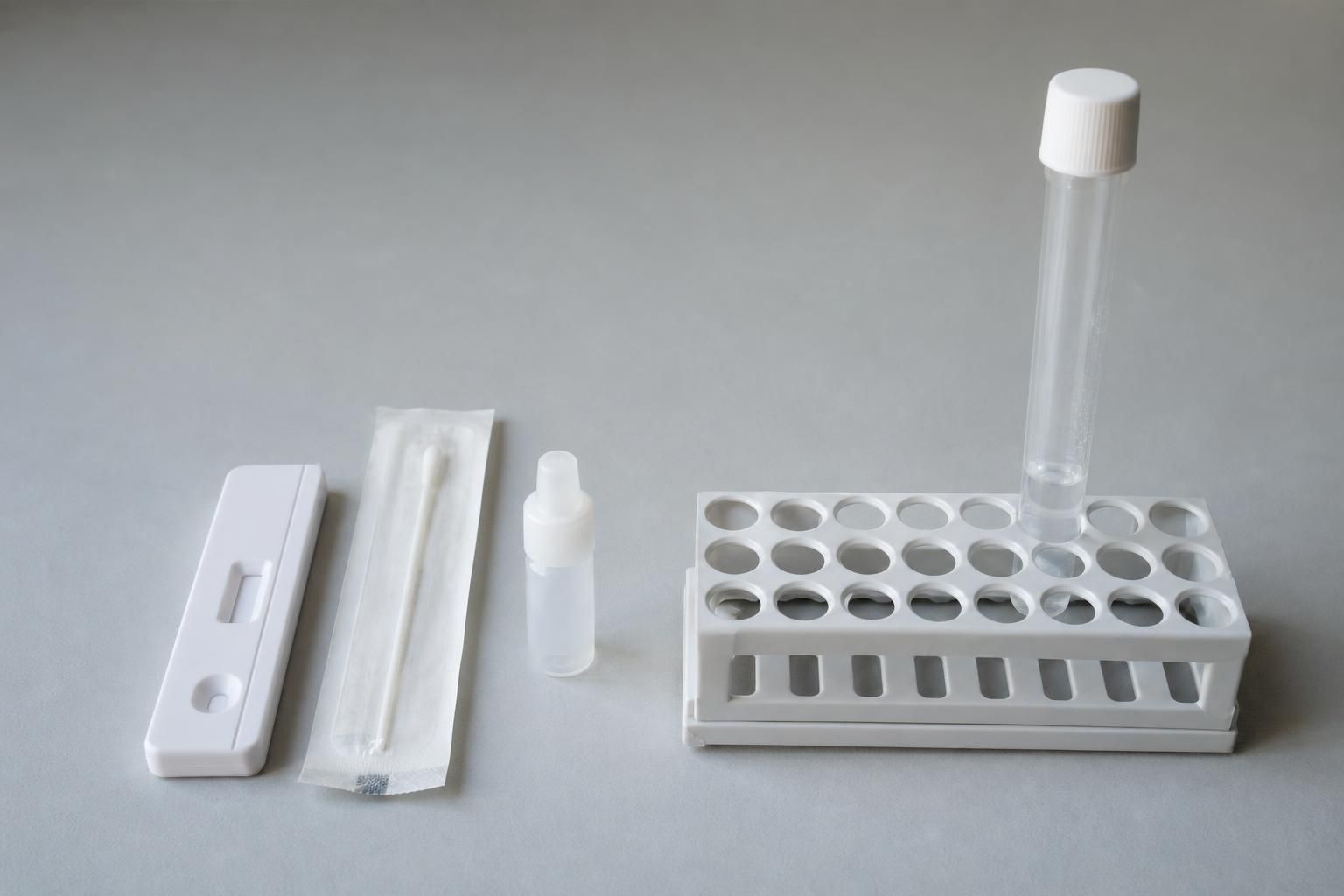



- A lab NAAT catches the most trichomoniasis infections; a rapid antigen swab catches most of them, and its positives are rarely wrong.
- A negative home result can miss infection, and in one 2025 study it missed more in people without symptoms. If you have symptoms or ongoing risk, a lab NAAT is the safer test.
Published: October 2026 | Last updated: October 2026 | Editorial review and quality control: Martina N.
How accurate is a home trichomoniasis test compared with a lab test?
A lab NAAT is most accurate: the CDC lists the Aptima assay at 95.3% to 100% sensitivity. For the OSOM vaginal-swab antigen test, it reports 82% to 95% sensitivity and 97% to 100% specificity (<a href="https://www.cdc.gov/std/treatment-guidelines/trichomoniasis.htm">CDC treatment guidelines</a>). A positive rapid result is usually right. In one 2025 study of pregnant women, a negative missed more infections in those without symptoms.
If you already have a swab result, or you are deciding whether a $47 home kit is worth it compared with a clinic visit, the short answer is that the two tests are good at different things. A lab nucleic acid amplification test (NAAT), which looks for the parasite's genetic material, finds the most infections. A rapid antigen test, which looks for parasite proteins on a vaginal swab, is fast and private and rarely gives a false positive. It misses more infections, though.
This article sets the published numbers for each test side by side and works through what they mean for one person's result. It also covers who should skip the home test and go straight to a lab. How to collect the swab and read the strip without error is covered in our guide to trichomoniasis rapid test accuracy and common mistakes, so it isn't repeated here.
Rapid antigen swab vs lab NAAT: the published numbers
The CDC's 2021 STI treatment guidelines, last reviewed in 2022, give performance ranges for each type of trichomoniasis test (CDC trichomoniasis guideline). The rapid figures below come from the OSOM Trichomonas Rapid Test, the antigen test the CDC reviews. They describe that brand. Other kits, including home kits, report their own performance in their instructions, so check the insert in your own kit for its figures.
Two terms matter. Sensitivity is the share of people with the infection whom the test correctly flags. Specificity is the share of people without it whom the test correctly clears. The rapid test's 82% to 95% sensitivity was measured against wet mount, culture and a lab NAAT. The NAAT's own range was measured against older methods (wet mount and culture), and the CDC rates wet mount's own sensitivity as low.
Microscopy is in the table because many clinics still use it as a quick first look.
Trichomoniasis Tests Compared
| Feature | Rapid antigen swab (OSOM-type) | Lab NAAT (e.g. Aptima TV) | Wet-mount microscopy |
|---|---|---|---|
| What it detects | Parasite proteins (antigens) | Parasite genetic material (RNA) | Live, moving parasites under a microscope |
| Sensitivity (CDC) | 82%–95% | 95.3%–100% | 44%–68% vs culture |
| Specificity (CDC) | 97%–100% | 95.2%–100% | Not given in the CDC guideline |
| Sample | Vaginal fluid only | Vaginal swab or urine; urethral swab or urine for men where a lab has validated it | Fresh vaginal fluid |
| Time to result | About 10–15 minutes | Sent to a lab; turnaround set by the lab | Minutes, but sensitivity falls to 20% within 1 hour of collection |
| Use in men | Not recommended (38% sensitivity vs Aptima) | Aptima not FDA cleared for men; labs may validate it | Used mainly for women |
Figures from the CDC STI treatment guidelines. Rapid-test ranges come from the OSOM test and may differ for other brands.
What these percentages mean for a single result
Picture 100 women who all have trichomoniasis. At 82% to 95% sensitivity, a rapid antigen swab flags 82 to 95 of them and misses 5 to 18. A NAAT at 95.3% to 100% misses at most about 5. Now picture 100 women who don't have it. At 97% to 100% specificity, the rapid test wrongly flags at most 3.
So the rapid test is more reliable when it says yes than when it says no. A positive line is very likely real. A negative line lowers the odds of infection but doesn't rule it out.
Real-world use can do worse than the CDC's range. A 2025 study of 1,015 pregnant women in Zambia ran a rapid antigen test and an Aptima NAAT on paired vaginal swabs (Sorano et al., 2025). The rapid test had 66.4% sensitivity and 99.6% specificity overall. Its sensitivity was 83.6% in women with symptoms and 60.4% in women without them. That is one study in one group of pregnant women, so the numbers may differ elsewhere. The study did not explain the gap; lower antigen levels in people without symptoms is one possible reason.
High specificity with sensitivity that varies often shows up in rapid STI tests. Our explainer on how accurate rapid STD test kits are compared to lab testing covers it for other infections.
NAATs are highly sensitive, detecting more T. vaginalis infections than wet-mount microscopy among women.
Why a missed infection matters with trich
Trichomoniasis is quiet. The CDC estimates that 70% to 85% of people with it have minimal or no genital symptoms, and untreated infections can last months to years (CDC guideline). It is also common. WHO counted about 156 million new cases worldwide in 2020 among people aged 15 to 49 (WHO fact sheet), and the CDC puts the U.S. figure at more than two million infections in 2018 (CDC: About Trichomoniasis).
Put those facts together and the trouble with a false negative is clear. Someone with no symptoms and a missed infection has no reason to test again, and can keep passing it to partners. Trich is curable, and NHS guidance says it is usually treated with the antibiotic metronidazole (NHS). A missed result delays that treatment. It doesn't make the infection untreatable.
Symptoms don't identify trich either. The CDC states that trichomoniasis can't be diagnosed from symptoms alone, and a lab test confirms it.
Cost, speed and privacy: what each route costs you
Accuracy is one column in the decision. For a lot of people the practical questions decide it: how soon they can test, who sees the result, and what they pay.
A home rapid kit costs a flat price, needs no appointment and gives an answer in about 15 minutes. There is no copay, no separate lab fee, and no insurance statement listing an STI test. A lab NAAT usually means a clinic or telehealth visit and a sample sent off for processing. Your cost depends on your insurance and the clinic. Free or low-cost testing is available at many public sexual-health clinics. For a wider look at routes, including mail-in lab kits, see our at-home vs lab vs mail-in STD test comparison guide.
| Practical factor | Home rapid antigen swab | Clinic or lab NAAT |
|---|---|---|
| Appointment needed | No | Usually yes (in person or telehealth) |
| Who collects the sample | You, with a vaginal self-swab | You or a clinician (swab or urine) |
| Time to result | About 15 minutes | Depends on the lab |
| Upfront cost | Flat kit price | Visit plus lab fee, or covered by insurance or a free clinic |
| Who sees the result | Only you | Your provider; may appear on insurance paperwork |
| Treatment | Needs a clinician after a positive | Prescription can follow at the same visit |
When a home rapid test is a sensible first step
A rapid antigen swab fits best when you have a vagina, have no symptoms and want a private first screen, for example after a new partner or as a routine check. Self-testing is practical. The CDC cites a study of 209 women aged 14 to 22 in which more than 99% performed and read an OSOM vaginal self-test correctly.
Treat the result as a screen. A positive means it's time to see a clinician for treatment and to tell recent partners. A negative isn't final. The CDC's 82% to 95% range comes from OSOM data, and the 2025 Zambia study above found 60.4% sensitivity in pregnant women without symptoms. That is one study in one setting, but it is the group a routine screen is meant for. If your risk continues, repeat the test later or confirm the negative with a NAAT at your next clinic visit.
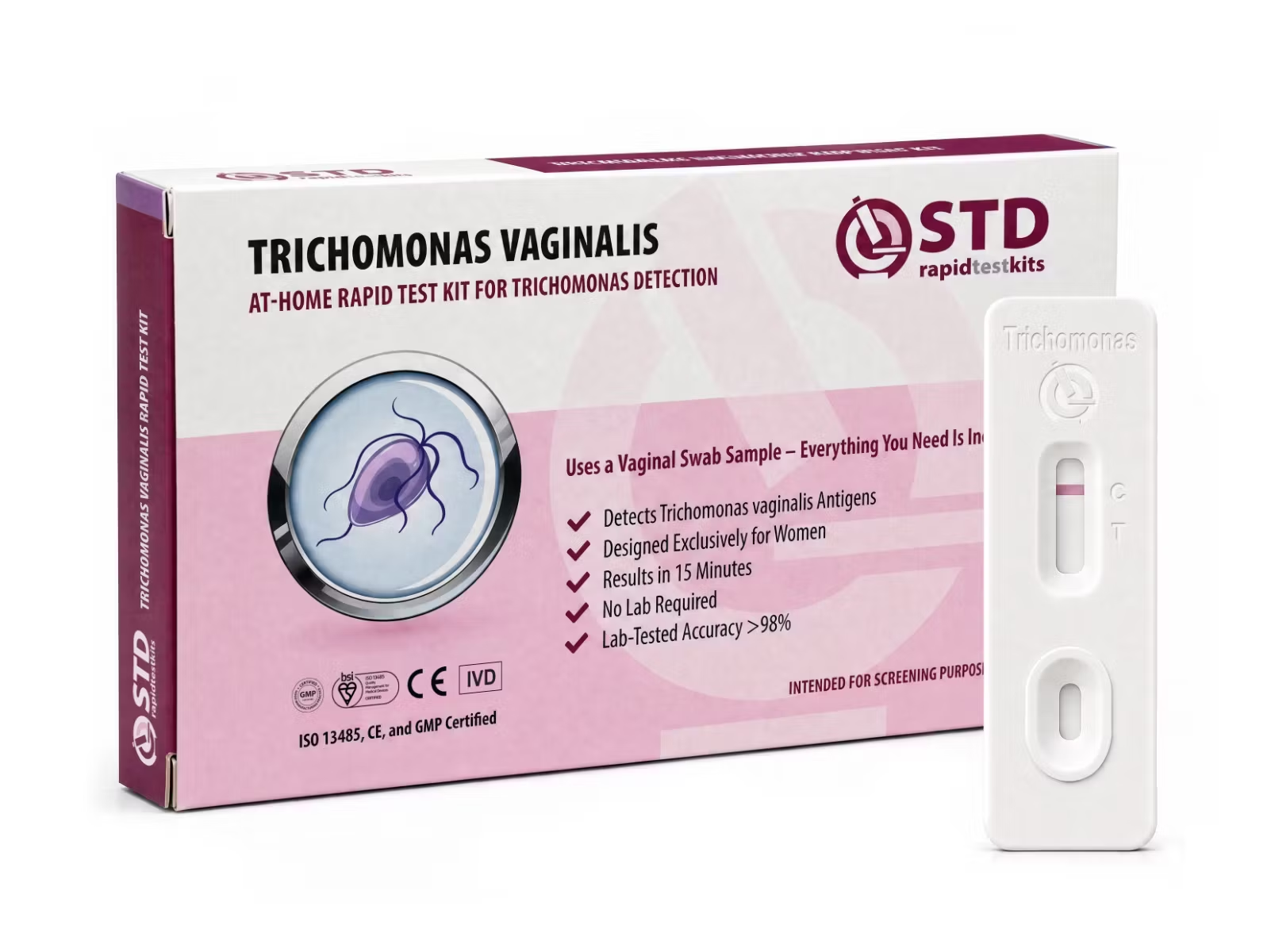
stdrapidtestkits.com sells at-home STI tests, including the trichomoniasis kit linked here. Our at-home trichomoniasis test is validated for vaginal self-swab only. Men who need a trich test should see a clinic for a lab NAAT.
When to go straight to a lab NAAT
The CDC's OSOM figures work out to a miss rate of 5% to 18%. The 2025 study above found about 40% of infections missed in pregnant women without symptoms. A private first screen that you repeat or confirm can still make sense. It's a poor trade when a missed infection would cost you more. In the situations below, a clinic test is the better tool. Usually that's a NAAT on a vaginal swab, a urine sample, or a urethral sample for men. MedlinePlus lists swabs from the vagina or the urethra as the preferred samples (MedlinePlus).
After treatment, timing matters. Because reinfection is common, the CDC recommends retesting sexually active women about 3 months after treatment. If a NAAT is used, it shouldn't be done sooner than 3 weeks after finishing treatment, because leftover genetic material can show up. The CDC also notes that about 1 in 5 people are reinfected within 3 months. For infections that persist or keep coming back, the CDC says retesting with culture, the preferred test, can be considered.
Situations Where a Lab NAAT Is the Better Test
None of these mean you have trichomoniasis. They are cases where a missed result matters more than speed.
- You have symptoms such as unusual discharge, itching, burning or pain when urinating Common
- You tested negative at home but symptoms continue Common
- You have a penis: the CDC says the OSOM rapid test should not be used with men because of low sensitivity (38% compared with Aptima) Common
- You are pregnant and have symptoms: the CDC says pregnant women with symptoms should be tested and treated. Without symptoms, ask your prenatal care team whether to test Less common
- You were treated in the past 3 months and need a retest Less common
- Your infection has returned after treatment more than once Rare
Reading your result and deciding what comes next
A positive home result is likely a true positive, given the 97% to 100% specificity above. Book a clinic or telehealth appointment for treatment, and avoid sex until at least 1 week after you and any partners have finished treatment, as the NHS advises. NHS advice adds that you can get trich again even if you've had it before.
A negative result depends on context. With no symptoms and a one-off exposure, it lowers the odds, but repeat the test or ask for a NAAT if your risk continues. With symptoms, or a negative that doesn't fit how you feel, get a lab NAAT. If a partner tested positive, see a clinician rather than relying on a home result: the CDC guideline says current partners should be referred for treatment. If you're still weighing home kits in general, our review of what the science shows on at-home STD kit reliability covers the evidence across infections.
Home Rapid Test or Lab NAAT for Trichomoniasis?
Do you have a penis?
Yes: Skip the home antigen test. See a clinic for a lab NAAT on urine or a urethral sample.
Do you have symptoms, are you pregnant, or has a partner tested positive?
Yes: Book a clinic or telehealth visit. The CDC says pregnant women with symptoms should be tested and treated, and that current partners of someone with trich should be referred for treatment. A clinic NAAT detects more infections than a rapid antigen test. If you test at home first, a negative result shouldn't end the search.
Were you treated for trichomoniasis in the past 3 months?
Yes: Follow your clinician's retest plan. CDC advises retesting women about 3 months after treatment, and a NAAT no sooner than 3 weeks after it.
No symptoms, and you want a private, fast screen?
Yes: A home rapid antigen swab is a reasonable first step, but a negative can miss infection, and one study found it missed more in people without symptoms. Confirm a positive with a clinician; repeat the test or ask for a NAAT if your risk continues.
No: Keep to your usual screening schedule, and get a test whenever you have a new partner.
Guidance only. A healthcare provider can advise based on your situation.
This article summarizes current guidance from the U.S. Centers for Disease Control and Prevention (CDC), the World Health Organization (WHO), the NHS and MedlinePlus and the other sources listed below. Each specific figure or recommendation links to the page that states it, and every page used is listed under Sources with what it supports. It is general health information written by our editorial staff, not a diagnosis or a treatment plan; how we choose topics and use sources is described in our editorial policy.
- U.S. Centers for Disease Control and Prevention. Sexually Transmitted Infections Treatment Guidelines: Trichomoniasis. Source for NAAT (Aptima 95.3%–100% sensitivity, 95.2%–100% specificity), OSOM rapid test (82%–95% sensitivity, 97%–100% specificity, 10–15 minutes, 38% sensitivity in men), wet-mount (44%–68%) figures, the self-test study, the 70%–85% minimal-or-no-symptom estimate, and retesting guidance.
- U.S. Centers for Disease Control and Prevention. About Trichomoniasis. Source for the more than two million U.S. infections estimated in 2018, diagnosis requiring a lab test rather than symptoms, and reinfection in about 1 in 5 people within 3 months.
- World Health Organization. Trichomoniasis fact sheet. Source for the approximately 156 million new cases worldwide in 2020 among people aged 15–49, and NAAT considered in some settings as a gold standard for diagnosis.
- NHS. Trichomoniasis. Source for swab and urine testing, treatment usually with metronidazole, avoiding sex until at least 1 week after you and any partners finish treatment, and the possibility of reinfection.
- MedlinePlus (U.S. National Library of Medicine). Trichomoniasis Test. Source for test types (NAAT, rapid antigen on vaginal fluid only, culture, wet prep) and preferred swab sample sites.
- Sorano S, et al. Diagnostic accuracy of an antigen-based point-of-care test versus nucleic acid amplification testing for genital trichomoniasis among pregnant women attending antenatal care facilities in Zambia (2025). Source for 66.4% overall sensitivity, 99.6% specificity, and 83.6% vs 60.4% sensitivity with and without symptoms in 1,015 women.