







Never Had Sex, Still Got an STD? Here's How It Happens
Quick Answer
Yes, you can get an STD without vaginal or anal sex. Skin-to-skin contact, oral sex, and shared sex toys can all transmit infections, whether or not you consider yourself a virgin. It’s more common than you think, and it’s not your fault.
Virginity Doesn’t Protect You, And It Was Never Meant To
Let’s get this out of the way: virginity isn’t a medical term. It’s a social idea. A moving target. Some people define it as never having vaginal sex. Others include anal or oral. Some don’t think it counts unless there’s emotional intimacy or orgasm involved. None of that changes how bacteria or viruses work.
Your body doesn’t care what you call “sex.” If someone’s mouth touches your genitals, or their skin rubs against yours, or you share an unwashed toy, that’s enough. Infections don’t wait for penetration. They just need contact, fluids, or friction.
So if you’re clinging to the idea that your “technical virginity” should’ve shielded you, let it go. It’s not your defense. It never was.

People are also looking for: Do I need to get tested if I've only had oral sex?
Oral Sex Isn’t Safe Sex, It’s Just Different Risk
Here’s what they don’t always tell you: oral sex can absolutely transmit STDs. Gonorrhea, Chlamydia, Herpes, HPV, and even Syphilis can all pass from one mouth to another body part, no penis-in-vagina required.
You can get a throat infection from giving oral sex, or genital symptoms from receiving it. And unlike classic “cold symptoms,” these infections often hide without showing anything obvious. No sores. No burning. Just silence.
What makes it worse? Very few people use protection during oral. Condoms and dental dams are rarely part of the conversation, especially for first-timers or folks who “aren’t really having sex.” That’s how a lot of virginity-defined people end up with a sore throat that’s actually Gonorrhea, or a genital herpes outbreak after “just oral.”
Skin-to-Skin Contact Spreads More Than You Think
You don’t even need fluid exchange for some STDs to make their move. Herpes and HPV live in skin cells, and they can spread just from genital-to-genital rubbing. The kind that happens during dry humping, mutual masturbation, or grinding. Yep, even through underwear if things shift enough.
These viruses can infect areas not covered by a condom, like the base of the penis, labia, or inner thighs. And once inside, they can lie dormant for weeks or months before showing any signs. Some never do.
If you’ve had close genital contact, even without penetration, you’ve had enough exposure for transmission. And that doesn’t make you reckless. It makes you human.
Order Now $129.00 $343.00 Check Your STD Status in Minutes
Test at Home with Remedium
7-in-1 STD Test Kit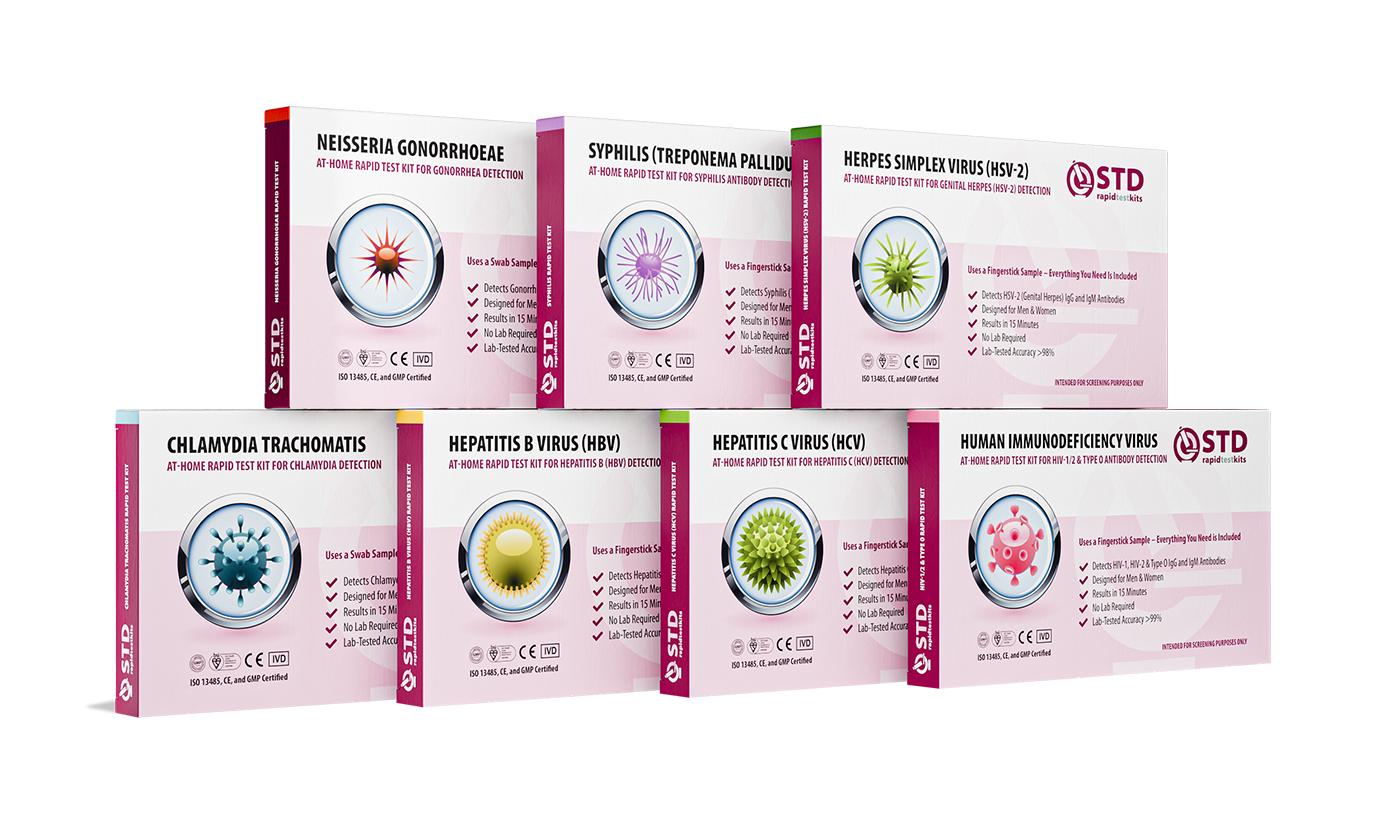 Claim Your Kit TodaySave 62%
 For Men & Women
 Results in Minutes
 No Lab Needed
 Private & Discreet
For all 7 tests
Sex Toys, Fingers, and Fluids: The Overlooked Risk Zone
Think of sex toys like toothbrushes. You wouldn’t share one without cleaning it, right? Yet many people pass toys between partners, or reuse them between body parts, without sanitizing or using condoms.
Chlamydia, Gonorrhea, Trichomoniasis, and even HIV can survive on toys for short periods, especially if there's moisture or lube involved. If those toys go from one person to another without a barrier or wash, that’s a direct transmission route.
Fingers can carry risk too, especially if they’re moving between mouths, genitals, or anuses without washing. It’s not the most common path, but if there’s a cut or fluid, bacteria don’t need an engraved invitation.
The rule here? Fluids + friction = potential risk. Virginity doesn’t cancel that out.
You Got Tested “Just in Case”, Then Boom, Positive
For many people, the nightmare starts not with a symptom, but with curiosity. Maybe a partner asked about STDs. Maybe a TikTok scared you. Maybe you’re just conscientious. You take the test, fully expecting a clean slate. Then, positive.
It doesn’t make sense. You haven’t had “sex.” You haven’t “done anything.” Except maybe… that one time with their mouth. Or that grinding session in the backseat. Or sharing a toy you didn’t think to clean.
This is where shame sets in. The part where your brain scrambles for loopholes. You re-define every interaction. You wonder if the test was wrong. You start Googling the window periods, hoping to find a reason to believe it’s someone else’s result. But the truth is simple: you can be a virgin and still test positive. That’s not bad luck or moral failure. That’s just how bodies and bacteria work.

People are also looking for: Can children get STDs non-sexually?
Real People, Real Stories: "I Didn’t Know It Was Possible"
Samantha, 19, had only ever kissed and done “stuff with hands.” She got a Herpes diagnosis after noticing what she thought was an ingrown hair. She didn’t even know the person she hooked up with had anything, there were no sores, no warnings, just some intense dry humping in a dorm room.
Elijah, 21, identified as a virgin and queer. He had oral sex once, felt sore for a week after, and didn’t think much of it. Months later, a friend encouraged him to test before their first time together. That’s when he learned he had Gonorrhea in his throat, likely from the oral encounter.
Maya, 23, used a shared vibrator at a bachelorette party on a dare. It was wiped down but not cleaned properly. Three weeks later, she tested positive for Chlamydia. The doctor told her it could’ve come from the toy.
What all these stories have in common? None of them expected it. All of them thought their virginity kept them safe. And every one of them is now a vocal advocate for getting tested, early, often, and without shame.
But I Didn’t Even Hook Up! (Other Ways STDs Spread)
In rare cases, STDs really do show up in people who haven’t had any sexual contact. Here’s how:
- Congenital transmission: Infections like HIV, Hepatitis B, and Herpes can be passed from parent to child during birth. Some people find out they were exposed as infants, especially if they were born in regions with higher prevalence.
- Non-sexual fluid contact: This is rare but possible, especially with viruses like Hepatitis B or C, if blood is exchanged through shared razors, toothbrushes, or medical exposure.
- Sexual abuse or assault: Some people block out or don’t recall experiences that could’ve led to exposure. Others never report them.
If you’re truly baffled by your result, a good provider will walk you through potential exposure paths, not to shame you, but to give you clarity. And if trauma is part of the story, that conversation should be handled with care.
Order Now $49.00 $98.00 Check Your STD Status in Minutes
Test at Home with Remedium
Hepatitis B & Hepatitis C Test Kit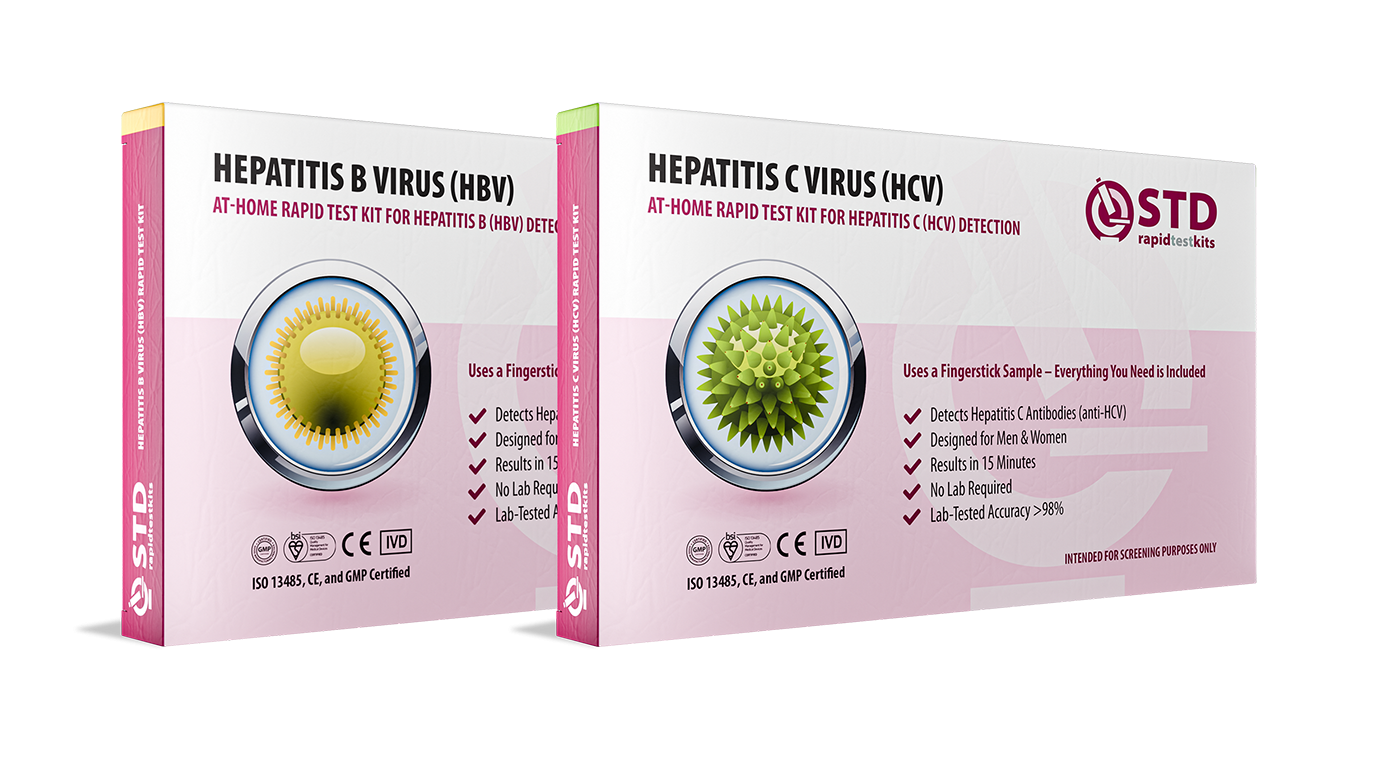 Claim Your Kit TodaySave 50%For Men & WomenResults in MinutesNo Lab NeededPrivate & Discreet
For all 2 tests
Testing as a Virgin: Why It’s Not Weird (But Still Feels Like It)
Let’s be honest: telling a nurse, “I’m a virgin but I need an STD test” can feel ridiculous. You expect them to raise an eyebrow or ask if you’re sure. But the right provider won’t flinch. Because they know better.
In fact, most doctors now recommend routine STD screening for anyone who’s sexually active in any form, oral, digital, toys, skin-to-skin, etc. Virginity doesn’t disqualify you. If you’ve had any intimate contact, you qualify. And frankly, even if you haven’t, a baseline test helps establish your status in case something happens later.
If walking into a clinic is too overwhelming, there’s an alternative: Virgin or not, STDs don’t always play by the rules. Take the guesswork out, get a confidential home test.
You test from home, no exam table, no awkward questions. Just answers.
The Emotional Fallout: “I Feel Gross. I Didn’t Even Do Anything.”
This is the part most articles skip. The shame spiral.
When you get an STD diagnosis as a virgin, or someone who’s never done “real” sex, you don’t just question your health. You question your self-worth. How could this happen to me? What does this mean about me? What will people think if they find out?
It hits harder because you followed the rules. Maybe you waited. Maybe you were cautious. Maybe your decisions were driven by trauma, religion, fear, or just a desire to move slow. And yet here you are, carrying something you thought only happened to other people.
Let me say this clearly: you are not gross. You are not dirty. You are not broken.
You are someone with a human body that touched another human body. That’s it. It doesn’t make you irresponsible or unsafe. It makes you alive in a world where STDs are common, treatable, and often invisible.
What you do next, that’s what matters. And you’re already doing it. You’re asking questions. You’re looking for answers. That’s powerful.

People are also looking for: When can I get tested after a sexual assault?
Prevention That Actually Works (Even If You’re Not “Having Sex”)
Here’s how to protect yourself when you’re not having “sex,” but still doing sexual things:
- Use condoms and dental dams for oral-genital and genital-genital contact, even if it’s not penetrative. You can cut a condom to make a dam or buy flavored ones made for oral.
- Clean and cover your toys. Use a fresh condom on shared or multiple-use toys. Wash with soap and hot water or a proper sex toy cleaner. Don’t share unless you sanitize fully.
- Be honest about exposure. If you’ve had skin-to-skin or fluid contact with someone’s genitals, that counts. Tell your provider, even if you didn’t “go all the way.”
- Vaccinate when you can. The HPV vaccine and Hepatitis B shot are highly effective. Many people qualify through age 26, or later, depending on your doctor’s call.
- Test at least once a year, or after any new partner/contact. You don’t need to wait for symptoms. In fact, you probably shouldn’t.
Protection isn’t about fear, it’s about freedom. You deserve to explore your sexuality and stay healthy. Those aren’t opposites.
Myth-Busting: What STD Education Got Totally Wrong
Let’s kill some dangerous myths:
“You can’t get an STD without sex.”
False. Skin-to-skin and oral-genital contact absolutely count.
“Only people with multiple partners get STDs.”
Nope. You can get infected from one partner, one time.
“I’m not having sex, so I don’t need protection.”
Unless your partner is a ghost, that’s risky thinking.
“You’d know if you had something.”
Actually, many STDs stay silent for months or years.
“Getting an STD means you did something wrong.”
STDs aren’t punishment. They’re infections. Full stop.
You weren’t taught this in health class. Or if you were, it was framed in judgment and shame. Let’s reframe it in reality: STDs are part of human sexuality, not a moral failing.
Check Your STD Status in Minutes
Test at Home with RemediumTrichomoniasis Test Kit
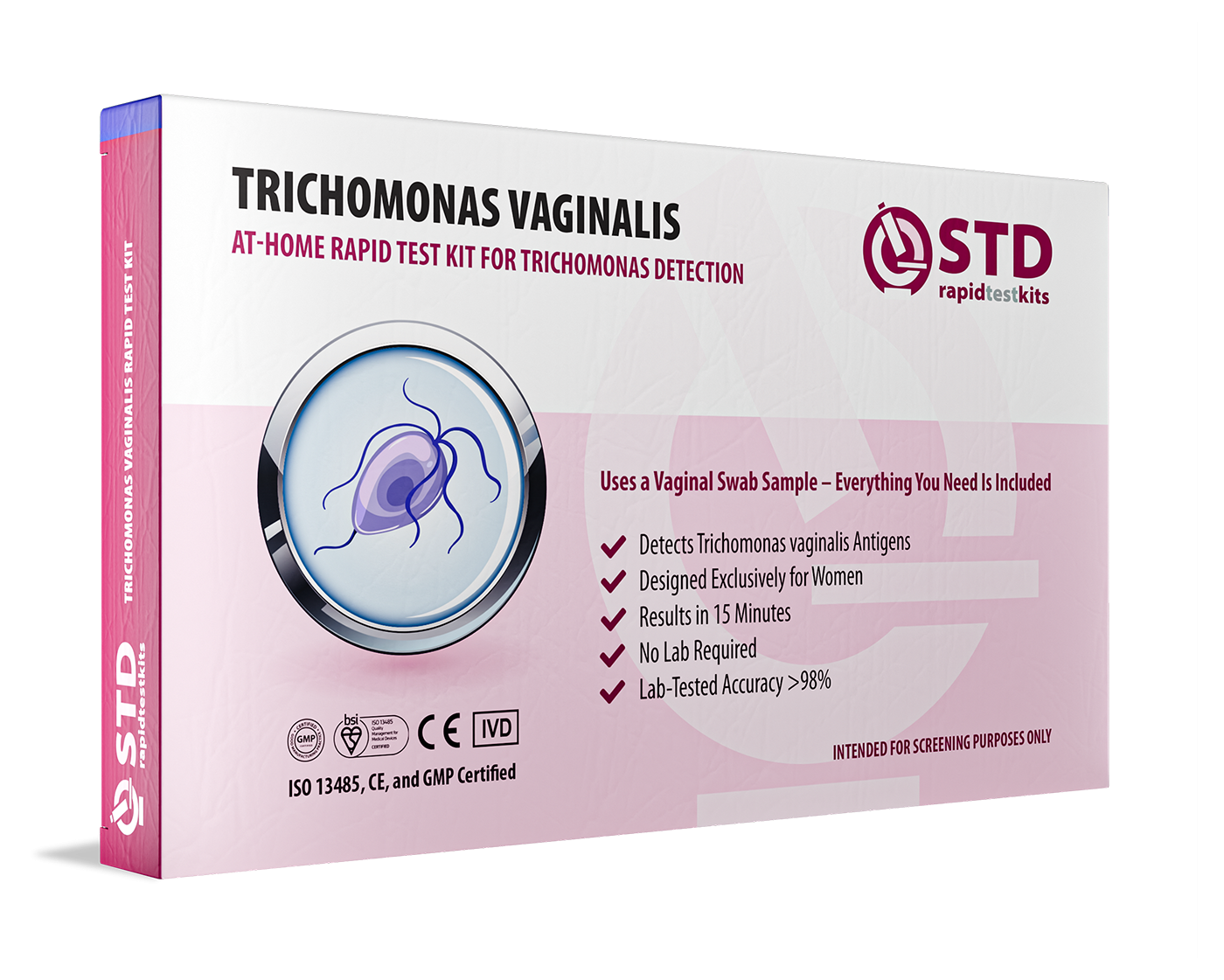
Claim Your Kit Today
Save 31%
 For WomenResults in MinutesNo Lab NeededPrivate & Discreet
Order Now $33.99 $49.00
FAQs
1. Can you get an STD from just oral sex?
Yes. Herpes, Gonorrhea, Chlamydia, HPV, and even Syphilis can all be transmitted this way.
2. Do I need an STD test if I’ve never had intercourse?
If you’ve had any skin-to-skin, oral, or toy-related contact, yes.
3. Can I get herpes without knowing it?
Definitely. Many people carry it without symptoms. It can spread even without visible sores.
4. Are home STD tests accurate for virgins?
Yes, accuracy depends on exposure, not how you define your virginity.
5. Can I get an STD from fingering or being fingered?
It’s rare, but possible if fingers carry infected fluids between body parts.
6. What’s the STD you’re most likely to get without sex?
Herpes or HPV, due to skin-to-skin transmission during non-penetrative contact.
7. Can kissing give you an STD?
Sometimes. Herpes (oral HSV-1) is the most common STD spread this way.
8. If I had an STD as a baby, could it still show up later?
Some congenital STDs show long-term effects, but most are treated at birth.
9. Will a doctor believe me if I say I’m a virgin with an STD?
A good one will. If they don’t, find a new provider, your story matters.
10. How soon should I test after a non-penetrative encounter?
Usually 2 weeks is safe for bacterial STDs; 4–12 weeks for others. Sooner if symptoms appear.
You’re Not Alone, and You’re Not Broken
If you’ve made it this far, here’s what I want you to remember: You don’t need to justify your story. You don’t need to explain how it happened in a way that makes you seem “cleaner” or more innocent. Your experience is valid. Your body is not contaminated. Your worth has not changed.
What you do need is information, compassion, and access. That’s how we undo the stigma. And if you’re wondering whether it’s time to get tested, even if you’re a virgin? Virgin or not, STDs don’t always play by the rules. Take the guesswork out, get a confidential home test.
Sources
1. Misconceptions about HIV/AIDS – Wikipedia
2. HIV and AIDS – Fact Sheet (WHO)
3. Sero-prevalence and Associated Factors of Sexually Transmitted Infections – PMC


