






Quick Answer: Language barriers can cause critical STD symptoms to be misunderstood or ignored. Without proper translation or consent, many immigrant patients are misdiagnosed, or never tested at all.
“I Didn’t Understand. I Just Signed It.”
Yolanda, 42, arrived at a free clinic in Texas after weeks of pelvic pain and spotting between periods. Spanish was her only language. She was handed forms in English, signed them quickly, and was sent home with antibiotics “just in case.” No interpreter. No pelvic exam. No STD panel. She later found out she had untreated chlamydia that had spread to her uterus.
“They didn’t ask. I didn’t know how to say the words. I just cried in the car.”
For many immigrants, the first barrier to STD care isn’t stigma, it’s paperwork. Consent forms, intake questions, and verbal instructions are often delivered in English only. If you don’t fully understand, you’re at risk of receiving the wrong test, no test, or incorrect treatment. This isn’t rare. It’s system-wide.

People are also looking for: White Patches, Weird Breath, and Swollen Glands: Is It an STD or Something Else?
Missed Translations, Missed Diagnoses
In the U.S., federal law requires healthcare providers to offer language interpretation services. But many clinics cut corners, either by skipping interpreters entirely or using untrained staff and even family members to translate complex medical information. The result? Misdiagnoses, botched consent, and unspoken symptoms.
STD symptoms are already misunderstood. Add a language gap, and they often go unmentioned or misinterpreted:
- “Burning” gets translated as “pain,” missing the urinary or vaginal context
- “Unusual smell” is considered “normal” without asking further questions
- “Pimples down there” is ignored as shaving rash, never swabbed for herpes or syphilis
Without clear communication, a simple screening becomes a dangerous guessing game.
And if a test is done? Patients may never understand the results. A negative is assumed to mean “everything is fine,” even if herpes, trich, or HPV were never included on the panel. Treatment instructions are unclear. Follow-ups are missed. Fear builds, and trust dissolves.
Why “Informed Consent” Doesn’t Always Mean Consent
Informed consent requires more than a signature. It means knowing what you’re agreeing to, why it’s important, and what happens next. But if you’re handed a dense medical form in a language you don’t read, and no one walks you through it, that consent is meaningless.
This matters deeply in STD testing. Patients have the right to:
- Know what infections they’re being tested for
- Understand how results will be shared and protected
- Decide whether or not they consent to HIV or herpes testing
- Decline certain exams without fear or shame
If those options are hidden behind language, medical ethics fail. And immigrant patients pay the price, with their privacy, their dignity, and their health.
That’s why STD Rapid Test Kits offers multilingual support and discreet at-home options. No clinic. No clipboard. Just clear, confidential answers you can actually understand.
Check Your STD Status in Minutes
Test at Home with Remedium7-in-1 STD Test Kit
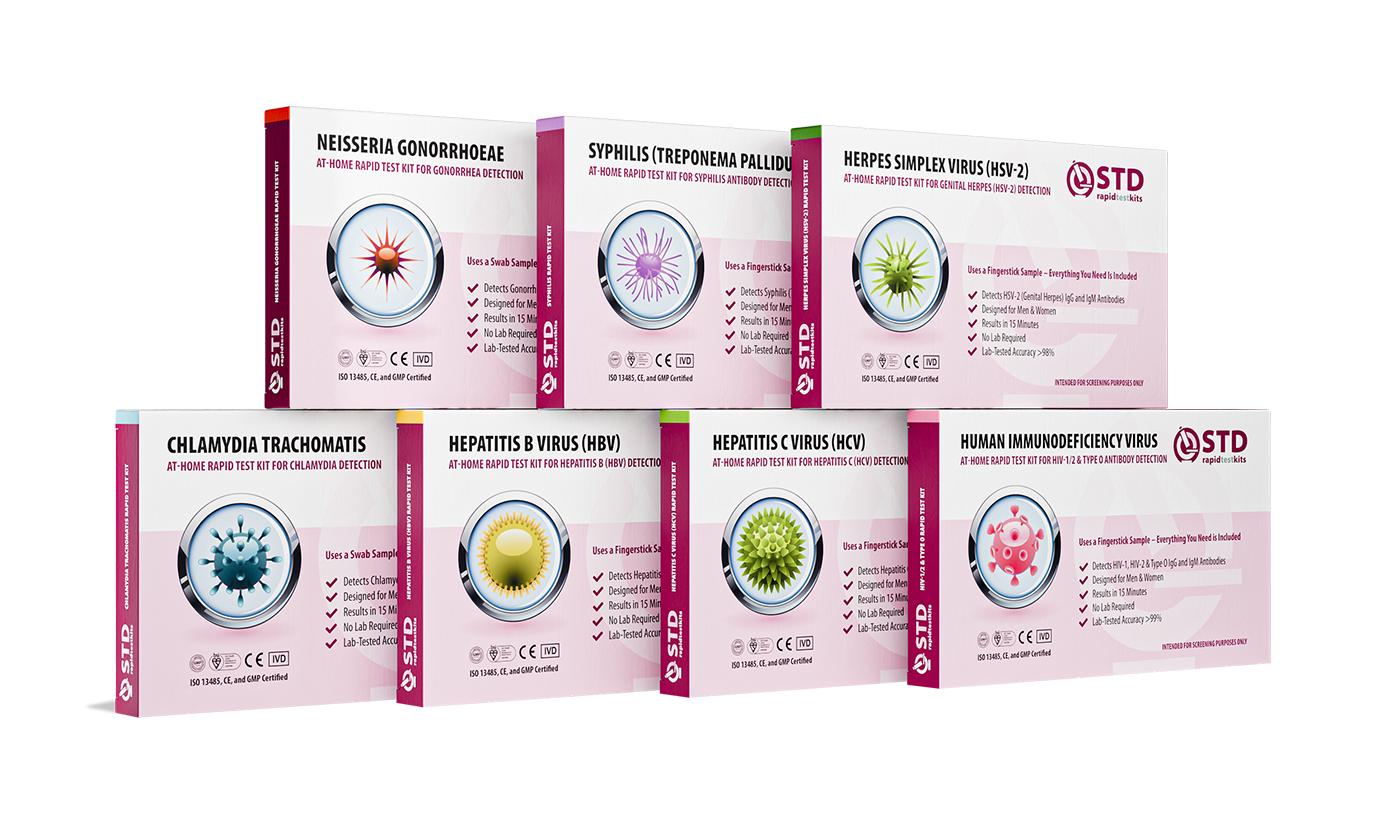
 For Men & Women
 Results in Minutes
 No Lab Needed
 Private & Discreet
Order Now $129.00 $343.00
For all 7 tests
When Privacy Feels Like a Risk
For many immigrants, especially those who are undocumented, STD testing isn’t just a health concern. It’s a perceived legal threat. Some worry their information could be shared with immigration authorities. Others fear being questioned about their identity, relationships, or insurance status.
Add in a language barrier, and that fear gets worse. When you don’t understand the consent form or can't ask if your test is anonymous, it’s easier to walk away than risk misunderstanding.
“They asked for my ID and I panicked,” says Samin, 26, an undocumented Afghan refugee. “I left without testing. I was too scared to explain myself.”
This fear means many STDs go untested, untreated, and unspoken, especially among undocumented Latinas, Southeast Asian women, and African migrants who already face multiple overlapping stigmas.
At-home STD tests remove that risk. You don’t need an ID. You don’t need to explain your status. You just test, privately, and decide what to do next without anyone hovering over your language or paperwork.
Case Study: One Missed Word, One Missed Test
Lin, 33, came to the U.S. from Vietnam and spoke very little English. She visited a women's health clinic with mild vaginal irritation and some spotting. A nurse practitioner asked about her symptoms through a staff member who “helped translate sometimes.” Lin was told everything was “normal,” and that she probably had yeast.
No tests were run. The clinic note said she “denied pain or risk factors.” But Lin didn’t understand the questions, she just kept nodding, trying not to look confused.
Three months later, Lin was diagnosed with gonorrhea after her partner became symptomatic. The infection had spread to her cervix.
This isn’t uncommon. When patients can’t communicate symptoms clearly, or don’t understand the questions being asked, they get misdiagnosed. And STDs that could have been treated early become something much worse.
At-home combo test kits allow users to bypass this barrier altogether. Everything is explained step-by-step in plain language, and results are delivered clearly and privately. No misunderstanding. No language gymnastics. Just answers.
When Culture and Silence Collide
Even when translation is available, cultural taboos often keep people from describing sexual symptoms accurately. In many immigrant households, STD talk is considered shameful, or not talked about at all.
Women may feel they’ll dishonor their family by admitting symptoms. Men may fear being labeled as unfaithful. LGBTQ+ immigrants often face even greater silence, especially in religious or conservative communities where sexuality itself is taboo.
Language access alone doesn’t solve this. Clinics must also offer culturally competent care, with trauma-informed, shame-free communication that meets people where they are.
But until that becomes the norm, private solutions like STD home testing offer a lifeline, quiet, nonjudgmental, and on your terms.

People are also looking for: STD Symptoms Doctors Miss in Black Women, And Why It’s Deadly
The Myth of “Universal Care”: Why Access Isn’t the Same as Understanding
On paper, many clinics boast “inclusive” or “universal” STD care. But what does that mean if the patient can’t read the signage, doesn’t understand the intake process, or can’t ask follow-up questions about a result?
“Access” isn’t just about geography or price. It’s about comprehension. It’s about giving people the information, space, and language to make informed decisions about their bodies. That includes:
- Clear verbal explanations of symptoms, tests, and treatments
- Translated documents and visual aids
- Time and privacy to ask questions without shame or assumptions
Without these supports, a clinic visit becomes a guessing game. And that’s how patients end up getting tested for the wrong thing, or not tested at all.
It’s time we stop confusing “available” with “accessible.” Until health systems prioritize language justice, true sexual health equity will remain a myth.
From Mistrust to Empowerment: How Immigrant Communities Are Taking Testing Into Their Own Hands
Despite the systemic failures, many immigrant-led communities are creating their own answers. Faith-based groups, cultural centers, mutual aid collectives, and WhatsApp networks are stepping up to share real health information, in native languages, without judgment.
In cities like Los Angeles, Houston, and Chicago, immigrant organizers are distributing STD test kits, holding sex-ed workshops, and even translating government health resources that were never published in languages beyond English and Spanish.
It’s not just resistance. It’s survival. And it’s proof that cultural shame doesn’t have to win. When people are given the tools, and the language, to protect their health, they do.
STD Rapid Test Kits supports that autonomy by offering multilingual test kits that don’t require clinics, insurance, or a translator you don’t trust. You don’t need permission to take care of your body. Just a place to start.
The Myth of “Universal Care”: Why Access Isn’t the Same as Understanding
On paper, many clinics boast “inclusive” or “universal” STD care. But what does that mean if the patient can’t read the signage, doesn’t understand the intake process, or can’t ask follow-up questions about a result?
“Access” isn’t just about geography or price. It’s about comprehension. It’s about giving people the information, space, and language to make informed decisions about their bodies. That includes:
- Clear verbal explanations of symptoms, tests, and treatments
- Translated documents and visual aids
- Time and privacy to ask questions without shame or assumptions
Without these supports, a clinic visit becomes a guessing game. And that’s how patients end up getting tested for the wrong thing, or not tested at all.
It’s time we stop confusing “available” with “accessible.” Until health systems prioritize language justice, true sexual health equity will remain a myth.
Check Your STD Status in Minutes
Test at Home with Remedium3-in-1 STD Test Kit
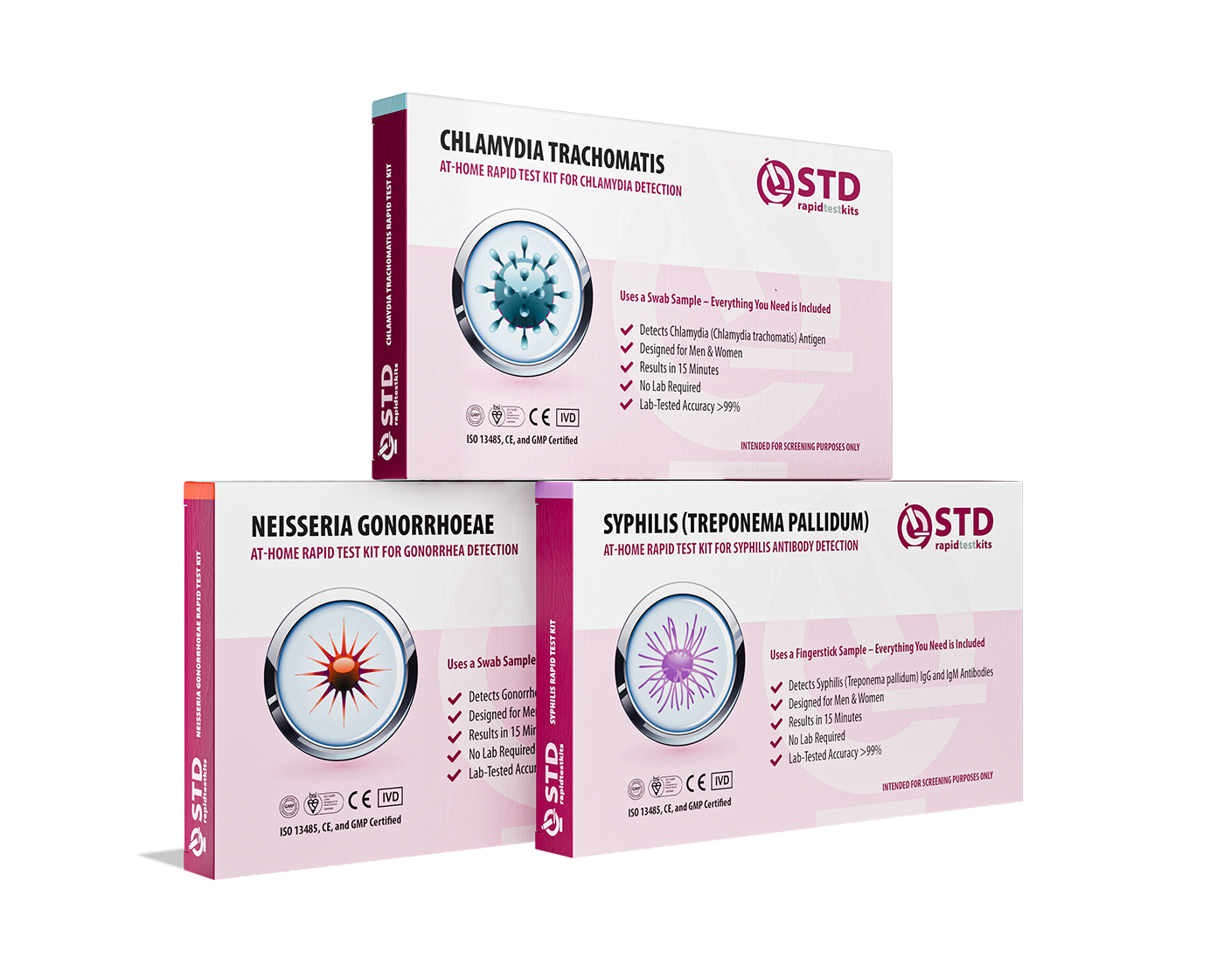 For Men & WomenResults in MinutesNo Lab NeededPrivate & Discreet
Order Now $69.00 $147.00
For all 3 tests
From Mistrust to Empowerment: How Immigrant Communities Are Taking Testing Into Their Own Hands
Despite the systemic failures, many immigrant-led communities are creating their own answers. Faith-based groups, cultural centers, mutual aid collectives, and WhatsApp networks are stepping up to share real health information, in native languages, without judgment.
In cities like Los Angeles, Houston, and Chicago, immigrant organizers are distributing STD test kits, holding sex-ed workshops, and even translating government health resources that were never published in languages beyond English and Spanish.
It’s not just resistance. It’s survival. And it’s proof that cultural shame doesn’t have to win. When people are given the tools, and the language, to protect their health, they do.
STD Rapid Test Kits supports that autonomy by offering multilingual test kits that don’t require clinics, insurance, or a translator you don’t trust. You don’t need permission to take care of your body. Just a place to start.
When the Clinic Door Closes Too Early
Even when immigrant patients do make it to the clinic, the conversation often ends too soon. Some providers, facing time pressure or discomfort with non-English speakers, shortcut the intake process. They might skip over questions about sexual history. They might avoid asking about symptoms that require clarification. And sometimes, they simply decide, without asking, that a patient “doesn’t need” STD testing.
This kind of clinical gatekeeping happens fast, and silently:
- Patients are told “everything’s fine” with no tests run
- Doctors avoid genital exams due to language discomfort
- Providers assume “no symptoms” because the patient couldn’t describe them clearly
“They never asked if I had discharge. I didn’t know the word in English. So I said no.” – Rasha, 28
When the provider decides how the visit ends, and the patient can’t speak up, symptoms go undocumented. Infections go untreated. Trust is quietly broken.
What Clinics and Providers Can Actually Do Right
This isn’t just a callout. It’s a call to do better. Clinics don’t need unlimited resources to improve care for immigrant patients, they need accountability and intention. Here's where to start:
- Always ask if interpretation is needed, and never rely on untrained staff or family
- Translate all consent forms and discharge instructions in the patient’s preferred language
- Include visual tools when explaining symptoms, swabs, or genital exams
- Take time to confirm understanding, not just verbal agreement
And if you're not sure the patient really got it? Ask again. Use a different word. Draw it. Use your body language. Do what you’d want someone to do for your mom if she didn’t speak the language, and was scared to ask.
Until then, tools like at-home STD combo test kits are more than a convenience. They’re a bridge, between silence and self-protection, between fear and clarity.
People are also looking for: The ZIP Code Test: How Where You Live Predicts Your STD Risk
FAQs
1. Can I get tested for STDs if I don’t speak English?
Yes. You have the legal right to an interpreter, and many clinics offer multilingual services. You can also use at-home STD kits with clear instructions in multiple languages.
2. What if I signed a medical form I didn’t understand?
You're not alone. If you didn’t receive proper translation, that signature may not represent informed consent. Follow up with the provider, or consider retesting privately to be safe.
3. Do I need an ID to get tested for STDs?
Many clinics require ID, especially if insurance is used, but community health centers or at-home test kits usually do not.
4. Can STD symptoms be misdiagnosed if I can’t explain them?
Absolutely. If symptoms are lost in translation or never asked about clearly, you may be given incorrect treatment, or none at all.
5. What STDs are most commonly missed due to language barriers?
Herpes, trichomoniasis, HPV, and even chlamydia are often missed when symptoms are misunderstood or testing is skipped.
6. Can I ask for STD test instructions in my language?
Yes. Federal law requires health providers to offer interpretation and translated materials. If they refuse, you can report it, or use a private testing option.
7. Are at-home STD kits available in Spanish or other languages?
Yes. STD Rapid Test Kits offers multilingual guidance and discreet instructions that don’t require in-person explanation.
8. What if I’m undocumented? Will I get reported?
No. Most sexual health services are confidential. If you’re unsure, ask if the clinic follows Title X rules, or use a home test that doesn’t require ID.
9. Can I take someone with me to translate?
Yes, but it’s safer to use a professional interpreter. Clinics should never rely on family or friends for consent or diagnosis interpretation.
10. Why is there so much fear around STD testing in immigrant communities?
Fear of judgment, deportation, misunderstanding, and stigma all combine. Language gaps make that worse. But testing is still your right, and your health comes first.
You Have the Right to Understand Your Body
If you’ve ever left a clinic confused, embarrassed, or still in pain, you are not alone. Language should never be a reason someone stays sick. Your body deserves answers you can understand. Your pain is not “lost in translation.”
Don’t wait until symptoms get worse. This combo STD test kit offers accurate results, clear instructions, and no language games. Just truth, and next steps, on your terms.


