Oral STD Symptoms: White Patches, Bad Breath, and Swollen Glands
Tell oral STD symptoms apart from thrush, strep, and mono
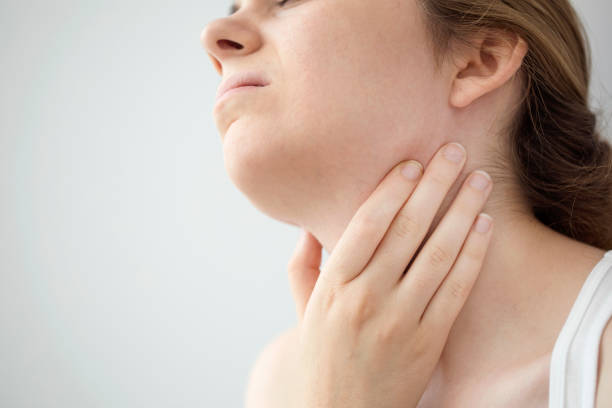



- Oral STIs frequently mimic thrush, strep, mono, or canker sores. White patches that don't scrape off, sores that don't heal in two weeks, or swollen glands paired with a sore in the mouth are the patterns worth testing for.
- Home blood tests work well for systemic infections (HIV, syphilis, hepatitis, herpes antibodies). For gonorrhea or chlamydia in the throat, the right test is a pharyngeal swab in a clinic, not a self-collected genital swab kit.
Published: July 2025 | Last updated: May 2026 | Editorial review and quality control: Martina N.
A white patch shows up on your tongue. Your breath has been off for ten days even though you brush twice a day. The glands under your jaw feel like firm marbles when you swallow. You start typing symptoms into a search engine and end up reading about strep, mono, thrush, oral cancer, and STIs in the same paragraph.
That mix of possibilities is the real problem. The mouth is one of the few places in the body where common harmless infections look almost identical to sexually transmitted infections that need treatment. Oral thrush and oral gonorrhea both produce white patches on the tonsils. Swollen neck glands appear with mono, strep, herpes, syphilis, and acute HIV. Halitosis can be a brushing issue or a sign of an untreated bacterial infection in the throat.
This guide walks through each symptom, separates the STD-related causes from the rest, and points to the patterns that distinguish them. It also covers what at-home testing can and can't tell you when symptoms are in the mouth or throat, since those infection sites need different sample types than genital exposures.
White Patches on Your Tongue or Tonsils
White patches in the mouth have a long list of possible causes. Yeast overgrowth, autoimmune lichen planus, leukoplakia from chronic irritation, viral infections, and bacterial STIs can all produce them. The visible features that matter are location, texture, ability to scrape off, and duration.
Patterns that point toward an STI cause:
- Oral gonorrhea. White or yellow exudate on the tonsils, often mistaken for strep. Many cases produce no symptoms at all, which is part of why pharyngeal gonorrhea is underdiagnosed (per CDC information on gonorrhea).
- Secondary syphilis. Flat, grayish-white mucous patches on the tongue, soft palate, or inner cheek. They appear weeks to months after the primary chancre and are highly infectious.
- HIV-related lesions. Hairy leukoplakia (white corrugated patches on the lateral edges of the tongue) and recurrent oral thrush both reflect immune suppression and can be early or late HIV markers.
Patches that scrape off easily and respond to antifungal treatment are usually thrush. Patches that don't scrape off, recur, or come with pain, fever, lymph node swelling, or recent oral sex exposure deserve targeted testing.
Are white patches, bad breath, and swollen glands always an STD?
No. Most cases turn out to be thrush, strep, mono, gum disease, or routine viral infections. STIs that produce these symptoms (oral gonorrhea, syphilis, herpes, HPV, HIV-related lesions) are real but make up a smaller share of presentations. Suspicion rises when symptoms don't respond to standard treatment, persist beyond 10 to 14 days, or follow a recent unprotected oral exposure.
Persistent Bad Breath When Hygiene Isn't the Issue
Most halitosis is a hygiene or diet problem. Anaerobic bacteria on the back of the tongue, food particles between teeth, dehydration, and reflux account for the vast majority of cases. Brushing the tongue, flossing, and treating gum disease usually solves it within a week or two.
When bad breath persists despite good oral hygiene and gets worse rather than better, infection becomes a reasonable suspicion. Sources to consider:
- Bacterial pharyngitis or tonsillitis. Pus-producing infections (strep, gonorrhea, anaerobic flora) generate sulfur compounds that smell foul.
- HIV-related periodontitis. Chronic gum inflammation in untreated HIV can produce a distinctive odor and bleeding gums.
- Late-stage syphilis. Gummatous lesions in the mouth or throat are rare in modern medicine but classically produce a foul odor.
- Tonsil stones. Calcified deposits in tonsillar crypts. Common, benign, and easily missed because the patient can't see them.
If chronic halitosis comes with throat discomfort, white patches, or a recent oral sex exposure, get evaluated. Even if the cause turns out to be gum disease or tonsil stones, treatment helps.
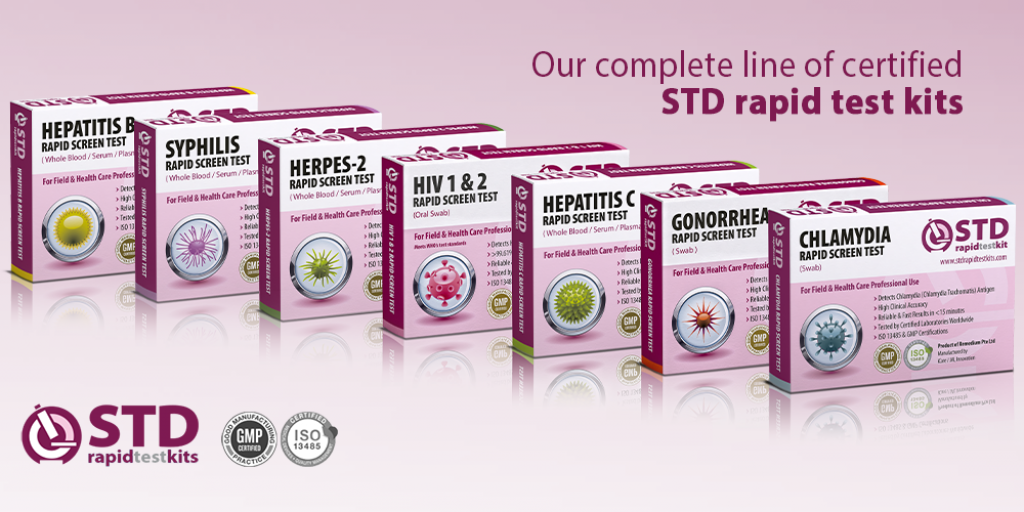
Swollen Lymph Nodes: What the Lump in Your Neck Is Telling You
The lymph nodes under the jaw and along the neck filter drainage from the mouth, throat, and upper face. When something inflammatory happens upstream, the local nodes enlarge as immune cells stage there to fight the infection. That swelling is a feature, not a malfunction.
Common viral upper respiratory infections, dental abscesses, and skin infections account for most cases of cervical lymphadenopathy (swollen neck lymph nodes). STI-related causes worth knowing:
- Herpes simplex virus. Tender lymph node swelling near the jaw or angle of the neck during an active outbreak. The nodes typically resolve as the lesions heal.
- Primary or secondary syphilis. Painless, rubbery lymph node enlargement near a chancre or alongside a body-wide rash in secondary stage (per CDC information on syphilis).
- Acute HIV infection. Generalized lymphadenopathy (multiple node groups, including neck, armpit, groin) appearing 2 to 4 weeks after exposure, often with fever, sore throat, and fatigue. This stage looks indistinguishable from mono in many cases.
Features that escalate concern: nodes that are firm, non-tender, larger than 1 cm, persist beyond 4 weeks, or come with weight loss, night sweats, or unexplained fever. Those patterns warrant evaluation regardless of recent sexual activity, and they are particularly important if exposure has occurred.
Oral Thrush vs Oral Gonorrhea: How to Tell the Difference
This is the most common diagnostic confusion in this category. Both conditions produce white patches on the tongue or back of the throat. Both can cause soreness and difficulty swallowing. The differences are real but require attention.
Oral thrush (candidiasis) is a fungal overgrowth, usually caused by Candida albicans. It's most common in infants, older adults, people on antibiotics or inhaled steroids, and people with compromised immune systems. It responds within days to antifungal treatment such as nystatin rinse or fluconazole, per NHS guidance on oral thrush.
Oral or pharyngeal gonorrhea is a bacterial STI from Neisseria gonorrhoeae. The majority of pharyngeal cases are asymptomatic, which is why the infection is so often missed. When symptoms do appear, the picture is sore throat with tonsillar exudate that does not respond to antifungal treatment.
If patches don't scrape off, don't respond to a course of antifungals, or appear after oral sex, the next step is testing for gonorrhea (and ideally chlamydia) at the throat. The standard test is a pharyngeal swab processed by NAAT, which is more sensitive than older culture methods.
| Feature | Oral thrush | Pharyngeal gonorrhea |
|---|---|---|
| Cause | Candida yeast overgrowth | Neisseria gonorrhoeae bacteria |
| Color of patches | Creamy white | White or yellow |
| Scrapes off? | Yes, leaves a red base | Sticks to tonsillar tissue |
| Main location | Tongue, inner cheeks, palate | Tonsils and posterior throat |
| Pain pattern | Mild burning, altered taste | Sore throat, sometimes mild fever |
| Antifungal response | Resolves within days | No response |
| Common risk factor | Antibiotics, dry mouth, dentures | Receptive oral sex 1 to 2 weeks before |
Tonsillitis That Isn't Strep
Strep accounts for only a fraction of adult sore throats. Streptococcal pharyngitis causes roughly 5 to 15 percent of sore throats in adults by standard clinical estimates, with the rest being viral, allergic, or other. Among the others, sexually transmitted causes get systematically missed because standard rapid strep tests and routine throat cultures don't screen for them.
Both gonorrhea and chlamydia can colonize tonsillar tissue. The clinical picture overlaps with viral pharyngitis: white spots or exudate, sore throat, sometimes difficulty swallowing, sometimes mild fever. What distinguishes pharyngeal gonorrhea is how poorly it tracks with the typical strep clues. There's often no high fever, no obvious tonsillar abscess, and the symptoms can drift on for weeks rather than peaking within 3 to 5 days.
Standard throat cultures will not detect gonorrhea or chlamydia unless specifically requested. If a sore throat persists more than 10 days, doesn't respond to standard antibiotic treatment, or recurs after a recent course of treatment, ask the provider directly: can we test for gonorrhea and chlamydia at the throat? Many clinicians won't order it unless prompted.
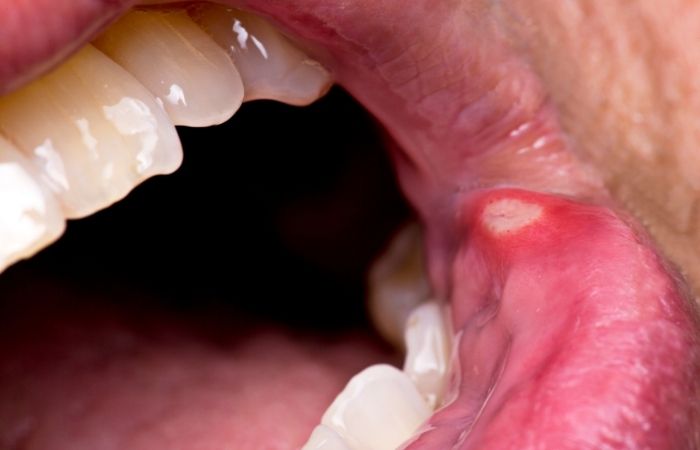
Herpes Mouth Ulcers and Why They're Not Canker Sores
Most people know oral herpes through the cold sore on the lip. The same virus (most often HSV-1, sometimes HSV-2) can produce ulcers anywhere in the mouth, on the gums, hard palate, or inner cheek. The pattern that distinguishes herpes from aphthous (canker) ulcers:
- Vesicles first. Herpes outbreaks start as small fluid-filled blisters that rupture and crust. Canker sores are flat ulcers from the start.
- Cluster pattern. Herpes lesions appear in clusters of 3 to 10 in the same area. Canker sores are typically solitary.
- Prodrome. Tingling, burning, or itching in the area 12 to 24 hours before lesions appear is classic for herpes.
- Recurrence in the same spot. Herpes reactivates from the same nerve ganglion, so outbreaks recur in similar locations. Canker sores move around.
- Tender lymph nodes nearby during an outbreak.
Per CDC information on genital herpes, HSV is one of the most common STIs globally, and a meaningful share of new genital herpes cases are now caused by HSV-1 transmitted through oral sex. Inside-the-mouth ulcers in someone with no prior cold sore history can be a first outbreak.
Diagnosis options: a swab of an active lesion sent for PCR is the most sensitive method. Once lesions heal, blood tests for HSV-1 and HSV-2 type-specific antibodies can confirm prior infection but don't tell you whether a specific outbreak was the first or a recurrence.
Herpes: starts as small blisters, clusters of 3 to 10 lesions, tingling prodrome before lesions appear, recurs in the same spot, tender nearby lymph nodes during outbreaks. Canker sore: flat ulcer from the start, usually solitary, no prodrome, location moves around, no consistent lymph node swelling. A swab of an active lesion is the only definitive way to confirm herpes.
Syphilis Chancres When the Sore Isn't Where You Expected
Primary syphilis presents as a chancre at the site of infection. That site is genital in most cases, but oral chancres do occur and are often missed because they're painless and self-resolving. The classic primary chancre:
- Single, firm, round ulcer with a clean base and raised, indurated borders
- Located on the lip, tongue, tonsil, or inner cheek depending on contact site
- Painless, which is part of why it gets ignored
- Heals on its own within 3 to 6 weeks even without treatment, per CDC syphilis guidance
- Symptoms typically appear weeks after exposure (the exact incubation window varies between individuals, with standard clinical references giving a range of about three weeks on average)
The chancre healing without treatment doesn't mean the infection is gone. Untreated primary syphilis progresses to secondary syphilis (rash, mucous patches, lymphadenopathy) and eventually latent or tertiary stages. Blood testing (RPR or treponemal-specific) is the standard way to confirm infection.
Oral HPV: Visible Warts and the Cancer Risk You Can't See
HPV (human papillomavirus) is the most common viral STI globally. Most strains are cleared by the immune system within 1 to 2 years. The strains that don't clear are the concern. In the mouth and throat, HPV shows up two ways:
- Visible oral warts. Cauliflower-like growths on the tongue, gums, or inner cheek (typically caused by low-risk HPV types 6 and 11). Removable surgically or with topical treatment, but recurrence is common.
- Subclinical infection of the oropharynx. High-risk HPV types (16 most commonly) can colonize the tonsils and base of the tongue without producing visible lesions. Persistent infection is the leading cause of oropharyngeal cancers in many countries (per CDC information on HPV).
There is no FDA-approved screening test for oral HPV in asymptomatic people. Diagnosis usually requires biopsy of a visible lesion or workup of a swollen lymph node found incidentally. The single best risk reduction tool is HPV vaccination. ACIP recommends routine vaccination through age 26, with shared clinical decision-making for adults aged 27 to 45.
Our at-home HPV test is a self-collected vaginal swab validated for women only; we do not currently offer a male-compatible home HPV test. For oral HPV concerns regardless of gender, a clinical exam is the appropriate evaluation.
HIV and Recurring Mouth Infections
HIV doesn't cause oral symptoms directly the way herpes or syphilis can. What it does is suppress the immune cells that keep opportunistic mouth infections in check. The result is a pattern of recurring or persistent mouth problems that don't respond well to standard treatment. Common HIV-related oral findings:
- Oral thrush. Recurrent or severe candidiasis, especially in someone without typical risk factors (no antibiotic course, no inhaled steroids).
- Hairy leukoplakia. White corrugated or fuzzy patches on the lateral edges of the tongue. These don't scrape off and are caused by Epstein-Barr virus reactivation in the setting of immune suppression.
- Linear gingival erythema. A distinctive band of red gum tissue that persists despite normal hygiene.
- Aphthous ulcers that are larger, deeper, or slower to heal than typical canker sores.
- Kaposi sarcoma lesions. Purple or red patches on the palate, classically associated with advanced untreated HIV.
Most acute HIV infections also cause a mononucleosis-like syndrome 2 to 4 weeks after exposure: fever, sore throat, swollen lymph nodes, fatigue, and sometimes a rash. This window often gets attributed to mono or flu and missed entirely.
Fever, sore throat, swollen neck lymph nodes, fatigue, and rash appearing 2 to 4 weeks after a possible exposure can be acute HIV. The right test is a fourth-generation antigen-antibody blood test, which detects infection from roughly 18 to 45 days post-exposure (per <a href="https://www.cdc.gov/hiv/testing/" target="_blank" rel="noopener">CDC HIV testing guidance</a>). HIV RNA testing detects earlier when an answer is needed sooner.
Non-STD Causes Worth Considering Before You Panic
Most readers searching these symptoms don't have an STI. The non-STI causes account for the majority of white patches, halitosis, and swollen glands in the general population. The big ones:
- Oral thrush from antibiotic use, inhaled steroid use, dry mouth, dentures, or routine immune dips after illness. Treat with a short antifungal course and reassess.
- Mononucleosis (Epstein-Barr or cytomegalovirus). Severe sore throat, white tonsillar exudate, dramatic neck lymph node swelling, and weeks of fatigue. Heterophile antibody (monospot) testing is the standard workup.
- Strep pharyngitis. Acute onset, high fever, white tonsillar exudate, no cough. Rapid antigen test or throat culture confirms.
- Smoking or chewing tobacco. White patches (leukoplakia) and increased risk of oral cancers. The patch itself is benign in most cases, though persistence requires biopsy to rule out dysplasia.
- Lichen planus. Autoimmune lacy white reticular patches, usually painless, often on the inner cheeks.
- Vitamin deficiencies. B12, folate, and iron deficiencies can produce a smooth red tongue (glossitis) that may look unusual.
If a symptom hangs around longer than 10 to 14 days, gets worse, or pairs with risk factors for an STI (recent unprotected oral sex, new partner, partner with known infection), then escalating to testing makes sense. Otherwise, basic hygiene measures, supportive care, and a primary care visit are the right starting points.
When and What to Test For After Oral Exposure
This article is published by stdrapidtestkits.com, which sells at-home STI testing kits. We recommend products based on fit-for-purpose for the reader's concern, not commercial benefit; the guidance on pharyngeal testing below reflects what the evidence supports rather than what we sell.
If you've had unprotected oral sex (giving or receiving) and any of the patterns above appear, layered testing is the right approach. Different infections have different optimal testing windows.
- Gonorrhea and chlamydia at the throat: the standard is a pharyngeal NAAT swab in a clinic, sensitive from about 7 to 14 days post-exposure.
- Syphilis: blood test (RPR or treponemal-specific) sensitive from about 3 weeks post-exposure, more reliable at 6 to 12 weeks.
- HIV: fourth-generation antigen-antibody blood test from about 18 to 45 days, or HIV RNA testing earlier (per CDC HIV testing guidance).
- Herpes: swab of an active lesion is the most accurate; type-specific antibody blood test from about 12 weeks for prior or established infection.
- Hepatitis B and C: blood tests from about 3 to 6 weeks (HBV) and 8 to 11 weeks (HCV).
- Oral HPV: no routine test; biopsy if a visible lesion appears.
For the systemic infections (HIV, syphilis, hepatitis, herpes antibodies), a fingerstick home test is a reasonable first step. For pharyngeal gonorrhea or chlamydia specifically, the home swab kits we sell are designed for genital exposure rather than throat infections, so a clinic pharyngeal swab is the appropriate test.
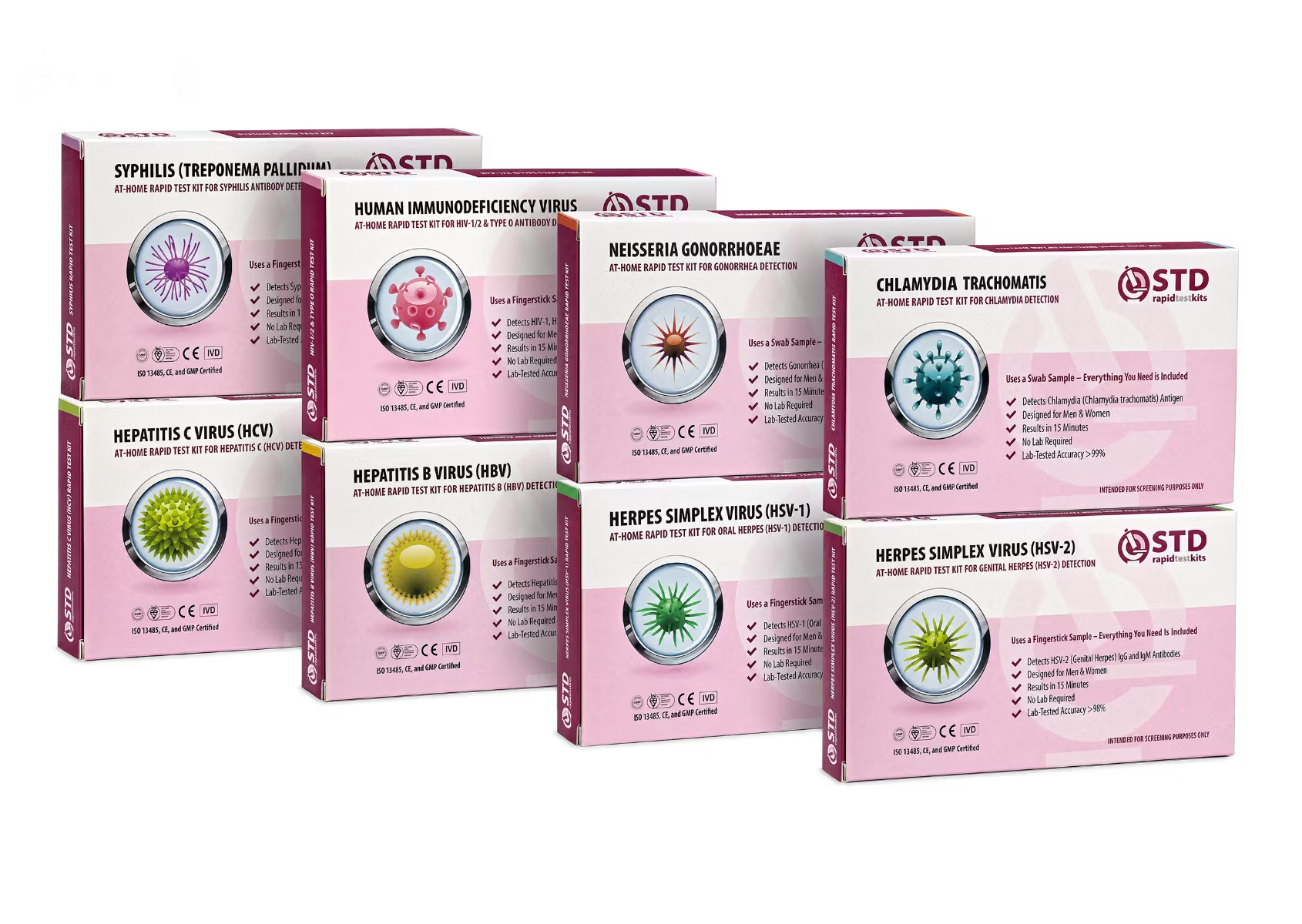
What At-Home Tests Can and Can't Do for Oral Symptoms
At-home rapid tests are lateral-flow immunoassays, not laboratory NAAT. They're useful for screening when the test technology and sample type match the infection site. Where they fit well:
- Systemic blood-borne infections (HIV, syphilis, hepatitis B, hepatitis C). The pathogen circulates in the bloodstream regardless of which body site was exposed, so a fingerstick blood test detects it.
- Herpes seroconversion. Type-specific HSV-1 and HSV-2 antibody tests confirm prior or established infection, useful 12+ weeks after suspected exposure.
Where they don't work well:
- Active oral lesion diagnosis. A blood antibody test can't tell you whether a specific cold sore is HSV-1 or HSV-2 (or neither). For active lesions, a swab sent for PCR in a clinic is more useful.
- Throat-specific gonorrhea or chlamydia. Our home swab kits are validated for self-collected genital sample, not pharyngeal sample. Pharyngeal NAAT is the appropriate test, available in clinics, urgent care, and many sexual-health drop-in services.
- Oral HPV. There is no FDA-approved oral HPV screening test; visible lesions are evaluated by biopsy.
Home testing covers the systemic infections well; fingerstick blood tests for HIV, syphilis, hepatitis, and herpes antibodies require no sample-type match to the exposure site. For the throat-specific bacterial infections, plan a clinic visit with the explicit ask for a pharyngeal swab.
Blood-borne infections (HIV, syphilis, hepatitis B and C, herpes antibodies) are detected by fingerstick blood tests regardless of which body site was exposed. Throat-specific bacterial infections (gonorrhea, chlamydia at the pharynx) need a clinical pharyngeal swab. Active oral lesions are best diagnosed by lesion swab sent for PCR in a clinical setting.
If You're Embarrassed to Bring Up Mouth Symptoms
Bringing up oral STI symptoms with a primary care provider can feel awkward. Writing the symptoms, dates, and recent exposures down beforehand and handing the page over rather than narrating helps most patients. Most clinicians appreciate the directness because it removes ambiguity from a short visit.
If a home screening for the systemic infections (HIV, syphilis, hepatitis) feels easier as a first step, a fingerstick blood test gives concrete results to bring into a clinical conversation. A negative HIV antibody test 4 weeks after exposure does not rule out infection; a 6-week or 3-month follow-up test confirms.
Stay local in most cases: gonorrhea and chlamydia at the pharynx, oral HPV epithelial infection. Spread systemically from infection: syphilis (treponemes enter the bloodstream within hours), HIV (disseminates regardless of mucosal entry point). Spread to partners through oral contact: HSV shed from oral lesions can transmit to a partner's genitals during oral sex; this route accounts for a meaningful share of new genital herpes cases.
Whether Oral STIs Spread Beyond the Mouth
Several oral STIs can spread from the mouth to other body sites or to sexual partners. The mechanisms differ:
- Syphilis is systemic from infection. The oral chancre is the local entry point, but treponemes spread through the bloodstream within hours. Untreated infection moves through secondary, latent, and tertiary stages.
- HSV stays neurotropic, but the virus shed from oral lesions can transmit to a partner's genitals during oral sex. This route accounts for a meaningful share of new genital herpes cases now.
- HPV stays local to the infected epithelium. The risk is persistent infection turning malignant in the oropharynx over many years.
- HIV is systemic from infection. Once in the bloodstream, the virus disseminates regardless of mucosal entry point.
- Gonorrhea and chlamydia stay localized to the infected mucosa in most cases, though they can become disseminated (gonococcal arthritis, dermatitis-arthritis syndrome) in a small minority.
Treating an oral STI promptly limits systemic spread for the infections that have systemic potential.
Treatment Options Once a Diagnosis Is Confirmed
Most oral STIs are treatable and several are curable. Standard treatment paths:
- Gonorrhea: single intramuscular injection of ceftriaxone is the current CDC first-line. Test of cure is recommended for pharyngeal infections because treatment failure is more common at this site.
- Chlamydia: oral antibiotic course (doxycycline 100 mg twice daily for 7 days is current first-line for most cases).
- Syphilis: single intramuscular dose of long-acting penicillin G for primary, secondary, or early latent stages. Late-latent or tertiary cases need a longer course.
- Herpes: oral antivirals (acyclovir, valacyclovir, famciclovir) shorten outbreaks and can be used episodically or as daily suppression. Herpes is not curable, though suppression is highly effective at reducing both symptoms and transmission risk.
- HIV: antiretroviral therapy is lifelong but well tolerated. Undetectable viral load means untransmittable in sexual contact (the U=U principle).
- HPV: visible warts can be removed (cryotherapy, surgery, topical agents). The underlying viral infection often clears on its own; persistent high-risk infection of the oropharynx is monitored for malignant changes.
Notify recent partners when a curable STI is diagnosed. Most states have anonymous partner notification services if direct contact is uncomfortable.
Gonorrhea: single ceftriaxone injection. Chlamydia: doxycycline 100 mg twice daily for 7 days. Syphilis (primary, secondary, early latent): single intramuscular penicillin G benzathine injection. Herpes: acyclovir, valacyclovir, or famciclovir, episodic or suppressive. HIV: daily antiretroviral therapy. HPV warts: cryotherapy, surgical removal, or topical agents.
Should You Stop Kissing or Oral Contact While Symptoms Are Active?
Yes, with specifics. Several oral STIs can transmit through saliva or mucosal contact even without sex. The conservative position while waiting for diagnosis or starting treatment: no kissing, no oral sex, and no shared utensils when visible lesions are present, or when symptoms have appeared after recent unprotected oral exposure.
The pause is short, usually 1 to 4 weeks depending on the cause. For gonorrhea after appropriate antibiotics, contagiousness drops within days. For herpes, suppression reduces transmission though it does not eliminate it; condoms and dental dams reduce risk further.
How long to pause kissing or oral contact
- Pharyngeal gonorrhea or chlamydia: until 7 days after appropriate antibiotic treatment.
- Active herpes outbreak: until lesions have fully crusted and healed, typically 10 to 14 days.
- Primary syphilis chancre: until at least 1 to 2 weeks after starting penicillin treatment.
- While waiting on test results: pause until results return and any positive infection has been treated.
Treat Your Mouth as Part of Your Sexual Health
The mouth is a sexual organ for testing purposes whenever oral sex has occurred. Pharyngeal gonorrhea and chlamydia, oral chancres, intraoral herpes, oral HPV, and HIV-related oral conditions are all real categories that real people are diagnosed with every day. Most are treatable and several are curable, yet many go undetected because clinicians rarely test the throat for STIs without an explicit prompt.
When symptoms appear, identify which sample type the suspected infection requires. Blood-borne systemic infections respond well to home fingerstick testing. Throat-specific bacterial infections need a clinic pharyngeal swab. Active oral lesions are best diagnosed by lesion swab in a clinical setting. Everything else (the persistent thrush, the unusual ulcer, the swollen lymph node that won't shrink) is a primary care visit worth scheduling promptly rather than waiting out.
Once a diagnosis is in hand, treatment for most oral STIs is straightforward, and the question shifts from what is it to how do I clear this up and tell partners. Both are solvable, and getting the right test for the right sample site is what ends the uncertainty.
Frequently asked questions
- Can white patches on my tongue mean an STD?
- Yes, though more often they don't. Oral gonorrhea, secondary syphilis, and HIV-related conditions (thrush, hairy leukoplakia) can all produce white patches. Patches that don't scrape off, that recur after antifungal treatment, or that come with a recent oral sex exposure deserve testing. Patches that scrape off easily and respond to antifungal treatment are usually thrush.
- What STIs can cause persistent bad breath?
- Pharyngeal gonorrhea, HIV-related periodontal disease, and the rare gummatous lesions of late-stage syphilis can produce halitosis. Far more often, persistent bad breath is gum disease, tonsil stones, dry mouth, or gastroesophageal reflux. Halitosis paired with a sore throat, white patches, or recent oral sex exposure is the combination that escalates to STI testing.
- Are swollen neck glands a reliable STI symptom?
- Swollen lymph nodes near the jaw or in the neck are common with herpes outbreaks, primary or secondary syphilis, and acute HIV. They are not specific to STIs, since viral upper respiratory infections, mono, dental abscesses, and strep all produce them. Nodes that are firm, larger than 1 cm, persist beyond 4 weeks, or come with weight loss and night sweats need evaluation regardless of recent sexual activity.
- Can I get gonorrhea in my throat from oral sex?
- Yes. Pharyngeal gonorrhea is well documented and most cases are asymptomatic. The standard test is a pharyngeal NAAT swab from a clinician, sensitive from about 7 to 14 days post-exposure. Oral gonorrhea is curable with appropriate antibiotic treatment, but it tends to be missed because routine throat cultures don't screen for it unless specifically requested.
- Will an at-home STD kit detect oral gonorrhea or chlamydia?
- Our home kits are designed for fingerstick blood testing or self-collected genital swabs, not for pharyngeal swabs. Throat-specific gonorrhea and chlamydia need a clinic pharyngeal NAAT. The home kits remain useful for the systemic infections (HIV, syphilis, hepatitis, herpes antibodies) that may also be relevant after an oral exposure.
- What's the difference between a cold sore and an oral syphilis chancre?
- A cold sore is a cluster of small fluid-filled blisters that crust over and heal in 7 to 10 days, typically recurring in the same location. A primary syphilis chancre is a single firm round ulcer with raised borders, painless, often appearing on the lip, tongue, or tonsil weeks after exposure. The chancre heals on its own in 3 to 6 weeks while the infection then progresses to secondary syphilis without treatment.
- How long after oral sex should I wait before testing?
- Optimal windows differ by infection. Gonorrhea or chlamydia at the throat: 7 to 14 days. Syphilis: 3 weeks for an initial test, 6 to 12 weeks for high reliability. HIV with a fourth-generation antigen-antibody test: 18 to 45 days per CDC HIV testing guidance. Herpes type-specific antibodies: 12 weeks. Hepatitis B: 3 to 6 weeks. Hepatitis C: 8 to 11 weeks. Test sooner if symptoms appear and again at the optimal window if the first test is negative.
- Can oral STI symptoms go away on their own?
- Some can, though the infection often persists. The classic example is the primary syphilis chancre, which heals without treatment in 3 to 6 weeks while the infection continues to progress through secondary, latent, and tertiary stages. Herpes lesions also self-resolve while the virus stays dormant in the nerve ganglion. Symptom resolution without treatment is not the same as cure for most STIs, so testing and treatment remain important.
- U.S. Centers for Disease Control and Prevention. About gonorrhea, including pharyngeal infection presentation and asymptomatic rates.
- U.S. Centers for Disease Control and Prevention. About syphilis (chancre presentation, healing window, secondary stage features, treatment).
- U.S. Centers for Disease Control and Prevention. About genital herpes (HSV-1 and HSV-2 epidemiology, oral-to-genital transmission, diagnostic options).
- U.S. Centers for Disease Control and Prevention. About HPV (oropharyngeal cancer link, persistent high-risk infection, vaccination guidance).
- U.S. Centers for Disease Control and Prevention. HIV testing guidance (fourth-generation antigen-antibody window, RNA testing, screening recommendations).
- U.K. National Health Service. Oral thrush in adults (presentation, scrape-test pattern, predisposing factors, treatment).