







Last updated: April 2026
The immunity myth shows up in a few different forms: the person who has never been diagnosed despite years of unprotected sex and concludes they just don't get things, the person who had chlamydia, got treated, and assumes they're now protected, or the person who heard that genetics can make you resistant to HIV and applied that logic to every other STD. Each of these has a grain of truth buried inside a lot of misunderstanding, and that combination is exactly what makes them dangerous. This article goes through each one clearly. If you want a broader look at how myths like this shape sexual health decisions, our pillar on STD myths and facts covers the full landscape.
The short answer: You cannot be immune to STDs in any meaningful, reliable sense, with one narrow genetic exception affecting roughly 1% of people of Northern European descent, applying only to specific HIV strains. For chlamydia, gonorrhea, syphilis, herpes, and HPV, no natural immunity exists. Never having been diagnosed is not the same as being immune. It usually means lower-risk exposures, undetected asymptomatic infections, or probability, none of which protect you going forward.

People are also reading: STD Myths and Facts: Common Misconceptions About Sexually Transmitted Infections
What Does "Immune to an STD" Actually Mean, and Why It Almost Never Applies
Immunity in the medical sense means your immune system can recognize and neutralize a specific pathogen before it establishes infection. With some diseases, such as measles and chickenpox, surviving an infection leaves your immune system with a memory strong enough to fight off future exposures. This is also how vaccines work: they train the immune system to recognize a pathogen without the risk of actual infection. For most common STDs, neither of these mechanisms applies reliably, and in some cases, they don't apply at all.
The reason STDs behave so differently from measles or chickenpox comes down to how they've evolved. Many STDs, particularly bacterial ones like chlamydia, gonorrhea, and syphilis, have co-evolved with human hosts over millennia specifically to evade the immune response. Rather than triggering a strong immune reaction that leaves lasting protection, they produce a muted, localized response that may clear the active infection but leaves no durable immune memory. Research published in NCBI on immunity to bacterial STDs confirms that natural infections with chlamydia and gonorrhea actively skew the immune response toward non-protective patterns, meaning the body's own reaction to these infections works against the development of useful immunity. Getting chlamydia teaches your immune system almost nothing helpful about fighting it the next time.
Viral STDs like herpes and HPV work differently, but the immunity outcome is still poor. These viruses don't get eliminated; they establish long-term residence in the body. Herpes retreats into nerve tissue; HPV persists in epithelial cells. The immune system doesn't defeat them so much as manage them, and that management is highly imperfect. Understanding this core distinction, bacterial STDs that produce no immunity, viral STDs that establish permanent residence rather than triggering clearance, is the foundation for understanding why the common immunity beliefs are almost always wrong.
Is Anyone Truly Immune to All STDs?
No. There is no known genetic trait, blood type, lifestyle factor, or prior infection history that makes a person immune to all STDs simultaneously. The question comes up often, usually from someone who has been sexually active for years, has never been diagnosed, and is trying to make sense of that track record. The answer is always the same: no one is broadly immune to STDs as a category, for reasons that come down to how these infections work at a biological level.
Each STD is caused by a different pathogen, bacteria, viruses, or parasites, with entirely different mechanisms of transmission, different immune system interactions, and different evolutionary histories. There is no common biological thread between HIV and chlamydia, or between herpes and gonorrhea, that a single immune trait could neutralize. Even within a single infection like HPV, there are more than 100 distinct strains, and immunity to one does not confer immunity to the others. The idea of blanket STD immunity is a little like asking whether someone could be immune to all bacterial infections simultaneously, the category is simply too broad and too biologically diverse for a single protective trait to span it.
What does exist, and what most people who consider themselves immune are actually experiencing, is a combination of lower-risk exposures than they realize, asymptomatic infections that went undetected because they never tested comprehensively, and statistical probability working in their favor on specific encounters. None of these are immunity. All of them can run out.
Check Your STD Status in Minutes
Test at Home with RemediumHIV Rapid Test Kit
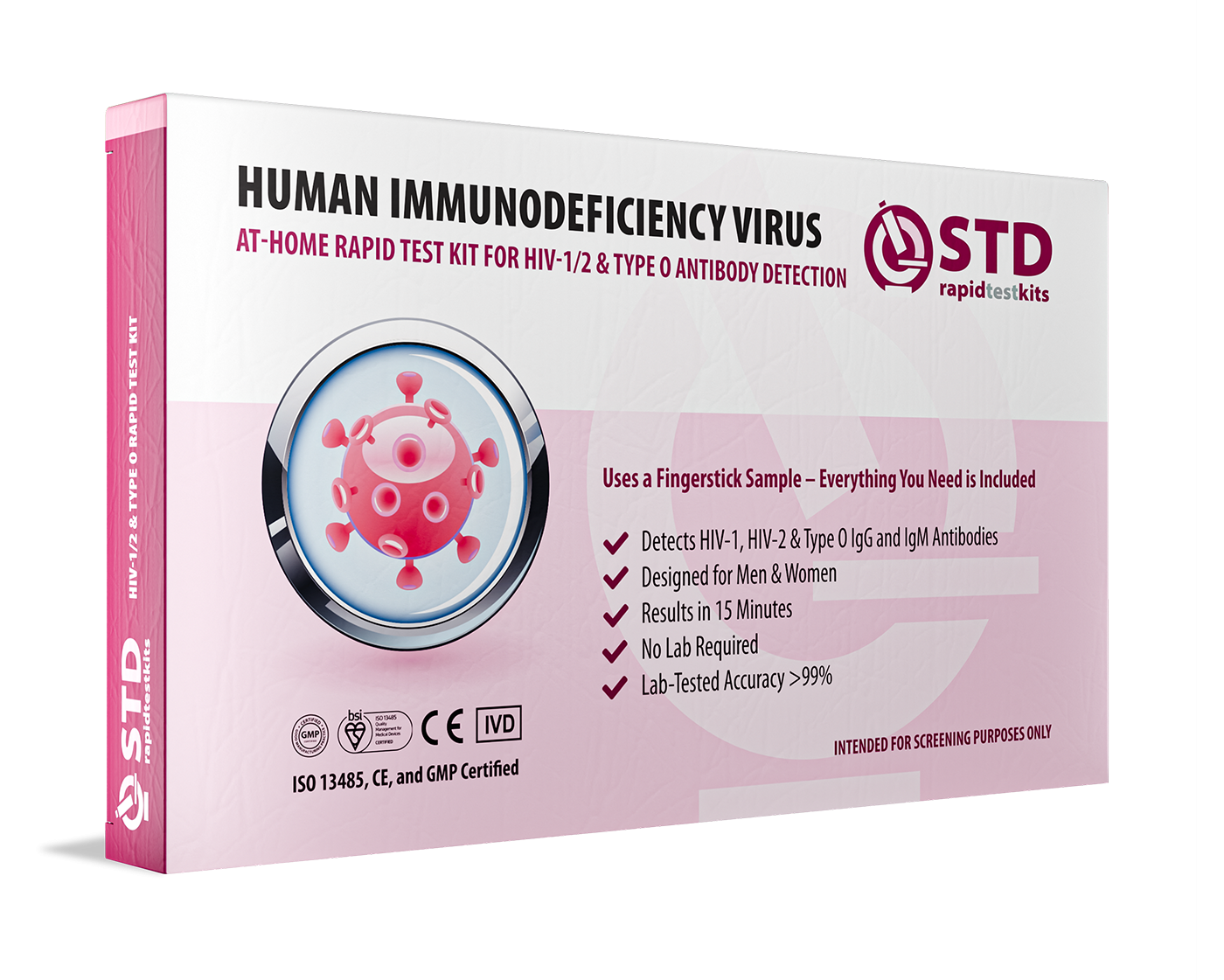
 For Men & Women
 Results in Minutes
 No Lab Needed
 Private & Discreet
Order Now $33.99 $49.00
The One Real Exception: Genetic Resistance to HIV and the CCR5-Delta32 Mutation
There is one well-documented case of genuine, naturally occurring resistance to an STD, and it's worth covering honestly because it's real science, not myth. A genetic mutation called CCR5-delta32 provides near-complete resistance to the most common strains of HIV in people who carry two copies of the mutation, one inherited from each parent. This is not a rumor or a misinterpretation. It is one of the most studied genetic phenomena in modern infectious disease research, and it has been used directly in at least five documented cases where HIV was functionally cured through stem cell transplantation from donors carrying this mutation.
Here's how it works: HIV needs to enter CD4 immune cells to replicate, and it uses a protein called the CCR5 receptor on the surface of those cells as its entry point. People who are homozygous for the CCR5-delta32 mutation, meaning they carry two defective copies of this gene, don't produce a functional CCR5 receptor. Without that entry point, the most common strains of HIV simply cannot get into the cells. A landmark review published in PNAS in 2024 confirmed that homozygous carriers display near-complete resistance to HIV infection irrespective of exposure, one of the most striking examples of a genetic trait conferring disease protection in modern medicine.
This is real and remarkable, but the caveats are what matter for anyone reading this. The mutation is found primarily in people of Northern European descent, and even within that population, homozygous carriers represent roughly 1% or less. Most people reading this do not have it. Even people with two copies are only resistant to HIV strains that use the CCR5 receptor, rarer HIV strains that use a different receptor (CXCR4) are unaffected by the mutation. And most critically: this mutation protects only against HIV. It provides zero protection against herpes, HPV, chlamydia, gonorrhea, syphilis, hepatitis, or any other STD. A person with CCR5-delta32 resistance to HIV is exactly as susceptible to every other common STD as anyone else.
| The Belief | Reality | Verdict |
|---|---|---|
| CCR5-delta32 mutation = HIV resistance | Real, but affects <1% of population; only certain HIV strains; no other STDs | True, but almost certainly not you |
| Having chlamydia once = immune to it again | No lasting immunity; reinfection is common and well-documented | Myth |
| Having herpes = immune to getting it again | Virus stays in body permanently; different strains still transmissible | Myth (partial cross-protection HSV-1/2 only) |
| HPV clears itself = immunity | Strain-specific suppression only; 100+ other strains remain a risk | Partial myth |
| Never caught an STD = immune | Most likely: lower-risk exposure, asymptomatic infection, or luck | Myth |
| Vaccines = STD immunity | HPV and hepatitis B vaccines provide genuine protection | True, but only for two infections |
Does Getting an STD Make You Immune to Getting It Again?
This is one of the beliefs that causes the most downstream harm in sexual health, because it leads directly to people skipping retesting and assuming they're in the clear after treatment. The logic seems intuitive: you got sick, your body fought it off, now you have protection, like chickenpox. But for most STDs, that is simply not how the immune response works, and acting on that assumption has real consequences.
For bacterial infections, chlamydia, gonorrhea, and syphilis, the immune response to the infection is real but leaves no lasting protection. Your body clears the bacteria when treated, but the immune system retains no useful memory of the encounter. You are just as susceptible to the same infection the day after successful treatment as you were before your first exposure. This isn't a gap in human biology; it's a feature of how these bacteria have co-evolved with human hosts. They've gotten very good at not triggering the kind of immune response that would make the body remember and resist them.
The numbers on reinfection are striking. The CDC recommends retesting three months after chlamydia treatment specifically because the reinfection rate within that window is high, particularly when a partner was not simultaneously treated. Research on reinfection rates found that while there may be some partial, temporary reduction in susceptibility after chlamydia infection in some populations, it is nowhere near reliable protection and varies significantly by individual. For gonorrhea, rising antibiotic resistance means reinfections are increasingly harder to treat than the first infection, making the assumption of immunity especially costly. Syphilis can be contracted repeatedly with no immunity conferred by previous infection or treatment, at any stage.
The takeaway is direct: treating an STD does not vaccinate you against it. The only bacterial STD for which any form of artificial immunity exists is hepatitis B, through vaccination, not through infection and recovery. Everything else resets to zero after every treatment.
People are also reading: Scared to Get Tested for an STD? Here's What Actually Happens
Why "I've Never Caught Anything" Is Not Evidence of Immunity
Here is where most of the immunity myth originates. Someone has been sexually active for years, hasn't always used protection, has never been diagnosed, and concludes they must just not be susceptible. It's a natural inference, and it's almost always wrong, for one of a few specific reasons that have nothing to do with biological resistance.
The first and most important reason: most STDs don't produce symptoms. Chlamydia is asymptomatic in the majority of those infected. Gonorrhea frequently produces no symptoms at all, particularly in the throat, someone can carry a pharyngeal gonorrhea infection for months with zero indication. Herpes is asymptomatic in the majority of people who carry it. The CDC estimates that most people with HSV-2 don't know they have it. HPV is almost universally asymptomatic unless it either clears on its own or, in some cases, progresses to a condition that produces visible signs. Someone who has "never had anything" and has never been comprehensively tested has not confirmed their immunity. They've confirmed they've never looked.
The second reason is that STD transmission is probabilistic, not guaranteed. Not every sexual encounter with an infected person results in transmission. Transmission rates vary significantly by infection type, by the type of sexual contact, by viral load at the time of exposure, and by other biological factors. Someone who has had predominantly lower-risk encounters or exposures to partners with lower viral loads may simply not have been in the right conditions for transmission to occur on each of those specific occasions. That's probability, not immunity. The next exposure starts from the same odds, with no memory of the previous ones.
The third reason is the testing gap. Standard sexual health panels frequently don't include herpes testing unless it's specifically requested. HPV cannot be tested in people without a cervix at all. Someone who has been tested for gonorrhea and chlamydia but never asked for herpes testing has genuinely never been tested for herpes, and may have carried it silently for years. Our article on how at-home STD testing works and what to do with results covers what a truly comprehensive test panel actually includes, and why most people have never had one.
What About HPV? Doesn't the Immune System Clear It?
HPV is the infection that most complicates a clean immunity narrative, because the immune system does interact with it in a way that looks superficially like immunity. Most HPV infections, roughly 90%, are suppressed by the immune system within one to two years without treatment. The infection appears to resolve, which leads some people to conclude their immune system defeated it, and they're now protected. The reality is considerably less reassuring.
Clearing an HPV infection is not the same as developing immunity to HPV as a category. What happens is that the immune system suppresses one strain's viral load to levels below detection, the virus may remain at low levels in tissue rather than being completely eliminated. More importantly, clearing HPV-31 provides no protection against HPV-16 or HPV-18, which are the two strains most strongly associated with cervical cancer and other HPV-related cancers. There are more than 100 known HPV strains, with over a dozen classified as high-risk. Having your immune system suppress one of them does not meaningfully reduce future risk from the ones that matter most.
The practical consequence: if you've had HPV in the past, cleared it, and are continuing to have sexual encounters, you are not protected against the strains most linked to serious outcomes. The HPV vaccine, recommended by the CDC for adults up to age 45 who haven't been fully vaccinated, protects specifically against HPV-16 and HPV-18 (the highest cancer-risk strains) and HPV-6 and HPV-11 (strains most associated with genital warts). Vaccination is the one case in the entire STD landscape where "immune" is actually an accurate word, because it's the only mechanism that produces reliable, evidence-based protection before exposure.
Check Your STD Status in Minutes
Test at Home with RemediumPapillomavirus (HPV) Test
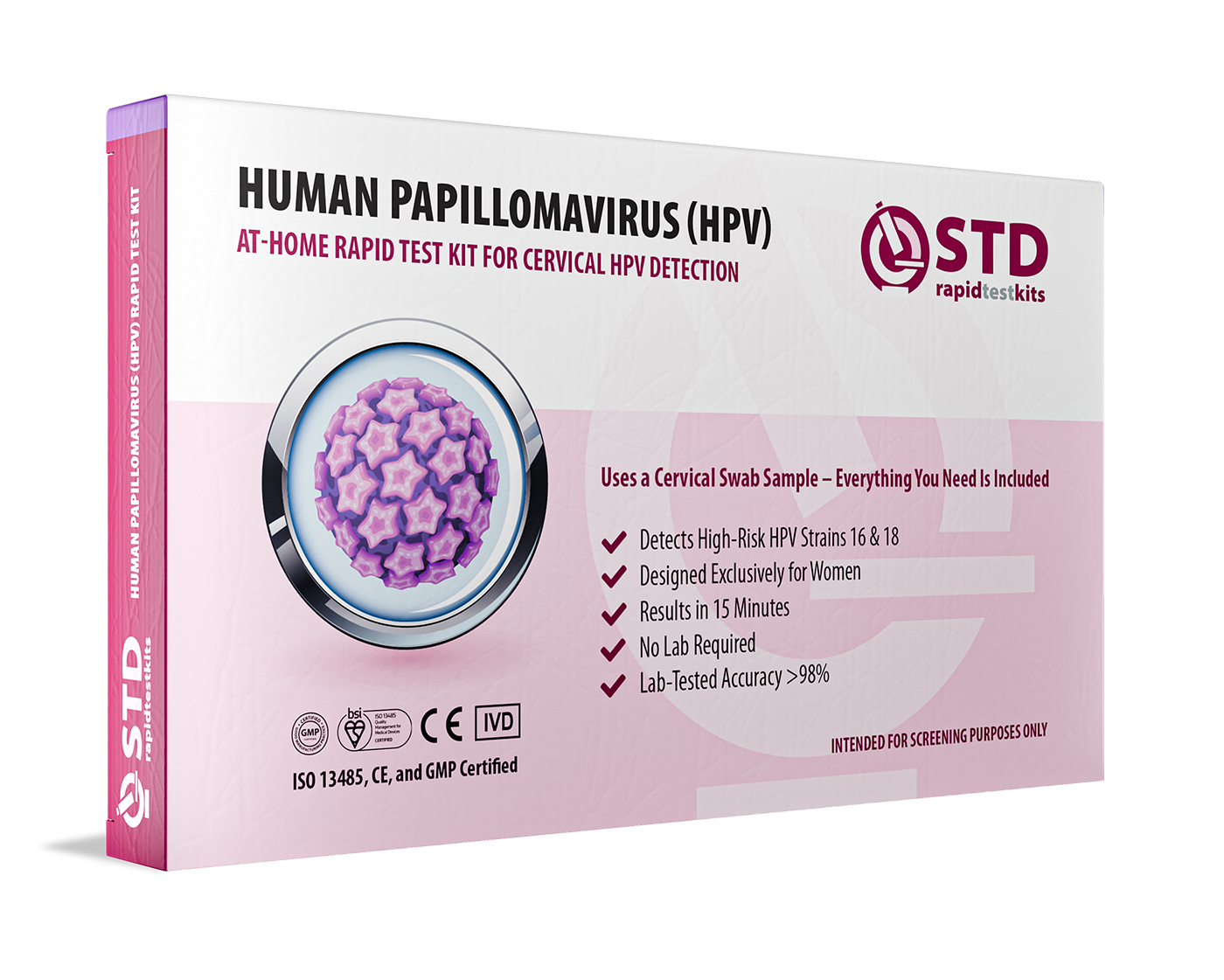
 For WomenResults in MinutesNo Lab NeededPrivate & Discreet
Order Now $33.99 $49.00
Herpes, Partial Cross-Protection, and Why Most People Don't Know Their Status
Herpes sits in its own category when it comes to immunity, for a reason that surprises most people: it never leaves. HSV-1 and HSV-2 both establish latency in nerve tissue after initial infection, retreating there after an outbreak and then reactivating periodically, sometimes with symptoms, often without. Because the virus is never cleared from the body, the concept of reinfection is technically replaced by reactivation. But there is a legitimate immunity question that comes up regularly: if you already have HSV-1, does that protect you from HSV-2?
The honest answer is: somewhat, but not reliably enough to matter for risk management. Prior HSV-1 infection does appear to provide some partial cross-protection against HSV-2, meaning that if you carry HSV-1 and are exposed to HSV-2, the initial infection may be milder and the transmission probability may be somewhat lower than for someone with no prior herpes exposure. But this cross-protection is incomplete and inconsistent. People with existing HSV-1 acquire HSV-2 regularly. In the other direction, HSV-2 provides no meaningful cross-protection against HSV-1. The two strains are related enough to produce partial, unreliable overlap, not enough to treat as actual protection.
| Infection | Does Infection Create Immunity? | Can You Get It Again? | Vaccine Available? |
|---|---|---|---|
| Chlamydia | No | Yes, repeatedly | No |
| Gonorrhea | No | Yes, repeatedly | No |
| Syphilis | No | Yes, repeatedly | No |
| Herpes HSV-1 / HSV-2 | No (stays in body permanently) | Different strains: yes. Same strain: reactivation | No |
| HPV | Partial, strain-specific only | Yes, different strains | Yes (up to age 45) |
| HIV | No | Yes (different strains possible) | No (PrEP available) |
| Hepatitis B | Some natural immunity after infection | Rarely, if immunity wanes | Yes, strong and long-lasting |
| Hepatitis C | No reliable immunity | Yes, reinfection documented | No |
The bigger immunity problem with herpes is simpler and more widespread than the cross-protection question: most people who have herpes don't know it. According to NCBI's clinical review of herpes simplex type 2, the majority of people with HSV-2 have never been diagnosed, because the infection is frequently asymptomatic or produces symptoms mild enough to be attributed to other causes. The HSV-1 and HSV-2 antibody test is not included in most standard STD panels unless specifically requested, meaning a significant proportion of sexually active people have genuinely never been tested for the most prevalent STD there is, and are unknowingly transmitting while assuming they're clean.
What Actually Protects You Against STDs, Since Natural Immunity Mostly Doesn't Exist
If natural immunity to STDs is essentially a myth for most people and most infections, what actually works? The honest answer is a combination of vaccination where it exists, barrier protection, regular testing, and pharmaceutical prevention for HIV. None of these are immunity in the biological sense, but together they represent a genuine, evidence-based strategy rather than a false sense of security built on never having been diagnosed.
Vaccination is the closest thing to real immunity available, and it currently applies to two STDs: HPV and hepatitis B. The HPV vaccine, recommended up to age 45 for those not previously vaccinated, protects against the strains most responsible for cervical cancer, anal cancer, and genital warts. The hepatitis B vaccine provides strong, durable protection and has been part of routine childhood vaccination in the US for decades. If you haven't received either, that's the single most impactful protective step available to you right now. For HIV, PrEP (pre-exposure prophylaxis) reduces HIV transmission risk by more than 99% when taken consistently, not immunity, but functionally close to it for that specific infection.
Regular testing is the strategy that does the work that immunity can't. Testing every three to six months if you have multiple partners, or after any new or higher-risk sexual encounter, means that if something does transmit, you catch it early, before complications develop and before it's passed to someone else. This is not a consolation prize for not being immune. It's actively more reliable than hoping for immunity, because it gives you accurate, actionable information rather than a comfortable assumption. The Complete 8-in-1 At-Home Rapid STD Test Kit (99%) covers HSV-1, HSV-2, chlamydia, gonorrhea, syphilis, HIV, hepatitis B, and hepatitis C, including herpes, which most standard panels quietly omit.
Condoms remain the most reliable barrier tool for fluid-transmitted infections, gonorrhea, chlamydia, HIV, and hepatitis B, when used consistently and correctly. They are less effective against skin-contact infections like herpes and HPV, since both can be present on skin that a condom doesn't cover, but less effective is not the same as useless. Consistent condom use combined with regular testing and vaccination, where available is the closest thing to a comprehensive protection strategy that actually exists.

People are also reading: At-Home STD Testing, How It Works, How Accurate It Is, and What to Do with the Results
Why the Immunity Myth Is So Dangerous for Testing Decisions
The practical consequence of believing you're immune to STDs isn't just intellectual error; it directly affects whether people test, when they test, and whether they talk to partners about status. Someone who has decided, on the basis of never being diagnosed, that they don't get STDs is making every subsequent sexual health decision on a false foundation. They're the person who doesn't test regularly because they assume they'd notice symptoms. They're the person who doesn't disclose to new partners that they've never had a comprehensive screen. They're the person unknowingly carrying and transmitting an asymptomatic infection for years.
The fear of testing plays directly into this. When the alternative narrative, "I'm probably just immune", is available, it's far more comfortable than "I might have something and I'm afraid to find out." Our article on the fear of getting tested for an STD addresses this directly. The avoidance is real and understandable, but the immunity myth is one of the ways it gets rationalized rather than resolved. Testing doesn't confirm you've been reckless. It confirms you're someone who takes their health seriously enough to want real information.
The testing gap matters at a population level, too. The CDC's 2024 provisional STI surveillance data showed more than 2.2 million combined cases of chlamydia, gonorrhea, and syphilis in the US, and those are only the detected cases, among people who actually tested. The real burden, including undetected asymptomatic infections among people who believe they're immune and never screen, is considerably higher. Every untested person carrying a silent infection is part of a transmission chain that doesn't need to exist. The immunity myth isn't just personally wrong; it's a public health problem wearing a reassuring mask.
FAQs
1. Can you be naturally immune to STDs?
Almost never. True natural immunity to STDs does not exist for most infections. The one documented exception is the CCR5-delta32 genetic mutation, which provides near-complete resistance to the most common HIV strains in people who inherit two copies, roughly 1% of those with Northern European ancestry. For chlamydia, gonorrhea, syphilis, herpes, and HPV, no natural immunity exists. If you have never caught an STD despite exposure, the most likely explanations are lower-risk exposures, asymptomatic infections you never detected, or probability, none of which are immunity.
2. Does having an STD make you immune to getting it again?
No, and this is one of the most dangerous myths in sexual health. Bacterial STDs like chlamydia, gonorrhea, and syphilis produce no lasting immunity after infection or treatment. You can catch the same infection multiple times with no added protection. Viral STDs like herpes remain in the body permanently rather than being cleared. Having one strain of herpes doesn't protect you from the other, and having one HPV strain doesn't protect you from different strains.
3. Why didn't I get an STD even though I was exposed?
Several things could explain it that have nothing to do with immunity. The exposure may have been lower risk than you thought; not every encounter with an infected person results in transmission. You may also have had an asymptomatic infection that was never detected without testing. Or the timing, viral load, and biological conditions simply didn't align for transmission on that occasion. None of these explanations is immunity, and none of them protect you going forward.
4. Does the CCR5-delta32 mutation make you immune to HIV?
If you inherited two copies of the mutation, you have near-complete resistance to the most common strains of HIV. It's real science. But it affects roughly 1% or fewer of the population, primarily those of Northern European descent, applies only to specific HIV strains, and provides zero protection against any other STD. Having one copy slows disease progression but doesn't prevent infection.
5. Can you get chlamydia twice?
Yes, having chlamydia once provides no lasting immunity. Treatment clears the bacteria, but your immune system retains no ability to fight off a future exposure. The CDC recommends retesting three months after treatment because reinfection is common, especially if a partner wasn't also treated. Some research suggests a partial, temporary reduction in susceptibility, but this is not reliable protection and should never be treated as such.
6. Does HPV clear itself, and does that mean you're immune?
Most HPV infections are suppressed by the immune system within one to two years, but clearing one strain doesn't protect you from the 100+ other HPV strains, including the high-risk ones linked to cancer. Immunity to a cleared strain may develop, but it's strain-specific. The HPV vaccine is the only reliable way to build protection against the highest-risk strains before exposure.
7. If I have herpes, can I get it again?
Having HSV-1 provides some partial cross-protection against HSV-2, but it's not complete immunity; people with HSV-1 acquire HSV-2 regularly. Having HSV-2 provides no meaningful protection against HSV-1. Both viruses remain in the body permanently, so reactivation rather than reinfection is the primary concern, but acquiring a different strain remains possible.
8. Should I still test if I think I'm immune to STDs?
Absolutely, because the belief that you're immune is almost certainly wrong, and asymptomatic infections are the norm rather than the exception for most STDs. Chlamydia, gonorrhea, herpes, and HPV can all be present with zero symptoms for months or years. The absence of symptoms is not a test result. Testing is the only way to actually know your status, and regular testing is what protects both you and your partners.
9. Does vaccination make you immune to HPV and hepatitis B?
Vaccination is the only genuinely reliable way to achieve meaningful immunity against STDs, and it currently exists for two: HPV and hepatitis B. The HPV vaccine protects against the highest-risk strains linked to cancer and genital warts, and is recommended for people up to age 45. The hepatitis B vaccine provides strong, long-lasting protection. Vaccines are the one context where the word "immune" is actually accurate in the STD landscape.
10. What is the only reliable protection against STDs if immunity doesn't exist?
Vaccination where available (HPV, hepatitis B), consistent condom use for fluid-transmissible infections, regular STD testing so infections are caught early, and PrEP for HIV prevention in high-risk individuals. The most important shift is replacing the concept of immunity with the habit of regular testing, because knowing your status is what actually protects you and the people you're with.
Test to Know, Because Immunity Almost Certainly Isn't Your Answer
If you've been relying on the idea that you don't catch things, or that a past infection gave you some protection, the most useful thing you can do right now is replace that assumption with an actual result. The Complete 8-in-1 At-Home Rapid STD Test Kit (99%) covers HSV-1, HSV-2, chlamydia, gonorrhea, syphilis, HIV, hepatitis B, and hepatitis C, the full picture, handled privately at home, including herpes testing that most standard panels don't automatically include.
If you've had a recent specific exposure and want a targeted panel, the Chlamydia, Gonorrhea & Syphilis 3-in-1 At-Home Rapid Test Kit (99.5%) covers the three bacterial infections most commonly caught and re-caught without immunity. For the broadest picture including herpes and HIV, the 8-in-1 is the right call. Either way, a result gives you real information, not a hopeful assumption, and that's what allows you to make decisions you can actually stand behind.
Testing isn't an admission that you've been reckless. It's what people who take their sexual health seriously do, regularly, because they know immunity isn't something you earn or inherit. Visit STD Rapid Test Kits and find the right test for where you are right now.
How We Sourced This: Our article was constructed based on current advice from the most prominent public health and medical organizations, and then molded into simple language based on the situations that people actually experience, such as treatment, reinfection by a partner, no-symptom exposure, and the uncomfortable question of whether it "came back." In the background, our pool of research included more diverse public health advice, clinical advice, and medical references, but the following are the most pertinent and useful for readers who want to verify our claims for themselves.
Sources
1. NCBI, Immunity to Sexually Transmitted Bacterial Infections of the Female Genital Tract
2. PNAS, Legacy of a Magic Gene: CCR5-Δ32 From Discovery to Clinical Benefit (2024)
3. NCBI, Herpes Simplex Type 2
4. CDC, Sexually Transmitted Infections Surveillance, 2024 (Provisional)
5. CDC, STI Treatment Guidelines
6. WHO, Four Curable Sexually Transmitted Infections: All You Need to Know
About the Author
Dr. F. David, MD is a board-certified infectious disease specialist focused on STI prevention, diagnosis, and treatment. He writes with a direct, sex-positive, stigma-free approach designed to help readers get clear answers without the panic spiral.
Reviewed by: Rapid STD Test Kits Medical Review Team | Last medically reviewed: April 2026
This article is for informational purposes and does not replace medical advice.


