






Quick Answer: The five most common symptoms of chlamydia are burning when urinating, unusual genital discharge, pelvic or lower abdominal pain, pain during sex, and unexpected bleeding between periods. However, many infections cause no symptoms at all, which is why testing after possible exposure is important.
Why So Many People Miss the Signs
Chlamydia is one of the most common sexually transmitted infections worldwide, and yet it is also one of the easiest to miss. According to public health data, a large percentage of infections produce either very mild symptoms or none at all. That means people often continue their normal routines without realizing anything is wrong.
When symptoms do show up, they usually look like common health problems. It can feel like you have a urinary tract infection if you have a burning feeling when you pee. Some people might think that mild pelvic pain is just period cramps. Hormonal changes or irritation from new products can sometimes cause unusual discharge. Because these signs are common and don't point to a specific problem, many people put off getting tested longer than they should.
There’s also a psychological piece. Sexual health still carries stigma, and people often hesitate to connect physical symptoms with a possible STD. They may assume they would “know” if something serious were happening. Unfortunately, Chlamydia doesn’t always behave that way. Sometimes the body whispers instead of shouting.
| Reason | What Happens | Common Misinterpretation |
|---|---|---|
| Mild irritation | Light burning or discomfort when urinating | Assumed to be dehydration or a UTI |
| Subtle discharge | Small change in color or amount | Hormones or normal variation were to blame. |
| Delayed symptoms | Symptoms appear weeks after exposure | There isn't a clear link to sex. |
| No symptoms | Infection causes no noticeable changes | The person thinks they are healthy. |
This is why routine testing is so important for sexual health. A lot of infections are found not because the symptoms got worse, but because someone decided to check just to be safe.
If you’re unsure whether a symptom might be related to a sexually transmitted infection, testing can remove the guesswork. Discreet options like the STD Rapid Test Kits homepage provide accessible ways to check from home without waiting for a clinic appointment.
Symptom #1: Burning When Urinating
One of the earliest and most commonly reported symptoms of Chlamydia is a burning or stinging sensation when urinating. People often describe it as a sharp irritation that happens at the start or end of peeing. It may appear suddenly or build gradually over several days.
This symptom is easy to misread because it overlaps heavily with urinary tract infections. Someone experiencing burning might increase water intake, try cranberry supplements, or assume dehydration is the cause. In some cases those steps temporarily reduce irritation, making the underlying infection harder to notice.
What makes the situation confusing is that Chlamydia infects the urethra, the tube that carries urine out of the body. Inflammation in that area leads to the same discomfort people associate with UTIs. Without testing, the two conditions can feel almost identical.
Another reason this symptom is overlooked is timing. It may not appear immediately after exposure. Chlamydia can take one to three weeks to show symptoms, so the person who had sex with the person who has it might not even remember it when they start to feel sick.
If you have burning when you pee along with other symptoms like discharge or pelvic pain, doctors often suggest getting tested. Even if the symptoms don't seem too bad, finding out what's wrong early on can help keep the infection from spreading to partners and avoid other problems.

People are also reading: STI Testing Anxiety Is Real: What It Feels Like, and How to Push Through
Symptom #2: Unusual Genital Discharge
Another sign of Chlamydia that people sometimes notice is a change in their discharge. It could be fluid coming from the penis or vagina that looks a little different than usual. Sometimes the shift is subtle, but people often describe it as cloudy, slightly yellow, or thicker than what they normally experience.
Men may see small amounts of discharge from their penis during the day or first thing in the morning. Some people notice it as a light stain in underwear or a slight wetness near the urethra. Because the amount can be small, it’s easy to ignore or assume it’s temporary irritation.
For women, discharge can vary more widely. Vaginal discharge is normal and fluctuates throughout the menstrual cycle, which makes abnormal changes harder to identify. However, discharge associated with Chlamydia may appear thicker, have a slightly unusual color, or come with irritation or burning.
It’s also important to remember that not every infection causes visible discharge. Some people never experience this symptom at all. That’s why health professionals emphasize testing after possible exposure rather than waiting for obvious physical signs.
| Characteristic | What People Often Notice | Why It Happens |
|---|---|---|
| Color change | Cloudy, yellow, or milky fluid | Inflammation in infected tissue |
| Increased amount | More discharge than usual | Body responding to infection |
| Consistency change | Thicker or mucus-like texture | Immune response and irritation |
If your discharge changes suddenly and stays that way for more than a few days, you should see a doctor. Even though it doesn't mean they do, testing is the only way to be sure that someone doesn't have an STD like Chlamydia or Gonorrhea.
Symptom #3: Pelvic or Lower Abdominal Pain
People often miss pelvic pain as a symptom. Many people say it feels like a dull ache, pressure, or constant pain in the lower abdomen instead of sharp pain. People often don't look into it because it can feel like menstrual cramps or stomach problems.
In women, untreated Chlamydia can move from the cervix into the reproductive organs. When that happens, it can irritate the uterus and fallopian tubes, which may cause pelvic pain. The pain may start out mild, like regular cramps, but it can get worse over time.
Some people also experience pain during everyday activities such as sitting for long periods or during physical movement. The discomfort might come and go rather than remaining constant, which can make it even harder to connect with a possible infection.
There are many reasons why someone might have pelvic pain, but if you have pain that won't go away or that you can't explain after getting a new sexual partner, you should see a doctor. Finding and treating infections early is important because they can cause problems that affect fertility in the long run.
Symptom #4: Pain During Sex
Painful sex, which is also known as dyspareunia, can be a sign of Chlamydia. This symptom is common because the infection makes the sensitive tissues in the reproductive system swell up. When those tissues are irritated, sex may be uncomfortable or even hurt.
Women are more likely to notice this symptom, particularly if the infection affects the cervix. Some people say that sex hurts a lot in the pelvis, while others say it hurts a lot in certain positions. There are times when you may feel pain and bleed after sex.
Men can experience discomfort during sex as well, especially if inflammation affects the urethra. In some cases, ejaculation may feel unusually painful or irritating.
Because sex-related discomfort can stem from many causes, such as hormonal changes, dryness, or irritation, people often hesitate to link it with an infection. However, when pain during sex appears alongside other symptoms like burning urination or unusual discharge, testing becomes especially important.
Accessible testing options can help remove uncertainty quickly. Many people now use discreet kits such as the at-home chlamydia rapid test kit, which allows screening privately before deciding whether to seek additional medical care.
Check Your STD Status in Minutes
Test at Home with Remedium7-in-1 STD Test Kit
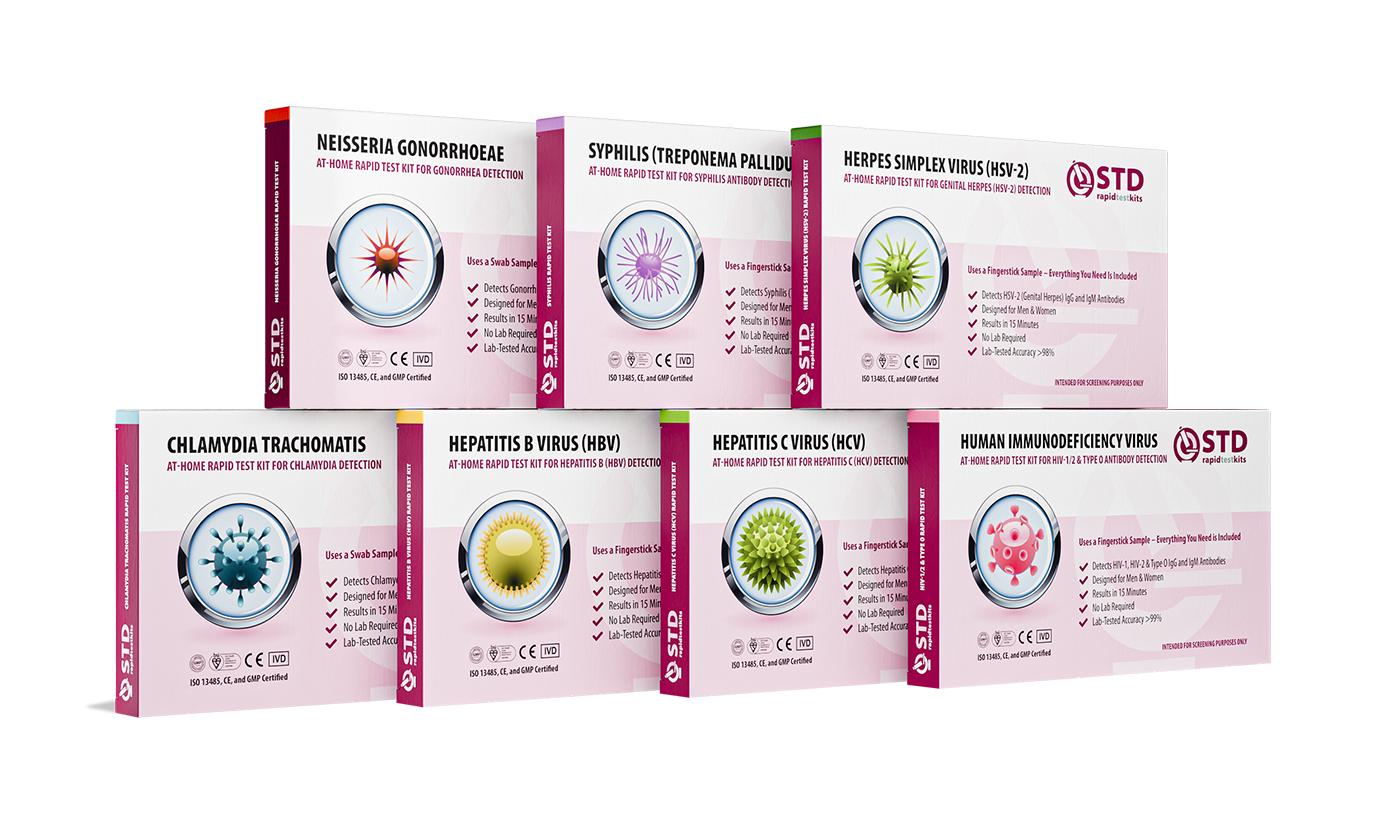
 For Men & Women
 Results in Minutes
 No Lab Needed
 Private & Discreet
Order Now $129.00 $343.00
For all 7 tests
Symptom #5: Unexpected Bleeding Between Periods
Bleeding that happens for no reason is one of the symptoms that people worry about the most. But people often try to explain away this symptom as well. When chlamydia gets inside, it can hurt and swell the tissue around the cervix. That irritation can sometimes make you bleed between periods or have light spotting after sex.
Many people believe that spotting is caused by hormones, stress, or changes in birth control because menstrual cycles naturally change. One episode might not be that bad. If you bleed outside of your normal period more than once, you should see a doctor.
Doctors often check for unexpected bleeding along with other symptoms like pelvic pain or strange discharge. If you have all of those symptoms at the same time, it's more likely that you have an infection like Chlamydia.
Remember that spotting alone doesn't mean you have an STD. There are a lot of harmless things that can make you bleed irregularly. But testing is a simple way to rule out infections and stop unnecessary worry.
Symptoms That Appear Outside the Genitals
Most people associate Chlamydia with genital symptoms, but infections can occasionally affect other parts of the body depending on how transmission occurred. Oral or anal exposure can also cause symptoms in those areas, but these cases are less common.
Sometimes Chlamydia can infect the throat. When it does, the symptoms are usually pretty mild, things like a sore throat, irritation, or slightly swollen glands. Because it feels just like a regular cold or throat infection, people rarely think of it as something related to sex.
It is possible to get infections in the rectum, especially after anal sex. Some signs are pain, itching, discharge, or bleeding from the rectum. These signs can be anything from mild irritation to more noticeable inflammation, just like genital symptoms.
Understanding these possibilities helps explain why testing recommendations sometimes include throat or rectal swabs depending on a person’s sexual activity. A simple F test may not detect infections located in those areas.
| Exposure Area | Possible Symptoms | Why They’re Missed |
|---|---|---|
| Throat | Sore throat, swollen glands | Often mistaken for a mild cold |
| Rectum | Itching, discharge, discomfort | Symptoms resemble hemorrhoids or irritation |
| Eyes (rare) | Redness, irritation | Usually mistaken for conjunctivitis |
The Symptom Most People Never Notice
Ironically, the most common symptom of Chlamydia is actually having no symptoms at all. Many infections remain completely silent, sometimes for months. This is why public health experts consistently emphasize routine testing for sexually active adults, especially those with new or multiple partners.
If you don't get tested, you might not know you have an infection and it could keep spreading to your partners. Some infections that aren't treated can also cause problems over time, especially when inflammation spreads through the reproductive system.
It doesn't have to be hard or stressful to take a test. Some people like going to a clinic, while others like to do private testing at home. The Combo STD Home Test Kit and other discreet screening options let people check for several common infections without leaving their homes.
The goal of testing isn’t to create fear, it’s to replace uncertainty with clarity. When you know what’s going on with your health, you can make informed decisions and get treatment quickly if needed.

People are also reading: Young, Sexually Active, and Unsure About STD Testing? Start Here
When Symptoms Start, And Why Timing Confuses People
Timing is a big reason people overlook Chlamydia. It’s easy to assume that if something happened during sex, symptoms would show up the next day. In reality, the body often takes a while to respond. Most symptoms appear one to three weeks after exposure, though everyone’s timeline can be a little different.
This delay makes things unclear. Someone might get a new symptom weeks after having sex and not realize that the two things are related. Some people might think there's no risk because they felt fine right after sex. Sadly, infections don't always happen on a set schedule.
Even when symptoms do appear early, they can fade temporarily. Some people notice burning or discharge that disappears after a few days, giving the impression that the problem resolved on its own. In many cases, the infection remains present even when symptoms fluctuate.
| Stage | What Happens | What People Usually Think |
|---|---|---|
| Exposure | Bacteria enters the body during sexual contact | No symptoms yet |
| 1–3 weeks later | Symptoms like burning or discharge may appear | Often mistaken for a minor infection |
| Weeks to months | Symptoms may stay mild or disappear | Person assumes the issue resolved |
| Testing | Infection confirmed through screening | Often discovered unexpectedly |
Because symptoms can appear late, or not at all, many people choose testing after any situation where exposure might have occurred. Testing gives you certainty that symptoms alone can't.
How Testing Clears Up the Guesswork
Don't worry if you've had symptoms like burning when you pee, strange discharge, pelvic pain, or bleeding between periods. The next step is to find out more. Tests can help figure out if the symptoms are caused by Chlamydia, another infection, or something else.
To find out if someone has chlamydia, doctors usually take a urine sample or a swab from the area that hurts. These tests find the bacteria directly, which is much more accurate than just looking at the symptoms.
Many people today prefer discreet screening before visiting a clinic. People can check for common infections in private with services like STD Rapid Test Kits, and they often get results quickly. This choice can help people feel less anxious and move on to the next step faster.
Chlamydia is common and can be treated, so that's the most important thing to remember. Finding the disease early lets you start treatment right away, which lowers the risk of complications and keeps your partner from getting sick.
Check Your STD Status in Minutes
Test at Home with Remedium6-in-1 STD Rapid Test Kit
 For Men & WomenResults in MinutesNo Lab NeededPrivate & Discreet
Order Now $119.00 $294.00
For all 6 tests
Before You Spiral Into Worst-Case Scenarios
Not every unusual symptom means you have an STD. Bodies change, and many everyday conditions can mimic the same sensations associated with Chlamydia. The goal of recognizing symptoms isn’t to create fear, it’s to encourage awareness.
If something feels different in your body, paying attention is a responsible step. Testing provides clarity and often peace of mind. And if an infection is present, treatment is straightforward and widely available.
Don’t sit with uncertainty longer than you need to. If you want quick answers without waiting for an appointment, a discreet option like the at-home chlamydia rapid test kit can help you check privately and move forward with confidence.
FAQs
1. How would I know if I actually have chlamydia?
Honestly, many people don’t know at first. You might notice something small, burning when you pee, discharge that seems a little off, or pelvic discomfort that feels different from normal cramps. A lot of people describe the moment as a “wait… that’s weird” feeling rather than a dramatic symptom. The only way to be sure, though, is testing.
2. Can you really have chlamydia and feel completely fine?
Yes, and that's one of the things that makes Chlamydia so frustrating. Many infections don't show any signs at all. Even if someone feels fine, they could still test positive weeks later. That's why doctors tell people to get checked out even if they don't feel sick after they start dating someone new.
3. Does chlamydia always burn when you pee?
Not always, but it’s one of the classic clues. People often describe it as a sharp sting right when urine passes through the urethra. A lot of people think they have a urinary tract infection (UTI) at first because it feels so much like one.
4. What does chlamydia discharge actually look like?
It usually isn’t dramatic. Most people notice something subtle: discharge that looks cloudy, slightly yellow, or thicker than usual. For some men it might appear as a small amount of fluid in the morning. For women, it can blend in with normal vaginal discharge, which is why it’s easy to overlook.
5 How soon would symptoms show up after sex?
Usually somewhere between one and three weeks, though bodies don’t follow perfect schedules. Some people feel symptoms sooner, others later, and some not at all. That delay is one reason people don’t always connect symptoms to a specific encounter.
6. If symptoms disappear, does that mean the infection is gone?
Unfortunately, no. Symptoms can fade even while the bacteria are still present. People sometimes think they “got over it,” but the infection can quietly stick around until it’s treated with antibiotics.
7. Can men and women have totally different symptoms?
Yes, they can feel different. Men often feel pain when they pee or have discharge from their penis. Women may have pelvic pain, bleeding between periods, or pain during sex. But there is a lot of overlap, and both men and women can also have no symptoms.
8. What if my symptoms seem really mild?
Mild symptoms are actually very common with Chlamydia. Many people describe the feeling as irritation or “something slightly off” rather than severe pain. Mild doesn’t mean unimportant, testing is still the best way to know what’s happening.
9. Is chlamydia something to panic about?
No panic needed. It’s extremely common and very treatable. The important thing is simply recognizing the possibility and getting tested so you can deal with it early and move on with your life.
10. What’s the easiest way to check if I might have it?
Testing. That can happen at a clinic, a doctor’s office, or through a discreet at-home kit. The goal isn’t to scare yourself, it’s to replace late-night Google spirals with a clear answer.
You Deserve Clarity, Not Guesswork
Noticing something unusual in your body can mess with your head. A little burning when you pee. Discharge that seems slightly different. Maybe a dull pelvic ache you can’t quite place. None of these automatically mean you have Chlamydia, but they’re signals worth paying attention to. Your body is good at sending quiet messages before problems become bigger ones.
The goal isn’t to panic over every symptom. It’s to remove the uncertainty. If symptoms appeared after a sexual encounter, test. If testing rules out infection but discomfort continues, talk with a medical professional about other possibilities. Each step replaces guesswork with real answers, and that alone can bring a lot of peace of mind.
Don’t sit with the question longer than you have to. If infection is even a small possibility, start with a discreet screen like the Combo STD Home Test Kit. Your results stay private. Your decisions stay in your hands. And clarity is always better than late-night worrying.
How We Sourced This Article: This guide combines clinical guidance on sexually transmitted infections with peer-reviewed research and real-world sexual health education practices. We looked at research on infectious diseases, public health guidelines, and epidemiological data on Chlamydia symptoms, how long they last, and how to test for them. We want to turn medical evidence into clear, useful information that people can use.
Sources
1. Centers for Disease Control and Prevention – Chlamydia Fact Sheet
2. World Health Organization – Sexually Transmitted Infections Fact Sheet
3. NHS: A Quick Look at Chlamydia
4. Signs and Causes of Chlamydia at the Mayo Clinic
5. PubMed: Studies on Chlamydia Infection
6. Planned Parenthood – Chlamydia Information
About the Author
Dr. F. David, MD is a board-certified infectious disease specialist focused on sexually transmitted infection diagnosis, prevention, and treatment. His work centers on helping people understand sexual health without shame, combining clinical accuracy with clear, direct education.
Reviewed by: Michael R. Levin, MD, Urology | Last medically reviewed: February 2026
This article is only for informational purposes and should not be used instead of professional medical advice, diagnosis, or treatment.


