







Quick Answer: If you're sexually active and have never been tested for STDs, the best time to start is now, especially if it’s been more than 2 weeks since your last unprotected encounter. Most infections don’t show symptoms early, but they can still spread and cause damage. Testing is private, simple, and often done from home.
Why This Guide Exists (And Who It’s Really For)
This isn’t just for people with obvious symptoms. In fact, it’s especially for those without them. Most people who carry STDs don’t have any immediate signs. That’s part of why so many infections spread undetected, because you feel fine and assume you’re in the clear. But being symptom-free doesn’t mean you’re STD-free. And waiting until something burns, itches, or bleeds usually means you’ve waited too long.
This article is for the college student who’s had three different partners this year but always “felt safe.” For the queer teen who’s never had vaginal sex and wonders if oral counts. For the couple who just opened their relationship and have no idea how testing works. For the person in a monogamous relationship who just learned their partner cheated, and for the one who’s never had any of these moments but is still reading, because something about the headline hit different.
Testing isn’t about catching you in a mistake. It’s not a punishment, and it’s not a confession. It’s care. It’s prevention. It’s a quiet kind of love, for yourself and for anyone you’ve ever touched. So let’s break it down.
What Actually Counts as an STD Test?
Let’s start with the basics: not all “STD tests” are the same. While some tests search for bacteria like gonorrhea or chlamydia, others look for viruses like HIV or herpes. Your sexual history, body type, and risk of exposure will determine what kind of test you need. It’s not one-size-fits-all, and no, most doctors don’t automatically include STD panels during checkups unless you ask for them.
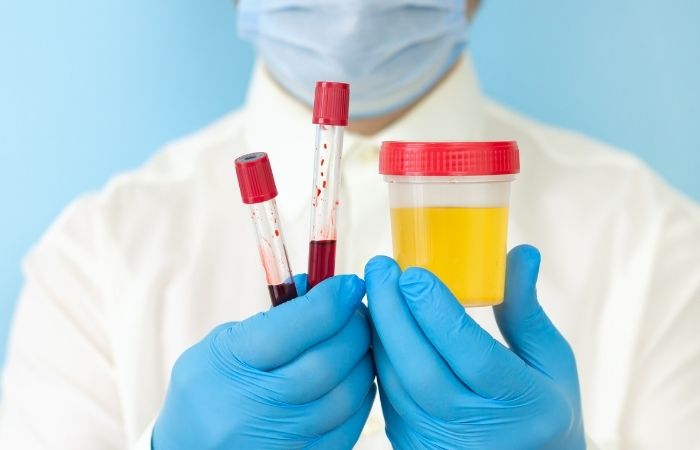
Here’s how testing usually works. For bacterial STDs like chlamydia and gonorrhea, you’ll likely take a urine test or a swab of the genitals, throat, or rectum, depending on your activity. For syphilis and HIV, it’s a blood test. Herpes is trickier, it’s often diagnosed via swab if you have an active sore, but blood tests can detect past exposure even if you’ve never had a visible outbreak.
If you’re using an at-home STD kit, like the ones available at STD Rapid Test Kits, you’ll follow simple instructions to collect your sample. That might mean peeing in a cup, using a fingerstick to get a drop of blood, or swabbing your mouth or genitals. Some tests give instant results; others you mail in for lab analysis. Either way, you stay in control, no awkward clinics, no judgmental glances.
| Test Type | Detects | Sample Type | Available At-Home? |
|---|---|---|---|
| NAAT/PCR | Chlamydia, Gonorrhea, Trichomoniasis | Urine or swab | Yes |
| Antigen/Antibody | HIV, Hepatitis B, Syphilis | Blood (fingerstick or venous) | Yes |
| Rapid Cassette | Herpes, Syphilis, HIV | Blood or oral fluid | Yes |
| Visual Swab | Herpes (if symptoms are present) | Lesion swab | No (clinic only) |
Table 1. Common STD test types, what they detect, and whether you can use them at home.
It’s okay if this feels overwhelming. That’s why combo test kits exist, they cover multiple infections in one go, without you needing to guess what to test for. If you’re not sure where to start, this Combo STD Home Test Kit is doctor-trusted and beginner-friendly.
People are also reading: I Went to a Sex Party, Here’s What I Learned About STI Risk
Timing Matters: Why Window Periods Make or Break Your Results
Here’s something most first-time testers don’t know: if you test too early, your results might lie to you. Not because the test is broken, but because your body hasn’t had time to show the infection yet. This period, called the “window period”, is the time between when you’re exposed and when a test can reliably detect the infection. It’s different for every STD. Testing before the window closes can give you false reassurance, which is honestly worse than not testing at all.
Let’s say you hooked up with someone new on Friday, and by Monday, you’re already spiraling. Maybe they didn’t use protection. Maybe they said they were clean but your gut says otherwise. You grab a rapid test that night, it says negative, and you breathe, until you wake up a week later with a sore throat or some pelvic pain and start questioning everything. That first negative wasn’t wrong, it was just early.
Understanding how long each infection takes to show up on a test helps you plan smarter. It’s not about waiting forever, it’s about waiting long enough for the test to be meaningful. If you’re still in that “it just happened” phase, testing now can set a baseline, but you’ll likely need a follow-up.
| STD | Minimum Window Period | Best Time to Test | Why It Matters |
|---|---|---|---|
| Chlamydia | 7 days | 14+ days | Testing too early may miss low bacterial load |
| Gonorrhea | 7 days | 14+ days | Can be detected earlier if symptoms are present |
| HIV | 10–14 days (NAAT), 18–45 days (Ag/Ab) | 4–12 weeks | Different test types = different window periods |
| Syphilis | 3 weeks | 6–12 weeks | Blood antibodies take time to build up |
| Trichomoniasis | 5–7 days | 2–4 weeks | Best caught via vaginal swab or urine NAAT |
Table 2. Typical window periods for common STDs and why testing at the right time matters.
Order Now $129.00 $343.00 Check Your STD Status in Minutes
Test at Home with Remedium
7-in-1 STD Test Kit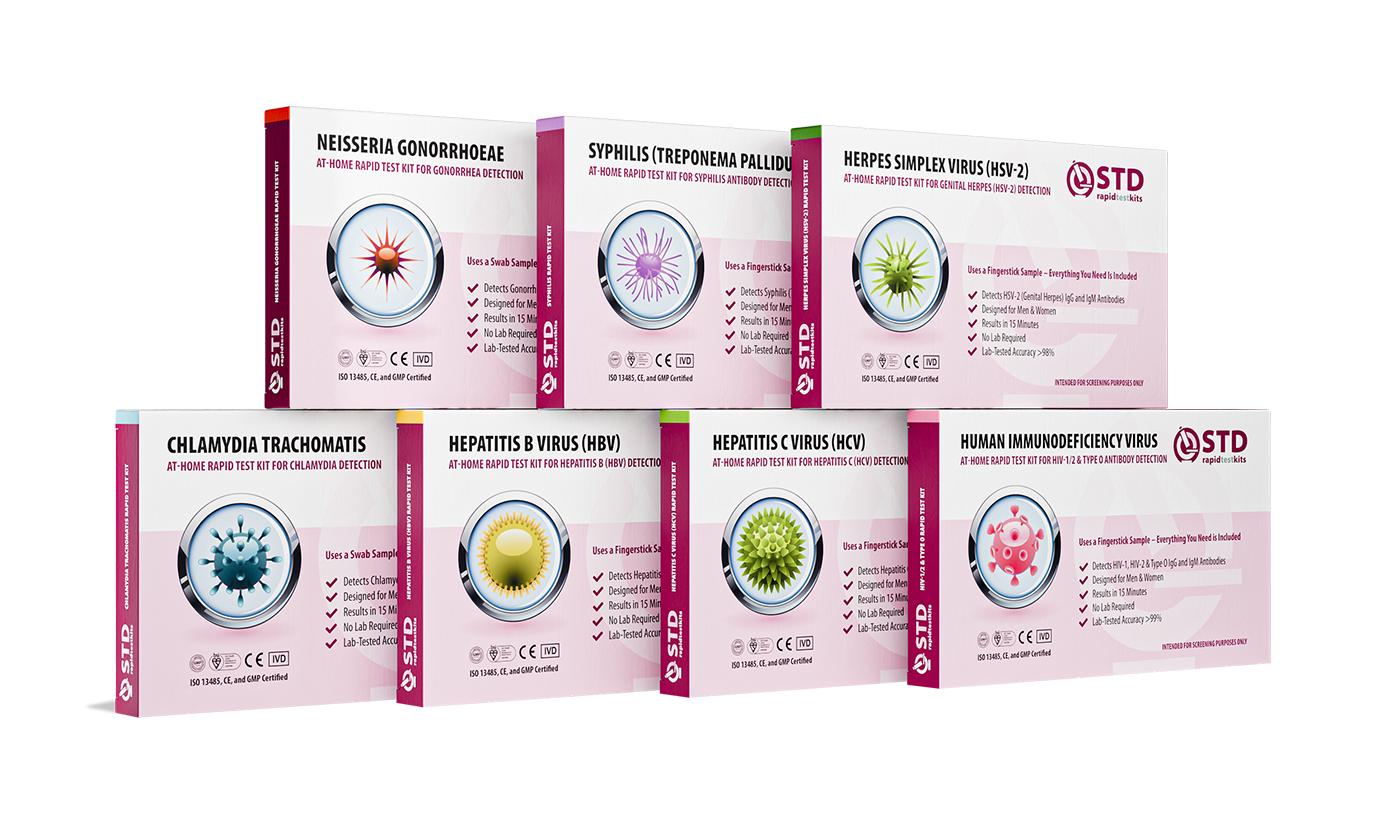
 For Men & Women
 Results in Minutes
 No Lab Needed
 Private & Discreet
For all 7 tests
The “Too Soon” Test Dilemma (And How to Handle It)
Meet Layla, 22. She took her first STD test five days after a condom broke. The result came back negative, and she tried to relax. Two weeks later, she noticed a slight discharge and pelvic ache. She tested again, this time, the test came back positive for chlamydia. Her first test wasn’t faulty. It was just premature. “I thought I was being responsible,” she later said. “But I learned that fast doesn’t always mean right.”
This is a common story. Many people rush to test after a risky hookup, only to get a false negative because they’re still inside the window period. If this is you, don’t beat yourself up. Testing early is fine, just make sure you schedule a follow-up 2 to 4 weeks later. That second test isn’t overkill, it’s smart. It’s how you protect your body, your partners, and your peace of mind.
If you’re not sure how long it’s been since a possible exposure, start by counting days from your last sexual contact. If it’s been more than 14 days, a comprehensive at-home test like this one is a solid choice. If it’s been fewer than 7 days, mark your calendar for a retest date, even if your first test comes back clean.
Do You Need to Retest? Here's How to Know
Retesting isn’t just for people who got positive results. It’s also essential if you tested too soon after a possible exposure or if you’re in a situation where exposure could be ongoing. Think: open relationships, multiple partners, recent cheating, or new symptoms after an initial negative.
Here’s a snapshot from real life: after his breakup, Julian, 25, tested negative at a clinic. He felt good about it, until he hooked up with someone new the next weekend and woke up with a burning sensation. The doctor told him he’d likely tested between exposures, catching neither. His retest came back positive for both gonorrhea and trichomoniasis. “I didn’t know there was such a thing as testing ‘too in between,’” he said. Now, he retests every three months, like clockwork.
If you’ve recently started treatment for something like chlamydia or gonorrhea, it’s best to wait 3–4 weeks before retesting. That gives the infection time to clear and avoids confusing leftovers (dead bacteria, inactive DNA) with new infection. If you weren’t treated, but your symptoms continue, or if your partner just tested positive, you’ll want to retest sooner, ideally 2–3 weeks from your original exposure or last test.
Not sure what applies to you? You’re not alone. Use this rule of thumb: if it’s been under 14 days since exposure, test once now and again at day 28. If it’s been over 14 days, test now, and retest if symptoms develop or your relationship status changes. Simple.
Privacy, Shipping, and Testing Without the Weird Questions
Let’s talk logistics, because for a lot of people, it’s not the test itself that feels hard. It’s everything around it. The awkward pharmacy trip. The receptionist who says your name too loudly. The nagging fear that someone will judge you just for asking. If you’ve avoided testing because it felt like outing yourself, know this: there are other ways to do it.
At-home testing is built for people like you. People who don’t want to explain why they need a throat swab. People who live with roommates or parents and don’t want a bold, red-letter package on the doorstep. People who already carry enough stress without adding public embarrassment to the pile. Discreet shipping is real, it usually comes in plain, unbranded envelopes or boxes with no medical language. The label doesn’t say “STD.” It doesn’t even say “health.”
Some kits include tracking codes, so you’ll know exactly when it’s arriving. Others let you send your sample to a lab and get results online, without ever stepping into a clinic. That’s the setup you’ll get from companies like STD Rapid Test Kits, which offer FDA-approved at-home options with same-day processing for some tests. That means no awkward waiting room, no judgmental stares, just a box, a few minutes of your time, and answers you can trust.
If your life involves travel, tight schedules, or living off-grid, this flexibility can make the difference between getting tested and just... never getting around to it. And if you’re scared to even open the test? Take a breath. No one has to know but you. And once you know, you get to move forward with clarity, not questions.

People are also reading: Think You’d Know if You Had an STD? Here’s Why You Might Not
What If You Test Positive?
This is the fear that stops so many people before they start. “What if I’m positive?” It’s a heavy question, loaded with shame, guilt, and panic. But here’s the truth: a positive result doesn’t mean you’re dirty. It doesn’t mean your sex life is over. It doesn’t mean you’re unlovable. It means you have a treatable infection, and now you know how to treat it.
Take Camila, 21. Her first test came back positive for trichomoniasis, something she’d never even heard of. “I felt gross. I cried in the bathroom for an hour. But then I Googled it and realized it was super common, and curable with one round of antibiotics,” she said. “I texted the guy I’d been seeing. He tested too. Turns out, he had it and didn’t know. We both got treated. And that was it.”
This is what a lot of cases look like, quiet, quick, and solvable. The hardest part is the moment between reading the result and deciding what to do next. Here’s what helps: take a deep breath. Recheck the instructions. Consider doing a second, confirmatory test (especially for things like HIV or syphilis, where blood testing may be needed). Then, reach out to a provider or telehealth service for next steps. Many clinics offer partner notification help, so you don’t have to do it alone.
And here’s the part most people forget: if you test positive, you’re not just protecting yourself by acting, you’re breaking the chain of transmission. You’re making sure no one else walks around unknowingly infected. That’s powerful. That’s what care looks like.
Check Your STD Status in Minutes
Test at Home with Remedium6-in-1 STD Test Kit
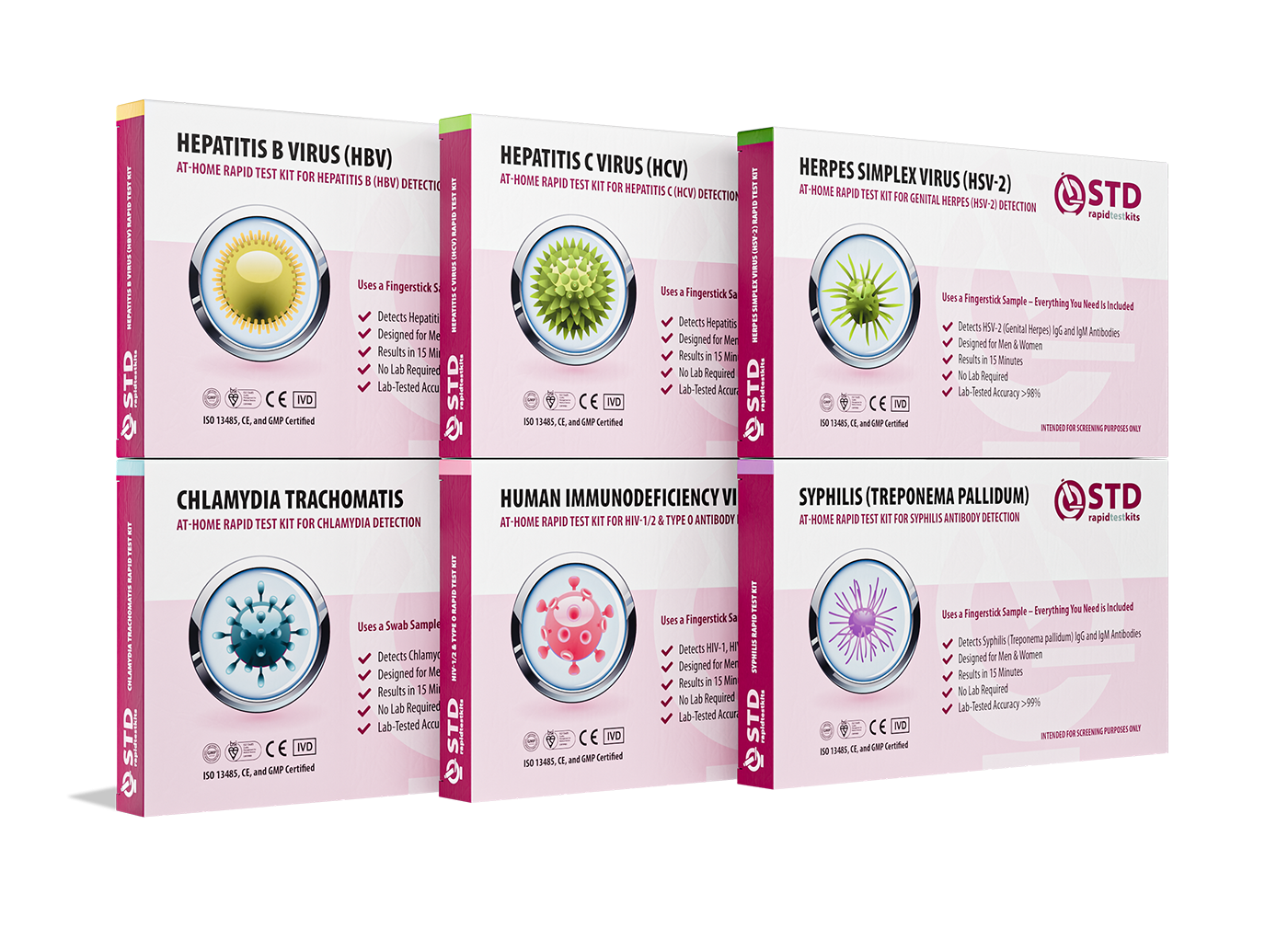 For Men & WomenResults in MinutesNo Lab NeededPrivate & Discreet
Order Now $119.00 $294.00
For all 6 tests
Where You Go From Here
Testing once is a start, but sexual health isn’t a one-time thing. It’s a practice. It’s something you do regularly, like brushing your teeth or getting your car inspected. Most experts recommend routine screening every 3 to 6 months if you're sexually active with multiple partners, or whenever you start a new relationship. And if you’ve never tested before today? That first one is the hardest. The next time will feel less scary. You might even start to feel empowered by it.
Your future self, the one who doesn’t have to worry if they’re “clean” or if that weird discharge means something, is going to thank you for this. So will your partners, your peace of mind, and your body. You don’t have to wait until something goes wrong to take control. In fact, that’s kind of the whole point.
If you're ready to stop guessing and start knowing, this Combo STD Home Test Kit offers a discreet, doctor-trusted option that covers the most common infections in one go. You deserve answers, and you deserve them on your terms.
FAQs
1. Can I really get an STD from just oral?
Yep. It's way more common than people think. Gonorrhea, syphilis, and herpes all spread through mouth-to-genital contact. So if you’ve ever given or received oral, even once, you’ve had some risk, especially if there were no barriers like condoms or dental dams involved.
2. But I don’t feel sick. Why test?
That’s the trap. Most STDs don’t announce themselves with fireworks. Chlamydia and gonorrhea can live quietly for weeks, or even months, without symptoms. Meanwhile, they’re silently causing inflammation, fertility issues, or getting passed to someone else. Testing isn’t just for when things feel off. It’s for peace of mind when they feel fine too.
3. Does testing mean I have to go into a clinic?
Not at all. That’s the beauty of modern testing. You can pee in a cup, swab yourself, or do a fingerstick right from your bathroom and send it off in the mail. Or go for a rapid test at home and have results in minutes. Clinics are still there if you want them, but they’re no longer your only option.
4. What’s the deal with window periods? Why can’t I just test now?
You can test now, but if it’s only been a couple of days since your last risky encounter, your body might not have built up enough of a detectable response yet. That means you could test “negative” even if you’re positive. Every STD has its own window. That’s why many folks test once early and again a few weeks later for real closure.
5. What does a faint line on a rapid test mean?
It usually still means positive. With many rapid cassettes (like for syphilis or HIV), even a faint line in the test zone counts. Think pregnancy test logic. If you're squinting at a second line, don't dismiss it. Retest or confirm with a lab just to be safe.
6. How do I tell a partner I’m getting tested, or tested positive?
You don’t have to write a TED Talk. You can keep it simple: “Hey, I got tested recently and think you should too.” If you tested positive, there are anonymous partner notification services or text templates to help. And the truth? Most people are way more understanding than you fear. Testing shows you care, not that you’re guilty.
7. Will my test results show up on my insurance or online records?
If you use a clinic and your insurance, maybe. But most at-home kits are pay-out-of-pocket, fully private, and don’t notify your provider. Check each brand’s privacy policy, but with sites like STD Rapid Test Kits, nothing goes to your doctor unless you want it to.
8. How often is "regular" testing, anyway?
Think of it like dental cleanings, but for your genitals. If you're having sex with new or multiple partners, every 3 to 6 months is solid. If you’re in a monogamous thing and both got tested at the start, once a year works, unless something changes.
9. Can I still test if I’m on my period?
Yes, but it depends on the test. Urine and blood? No problem. Vaginal swabs might be a little messy, but they still work. If you're mailing in a sample, just double-check instructions, or wait a few days if you’d rather not stress about contamination.
10. I’m scared. What if the test says positive?
Then you take a breath and take the next step. Most STDs are treatable, many are curable, and all are manageable. A positive test doesn’t define you, it arms you with knowledge. You’ve already done the hardest part: facing the unknown.
You're Not Late, You're Just Ready
This might not be the story you imagined reading today. But if you’ve made it this far, here’s what’s true: you care. That matters. You’re not reckless, stupid, or broken for having questions about your sexual health. You’re human. Like everyone else, you have the right to know about your body, protect your future, and get answers without feeling ashamed.
Getting tested for an STD for the first time doesn't mean the end; it means the start of a new path. You'll have knowledge, not doubt, no matter what your results say. And you'll know how to look out for yourself, your partner, and your peace of mind.
Don’t wait and wonder, get the clarity you deserve. This at-home combo test kit checks for the most common STDs discreetly and quickly.
How We Sourced This Article: We combined current guidance from leading medical organizations with peer-reviewed research and lived-experience reporting to make this guide practical, compassionate, and accurate.
Sources
1. CDC: STD Screening Recommendations
2. Planned Parenthood: Get Tested
3. STI Testing | CDC Healthy Youth Parent Resources
4. STD testing: What’s right for you? | Mayo Clinic
5. STI Screening Recommendations | CDC
6. Sexually Transmitted Infections (STIs) | WHO
7. Sexually Transmitted Infection (STI) Tests | MedlinePlus
8. Sexually Transmitted Infections Surveillance, 2024 | CDC
9. Sexually Transmitted Infections - StatPearls | NCBI Bookshelf
About the Author
Dr. F. David, MD is a board-certified expert in infectious diseases who works to stop, find, and treat STIs. He blends clinical precision with a no-nonsense, sex-positive approach and is committed to expanding access for readers in both urban and off-grid settings.
Reviewed by: Dr. Nina Saeed, MPH | Last medically reviewed: December 2025
This article is for informational purposes and does not replace medical advice.


