







Quick Answer: The best time to get tested for Trichomoniasis is about 7 to 14 days after a risky hookup. Testing earlier can miss an infection, so if you test too soon and get a negative result, a retest is often recommended.
This Guide Is for You If You’re Quietly Panicking
This article is for people who don’t feel sick enough to justify a clinic visit but don’t feel calm enough to ignore what happened. It’s for people who Googled symptoms, closed the tab, reopened it, and then ended up here. It’s for folks who had sex that felt good in the moment and complicated afterward.
Trichomoniasis carries a strange kind of stigma because it’s common, treatable, and still rarely talked about honestly. Many people assume no symptoms means no problem, or that trich only affects women, or that one encounter “can’t possibly matter.” Those assumptions are exactly why testing timing matters so much.
By the end of this guide, you’ll know when testing actually works, what kind of test makes sense for your situation, and what to do next, whether your result is negative, positive, or confusingly in between.
People are also reading: Male STDs and IVF: What’s Actually Impacting Sperm Quality?
What Trichomoniasis Actually Is (And Why It’s So Easy to Miss)
Trichomoniasis is caused by a microscopic parasite called Trichomonas vaginalis. It spreads through vaginal, oral, or anal sex, and it does not require ejaculation to pass from one person to another. Skin-to-skin contact and shared fluids are enough.
Here’s the part that surprises most people: the majority of people with trich don’t have obvious symptoms. According to the CDC, up to 70 percent of infected people may not notice anything unusual at all. No smell, no itching, no discharge that screams “something’s wrong.”
When symptoms do show up, they can look like a yeast infection, bacterial vaginosis, a mild UTI, or just post-sex irritation. That overlap is why testing, not guessing, is the only reliable way to know what’s actually happening.
Incubation Period vs Window Period: The Timing Confusion Explained
This is where most online advice gets sloppy, so let’s slow it down. The incubation period is the time between exposure and when symptoms might appear. The window period is the time between exposure and when a test can reliably detect the infection.
For trichomoniasis, the incubation period can range from about 5 to 28 days. That means symptoms, if they happen at all, can show up weeks after the hookup. The testing window, however, is usually shorter, but not immediate.
Most trich tests become more reliable around 7 to 14 days after exposure. Testing before that can produce a false negative, not because the test is bad, but because the parasite hasn’t reached detectable levels yet.
So… Is It Too Soon to Test Right Now?
If it’s been fewer than five days since the hookup, it’s usually too early for a trich test to give you a definitive answer. That doesn’t mean nothing happened, it just means biology hasn’t caught up yet. Testing this early can give false reassurance, which is sometimes worse than waiting.
If you’re in the 7 to 14 day window, you’re in the sweet spot for initial testing. Results during this period are much more reliable, especially with modern lab-based or high-quality at-home tests.
If it’s been more than two weeks, testing is strongly recommended, even if you feel fine. Trichomoniasis doesn’t resolve on its own, and untreated infections can linger for months or longer.
Testing Options: Clinic, Lab, or At-Home?
You don’t have to walk into a clinic if that feels overwhelming or unsafe for you. Many people choose at-home testing because it offers privacy, control, and fewer awkward conversations. The key is choosing a test that matches the right timing window.
At-home trich tests typically use a vaginal swab or urine sample and can be done discreetly. When used after the window period, they are a reliable first step for many people. You can explore discreet testing options directly through STD Rapid Test Kits, which offers home testing designed for real-life timing, not idealized scenarios.
Clinic-based testing may be recommended if you have severe symptoms, are pregnant, or have had repeated exposures. No matter where you test, the timing rules stay the same.
| Testing Option | How It Works | Best For | Things to Keep in Mind |
|---|---|---|---|
| At-Home Rapid or Mail-In Test | You collect a urine sample or vaginal swab at home and either read results yourself or send it to a lab | Privacy, convenience, and low-barrier testing after the window period | Testing too early can still lead to false negatives; follow timing guidance closely |
| Clinic or Doctor’s Office | A clinician collects the sample and sends it for lab analysis | Severe symptoms, pregnancy, repeat infections, or complex medical history | Appointments, wait times, and cost can be barriers for some people |
| Urgent Care or Sexual Health Clinic | Same-day sample collection with lab-based testing | People who want in-person reassurance or need immediate care | May still require follow-up if testing is done very early |
Figure: Comparison of trichomoniasis testing options. Accuracy depends more on timing than on where the test is taken.
Clinic-based testing may be recommended if you have intense symptoms, are pregnant, or have had repeated exposures that complicate timing. But no matter where you test, the biology doesn’t change. The window period still matters.
If privacy or access is your biggest hurdle, you can explore discreet at-home options through STD Rapid Test Kits, which are designed for real-life timing, not idealized scenarios where anxiety doesn’t exist.
A Real Moment: “I Tested Too Early and Thought I Was Fine”
Jasmine, 27, tested three days after a hookup because the anxiety was unbearable. The result was negative, and she tried to move on. Two weeks later, irritation started, followed by a thin discharge she couldn’t explain.
“I felt stupid for panicking in the first place. Then I felt stupid for trusting the first test. I wish someone had told me timing mattered more than speed.”
Her second test came back positive. Treatment was simple, but the emotional whiplash stuck with her. Jasmine’s story isn’t rare, it’s exactly why understanding the window period matters more than testing immediately.
The Trichomoniasis Testing Timeline (What to Do on Each Day)
One of the most frustrating parts of trichomoniasis anxiety is that your brain wants certainty immediately, while your body runs on a slower schedule. Knowing what each window actually means can stop you from testing too early, or waiting too long out of fear.
Think of testing as a strategy, not a reflex. The goal isn’t to test as fast as possible. The goal is to test when the result actually means something.
| Time Since Hookup | What’s Happening Biologically | What Testing Can (and Can’t) Tell You |
|---|---|---|
| 0–4 days | The parasite may not have multiplied enough to detect | Testing now often produces false negatives and false reassurance |
| 5–7 days | Early incubation phase | Some tests may detect infection, but results are not fully reliable |
| 7–14 days | Detectable levels are more likely | This is the recommended first testing window |
| 14+ days | Infection is well established if present | Testing is highly reliable, even without symptoms |
Figure: General trichomoniasis testing timeline. Individual immune responses and exposure factors can shift exact timing.
Symptoms Can’t Tell You When to Test (And Often Can’t Tell You Anything)
A lot of people wait for symptoms because it feels logical. If something’s wrong, your body should tell you, right? Unfortunately, trichomoniasis does not play fair by those rules.
Many people never develop noticeable symptoms at all. Others experience symptoms that come and go, or that feel mild enough to dismiss as irritation, friction, stress, or a “pH thing.” This is why relying on symptoms to time testing almost always leads to delays.
When symptoms do happen, they often show up after the ideal testing window has already passed, which means people mistakenly assume they missed their chance, when in reality, testing is still very effective.
Check Your STD Status in Minutes
Test at Home with RemediumTrichomoniasis Test Kit
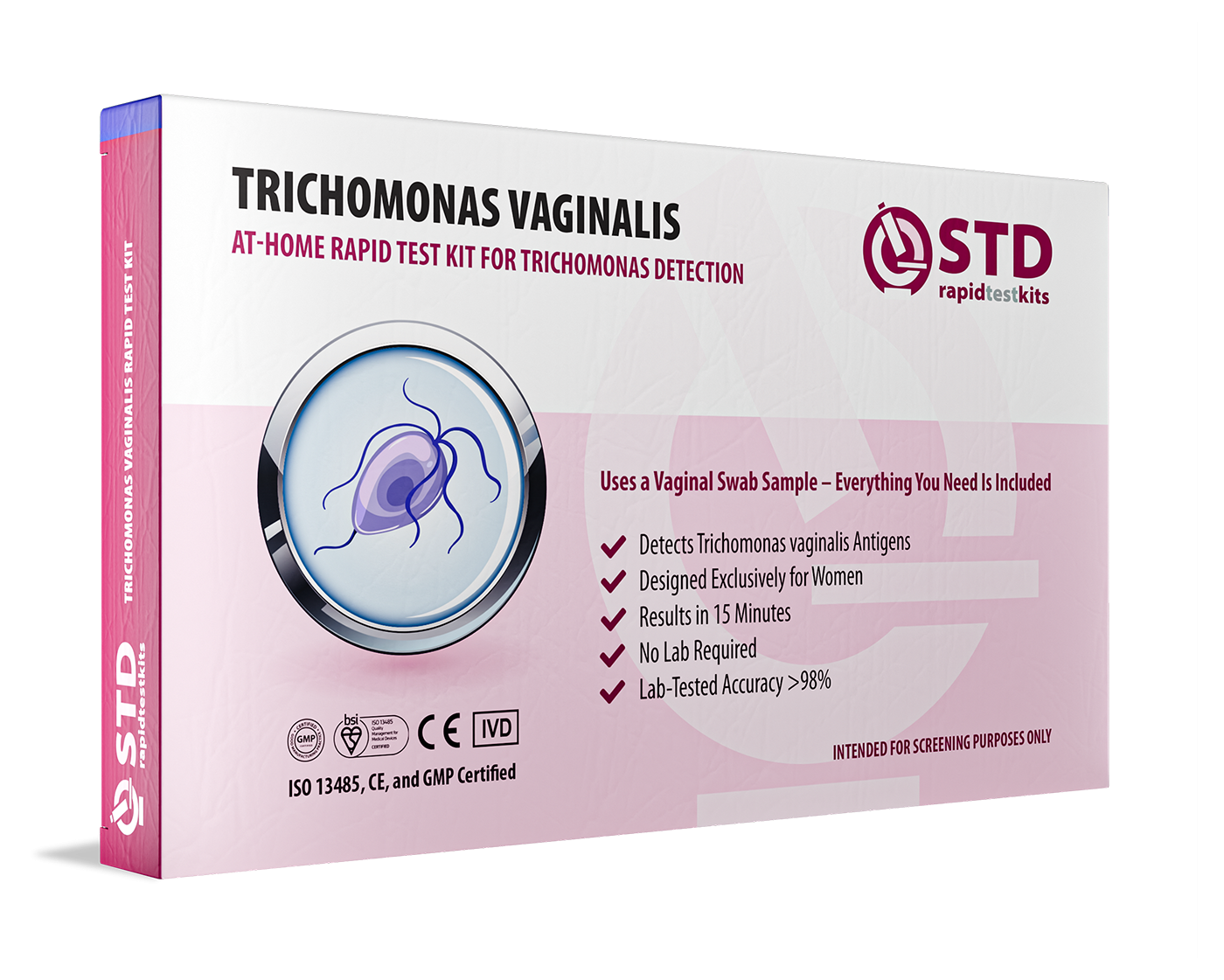
 For Women
 Results in Minutes
 No Lab Needed
 Private & Discreet
Order Now $33.99 $49.00
Common Trichomoniasis Symptoms (When They Appear at All)
Symptoms vary widely depending on anatomy, immune response, and other vaginal or urethral conditions happening at the same time. There is no single “trich look” or feeling.
People with vaginas may notice changes in discharge, odor, irritation, or discomfort during sex or urination. The discharge may appear thin, frothy, or slightly yellow-green, but many people never see dramatic changes.
People with penises often have no symptoms at all. When symptoms do occur, they may include mild urethral irritation, itching, or discomfort after urination or ejaculation, sensations that are easy to overlook or attribute to something else.
The absence of symptoms does not mean the absence of infection. It simply means your body isn’t making a scene about it.
Why Testing Too Early Creates More Anxiety, Not Less
Testing immediately after a hookup feels proactive, but it often backfires emotionally. A negative result too early can feel like permission to stop worrying, even though the biology isn’t done yet.
This is where false negatives do the most damage, not medically, but psychologically. People stop using protection, don’t retest, or dismiss later symptoms because they trust a result that was never meant to be definitive.
If you tested early and got a negative result, that doesn’t mean you did something wrong. It just means the test did exactly what it can do at that stage. A follow-up test is how you close the loop.
What Kind of Trich Test Is Most Accurate?
Not all tests work the same way, and accuracy depends heavily on timing and sample type. Most modern tests look for genetic material or antigens from the parasite, which requires enough of the organism to be present.
Lab-based NAAT tests are considered the most sensitive, but many high-quality at-home tests perform very well when used after the window period. Urine tests and vaginal swabs are both commonly used, depending on the kit and anatomy.
The biggest factor isn’t whether the test is at home or in a clinic. It’s whether the test is taken at the right time and followed up appropriately if symptoms or exposure risk continue.
If You’re Somewhere in the Middle Right Now
If it’s been a week since the hookup and you’re unsure whether to test now or wait, you’re not stuck. Many people test once during the 7–10 day window and again at the two-week mark if anxiety remains or exposure was high risk.
This isn’t overtesting, it’s informed testing. Peace of mind comes from clarity, not from rushing or avoiding the question.
If testing at home feels safer or more accessible for you, discreet options are available through STD Rapid Test Kits, allowing you to test on your own timeline without navigating clinic barriers.

People are also reading: HPV Reactivation After 40: Myth or Medical Fact?
Do You Need to Retest for Trichomoniasis?
One of the most misunderstood aspects of STD treatment and diagnosis, and trichomoniasis in particular, is the need for a second test. Many people think that a single test constitutes a final verdict. However, there are many factors that may influence the result.
If you tested too soon, i.e., before the 7th day since the time of exposure, and got a negative test result, it’s highly advised that you retake the test. Although the test was not erroneous, the test was not meant for a final diagnosis. When you retake the test 14 days or more after the time of exposure, you’ll have a much clearer idea.
It’s also possible that when you test positive and undergo treatment, a retake may only serve as a source of confusion. Dead and dying microbes may sometimes remain for a while, causing unnecessary anxiety even if the treatment has worked. It’s advised that you wait at least 3 months before retaking the test.
What Happens If Your Trich Test Comes Back Positive?
First, pause. A positive trichomoniasis result is not a verdict on your judgment, your cleanliness, or your worth. It means a common, treatable infection showed up on a test designed to find it.
Treatment for trichomoniasis is usually straightforward and effective. It typically involves a short course of prescription antibiotics, and symptoms, if you had any, often resolve quickly. Many people feel relief not because the infection is gone yet, but because the uncertainty finally is.
The most important next step after treatment is preventing reinfection. That means partners from the past few weeks should be informed and treated as well, even if they have no symptoms. This isn’t about blame. It’s about closing the loop so you don’t end up back here again.
How to Tell a Partner Without It Turning Into a Crisis
Telling a partner about possible trich exposure can feel scarier than the test itself. People worry about being judged, rejected, or accused of wrongdoing. In reality, most conversations go better than expected when they’re calm and factual.
You don’t need to provide a full sexual history or justify your choices. A simple message like, “I tested positive for trich, which is common and treatable. You should get tested too,” is enough. You’re sharing health information, not confessing a crime.
If you’re no longer in contact with the person, or if reaching out feels unsafe, many clinics and services offer anonymous partner notification. Protecting your health does not require sacrificing your emotional safety.
Alex, 31, hesitated to test after a casual hookup because everything felt fine. When mild irritation showed up weeks later, they finally tested and got a positive result.
“I didn’t feel sick. I just felt ashamed. Like this meant I was reckless or dirty somehow.”
After treatment, Alex realized how common trichomoniasis actually is, and how little it says about character. What stuck wasn’t the infection, but the relief of knowing and taking care of it.
If Your Test Is Negative but Your Anxiety Isn’t
A negative test result doesn’t always bring instant peace, especially if the hookup felt risky or emotionally loaded. Sometimes the fear lingers even after the data says you’re okay.
If you tested during the recommended window and haven’t had new exposures, a negative result is reassuring. At that point, ongoing symptoms may be due to irritation, pH changes, yeast, BV, or stress itself, which can absolutely cause real physical sensations.
If anxiety remains intense or symptoms worsen, follow-up testing or a clinical visit is reasonable. Reassurance isn’t weakness. It’s self-care.
Check Your STD Status in Minutes
Test at Home with Remedium8-in-1 STD Test Kit
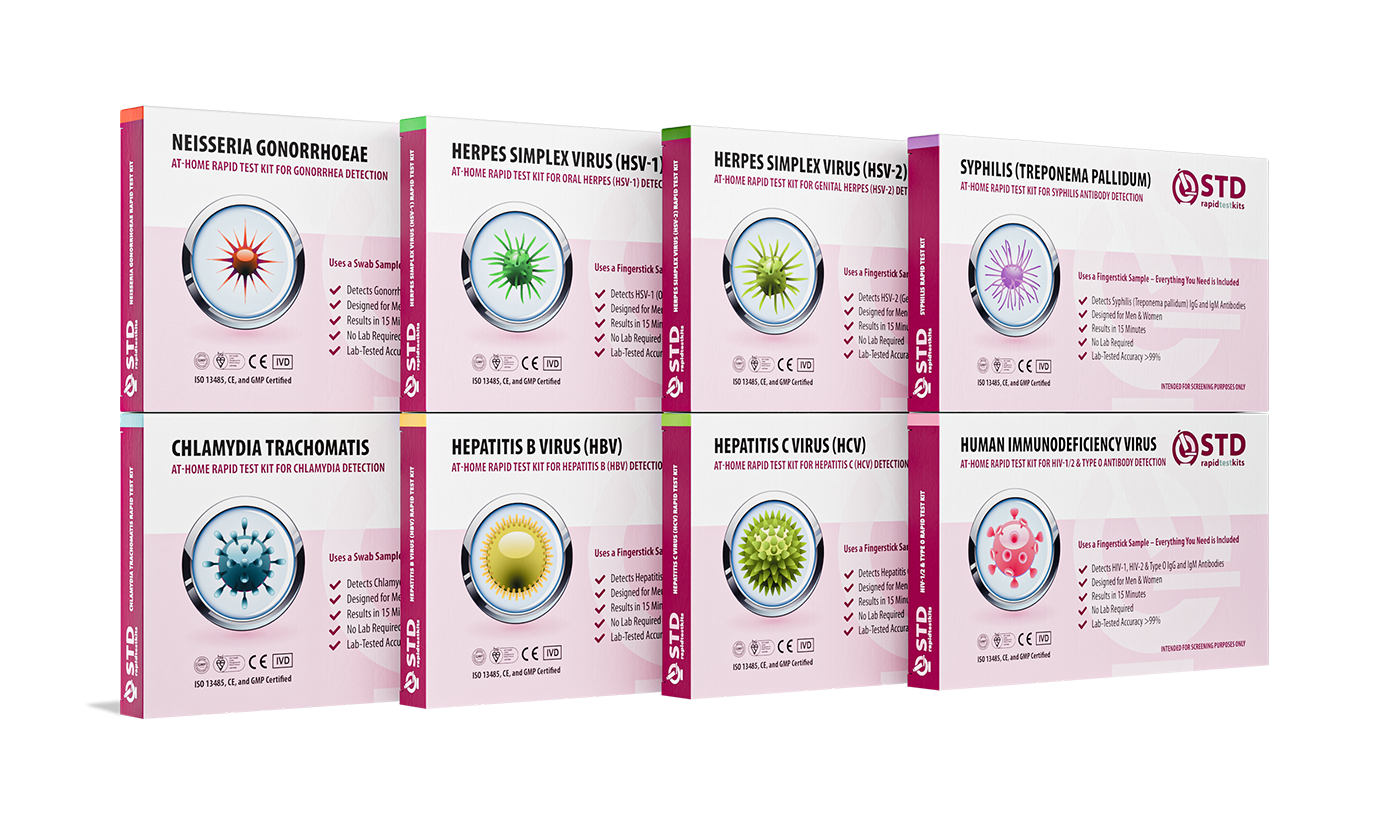
 For Men & WomenResults in MinutesNo Lab NeededPrivate & Discreet
Order Now $149.00 $392.00
For all 8 tests
FAQs
1. How soon after a hookup can I actually test for trichomoniasis?
I know the urge is to test immediately, like ripping off a Band-Aid. But with trich, testing works best when biology has had a minute to do its thing. Most tests become reliable around 7 days after exposure, and they’re even more solid after the two-week mark. Testing earlier doesn’t make you proactive, it just makes the result harder to trust.
2. What if I feel totally normal? Like… nothing is wrong.
That’s incredibly common. Trichomoniasis is famous for being quiet, especially at first. Plenty of people feel completely fine and still test positive weeks later. Feeling normal doesn’t mean you’re clear, it just means your body isn’t sounding an alarm.
3. Can trich symptoms show up way later, after I’ve already relaxed?
Yes, and this is where people feel blindsided. Symptoms can show up days or even weeks after a hookup, and sometimes they’re subtle enough to ignore. That delayed “wait, is this something?” moment is exactly why timing-based testing matters more than symptom-based guessing.
4. I tested early and it was negative. Am I done worrying?
Not necessarily. An early negative result can feel like permission to move on, but it may just mean the test didn’t have enough to detect yet. If you tested before day 7, a follow-up test later is how you turn that early result into real peace of mind.
5. Is trichomoniasis a big deal if it’s untreated?
It’s not usually dangerous, but it’s not something to ignore either. Untreated trich can linger for months and increase your risk for other infections. The good news is treatment is straightforward, effective, and usually fast. Knowing means fixing it.
6. Can I really test for trich at home and trust the result?
Yes, when you test at the right time. High-quality at-home tests used after the window period are a solid option for many people, especially if clinics feel stressful or inaccessible. Accuracy comes from timing and follow-through, not from white walls and fluorescent lights.
7. I still feel off, but my test was negative. What gives?
Bodies are messy. Irritation, pH shifts, yeast, BV, friction, stress, all of these can mimic STD symptoms. If your test was taken at the right time, a negative result is reassuring. If symptoms stick around or get worse, it’s okay to check in again. Listening to your body doesn’t mean distrusting your test.
8. Do condoms fully protect against trichomoniasis?
Condoms lower the risk a lot, but they’re not a magic force field. Trich spreads through infected fluids, and things like slippage or partial contact can still matter. Using protection is smart, but testing is still part of taking care of yourself.
9. If I have a positive result, do I really have to tell my partner?
I know this is probably the hardest part for everyone. Yes, partners must be informed and treated, even if they are not experiencing any symptoms. This is not about blame or confession. It is about ending the cycle of infection and keeping everyone healthy.
10. When is it safe to have sex again after treatment?
After treatment is finished and partners have also been treated. Waiting is not about punishment but about allowing your body to reset and avoiding a frustrating cycle of reinfection.
Taking Control Without Letting Fear Drive
The goal of testing isn’t to punish yourself for having sex. It’s to give you clear information so you can move forward without guessing. Whether you test at a clinic or at home, what matters most is that you choose timing over panic.
Discreet at-home testing can be a helpful option for people who want privacy, autonomy, and fewer barriers. You can explore current options through STD Rapid Test Kits, which are designed to fit real-life situations, not idealized ones.
You don’t need to rush. You don’t need to spiral. You just need a plan.
How We Sourced This Article: This guide is written based on current clinical recommendations from major public health organizations, research on trichomoniasis testing and transmission from reputable sources, and personal narratives that reflect real-life concerns and decision-making. Although over a dozen sources were used to write this guide, the following list represents the most relevant, easily readable, and authoritative information.
Sources
1. CDC Trichomoniasis Treatment Guidelines
2. Mayo Clinic: Trichomoniasis Overview
3. Planned Parenthood: What is Trichomoniasis?
4. Trichomoniasis - STI Treatment Guidelines (CDC)
5. Trichomoniasis (MedlinePlus)
About the Author
Dr. F. David, MD is a board-certified infectious disease specialist with a focus on sexually transmitted infection prevention, diagnosis, and patient-centered care. He uses a sex-positive, stigma-aware approach along with clinical rigor to help readers make choices without fear.
Reviewed by: J. Alvarez, RN, BSN | Last medically reviewed: February 2026
This article is for informational purposes only and does not replace professional medical advice, diagnosis, or treatment.


