
Published: September 2025 | Last updated: May 2026 | Editorial review and quality control: Martina N.
Many men preparing for IVF or sperm freezing receive a semen analysis result that flags “low motility” or “abnormal morphology” and have no idea what is behind the numbers. One culprit that often goes uninvestigated is past or current sexually transmitted infection. Asymptomatic chlamydia is common among both men and women (CDC chlamydia treatment guidelines), which means an infection can quietly affect the epididymis or alter sperm parameters for months before anyone connects it to a fertility workup.
This guide walks through what current research says about STIs and male fertility, which infections matter most for IVF outcomes, how long sperm takes to recover after treatment, and what screening makes sense before you commit to a costly fertility cycle. The aim is to give you an accurate picture so any testing decision is informed rather than guesswork.
Key Takeaways
- Chlamydia and gonorrhea are the STIs most strongly linked to impaired sperm parameters and lower IVF success, and both are frequently asymptomatic in men.
- Sperm production runs on a roughly 72 to 90 day cycle, so most fertility specialists recommend retesting and waiting at least three months after STI treatment before freezing sperm or starting IVF.
Yes, STIs Can Affect Male Fertility, and Here Is How
Reproductive-tract infections affect sperm through one of two main pathways. The infection itself, or the inflammation it triggers, can damage sperm cells, alter their shape and motility, or fragment the DNA they carry. Or scarring left behind by the infection can narrow the tubes (the epididymis and vas deferens) that sperm must travel through to reach the ejaculate. Both pathways are well-documented for bacterial STIs, particularly chlamydia and gonorrhea.
The U.S. Centers for Disease Control and Prevention notes that untreated chlamydia in men can spread to the epididymis and cause epididymitis, which in rare cases leads to infertility (CDC epididymitis treatment guidelines). Gonorrhea can produce similar inflammatory damage to the reproductive tract when left untreated.
What is less obvious to most men is that asymptomatic infections can do the same damage. You do not have to feel sick to have an infection actively affecting sperm production. That is why fertility specialists often screen for chlamydia and gonorrhea before starting IVF, even when the male partner reports no symptoms and no known STI history.
The table below summarizes what current evidence shows for the STIs most commonly tested in male fertility workups.
| STI | Main risk to sperm | Often asymptomatic in men? | Relevance to IVF |
|---|---|---|---|
| Chlamydia | Inflammation and possible epididymal scarring; linked to DNA fragmentation | Yes (often no symptoms) | Yes; associated with lower fertilization and live birth rates |
| Gonorrhea | Inflammation, DNA damage, and possible obstruction if untreated | Sometimes; mild or absent symptoms common | Yes; affects motility and count |
| Trichomoniasis | Oxidative stress and reduced motility / morphology | Yes; frequently undiagnosed in men | Possible; less robust data than chlamydia or gonorrhea |
| Genital herpes (HSV) | Local inflammation during outbreaks; no consistent durable effect | Yes (often) | Limited evidence of meaningful IVF impact |
| HIV | Indirect via chronic inflammation; effects reduced on antiretroviral therapy | Yes (in early infection) | Yes; managed via sperm washing and specialist protocols |
How STIs Actually Damage Sperm: The Inflammation Pathway
Sperm cells are unusually vulnerable to oxidative stress. Unlike eggs, which sit protected inside the ovaries, sperm develop in close contact with the surrounding tissue of the testis and epididymis. When that tissue becomes inflamed (the body's response to infection), it releases cytokines and reactive oxygen species. These molecules damage sperm cell membranes, impair motility, and fragment the DNA carried in the sperm head.
That last piece, DNA fragmentation, matters for fertility outcomes. Sperm with fragmented DNA can still fertilize an egg, but the resulting embryo is more likely to fail to implant or to be lost in early pregnancy. Reproductive specialists increasingly use the Sperm DNA Fragmentation Index (DFI) to evaluate this, particularly in cases of unexplained infertility or recurrent IVF failure. Men with prior or active chlamydia infection consistently show higher DFI values than uninfected controls.
Trichomoniasis follows a similar pattern. The parasite triggers a strong inflammatory response in the male reproductive tract, and studies have linked persistent infection to reduced sperm motility and abnormal morphology. Because trichomoniasis in men is often asymptomatic, it tends to go undiagnosed until a fertility workup picks it up.
Viral STIs (herpes, HIV, HPV) have less consistent direct effects on sperm parameters. Chronic inflammation from untreated viral infection can still influence fertility indirectly, particularly for HIV when antiretroviral therapy is not yet established. For HSV, evidence on sperm quality is mixed; flare-ups may transiently affect parameters, but durable effects on fertility are not well-supported.
Recovery Timeline: When Sperm Bounces Back After Treatment
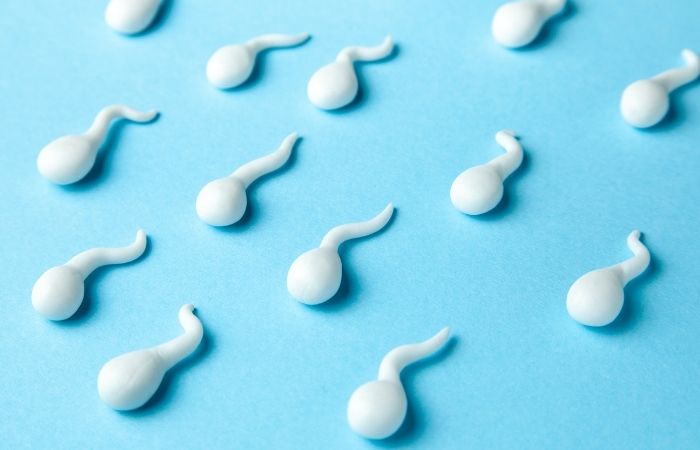
Spermatogenesis (the production of new sperm) is roughly a 72 to 90 day process from start to finish. That means even after antibiotics clear a bacterial infection, the sperm currently in your ejaculate may still be the older, damaged sperm produced during or just after the infection was active. New, healthier sperm take about three months to fully mature and reach the ejaculate.
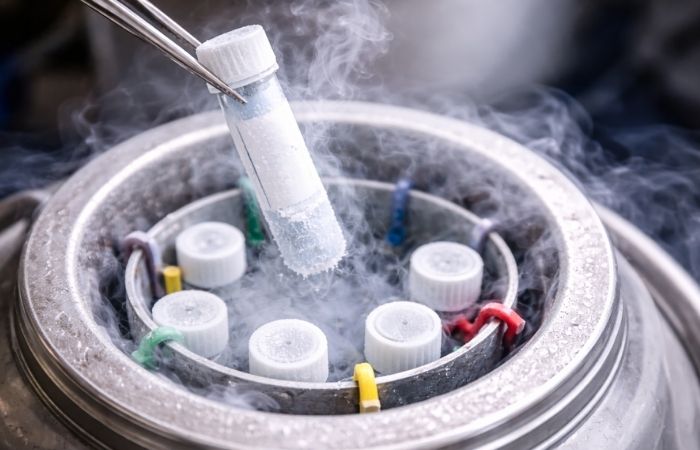
This timeline matters enormously for IVF and sperm freezing. Freezing sperm at week two post-treatment captures sperm that were developing during the inflammatory phase, with worse motility and higher DNA fragmentation. Freezing at the 90-day mark gives a fairer picture of your underlying fertility and protects the embryos you may later create from those frozen samples.
Many fertility clinics will run a follow-up semen analysis four to six weeks after STI treatment to confirm the infection has cleared and to check whether parameters are improving. They then repeat the analysis at the 90-day mark before banking sperm or starting an IVF cycle. If parameters have not improved, additional workup (a DNA Fragmentation Index test, ultrasound to look for obstruction, hormone panel) is usually the next step.
| Time after treatment | What is happening | Recommended action |
|---|---|---|
| During active infection | Inflammation affects sperm motility, morphology, and DNA integrity | Treat the infection first; do not freeze sperm during this phase |
| 2 to 4 weeks post-treatment | Antibiotics complete; older, damaged sperm still present in ejaculate | Confirm infection cleared via test-of-cure where indicated |
| 4 to 6 weeks post-treatment | Early recovery; first newly developing sperm cohort appears | Optional semen analysis if IVF timeline is urgent |
| 72 to 90 days post-treatment | Full new sperm cycle has matured and reached the ejaculate | Ideal window for sperm freezing, semen analysis, or starting IVF |
How long after treating an STI should I wait before freezing sperm or starting IVF?
Most fertility specialists recommend waiting at least 72 to 90 days after completing treatment. That is one full spermatogenesis cycle, the time required for new sperm to develop and reach the ejaculate. A follow-up STI test to confirm clearance plus a repeat semen analysis at the 90-day mark gives the most accurate picture of your fertility going forward.
What Fertility Clinics Actually Require Before IVF
Most U.S. fertility clinics follow guidance from the American Society for Reproductive Medicine (ASRM) and FDA tissue-banking rules on infectious disease screening before any IVF procedure. The required screens almost always include HIV, hepatitis B, hepatitis C, and syphilis for both partners. Many clinics also require chlamydia and gonorrhea screening, especially when sperm will be cryopreserved or used in intracytoplasmic sperm injection (ICSI). See the ASRM / AUA male infertility guideline for the underlying framework.
The reasoning is twofold. First, certain infections can compromise embryo viability, contaminate lab equipment, or pose risks to the gestational carrier. Second, identifying and treating an active infection before IVF improves the chance the cycle itself works, since post-treatment recovery can take months.
If you are looking at IVF in the next six to twelve months, getting tested now (rather than waiting for the clinic to schedule it) gives you time to treat anything that comes up, complete the full antibiotic course, retest to confirm clearance, and let your sperm cycle reset before the clinic starts running pre-cycle bloodwork. Discovering an infection at the clinic stage can delay your cycle by three to six months.
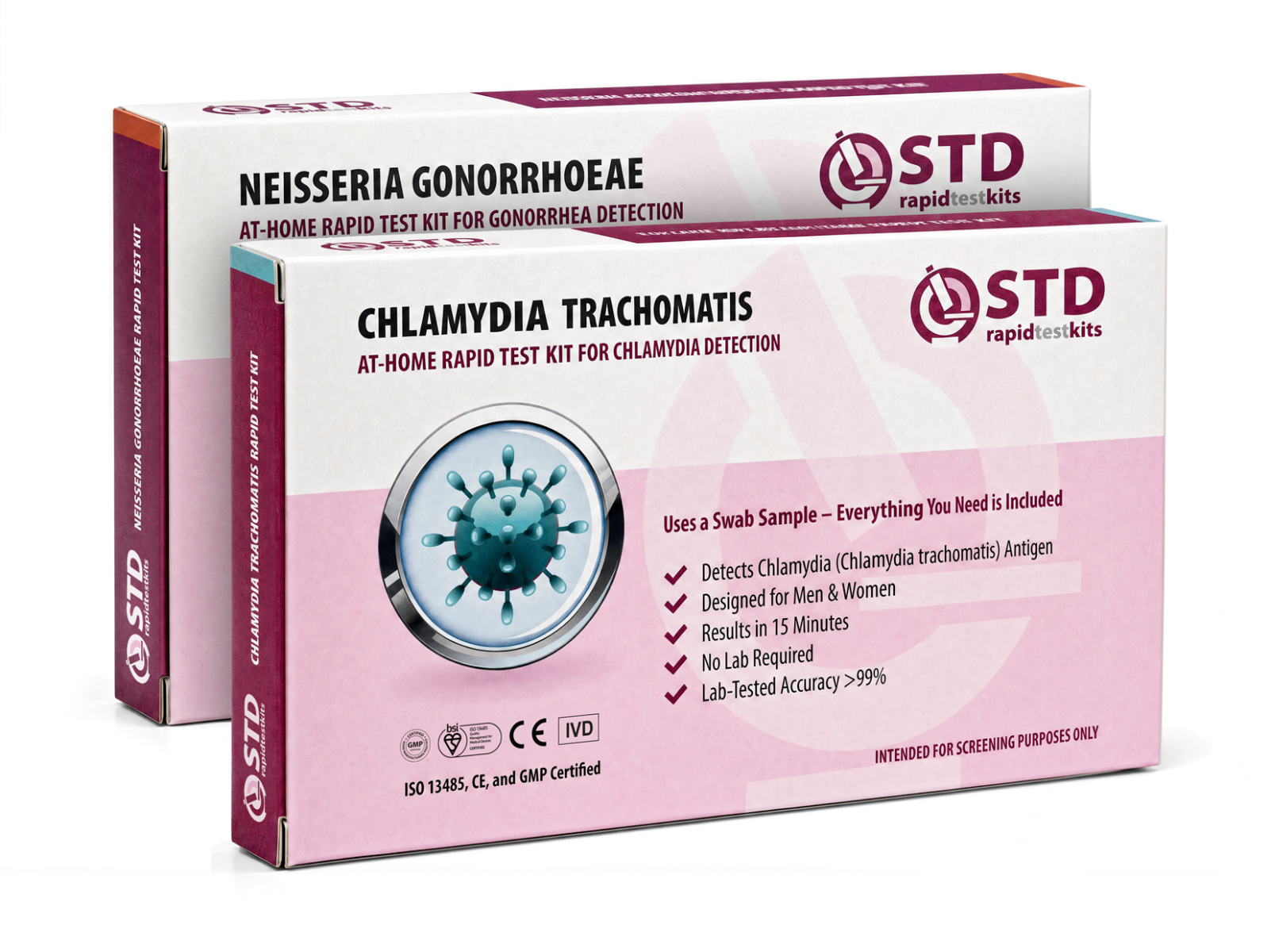
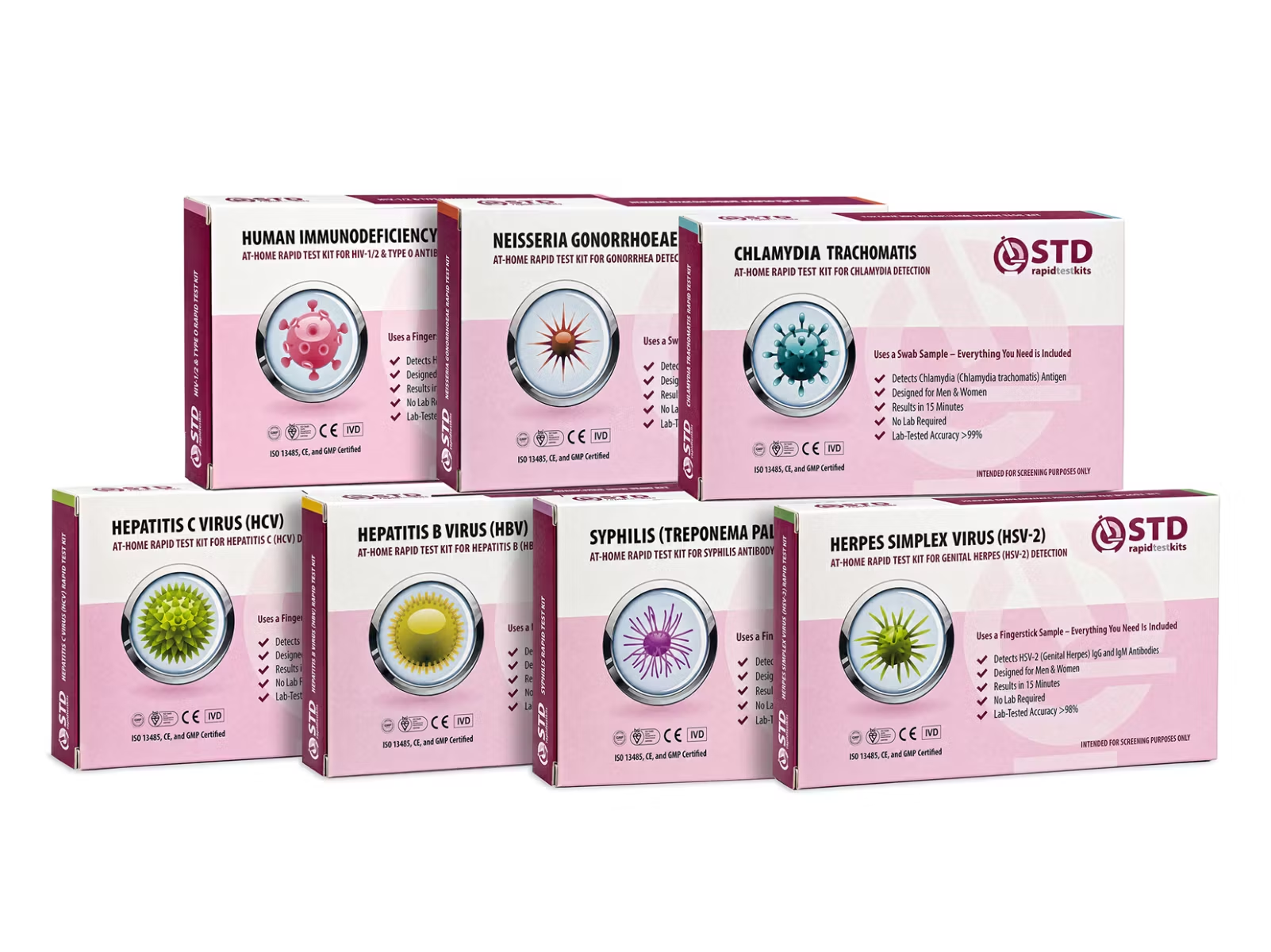
This article is published by stdrapidtestkits.com, which sells at-home STI testing kits. We recommend products only when they genuinely fit a reader's situation. For men considering IVF, the most useful at-home screens are the ones a fertility clinic will require anyway: chlamydia, gonorrhea, HIV, syphilis, and hepatitis B and C.
Reducing the Damage: Before You Test, Treat, or Freeze
If you are at the start of an IVF journey or thinking about sperm freezing for any reason (medical treatment, deployment, age-related family planning), the order of operations matters more than most men realize. A baseline STI screen comes first, because it catches infections you may not know you have; chlamydia, gonorrhea, and trichomoniasis are the most relevant for male fertility specifically, while HIV, syphilis, and hepatitis B and C are screened as part of pre-IVF labs anyway, so earlier testing simply means earlier treatment if something turns up.
If a screen comes back positive, completing the full antibiotic course matters, and so does retesting after treatment to confirm clearance. Treatment-resistant gonorrhea is a growing concern, and the CDC gonococcal infections among adolescents and adults guideline recommends routine three-month retesting because of high reinfection rates, plus test-of-cure in specific clinical scenarios.
After treatment is confirmed clear, allow at least 72 to 90 days before banking sperm or starting an IVF cycle. That waiting period protects the quality of sperm that get frozen or used, and gives you the cleanest possible baseline for any fertility decisions that follow.
STIs often have no symptoms, so you may not know you have one. But even without symptoms, infections can cause serious health problems and spread to others.
The Emotional Side of Male Fertility Testing
Male fertility testing carries cultural weight. Conversations about fertility still default to focusing on women, which leaves many men silent when a semen analysis comes back abnormal. Add the possibility that a past STI is involved, and shame often delays the testing that would actually help.
An old infection does not make you damaged goods. Most sperm-quality changes from bacterial STIs improve significantly with treatment and the 90-day recovery window, so a positive result discovered now is usually a fixable problem rather than a permanent one. The conversation with a current partner about prior infection is also often easier than men expect, particularly when both people are working toward the same goal. Partners generally want the information that helps you both succeed at conceiving together.
If you are in a relationship and approaching IVF, your partner is already being screened for STIs as part of the clinic's pre-cycle labs. The simplest move is to get screened yourself in parallel, share results openly, and address anything that comes up early. The cost of testing is small. The cost of finding out at the wrong moment, mid-cycle or post-cycle, is much larger.
When Past Damage Becomes Permanent
Untreated STIs can cause permanent damage in some cases. The longer chlamydia or gonorrhea goes untreated, the higher the risk of progression to epididymitis, which can leave scarring that blocks sperm transport. Severe or long-standing obstruction can produce azoospermia (no measurable sperm in the ejaculate) even when sperm production itself is normal.
The CDC notes that chlamydia and gonorrhea are common bacterial causes of epididymitis in sexually active men, and that prompt antibiotic treatment usually prevents long-term complications. The window for full recovery narrows the longer an infection has been active. For men who develop post-infectious epididymal scarring, surgical sperm retrieval (TESE or MESA) combined with ICSI is often still a viable path to biological children. Donor sperm and adoption remain other options.
Untreated STIs do not inevitably end fertility. The window for full sperm-parameter recovery narrows the longer an infection stays active, which is why early testing consistently produces better outcomes than late discovery.
What to Do Next
If you are weeks or months away from starting IVF, sperm freezing, or actively trying to conceive, here is a practical order of operations:
- Get a baseline STI screen now. Chlamydia, gonorrhea, and trichomoniasis are the highest-yield checks for male fertility specifically.
- If anything comes back positive, complete treatment and retest to confirm clearance.
- Wait 72 to 90 days post-treatment before banking sperm or starting an IVF cycle.
- Repeat the semen analysis at the 90-day mark to confirm sperm parameters have recovered.
- Discuss results with your fertility specialist before the clinic schedules pre-cycle bloodwork.
The goal is to enter your IVF cycle (or sperm freezing session) with the clearest possible picture of your fertility, not to be surprised by lab numbers mid-process. Most of the time, a small upfront investment in screening saves much larger costs (financial, emotional, and time) later.
Frequently Asked Questions
- Can a past STI still affect my sperm even after I was treated?
- Sometimes. Treatment clears the active infection, but it does not reverse scarring or DNA damage that occurred during the infection. Most men see meaningful recovery of sperm parameters over the 90 days following antibiotics. In cases where epididymal scarring occurred, some effects can be lasting. A semen analysis 90 days after treatment is the most reliable way to know where you stand.
- How long after treating an STI should I wait before freezing sperm?
- Most fertility specialists recommend waiting 72 to 90 days, the full spermatogenesis cycle. Freezing sooner risks banking sperm that were developing during the inflammatory phase, with worse motility and higher DNA fragmentation. If clinical timing forces an earlier freeze (cancer treatment, for instance), discuss the trade-off with the fertility team.
- Do all IVF clinics require STI testing?
- Most do. FDA guidance for tissue-banking programs requires HIV, hepatitis B, hepatitis C, and syphilis screening for any partner contributing gametes. Many clinics add chlamydia and gonorrhea, especially when sperm will be cryopreserved or used in ICSI. Specific requirements vary by clinic, so check the panel your clinic asks for.
- I had herpes years ago. Should I be concerned about my sperm?
- Probably not in any major way. Genital HSV has not been shown to consistently affect sperm parameters the way chlamydia or gonorrhea can. Active outbreaks may produce short-term dips in semen quality from local inflammation, but durable effects on fertility are not well-supported. Disclose your history to the fertility clinic so they can factor it in.
- What is the difference between a semen infection and an STI?
- A semen infection (leukocytospermia) means elevated white blood cells in semen, signaling inflammation but not specifying the cause. STIs are one possible cause; non-STI bacterial colonization, prostatitis, and other inflammatory conditions are others. A semen culture combined with STI testing helps narrow down the source.
- Can antibiotics restore sperm that was already damaged?
- Antibiotics clear the infection. They do not regenerate damaged sperm cells directly. By stopping inflammation, antibiotics allow the next sperm cycle to develop in a healthier environment, and most men see meaningful improvement in parameters over the 90 days following treatment.
- Is there a test that specifically checks sperm DNA quality?
- Yes. The Sperm DNA Fragmentation Index (DFI) measures the proportion of sperm with damaged DNA. It is not part of a standard semen analysis, but fertility clinics often order it after unexplained IVF failures, recurrent pregnancy loss, or a known history of significant infection or inflammation.
- Can I still have biological children if past STI damage was significant?
- In most cases yes, though the path may involve more intervention. Options range from optimizing sperm quality through treatment, lifestyle, and time, to advanced techniques like ICSI or surgical sperm retrieval (TESE or MESA) if obstruction is severe. A reproductive urologist can map realistic options based on your specific findings.
- U.S. Centers for Disease Control and Prevention. STI Treatment Guidelines: Chlamydial Infections (explicit statement that asymptomatic infection is common among both men and women).
- U.S. Centers for Disease Control and Prevention. Getting Tested for STIs (asymptomatic infection and screening guidance).
- U.S. Centers for Disease Control and Prevention. STI Treatment Guidelines: Gonococcal Infections Among Adolescents and Adults (treatment regimens, test-of-cure, and three-month retesting).
- U.S. Centers for Disease Control and Prevention. STI Treatment Guidelines: Epididymitis (causes, diagnosis, and treatment).
- World Health Organization. Infertility (fact sheet covering male and female factors and global burden).
- American Society for Reproductive Medicine and American Urological Association. Diagnosis and Treatment of Infertility in Men (joint clinical practice guideline).
