







Quick Answer: Yes, you can get chlamydia from giving or receiving oral sex. It often causes no symptoms in the throat, especially in rural areas where testing is delayed or skipped entirely.
Why Oral Sex Isn’t “Safe Enough” Anymore
There’s this myth, especially common in rural or conservative communities, that oral sex is practically risk-free. It's the “good” kind of sex, the one you can have without risking your health or your reputation. But the bacteria that causes chlamydia doesn’t care whether you’re giving or receiving. It spreads via mucous membranes: throat, genitals, rectum. And your mouth is lined with exactly what it needs.
Giving oral to someone with untreated chlamydia can infect your throat. Receiving oral from someone with an infected mouth can expose your genitals. The risk isn’t theoretical, it’s confirmed by multiple studies and rising infection rates. And in small towns or isolated areas, where sex ed is lacking and testing is hard to come by, oral transmission can go unchecked for months.
According to the CDC, chlamydia is the most commonly reported bacterial STI in the U.S., with nearly 1.6 million cases annually. That number doesn’t even include oral infections that go undiagnosed because most clinics don’t swab the throat unless you ask.
What Oral Chlamydia Feels Like, And Why It Often Doesn't
Here’s the tricky part: most people with oral chlamydia feel nothing at all. It sits quietly in the back of the throat, spreading through future partners or trickling into the bloodstream if left untreated. When symptoms do appear, they mimic everyday irritants, dry throat, mild redness, maybe swollen lymph nodes. It’s easy to chalk up to allergies, a cold, or just talking too much the night before.
When symptoms show up, they might include:
A persistent sore throat, a mild fever, painful swallowing, or white patches near the tonsils. But even those aren’t specific. A doctor might assume it’s strep or viral pharyngitis, especially if you don’t mention your sexual history or if you’re not asked about it.
That’s how these infections spread silently, especially in places where speaking up about sex still carries stigma. In rural communities, where clinic visits feel invasive or where there’s only one urgent care serving multiple counties, people often delay or skip care until symptoms get worse, or until a partner calls.
People are also reading: Used Someone’s Razor or Towel? What to Know About STD Transmission
Rural Realities: Why Location Changes Everything
Imagine this: you're 40 miles from the nearest Planned Parenthood. The local pharmacy doesn't stock STD test kits, and the family doctor is your aunt’s best friend. Even if you wanted to get tested, it’s complicated. So when your throat starts acting up or your partner admits they’ve had other partners, your choices feel limited.
Rural sexual health care isn’t just underfunded, it’s misunderstood. The narrative assumes that STDs are a “city problem.” That if you live in a town of 900 people, you're somehow shielded. But according to a 2021 report from the National Library of Medicine, STD rates in rural areas have risen sharply over the past decade, partially because of delayed diagnosis, reduced testing infrastructure, and stigma-fueled silence.
This disconnect creates a blind spot, one where oral sex feels safe, and chlamydia flies under the radar until it causes complications like infertility, pelvic pain, or urethral damage.
Transmission Table: How Oral Sex Spreads Chlamydia
| Sex Act | Infection Direction | Chlamydia Risk | Notes |
|---|---|---|---|
| Giving oral sex | Genitals → Throat | Moderate | You can get chlamydia in the throat from an infected penis, vulva, or anus |
| Receiving oral sex | Mouth → Genitals | Low–Moderate | Rare, but possible if the mouth is infected and there's exposure to mucosa |
| Kissing | Mouth ↔ Mouth | Very Low | Chlamydia is not known to transmit through kissing alone |
Figure 1: Risk pathways for chlamydia transmission through oral contact. While giving oral is a more likely transmission route, receiving isn’t risk-free, especially if mouth sores or recent dental work are involved.
Order Now $149.00 $392.00 Check Your STD Status in Minutes
Test at Home with Remedium
8-in-1 STD Test Kit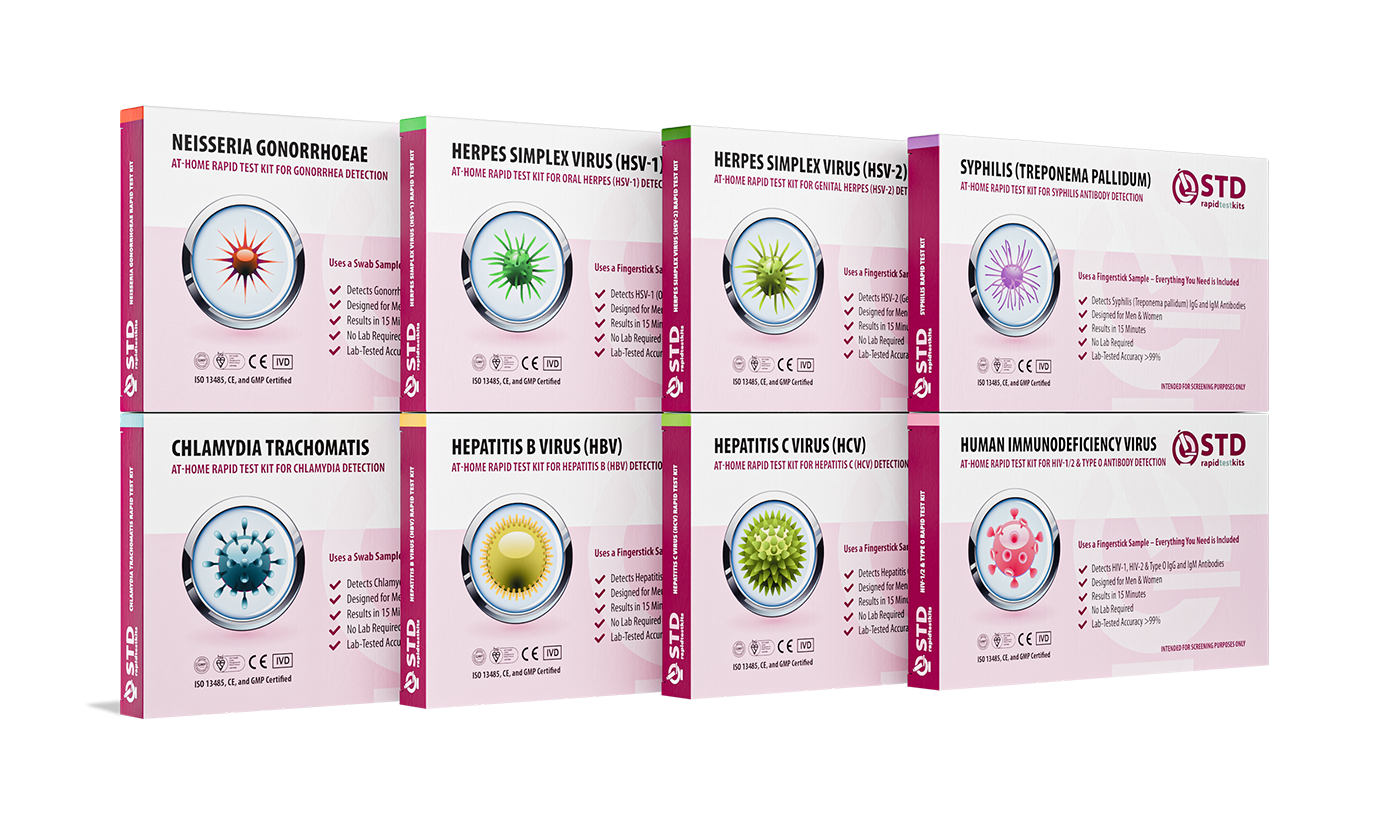
 For Men & Women
 Results in Minutes
 No Lab Needed
 Private & Discreet
For all 8 tests
“But We Didn’t Have Sex” , Why That’s Not a Free Pass
One of the biggest emotional shocks people describe is learning they contracted an STD without “real sex” ever happening. No penetration. No ejaculation. Just a quick oral session in the backseat of a car or during a late-night sleepover. In rural areas, where hookup opportunities might be limited but still active, many people rely on oral sex as a “safe” outlet. Unfortunately, chlamydia doesn't care about definitions.
This has ripple effects: people don’t tell partners because they believe they couldn’t possibly be a source. Or they skip testing because “we only fooled around a little.” That false reassurance delays care and extends transmission cycles. Even among health care providers, if a patient doesn’t mention oral sex or if the provider doesn’t ask, oral chlamydia goes untested.
It doesn’t help that most standard STD panels only test urine or genital swabs. You have to ask specifically for a throat swab. And in places where appointments are rushed or judgment is thick in the air, it’s hard to ask for what you really need.
Testing When You’re Miles From a Clinic
For people living in rural areas, testing isn’t just a health decision, it’s a logistical nightmare. Say you’ve got a suspicious sore throat and some recent oral contact you’re unsure about. There’s no urgent care nearby. The local clinic is open three days a week, and you’d have to lie about where you’re going to avoid questions from family or coworkers. These are real barriers, and they keep people from getting answers.
That’s why at-home testing is becoming essential, not optional. Kits like the Chlamydia Rapid Test Kit offer privacy and speed, and newer options allow for throat swabs, not just urine. You can collect your sample, ship it off (or get results at home), and avoid the long drive or awkward wait at a community clinic. For those living off-grid or between cell towers, that kind of access changes everything.
Still, accuracy depends on the window period. If you test too soon after exposure, results may be negative even if infection is present. That’s why timing matters.
Window Periods: How Long Before a Throat Infection Shows Up on a Test?
"Window period" is the time between when you are exposed to the virus and when a test can reliably find it. The window period for chlamydia depends on the test type and where the infection is. Sometimes, oral chlamydia can be found sooner because the throat's soft tissues are easier to test. However, testing too soon can give a false negative.
If you were exposed through oral sex, here's what the timeline usually looks like:
| Days Since Oral Exposure | Test Accuracy | Recommended Action |
|---|---|---|
| 0–5 days | Too early | Wait and monitor for symptoms; don’t test yet |
| 6–13 days | Moderate | Early testing possible, but follow up again at day 14+ |
| 14+ days | High | Ideal window for accurate throat swab testing |
Figure 2: Chlamydia detection timeline after oral exposure. Retesting is often recommended if symptoms persist or new exposures occur during the waiting period.
If you're symptomatic and it's only been a few days, you can start with a test now, but plan to retest later for confirmation. Some people test negative at first and then positive weeks later, especially when they have throat infections because it takes time for the bacteria to build up.
Case Snapshot: What Happened in Harper County
In 2023, a rural health outreach program in Harper County, Kansas quietly launched a free STD testing initiative during a local job fair. They expected to find a few common cases, some gonorrhea, maybe trich. But out of the 127 people tested, 16 had oral chlamydia. None had symptoms. None had asked for throat swabs. And none would’ve been tested if it weren’t part of the full panel.
Most were under 30. Several had never been tested before. And every single one of them reported oral sex without protection. What started as a quiet data point turned into a local health warning: oral sex is a transmission route, and if you're not testing for it, you're not catching it.
Stories like this aren't unique. Similar patterns have been seen in Texas, Idaho, and parts of rural Georgia. When people finally get access to testing that includes oral swabs, the results often surprise them, and their providers.
Why Protection Still Matters, Even During Oral
Let’s talk barriers. Literally. Dental dams, condoms, flavored latex, all the things people roll their eyes at when it comes to oral sex. But using protection during oral is the only way to truly reduce risk. And no, rinsing your mouth or brushing your teeth before a hookup doesn’t count.
In fact, brushing right before oral sex can create micro-tears in the gums, increasing the risk of bacteria entering the bloodstream. The same goes for oral contact with sores, cuts, or inflamed gums. Saliva doesn’t kill chlamydia. Mouthwash doesn’t prevent it. Protection does.
For those in rural areas who feel embarrassed buying condoms or dental dams locally, online ordering is a game changer. There are mail-order options with discreet packaging, and some public health programs offer free STI protection supplies by mail. But even with the best tools, stigma remains the biggest barrier to prevention. That’s why education matters just as much as access.
And if you’re already wondering about that past encounter? Don’t spin your wheels. You can get answers today with an at-home test. No judgment. No clinic trip. Just clarity.
Order the combo STD home test kit here if you’ve had multiple types of exposure and want full coverage.
What Happens If You Test Positive?
Let’s say you took the test. You swabbed your throat, sent it in, and the result came back positive for chlamydia. Now what? First: breathe. This is treatable. It’s common. And you’re not the first person to get this news after a hookup you didn’t think much of at the time.
Throat infections are usually cleared with antibiotics, often a 7-day course of doxycycline. But you’ll need to make sure the provider knows your infection is in the throat. Some treatments designed for genital infections don’t work as well for oral chlamydia. That’s why location matters, both where you live, and where the infection lives.
If you don’t have a regular doctor or don’t want to use a local clinic, telehealth is a great option. Many services now offer same-day prescriptions, mailed meds, or pickup options from a pharmacy that isn’t your usual stop. You can keep your care private, targeted, and efficient, even if you live hours from the nearest city.
What matters most is following the treatment instructions exactly. Don’t stop early just because symptoms ease up. And if you had partners within the last 60 days, let them know. Not out of shame, but because they deserve the chance to get tested and treated too. This is how you break the chain.
People are also reading: Silent Infections: How Mothers Pass STDs to Newborns
Talking to Partners Without Shame or Panic
Picture this: It’s late. You’ve reread your test result three times. You’ve already Googled “can chlamydia go away on its own” and “how long until my partner finds out I had it.” Your stomach’s in knots because you know you need to send that text. But how?
Here’s the reality: most people handle these conversations better than you think. Especially if you lead with facts, not fear. Something like:
“Hey, just wanted to let you know I tested positive for chlamydia in my throat. You might want to get tested too, especially if we had oral. It's treatable. Just wanted you to have the info.”
That’s it. You don’t need to confess. You’re not diseased. You’re being responsible. And if they react poorly? That’s on them. Your body, your health, your courage. Own it.
Check Your STD Status in Minutes
Test at Home with Remedium6-in-1 STD Test Kit
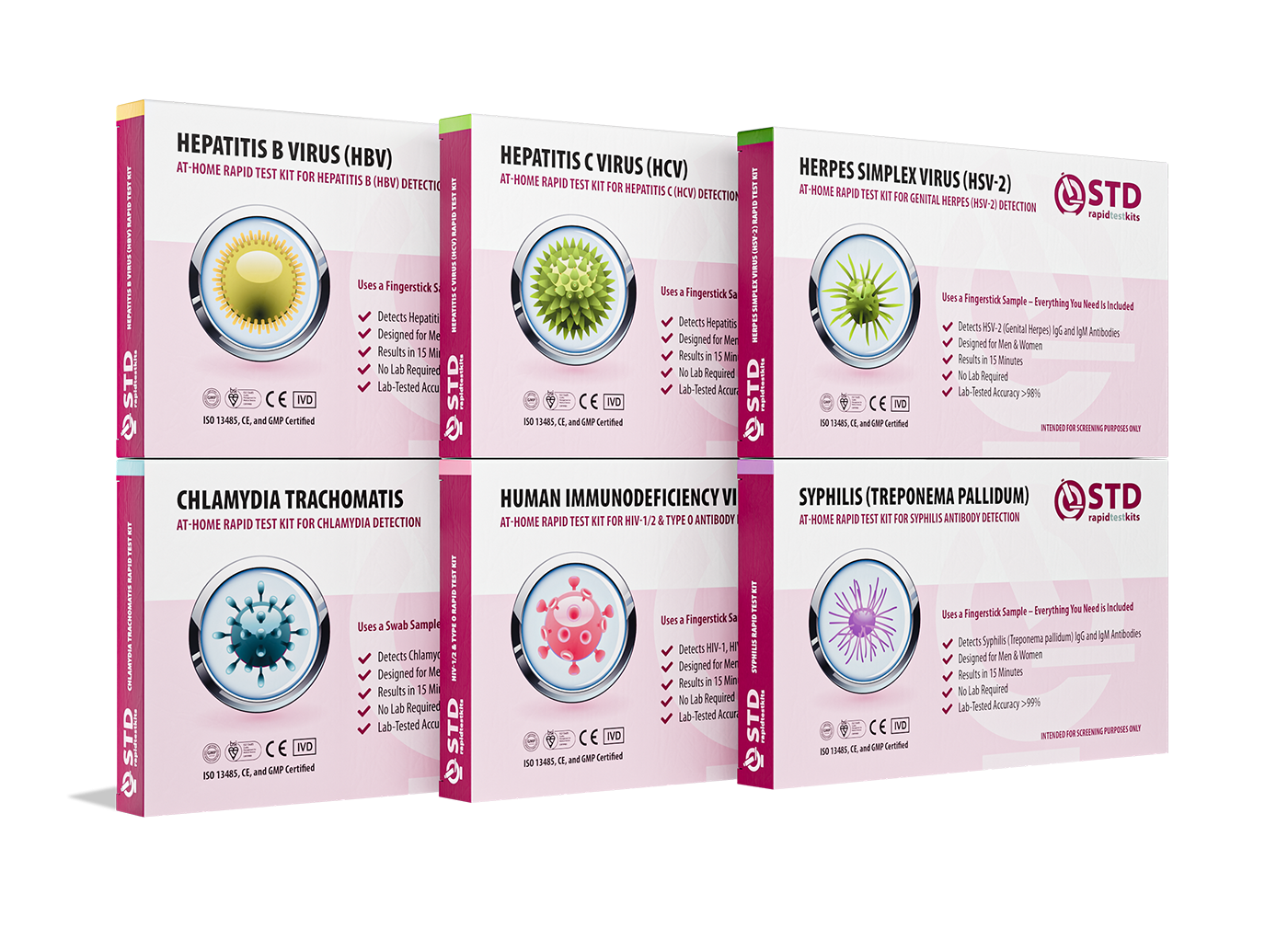 For Men & WomenResults in MinutesNo Lab NeededPrivate & Discreet
Order Now $119.00 $294.00
For all 6 tests
Why Retesting Matters, Even If You Feel Fine
If you've been treated for oral chlamydia, the next step isn’t just to move on. It's to make sure the infection is truly gone. Retesting is typically recommended about 3–4 weeks after finishing treatment, especially for throat infections, which sometimes require longer to clear.
Some people get reinfected by a partner who wasn’t treated. Others never fully cleared the infection to begin with. That’s why retesting is crucial, not because you're dirty, but because bacteria don’t follow rules, and your health is worth double-checking.
If your lifestyle includes new or multiple partners, build testing into your regular routine. Think of it like brushing your teeth or checking your oil. Even if you’re only engaging in oral sex, regular testing matters.
You don’t need a symptom to justify it. Silence doesn't equal safety. In fact, with oral chlamydia, silence is often the loudest symptom of all.
Need a place to start again? STD Rapid Test Kits offers privacy-first, clinic-grade options shipped discreetly to your door.
FAQs
1. Wait, oral sex can really give you chlamydia?
Yep, it can. If you go down on someone who has genital chlamydia (even if they don’t know it), the bacteria can infect your throat. It doesn’t matter if it was quick or “just a little.” That’s how it spreads, quietly, easily, and often without symptoms.
2. What does oral chlamydia actually feel like?
Honestly? Most of the time, it doesn’t feel like anything. That’s the dangerous part. If you do get symptoms, think sore throat that lingers, mild swelling in your neck, maybe a little redness in your mouth. But it rarely screams “STD.” People chalk it up to allergies, a cold, or just a bad night’s sleep. Meanwhile, it’s still contagious.
3. Is kissing risky too?
Not really. Chlamydia doesn’t spread through casual kissing. It needs contact with infected fluids or mucous membranes, so giving oral, not kissing, is the issue. That said, if someone has open sores or bleeding gums, the risk gets a little blurrier, but standard kissing won’t transmit it.
4. Does using mouthwash help stop the spread?
We wish. Some folks rinse like crazy after a hookup thinking it’ll “kill the germs.” But mouthwash isn’t a magic shield. It doesn’t reach deep enough or act long enough to kill chlamydia. In fact, brushing or rinsing right before oral can actually make things riskier by irritating your gums. Use protection, not Listerine.
5. I only gave oral, do I really need to test?
If you’re asking the question, the answer is yes. Giving oral to someone with chlamydia can infect your throat, even if they didn’t finish or show symptoms. If it’s been about two weeks since the exposure, it’s the perfect time to swab and check.
6. How do I even test for something in my throat?
You’ll need a throat swab, not just a urine test. Most clinics don’t do it by default unless you ask, which is why at-home kits that include oral testing are so helpful. You swab the back of your throat (yes, it’s a bit awkward), mail it in or read it at home, and that’s it. Zero waiting room stares.
7. If I test positive, do I need to tell my partner?
It’s your call, but telling them is the responsible move. You don’t have to write a dramatic essay. A quick text like, “Hey, I tested positive for oral chlamydia, wanted to let you know so you can get checked too” is enough. You’re not outing yourself as dirty, you’re being decent. Big difference.
8. Will antibiotics fix it if it’s in my throat?
Yep. Oral chlamydia is totally treatable with the right antibiotics. You just need to make sure your provider knows it’s a throat infection, not a genital one, so they prescribe accordingly. Most cases clear up fast when treated properly.
9. What if I feel fine after treatment, do I still need to retest?
Yes, and here’s why: even if you feel 100% fine, that doesn’t mean the bacteria is completely gone. Retesting 3 to 4 weeks after treatment helps confirm that the meds worked. It also protects you from getting reinfected by someone who didn’t get the memo.
10. Do people in small towns really need to worry about this?
Absolutely. STDs don’t care about your zip code. In fact, rural areas often have higher rates because of delayed testing, limited clinics, and the myth that “nothing like that happens here.” If anything, folks in smaller communities should be testing more often, just with more discretion. That’s where at-home kits shine.
Rural Doesn’t Mean Risk-Free, And You Deserve Clarity
If there’s one truth this article drives home, it’s this: you don’t have to live in a big city or have a wild sex life to be at risk for oral chlamydia. It takes one unprotected encounter. And if you live somewhere quiet, conservative, or disconnected from health infrastructure, your risk might actually be higher, not lower.
Your body deserves attention. Your partners deserve honesty. And your peace of mind is one throat swab away. Whether you’re unsure, anxious, or just trying to be responsible, you can take the next step now, without waiting for symptoms or navigating small-town shame.
This at-home combo test kit checks for multiple STDs, including oral chlamydia, and gives you answers fast and privately.
How We Sourced This Article: We combined current guidance from leading medical organizations with peer-reviewed research and lived-experience reporting to make this guide practical, compassionate, and accurate.
Sources
2. Planned Parenthood – What is Chlamydia?
3. STI Risk and Oral Sex (CDC)
4. Chlamydia trachomatis – Symptoms and Causes (Mayo Clinic)
5. Chlamydia Diagnosis and Treatment (Mayo Clinic)
6. Chlamydia: Causes, Symptoms, Treatment & Prevention (Cleveland Clinic)
8. Chlamydia - StatPearls (NIH/NCBI)
About the Author
Dr. F. David, MD is a board-certified infectious disease specialist focused on STI prevention, diagnosis, and treatment. He blends clinical precision with a no-nonsense, sex-positive approach and is committed to expanding access for readers in both urban and off-grid settings.
Reviewed by: Renée L. Whitman, MPH | Last medically reviewed: January 2026
This article is for informational purposes and does not replace medical advice.


