Published: October 2025 | Last updated: May 2026 | Editorial review and quality control: Martina N.
You borrowed a razor at your cousin's place. You used a towel at the gym. Now there's a small bump or a rash near a sensitive area, and your brain is racing through scenarios you never expected to consider. That fear is reasonable. The actual risk, in most cases, is far less alarming than the panic suggests.
Here is the short version. The real concern with razors is bloodborne: HIV, Hepatitis B, and Hepatitis C can transfer when fresh blood is on the blade and you cut yourself in the same spot. Towels are a different story. The CDC's herpes overview is explicit that herpes does not spread from towels, soap, silverware, or toilet seats. Bacterial STIs like chlamydia and gonorrhea do not survive outside the body at all. Most everyday sharing carries near-zero risk.
This explainer walks through what's actually transmissible through everyday sharing, what's myth, and how to decide whether an at-home test makes sense after a close call. (stdrapidtestkits.com publishes this article and sells at-home rapid STI test kits; product recommendations below are based on fit for the reader's concern, not commercial benefit.)
Key Takeaways
- Razor sharing carries the real (though small) risk: bloodborne infections like Hepatitis B, Hepatitis C, and HIV can transfer when fresh blood is on the blade and you cut yourself in the same area.
- Towels, toilet seats, and dry surfaces do not transmit herpes per CDC guidance, and bacterial STIs like chlamydia and gonorrhea do not survive outside the body.
Can a Razor or Towel Actually Pass an STI?
The honest answer is yes for razors in narrow circumstances, and effectively no for towels in any everyday scenario. For an infection to make the jump from a shared object, the pathogen has to survive outside its host long enough to reach you, the surface has to deliver it to a part of your body where it can get in, and your immune system has to be slow enough to miss the initial inoculum. That is a high bar for most STIs.
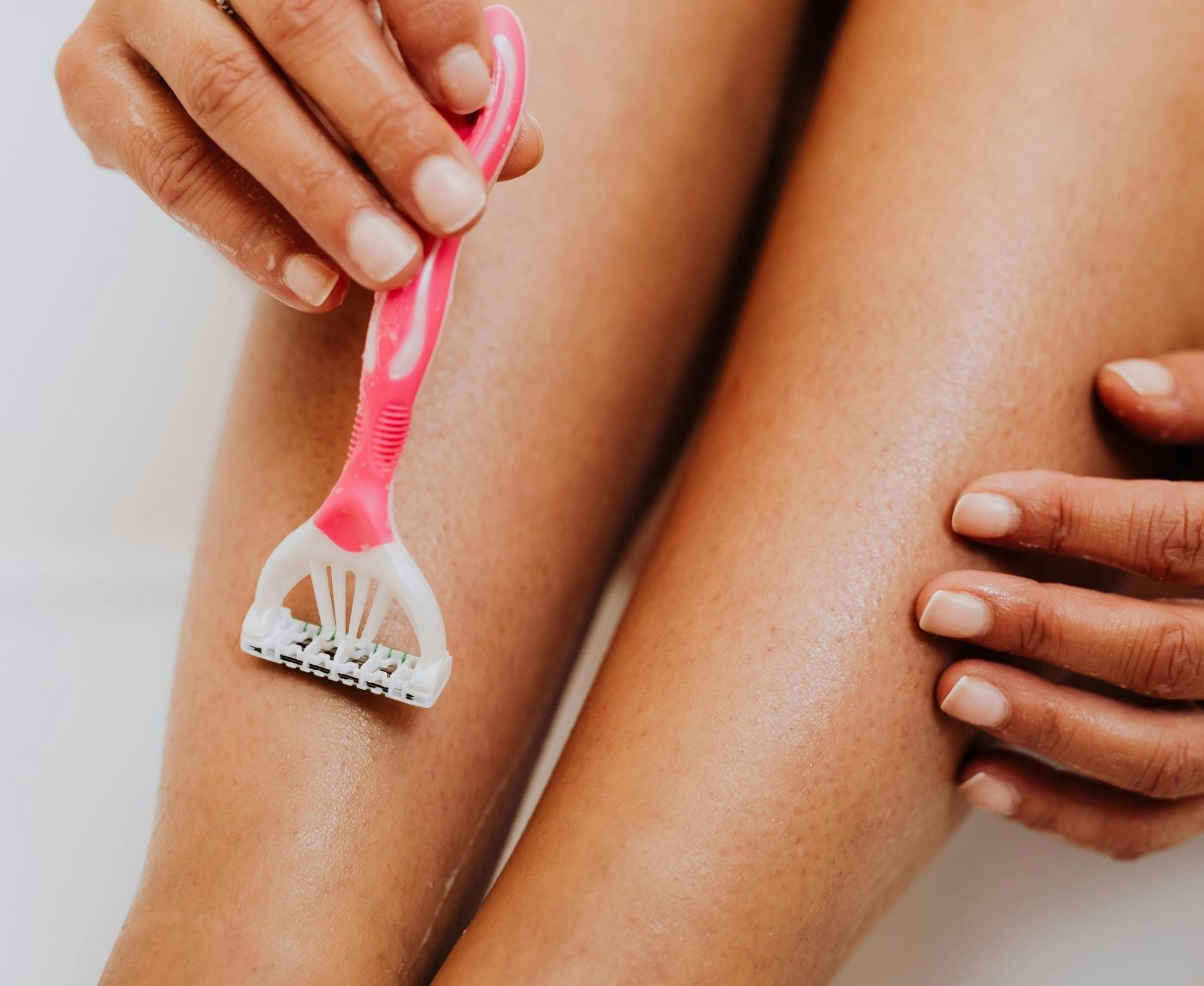
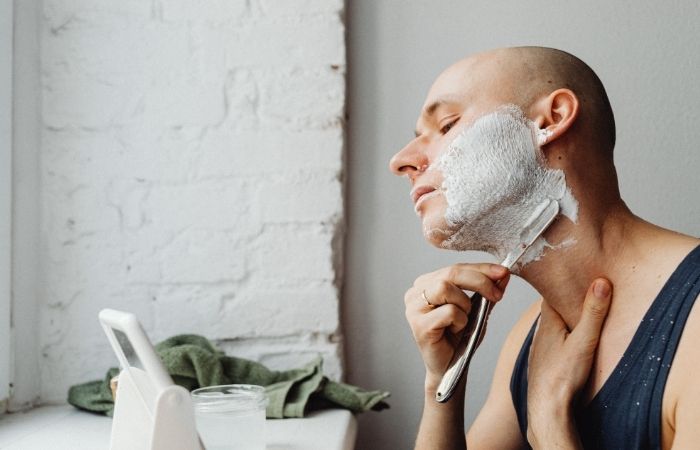
Razors are the higher-risk item because they can draw blood. Bloodborne infections, including HIV, Hepatitis B virus (HBV), and Hepatitis C virus (HCV), can survive in dried blood for hours to days depending on the virus. If someone with one of these viruses nicks themselves while shaving and you use the same blade before the blood degrades, especially if you cut yourself in the same area, there is a small but real exposure pathway. According to the CDC's hepatitis B clinical overview, HBV is infectious for at least 7 days on surfaces, which is why razors and toothbrushes are flagged in HBV-prevention guidance for households.
Towels behave differently because the infections people associate with them (herpes, HPV) require direct skin-to-skin contact, not contact with an object that briefly held viral material. The CDC's consumer-facing herpes information specifically rules out towels, soap, silverware, bedding, and toilet seats as transmission routes. Lab studies have shown that some viruses can briefly persist on damp fabric, but that lab persistence does not translate to documented real-world transmission for these infections.
An STI can transfer from a shared item only when all three of these conditions are present at once: (1) the pathogen survives outside the body long enough to reach you, (2) the surface delivers it to broken skin or a mucous membrane, and (3) your immune system is slow enough to miss the initial inoculum. Most everyday sharing fails at step one or two, which is why object-mediated STI transmission is rare even when it is theoretically possible.
Which Pathogens Survive on Surfaces, and for How Long?
Pathogens behave very differently outside the body. Some inactivate almost instantly when they hit air, light, or a dry surface. Others can persist for days, especially in protected environments like dried blood. The table below summarizes what current CDC guidance says about the common STIs and the items people worry about.
| STI | Surface Survival | Risk via Razor | Risk via Towel |
|---|---|---|---|
| HIV | Minutes to a few hours (fragile in air) | Yes, rare but possible with fresh blood | Effectively zero |
| Hepatitis B | At least 7 days in dried blood (CDC) | Yes, the highest of the three | Very rare |
| Hepatitis C | Persists in dried blood | Yes, low to moderate | Very low |
| Herpes (HSV) | Brief, requires direct skin contact | Unlikely (skin-contact route) | No recognized route per CDC |
| HPV | Requires direct skin-to-skin contact | Unlikely | No recognized route per CDC |
| Chlamydia, Gonorrhea | Do not survive outside the body | No | No |
Bloodborne vs. Skin-Contact: Two Different Risk Pathways
The reason razors and towels behave so differently is that the infections people worry about transmit through different routes.
Bloodborne pathways (the razor scenario). HIV, HBV, and HCV all live in blood. Outside the body they degrade when exposed to air, but a small amount of blood trapped between razor blades stays liquid longer than blood on a flat surface. HBV is the most stubborn of the three: the CDC's HBV prevention guidance specifically advises against sharing razors, toothbrushes, glucose meters, or any item that can become contaminated with blood. The CDC's hepatitis C overview describes HCV as a blood-to-blood infection; sharing items that can become contaminated with blood is a documented (if uncommon) transmission route. HIV is the most fragile, dropping rapidly in viability once blood is exposed to air, per the CDC's HIV transmission overview.
Skin-to-skin pathways (the towel scenario). HSV and HPV transmit through direct contact with infected skin or mucous membranes. The CDC's herpes overview is explicit: you will not get herpes from toilet seats, bedding, swimming pools, or from touching objects such as silverware, soap, or towels. HPV behaves the same way. Real-world transmission for both viruses requires sustained direct contact with infected genital or oral skin, not contact with an object that briefly touched it.
Bacterial STIs like chlamydia and gonorrhea do not survive well outside the body at all. They need warm, moist mucous tissue to persist, and they essentially die on dry surfaces. You will not get either from a razor, a towel, or a toilet seat.
What to Do Right After a Razor or Towel Mix-Up
The first instinct is panic. The clinically grounded response is calmer.
Wash the area gently with soap and water. If the skin is broken or freshly shaved, an antiseptic or alcohol-based aftershave can reduce the load of any organism that did transfer. Avoid scrubbing aggressively. The goal is gentle cleaning, not damaging more skin and creating new entry points.
Then wait. Most STIs have an incubation window during which testing produces false negatives because the body has not had time to mount a detectable immune response. The waiting interval depends on what you are testing for and what test technology you choose:
- HIV antigen/antibody rapid tests: the CDC's HIV testing guidance describes a window period of roughly 18 to 90 days, with most fourth-generation antigen/antibody tests detecting infection in the majority of people by around 45 days.
- Hepatitis B surface antigen and antibody: typically detectable 4 to 10 weeks after exposure, with most people seroconverting within 8 weeks.
- Hepatitis C antibody: typically detectable 8 to 11 weeks post-exposure, sometimes longer.
- Herpes (HSV) type-specific antibody: 12 to 16 weeks for reliable seroconversion. Symptoms, when they appear, often show up 2 to 12 days after exposure.
If symptoms develop in the meantime (a cluster of blisters, a tingling patch, persistent swelling, fever, fatigue), do not wait the full window. See a clinician for a swab or PCR test of the active lesion. PCR of an active herpes lesion is much more accurate than blood antibody testing during a first outbreak.
An early test almost always returns a false negative because antibodies have not had time to develop. False reassurance from a too-early test can delay diagnosis and onward-transmission prevention. Wait at least the recommended window for each infection (4 to 6 weeks for HIV, 4 to 10 weeks for HBV, 8 to 11 weeks for HCV), and test immediately if symptoms appear regardless of timing.

Razor Burn or Something Else? How to Tell
Most bumps that appear after shaving are razor burn or ingrown hairs. Both look angry, both can sting, and both fade within a few days when you stop irritating the area. Razor burn typically presents as a diffuse red rash with small raised dots that follow the path of the blade. Ingrowns are individual bumps with a visible coiled hair underneath, often itchy. Neither tends to produce fluid-filled blisters or systemic symptoms.
Herpes presents differently. The classic pattern is a cluster of small, fluid-filled blisters on a red base, often preceded by 24 to 48 hours of tingling, itching, or burning at the same spot (the prodrome). The blisters break, weep clear fluid, and crust over the course of 1 to 2 weeks. First outbreaks can include fever, swollen lymph nodes in the groin, headache, and feeling generally unwell. The CDC's herpes information notes that many infections are mild or asymptomatic, so absence of dramatic symptoms does not rule out infection.
HPV (genital warts) looks different from both. Warts are flesh-colored or slightly pinkish, usually painless, and can be flat, raised, or cauliflower-shaped. They develop weeks to months after exposure and don't follow a shaving pattern.
If a bump doesn't fade in 3 to 5 days, becomes more painful, develops fluid, spreads, or comes with fever or swollen lymph nodes, that's the threshold for testing or a clinician visit. Skin issues that look like razor burn but persist deserve a closer look rather than another week of guessing.
| Feature | Razor Burn / Ingrown Hair | Herpes (HSV) |
|---|---|---|
| Onset | Hours after shaving | 2 to 12 days after exposure |
| Pre-symptom warning | None | 24 to 48 hours of tingling, itching, or burning at the spot |
| Appearance | Diffuse red rash with small raised dots; ingrowns show a coiled hair under the bump | Cluster of small fluid-filled blisters on a red base |
| Pain level | Mild stinging or itching | Often painful, especially as blisters break |
| Duration | Fades in 3 to 5 days | 1 to 2 weeks per outbreak; may recur |
| Systemic symptoms | None | First outbreaks can include fever, swollen groin lymph nodes, headache |
Risk Levels by Shared Item
Not all shared hygiene items are equal. The table below shows the relative STI risk of common items based on whether they touch blood, broken skin, or mucous membranes, and how recently they were used.
| Item Shared | Relative Risk | Primary Concern |
|---|---|---|
| Razor with visible fresh blood | Moderate (used minutes ago) | Hepatitis B, Hepatitis C, HIV |
| Razor, dry, used hours ago | Low | Hepatitis B if visibly bloody |
| Towel, recently used | Effectively zero for STIs | Skin issues only (eczema, contact dermatitis, fungal) |
| Toothbrush | Low | Hepatitis B if bleeding gums involved |
| Salon shaving or waxing tool, not visibly disinfected | Low to moderate | HBV, HCV, fungal infections; warts via direct skin abrasion |
| Toilet seat | Effectively zero | None for STIs |
| Sex toys, unwashed and shared between partners | High | Chlamydia, gonorrhea, HSV, HPV, trichomoniasis |
Prevention Habits That Spare You the Stress
Most of the spiral that follows a razor or towel incident is preventable with a few small habits.
Keep your own grooming gear in a labeled pouch when you travel or stay with friends. Pack a fresh razor (single-use disposables work fine for a weekend) and your own toothbrush. Skip salon services that don't visibly disinfect tools between clients. Reputable shops show their sanitization process, often including autoclaved instruments or single-use blades. If you can't see the disinfection step happening, ask, or skip the service.
If you live with roommates or a partner, a brief conversation about the basics (separate razors, separate toothbrushes, no glucose-meter sharing) is far easier than the post-incident anxiety. Frame it as a personal hygiene preference rather than a fear of infection. People generally don't push back.
For people living with diagnosed Hepatitis B, the CDC's prevention guidance is explicit: do not share razors, toothbrushes, or any item that can come into contact with blood. Cleaning surfaces with a bleach solution after a bleeding cut, and covering open wounds, are the standard household precautions. The same principles apply to households with diagnosed Hepatitis C.
For people who get cold sores (oral HSV-1), the relevant precautions are about saliva contact during an active outbreak: avoid sharing eating utensils, lip balm, or drinks while a sore is present, and avoid kissing during the prodrome and active phases. Bath towels are not on the CDC's transmission list.

When to Worry, When to Let It Go
The hardest part of a razor-or-towel scare is calibrating the response. Not every close call is a real risk, and not every bump is an STI. Here is a practical framework.
Risk is essentially zero if all of these apply:
- The item was dry and last used several hours or more ago.
- The person you shared with has no known STI and is asymptomatic.
- Your skin was intact, with no fresh shaving cuts, abrasions, or sores.
In that case, monitor for a week or two and skip testing unless something changes.
Testing is a reasonable next step if any of these apply:
- You used the item immediately after someone else, while it was still wet or visibly used.
- There was visible blood or open broken skin involved.
- A rash, blister, bump, or unusual symptom develops within 7 to 14 days.
- The exposure is sitting wrong with you and the uncertainty itself is affecting sleep, sex, or daily wellbeing.
Most STIs are treatable, and several (chlamydia, gonorrhea, syphilis, trichomoniasis) are fully curable with appropriate antibiotics. Earlier knowledge consistently leads to easier outcomes: less onward transmission to partners, simpler treatment regimens, and earlier reassurance for everyone involved. If your exposure involved fresh blood or a recently used wet item, at-home rapid tests for HIV, Hepatitis B, and Hepatitis C deliver a result in about 15 minutes and can be ordered without a clinic visit.
Hepatitis B virus is infectious for at least 7 days on surfaces.

FAQs
- Can you really catch an STI from sharing someone's razor?
- Yes, but the risk is low and tied to specific conditions. Bloodborne infections like Hepatitis B, Hepatitis C, and HIV can transfer when fresh blood is on the blade and you cut yourself shaving with the same razor. If the razor was used hours ago and the blood has dried, viability drops sharply for HIV, persists longer for HCV, and longest for HBV (at least 7 days on surfaces per CDC clinical guidance). Razors that are dry and have been unused for a day are a low concern, but household members of someone with HBV or HCV should never share razors at all.
- Can herpes or HPV transfer through a shared towel?
- The CDC's herpes overview is explicit: you will not get herpes from towels, soap, silverware, bedding, or toilet seats. HPV behaves the same way. If you have a rash or tingling after a towel-share, that's almost certainly something else (razor burn, eczema, contact dermatitis, ingrown hairs, yeast). Get checked if symptoms persist or worsen, but the towel itself is not a credible exposure route for these viruses.
- How long do common STIs survive on surfaces?
- It varies by pathogen. HIV is fragile and viability drops sharply within minutes to a few hours when blood dries. Hepatitis C persists in dried blood; transmission via shared blood-contact items is documented though uncommon. Hepatitis B is the most durable: the CDC's clinical overview states HBV is infectious for at least 7 days on surfaces. HSV and HPV require direct skin-to-skin contact and don't transmit via dry surfaces. Chlamydia and gonorrhea essentially do not survive outside the body.
- I shared a razor and now I'm worried. What should I do?
- Wash the area gently with soap and water. If you have visible cuts, an antiseptic helps. Then wait, because testing the next day almost always returns a false negative. Useful testing windows are roughly 4 to 6 weeks for HIV antigen/antibody tests (with confirmation at 12 weeks if needed), 4 to 10 weeks for HBV, and 8 to 11 weeks for HCV antibody. If symptoms appear sooner, see a clinician immediately rather than waiting the full window.
- Can I get chlamydia or gonorrhea from a towel or toilet seat?
- No. Both are bacteria that need warm, moist mucous tissue to survive and infect. They do not persist on dry surfaces, fabric, or porcelain. You will not get chlamydia or gonorrhea from a towel, a toilet seat, or shared bedding. Both transmit through unprotected vaginal, anal, or oral sex with an infected partner.
- Is it safe to share towels with someone who gets cold sores?
- Per CDC, herpes does not transmit via towels. The relevant precautions for active oral HSV-1 outbreaks involve saliva contact: avoid sharing eating utensils, drinks, or lip balm during the prodrome and active sore phase, and avoid kissing. Routine bath towel sharing in a household where someone gets occasional cold sores is not a recognized transmission route.
- How do I tell if a bump after shaving is herpes or razor burn?
- The most useful indicator is whether the bump fills with fluid. Razor burn produces a dry rash that fades in 3 to 5 days without systemic symptoms. Herpes produces fluid-filled blisters, often preceded by 24 to 48 hours of tingling at the same spot, that break, weep, and crust over 1 to 2 weeks. If a bump develops a clear blister center, comes with fever or swollen groin lymph nodes, or doesn't resolve in 5 to 7 days, get tested rather than wait.
- Should I test even if I have no symptoms after a razor or towel scare?
- Testing for peace of mind is reasonable, especially if the exposure involved fresh blood or broken skin. Wait at least 4 weeks for early HIV/HBV detection, with confirmation testing at 6 to 12 weeks for fuller assurance. For lower-risk exposures (dry razor, no visible blood, no skin breaks, or any towel-only contact), monitoring without testing is appropriate. The decision is partly clinical and partly about your wellbeing: chronic worry is itself a cost worth resolving.
How we sourced this article: We summarized current advice from leading public-health organizations (CDC, WHO, NHS) into plain language using situations readers actually encounter. Where data and guidance differ across sources, we follow the most conservative and best-supported public-health position. We do not provide clinical diagnosis. For symptoms that concern you, see a licensed provider.
- U.S. Centers for Disease Control and Prevention. Hepatitis B clinical overview for healthcare providers, including the statement that HBV is infectious for at least 7 days on surfaces.
- U.S. Centers for Disease Control and Prevention. Hepatitis B prevention and control guidance, including razor and toothbrush sharing recommendations for households.
- U.S. Centers for Disease Control and Prevention. About hepatitis C, transmission routes, and shared-item considerations.
- U.S. Centers for Disease Control and Prevention. How HIV is transmitted, including environmental survival.
- U.S. Centers for Disease Control and Prevention. About genital herpes, transmission routes, and the explicit statement that herpes does not spread from towels, soap, silverware, bedding, or toilet seats.
- U.S. Centers for Disease Control and Prevention. About sexually transmitted infections, including prevention basics.
