







Quick Answer: Chlamydia is often missed in Asian men due to cultural stigma, lack of symptoms, and health messaging that overlooks their risk. Many carry the infection unknowingly, delaying testing and treatment.
Who This Is For, and Why It’s Urgent
If you’re an Asian man who’s ever wondered whether you’re really at risk for an STD, this article is for you. If you’ve never seen someone who looks like you in an STD awareness campaign, or if the thought of talking about testing with your partner makes your stomach churn, read on. You’re not alone.
This guide isn’t just for those who’ve already had a scare. It’s for anyone navigating hookup culture, first relationships, cultural expectations, or the quiet pressure to appear “clean” without ever really knowing for sure. It’s for those who think chlamydia only happens to “other people.” And it’s especially for those who’ve never had symptoms at all.
We’ll cover what makes chlamydia so easy to miss, why Asian men are often left out of the testing conversation, how to test accurately, and what to do if your result comes back positive. But first, let’s address the elephant in the room: the silence itself.
Why Don’t We Talk About This?
In many Asian cultures, whether Chinese, Vietnamese, Filipino, Indian, Japanese, or others, sexual health is still tightly bound in silence. Whether it’s the discomfort of discussing sex with parents, the pressure to embody the “model minority,” or fear of dishonoring one’s family, the result is often the same: avoidance. Men like Jayden grow up internalizing the idea that getting an STD is not just risky, it’s shameful.
That silence creates a dangerous ripple effect. If you were never taught how STDs spread, never shown how to use a condom during oral sex, or never told that symptoms might never show up at all, then how are you supposed to know to get tested?
Combine that with underrepresentation in sexual health campaigns and data gaps in research, and Asian men become invisible in the STD prevention landscape. The danger? You might carry and transmit chlamydia without ever knowing.
People are also reading: Should You Get an STD Test If You Feel Fine? Here’s the Truth
Why Chlamydia Is Easy to Miss
Here’s the trap: chlamydia often causes zero symptoms, especially in men. That’s not unique to Asian men, but the way it's ignored in this group is. You might feel fine. No pain, no burning, no clue. That’s why nearly 50% of men who test positive for chlamydia never suspected anything was wrong.
For some, there are subtle signs: slight testicular discomfort, a trace of discharge, a burning sensation when peeing that lasts just a day or two. But these signs are easy to miss or dismiss, especially if you've never had open conversations about what’s “normal.”
In Jayden’s case, he didn’t think oral sex could transmit anything serious. “I used protection during intercourse,” he explained. “But I didn’t even think about oral.” It wasn’t until his partner tested positive that he connected the dots.
| Common Chlamydia Symptoms in Men | Why They’re Missed |
|---|---|
| Mild urethral discomfort | Often mistaken for dehydration or stress |
| Clear or cloudy discharge | Minimal or appears only in the morning |
| Burning during urination | Comes and goes, easily ignored |
| Pain/swelling in one testicle | Rare and usually not severe |
| Rectal discomfort (if exposed) | Embarrassment prevents disclosure |
Table 1. Chlamydia symptoms in men and why they’re often dismissed.
Order Now $129.00 $343.00 Check Your STD Status in Minutes
Test at Home with Remedium
7-in-1 STD Test Kit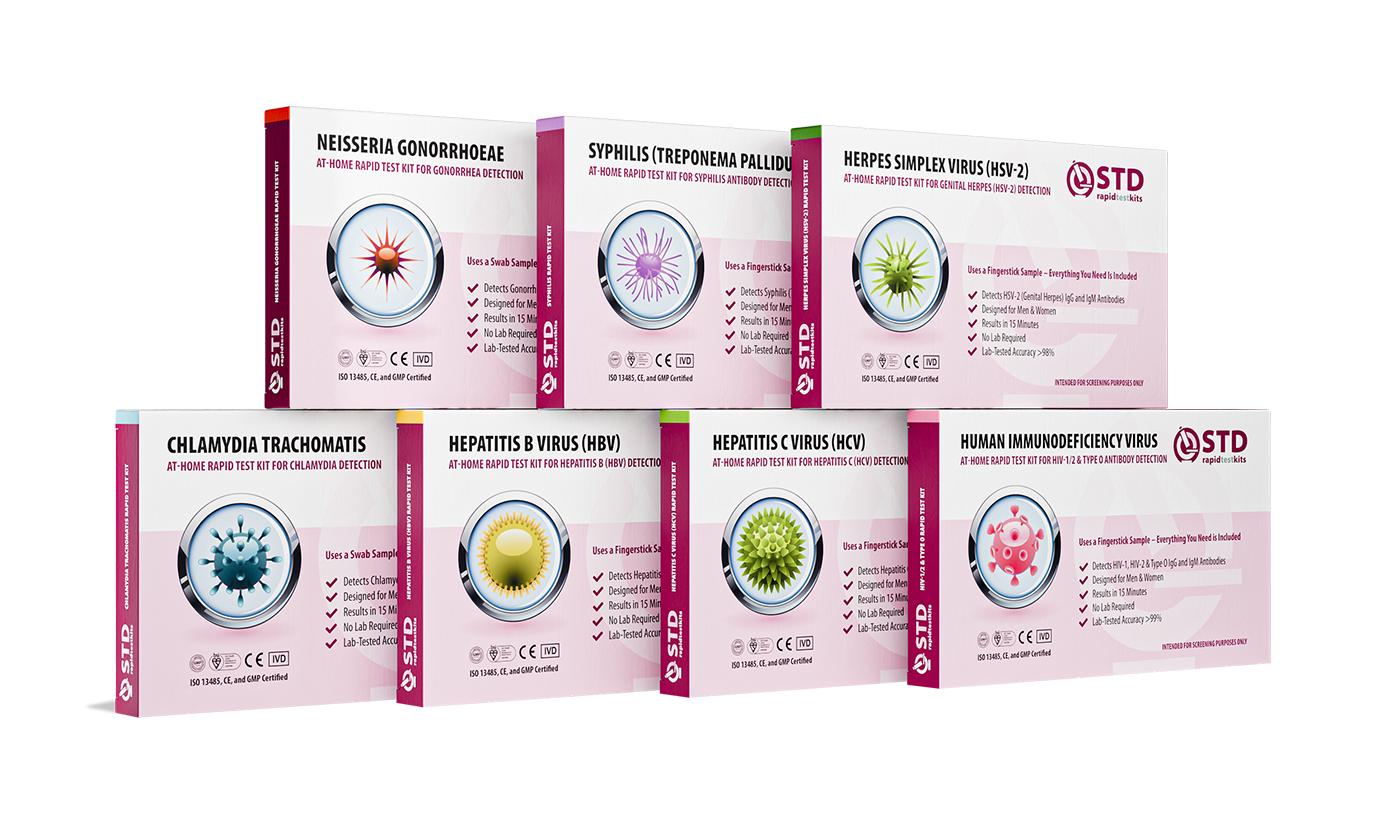
 For Men & Women
 Results in Minutes
 No Lab Needed
 Private & Discreet
For all 7 tests
Asian Men and the Myth of Low STD Risk
Here’s where things get even more complicated. In public health campaigns, the focus often falls on Black and Latino communities, where reported STD rates are highest. But this framing erases risk in other populations. It suggests that if you're Asian, you're somehow "safe", which simply isn’t true.
According to the CDC, STDs in Asian Americans are likely underreported, in part because of lower testing rates. Cultural silence, lack of targeted outreach, language barriers, and limited research funding all contribute to the illusion of lower risk. But a lack of data doesn’t mean a lack of infection, it just means fewer diagnoses.
Chlamydia doesn't discriminate. And assuming immunity based on ethnicity is not only incorrect, it’s dangerous.
| Barrier | How It Affects Asian Men |
|---|---|
| Cultural stigma around STDs | Stops open conversation or proactive testing |
| Limited representation in health messaging | Creates a false sense of exclusion from risk |
| Language or immigration barriers | Makes accessing services confusing or intimidating |
| Myths about “clean” appearance or virginity | Leads to underestimating partner history or risk |
Table 2. Common barriers that contribute to missed chlamydia diagnoses in Asian men.
Testing Delays and Missed Diagnoses: A Silent Pattern
When Kevin, a 32-year-old Filipino nurse in the Midwest, began dating again after a long-term relationship, he assumed he was starting fresh. He had no symptoms and hadn’t been tested since his last partner. "I felt fine, so why waste money on a test?" he said. Six months later, a casual partner disclosed they had tested positive for chlamydia.
Kevin’s reaction wasn’t rare, it was textbook. Like many men, especially those raised in environments where sexual health was never openly discussed, he didn’t understand how long chlamydia can sit silently in the body. No signs, no warning, and yet damage can still happen, especially to the reproductive system.
By the time Kevin finally got tested, the infection had already triggered an episode of epididymitis, painful inflammation in the testicles. It was entirely preventable, but he was never told that a quick urine test could have saved him months of discomfort.
This isn’t about scolding. It’s about information that many Asian men simply never received. In some communities, even saying the word “STD” out loud feels like a betrayal. So we delay. We assume. We ignore. And chlamydia keeps spreading.
When to Test, and When to Retest
If you’ve had any kind of unprotected sex, oral, vaginal, or anal, you should test for chlamydia. That includes if the condom slipped, if you didn’t use one during oral, or if you’ve started a new relationship. The ideal time to test is about 14 days after potential exposure, since testing earlier may lead to false negatives.
But if you’re reading this and realizing your last test was months ago, or never happened, that doesn’t mean it’s too late. In fact, it’s the perfect time. You don’t need symptoms to justify it. You don’t need a reason beyond your own peace of mind.
And if you do test positive? A single round of antibiotics, usually azithromycin or doxycycline, can clear the infection. But you’ll need to retest about three months later to make sure it’s gone, especially if you're still sexually active.
If you’ve already been treated and are wondering whether to test again after a new partner, the answer is yes. Think of testing not as damage control, but as a habit, like brushing your teeth. You don’t wait for pain to brush. You do it because you care about your body.
At-Home Testing Options: Privacy Without Shame
Let’s be honest. For many Asian men, walking into a clinic and asking for an STD test feels unthinkable. Maybe your insurance is under your parents’ plan. Maybe you live in a community where word travels fast. Or maybe you just don’t want to deal with awkward questions at the front desk.
That’s where at-home STD testing comes in. Kits like the Chlamydia Rapid Test Kit offer a discreet, fast, and private way to get results. No appointments, no labs, no explaining yourself to a stranger.
You collect a sample (usually urine or a genital swab), follow the included instructions, and get results within minutes. If you want lab-grade precision, mail-in kits are also available, allowing you to send your sample to a certified lab and get results via a secure portal.
STD Rapid Test Kits offers both options, with discreet shipping and no visible branding on the package. That means no one needs to know what you’re ordering, not even your roommate, your partner, or your mail carrier.
Peace of mind is one test away. And if you’re still nervous? You’re not alone. Testing is not a confession, it’s a form of care.
But What If I Test Positive?
Breathe. You’re not dirty. You’re not broken. And you’re definitely not alone. Chlamydia is one of the most common STDs in the world, and also one of the most easily treatable. Getting a positive result isn’t a punishment. It’s information.
You’ll need to see a healthcare provider (telehealth or in person) to get antibiotics. Most providers prescribe a single dose of azithromycin or a week-long course of doxycycline. If you caught it early, treatment is simple and effective. No needles. No shame. Just medicine that works.
What matters most is not who gave it to whom, but that you now know, and can protect yourself and others. Yes, you’ll need to tell your recent partners. No, you don’t have to do it perfectly. Anonymous notification services and scripted messages can help if the conversation feels impossible.
The hardest part is usually the moment before the result. After that, everything becomes clear.
This at-home combo test kit can screen for multiple STDs at once, including chlamydia. If you're already testing, it makes sense to go broad. That’s not paranoia, it’s prevention.
Let’s Normalize This, Because It’s Time
Asian men have sex. Asian men get STDs. And Asian men deserve accurate, compassionate, stigma-free care. But that only happens when we start speaking openly, testing regularly, and refusing to let shame dictate our health decisions.
Whether you’re queer, straight, somewhere in between, partnered or solo, your body is yours. You get to know what’s going on in it. You get to protect it without apology.
So if you’re reading this and wondering whether it’s time to test, take that thought seriously. Testing is not just for “at-risk” people. It’s for everyone who’s sexually active. Especially those who were never told they should.
You don’t need to wait for symptoms. You don’t need to wait for courage. You just need one moment of self-respect, and a kit that gives you answers.
How Chlamydia Affects Fertility and Health (Even Without Symptoms)
One of the most dangerous things about chlamydia is that it can harm you long before you feel anything. For men, untreated infections can lead to epididymitis, swelling and pain in the tubes that carry sperm. If left untreated long enough, it can even affect fertility.
But even before it gets that far, the emotional toll can be real. Doubt. Shame. Fear. These are symptoms too, just ones we don't talk about. And when the silence is layered with cultural expectations, it becomes heavier than it should be.
For many Asian men, sexual identity is already a battleground. Whether you're navigating traditional values, immigrant dynamics, or queerness in conservative spaces, adding an STD into the mix can feel unbearable. That's exactly why testing matters. Because knowing, whatever the result, is power.
Take Leo, a 27-year-old bisexual Thai-American man in a conservative family. He only got tested after a hookup messaged him two weeks later with a positive result. “I felt fine,” he said. “I almost didn’t go through with it because I was afraid of the answer. But waiting was worse.”
Leo’s test came back positive, but treatment was quick. More importantly, the experience made him start testing regularly, not out of fear, but out of self-respect. “I don’t feel ashamed anymore,” he told us. “I feel informed.”
Why This Isn’t Just About Sex, It’s About Silence
The problem isn’t that Asian men are at higher biological risk for chlamydia. It’s that we’ve made them believe they’re at no risk at all. That STDs are things that happen to “other people.” That being cautious means being dirty. That being curious means being weak.
In many communities, the default sexual health education is “just don’t do it.” But that doesn't work. Because people still do it, whether at college, on dating apps, during a trip abroad, or after a breakup. And when they do, they often do it without the tools to protect themselves.
We talk a lot about testing for “peace of mind.” And sure, that’s part of it. But testing is also about reclaiming the narrative. About not letting shame define your decisions. About telling your younger self, “Hey, we’re allowed to take care of ourselves now.”
If no one ever said that to you before, let this article be the first.

People are also reading: From Shame to Silence: The Long History of STD Blame
Here’s What Testing Can Actually Look Like
Picture this: You order an at-home test on a quiet Sunday morning. The box arrives two days later in a plain envelope. No branding. No judgment. Just you, a small vial, and a set of clear instructions.
You follow the steps in your bathroom. It takes less than 10 minutes. You leave the kit on your sink while brushing your teeth, waiting for the results to appear. You don’t feel panicked, just curious. And when the result comes in, whatever it says, you feel something else too: control.
That’s what most people don’t realize. The anxiety before testing is almost always worse than the result. But once you know, you know. And you can decide what happens next.
If you're not ready to go to a clinic, that doesn’t mean you have to wait. This rapid chlamydia test is designed for moments like this. Not emergencies. Just clarity.
And if you’re testing for multiple infections, because let’s be honest, many STDs travel in groups, the Combo STD Home Test Kit covers you without needing to piece together separate kits.
Check Your STD Status in Minutes
Test at Home with Remedium6-in-1 STD Test Kit
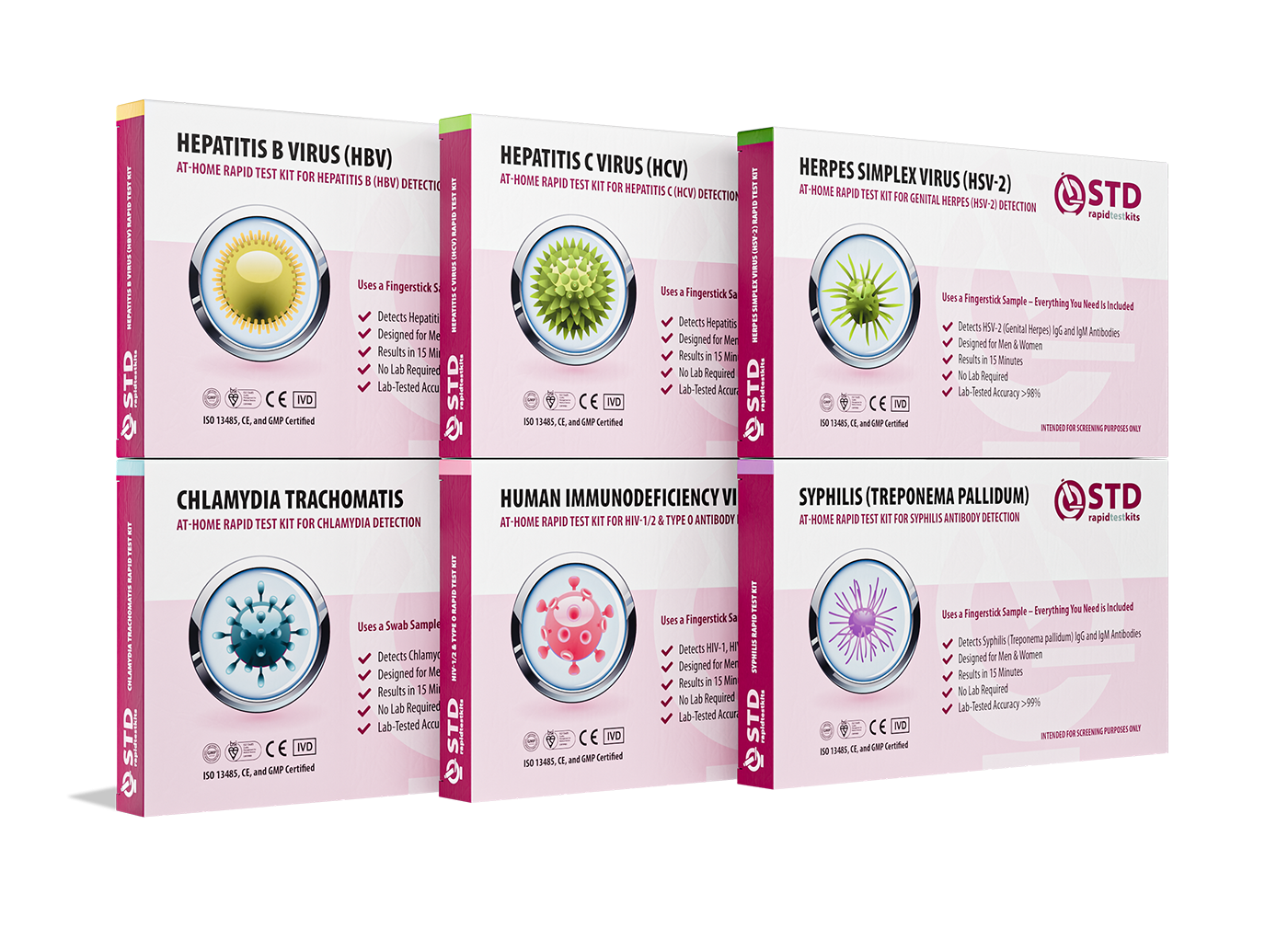 For Men & WomenResults in MinutesNo Lab NeededPrivate & Discreet
Order Now $119.00 $294.00
For all 6 tests
What Partners Deserve (And What You Deserve Too)
Testing isn’t just for you. It’s for the people you touch, literally and emotionally. The ones you kiss, sleep beside, or fall in love with. They deserve honesty. But so do you. You deserve partners who value truth over performance. Who care more about your wellbeing than your “clean” status.
We all make mistakes. Sometimes we take risks, knowingly or not. Sometimes we assume the best and get hurt. But testing isn’t about morality. It’s about health. It’s about moving through the world in a body that’s cared for and respected, no matter where it’s been.
If you’ve been afraid to test because of what it might mean about you, let this be the reframing: It means you care. That’s it. That’s the whole story.
And if your result is positive? You don’t owe anyone an explanation. You just take the next step. Quietly. Confidently. Knowing that the version of you who didn’t know better? He’d be proud you acted anyway.
FAQs
1. I feel totally fine, how could I have chlamydia?
That’s the thing. Most guys who test positive don’t feel a thing. No burning, no discharge, no warning signs. Chlamydia is sneaky like that, especially in men. You could be carrying it for months without realizing, and accidentally passing it on. That’s why testing isn’t about symptoms; it’s about knowing for sure.
2. Wait, you can get it from oral?
Yup. Oral sex isn’t a free pass. Chlamydia can absolutely spread through mouth-to-genital contact. We don’t talk about this enough, especially in communities where sex education skips entire topics. But yes, unprotected oral sex can still lead to infection. No shame, just science.
3. Does being Asian really affect my risk?
Biologically? No. But culturally? Yeah, it can. If you grew up in a house where sex wasn’t talked about, or worse, was seen as dirty or taboo, you’re less likely to get tested, ask questions, or speak up when something feels off. That doesn’t make you reckless; it makes you human. But the silence around it? That’s what puts people at risk.
4. How long should I wait after a hookup to get tested?
The sweet spot for accuracy is about 2 weeks. Testing earlier than that might give you a false negative. But if it’s been longer than that and you’re wondering if you should still test? The answer is almost always yes. The only bad time to test is never.
5. What if I get a positive result? Am I screwed?
Not even close. Chlamydia is one of the most treatable STDs out there. A quick round of antibiotics and you’re good. What matters is that you caught it, because untreated, it can mess with your reproductive health. No need to panic, just handle it like the responsible badass you are.
6. How do I tell a partner without freaking them out?
You don’t need to deliver a TED Talk. Keep it simple and calm: “Hey, I tested positive for chlamydia. You should probably get tested too.” You can even use anonymous text-notify tools if talking in person feels impossible. Most people appreciate honesty way more than perfection.
7. Can I test at home without anyone knowing?
Hell yes. That’s the beauty of it. At-home tests like this one come in discreet packaging with clear instructions. You pee in a cup or swab, wait a few minutes, and that’s it. No awkward pharmacy visits. No one else has to know unless you want them to.
8. I already got treated, do I really need to test again?
Yeah, one-and-done isn’t always the full story. The CDC recommends retesting three months after treatment to make sure you’re still in the clear. It’s not overkill, it’s just smart.
9. Is this only for people who sleep around?
Nope. You can be monogamous and still get exposed. You can be careful and still have gaps. Chlamydia doesn’t care how many people you’ve been with, it only takes one moment, one encounter, one skipped condom.
10. Okay, but what if I’m just... scared?
Then you’re exactly who this article was written for. Being scared doesn’t mean you’re weak, it means you’re aware. And awareness is the first step toward power. Deep breath. You’ve got this. Take the test. Know your status. That’s how courage looks in real life.
You Deserve Answers, Not Assumptions
Chlamydia doesn’t care about ethnicity, education, or whether you “look clean.” It spreads silently, and testing is how you break that silence. For too long, Asian men have been left out of the STD conversation. Not anymore.
You don’t have to wait for symptoms. You don’t have to wait for a scare. You only need one moment of clarity to take charge of your health. Take a short, private test whenever you want to get started.
Don’t wait and wonder, get the clarity you deserve. This home test kit checks for the most common STDs quickly and without drawing attention to itself.
How We Sourced This Article: We combined current guidance from leading medical organizations with peer-reviewed research and lived-experience reporting to make this guide practical, compassionate, and accurate.
Sources
1. CDC – Chlamydia Detailed Fact Sheet
2. WHO – Sexually Transmitted Infections (STIs) Facts
3. Planned Parenthood – Chlamydia Overview
4. Chlamydial Infections - STI Treatment Guidelines
6. Health Disparities in Asian People | CDC
7. Chlamydia Trachomatis Infection 2022 Case Definition | CDC
8. Chlamydia - StatPearls - NCBI Bookshelf
9. Sexually Transmitted Disease Surveillance 2021
10. What to Know About Chlamydia | Infectious Diseases - JAMA Network
About the Author
Dr. F. David, MD is a board-certified infectious disease specialist focused on STI prevention, diagnosis, and treatment. He blends clinical precision with a no-nonsense, sex-positive approach and is committed to expanding access for readers in both urban and off-grid settings.
Reviewed by: Alicia Huang, MPH | Last medically reviewed: January 2026
This article is for informational purposes and does not replace medical advice.


