






Quick Answer: Hepatitis B can live in dried blood on surfaces for up to seven days, and maybe even longer if the conditions are right. But actual transmission from casual contact with surfaces is very rare and usually only happens when blood comes into direct contact with blood or mucous membranes.
Why This Matters: The Fear Behind Everyday Contact
Let’s be real, people don’t ask this question out of pure curiosity. They ask it when they’re scared. After a breakup. After finding out a roommate once had hepatitis. After touching a razor at the gym or seeing a mysterious stain on a hotel bedsheet.
Jillian, 34, remembers the exact moment it happened. “My ex had hep B, but he was on treatment and said it wasn’t a big deal. A year later, I found one of his old toothbrushes in a drawer. I touched it by accident, and I froze. I hadn’t thought about it in months, but suddenly I was convinced I’d given myself hepatitis just from that.”
These moments aren’t about logic, they’re about trauma, uncertainty, and the invisible weight of shame that often surrounds STDs. That’s why this article isn’t just about biology, it’s about validation. We’re going to break down the science, the real risks, and the steps you can take to get clarity and peace of mind. No judgment. Just truth.
Let’s Talk Lifespan: How Long Can Hepatitis B Live Outside the Body?
The hepatitis B virus (HBV) is very tough. Many viruses die quickly when they come into contact with air, but HBV can live in dried blood for a surprisingly long time. The CDC says that the virus can live outside the body for at least seven days, and some studies say it can live longer in good conditions.
The virus doesn’t need to be in liquid blood either. Even microscopic, dried traces, on a razor, on the corner of a sink, on gym equipment, can contain viral particles. The key question is: do those particles pose a real risk to you? That depends on multiple factors, like exposure type, the health of your skin, viral load, and even the temperature and humidity of the environment.
| Surface Type | Hepatitis B Survival Time | Transmission Risk |
|---|---|---|
| Stainless steel (e.g., razors, gym equipment) | Up to 7 days | Low unless direct blood-to-blood contact |
| Porous materials (e.g., fabric, tissue) | 1–4 days | Very low; viral load degrades faster |
| Toothbrushes, nail clippers | 2–5 days | Moderate if shared while bleeding |
| Dry blood on countertops | Up to 7 days | Negligible without entry into body |
Table 1. Estimated hepatitis B survival time by surface type. Source data from CDC and NIH environmental studies.

People are also reading: STD or Something Else? What to Do If You Have Vaginal Red Spots
Transmission Requires More Than Just Touch
Touching dried blood isn't a guarantee of transmission, not even close. For hepatitis B to infect you, several conditions need to be met. First, there must be viable virus present. Second, it needs a way into your bloodstream or mucous membranes. That means through open cuts, bleeding gums, cracked lips, eye membranes, or shared puncturing tools.
Here’s what doesn’t transmit it: brushing past a stain, touching a dry tissue, or wiping down a surface with a bare hand. Your intact skin is actually a strong barrier. Even if you touched contaminated blood, if there’s no break in the skin or no entry point, the risk is minimal.
Andre, 29, once cleaned a shared bathroom after a roommate with hepatitis B cut himself shaving. “I freaked out after I realized I didn’t wear gloves,” he said. “But the doctor told me unless I had open cuts or actively touched fresh blood, the risk was next to nothing. I still got tested anyway.”
That last line? It matters. When the fear is loud, testing is the antidote. Even when risk is low, clarity can quiet your nervous system faster than any statistics can.
Case Study: Dried Blood on a Gym Bench
Let’s say you’re at a public gym. You notice a reddish-brown smear on the bench press pad after your set. It wasn’t there before. You touched it. Now you’re spiraling. Was it blood? Could someone have hepatitis B? Did you just infect yourself?
In this scenario, even if that was dried blood, even if it contained HBV, here’s what would have to happen for infection to occur:
You’d need to have an open wound or cracked skin where the blood touched. The virus would need to be still viable. Enough of it would have to transfer into your body to cause infection. And all of this would have to happen within a perfect storm of environmental factors that preserved the virus.
Statistically? Extremely unlikely. But mentally? It might feel like a life-or-death mystery. That’s why testing isn’t just clinical, it’s emotional closure. If you’re reading this in a panic spiral, there’s no shame in testing just to get your peace back.
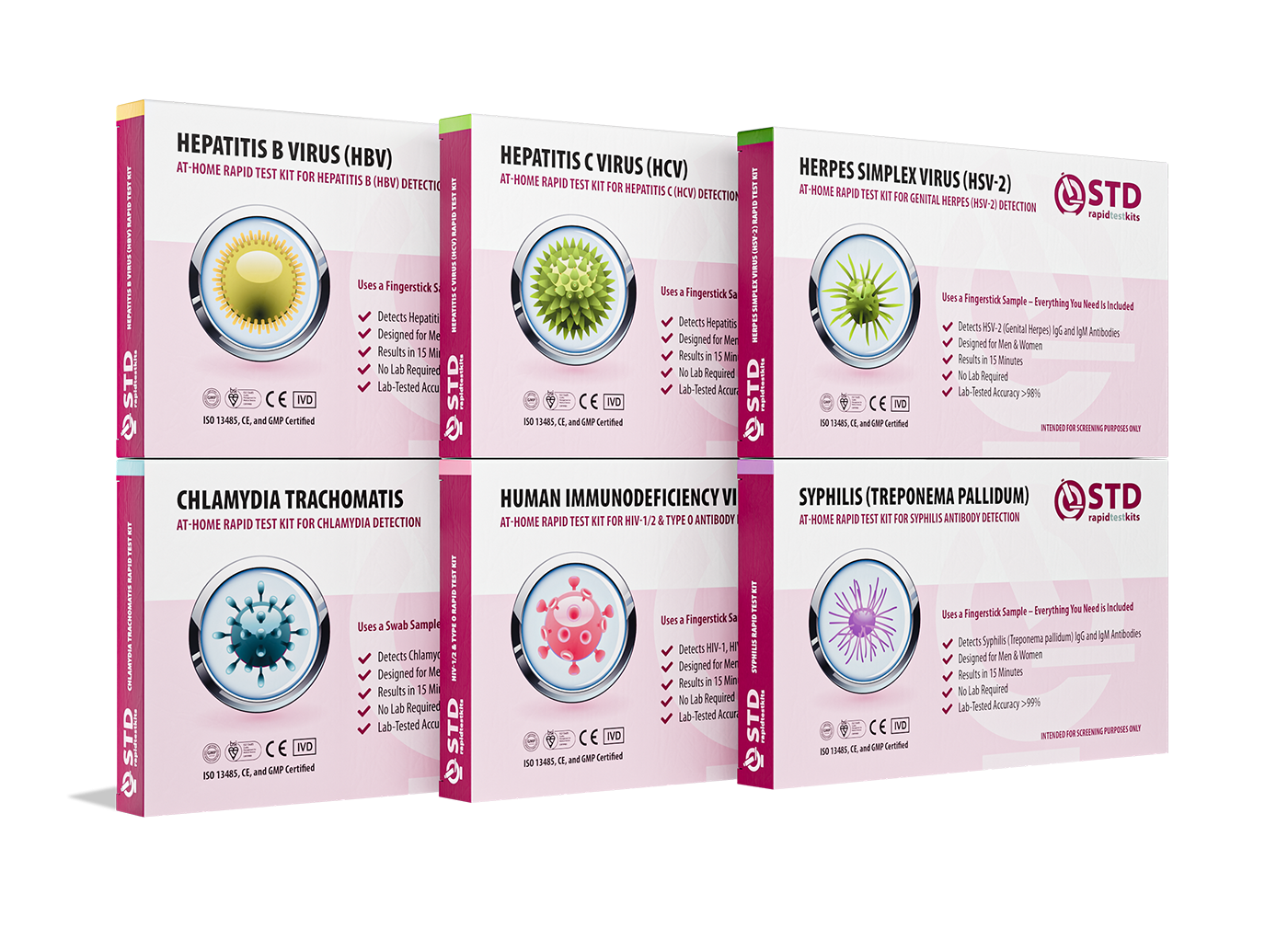
You can discreetly order a test that screens for hepatitis B using the Combo STD Home Test Kit. Results are confidential, fast, and accurate, and might just stop that background fear loop from playing all day.
Check Your STD Status in Minutes
Test at Home with Remedium6-in-1 STD Test Kit
 For Men & Women
 Results in Minutes
 No Lab Needed
 Private & Discreet
Order Now $119.00 $294.00
For all 6 tests
Not Everything You Touch Is Dangerous: Busting Common Myths
Let’s unpack some of the most common and panic-triggering myths about how hepatitis B spreads. If you've ever asked Google something like “Can I get hepatitis B from touching a towel?” or “What if someone bled on the couch and I sat on it?”, you’re not alone, and you’re not irrational. Fear fills in the blanks when the science isn’t clear or accessible.
The truth? Hepatitis B is a bloodborne virus, not airborne. It doesn’t linger in the air like COVID or spread through casual skin contact like ringworm. You won’t catch it from hugging, sharing food, or sitting on a public toilet. Even dried blood on a surface, unless actively introduced into your bloodstream, poses an incredibly low transmission risk.
Mila, 41, once stayed in an Airbnb where she found what looked like old blood on a towel. “I had just shaved my legs. I was so scared I’d picked up something. I cried in the shower for an hour.” The fear of the unknown can be paralyzing, especially when it’s wrapped in silence, shame, or misinformation.
Let’s set the record straight on how hepatitis B does and does NOT spread, so you can finally breathe again.
| Exposure Type | Transmission Risk | Why |
|---|---|---|
| Touching dried blood on a counter | Extremely low | Skin intact = no entry point |
| Using the same towel after someone with hepatitis B | Negligible | No blood-to-blood or mucous contact |
| Accidentally using someone’s razor | Moderate | Potential for microscopic bleeding = possible entry |
| Sharing a toothbrush with blood traces | Higher risk | Blood exposure + mouth membranes |
| Handling a bloody tissue with a paper cut | Low to moderate | Depends on timing, depth of wound |
Table 2. Realistic vs exaggerated risks of hepatitis B exposure in daily life.
What Kills Hepatitis B on Surfaces? (And What Doesn’t)
If you’ve already cleaned the surface, you’re probably wondering if it was enough. Did that squirt of soap and water actually kill anything? Do you need bleach? What if you didn’t clean it right away?
Hepatitis B is stubborn, but not invincible. It's covered, which means it's wrapped in a layer of fat that some disinfectants can get through. That said, it can survive routine drying, low humidity, and even temperature shifts better than many viruses. What does work? A few specific agents are known to deactivate the virus reliably.
The CDC and WHO both recommend using a 1:10 dilution of household bleach (sodium hypochlorite) to clean any blood spills, even dried ones. Alcohol-based sanitizers are less effective on blood-contaminated surfaces, especially if there's visible organic matter.
If you’ve already wiped something down before reading this, don’t panic. Time + dryness + any cleaning effort already reduced viral load significantly. But if you're handling blood cleanup where hepatitis B is a real concern, like caring for a known-positive partner or family member, use gloves, disinfect, and dispose safely.
Micro-Scene: The Roommate Toothbrush Spiral
Dan, 26, had just moved out of a shared apartment. While packing, he found an old cup of toothbrushes under the sink. One had dried red-brown flecks on the handle. “It could’ve been rust. Or maybe blood. My old roommate was on hepatitis B treatment, I never thought about it until that moment.”
Dan didn’t have any open wounds. He didn’t use the toothbrush. He washed his hands with soap. But anxiety doesn’t listen to logic. “I still made an appointment to test. I couldn’t focus at work until I did.”
This is the core of hepatitis anxiety, it’s less about exposure and more about uncertainty. Dried blood looks like danger, even when the numbers say otherwise. That’s why testing isn’t overkill, it’s psychological first aid.
You don’t need a reason or permission to test. You don’t even need symptoms. If something made you feel unsafe, you deserve peace of mind. STD Rapid Test Kits offers discreet, private options you can do from home, no judgment, no waiting room.
When Should You Actually Get Tested?
If you had a genuine exposure concern, like a cut, puncture, or known contact with someone’s blood, testing is the next logical step. But even if your risk was low, getting tested can still bring clarity and calm. The anxiety doesn’t always match the biology, and that’s okay.
Testing for hepatitis B involves a simple blood test that checks for multiple markers: current infection (HBsAg), past exposure, and immunity from vaccination. In some cases, a follow-up test is recommended if the first one is done too early after exposure. Most people will get accurate results about 4 to 6 weeks after potential contact.
If you tested too soon after a scare, don’t sweat it, just plan a retest at the appropriate window. No shame. No lecture. Just answers.
If you’re unsure when to test, our free tool can help: Try the STD Window Period Calculator.
Living With Someone Who Has Hepatitis B: What You Actually Need to Know
If someone in your home has hepatitis B, the questions don’t stop at diagnosis. They just shift. Can we share a bathroom? What about dishes? Do I need gloves to do laundry? Can they hug my child?
Here’s what’s real: hepatitis B is not spread through casual contact. It’s not passed by hugging, sharing food, using the same toilet, or sleeping in the same bed. The main risk in households comes from shared personal items, especially those that can carry blood, like razors, nail clippers, toothbrushes, or earrings. Those should never be shared, period.
Everything else? Manageable. The key is understanding bloodborne transmission. If blood is involved, even invisible traces, you treat it carefully, clean thoroughly, and move on. Living together doesn’t mean you’re in constant danger. It means you take reasonable precautions and normalize care without fear.
Luis, 44, has lived with his brother, who’s been hepatitis B positive since birth, for over a decade. “We have separate razors and towels. That’s it. Everything else is the same. People act like it’s radioactive, but we’ve never had a problem.”
This mindset, respectful, not fearful, is what we want to normalize. You can love and live with someone with hepatitis B without anxiety ruling your life. It’s not about paranoia. It’s about knowledge and consent in daily routines.
How to Clean Up Blood Safely (Without Losing It)
Whether it’s a shaving nick, nosebleed, or kitchen accident, cleaning up blood is part of life. If you’re in a home where someone has (or might have) hepatitis B, knowing how to disinfect properly can ease the mental load.
The goal isn’t sterilization, it’s safety. Dried blood is less infectious than fresh, but still worth handling carefully. Here’s a snapshot of what works best:
| Cleaning Agent | Effectiveness Against Hepatitis B | Notes |
|---|---|---|
| 1:10 Bleach Solution | High | Best for hard surfaces with visible blood |
| Hydrogen Peroxide (3%) | Moderate | Useful for small stains, less irritating to skin |
| Rubbing Alcohol (70% Isopropyl) | Low–Moderate | Works better on small, fresh blood traces |
| Soap and Water | Low alone | Helps loosen material, but needs disinfectant after |
| Vinegar or Natural Cleaners | Minimal | Not effective against hepatitis B |
Table 3. Common household cleaning agents and their effectiveness against hepatitis B virus in blood spills.
If blood touches fabric, wash it in hot water with bleach (if safe for fabric). Use gloves when cleaning, especially if you have cracked skin. Dispose of anything heavily soiled, like tissues or pads, into a sealed bag if possible. You don’t have to sanitize your home like a hospital, but a few steps go a long way in protecting everyone’s peace of mind.
People are also reading: Herpes or Heat Rash? How to Tell What That Red Spot Is
Supporting Someone With Hepatitis B Without Stigma
Maybe this article isn’t even about you. Maybe someone you love has hepatitis B, and you’ve been quietly afraid, of infection, of what to say, of how to act. That fear is valid. But stigma doesn't have to live in your household alongside the virus.
The person with hepatitis B might be more scared than you. Not just of the disease, but of being treated like a danger. Many were infected at birth or through medical care, not behavior. They deserve respect and help, not fear or distance, even if they got it through sex or needles.
Learning the science and practicing safety aren’t acts of paranoia, they’re acts of love. Keeping shared razors separate is a form of care. Cleaning up blood with gloves is compassion, not rejection. Being informed changes everything.
Testing yourself can even be an act of solidarity. It’s not about blame, it’s about agency. You’re saying: “I care about myself, and I care about you. I want to know where we both stand.”
This combo test kit checks for hepatitis B along with other common STDs. It ships discreetly, takes minutes to use, and gives you clarity without a clinic visit.
Check Your STD Status in Minutes
Test at Home with Remedium6-in-1 STD Test Kit
For Men & WomenResults in MinutesNo Lab NeededPrivate & DiscreetOrder Now $119.00 $294.00
For all 6 tests
What to Do if You’re Still Anxious
Here’s the honest truth: anxiety doesn’t always go away with logic. You can read that hepatitis B doesn’t spread through towels, razors, or dried blood on countertops, and still feel on edge. That doesn’t make you irrational. It makes you human.
If you’re still spiraling, test. Not because you're at high risk, but because peace of mind is priceless. And if the test is negative, as it likely will be, you’ll be able to move through the world a little lighter.
If it’s positive, there’s treatment, monitoring, and community support available. Many people live full lives with hepatitis B. Diagnosis isn’t an ending, it’s the start of knowing, and knowing is power.
Whatever the outcome, you deserve to be met with compassion, not shame. Testing is a tool, not a verdict. A way to replace dread with data.
STD Rapid Test Kits offers safe, private ways to get that clarity. You don’t have to do it alone, or in public. Your health is your business. Your healing is your right.
FAQs
1. Can hepatitis B seriously live in dried blood for a whole week?
Yeah, and honestly, that freaks a lot of people out. But here’s the thing, just because it’s there doesn’t mean it’s coming for you. The virus can hang around in dried blood for up to 7 days, but to actually infect you, it needs a clear path into your body. Like through a fresh cut or mucous membrane. No open wound? No real way in.
2. I touched dried blood on a gym bench. Should I panic?
Take a breath. If your skin was intact, no open cuts, cracked knuckles, or bleeding hangnails, then you’re almost certainly fine. Hepatitis B doesn’t soak through skin. It’s not a horror movie pathogen. But if the anxiety’s still messing with your head, testing can give you a clean mental reset.
3. What if I used someone’s razor by mistake?
Now that’s a bit more real. Razors can carry microscopic amounts of blood, and if someone has hepatitis B, that could be enough to transmit it, especially if the blade nicked you. If this happened, definitely consider getting tested. You’re not doomed, but it’s worth checking.
4. Can I catch hep B from a toothbrush with old blood on it?
Gross, yes. Possible, also yes. Toothbrushes are a sneaky risk because they can carry traces of blood from your gums, and if you use someone else’s, that’s a direct route into your own mouth tissue. Not super common, but it’s one of the household items that’s never safe to share.
5. I used a towel that might have had blood on it. Am I at risk?
Very low risk. Towels don’t usually carry enough dried blood to infect anyone, and unless you had a cut or the blood got into your eyes, nose, or mouth, you’re probably fine. Still feeling icky about it? Totally valid. Get tested for your own peace of mind, not because the towel “got” you, but because you deserve clarity.
6. Does hand sanitizer kill hepatitis B?
Not really. Alcohol-based sanitizers aren’t great at breaking down the fatty envelope that protects hepatitis B, especially if there’s dried blood involved. If you’re cleaning a surface that had blood on it, grab a diluted bleach solution instead, it’s the gold standard.
7. I cleaned up blood without gloves. Am I at risk?
It depends. If you had any cuts, chapped skin, or hangnails, and the blood belonged to someone who’s hepatitis B positive, there could be a risk. If your skin was solid and unbroken, your body likely held the line. Still, if you’re worried, testing is an easy next step, and you’re not overreacting for wanting that closure.
8. How soon after possible exposure should I test?
The sweet spot is usually 4 to 6 weeks after the event. That gives your body enough time to build up detectable markers if there’s an infection. Too early, and the test might miss it. If you test early and it’s negative, don’t stress, a follow-up test at the right window can confirm everything.
9. I don’t remember if I was vaccinated. What now?
You’re not alone, lots of people don’t. A simple blood test can check if you’ve got immunity (look for anti-HBs). If you were vaccinated as a kid, you might still be covered. If not? No judgment, just get the shots now. Protection is better late than never.
10. Do I need to test if I think I touched blood but I’m not sure?
Listen, you don’t need proof to justify your peace of mind. If your brain keeps spinning “what if?” scenarios, then yeah, test. Not because the exposure was likely dangerous, but because that test result might be the only thing that shuts your anxiety up. And that’s a legit reason.
You Deserve Answers, Not Assumptions
Fear has a way of filling in the blanks, especially when dried blood, uncertain hygiene, or old memories of past partners resurface. But now you have the facts: hepatitis B can live outside the body for a time, but it’s not a lurking curse on every surface. The virus needs access, opportunity, and vulnerability to infect.
If you’re still feeling anxious, that doesn’t make you weak. It makes you aware. The next right step isn’t to worry harder, it’s to take action. Get tested. Clean up. Don't let fear stop you; let facts lead you.
Don’t wait and wonder, get the clarity you deserve. This at-home combo test kit quickly and discreetly checks for the most common STDs.
How We Sourced This Article: We made this guide useful, kind, and correct by using the most recent advice from top medical groups, research that has been peer-reviewed, and reports from people who have been through the problems.
Sources
1. CDC – Hepatitis B FAQs for the Public
2.WHO – Hepatitis B Fact Sheet
3. CDC Guidelines for Disinfection and Sterilization
4. Hepatitis B Foundation – Household Precautions
5. Prevention of Hepatitis B Virus Infection in the United States (CDC)
6. Hepatitis B Surveillance Guidance (CDC)
7. High Environmental Stability of Hepatitis B Virus and Inactivation (PMC/NIH)
8. Survival of Hepatitis B Virus After Drying and Storage for One Week (Lancet via PubMed)
10. Updated U.S. Public Health Service Guidelines (CDC)
11. Infectious Substances – Hepatitis B Virus (Government of Canada)
12. Hepatitis B Transmission and High Risk Groups (Hepatitis B Foundation)
About the Author
Dr. F. David, MD is a board-certified infectious disease specialist focused on STI prevention, diagnosis, and treatment. He blends clinical precision with a no-nonsense, sex-positive approach and is committed to expanding access for readers in both urban and off-grid settings.
Reviewed by: Dr. Amina Rojas, MPH | Last medically reviewed: December 2025
This article is for informational purposes and does not replace medical advice.


