





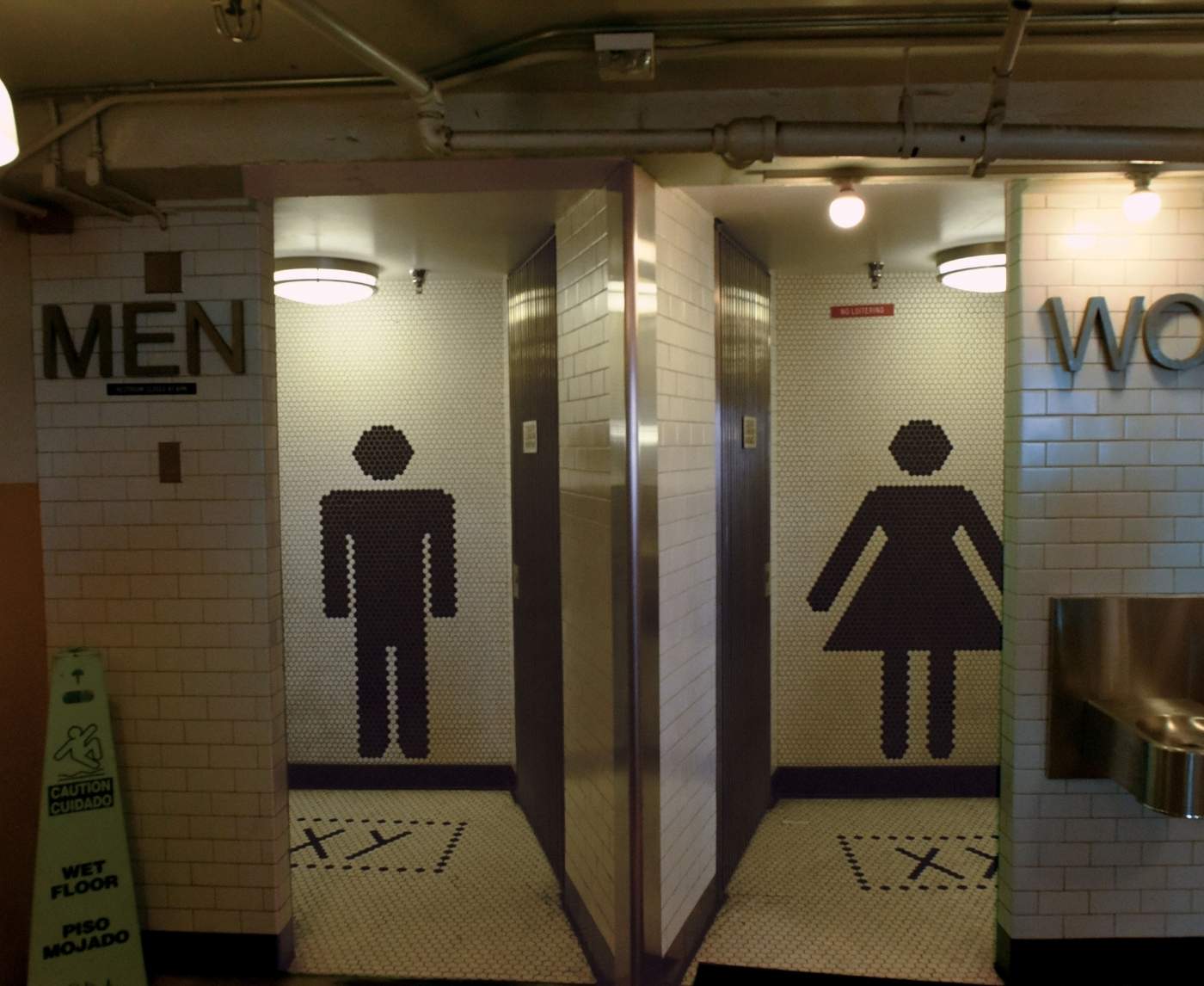

Quick Answer: STD risks from public bathrooms are extremely low. Most STDs, including chlamydia, gonorrhea, and herpes, require skin-to-skin or fluid contact and do not survive long on dry surfaces like toilet seats.
That Moment of Fear Is Common, But Is It Warranted?
Riley was halfway through a long road trip when they stopped at a rural gas station. The bathroom door didn’t lock, and the stall had no paper liners. “I hovered,” they later wrote in a forum. “But afterward, I couldn’t stop obsessing. Could I have gotten something through skin contact? It sounds stupid now, but I almost ordered an STD test the next day.”
If this sounds familiar, you’re not alone. Many people, especially those with a history of OCD, trauma, or health anxiety, fixate on bathroom-based transmission fears. The underlying belief? That skin-to-seat contact or shared surfaces could spread sexually transmitted diseases like herpes, gonorrhea, HPV, or chlamydia.
But there’s a crucial disconnect: most STDs don’t behave like the flu or common cold. They’re picky. They need very specific conditions to infect someone, conditions rarely found on a toilet seat.
Can STDs Live on Toilet Seats, Gym Benches, or Bathroom Sinks?
Let’s dig into the biology. Most sexually transmitted infections rely on warm, moist environments to survive and transmit. Public bathroom surfaces, cold, dry, exposed to air and cleaning agents, are the opposite of what these pathogens need. Here’s a closer look at how long some of the most common STDs survive outside the body.
| STD | Surface Survival Time | Realistic Risk from Surfaces |
|---|---|---|
| Herpes (HSV-1 & HSV-2) | Few minutes to 2 hours (moisture-dependent) | Extremely low |
| Chlamydia | Minutes (dies quickly outside body) | Negligible |
| Gonorrhea | 1–3 hours in lab conditions | Very low |
| HPV | Days to weeks on moist surfaces | Low, but not zero on shared towels or wet benches |
| Trichomoniasis | Up to 45 minutes in wet environments | Rare, but possible via shared damp items |
Table 1. Surface survival estimates of common STDs under non-clinical conditions. Most do not survive long enough to be transmissible through bathroom contact.
Real-world conditions make it even harder for these organisms to survive. The CDC notes that STDs like chlamydia and gonorrhea are transmitted through mucous membranes, not through intact skin. That means unless you’re rubbing a live discharge directly onto genital tissue (and even that requires very specific timing), surface transmission is implausible.
People are also reading: The Sex Tourism Trap: What You Risk Bringing Home
Why the Toilet Seat Myth Won’t Die
This myth goes way back. In the mid-1900s, textbooks and health classes often used toilet seats as euphemisms to talk about sex without saying “sex.” It became a stand-in for “dirty behavior” or moral failure, and that stuck around, especially in cultures where sexual health remains taboo.
It also taps into a universal fear: contamination. The idea that a seat, something touched by strangers’ bare skin, could silently infect you plays into our primal disgust responses. Throw in a lack of sexual education, and the myth gains staying power. Herpes, especially, carries outsized stigma, so when a bump appears days later, people connect it to the public restroom they used, not their recent hookup.
In reality, herpes transmission almost always requires skin-to-skin friction with an infected area during sex, or direct contact with a fresh sore, not a plastic seat wiped down five hours ago.
Case Study: “I Got an STD, But Not from the Bathroom”
Derek, 28, had been celibate for almost a year when he noticed a discharge and painful urination. “I hadn’t hooked up with anyone,” he said, “but I did use the gym every day. I thought maybe the showers or toilets did it.”
Worried, he visited an urgent care center. The doctor ran a panel and confirmed gonorrhea. Derek was shocked, and confused. Eventually, after some honest reflection, he remembered a single unprotected oral encounter at a party three weeks earlier. It hadn’t felt like “real sex,” but it had been enough.
This isn’t uncommon. Many people write off low-risk encounters or don't associate oral sex with STDs, so when symptoms appear, they look for other explanations. And because bathrooms are “gross,” they become the scapegoat.
It’s easier to blame a toilet than a lapse in protection. But blaming the wrong thing can lead to unnecessary anxiety, and delay real conversations about testing and protection.
Check Your STD Status in Minutes
Test at Home with Remedium6-in-1 STD Test Kit
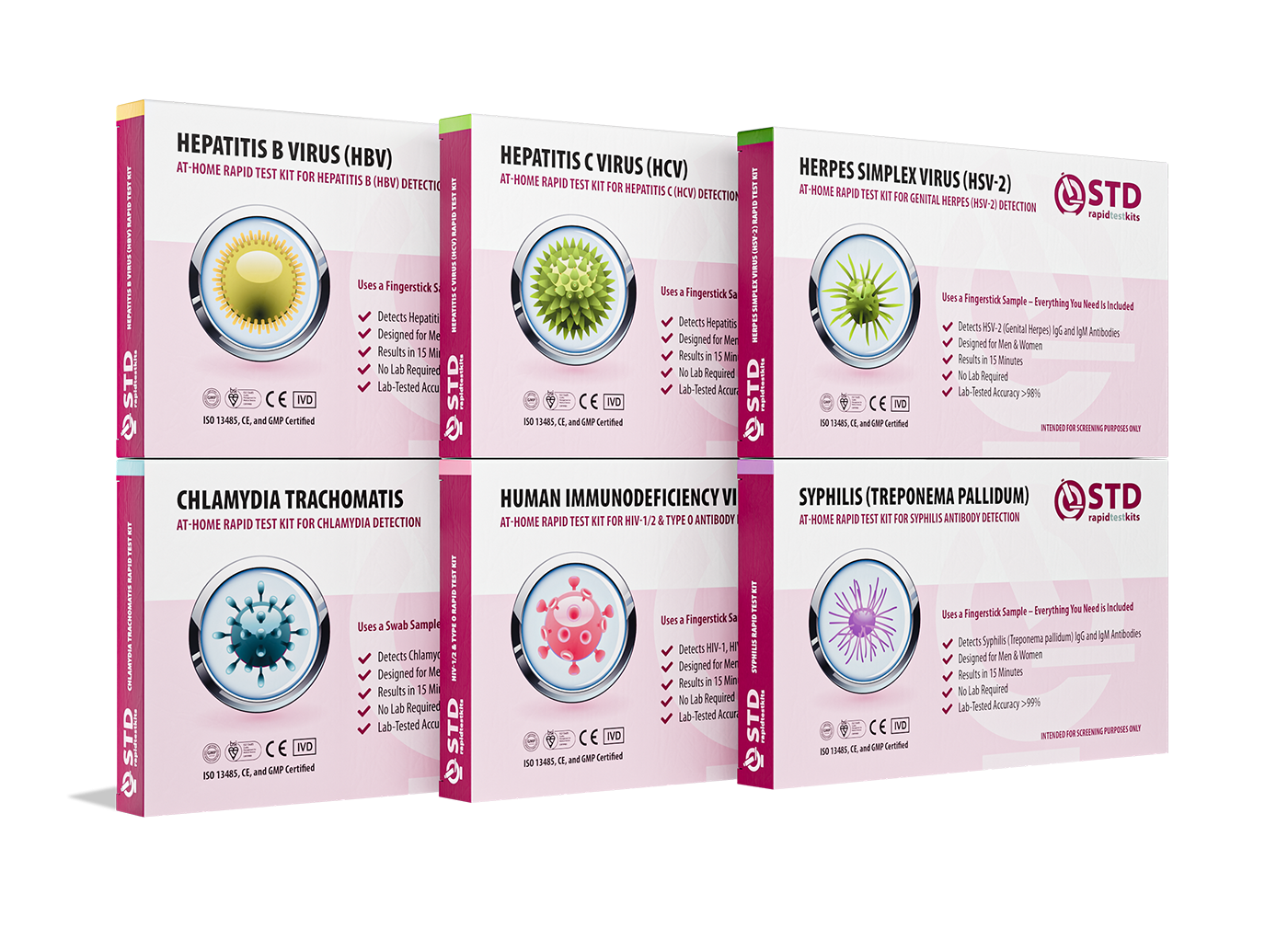
 For Men & Women
 Results in Minutes
 No Lab Needed
 Private & Discreet
Order Now $119.00 $294.00
For all 6 tests
Where Is There Some Risk? Let’s Talk Shared Items and Moist Environments
It’s not the seat, it’s what’s wet, warm, and shared. If you’re looking for a real (though still rare) STD surface transmission risk, look past the porcelain. Focus on damp towels at the gym, poorly sanitized waxing benches, used razors, and shared loofahs in spa showers. Moisture makes a difference. Some pathogens, like trichomoniasis and HPV, can linger longer in humid or damp environments.
In one 2020 review published in the Journal of Infectious Diseases, researchers found that HPV DNA was still detectable on medical exam tables, even after disinfectant cleaning, suggesting viral particles can linger if surfaces aren’t dried or sterilized properly. But being detectable doesn’t always mean transmissible. To infect, the virus must reach a vulnerable mucosal surface, often through microtears in the skin.
Think of it this way: sitting on a toilet seat is like sitting on a park bench, low risk. Sharing a damp swimsuit with a stranger? Not great. Using a communal razor? Riskier still. We’re not trying to scare you, but instead recalibrate your risk radar so it’s focused where it matters.
So Why Do Symptoms Sometimes Appear After Using a Public Toilet?
This is one of the most heartbreaking traps people fall into. They use a public restroom on Monday. By Friday, they feel a burn, spot a sore, or see a bump, and immediately associate the two. It feels logical. After all, nothing else “happened” that week, right?
But most STDs don’t show up instantly. They have incubation periods ranging from several days to weeks. What you’re seeing likely stems from something that happened much earlier, possibly a forgotten or minimized sexual contact.
| STD | Incubation Period (Typical) | Common First Symptoms |
|---|---|---|
| Chlamydia | 7–21 days | Discharge, burning during urination |
| Herpes (HSV-2) | 4–12 days | Painful blisters, flu-like symptoms |
| Gonorrhea | 2–10 days | Thick discharge, pelvic pain |
| HPV | Weeks to months | Genital warts (may take time to appear) |
Table 2. Incubation periods of common STDs. This delay often leads to misattribution of symptoms to unrelated exposures like public toilets.
If you’re seeing a symptom shortly after using a bathroom, especially if it’s a rash or discomfort, consider alternative explanations too: irritation from soap, contact dermatitis, heat rash, or even a UTI. That’s why accurate testing, not assumption, is the gold standard for peace of mind.
But What If I Still Feel Contaminated?
This is where anxiety, especially health-related OCD, tends to spiral. The fear isn’t always logical, it’s visceral. You feel "unclean," you’re imagining germs crawling over your skin, and no amount of rational explanation seems to shut it off. If that’s happening, know this: you’re not weird, you’re not alone, and you’re not broken.
Health anxiety often attaches itself to the places we can’t control, public bathrooms, shared hotel linens, airplane seats. These spaces become symbolic. But letting go of false beliefs can be an act of liberation, not recklessness. Medical professionals agree: STDs don’t spread through toilet seats. That statement is echoed across Mayo Clinic, CDC, WHO, and every credible sexual health resource available.
Still need closure? That’s okay too. If your mind won’t rest until you know, consider an at-home STD test kit. It’s discreet, fast, and gives you control back. Whether you test or not, you deserve peace of mind, not paralyzing fear.
When Testing Makes Sense, And When It’s Just Feeding Anxiety
Let’s be real: if the only reason you're considering a test is because you used a public toilet and felt gross afterward, you likely don't need one. But there are situations where testing makes sense, even if you don't remember a high-risk encounter. Here’s how to sort through it.
If you’ve had any kind of sexual contact, oral, genital, or anal, with a new partner in the last few weeks or months, testing is proactive, not paranoid. If you’re seeing new symptoms that don’t respond to standard hygiene or OTC treatment, test. If you’re in a new relationship and just want baseline clarity, absolutely test.
But if your only trigger is toilet seat anxiety? Step back. Ask yourself: Am I trying to soothe an emotional reaction with a medical test? If so, there may be better ways to respond to that panic, ones that won’t keep reinforcing the cycle.
And if you still choose to test? No judgment. In fact, here’s a compassionate, no-hassle option: a discreet combo STD test kit delivered to your door. It’s fast, reliable, and doesn’t require explaining yourself to anyone.
What Actually Protects You in Public Bathrooms?
We’re often taught that toilet seat liners, intense scrubbing, and hand sanitizer are our front-line defense against STDs. Truth? The biggest protection is understanding how transmission actually works.
Condom use during sex, HPV and Hepatitis B vaccinations, routine testing, and open communication with partners are all practices that significantly lower your risk. Compared to triple-layering the toilet seat at a Starbucks, these actions offer far greater health protection.
So keep washing your hands, yes. But skip the fear spiral over that bathroom stall. Germs are real, but the STD risk isn’t where you think it is.
Debunking the Big Ones: STD Surface Myths That Keep Coming Back
Let’s get surgical with this. Some surface-based STD fears are so persistent they’ve become internet folklore. You’ve probably heard one or more of these in a locker room, on Reddit, or from an anxious friend. Here's the truth behind them, explained not to shame, but to bring real clarity.
“I heard my cousin got herpes from a tanning bed.” It’s unlikely. Unless someone with an open sore rubbed directly onto the bench minutes before you, and your genitals made direct contact with that same spot, transmission is nearly impossible. Herpes doesn't leap through intact skin, and it doesn't survive long outside the body without moisture.
“Can HPV live on gym equipment?” Technically, yes, for a short time. But transmission would still require intimate skin contact, often with micro-abrasions. You won’t catch HPV by adjusting a treadmill knob. Still, always wipe down shared yoga mats and shower sandals to reduce all kinds of infection risks, not just STDs.
“My ex said they got chlamydia from a hotel toilet.” This one’s practically textbook gaslighting. Chlamydia dies quickly once exposed to air. It can't survive on a toilet seat long enough to infect someone. What’s more likely? Your ex had an encounter they didn’t disclose, or didn’t recognize as risky.
These myths are sticky because they relieve guilt. They offer a tidy scapegoat when the real explanation, an overlooked sexual risk, a cheating partner, or a forgotten hookup, feels too heavy to confront. But hiding behind surface myths only delays healing. The truth is more useful than the blame.
The Shame Spiral: Why Surface Anxiety Often Masks Deeper Fears
Here’s something we rarely talk about: for many people, fear of catching an STD from a toilet seat isn’t really about the seat. It’s about shame, silence, and the emotional minefield that still surrounds sexual health.
Take Lena, 31, who booked four urgent care appointments in two months after gym visits. “I was terrified of getting something from the locker room,” she said. But under the surface, her panic traced back to an untreated trauma from college, a non-consensual encounter that left her distrustful of her body and fearful of any loss of control. The bathrooms weren’t the cause; they were the trigger.
For others, it's about growing up in sex-negative environments. If you were taught that STDs only happen to “dirty” or “bad” people, even a minor itch can feel like a moral failure. The fear of contamination becomes a stand-in for the fear of being seen as reckless, promiscuous, or unworthy.
This is where facts alone aren’t enough. What we need is both information and affirmation. Knowing that chlamydia can’t live on a toilet is helpful. Knowing that you’re still a good person, no matter what result comes back? That’s healing.
So here’s the truth: Using a public bathroom doesn't make you dirty. Getting tested doesn't mean you’ve done something wrong. And worrying about your health isn’t irrational, it’s human.
People are also reading: Can You Really Get an STD From Anal Sex, Even With a Condom?
How to Calm the Panic in the Moment
You used the bathroom. You felt off. Now you're spiraling. It happens. Here's what to do in that moment when your brain is running wild and your stomach feels like it's flipping over itself.
Pause first. Recognize your emotions without passing judgment on them. Say it out loud if you can. “I'm feeling anxious. I just used a public bathroom, and now I'm scared I might have picked something up.” That self-validation interrupts the shame loop.
Second: breathe and ground yourself. Remind yourself that STDs don’t spread through toilet seats. That even if something weird did touch your skin, it’s not how these infections move. Skin-to-skin friction. Mucosal contact. Those are the lanes.
Third: redirect. Do something that signals safety to your nervous system. Wash your hands slowly. Step outside. Text a friend. Remind yourself of your actual risk, not your imagined one. If reassurance helps, know that you can order a rapid test just to clear your mind, but you don’t have to live under constant suspicion of your own body.
Check Your STD Status in Minutes
Test at Home with Remedium7-in-1 STD Test Kit
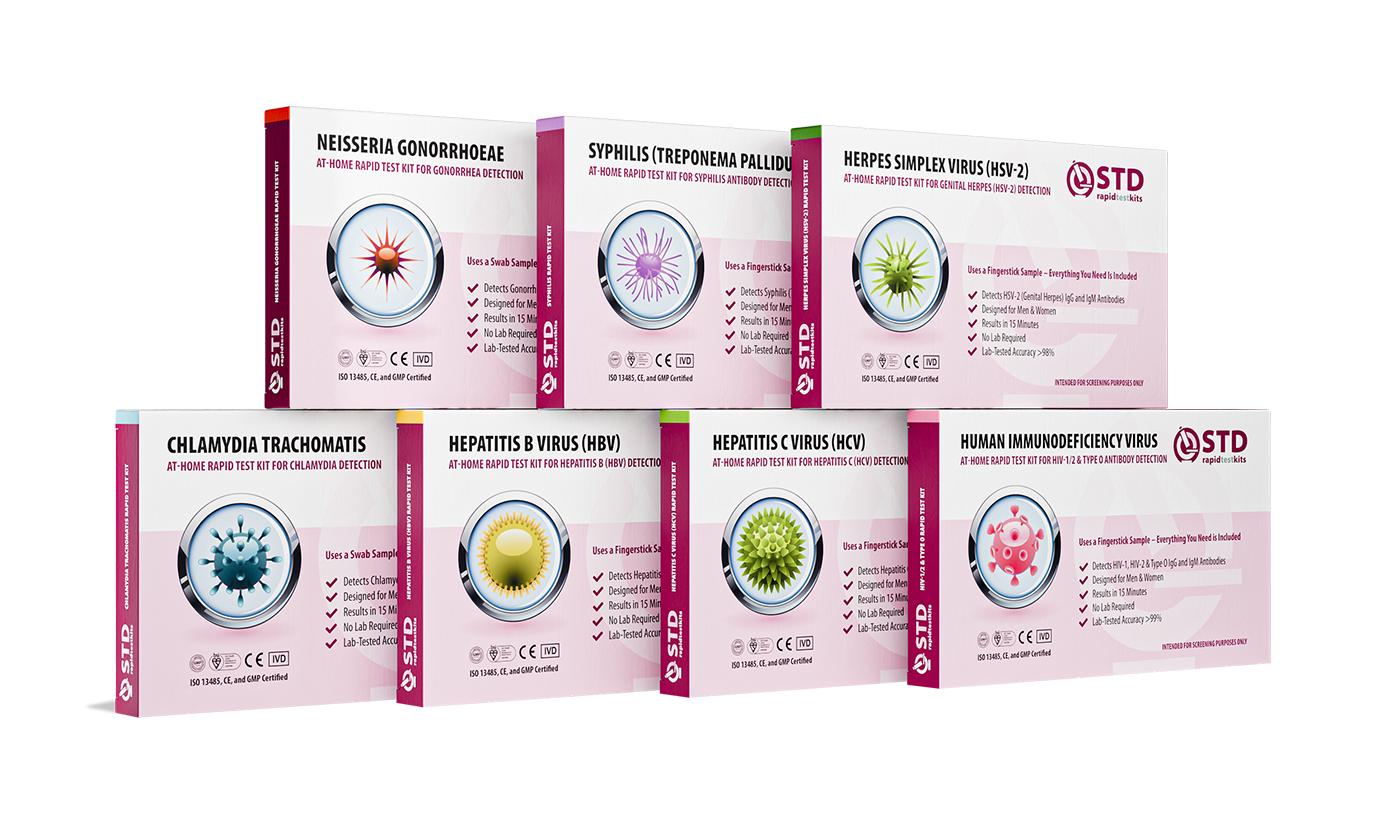 For Men & WomenResults in MinutesNo Lab NeededPrivate & Discreet
Order Now $129.00 $343.00
For all 7 tests
Case Study: “I Took the Test Just to Be Sure”
Jordan, 35, had no symptoms, no recent sexual partners, and no reason to believe he had been exposed. But after using a sketchy gas station toilet on a road trip, his mind wouldn’t stop racing. “I started Googling toilet seat STD transmission at 2AM,” he admitted. “And the more I read, the worse I felt. Even though the sites said it wasn’t likely, my anxiety wouldn’t let it go.”
He eventually took an at-home test. Negative across the board. “I felt kind of silly,” he said. “But the result helped shut off that mental loop. I realized I wasn’t worried about STDs, I was just feeling really out of control in my life overall.”
That’s the reality for many readers. It’s not always about disease. It’s about safety, trust, and the right to feel clean, inside and out. STD panic becomes the vessel for all the other stress we don’t know how to name.
If you're in that loop, you're not weak. You're aware. And you deserve both answers and kindness.
FAQs
1. Can you actually catch an STD from a toilet seat?
No, and we mean that with our whole chest. STDs like herpes, chlamydia, and gonorrhea don’t just leap off cold plastic and crawl into your genitals. They need skin-to-skin or fluid-to-skin contact, and even then, the conditions have to be just right. That bathroom stall might feel gross, but it’s not plotting against you.
2. Okay, but what if the person before me had herpes?
Still no. Unless they left an open sore smearing live virus and you immediately sat down naked in the same spot and somehow made direct contact with your mucous membranes, you're safe. Herpes dies quickly on dry surfaces. Public seats just aren’t cozy enough for it to hang around.
3. I felt burning after using a public toilet. Should I panic?
Let’s slow that spiral. Burning can be caused by so many things, sensitive skin, a reaction to harsh cleaning products, a mild UTI brewing. STDs don’t cause symptoms within hours. Most need several days, even weeks, to show up. Take a deep breath, drink some water, and give your body a second before jumping to conclusions.
4. What about HPV? I read it can survive on surfaces for days.
Almost true. Particularly in damp settings like shared towels or showers, HPV can linger longer. But surface survival doesn’t automatically mean you’ll get infected. Real transmission still requires close contact with skin, and often microabrasions, so it’s not going to hop off a yoga mat and into your body.
5. Is it safer if I hover or line the seat with toilet paper?
Honestly? It makes you feel better more than it does anything medical. Hovering can sometimes lead to incomplete urination, which can cause discomfort, and toilet paper barriers aren’t foolproof. But if it gives you peace of mind, go for it. Just don’t mistake it for STD protection. That's not its job.
6. Do I need to test if I only touched a door handle or faucet?
Nope. STDs don’t transmit through hand contact unless you’re immediately using that same hand to engage in sexual activity (and even then, it’s a stretch). You’re more likely to catch a cold or norovirus that way, not syphilis.
7. I’m still anxious, should I get tested just in case?
If testing helps you breathe easier, go for it. There’s zero shame in wanting clarity. Just know that if your only “exposure” was sitting on a public toilet, your result will almost certainly be negative. And that negative might be just the thing to calm your racing thoughts. We’ve got discreet kits that do exactly that, no judgment, no awkward small talk.
8. What if I got a rash or bump a few days after using a gross bathroom?
Rashes can come from friction, shaving, detergent, sweat, or irritation from cleaning chemicals. If you had no sexual contact before that bathroom visit, chances are, your skin’s just having a moment. But if you're nervous, check the timeline against known incubation periods and test if something still feels off.
9. Is it true that some STDs can live on wet towels?
Yes, kind of. Trichomoniasis has been shown to survive for a little while in damp environments. But again, this isn’t about panic. It’s about context. Sharing a wet towel with a stranger in a steamy gym locker room? Maybe skip that. But grabbing your own dry towel off the bathroom hook? You’re good.
10. Final verdict: is using public restrooms safe?
Yes. Absolutely. Wash your hands. Don’t sit in puddles. But the idea that you’ll walk out of a stall with chlamydia just because your thigh brushed the seat? That’s outdated fear, not fact. Your body deserves better than shame-based hygiene paranoia.
You Deserve Facts, Not Fear
If you’ve read this far, you’re probably someone who cares deeply about your health, and maybe carries a little more worry than you’d like. That’s not a weakness. It means you’re thoughtful. But worry without direction becomes a burden. This article aimed to give you both truth and tools: the science that debunks your worst fears, and the language to explain that fear if it creeps in again.
If you’re still wondering, if the doubt still nags, test. Not because you’re at high risk, but because sometimes reassurance is the most powerful form of care. This combo home test kit can check for several common STDs quickly, privately, and without judgment.
Your health journey is yours alone. Just don’t let fear write the script.
How We Sourced This Article: We combined current guidance from leading medical organizations with peer-reviewed research and lived-experience reporting to make this guide practical, compassionate, and accurate.
Sources
1. CDC: STD Facts & Transmission
2. Mayo Clinic: Genital Herpes Overview
4. Genital Herpes: Can You Get It From a Toilet Seat? — Mayo Clinic
6. About Bacterial Vaginosis (BV) — CDC
7. Herpes Simplex Virus Fact Sheet — WHO
8. Transmission of Viruses from Restroom Use: A Quantitative Assessment — NCBI/PMC
9. What Can You Catch in Restrooms? — WebMD
10. Sexually Transmitted Diseases (STDs) Basics — Tarrant County Public Health
About the Author
Dr. F. David, MD is a board-certified infectious disease specialist focused on STI prevention, diagnosis, and treatment. He blends clinical precision with a no-nonsense, sex-positive approach and is committed to expanding access for readers in both urban and off-grid settings.
Reviewed by: Jamie Liang, NP-C | Last medically reviewed: December 2025
This article should not be used as a substitute for medical advice; it is meant to be informative.


