







Quick Answer: Trichomoniasis is almost always spread through sexual contact, not towels. Surface transmission like from public towels or saunas is extremely rare and not supported by strong clinical evidence.
Why This Article Exists
If you’re here, you’re probably scared or confused, or both. Maybe you’re reading this on your phone in a bathroom stall, Googling after seeing something you didn’t expect on your test results. Maybe you’re wondering how you got an STD without having sex, and feeling like no one will believe you. You’re not alone.
This article is for the people whose stories don’t match the stereotype. For those who didn’t “sleep around,” who didn’t even sleep with anyone. For people who care about hygiene, who used the gym towel, who shared a spa robe, who sat on a hotel bench, and now don’t know what’s real. We’re going to break it down, what trichomoniasis is, how it spreads, what’s myth vs fact, and what to do next. All without judgment.
Because here's the thing: trichomoniasis doesn’t care about your body count or your shame. And your story deserves clarity, not suspicion.
Let’s Get Real: What Is Trichomoniasis, Really?
Trichomoniasis (or “trich”) is a sexually transmitted infection caused by a parasite called Trichomonas vaginalis. It's one of the most common curable STDs, affecting millions globally each year, yet it's also one of the least talked about. According to the CDC, an estimated 70% of people with trich have no symptoms at all, which makes it easy to spread unknowingly [CDC].
When symptoms do show up, they tend to be more noticeable in people with vaginas. Think frothy discharge, vaginal irritation, or a persistent burning sensation. For people with penises, symptoms are often milder or go unnoticed entirely. That invisibility is part of what makes this infection so confusing, it often doesn’t leave obvious clues until it’s already been passed on.
But here’s where things get even more complicated: some people swear they got it without having sex. And this is where the towel rumors come in.
Case Story: “I Was a Virgin, They Still Said I Gave It to Him”
Danya, 24, had just started dating someone new when he tested positive for trichomoniasis. She hadn’t had vaginal, anal, or oral sex with anyone, ever. They had fooled around, but nothing that seemed “real” by textbook standards. But the minute his diagnosis came back, the questions started. He asked where she got it. She didn’t know what to say. She felt dirty, like a liar, like her whole identity was under attack.
“I googled for hours trying to figure out if towels could carry it. I’d used his gym towel, sat on his bed naked after a shower. But no sex. And still... he had it. I was in shock.”
This isn’t just about science, it’s about shame, silence, and suspicion. And this is why we need to talk about towel myths head-on.

People are also reading: Can Hepatitis B Harm My Baby? A Calm Guide for Pregnant Parents
The Towel Question: Can Trichomoniasis Live on Surfaces?
Here’s what the research tells us: trichomoniasis is a parasite, not a virus or bacteria. That matters. It means it doesn’t survive well outside the human body. According to both the World Health Organization and Mayo Clinic, Trichomonas vaginalis needs moisture and specific conditions to survive. While it might theoretically live on a damp towel for a few minutes, transmission this way is vanishingly rare, and never confirmed in peer-reviewed clinical outbreaks.
Why does the towel myth persist? Because it's an easy out. When you get a positive test and can't connect the dots, surface contact feels like the only explanation. But experts stress this: the vast majority of trich infections are sexually transmitted. Period. That means genital-to-genital contact, often without full penetration, is the most likely source.
| Transmission Method | Risk Level | Scientific Evidence |
|---|---|---|
| Vaginal-to-penile or vaginal-to-vaginal sex | High | Strong and consistent |
| Oral sex (mouth to genitals) | Low | Minimal case documentation |
| Shared towels or wet fabric surfaces | Extremely low | Theoretical only; no outbreaks reported |
| Toilet seats, pool water, sauna benches | Negligible | Debunked by infection control experts |
Table 1. Comparison of trichomoniasis transmission risks based on contact type.
Order Now $119.00 $294.00 Check Your STD Status in Minutes
Test at Home with Remedium
6-in-1 STD Test Kit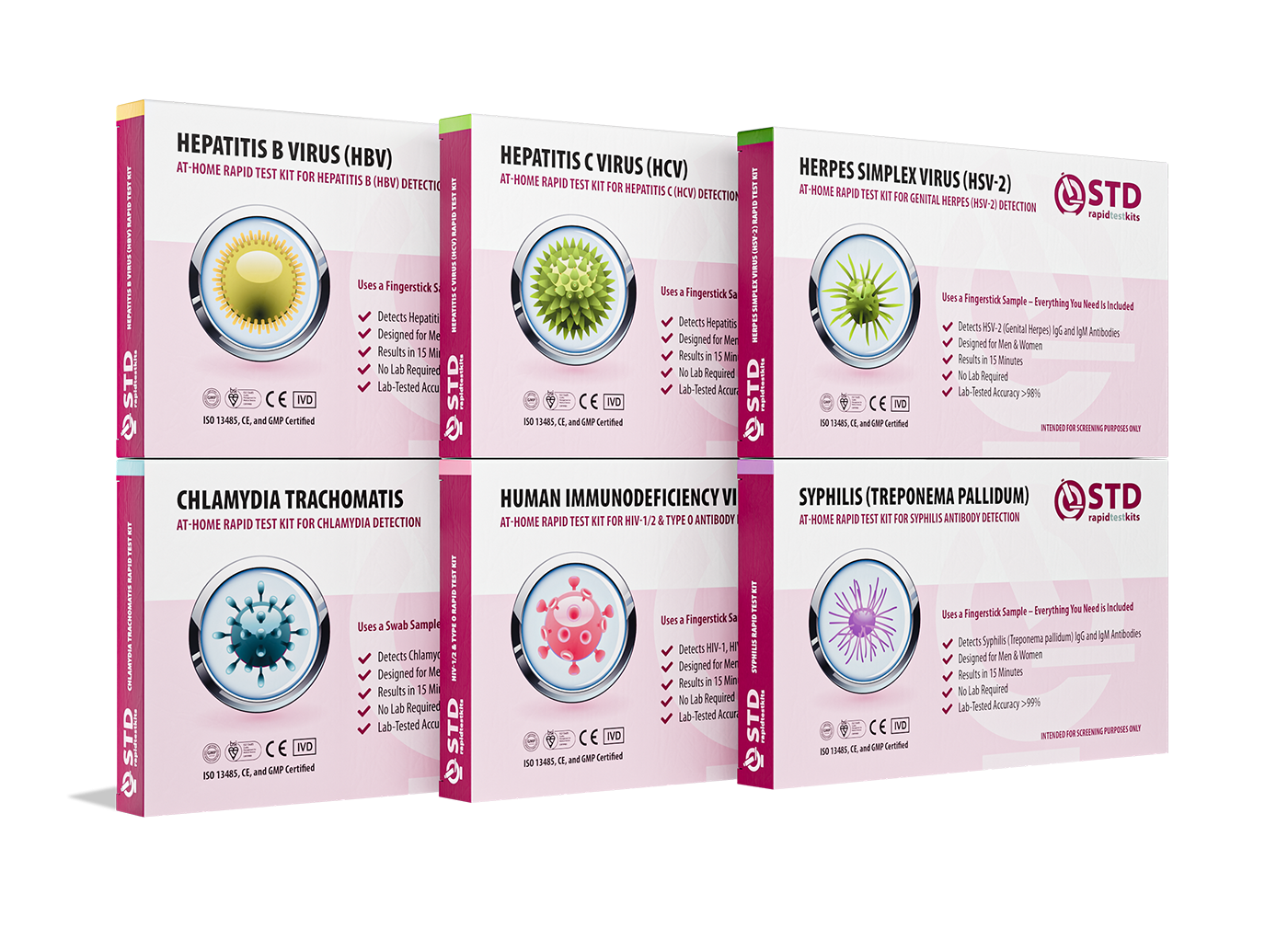
 For Men & Women
 Results in Minutes
 No Lab Needed
 Private & Discreet
For all 6 tests
Why the Myth Persists, And Why It Hurts
Let’s be real: blaming towels is easier than admitting you might have had contact you didn’t define as “sex.” Or that someone lied. Or that your partner cheated. Or that you were assaulted and haven’t processed it. Surface transmission gives people an emotional loophole, but that loophole can block real healing.
It’s also weaponized in relationships. People accuse their partners of cheating and don’t believe their story because “STDs don’t appear out of nowhere.” But sometimes they do, for example, trichomoniasis can remain in the body for months, even years, without symptoms. A partner might’ve been infected long ago and never knew.
This is especially true in people with penises, where trich often hides without any symptoms. That means someone can test negative, pass it to a new partner, and never realize they were a carrier. The result? Accusations, heartbreak, and shame spirals that could’ve been avoided with better awareness.
Understanding that towels aren’t the culprit doesn’t make the diagnosis easier, but it might make the emotional wreckage less brutal. Knowing the truth means you can move forward instead of falling apart.
Trichomoniasis Without Penetration: What Counts as “Sexual Contact”?
We need to talk about a tricky truth: trichomoniasis doesn’t require penetrative sex to spread. That’s part of what makes it so confusing. Skin-to-skin contact in the genital area, grinding, rubbing, or genital play without condoms, can be enough. Even mutual masturbation or dry sex, if fluids are exchanged or genitals touch, can pose a risk.
Kyle, 32, remembers a night with someone new. There was no sex, just touching. Clothes came off, there was some rubbing, some oral. A few weeks later, his partner told him they’d tested positive for trich. He got tested too. He was positive.
“I remember saying, ‘But we didn’t even sleep together.’ The nurse looked at me and said, ‘You don’t have to.’”
This is why “I didn’t have sex” doesn’t always protect you from trich. Our definitions of sex are shaped by culture, not biology. And trich doesn’t follow those rules.
Surface Survival: How Long Can Trich Live Outside the Body?
The data here is limited, but informative. Some early studies suggest that Trichomonas vaginalis can survive for up to 45 minutes on moist surfaces under laboratory conditions [PubMed]. That’s not nothing. But those are controlled environments with exact temperature and humidity levels. A folded towel in a gym bag or a sunlit sauna bench? Not even close.
In real life, the odds drop drastically. Dry environments, UV light, soap residues, and fluctuating temperatures all destroy the parasite quickly. That's why infection control agencies don’t even list towels as a transmission risk outside theoretical exceptions like contaminated medical equipment (which is sterilized anyway).
| Surface | Estimated Survival Time | Real-World Risk |
|---|---|---|
| Wet towel in sealed bag | 15–30 minutes | Very low |
| Dry towel exposed to air | Under 5 minutes | Negligible |
| Toilet seat | Seconds | None |
| Sauna bench (wood/plastic) | 1–2 minutes (if damp) | None to extremely low |
Table 2. Trichomonas surface survival estimates under typical conditions.
Can we ever say never? Not in science. But “almost never” is medically accurate here. If towels were a common source of infection, we’d see cluster outbreaks tied to gyms, spas, or laundromats. That doesn’t happen. The overwhelming evidence points to sexual transmission as the real cause in nearly every case.
Why It Feels Like a Yeast Infection (When It’s Not)
Many people with vaginas assume they have a yeast infection when symptoms hit. The itching, discharge, and irritation are dead ringers. That’s part of why trichomoniasis often goes untreated, especially when people use over-the-counter yeast treatments and think it’s resolved. It might feel better for a while, but the parasite is still there.
Some readers report burning after using towels in hotels or gyms, then self-diagnose a yeast infection, only to test positive for trich weeks later. This creates a false connection, blaming the towel instead of tracing back to sexual contact that didn’t “count” in their mind.
To be fair, the confusion is understandable. Trich symptoms can overlap with:
- Yeast infections (thick discharge, itching)
- Bacterial vaginosis (fishy smell, gray discharge)
- UTIs (burning, frequent urination)
But trich usually carries its own signature: frothy yellow-green discharge, pain during sex, and a raw or irritated feeling that doesn’t quite match yeast or BV. Still, lab testing is the only way to be sure.
When to Test, and Why Timing Matters
If you’re worried about trichomoniasis after a possible exposure, or after symptoms that came out of nowhere, it’s okay to test early. But timing can affect accuracy. The window period for trich is typically 5 to 28 days, with the most accurate results appearing around 2 to 3 weeks after exposure.
Test too soon, and you might get a false negative. Wait too long, and you might pass it to someone else without knowing. That’s why retesting matters, especially if your partner gets a positive result but you initially tested negative.
If you test positive, don’t panic. Trich is treatable, usually with one round of antibiotics like metronidazole or tinidazole. But make sure your partner gets treated too, or you’ll just ping-pong the infection back and forth.
If you're unsure when exposure happened, or if the timeline feels messy, here’s a general rule of thumb: test once at 2 weeks, and again at 4 weeks if symptoms persist or your partner tests positive later.
This is also where at-home rapid tests can help. Kits like our Trichomoniasis Rapid Test Kit let you check discreetly, quickly, and without judgment. If your head keeps spinning, peace of mind is one test away.
Case Recap: What Happened to Danya?
After both she and her boyfriend tested positive, Danya spiraled. She begged her clinic for answers. She obsessed over the towel theory. She tried to remember every surface, every shower, every seat she’d used.
Eventually, a compassionate provider sat her down and said: “This could’ve been in either of you for months without symptoms. You’re not dirty. You’re not to blame. And no, it probably wasn’t the towel.”
It took weeks, but the fog started to clear. They both got treated. They both got therapy. They stayed together. And they talked, openly, for the first time about sex, shame, and what care really looks like.
“It wasn’t the towel,” Danya says now. “It was the silence we were both living in.”
What Happens After a Positive Result
Testing positive for an STD, especially one you didn’t expect, can hit like a punch to the gut. If your first thought was, “I’m not that kind of person,” take a breath. You are exactly the kind of person this happens to: careful, curious, trying to understand. That makes you responsible, not reckless.
First, know this: trichomoniasis is completely curable. It’s treated with a prescription antibiotic, usually metronidazole or tinidazole. One dose can clear the infection in most people. But it only works if your partner gets treated too. Without that, you risk reinfection, fast.
Most clinics will provide a treatment plan and even help you notify partners. If you used an at-home test, follow the result with a telehealth appointment or in-person visit for confirmation and prescription. Many providers now offer virtual STD care, so you can get treatment without stepping into a clinic if privacy is a concern.
Don't delay. Even if you don’t have symptoms, untreated trich can cause complications like increased HIV risk, pelvic inflammatory disease, or pregnancy complications. But with treatment, it’s usually gone in days.
How to Talk to a Partner About It (Without Blame)
This might be the hardest part. Whether you’re in a new relationship or a long-term one, telling someone you have an STD can feel terrifying. Add in the confusion of “how did I get this without sex?” and the conversation gets messier.
Here’s what helps: stay factual. Let your partner know that trichomoniasis is common, curable, and often symptomless. Let them know you’re sharing this not to accuse, but to protect you both. Remind them you might’ve had it for months without knowing. That they might have it too. And that the only way forward is together.
Sabrina, 28, found out she had trich after a routine Pap smear. She was monogamous. Her boyfriend was stunned.
“I could tell he thought I cheated. But I hadn’t. I showed him CDC pages, I asked him to get tested. He was positive too. And we realized... maybe we’d both been walking around with it for years.”
STD conversations aren’t always easy. But they don’t have to end things. They can be a chance to build trust, not break it.

People are also reading: How to Read a Hep B Rapid Test
Reinfection and Retesting: Don’t Skip This Step
Even after treatment, you’re not totally done. About 1 in 5 people treated for trich get reinfected within 3 months [CDC]. That’s why the CDC recommends retesting about 3 weeks after finishing antibiotics, even if your symptoms went away.
This is especially important if you weren’t sure where the infection came from. If your partner didn’t test or you’re in an open relationship, that risk goes up. Reinfection doesn’t mean you did anything wrong. It just means you need to stay proactive.
That could mean retesting at home. You can order a discreet trichomoniasis test kit and check from the privacy of home. Fast, private, and stigma-free.
Cleaning Up: Do You Need to Disinfect Everything?
After a positive test, it’s common to want to deep clean everything. You might feel like your sheets, towels, and underwear are somehow “infected.” But here's the truth: regular laundry practices are enough. Trichomonas doesn't survive washing machines, especially with detergent and hot water.
There's no need to bleach your bathroom or throw out all your linens. Just wash towels and underwear in warm or hot water. If you're worried about reusing a gym or shared towel, don’t. But not because of trich. Just because fresh towels are better hygiene, period.
The best way to stay safe isn’t Lysol, it’s knowledge. Knowing how trich works, how it doesn’t, and when to test again.
Check Your STD Status in Minutes
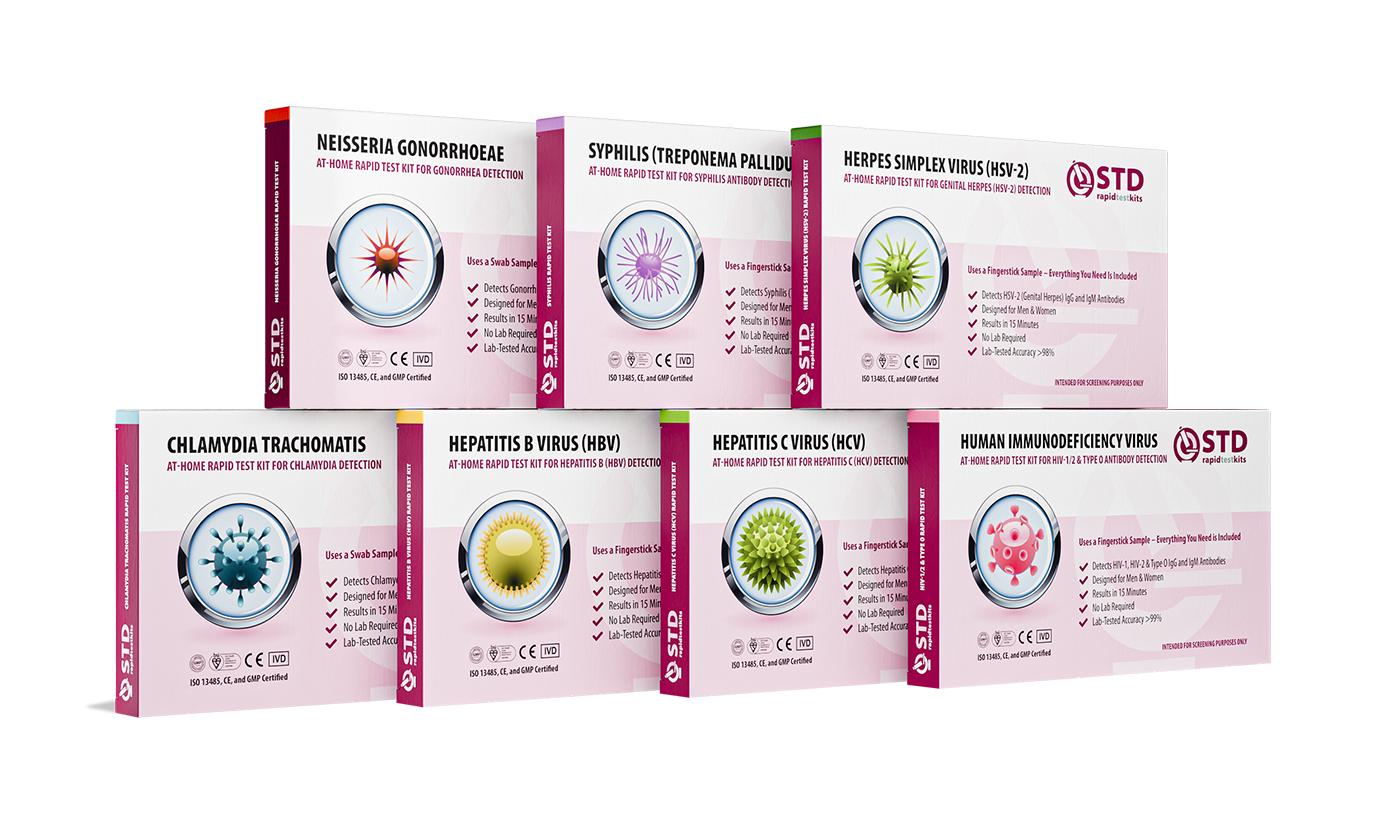
Test at Home with Remedium7-in-1 STD Test Kit
 For Men & WomenResults in MinutesNo Lab NeededPrivate & Discreet
Order Now $129.00 $343.00
For all 7 tests
Safer Sex Without the Shame
This is where we shift the conversation. Getting trichomoniasis doesn’t mean you were careless. But it’s a chance to re-evaluate what “safe sex” means for you. That might include using condoms during genital contact, even if there's no penetration. It might mean testing more regularly, especially with new partners or if symptoms show up.
Most importantly, it means giving yourself grace. You can protect your health and still be a sexual person. You can be responsible and still have missed something. Testing isn’t punishment, it’s protection. And it’s one of the most affirming things you can do for yourself and your partners.
If you’re ready to take that next step, STD Rapid Test Kits has you covered. No clinic visits. No awkward conversations. Just real answers, delivered discreetly.
Why We Keep Believing the Towel Lie
The towel myth is persistent because it gives us emotional cover. It helps us believe we didn’t break any rules, didn’t make any mistakes, didn’t lose control. It lets us avoid hard conversations, with ourselves, our partners, and sometimes, our pasts.
But here’s what’s more powerful: facing the truth. Understanding that infections don’t care about your shame. That trich is more common than you think. That being confused, afraid, or misinformed doesn’t make you weak. It makes you human.
So next time someone says, “Can you get trich from a towel?” you can say, “Probably not, but here’s what you should know.”
FAQs
1. Can you really catch trichomoniasis from a towel?
Look, it’s not totally impossible, but it’s as close to impossible as things get in medicine. Trichomonas needs moisture and warmth to survive, and the second it's on a dry towel in real-world conditions, it’s dying fast. If trich could be spread that way, we'd see outbreaks in gyms and spas. We don’t. So no, it’s almost certainly not the towel.
2. But what if I haven’t had “real” sex? That’s more common than people admit. Trich can spread through skin-to-skin contact down there, even without penetration. If genitals are rubbing, fluids are shared, or things get steamy in a way that involves friction and proximity, transmission is totally possible. We need to stop thinking of “sex” as just what porn defines it as. Your risk depends on contact, not technicalities.
3. Can trich live on toilet seats or in saunas? The short answer? No. The longer one? The parasite dies quickly when exposed to air, dryness, or hot temperatures. That sauna heat you’re worried about? It actually kills trich, not spreads it. Same with a dry toilet seat. You’re more likely to get burned by the seat than catch an STD from it.
4. So why did I test positive when I’ve been so careful? First, you’re not alone. Second, “careful” doesn’t mean immune. You might’ve had it for months without knowing, especially if you’ve ever had unprotected contact, even once. Or maybe your partner carried it without symptoms. This isn’t a betrayal of your morals. It’s just how sneaky infections work. They don’t check if you were being good. They just spread.
5. Is it possible I got it years ago? Yep. Trich can stay in the body for a long time without causing symptoms. Especially in men, where it often flies completely under the radar. So if you’re digging back through your entire relationship history trying to find “the moment,” stop. It could’ve been years ago. There might not be a clear culprit. And that's okay.
6. What does trich actually feel like? For some, it’s obvious, frothy, yellowish-green discharge, a funky smell, burning when you pee or have sex. For others, it’s dead silent. No symptoms. No hints. That's why it gets passed around so easily. If something feels off, don’t wait. Testing is quick and can clear things up fast, especially with at-home kits.
7. Can I treat it myself with yeast infection meds? Sorry, but nope. Trich needs a specific antibiotic, not an over-the-counter antifungal. Treating it like a yeast infection might make things feel better temporarily, but the parasite won’t go away, and you could accidentally pass it on. Get tested, get the right meds, and knock it out for good.
8. Should my partner get tested too? Absolutely. Even if they have no symptoms. Even if they’re convinced it “couldn’t be them.” If one of you has it, there’s a high chance both of you do. Treating just one person is like putting out half a fire and wondering why it keeps reigniting.
9. Do I need to test again after treatment? Yes, and this part matters. Retesting about three weeks after finishing antibiotics helps catch reinfection or treatment failure. You might feel better, but that doesn’t always mean you’re in the clear. Trich is curable, but only if you follow through all the way.
10. Can I test at home without dealing with a clinic? You sure can. A rapid at-home trich test gives you answers in minutes, with total privacy. No waiting rooms. No awkward nurse questions. Just clarity, and a next step you can take without shame. Order yours here if you’re ready.
You Deserve Answers, Not Assumptions
Trichomoniasis doesn’t make you dirty. It makes you human. Most people who get it didn’t think they were at risk, and many don’t know they have it until they pass it to someone else. Whether you’ve tested positive, feel symptoms, or just want peace of mind, you have options.
Don’t wait and wonder, get the clarity you deserve. This discreet trichomoniasis test kit gives you fast results and total control, without the shame or the wait.
How We Sourced This Article: We combined current guidance from leading medical organizations with peer-reviewed research and lived-experience reporting to make this guide practical, compassionate, and accurate.
Sources
1. CDC – Trichomoniasis Fact Sheet
2. World Health Organization – STI Fact Sheet
3. Planned Parenthood – Trichomoniasis Overview
4. Trichomoniasis - Symptoms & causes | Mayo Clinic
5. Trichomoniasis | World Health Organization
6. Trichomoniasis - STI Treatment Guidelines | CDC
8. Trichomoniasis - Symptoms, Treatment, & Prevention | Healthdirect
9. Trichomoniasis: Causes, Symptoms, Testing & Treatment | Cleveland Clinic
10. Diagnosis and Management of Trichomonas vaginalis | PMC
About the Author
Dr. F. David, MD is a board-certified infectious disease specialist who works on preventing, diagnosing, and treating STIs. He blends clinical precision with a no-nonsense, sex-positive approach and is committed to expanding access for readers in both urban and off-grid settings.
Reviewed by: K. Lewis, FNP | Last medically reviewed: December 2025
This article is only for informational purposes and should not be taken as medical advice.


