





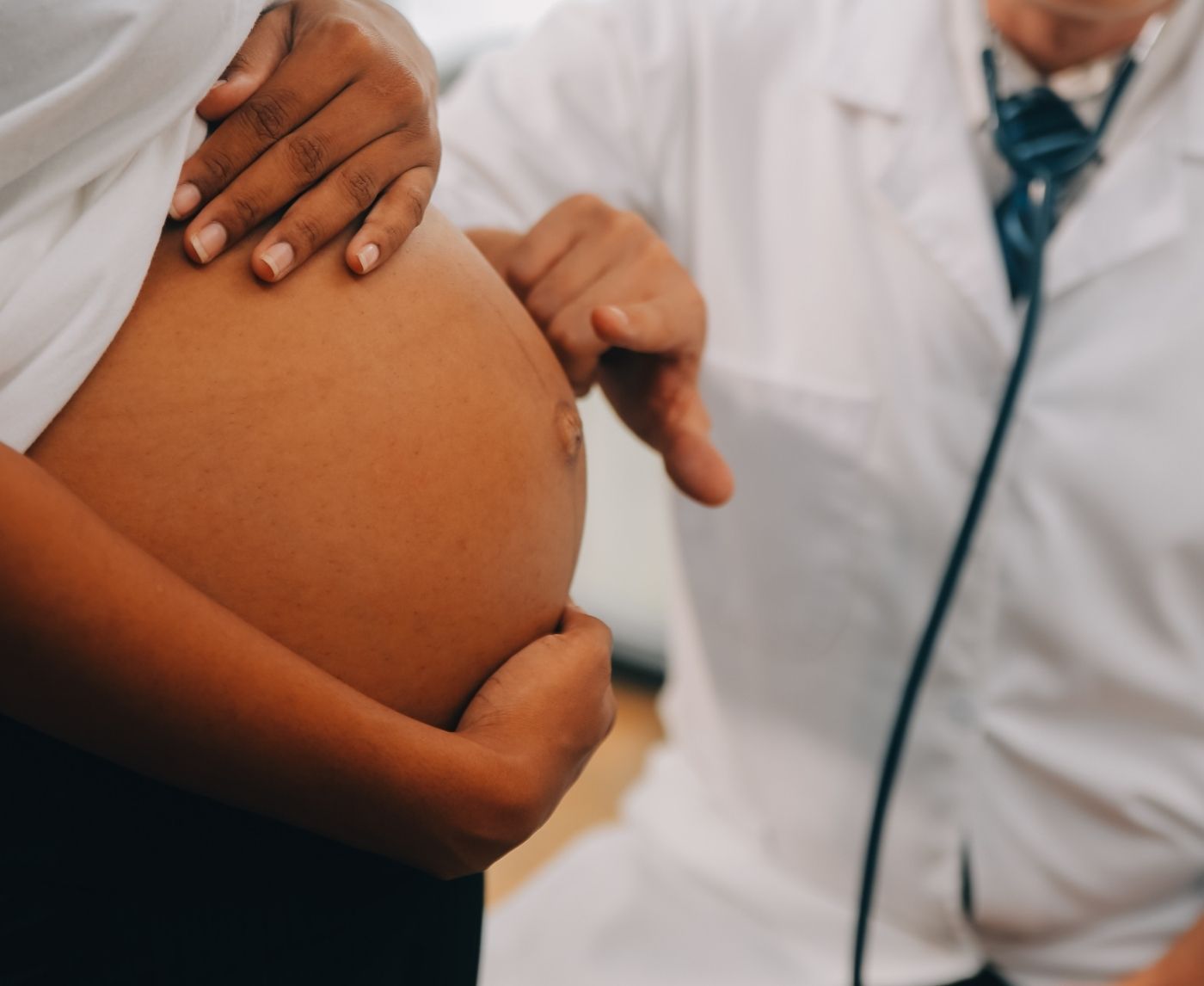

Quick Answer: Hepatitis B can be transmitted to your baby during birth, but timely treatment, like antivirals in pregnancy and a vaccine at birth, can reduce the risk to nearly zero. Most babies born to mothers with hepatitis B stay completely healthy.
This Isn’t Your Fault, And You’re Not Alone
One of the first emotions many pregnant people feel after a positive hepatitis B test isn’t fear, it’s shame. You might be asking yourself: “Did I do something wrong? Should I have known? Am I a risk to my baby?” These are deeply human questions. But here’s the clinical truth: millions of people carry hepatitis B worldwide, many without knowing. It’s often passed silently, sometimes from a parent at birth, sometimes from a partner, sometimes from a medical procedure years ago.
According to the Centers for Disease Control and Prevention (CDC), about 850,000 people are living with chronic hepatitis B in the U.S. alone, and globally, that number is closer to 296 million. Many of them live healthy lives, have children, and never experience symptoms. You are not “dirty.” You are not alone. You are just facing something you didn’t expect, at a time when everything already feels high-stakes.
This guide is here to calm the chaos. Whether you’re in your first trimester or already prepping your hospital bag, there are concrete, research-backed steps you can take to protect yourself and your baby. And it all starts with understanding what hepatitis B really means during pregnancy.

People are also reading: Faint Line on a Herpes Test? Here's Exactly What to Do Next
What Does Hepatitis B Do, And Why Pregnancy Changes the Game
Hepatitis B is a virus that affects the liver. When someone is infected, the virus can either clear from the body naturally (an acute infection) or stick around for life (a chronic infection). The concern during pregnancy isn’t just about your own liver, it’s about whether the virus could pass to your baby during delivery.
This is called vertical transmission, and it happens about 90% of the time in untreated infections if the delivering parent is highly contagious during delivery. But here's where it really counts: thanks to modern science, that risk is substantially less. If physicians perform the proper protocols for vaccine and treatment, then below 1% is the percentage of transmission.
This is why early detection is everything. If you tested positive during a prenatal panel, your provider can now build a protection plan: antiviral treatment for you (if needed), immediate vaccination and immune globulin for your baby, and follow-up care postpartum.
We also keep an eye on hepatitis B differently when someone is pregnant. Your doctor will probably look at your liver function and viral load (HBV DNA). If the virus is active or replicating quickly, you may be told to get treatment during the third trimester to lower the viral load before birth. This will make delivery safer for your baby.
Key Hepatitis B Milestones in Pregnancy
| Stage of Pregnancy | Recommended Action | Why It Matters |
|---|---|---|
| First Trimester | Initial hepatitis B screening (HBsAg) | Identifies infection early so care plan can begin |
| Second Trimester | Viral load testing (HBV DNA), liver panel | Determines if antiviral therapy is needed |
| Third Trimester | Antiviral treatment if high viral load | Reduces viral replication before labor |
| Delivery Room | Baby receives hep B vaccine + HBIG within 12 hours | Crucial step to prevent newborn infection |
| Postpartum (1–2 months) | Baby gets second vaccine dose; follow-up labs ordered | Ensures baby is responding to immunization |
Figure 1. This timeline shows how hepatitis B is managed throughout pregnancy to protect both parent and baby.
“I Felt Nothing. But I Still Tested Positive.”
Alina, 32, was six weeks pregnant when her OB called. “Your hepatitis B test came back positive.” She was shocked. “I’d been vaccinated years ago. I didn’t even know this was possible.” Her story isn’t rare. Some people don’t know they were ever exposed. Some were infected as infants and carried the virus silently for decades.
Alina’s follow-up testing showed a high viral load. She began antiviral medication in her third trimester.
“The meds made me anxious at first,” she said, “but knowing they protected my son made it worth it.”
After delivery, her baby received the hepatitis B vaccine and a special immune shot (HBIG) within two hours. “He’s now nine months old, healthy, and hepatitis B negative.”
Stories like Alina’s remind us that testing positive isn’t the end, it’s the beginning of a clear, science-backed path to protecting your child.
Check Your STD Status in Minutes
Test at Home with RemediumHepatitis B Test Kit
 For Men & Women
 Results in Minutes
 No Lab Needed
 Private & Discreet
Order Now $33.99 $49.00
Reading the Results Right (Because Misreads Happen)
Hepatitis B testing isn't always as straightforward as a yes-or-no answer. If your doctor told you that you “tested positive,” that could mean a few different things, and they don’t all have the same urgency or risk. Understanding the markers in your results can help you ask better questions and feel less overwhelmed at your next appointment.
The main screening test used in pregnancy is the HBsAg, the hepatitis B surface antigen. A positive HBsAg means you are currently infected and can pass the virus to others. But that’s just the start. Your doctor will also check:
- HBeAg: a marker of active viral replication. If this is positive, the virus is more infectious.
- HBV DNA (viral load): measures how much virus is in your blood.
- Liver enzymes (ALT/AST): shows whether your liver is being damaged by the virus.
These results, together, tell your care team whether you need treatment during pregnancy. Many people with hepatitis B don’t need immediate medication, especially if their liver is stable and their viral load is low. But if you’re HBeAg positive or have high HBV DNA levels, your provider may recommend antiviral therapy starting in the third trimester to protect your baby.
If you're not sure if your positive result was correct or if you got two lab reports that didn't agree, ask about confirmatory testing. A second set of labs, maybe with more markers, can help you understand your situation better. Labs can sometimes get a false positive, especially if you just got a vaccine or if there was a mix-up with the sample. Always ask for more information before making the worst possible assumptions.
| Marker | What It Means | Why It Matters in Pregnancy |
|---|---|---|
| HBsAg (Surface Antigen) | Current hepatitis B infection | Indicates you could pass the virus to your baby |
| HBeAg (e Antigen) | High viral replication and higher infectiousness | May mean antiviral treatment is recommended |
| HBV DNA | Viral load measurement | Guides treatment decisions and birth planning |
| Anti-HBs (Surface Antibody) | Protection due to past infection or vaccine | If present alone, usually means immunity, not active infection |
| ALT/AST | Liver enzyme levels | Monitors liver inflammation or damage |
Figure 2. These markers help your provider determine if treatment is needed during pregnancy and how to reduce risk to your baby.
Is Treatment Safe for the Baby?
One of the biggest questions pregnant parents ask after a hepatitis B diagnosis is: “Will the treatment hurt my baby?” The answer is reassuring: the main antiviral used, tenofovir disoproxil fumarate (TDF), has been extensively studied in pregnancy and is considered safe by both the CDC and the World Health Organization.
If your provider recommends treatment, it usually starts between 28 and 32 weeks gestation. The goal isn’t to “cure” the virus, it’s to lower the amount of hepatitis B virus circulating in your blood so there’s less risk of transmission during delivery. You’ll likely take the medication daily until birth, sometimes continuing postpartum if needed for your own health.
Still unsure? Ask your provider to walk you through the CDC guidelines on hepatitis B in pregnancy. You have the right to understand every step and every option. You are not just a vessel for birth, you’re a patient, a person, and a parent navigating a medical situation with real emotion and weight.
What Happens in the Delivery Room, and Why It’s Crucial
This part matters most: the first 12 hours of your baby’s life are the window of protection. As soon as your baby is born, they should receive:
- Hepatitis B vaccine: the first of a 3-dose series that teaches their immune system how to fight the virus.
- HBIG (hepatitis B immune globulin): gives them passive immunity by providing ready-made antibodies.
Together, these steps reduce the risk of infection by over 95%, even if your viral load was high at delivery. Timing is everything. These shots must be given within 12 hours, ideally within 2 hours, to be effective. If you’re birthing in a hospital, the staff should already be prepared. If you’re planning a home birth, birth center, or have limited access to care, make a plan now with your provider to ensure the vaccine and HBIG are ready and refrigerated properly.
This is not a “maybe” step, it’s the line between infection and protection. But once done, it’s also a massive sigh of relief. You’ve done your part. You’ve given your baby their first real shield in the world.

People are also reading: Can You Get HPV in a Monogamous Relationship? Here’s the Truth
Talking to Your Partner, Without Panic or Shame
Here’s where it gets emotionally complicated. You’ve tested positive for hepatitis B, and now you’re staring at your partner across the dinner table wondering how, or whether, to tell them. This moment can feel heavier than the diagnosis itself. What if they blame you? What if you don’t even know where you got it?
First: you are not required to have all the answers. What matters most is safety and transparency. Your partner should get tested, not because you're “dirty,” but because the virus can pass through sex, shared razors, or even past relationships you both forgot about. This is about care, not confession.
If you’re unsure how to start, here’s a script:
“I just found out I have hepatitis B. It came up during a routine pregnancy screen. I’m learning more about it, and I think you should get tested too. This doesn’t mean anyone did something wrong. It just means we need to protect each other and the baby.”
That’s it. You’re not obligated to explain your entire history. Keep the focus on forward steps, not backward blame. For partners with access barriers or privacy concerns, a discreet at-home combo STD test kit offers a judgment-free way to get clarity.
Can You Breastfeed If You Have Hepatitis B?
Yes, breastfeeding is considered safe for parents with hepatitis B, as long as the baby received the proper vaccine series and HBIG at birth. The virus is not spread through breast milk. The CDC and the World Health Organization both confirm that breast milk does not pose a transmission risk, even in cases of chronic infection.
The only exception? If your nipples are cracked and bleeding, you may want to temporarily pump and discard milk from that side until the skin heals. But even then, the risk remains low. Most doctors will encourage continued breastfeeding, because the benefits outweigh any minimal concern, especially when baby is properly immunized.
Still feeling unsure? That’s okay. Ask your pediatrician to walk through your baby’s vaccine response results (usually tested between 9–12 months) for added peace of mind. You’re allowed to ask questions without guilt.
Check Your STD Status in Minutes
Test at Home with RemediumHepatitis B & Hepatitis C Test Kit
 For Men & WomenResults in MinutesNo Lab NeededPrivate & Discreet
Order Now $49.00 $98.00
For all 2 tests
When to Retest, For You and Your Baby
Your testing journey doesn’t end at delivery. Postpartum is a critical window to monitor both your health and your baby’s immune response. Here’s what usually happens:
- For you: Your provider will recheck your HBV DNA and liver enzymes around 6–12 weeks after birth, especially if you were on antiviral therapy. If your viral load remains high or your liver shows inflammation, you may continue treatment or be referred to a liver specialist.
- For your baby: Around 9–12 months of age (or 1–2 months after the last vaccine dose), your baby will get a blood test to check for hepatitis B surface antibodies (anti-HBs) and to ensure they did not become infected.
If the results show immunity (anti-HBs positive and HBsAg negative), that means the vaccine worked and they’re protected. If immunity didn’t develop, they may need another round of the vaccine series, this is rare, but it’s manageable.
All of this may feel overwhelming now, but think of it like this: you’re giving your child a shield before they even know the danger exists. That’s the definition of proactive parenting.
Preventing Reinfection and Protecting Future Pregnancies
Once you know your status, you can take steps that make all future pregnancies, and partnerships, safer. Condoms, open testing with partners, and vaccination if your household contacts aren’t already protected all lower the odds of transmission. Hepatitis B is vaccine-preventable, so encourage your family and close contacts to get screened and vaccinated if they haven’t been.
Are you already thinking about having a second child? Good. You can make future pregnancies even easier with the information and tools you now have. Just make sure to tell your provider right away so they can keep an eye on things and do what needs to be done. Taking action isn't about being afraid; it's about having power.
If you’re on antiviral therapy and considering conceiving again, talk to your provider about when to pause or continue treatment. There’s no universal rule, it depends on your viral load, liver function, and personal medical history.
Your Mental Health Deserves Just as Much Care
We don’t talk enough about what it feels like to get a hepatitis B diagnosis while pregnant. It's more than a medical label. It can feel like a threat to your identity as a good parent, a safe partner, or a “clean” person. But let’s dismantle that garbage right here.
Infection is not a moral failure. You are not dirty. You are not irresponsible. You are someone who got unexpected news and is choosing to face it head-on for the sake of your child. That’s courageous. And you don’t have to do it alone.
If you're struggling with shame, confusion, or isolation, consider reaching out to a trauma-informed therapist, a doula with experience in infectious disease care, or even a local hepatitis support group. Many clinics now offer integrated mental health referrals alongside prenatal care. Don’t be afraid to ask. Your emotional wellbeing is not separate from your baby’s health, it’s woven into it.

People are also reading: Burning After Sex but No STD? It Could Be BV, Yeast, or Trich
FAQs
1. Can I really give hepatitis B to my baby?
You can, but that doesn’t mean you will. Most transmission happens during delivery, not during pregnancy itself. That’s why doctors act fast: giving your baby the hepatitis B vaccine and HBIG shot within 12 hours of birth can block the virus almost completely. You’ve got power here. Use it.
2. I’ve never had symptoms, how did I even get hepatitis B?
That’s more common than you think. Hepatitis B can live in your body silently for years, even decades. You could’ve picked it up from a partner, a medical procedure, or even birth. Don’t blame yourself for not knowing, it’s called a silent infection for a reason.
3. Is it safe to take medication for hepatitis B while I’m pregnant?
Yes, and it’s often recommended if your viral load is high. The go-to med is tenofovir, which has been studied in thousands of pregnancies and is considered safe. Think of it less like “treatment” and more like a safety measure, for your baby and your liver.
4. Do I need to change my birth plan?
Probably not. You don’t need a C-section just because you have hepatitis B. Vaginal birth is still safe when your baby gets the right shots after delivery. But let your provider know early, some hospitals need time to prep the vaccine and HBIG.
5. Will my baby be okay in the long run?
Almost always, yes. With proper care, the chance your baby gets infected drops below 1%. Most babies exposed to hepatitis B at birth grow up completely healthy. You’ll still do a follow-up blood test when your baby is 9–12 months old to confirm everything’s clear. That’s just part of the process.
6. Can I breastfeed?
You absolutely can, and should. Hepatitis B isn’t passed through breast milk. Even if you're chronically infected, as long as your baby got their vaccine and HBIG at birth, nursing is safe. If your nipples crack or bleed, just pump from that side until they heal. Easy fix.
7. Should my partner get tested too?
Yes, definitely. You don’t need drama, just clarity. Even if you don’t know how you got it, your partner deserves to know their own status. If they’re not already immune, they can get vaccinated. No accusations, no blame, just smart safety.
8. Do I have to tell every doctor I see that I have hep B?
No. Just your OB-GYN, your regular doc, and your baby’s pediatrician. They’re the ones coordinating care and making sure the right protocols happen at birth. Everyone else? Only if it’s medically relevant. This is your info, you control who gets it.
9. Will this affect future pregnancies?
Not if you’re prepared. Now that you know your status, future pregnancies can actually go more smoothly. You’ll already have a plan, a care team, and a sense of what to expect. Think of this as your parenting superpower, not your setback.
10. What if my baby doesn’t respond to the vaccine?
That’s rare, but it can happen. If so, your pediatrician might recommend revaccination. They'll do a simple blood test around 9–12 months to check if the vaccine “stuck.” If it didn’t, you’ve got options. No panic, just follow-up care.
You’re Doing the Right Thing, Even If It Feels Heavy
Testing positive for hepatitis B while pregnant can shake your world, but it doesn’t define you or your child’s future. You’ve already taken the hardest step: facing the diagnosis. Now you’re learning what to do, what questions to ask, and how to protect your baby. That is powerful. That is parenting.
Most babies born to parents with hepatitis B grow up completely healthy, because of parents like you who stay informed, ask for care, and speak up when it matters most. You’re not just managing a diagnosis. You’re building a safety net for your family’s future.
How We Sourced This Article: We combined current guidance from leading medical organizations with peer-reviewed research and lived-experience reporting to make this guide practical, compassionate, and accurate. In total, around fifteen references informed the writing; below, we’ve highlighted some of the most relevant and reader-friendly sources.
Sources
1. WHO – Hepatitis B Fact Sheet
2. Planned Parenthood – Understanding Hepatitis B
3. Hepatitis B Foundation – Patient Resources
4. CDC — Clinical Guidance for Perinatal Hepatitis B Testing
5. CDC — Hepatitis B Vaccine & HBIG Administration for Infants
6. CDC — Viral Hepatitis in STI Treatment Guidelines
About the Author
Dr. F. David, MD is a board-certified infectious disease specialist who works to stop, diagnose, and treat STIs. He combines clinical accuracy with a straightforward, sex-positive attitude and is dedicated to making his work available to more people, both in cities and in rural areas.
Reviewed by: A. Kingsley, MPH | Last medically reviewed: October 2025
This article is for informational purposes and does not replace medical advice.


