







Quick Answer: Chlamydia and UTIs share symptoms, especially in women. Burning, urgency, and pelvic pain can appear in both, but chlamydia often gets missed when STI testing isn’t done. Always test for STIs if a UTI test is negative or symptoms persist.
Why This Misdiagnosis Happens So Often
On paper, it seems simple: UTIs are caused by bacteria entering the urinary tract, usually E. coli. Chlamydia is caused by the bacterium Chlamydia trachomatis and spreads through vaginal, oral, or anal sex. But your body doesn’t care about that paperwork when it starts lighting up your urethra.
Both conditions can cause:
| Symptom | UTI | Chlamydia |
|---|---|---|
| Burning during urination | Yes | Yes |
| Increased urgency or frequency | Yes | Yes |
| Lower abdominal/pelvic pain | Yes | Yes |
| Fever/chills | Sometimes | Rare |
| Vaginal discharge | No | Sometimes |
| Positive urine culture | Yes | No |
Figure 1. Comparison of overlapping and unique symptoms in UTIs vs chlamydia infections. Note the shared signs that cause frequent confusion.
Without a culture or full panel, the guesswork begins. Many urgent care clinics don’t routinely test for STIs when a patient presents with urinary symptoms unless the patient specifically asks. And let’s be real, most patients don’t know they need to. They just want the burning to stop.
“But I’m Not High Risk”, Why That Doesn’t Matter
Another reason for the confusion? Women who don’t think they could possibly have an STI often don’t get screened for one. They may be in monogamous relationships, or not sexually active in the traditional sense. But chlamydia isn’t picky.
In fact, chlamydia is the most commonly reported STI in the U.S. for women under 25. According to the CDC’s 2023 STD Surveillance Report, over 1.6 million cases were reported in 2022, and many more likely went undetected. Delaware has consistently ranked in the top 10 for chlamydia prevalence per capita, yet many patients are still being handed antibiotics for a UTI that doesn’t exist.
Jenna, 29, shared: “I told my provider I hadn’t had a new partner in a year, so she ruled out STIs. But my ‘UTI’ didn’t respond to antibiotics. Two months later, I tested positive for chlamydia and had developed pelvic inflammatory disease.”
This kind of delayed diagnosis isn’t just frustrating, it can be dangerous. Untreated chlamydia can lead to PID (pelvic inflammatory disease), infertility, and chronic pelvic pain. And the longer it goes undiagnosed, the more likely it is to be passed to partners.

People are also reading: STD Diagnosis and Self-Worth: Why You Feel Broken, and How to Heal
Why Delaware Women Are Especially at Risk
Delaware’s unique combination of high STI rates and healthcare access challenges has created a perfect storm for diagnostic errors. While the state offers free and low-cost STD screening through public health clinics, many residents rely on urgent care or small private practices that don’t automatically screen for chlamydia unless symptoms are classic or patients specifically request it.
According to data from the Delaware Division of Public Health, chlamydia is often found incidentally during pap smears, prenatal labs, or fertility workups, not during the initial complaint of urinary discomfort. That delay can cost people months of misdiagnosis and worsening health.
In communities of color and lower-income regions of the state, those diagnostic gaps widen further due to stigma, lack of insurance, and minimal reproductive health education. These factors compound the already stealthy nature of chlamydia and increase the odds that it will go undiagnosed for months, sometimes even years.
If you’re in Delaware and experiencing symptoms that feel like a UTI but your test came back negative, or if symptoms linger after treatment, it’s time to consider an STI panel. You don’t need to wait for permission. You need clarity.
When a UTI Isn’t a UTI: Common Warning Signs
So how can you tell if your “UTI” is actually an STD like chlamydia? It’s not always obvious, but here are a few red flags that something else may be going on:
| Warning Sign | What It Could Mean |
|---|---|
| UTI symptoms with a negative urine culture | Possibly chlamydia, gonorrhea, or ureaplasma |
| Persistent burning despite antibiotics | Antibiotic-resistant UTI or undiagnosed STI |
| No vaginal discharge but still pain/urgency | Silent chlamydia infection |
| Low-grade pelvic ache after sex | STI-related inflammation |
| Multiple “UTIs” within a few months | Recurring undiagnosed STI |
Figure 2. Situations where chlamydia may be misdiagnosed as a UTI. These patterns are often missed in rushed appointments.
If you’ve checked any of these boxes, don’t wait for your symptoms to escalate. You deserve answers, not assumptions.
When the Test Is Negative, But You Still Feel It
Few things are more frustrating than feeling every classic symptom of a UTI, burning, urgency, low pelvic pressure, only to be told your urine is “totally normal.” For many women, that negative result doesn’t match the pain in their body. And they’re left wondering: is it all in my head?
It’s not. What’s often happening is that the infection isn’t in the bladder, it’s in the cervix or urethra, caused by an undiagnosed STD like chlamydia or gonorrhea. And if your provider doesn’t order a full STI panel, you may be sent home with the wrong antibiotics, or none at all.
Elise, 33, shared: “I tested negative for a UTI three times. I was in pain for weeks and started feeling like maybe I was overreacting. But finally a nurse practitioner ran an STI test. It came back positive for chlamydia. I felt angry, not just because I had it, but because I wasted so much time not treating it.”
This is exactly why STD Rapid Test Kits recommends testing for chlamydia if:
- Your UTI test is negative but symptoms persist
- You’ve had a new sexual partner in the past 3–6 months
- You’ve had multiple UTIs that don’t respond to treatment
- You feel dismissed by providers or rushed through appointments
You deserve to be treated with care, not guesswork. And if you can’t get answers at your clinic, at-home testing gives you a way to take control on your own terms.
Check Your STD Status in Minutes
Test at Home with Remedium3-in-1 STD Test Kit
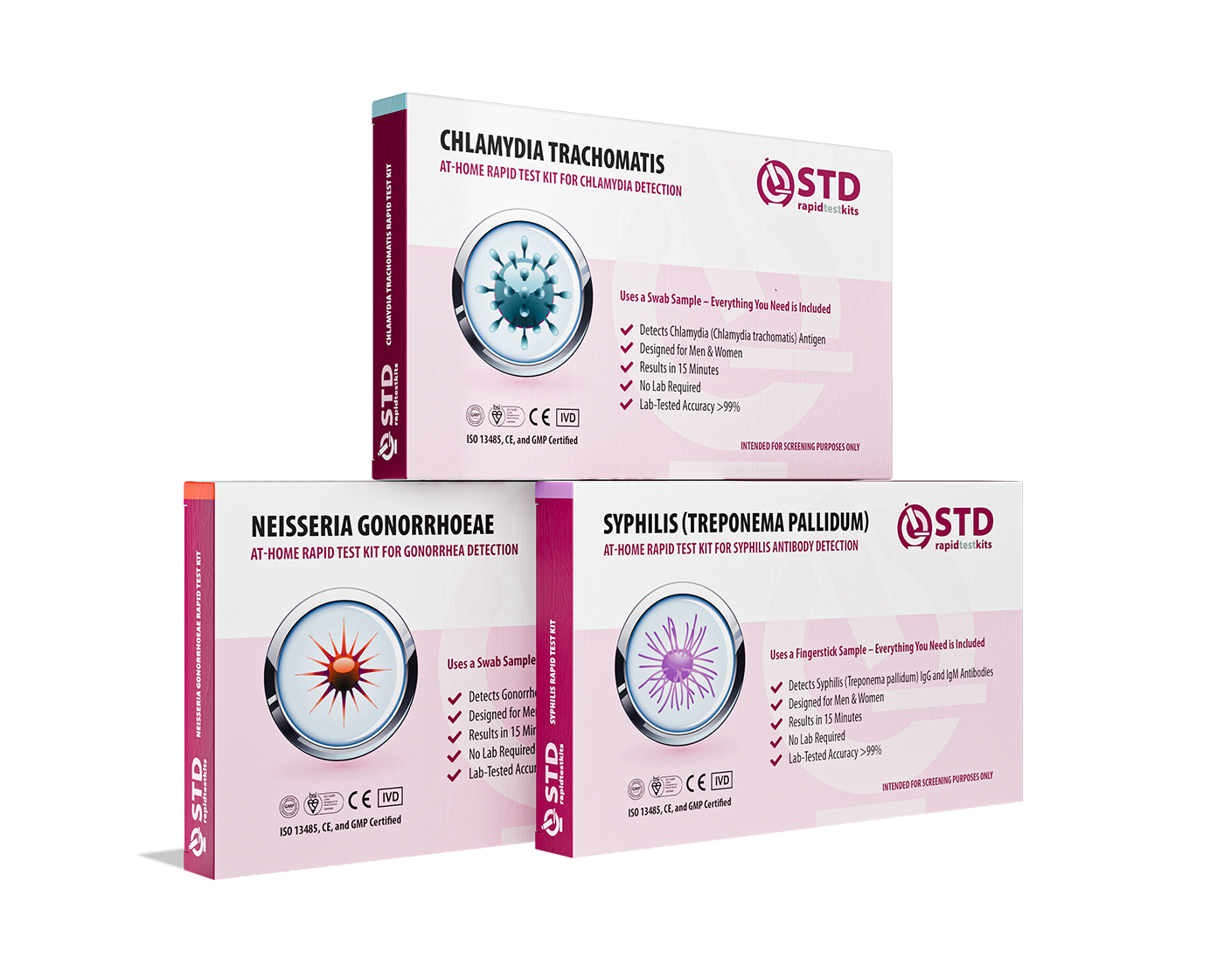
 For Men & Women
 Results in Minutes
 No Lab Needed
 Private & Discreet
Order Now $69.00 $147.00
For all 3 tests
Timing Is Everything: The Window Period Problem
One of the sneakiest things about STIs, especially chlamydia, is the delay between exposure and when tests can detect the infection. This is called the window period. During this time, you might have symptoms, but the test hasn’t “caught up” yet.
According to CDC guidelines, the window period for chlamydia is typically 7 to 14 days after exposure. If you test too soon, you might get a false negative, especially with rapid tests or partial urine samples.
This is why many providers recommend waiting 10 to 14 days after a potential exposure, or retesting if you got tested earlier and symptoms continue. If your test was negative but you still feel off, don't ignore your body. The timing might have been off, not your instincts.
If you’re unsure about when you may have been exposed, this Window Period Calculator can help you decide when to test and whether it’s time to retest.
At-Home vs. In-Clinic Testing: Which Is Right for You?
When you’re dealing with symptoms like burning and urgency, speed matters. So does privacy. Many people feel awkward asking their doctor for STI tests, especially when the conversation starts around what sounds like a UTI. That’s where at-home tests come in.
Here’s a breakdown of your main options, including how they work for chlamydia detection:
| Testing Method | Pros | Cons |
|---|---|---|
| At-Home Rapid Test | Private, fast results (minutes), no appointments | May need confirmatory testing; sample timing matters |
| Mail-In Lab Test | Lab-level accuracy, can test for multiple STDs | Results take 2–5 days after mailing; shipping delays possible |
| Clinic/Urgent Care | Can evaluate other causes; immediate antibiotics | Less privacy; may not test for STIs unless requested |
Figure 3. Chlamydia testing options compared for speed, privacy, and accuracy.
If you want fast clarity without dealing with appointments or judgment, an at-home option may be best. This Combo STD Test Kit checks for chlamydia, gonorrhea, and other common infections in one discreet package, so you don’t miss something serious while chasing a “UTI.”
Peace of mind is one test away.
How Delayed Diagnosis Affects Your Body and Relationships
When chlamydia goes untreated, the infection doesn’t just go away. It climbs higher into the reproductive tract and can cause scarring, infertility, or chronic pelvic pain, sometimes called PID (Pelvic Inflammatory Disease). The longer it sits unnoticed under the label of “recurrent UTI,” the more harm it can do.
Maria, 26, was told three separate times that she had UTIs. Each time, she got antibiotics. But they didn’t help. She was later diagnosed with PID and told she may have trouble conceiving in the future. She said: “If someone had just tested me properly the first time, I wouldn’t be facing this now.”
The impact isn’t just physical. Many people end up unintentionally passing chlamydia to their partners while assuming they’re dealing with a bladder infection. Others blame themselves, feel shame, or lose trust in their providers. It doesn’t have to be this way.
You have the right to ask for STI testing. You have the right to say, “This doesn’t feel like a UTI.” You have the right to take care of your health, even if it means pushing back on assumptions.
If something doesn’t feel right, trust your gut, and test for what might be hiding in plain sight.
What to Do If Your “UTI” Is Actually Chlamydia
Getting the call, or email, that your test came back positive for chlamydia can feel like a punch. Especially if you’ve spent days or weeks believing it was just another UTI. But here’s the truth: you’re not dirty, reckless, or alone. And this doesn’t define you.
The next step is straightforward: treatment. Chlamydia is one of the easiest STDs to cure. Most providers prescribe a 7-day course of doxycycline, or in some cases, a single dose of azithromycin. Treatment is free or low-cost at many clinics, including Planned Parenthood and state-run STD programs.
If you used an at-home chlamydia test kit, you can take that result to a telehealth provider for a prescription, or head to your local urgent care or clinic. But don’t delay. The longer chlamydia is left untreated, the higher the risk of complications.
After treatment, you’ll need to avoid sex for 7 days and ensure your partner(s) are also treated. If they’re not, you can pass it right back and start the cycle again.
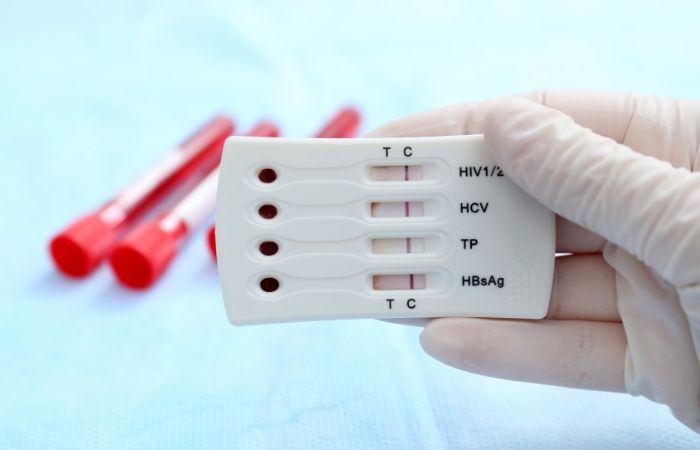
People are also reading: I Got Chlamydia from a Tinder Hookup, And Had No Symptoms
How to Retest After Treatment or Exposure
Even after treatment, testing again is a smart move. The CDC recommends retesting for chlamydia around 3 months after treatment, even if you feel fine. Why? Because reinfection is common, and many people are re-exposed without knowing it.
Here’s what you need to know about retesting timelines:
| Scenario | When to Retest |
|---|---|
| Treated with antibiotics, symptoms resolved | 3 months after treatment |
| Still have symptoms after treatment | 2–4 weeks (test-of-cure recommended) |
| Partner didn’t get treated | Recheck in 30 days |
| New sexual exposure | 14–21 days post-exposure |
| Pregnant | Test-of-cure 3–4 weeks after treatment |
Figure 4. Retesting guidance after a positive chlamydia diagnosis. These timelines help reduce false reassurance and reinfection.
At-home kits like the Combo STD Test Kit make retesting easy and discreet, especially if going to a clinic is a barrier for you. Set a reminder, mark your calendar, or do whatever you need to make sure retesting happens. It’s not paranoia, it’s protection.
Dealing With Shame, Blame, and “How Did This Happen?”
The emotional fallout of finding out your “UTI” was actually chlamydia can be complicated. For some, there’s embarrassment. For others, betrayal, especially if you believed you were in a monogamous relationship. You may wonder if you did something wrong, or feel furious that no one tested you earlier.
We need to say this clearly: None of this means you’re dirty, irresponsible, or broken. Chlamydia is common, treatable, and often silent. What’s not okay is the system failing to screen properly. You are not the failure here.
Imani, 22, told us:
“I was scared to tell my partner. I thought he’d call me a cheater. But it turned out he had no symptoms and tested positive too. We treated it together, and we’re stronger now because of it.”
Whether your partner is supportive or not, your health comes first. Testing is a form of care. Treatment is a form of empowerment. Shame has no place here.
And if you’re reading this after your fifth misdiagnosed “UTI”? It’s not too late. Every test is a chance to reclaim your power and protect your future.
Take Back Your Body, Quiet the Doubt
If this article made you pause and question whether that “simple UTI” might be something more, listen to that voice. It’s not panic, it’s your body asking for clarity.
You don’t have to rely on rushed appointments, awkward conversations, or assumptions. You can test for chlamydia at home, in your own time, with the same technology labs use. No judgment. No waiting room. Just answers.
And if the test is positive? You’ll know what to do. Treatment is simple. Recovery is quick. What matters is catching it now, before it catches up with you.
Check Your STD Status in Minutes
Test at Home with RemediumChlamydia Test Kit
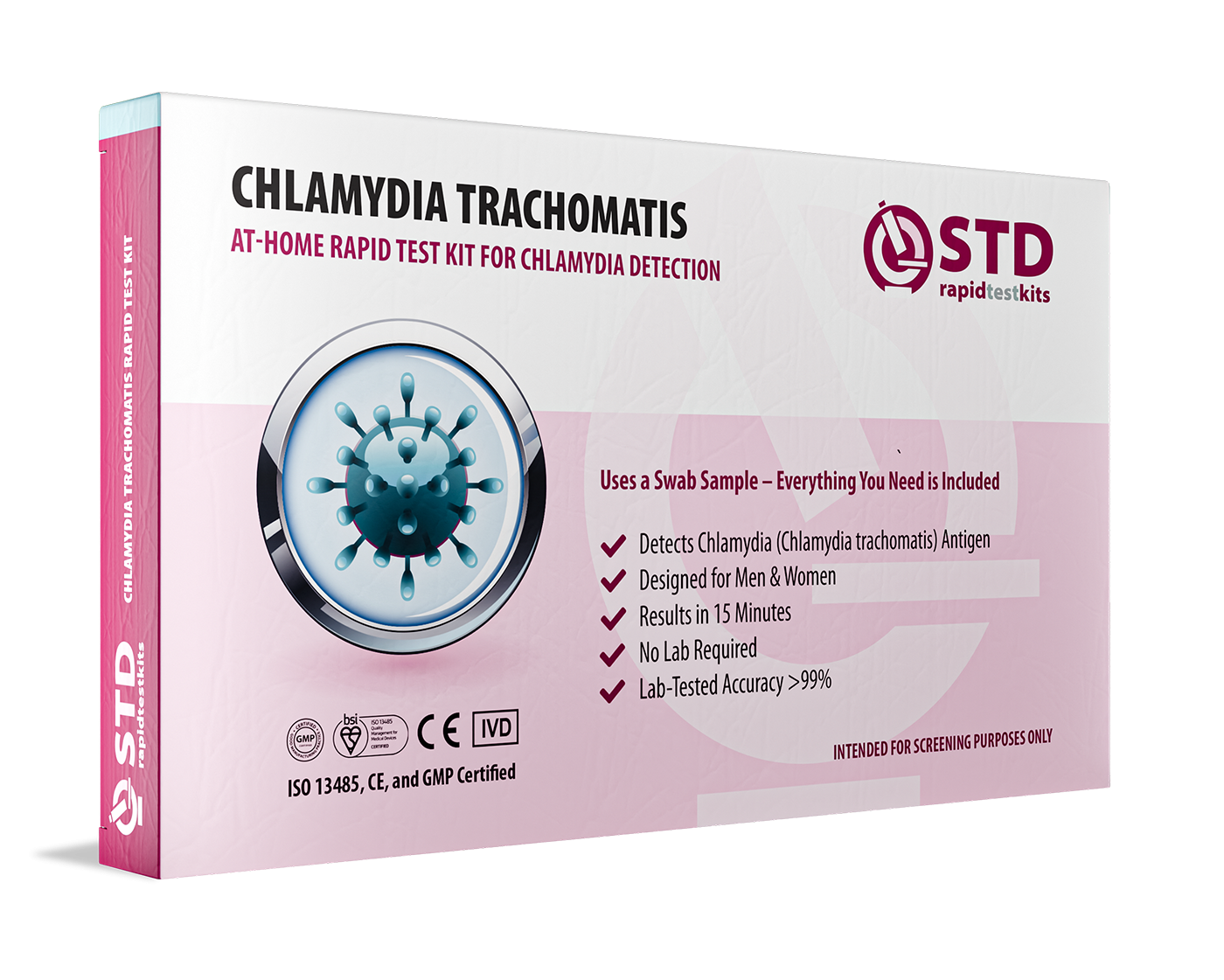 For Men & WomenResults in MinutesNo Lab NeededPrivate & Discreet
Order Now $33.99 $49.00
FAQs
1. Can chlamydia really feel like a UTI?
Unfortunately, yes, and that’s exactly why so many women get misdiagnosed. Burning when you pee, cramping low in your belly, that awful gotta-go-now urgency? Those are classic UTI signs… and chlamydia ones. If you're getting treated for a UTI but the pain sticks around, it might be time to look deeper.
2. Why did my doctor say I had a UTI when it was actually an STD?
It usually comes down to symptom overlap and rushed protocols. A lot of clinics don’t automatically test for STDs unless you ask, especially if you’re not showing discharge or other “typical” STI symptoms. That’s a problem. Chlamydia doesn’t always play by the book, and if they don’t run the right test, they can miss it completely.
3. How soon after sex can I test for chlamydia?
The sweet spot is about 10 to 14 days post-exposure. Any sooner and your test might not pick it up yet, even if you’re already infected. So if you jumped the gun and tested at day 3, don’t panic… but do retest later to be sure. Especially if your symptoms won’t quit.
4. Do I really need to test if I’ve only had one partner?
Yes. Monogamy isn’t a force field. Even in committed relationships, STIs can still show up, sometimes from a past partner, sometimes from a situation that wasn't as exclusive as you thought. Testing isn’t about blame. It’s about taking care of your body, period.
5. Can I take an STD test at home without anyone knowing?
Absolutely. That’s the whole point of at-home testing, it’s private, discreet, and doesn’t require explaining anything to a receptionist with a loud voice. You pee in a cup or use a swab, send it off (or read it at home if it's a rapid kit), and get answers. No judgment, no clinic drama.
6. Is it possible to have both a UTI and chlamydia at the same time?
Totally. In fact, some folks get one and then the other shortly after. Just because one infection shows up doesn’t mean you’re off the hook for the other. That’s why a combo test can be a lifesaver, it catches what might otherwise slip through the cracks.
7. I keep getting “UTIs” but they never show bacteria. What gives?
That’s a huge red flag for misdiagnosed chlamydia. If your culture comes back clean but you’re still burning, still peeing every five minutes, and nothing seems to help, please, test for STIs. A lot of people waste months chasing phantom UTIs when it was chlamydia all along.
8. Will the antibiotics I took for a UTI cure chlamydia too?
Maybe, but don’t count on it. Some UTI meds overlap with STI treatment, but often the dosage or type is wrong for fully clearing chlamydia. That means you could suppress it just enough for symptoms to fade, then it flares back up or causes long-term damage. If you're not 100% sure, test and treat the right way.
9. How do I tell my partner I tested positive?
Deep breath. This doesn’t mean you're “gross” or did something wrong. Try saying, “Hey, I just found out I tested positive for chlamydia, and I want to make sure you’re okay too. It's treatable, and I wanted to tell you directly.” If that feels like too much, use anonymous partner notification services through public health departments. Your health, and theirs, comes first.
10. What happens if I don’t treat chlamydia?
Short term, you might feel better and think it's gone. Long term? Not so kind. Untreated chlamydia can lead to pelvic inflammatory disease (PID), infertility, and chronic pain that can haunt you for years. Even worse, it keeps spreading silently to others. Treatment is easy. Ignoring it is not.
You Deserve Answers, Not Assumptions
If you’ve ever walked out of a clinic with UTI meds but still felt uneasy, still burned when you peed, or just knew something wasn’t right, you’re not alone. Thousands of women, especially in states like Delaware, are silently battling misdiagnosed chlamydia every year.
The good news? You don’t have to guess anymore. You can take charge of your health, in private, with no appointments or lectures. Just real answers.
Don’t wait and wonder, get the clarity you deserve. This at-home combo test kit checks for the most common STDs discreetly and quickly.
How We Sourced This Article: We combined current guidance from leading medical organizations with peer-reviewed research and lived-experience reporting to make this guide practical, compassionate, and accurate. In total, around fifteen references informed the writing; below, we’ve highlighted some of the most relevant and reader-friendly sources.
Sources
1. Planned Parenthood – Chlamydia Info
2. Urinary Tract Infection Basics — CDC
3. Sexually Transmitted Infections Treatment Guidelines, 2021 — MMWR
5. Urethritis — StatPearls (NIH Bookshelf)
About the Author
Dr. F. David, MD is a board-certified infectious disease specialist who works to stop, diagnose, and treat STIs. He combines clinical accuracy with a straightforward, sex-positive approach and is dedicated to making his work more accessible to readers in both cities and rural areas..
Reviewed by: J. Ramirez, MPH | Last medically reviewed: November 2025
This article is for informational purposes and does not replace medical advice.


