






Quick Answer: The ideal time to test for syphilis after giving or receiving oral sex is between 3 and 6 weeks after the encounter. Testing earlier can miss the infection. If you tested early, retest at 6–12 weeks to confirm.
Why “Just Oral” Isn’t Safe
We tend to think of oral sex as a “low-risk” activity. And while it’s lower-risk than unprotected vaginal or anal sex for some STDs, syphilis doesn’t play by the same rules. It spreads through skin-to-skin and mucosal contact with an infected sore, even one you can’t see.
Giving oral? If your partner has a chancre (syphilitic sore) on their genitals, you can get infected through your lips, tongue, or throat.
Receiving oral? If your partner has a sore in their mouth, or even in the back of their throat, you can be exposed through your penis, vulva, or anus.
This means that the moment someone says “it was just oral,” the real follow-up should be: “Okay, but do you know their status, and yours?”
According to the CDC, syphilis is increasing sharply in oral-only exposure cases, especially among MSM (men who have sex with men), though it affects all groups.
People are also reading: Painless Genital Sores: Could It Be Syphilis, Herpes, or Something Else?
The First 0–3 Weeks: Why Testing Too Early Can Backfire
The hardest part of exposure is the early window, especially when nothing happens. You might feel fine. No symptoms, no sore, maybe just anxiety. Or maybe you do notice something: a scratchy throat, a swollen lymph node, a tiny ulcer on your gumline. Is it syphilis, or just coincidence?
Here’s what’s happening in your body during those first few weeks:
- Day 1–10: The bacteria Treponema pallidum begins replicating near the contact point, mouth, throat, or genitals.
- Day 10–21: A sore (chancre) may begin to form, often painless and unnoticed.
- Day 21–42: Antibodies build up and become detectable on most syphilis tests.
If you test before antibodies form, your result could be falsely negative. That’s why early testing can offer false reassurance.
Warning: A negative test before 3 weeks doesn’t rule out infection. If you’re testing that early, you must plan a retest, especially if symptoms appear later.
What If You Have Symptoms in the First 3 Weeks?
Let’s say you develop something odd:
- A sore throat that won’t go away
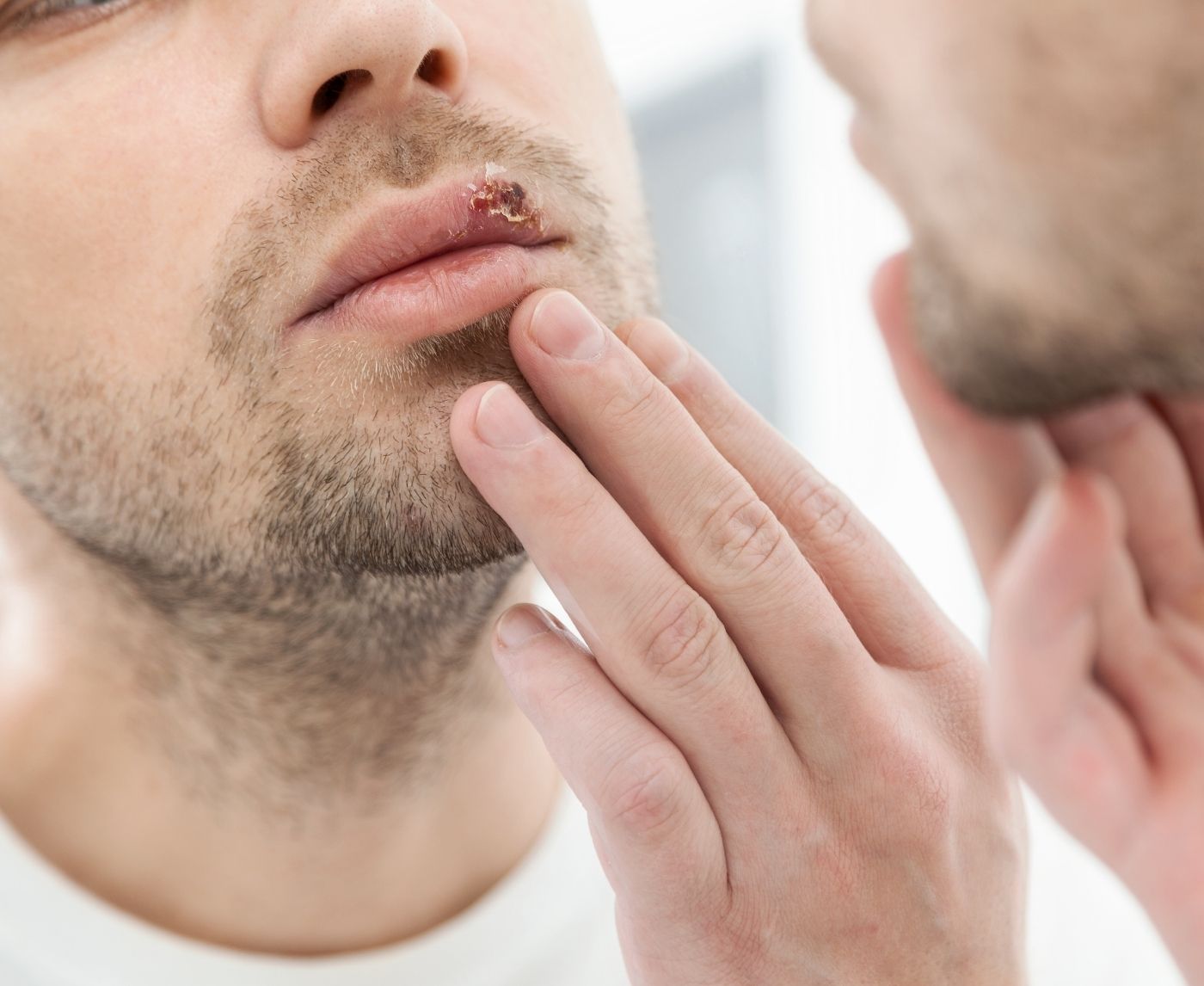
- A painless ulcer on your tonsil
- A single blister on your lip or gum
- Swollen neck glands with no cold symptoms
These could all be signs of primary syphilis in the mouth. But here’s the twist, many healthcare providers misdiagnose it as strep, herpes, or even acid reflux. Why? Because they don’t expect oral syphilis.
If you suspect an exposure and develop symptoms, even mild ones, within 2–3 weeks, it’s reasonable to get tested, but don’t stop there. Plan for a second test around week 6 for accuracy.
Is It Better to Wait Until 6 Weeks?
If you can manage the anxiety, yes. Testing between weeks 4 and 6 after exposure gives your body time to produce detectable antibodies. Most rapid tests and lab-based RPR (Rapid Plasma Reagin) or VDRL tests will catch it by then. Some people seroconvert a little later, which is why retesting at week 12 is smart if symptoms persist or if you’re high-risk.
Testing at 3 points is ideal if you’re unsure:
| Testing Time | Purpose |
|---|---|
| Week 3 | Early detection if symptoms appear |
| Week 6 | Main detection window for most people |
| Week 12 | Final retest if symptoms unclear or early test was negative |
Still worried? You’re not alone. In the next part, we’ll break down exactly what different types of tests can (and can’t) show you.
What Testing After 3–12 Weeks Can Actually Tell You
So you've waited. Three weeks, maybe longer. Whether you're showing symptoms or not, this is when syphilis tests begin to offer real answers. But what test should you take? How accurate are they? Can you rely on a single result?
This part dives into test types, window periods, accuracy, and retesting logic, everything you need to make sense of what’s going on inside your body after an oral exposure.
Not All Tests are Created Equal
There are many ways to test for syphilis, but not all of them are easy to get or accurate at all stages of the disease. The two most common types of tests are:
- Non-treponemal tests like RPR (Rapid Plasma Reagin) and VDRL look for antibodies that your body makes in response to the infection, not the bacteria itself. Because other infections or conditions can affect them, they are often used as screening tests.
- TPPA, FTA-ABS, and EIA are treponemal tests that look for antibodies that are specific to Treponema pallidum. You may always test positive on a treponemal test, even after treatment.
Most at-home tests use a quick treponemal method, but lab mail-in kits often use both types.
| Test Type | Detection Time | Best Use |
|---|---|---|
| RPR / VDRL | 3–6 weeks after exposure | Initial screening at clinics |
| TPPA / EIA | 3–6 weeks (long-term marker) | Confirmatory testing |
| Rapid Syphilis Test (at-home) | 4–6 weeks | Fast, private screening (follow-up needed if positive) |
Figure 3. Different kinds of syphilis tests and how long they take to find an infection.
Timing It Right: The 3–12 Week Testing Arc
Let’s break the testing window down into specific stages and what you can expect at each.
3–4 Weeks Post Exposure
This is the earliest recommended window for initial screening. If you’re high-risk or symptomatic, get tested now, but don’t consider this result final. False negatives are still possible.
6 Weeks Post Exposure
This is the sweet spot for most accurate detection. Whether you’re testing at home or in a clinic, 6 weeks gives your immune system time to build detectable antibodies.
12 Weeks Post Exposure
This is your final confirmation point. If you’ve had no symptoms and tested negative at 12 weeks, you can typically rule out syphilis unless you’ve had new exposures since.
Expert Tip: People with HIV or compromised immune systems may develop antibodies more slowly. Retesting at 12 weeks is crucial in these cases.
Check Your STD Status in Minutes
Test at Home with RemediumSyphilis Test Kit
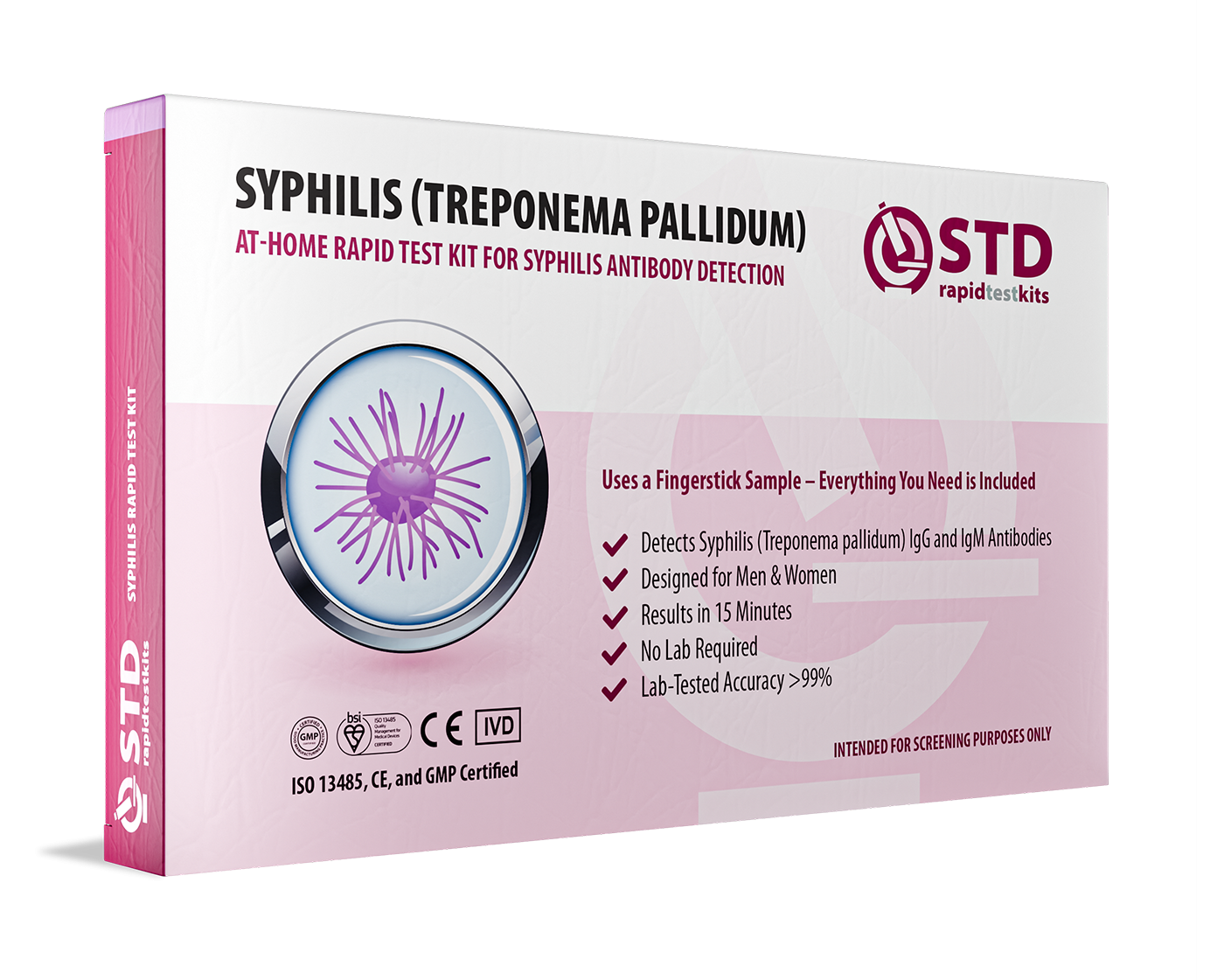
 For Men & Women
 Results in Minutes
 No Lab Needed
 Private & Discreet
Order Now $33.99 $49.00
What About Oral-Only Exposure with No Symptoms?
This is where many people get confused. If you gave oral and never saw a sore or felt sick, should you still test?
The answer: yes, if your partner’s status was unknown or if they test positive later. Many syphilis infections remain asymptomatic for weeks, especially oral ones. You could be contagious without ever realizing you were infected.
If you test negative at 6 weeks and haven’t had new exposures, that’s a great sign. But for peace of mind, a final test at 12 weeks makes the picture complete.
When Negative Doesn’t Mean “Safe Forever”
Testing negative is relief, but remember, it’s only a snapshot of your status up to that point. Syphilis (and other STDs) don’t offer immunity. You can get re-infected anytime.
So even if this exposure turns out clean, consider adding syphilis to your routine STD panel every 3–6 months if you're sexually active with new or multiple partners.
Oral Exposure Scenarios, Testing Options, and Retesting Paths
By now, you understand why timing matters, and how early testing can give false peace of mind. But real life doesn’t always follow a timeline. Sometimes your partner discloses something after the fact. Sometimes a sore shows up late. Sometimes, you just have a gut feeling.
Let’s say you had one of the following experiences. Should you test?
| Scenario | Testing Recommendation |
|---|---|
| Gave unprotected oral to a partner of unknown status | Yes. Test at 3–6 weeks, retest at 12 weeks. |
| Partner disclosed syphilis diagnosis after oral sex | Test immediately and again at 6–12 weeks. |
| You noticed a sore in their genitals or mouth | Test ASAP and follow up at 6 weeks. |
| You received oral from a partner with mouth sores | Test at 4–6 weeks even if no symptoms. |
| Kissed someone with cracked lips or oral lesions | Optional testing if symptoms arise; not high risk, but possible. |
Even if you’re asymptomatic, oral-to-genital and oral-to-oral transmission are both well documented. The CDC and ASHA note that increasing cases of oral syphilis are due to a lack of protection during oral sex and misunderstanding of risk.
At-Home Testing vs Clinic Testing: What’s Best?
More people than ever are choosing to test from home. But is it reliable? And what should you expect?
At-Home Rapid Tests
These are typically lateral flow tests that use a fingerstick blood sample. They look for antibodies specific to T. pallidum, giving results in 10–20 minutes. They're best used after 6 weeks and may need confirmation at a lab if positive.
Mail-In Tests
These use dried blood spot cards or small vials collected at home and shipped to a lab. They often combine both treponemal and non-treponemal testing. Results come in 2–5 days and are generally more reliable than instant tests.
Clinic Testing
The gold standard. A trained clinician will order both screening and confirmatory tests. Results usually return in 1–3 business days. Clinics also offer treatment immediately if you test positive.
People are also reading: What a Telehealth Visit Won’t Tell You About Your STD Risk
Retesting Paths: What If You’re Still Not Sure?
If you test negative after exposure but still feel uneasy, you're not being paranoid, you're being cautious. Retesting isn't a failure of the first test, it's a smart move based on how syphilis behaves in the body.
Here’s how to build a simple retesting plan:
- Initial test: 3–4 weeks (optional, especially if symptoms arise)
- Second test: 6–8 weeks (main result)
- Final test: 12 weeks (confirmatory)
If all three tests are negative and you’ve had no new exposures, you’re in the clear.
Still worried? You might want to get tested for other STDs, such as chlamydia, gonorrhea, or HIV. When someone has syphilis, they are often also exposed to other infections, especially during oral sex.
What Happens If You’re Positive (or Still Worried)
Maybe you tested and the result came back positive. Maybe your partner did. Or maybe you're still wrestling with the anxiety even after multiple negative tests. This final section explains what happens after a positive test, how treatment works, and what to do if the fear just won’t go away, even with a clean bill of health.
First: take a breath. Syphilis is curable, with one of the simplest treatments available. The key is acting quickly.
Step 1: Confirm the Result
If you tested at home, follow up with a clinic or provider to confirm. Clinics usually run a non-treponemal test (RPR or VDRL) plus a confirmatory treponemal test (TPPA, EIA, etc.). A confirmed positive is not the end of the world, it’s the beginning of treatment and resolution.
Step 2: Get Treatment
Early syphilis is typically treated with a single injection of benzathine penicillin G (2.4 million units). This is enough to clear the infection in early stages. For late latent or unknown duration syphilis, three doses over three weeks may be needed. If you’re allergic to penicillin, alternatives like doxycycline may be used, but consult a specialist, especially if pregnant or immunocompromised.
Step 3: Notify Recent Partners
You should let anyone you've had oral, vaginal, or anal contact with in the last three to six months (depending on when you might have been exposed) know. They might need to be tested and treated even if they don't have any symptoms. You can do this directly or through services like Don't Spread It or STDcheck partner alerts, which keep your identity a secret.
Check Your STD Status in Minutes
Test at Home with Remedium6-in-1 STD Test Kit
 For Men & WomenResults in MinutesNo Lab NeededPrivate & Discreet
Order Now $119.00 $294.00
For all 6 tests
Can You Still Have Sex After a Positive Syphilis Test?
You shouldn't have any sexual contact until a doctor gives you the all-clear, which is usually 7 to 14 days after you finish treatment. The bacteria may still be able to spread even if the symptoms go away during the early stages of healing. A follow-up test is often suggested after 3 to 6 months to make sure the cure worked.
Using condoms or other barriers during oral sex lowers the risk, but it doesn't get rid of it completely. There are places where syphilis sores can happen that a condom or dam doesn't cover.
Still Worried Even After a Negative Test?
There is real anxiety about STDs and trauma around sexual health. It's not crazy to feel panic even after testing negative several times. It's not just the infection for a lot of people; it's about trust, safety, and having control over their own bodies. Think about these things:
- Put repeat tests on a calendar and stick to it. This will help you stay organized and in charge.
- Use professional resources, such as talking to sexual health nurses online or going to a local testing center.
- If trauma testing, compulsive checking, or intrusive thoughts are hurting your mental health, talk to a therapist.
And don't forget: sexual health is health care. It's not just about not getting sick when you test. It's about figuring out how to take care of yourself in a system that doesn't always teach you how.
People are also reading: STD Stigma in Small Towns: Why Silence Feels Safer
FAQs
1. Can I actually get syphilis from oral sex?
Yes, giving or receiving. If your mouth comes into contact with a syphilitic sore (even one you can’t see), you can absolutely get infected. People tend to underestimate oral sex risk, but syphilis doesn’t care where the skin-to-skin contact happens. Lips, tongue, genitals, it's all fair game for Treponema pallidum.
2. I gave a quick BJ, do I really need to test?
If it was unprotected and you don’t know their status, testing is smart. It doesn’t matter if it was “just a few seconds” or if they seemed clean. Syphilis can be transmitted even without visible sores. It’s not about shame, it’s about clarity.
3. I feel fine. Should I still get tested?
Definitely. Most people with oral syphilis don’t feel a thing, no sore, no fever, no clue. That’s what makes it dangerous. The infection can still move into your bloodstream even if you look and feel perfectly healthy. Silent doesn’t mean safe.
4. What does syphilis in the mouth even look like?
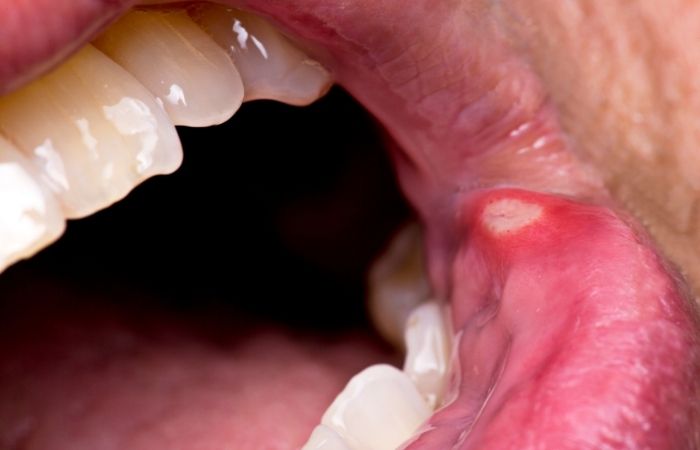
Usually a single, round sore that doesn’t hurt. It might look like a cold sore, canker sore, or just a weird patch of skin on your tongue or tonsil. Some people mistake it for a shaving cut or irritation from brushing. If it doesn’t heal in a week or two, get checked.
5. I tested negative at 2 weeks. Am I good?
Not yet. Two weeks is usually too early, your body probably hasn’t made enough antibodies to show up on a test. The best time to test is around 6 weeks after oral sex, with a retest at 12 weeks if you’re still unsure. Think of early testing as a “pre-check,” not a green light.
6. Can I kiss someone and get syphilis?
It’s rare, but possible. Deep kissing with someone who has an oral sore can transmit syphilis, especially if you have any cuts, cracked lips, or gum irritation. A peck on the cheek? You’re probably fine. But if it was make-out central, and they’ve tested positive, you should too.
7. My partner tested positive. I tested negative. Now what?
Start by breathing. If it’s been less than 6 weeks since exposure, your body might not be showing it yet. Get tested again around week 6 and 12. And don’t assume you’re in the clear just because your first test says so, syphilis has a way of hiding before it hits.
8. Is syphilis curable?
Absolutely. A single shot of penicillin (in early stages) usually clears it right up. Later stages may need more, but it’s still completely treatable. What’s not curable? The anxiety of not knowing. That’s why testing is a form of self-respect.
9. Do I have to tell partners if I test positive?
Yes, and it’s not just a moral thing. It’s a public health one. Anyone you’ve had sex with in the last few months could be infected and not know it. Telling them gives them a shot at early treatment. If it feels too hard to say out loud, use an anonymous notification tool, there are great ones out there.
10. I keep testing negative but still feel anxious. What gives?
That’s normal. STD panic isn’t just medical, it’s emotional. If you’ve had trauma, high anxiety, or bad experiences with testing, your brain might stay on high alert even with good news. Try building a routine testing plan, talking to a sex-positive therapist, or just reminding yourself: your body deserves care, not constant fear.
Still Have Questions?
You're not the only one who is confused after oral sex. If you don't have any symptoms and don't know when to test, or if you're worried after a positive result, the best thing you can do is learn more. If you need answers quickly, we suggest getting a rapid syphilis test. If you prefer to talk to someone in person, you can go to a local clinic. Don't wait for symptoms; syphilis can be silent while it does damage.
How We Sourced This Article: This guide was developed using clinical guidance from the CDC, WHO, Mayo Clinic, peer-reviewed journal data, and first-person accounts of oral syphilis exposure. Every claim is anchored in up-to-date infectious disease research and public health protocols.
Sources
1. CDC MMWR
3. Testing.com
4. Healthline
5. Wikipedia
About the Author
Dr. F. David, MD is a board-certified infectious disease specialist who works to stop, diagnose, and treat STIs. He gives readers power through honesty and openness by combining clinical accuracy with trauma-informed, sex-positive education.
Reviewed by: Dr. Kayla Inoue, MPH | Last medically reviewed: September 2025
This article is for informational purposes and does not substitute medical advice. If you suspect you’ve been exposed to syphilis or any STD, consult a provider or begin at-home testing immediately.


