






Quick Answer: Telehealth makes STD care more accessible, but it can miss silent symptoms, misinterpret skin issues, or delay diagnosis without lab-confirmed testing. In-person or at-home lab kits are often more accurate.
When Symptoms Don’t Show (or Don’t Show on Camera)
Let’s start with the hard truth: Most STDs don’t scream for attention. You might have chlamydia with no discharge. Or gonorrhea without burning. Many STDs, especially in people with vaginas, are entirely silent. When they do show up, the signs are often subtle: a mild itch, a bump you think is a pimple, an unusual smell that disappears after a shower. Easy to dismiss. Easy to miss.
Now add a screen. Maybe the lighting’s dim. Maybe you’re embarrassed. Maybe you skip showing that red patch because your partner’s just been tested and “was negative.” But here’s the kicker, studies have shown that telehealth providers may miss physical exam clues that lead to a correct diagnosis.
And for infections like herpes, where timing matters, and early lesions can mimic razor burn or eczema, a video call can’t give the detail a swab or visual derm exam can. Even skilled clinicians can’t spot the difference between a yeast infection and trichomoniasis on a pixelated screen.
The STD That Doesn't Show Up, Until It Does
Meet Ty. He had unprotected oral sex on a weekend trip and felt fine afterward. No burning. No sores. No signs of anything wrong. Two weeks later, he booked a telehealth visit “just to be sure.” The provider said he didn’t need testing unless symptoms appeared. Fast forward a month, Ty ends up in urgent care with a swollen testicle. Turns out he had asymptomatic chlamydia the entire time, and it had progressed to epididymitis.
This is the danger of relying solely on how you feel or what a video screen can capture. According to the CDC, up to 70% of chlamydia infections in women and more than 50% in men are asymptomatic. But they’re still contagious. And they can still cause long-term damage if untreated.
It’s not about blaming telehealth. It’s about understanding its limits. A 15-minute virtual visit might give you reassurance, but not accuracy.
People are also reading: How Delaware Became a Top State for Chlamydia Rates
Table: What Telehealth Often Misses in STD Diagnosis
| Infection | Common Missed Signs | Why Telehealth Struggles |
|---|---|---|
| Chlamydia | No symptoms at all, mild pelvic pressure | Requires lab testing, not visible on camera |
| Herpes (HSV-1/HSV-2) | Blisters mistaken for irritation, delayed sores | Early lesions may not show clearly on video |
| Trichomoniasis | Unusual odor, foamy discharge, irritation | Symptoms mimic yeast or BV, needs swab |
| HPV | Flat or invisible warts, no discomfort | Often invisible without physical exam |
| Syphilis | Painless sores hidden in mouth or genitals | Sores often missed without direct inspection |
Figure 1: Common gaps in telehealth STD diagnosis. Each of these infections may require swabs, blood tests, or physical exams to confirm.
Shame, Stigma, and the 7-Minute Screen Call
“I didn’t want to say I’d had a one-night stand,” one Reddit user wrote, recounting a rushed telehealth call. “It felt like the doctor was judging me, even though they didn’t say anything.” This is where digital care runs into human reality. For many people, talking about sex, even on a screen, comes wrapped in fear, shame, and cultural baggage. So they leave things out. Or downplay risk. Or pretend a rash isn’t there.
Telehealth was supposed to remove stigma. And in some ways, it does. You don’t have to walk into a clinic. You can speak from your bedroom. But you’re still human. Still afraid someone might raise an eyebrow when you mention a new partner or a hookup that wasn’t protected.
This leads to missed details, and missed diagnoses. A 2020 study found that patients are more likely to disclose sensitive sexual behaviors during asynchronous (non-live) digital interactions than on live telehealth calls. In other words: a chatbot might get more honesty than a nurse practitioner on Zoom.
Data Check: What the Research Tells Us
You don’t have to take our word for it. Here’s what recent research says:
???? In a 2022 JAMA Network Open study, telehealth providers missed potential STI risk factors in 31% of virtual sexual health visits compared to in-person ones. This wasn’t due to bad care, it was because body language, non-verbal cues, and physical symptoms simply didn’t make it through the screen.
???? A 2021 analysis in the journal *Sexually Transmitted Infections* emphasized that STI screenings delivered via telemedicine often underperform when the patient presents without clear symptoms, or with stigma-based reluctance to disclose.
???? And critically, a peer-reviewed study found that patients were significantly more likely to follow up on STI treatment plans if they’d been tested via mail-in kits rather than via telehealth-only assessments.
That’s not to say telehealth is useless. It’s a powerful tool. But like any tool, it works best when paired with the right partner, like at-home lab kits that actually test for what your screen can’t see.
What About At-Home STD Tests? Are They Better?
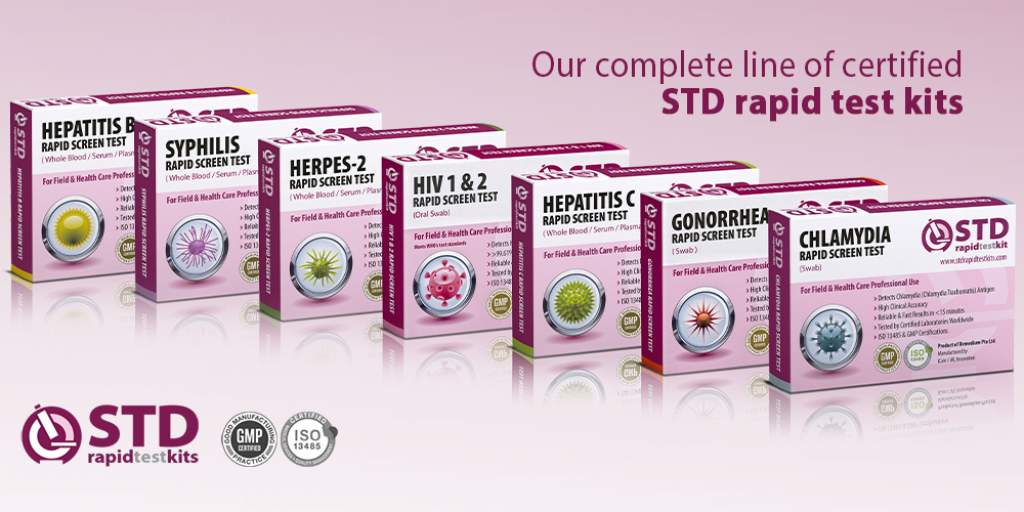
Let’s get one thing clear: not all telehealth is equal. A 5-minute “ask a doctor” session is not the same as a full-service platform that offers STD Rapid Test Kits with actual swabs, test strips, and clear instructions.
The best at-home STD tests let you collect your own sample, urine, blood from a finger prick, vaginal swab, and either test it yourself or send it to a certified lab. These kits are discreet, accurate, and more importantly, don’t rely on visual guesswork. You get results you can act on, not just opinions based on what you described in a video call.
Some rapid kits offer answers in minutes. Others, like mail-in PCR tests, offer lab-level accuracy without stepping foot in a clinic. Either way, you’re not relying on the clarity of your phone camera or the comfort level of your storytelling skills.
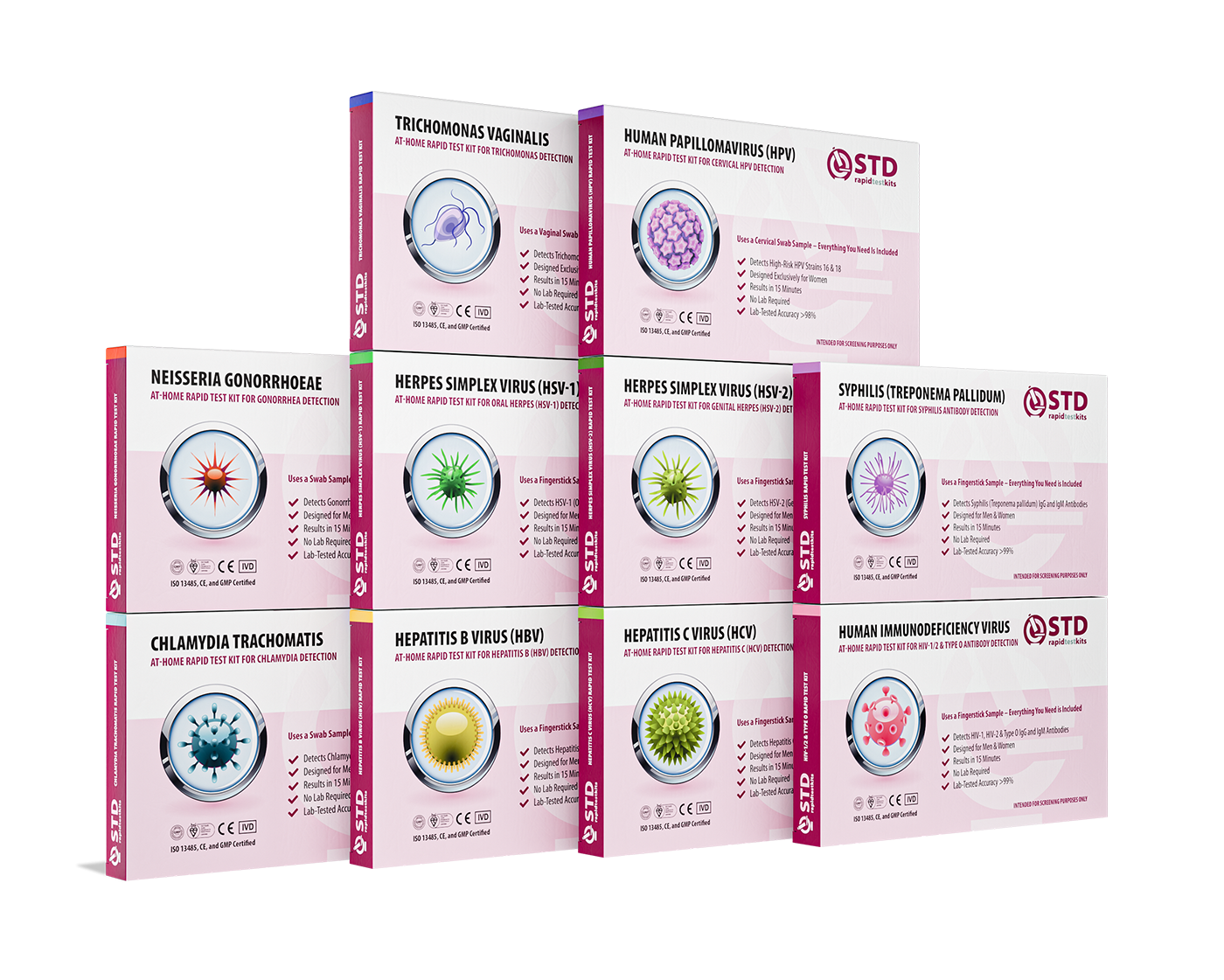
This combo STD test kit screens for the most common infections and arrives in discreet packaging. No judgment. No clinic wait. Just clarity.
Check Your STD Status in Minutes
Test at Home with Remedium10-in-1 STD Test Kit
 For Women
 Results in Minutes
 No Lab Needed
 Private & Discreet
Order Now $189.00 $490.00
For all 10 tests
Case Study: “Telehealth Told Me It Was Nothing”
Maria, 24, had a new partner and started noticing slight irritation after sex. She booked a telehealth consult the next day. “The nurse was nice,” she said, “but they couldn’t see anything and told me to use fragrance-free soap and see if it went away.” It didn’t. A few weeks later, she started experiencing internal itching and yellow discharge. This time, she went to urgent care. It was trichomoniasis. “I just wish someone had tested me earlier,” she said. “I would’ve spared myself weeks of pain, and risk to my partner.”
This story isn’t about blame. It’s about reality. Telehealth can guide. But it can’t replace physical exams, sample collection, or timely testing. For that, you need something tactile, something outside the screen.
Coming up in Part 3: We’ll break down when to choose telehealth, when to avoid it, and how to navigate silent symptoms like a pro.
When to Trust Telehealth, and When Not To
Telehealth isn’t the enemy. It’s often the first brave step someone takes when they’re scared, unsure, or don’t have access to a clinic. For things like UTIs, birth control consults, or general STI education, it can be incredibly helpful. But when it comes to testing, diagnosis, and symptoms that are vague or invisible, it’s not always enough.
So how do you know when to skip the screen?
If you’re experiencing:
• Symptoms that don’t appear on video, like internal itching, unusual odor, or mild pelvic discomfort.
• A rash, bump, or sore that’s hard to photograph or describe.
• No symptoms, but recent unprotected sex or a new partner.
• A past STD and want to retest after treatment or exposure.
…then you need more than just a video chat. You need a test. Ideally one that doesn't rely on you being a perfect storyteller or camera operator.
This doesn’t mean you should skip telehealth entirely. It means you should use it in partnership with physical tools, like rapid tests or lab kits, to get full answers.
What to Do If You’re Unsure
If you’re sitting there wondering whether what you’re feeling is “just irritation” or the start of something serious, you’re not alone. That ambiguity, that “maybe it’s nothing, maybe it’s something”, is the gray area where STDs hide best. Especially in virtual care.
The best move? Take action. Order a test. You can do it without needing anyone else’s permission, without stepping into a clinic, and without making it a whole thing. STD Rapid Test Kits has options that cover the most common infections. Some give results in minutes. Others mail your sample to a lab. All of them give you control.
You deserve to know. Not guess. Not hope. Not wait.
And if you do test positive? There’s treatment. There’s follow-up. There’s support. Nothing about an STD result has to define your worth or your future. But catching it early can shape both.

People are also reading: Georgia’s Double Hit (Chlamydia + Gonorrhea): Why Regular Home Screening Matters
Table: When Telehealth Works, and When to Upgrade to Testing
| Scenario | Telehealth Alone | Telehealth + At-Home Test |
|---|---|---|
| Mild irritation after shaving | Can guide self-care tips | Recommended if irritation persists or spreads |
| No symptoms but recent exposure | Often dismissed or told to “wait for symptoms” | Ideal for proactive testing |
| Unusual vaginal or penile odor | Can suggest possible causes | Swab testing essential for confirmation |
| Flat rash or bumps | Often misdiagnosed without high-res images | Best confirmed with physical or rapid test |
| Want to retest after treatment | May not offer testing access directly | At-home kit simplifies retesting |
Figure 2: Examples of when to combine telehealth advice with actual STD testing. The safest route often includes both.
FAQs
1. Can a telehealth doctor actually diagnose an STD?
Sometimes, yes, but often, not fully. They can listen, ask the right questions, and suggest next steps. But here’s the deal: if there’s no swab, no blood, no urine test, then it’s mostly guesswork. Think of it like trying to diagnose a leak in your roof just by looking at a blurry photo, you might be close, but you won’t know for sure until you check the structure.
2. What kinds of STD symptoms won’t show up on a video call?
A lot, honestly. Internal itching, mild discharge, certain rashes, subtle skin changes, these don’t always play well on a phone camera. Plus, your lighting might suck, and let’s be real, no one wants to zoom in on their genitals for a stranger. Even if you do, some signs just aren’t visible.
3. Can I still get meds from a telehealth provider if I think I have something?
If they believe it’s justified, yes. But many will want you to take a test first, especially for things like chlamydia or gonorrhea. And if they’re unsure, they may play it safe and refer you elsewhere. It’s not rejection, it’s responsibility.
4. Are at-home STD tests legit?
Totally. As long as you use a reputable one (not the random $3 one from an unknown site), they’re surprisingly accurate. Mail-in kits often use the same PCR tech clinics do. Rapid tests are slightly less sensitive but still powerful, especially for routine screening. Read the instructions. Wash your hands. You’ve got this.
5. I did a telehealth visit and my symptoms got worse. Now what?
First: don’t panic. It happens. The next best move? Get tested. Whether that’s an at-home test or an in-person clinic, you want to move from “maybe” to “know.” And remember: if the diagnosis changes, it doesn’t mean you messed up. It means your body just gave you more information.
6. Is it awkward to talk about sex on telehealth?
Yep. For a lot of people, it is. You’re in your bedroom talking to someone you’ve never met about bumps, fluids, and what happened after tequila. That’s normal. Just say what you can. Say what matters. And if you freeze up, that’s okay too, just back it up with a test so nothing gets missed.
7. Can I show a rash or sore on camera?
You can try, but lighting, camera quality, and even movement blur can make it tough. And some STDs, like early-stage herpes or syphilis, can look like shaving irritation or a pimple. When in doubt, test it out.
8. I don’t have any symptoms. Should I still test?
Yes. Please do. STDs like chlamydia, trich, and even HPV can fly completely under the radar. You can feel fine and still pass it on, or end up with complications down the line. Testing is how you protect your future self (and your partners).
9. Could my “yeast infection” actually be something else?
It might be. Trichomoniasis, BV, and even herpes sometimes get mistaken for yeast infections. If the usual creams aren’t helping, or if the itch feels different than your usual pattern, it’s smart to test before assuming.
10. What’s the best way to test at home without the drama?
Go with a combo kit that checks for multiple infections at once. This one ships discreetly and covers the most common culprits. No clinic, no waiting room, no awkward small talk, just real answers, fast.
Use the Screen, But Don’t Skip the Test
Telehealth opened doors. It gave people safer ways to talk about sex, symptoms, and testing. But it can’t do everything. When it comes to STDs, it’s not about what you can say, it’s about what your body shows, and what a test reveals.
Combine your virtual consultation with a real-world answer. Order a private combo STD test kit today and get real answers instead of guesses.
How We Sourced This Article: We used the most up-to-date advice from the CDC, peer-reviewed research from medical journals, and firsthand accounts from patients who talked about their telehealth experiences. Every claim was verified against trusted sources like JAMA Network, PubMed, and STI surveillance data. All external links open in a new tab so you can check the research for yourself.
Sources
2. STD Rapid Test Kits – Product Information and Options
3. Planned Parenthood – STD Testing Info
5. CDC – Herpes Simplex Virus Factsheet
About the Author
Dr. F. David, MD is an infectious disease specialist who is board-certified and works to stop, diagnose, and treat STIs. He combines clinical accuracy with a straightforward, sex-positive approach and is dedicated to making it easier for readers to find what they need in both urban and rural areas.
Ava Thompson, RN, MPH, reviewed this. | Last checked by a doctor: September 2025
This article is for informational purposes only and should not be taken as medical advice.


