






Quick Answer: People in small towns often don't get tested for STDs because they're afraid of gossip, judgment, or being seen. At-home testing is a private and non-judgmental option for people who live in close-knit communities.
When Everyone Knows Everyone, Testing Feels Exposed
It's easy to be anonymous in cities. You can go to a clinic, get tested, and then blend in with a lot of other people. In a small town, one look or one quiet comment can make your private health decision public. A 2022 study in Sexual Health found that people who live in rural areas are 45% less likely to get tested for STDs than people who live in cities, even when testing is available.
This isn’t just about fear of a positive result. It’s the fear of being seen in the waiting room. Of being asked why you're at the clinic. Of having to explain yourself to someone who might go home and repeat the story at dinner.
And this fear is often rooted in very real experiences. In many small communities, privacy doesn’t extend past the clinic door. Staff, though professional, are sometimes family, neighbors, or friends-of-friends. And while HIPAA laws exist, culture often overrides compliance in the court of public opinion.
“People Would Rather Risk It Than Be Judged”
Ty, 26, from a farming town in Iowa, described his dilemma: “I had a weird rash and I knew I needed to get checked. But the only clinic was 15 minutes away, and my cousin’s girlfriend worked there. I waited it out. It went away. But I still don't know what it was.”
Ty’s story isn’t rare. Researchers from the CDC report that stigma and lack of confidentiality are primary reasons people avoid testing in rural and conservative areas. The consequences? Increasing rates of STDs in places where few people get diagnosed and treated.
The stakes are even higher when religious groups are very close to each other. People are even quieter because they don't want to be judged spiritually or not be a part of the community. People who were taught to be ashamed of sex often think that getting tested means admitting to sin or promiscuity, even though STDs are very common and often don't show any signs.

People are also reading: Can Humans Contract STIs from Bestiality?
Shame Isn’t a Symptom, But It Spreads Like One
STDs don’t discriminate by zip code. But the shame attached to them mutates in different cultural environments. In small towns, the fear isn't just “Do I have something?”, it's “What will people think if I do?”
This can cause people to do dangerous things, like ignoring symptoms, lying to their partners, or not getting treatment at all. Even worse, if one person in a community tests positive, the gossip that follows can make other people afraid to get tested. Silence spreads like ripples, fueled by judgment and false information.
And the shame spreads beyond diagnosis. People often delay treatment, avoid talking to partners, or suffer alone, believing their situation is rare or “dirty.” In truth, the CDC estimates that 1 in 5 people in the U.S. have an STI at any given time, including many in communities where no one talks about it.
Check Your STD Status in Minutes
Test at Home with Remedium7-in-1 STD Test Kit

 For Men & Women
 Results in Minutes
 No Lab Needed
 Private & Discreet
Order Now $129.00 $343.00
For all 7 tests
Why At-Home STD Testing Is a Lifeline in These Settings
When testing publicly feels dangerous, testing privately becomes vital. That’s where at-home STD tests come in, not just as a convenience, but as a safety mechanism. Whether you're worried about herpes, chlamydia, gonorrhea, or syphilis, these tests can be taken without stepping foot in a clinic.
Users can collect a sample discreetly, urine, swab, or fingerstick, and either get rapid results at home or mail it to a lab. There’s no receptionist. No waiting room. No judgment.
And for people like Jamie, who feared the judgment of her hometown, this was everything. “I ordered a combo test, did it in my room, and had results the next day. It was the first time I felt in control of my health without the fear.”
This at-home combo test kit checks for the most common STDs quickly and discreetly, no clinic visit required.
TABLE: Why People Avoid Testing in Tight-Knit Communities
| Barrier | Example or Quote | Impact |
|---|---|---|
| Fear of being seen | “My ex's mom works at the front desk.” | Delays or avoids testing altogether |
| Religious or cultural shame | “My church teaches that premarital sex is a sin.” | Internalized guilt, refusal to acknowledge risk |
| Clinic is too close to home | “We only have one clinic in town.” | No anonymity, fear of gossip |
| Lack of education | “I didn’t think you could get anything from oral.” | Undiagnosed infections, continued transmission |
| Assumption of monogamy | “We’ve been together for years, why would I test?” | Missed infections, especially in silent carriers |
Figure 1. Common stigma-related barriers to STD testing in small or conservative communities. These issues compound over time and lead to long-term public health risks.
When You Can’t Talk to Anyone, But You Still Deserve Answers
Isolation doesn’t just mean distance. It can mean emotional walls, too. In tight-knit communities, many people feel like there’s no one they can talk to about sex, symptoms, or suspicion. Even best friends might judge. Parents might shame. Partners might get defensive. So people bottle it up and wait.
But time doesn't fix STDs that haven't been treated. Chlamydia and gonorrhea are two infections that can become silent threats and hurt reproductive organs for a long time. Syphilis can stay hidden for years, which can cause serious problems later. People who thought they were "clean" can get herpes out of the blue.
If you’re feeling alone with a health fear, you’re not broken, you’re normal. What’s broken is the silence culture that puts gossip above care. And there’s a way to break it without breaking your own sense of safety: test from home. Take the first step alone, if you have to. But take it.
Case Study: “My Sister Saw My Car at the Clinic and Told My Mom”
Sabrina, 22, lives in a small, conservative town in Mississippi. “I had a UTI before and knew what that felt like, but this was different. Burning, itching, and I knew I needed to check for something else.” She borrowed her friend’s car to go to the county health clinic, thinking it would help maintain privacy. “But my sister saw me walk in. I hadn’t told anyone. That night, my mom sat me down and asked if I had an STD.”
That moment, being forced to explain something intimate and uncertain before even having a result, pushed Sabrina into silence. “I never went back to get the results. I ghosted the clinic. I was too ashamed. I just let it go.”
This story illustrates how broken the chain of care becomes when judgment gets inserted into the diagnostic process. Sabrina’s story could’ve ended differently with an at-home test, one she could control, interpret, and follow up on without fear.
STD Rapid Test Kits offers discreet packaging, fast results, and no clinic visits, ideal for people who need privacy, safety, and clarity all at once.

People are also reading: Understanding the Risks Can Sexual Activities Involving Feces Transmit STIs?
“I Thought I’d Have to Drive Two Hours Just to Get a Test”
For those in geographically isolated or underserved areas, physical access adds another barrier on top of social stigma. Clinics may be hours away. Public transit may not exist. And when you finally arrive, you're greeted by a clipboard full of questions and a receptionist who wants your ID.
This logistical nightmare drives people to delay testing, even when they know the risks. That’s why accessibility must be redefined, not just as available, but as usable without fear. Digital ordering. Discreet delivery. Results you don’t have to explain to anyone.
One study published in the Journal of Medical Internet Research showed that self-collected STD samples returned by mail had similar accuracy to clinic-collected ones. More importantly, user satisfaction and likelihood to retest were significantly higher among at-home users.
That means one private test can create a positive habit, something community shame has been destroying for decades.
Check Your STD Status in Minutes
Test at Home with Remedium6-in-1 STD Test Kit
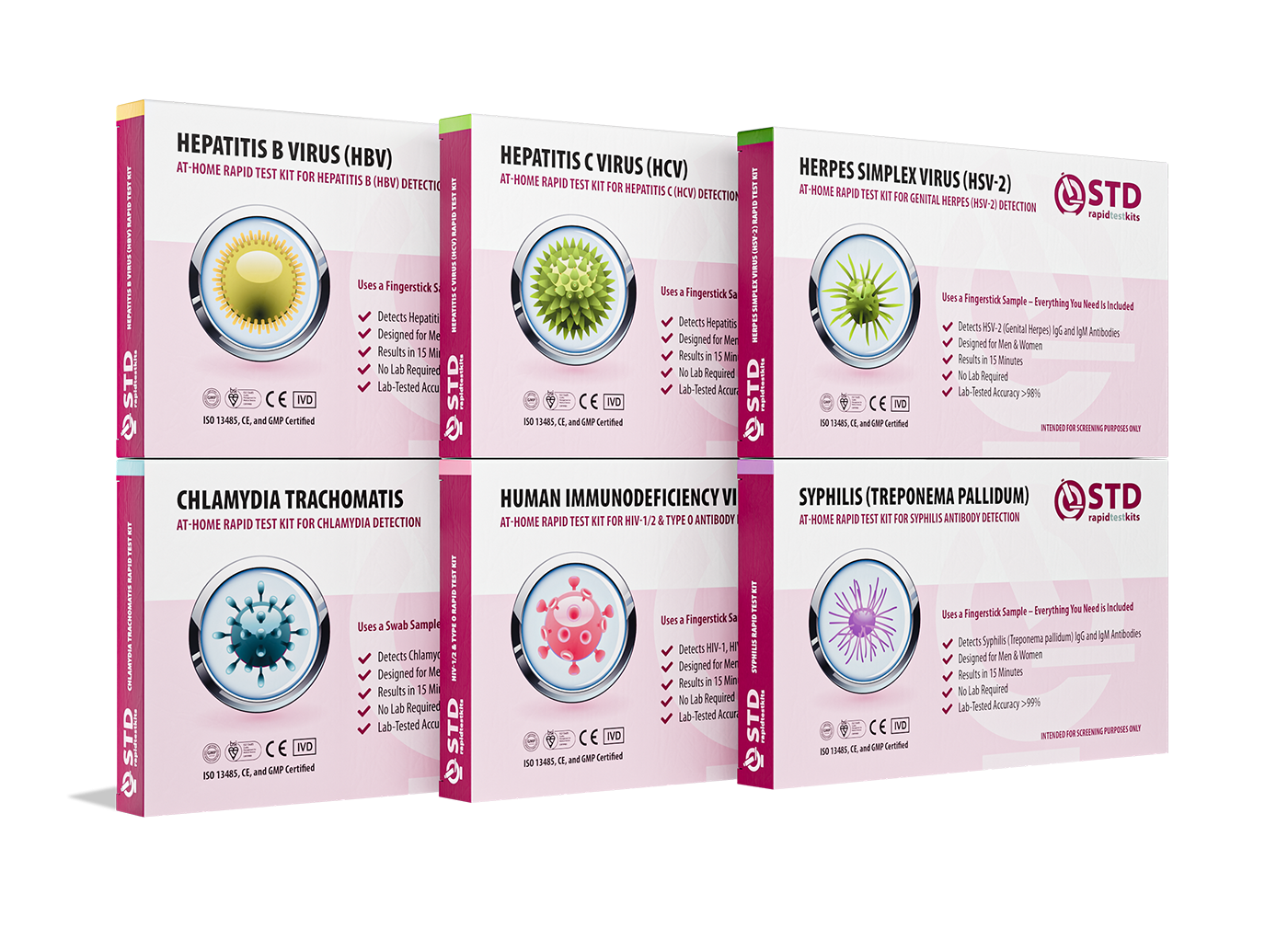 For Men & WomenResults in MinutesNo Lab NeededPrivate & Discreet
Order Now $119.00 $294.00
For all 6 tests
When Stigma Is Generational
Some people grow up hearing “Only dirty people get STDs” or “If you trust your partner, you don’t need to test.” These messages are rarely said outright, but they’re baked into community norms, passed down in whispers, looks, and what’s not talked about.
For LGBTQ+ individuals, the layers are even deeper. In small or religious towns where queerness itself is still taboo, getting tested for an STD can feel like double exposure. One recent CDC report confirmed that queer individuals in rural settings are far less likely to seek regular sexual health care compared to urban peers, not due to lack of awareness, but due to fear of judgment and retaliation.
At-home testing removes the gatekeepers. It allows people, especially young folks breaking cycles, to step outside those generational patterns and get information based on their body, not their family’s worldview.
TABLE: At-Home vs Clinic Testing Comparison
| Testing Option | Privacy | Accuracy | Speed | Best For |
|---|---|---|---|---|
| Clinic-based Testing | Low in small towns | Very high | 1–3 days | People with access and few privacy concerns |
| Mail-In Lab Test Kits | Very high | High | 2–4 days after mailing | Those needing anonymity and precision |
| At-Home Rapid Test Kits | Extremely high | Moderate to high (varies by test) | 15–20 minutes | Immediate answers, no mailing |
Figure 2. Comparing testing options for people balancing stigma, speed, and privacy. At-home testing bridges access gaps caused by community pressure or physical distance.
When Trust Is Fragile, Self-Testing Builds It Back
In tight-knit communities, trust is a paradox. Everyone knows everyone, which means everyone watches everyone. That dynamic creates a false illusion of safety, “we know our people, so we don’t need to test.” But relationships are complicated. People have pasts. People make mistakes. And STDs don’t care about reputations.
When testing isn’t normalized, honesty becomes risky. Telling your partner you want to test can be misread as an accusation. Asking if they’ve tested can open old wounds. But when you test on your own, you reclaim your health as your own business.
Testing quietly doesn’t mean you’re hiding, it means you’re healing in peace. And for many, it becomes the first step toward trust that’s earned, not assumed.
How To Talk About Testing Without Inviting Shame
If you decide to open the conversation with a partner, friend, or parent, you don’t have to lead with fear. You can lead with care.
Try: “Hey, I’ve been thinking about getting tested, not because I think anything’s wrong, but because I want to take care of myself and us.” Or: “I learned about at-home tests, and I figured it’s worth doing since it’s so private and easy.”
Language matters. When testing is framed as responsible, not reactive, you take shame off the table. And when you test first, you become the model for others, especially in communities where no one talks about this stuff.
Order a discreet chlamydia rapid test kit if you're unsure where to begin. Starting with one test can open the door to better health and safer conversations.

People are also reading: Bacterial Vaginosis and Sexually Transmitted Infections Myths vs. Facts
“I Was More Scared of Being Seen Than Being Sick”
Andre, 33, lives in a rural Pennsylvania town and works at the local school. “A few weeks after a one-night stand, I noticed discharge. I knew what it probably was, but I was terrified someone would see me at urgent care and make assumptions. I teach teenagers. I couldn't risk it.”
Andre eventually ordered a rapid test kit. “It was positive for gonorrhea. I got treatment online. No one at work knows. That test gave me my life back, and my job security.”
This story is not about hiding. It’s about choosing safety in a system that doesn’t always offer it. Andre’s actions were responsible, not cowardly. He got care. He protected others. And he avoided the unnecessary trauma of public scrutiny.
Breaking the Cycle for the Next Generation
One of the most powerful things you can do in a tight-knit town is quietly change the script. You don’t have to make a public announcement. You don’t have to convince anyone. But you can model the behavior you wish others had shown you.
When you test regularly, when you talk about it calmly, when you choose facts over fear, you create new norms. Someone younger sees that. Someone struggling watches how you handle things. And slowly, shame loses its grip.
In communities where people stay silent to protect each other, sometimes protecting each other means being the first one to speak.
If you’re ready, start with a combo STD test kit. It checks for the most common infections, fast, private, and without judgment.
FAQs
1. Can I really trust at-home STD test kits?
Yes. Many FDA-approved at-home kits use the same technology as clinics. Accuracy varies by test type, but when used correctly and within proper window periods, they offer reliable results. Always read instructions carefully and choose reputable providers.
2. What if I test positive using a home kit?
Don’t panic. Most STDs are treatable. If you get a positive result, seek confirmatory testing or treatment via a telehealth provider or local clinic. Many online services offer same-day prescriptions once you share your result.
3. Can my test results become public in a small town?
Not if you use an at-home test. These kits are shipped discreetly and your results are private. No insurance billing, no waiting rooms, no one needs to know unless you choose to tell them.
4. What STDs can I test for at home?
You can test for many common STDs at home, including chlamydia, gonorrhea, syphilis, HIV, trichomoniasis, herpes, and hepatitis B/C. Combo kits are available to screen for multiple infections at once.
5. How long should I wait to get tested after being exposed?
It depends on the STD. If you have chlamydia or gonorrhea, wait at least seven days. For HIV, it takes 2 to 6 weeks. Look up the window period for each infection, and think about getting tested again if symptoms last or you keep being exposed.
6. Will my insurance or medical record show the test?
No, if you buy it directly from a private provider and don't use insurance. This keeps your test results off your permanent medical record and keeps providers and family members from judging you.
7. Can I use these kits if I'm not yet 18?
Yes. Most providers let kids order kits without getting permission from their parents. That being said, laws are different in each state, so make sure to check the rules in your area. A lot of them provide private care for teens who are under 18.
8. What if I need help but I'm scared to see a doctor?
A lot of telehealth services now let you choose a treatment based on the results of tests you do at home. You don't have to go to a physical clinic to talk to a doctor online and get prescriptions.
9. Do these tests work for people in same-sex relationships?
Absolutely. STD risk exists regardless of orientation. Some kits even offer extra swab types for oral or rectal testing. Choose the one that fits your needs and anatomy.
10. How soon will I see results from a kit I use at home?
In 15 to 20 minutes, rapid tests give you results. It usually takes 2 to 4 days for the lab to get your sample and send you a mail-in kit. Find shipping times that fit how quickly you need it.
You Deserve Answers, Not Assumptions
Just because you live in a small town doesn't mean you have to keep quiet about your problems. You have the right to sexual health care that is private and free of judgment. People can be very judgmental, but your health is more important than what they think. A single private test can help you see things more clearly, feel calmer, and take charge.
Don’t wait and wonder, get the clarity you deserve. This at-home combo test kit checks for the most common STDs discreetly and quickly.
How We Sourced This Article: To make this guide accurate, helpful, and compassionate, we incorporated peer-reviewed research, real-world experience reports, and the most recent recommendations from leading medical organizations.
Sources
1. CDC – National Overview of STIs in 2023
2. JMIR – Mail-Order STI Testing: User Satisfaction and Privacy Benefits
3. PubMed – Landscape Review of Mail-In Self‑Collection Programs
4. CDC Health Equity – The Hidden Epidemic of STDs
5. VICE – What Will It Take to Finally End STI Stigma?
6. Reuters – U.S. Epidemic of Sexually Transmitted Infections Shows Signs of Slowing
About the Author
Dr. F. David, MD is a board-certified infectious disease specialist focused on STI prevention, diagnosis, and treatment. He blends clinical precision with a no-nonsense, sex-positive approach and is committed to expanding access for readers in both urban and off-grid settings.
Reviewed by: Alyssa Rowe, MSN, WHNP-BC | Last medically reviewed: September 2025
This article is just for information and should not be used as medical advice.


