







Quick Answer: Gonorrhea can mimic a urinary tract infection, especially in women. Burning urination, frequency, and discomfort are symptoms they share. If you’ve recently had unprotected sex while traveling and UTI treatments don’t work, you may have an STD misdiagnosis. Always get a full panel STD test if symptoms persist.
How I Caught Gonorrhea Without Realizing It
I met him at a beach bar in Bali. Flirty, French, impossibly tan. We hooked up twice, used condoms the first night, got lazy the second. The next morning, I didn’t feel any different, but five days later, my urethra was on fire. Still, it felt just like my usual UTI. My doctor gave me antibiotics. They didn’t work.
After three rounds of treatment, one urine culture, and a lot of frustration, I finally requested a full STD panel. That’s when it came back: Neisseria gonorrhoeae. I’d had super gonorrhea, a strain showing resistance to common antibiotics. Something I likely picked up abroad.
This wasn’t just a shock. It was a wake-up call: not all infections are local, and not all pee pain is a UTI.

People are also reading: STD Testing Before Marriage in Different Cultures
Why Gonorrhea Gets Mistaken for a UTI, Especially in Women
Gonorrhea is called “the great imitator” for a reason. In women, it rarely causes dramatic symptoms early on. When it does show up, it mimics urinary tract infections almost perfectly:
- Burning during urination
- Increased urgency or frequency
- Pelvic discomfort or pressure
- Cloudy or yellowish discharge
Sound familiar? That’s because gonorrhea lives in the cervix and urethra, just like bacteria involved in UTIs. But unlike a simple bladder infection, gonorrhea can spread silently, especially if left untreated after a misdiagnosis.
Here’s the kicker: most general practitioners don’t test for STDs unless you specifically ask. So even if you’re presenting with textbook STI symptoms, you might walk out with antibiotics for a UTI, and no real solution.
Travel Increases STD Risk, Here’s Why
Sex abroad feels different: the energy, the anonymity, the heat of vacation flings. But it also comes with a hidden price. According to the World Health Organization, travelers are at elevated risk of STIs like gonorrhea, chlamydia, and syphilis due to:
- Higher likelihood of casual or anonymous sex
- Lower condom use rates among tourists
- Exposure to drug-resistant strains in certain regions
- Limited access to testing while traveling
What you pick up on vacation doesn’t always stay there. Many travelers return home carrying silent infections, only discovering them when a UTI won’t go away, or a partner gets symptoms. That’s why any post-trip “pee problem” deserves a full STD workup.
What It’s Like to Get Diagnosed With Gonorrhea
I’ll be honest: it felt humiliating. Even though I knew better, even though I’d been careful for most of the trip, the word “gonorrhea” triggered every outdated shame response I thought I’d outgrown. Dirty. Irresponsible. Unsafe.
The reality? I was just unlucky. I had a common STI, one that 87 million people contract every year worldwide. And I caught it because I assumed it was a UTI, and didn’t ask for testing sooner.
Thankfully, my partner back home was understanding. We both got treated. But the emotional fallout lingered: Should I have known better? Should I have gotten tested while traveling? Should I have spoken up sooner?
Answer: Yes. But that guilt doesn’t help. What does? Normalizing testing after travel, no matter what.
Check Your STD Status in Minutes
Test at Home with RemediumChlamydia & Gonorrhea Test

 For Men & Women
 Results in Minutes
 No Lab Needed
 Private & Discreet
Order Now $49.00 $98.00
For all 2 tests
Gonorrhea Treatment, And Why It’s Not Always Simple Anymore
Once upon a time, gonorrhea was easily cured with one pill. Today, thanks to antibiotic resistance, it’s becoming harder to treat, especially in international strains picked up through travel. The CDC now recommends an intramuscular shot of ceftriaxone paired with oral doxycycline in some cases.
But if you’re dealing with a resistant strain, the process gets trickier. You may need multiple rounds of meds, partner treatment, and repeat testing.
What I wish someone had told me:
- Gonorrhea can linger in the throat or rectum, even without symptoms
- Standard UTI antibiotics won’t touch it
- Delayed treatment increases the risk of pelvic inflammatory disease (PID)
The good news? Once diagnosed correctly, gonorrhea is treatable. The key is testing the right way, early, and making sure your partners get treated too.
The Emotional Toll of Being Misdiagnosed
What most STD guides won’t tell you? The psychological hit of thinking you’re “just a little sick” only to find out it’s a sexually transmitted infection. Especially after travel, where the memory of freedom and fantasy now feels like a trap.
I lost it and looked up everything from "Can you get gonorrhea from a toilet seat?" (no, you can't) to "infertility." The infection wasn't even the worst part. The long wait for answers, the shame, and the silence. I felt like one of those girls who "should have known better" and was a warning.
But here’s the truth: being curious, adventurous, or sexually active doesn’t mean you deserve an STD. It means you deserve clear info, fast answers, and zero judgment.
How to Talk to Your Partner About Travel STDs
If you’ve had sex abroad, or just returned with a suspicious symptom, you owe it to your body and your partner to have the conversation. Here’s how to do it without nuking the relationship:
- Say it straight: "Something isn't right." I thought I had a UTI because of the symptoms I had, but I just found out it's gonorrhea.
- Tell people: Give reasons, not excuses. "I didn't know until the UTI meds didn't work." It's common and can be treated.
- Ask people to work together: "To be safe, let's both get tested." I want us both to be fine.
This isn’t about blame. It’s about transparency, and respect for the bodies you’re sharing.

People are also reading: The Future of STD Testing: Telemedicine, AI, and At‑Home Kits
Why “Wait and See” is the Worst Approach to Pee Problems
We’ve all done it. Brushed off weird symptoms. Delayed the appointment. Waited for the pain to pass. But when it comes to STDs that look like UTIs, waiting is the enemy.
The longer an infection goes untreated, the higher your risk of:
- Pelvic Inflammatory Disease (PID)
- Chronic pelvic pain
- Scarring and fertility damage
- Spreading the infection unknowingly
The solution? Stop guessing. Order a test. Rule things out. Get treated. It’s better than playing Russian roulette with your reproductive health.
Other STDs That Can Be Mistaken for UTIs
Gonorrhea isn’t the only one. Many STDs show up in the urinary tract, especially in women, and get misread as bladder infections. Common culprits:
- Chlamydia: Often asymptomatic, but can cause painful urination and frequency
- Herpes: Can cause urethral irritation even without visible sores
- Trichomoniasis: May present with discharge, odor, and urinary pain
If you’ve had a “UTI” that didn’t respond to meds, or you’re getting recurring infections, it’s time to think beyond the bladder.
Why Women Are More Likely to Be Misdiagnosed
Here’s a brutal truth: the medical system often treats women’s urogenital symptoms as “no big deal.” Burning pee? Probably a UTI. Pelvic pain? Probably your period. Vaginal irritation? Maybe yeast. Rarely do providers jump straight to STD testing, unless you ask.
Biologically, women are also more likely to carry gonorrhea without obvious signs. That means you could be infected for weeks, even months, thinking it’s just a “weird cycle” or another “yeast thing.”
Advocate for yourself. Request an STD screen if your symptoms are recurring, unresponsive, or you’ve had new sexual partners, especially while traveling.
Check Your STD Status in Minutes
Test at Home with Remedium3-in-1 STD Test Kit
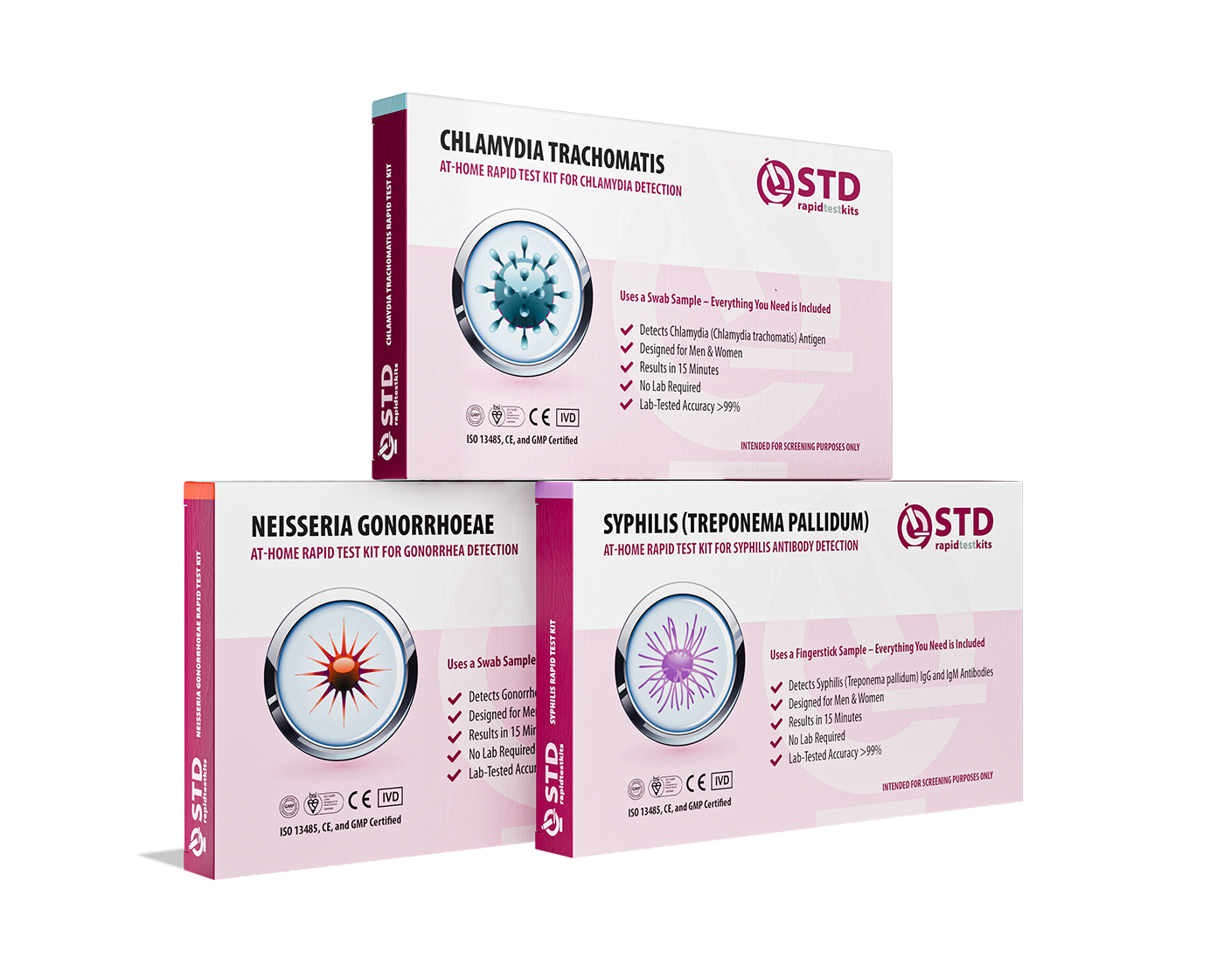 For Men & WomenResults in MinutesNo Lab NeededPrivate & Discreet
Order Now $69.00 $147.00
For all 3 tests
How to Tell If It’s an STD or a UTI
While only testing can confirm, here are some red flags that your “UTI” may actually be something else:
- Standard UTI antibiotics didn’t work
- You notice unusual discharge or a strong odor
- Pain extends to the pelvis, lower back, or sex
- Burning persists beyond three days of treatment
- Symptoms return within weeks or after sex
Sex Abroad Isn’t the Problem, Silence Is
Hooking up while traveling isn’t reckless. It’s human. It’s beautiful. The danger comes when we don’t talk about sexual health afterward, or don’t know how to.
Whether it’s a one-night stand in Ibiza or a backpacker romance in Thailand, the biggest risk isn’t the sex. It’s not knowing what you brought home. That’s what puts you, and your next partner, in harm’s way.
The Rising Threat of Antibiotic-Resistant Gonorrhea
International health experts have warned about “super gonorrhea” for years. These are strains resistant to multiple drug classes, and they’re spreading fastest in areas with limited healthcare, over-the-counter antibiotics, and poor public health tracking.
If you get a resistant strain, your treatment options become fewer. You might need IV antibiotics, a lot of follow-up care, or more than one treatment. That's why it's important to get tested early, especially after traveling.

People are also reading: STD Scared? Gen Z Is Skipping Clinics, and Going Online Instead
When to Retest After Gonorrhea Treatment
Just because your symptoms stop doesn’t mean you’re in the clear. The CDC recommends retesting 3 months after treatment, especially if:
- You had sex before your partner was treated
- Your symptoms return or linger
- You were infected with a drug-resistant strain
Reinfection is common. Don’t assume one round of meds makes you immune. Test again to be sure, and consider follow-up with an STI specialist if you had complications.
What if you don't have any symptoms?
You don't have to feel pain or burning to have gonorrhea. Actually, 50–70% of women and 10–20% of men don't have any symptoms at all. That's why it's a good idea to get tested after you travel, even if you don't feel sick.
The most dangerous STDs are often silent. But they’re never harmless.
Can Men Mistake Gonorrhea for a UTI?
Yes, but it’s less common. Male gonorrhea often causes more dramatic symptoms, like thick penile discharge or testicular pain. Still, early infections may feel like a minor UTI or irritation, especially after travel or dehydration.
Any male with painful urination or discharge should test for STDs, not just bacteria. Don’t rely on urine dipsticks alone.
Check Your STD Status in Minutes
Test at Home with RemediumGonorrhea Test Kit
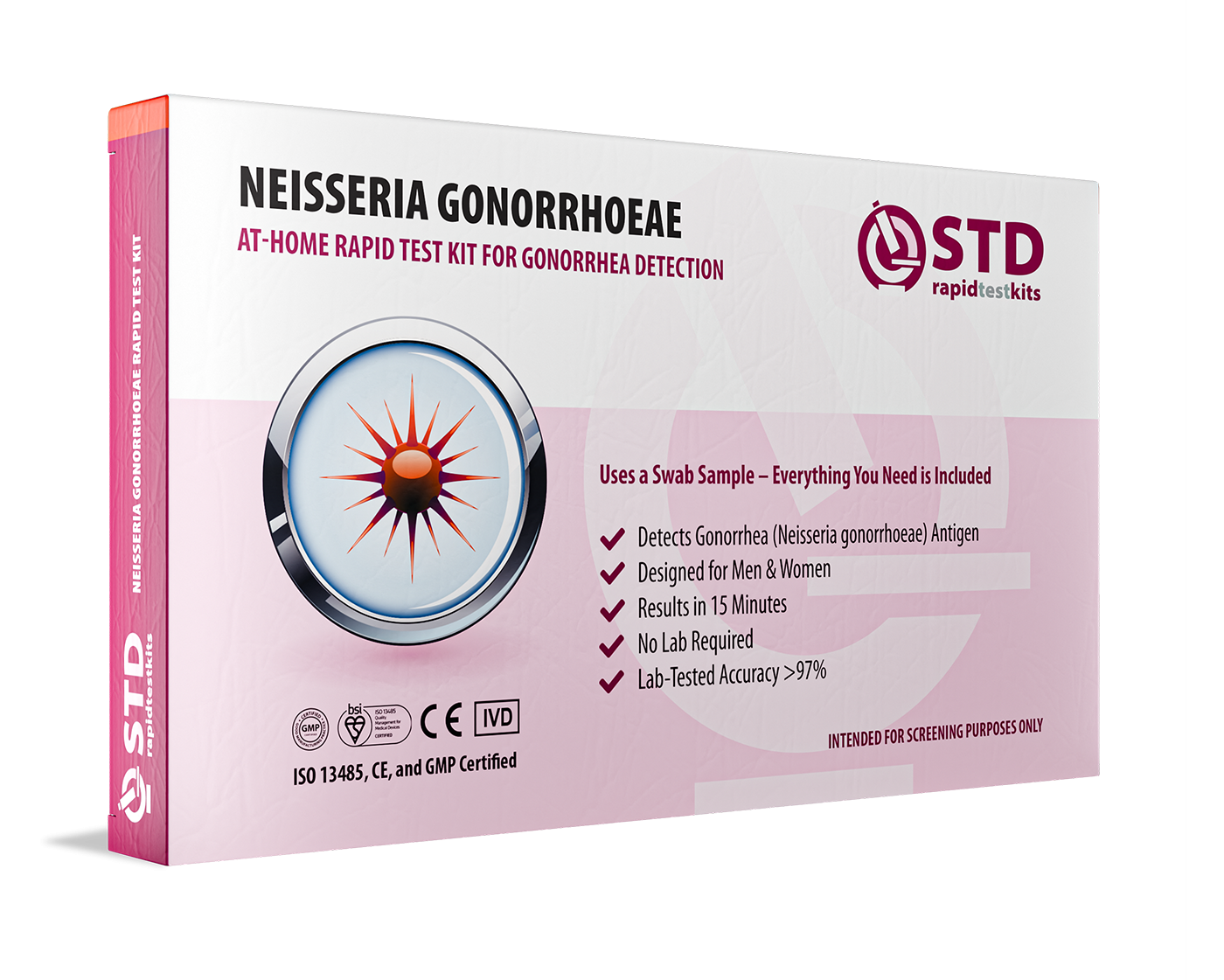 For Men & WomenResults in MinutesNo Lab NeededPrivate & Discreet
Order Now $33.99 $49.00
The Hidden Cost of Self-Diagnosing
We love a quick fix, especially after travel. Pee hurts? Drink water. Take cranberry pills. Buy antibiotics from a local pharmacy. Done.
But when you self-diagnose, you may:
- Mask symptoms that help doctors identify the real cause
- Contribute to antibiotic resistance
- Delay proper treatment, especially for STDs
When in doubt, test from home or at a clinic. Guesswork is how gonorrhea turns into chronic disease.
Why STD Testing Should Be a Post-Trip Ritual
You get travel vaccines. You buy sunscreen. You check your passport. Why not check your STD status when you get home?
If you had:
- Unprotected sex with a new partner
- Symptoms resembling a UTI or irritation
- Condom slippage or breakage
…then testing isn’t paranoia. It’s care. It’s routine. Make it part of your reentry checklist, right next to laundry and jet lag.
What to Include in Your Travel Hookup First Aid Kit
Traveling sexually active? Pack more than condoms. Bring a real sexual health backup plan:
- 3–5 condoms (latex or polyurethane)
- 1–2 packets of lube (friction = microtears)
- 1 home STD test kit (mail-in or rapid)
- Azithromycin or doxycycline (if prescribed preemptively)
Planning doesn’t kill the vibe. It prevents post-trip panic. And it shows you give a damn about your body, and your partner’s.
People are also reading: Lesbian STDs 101: Myths, Symptoms, and How to Get Tested Without Being Dismissed
STD Testing Before Marriage in Different Cultures
FAQs
1. Can gonorrhea really feel like a UTI?
Yes. Burning urination, frequency, and pelvic pain overlap with UTI symptoms, especially in women, making misdiagnosis common.
2. How long after exposure do gonorrhea symptoms show up?
Symptoms may appear 2–7 days after exposure, but many people (especially women) never show symptoms at all.
3. Is it possible to get gonorrhea even if you wore a condom?
Yes. Condoms lower the risk, but they don't protect you 100% of the time, especially when you have oral sex or the condom slips off.
4. What makes traveling more likely to give you an STD?
Traveling increases the risk of getting STIs because people have more casual sex, are less inhibited, can't get tested, and are exposed to resistant strains.
5. Can gonorrhea go away on its own?
No. Left untreated, it can cause long-term health issues, including infertility and systemic infection.
6. What if antibiotics don't help?
You might have a strain that is resistant. To find out what treatments will work best for you, ask for a culture and sensitivity test.
7. Should I tell my partner?
Yes. Most countries require people to report gonorrhea, and partners who don't get treated can give it back to you, even if they don't have any symptoms.
8. Can I test for gonorrhea at home?
Yes. This combo STD home test kit screens for gonorrhea and other STIs discreetly and safely.
9. Is it possible to get gonorrhea from oral sex?
Absolutely. Gonorrhea can live in the throat and be transmitted via unprotected oral contact.
10. What should I do if I think I have an STD after travel?
Skip assumptions. Test immediately with a full panel, especially if symptoms resemble a UTI.
Don't Trust the Symptoms, Trust the Test
If it burns when you pee, don't wait. Don't guess. Don't gamble. Whether it’s post-vacation bliss or jet-lagged regret, know your body, and trust your gut when something feels off. I didn’t. And it cost me weeks of confusion, stress, and a stronger infection than I bargained for.
Want to avoid the same mistake? Get a full STD test kit today, because assuming it’s just a UTI is how STDs stay undiagnosed.
Sources
1. Mayo Clinic – UTI Symptoms That Can Mimic STIs
2. ACOG – Gonorrhea Symptoms Often Mistaken for UTI
3. Verywell Health – When STIs Present Like UTIs
4. PubMed – UTI and STI Misdiagnosis in Emergency Settings
5. Journal Article – Delayed STI Diagnoses Due to UTI-Looking Symptoms


