






Quick Answer: Testing positive for chlamydia again after treatment is often due to reinfection from an untreated partner, testing too soon, or misunderstanding test accuracy, not personal failure.
This Isn’t About Blame, It’s About Biology (and Timing)
Let’s start with Leila’s story. She’s 24, lives with her girlfriend, and tested positive for chlamydia after a routine check-up. They’d been monogamous, or so she thought. After a round of azithromycin and the no-sex-for-seven-days rule, Leila felt clear. But three weeks later, she tested again, positive. Her immediate thought: “Did I not take the meds right? Did my girlfriend cheat? Did I get a fake result?”
This is the cycle many people fall into when dealing with a second positive result. But the truth is, chlamydia can show up again even if you did everything "right." Reinfection can happen from a partner who didn’t get treated, from a new partner who’s still in the window period, or because your body hasn’t fully cleared the bacteria yet. And sometimes, it's just test timing, especially with at-home kits or retesting too early.
Let’s break this down without the guilt.
Can You Really Get Chlamydia Again So Soon?
Short answer: Yes. You can get reinfected with chlamydia just days after finishing treatment if your partner wasn’t treated at the same time, or if you had sex before the bacteria was completely gone from your system. And because chlamydia is notorious for being symptomless in up to 70% of cases in women and 50% in men, it often gets passed back and forth without either partner realizing it.
Sometimes, what looks like a “second” infection is really a continuation of the first, because you tested too early. The CDC recommends waiting at least 3 weeks after completing treatment to test again, and 3 months for a routine rescreen. Testing too soon can give you a false impression that you’re clear, or that you're infected again when it’s just leftover DNA being picked up by a sensitive test.
Understanding Chlamydia Testing: What the Tests Actually Look For
Most modern chlamydia tests are called NAATs, which stands for nucleic acid amplification tests. They are designed to find pieces of the bacteria's DNA, not live bacteria. They are therefore incredibly sensitive and perfect for identifying an early infection because they can identify dead bacterial fragments even after the infection has been completely eradicated with antibiotics.
Here’s how different types of tests compare, especially in the context of retesting or suspected reinfection:
| Test Type | What It Detects | Best Use | Risk of False Results |
|---|---|---|---|
| NAAT / PCR (Urine or Swab) | Chlamydia DNA | Initial diagnosis, routine screening | May detect dead bacteria if tested too soon after treatment |
| Rapid Antigen Test | Proteins from live bacteria | At-home or quick results | Lower sensitivity than NAAT, higher false negatives |
| Culture (Rare) | Live bacteria grown in lab | Used in complex or resistant cases | Slower, less accessible, but very specific |
Table 1: Different test types and how they may impact second positive results.
So if you took your meds exactly as prescribed, avoided sex for the required time, and still tested positive again within a month, it’s very likely not your fault. It could be your test timing, or that you were reinfected by a partner who didn’t get treated, or got treated too late.
“I Swear I Was Negative”, Why Partners Might Not Realize They’re Infectious
One of the most common scenarios after a chlamydia diagnosis is that your partner swears they tested negative. They might be telling the truth, but that doesn’t mean they were actually chlamydia-free.
Let’s say your partner got tested two days after exposure. If they were still in the incubation period, the test might not have picked up the bacteria yet. This is called the "window period", the time between getting infected and the infection showing up on a test.
Check out this general window period breakdown to see how timing can fool even well-meaning partners:
| Event | Window Period | Reliable Testing Time |
|---|---|---|
| Chlamydia exposure during sex | Up to 7 days | Test after 7–14 days for accuracy |
| Start of symptoms (if any) | Typically 1–3 weeks | NAAT testing effective during symptom onset |
| After finishing antibiotics | Residual DNA can linger up to 3 weeks | Wait 3+ weeks to retest for cure |
Table 2: Key windows where chlamydia testing can lead to confusion if mistimed.
So when your partner says, “I got tested, and it was negative,” they may have been in the window period, or used a less sensitive test. That’s not a lie; it’s a timing issue. And it's one of the biggest contributors to re-exposure and reinfection after someone thinks they’re “cleared.”
People are also reading: Best Syphilis Home Tests What Works, What Doesn’t
“Did I Do Something Wrong?” , The Emotional Cost of Reinfection
After Jamie’s second positive chlamydia result, he didn’t even tell his partner right away. “I was embarrassed. I’d already taken the pills. I thought I was clean. Now I feel dirty again.” It’s this internalized shame that makes many people hide their status, skip retests, or avoid hard conversations with partners. But here’s the truth: reinfection is not failure. It’s biology, mixed with human behavior, imperfect communication, and real-world testing limits.
If you’ve tested positive again, you might be wondering: “Was I too trusting? Did the meds not work? Did someone lie to me?” All are valid questions, but they deserve answers that don’t come from a place of self-blame. In many cases, the bacteria was still present in a partner who thought they were clear. Or maybe you had sex a day or two earlier than recommended after treatment. Maybe they skipped treatment altogether and hoped you'd both be fine. These scenarios are frustrating, but they’re also extremely common.
According to CDC research, reinfection rates for chlamydia within the first few months after treatment can be as high as 20% in some populations. That’s one in five. It’s not rare, and it doesn’t mean you're irresponsible. It means the system we have, where most STDs are silent and testing is self-driven, is deeply imperfect.
Check Your STD Status in Minutes
Test at Home with Remedium6-in-1 STD Test Kit
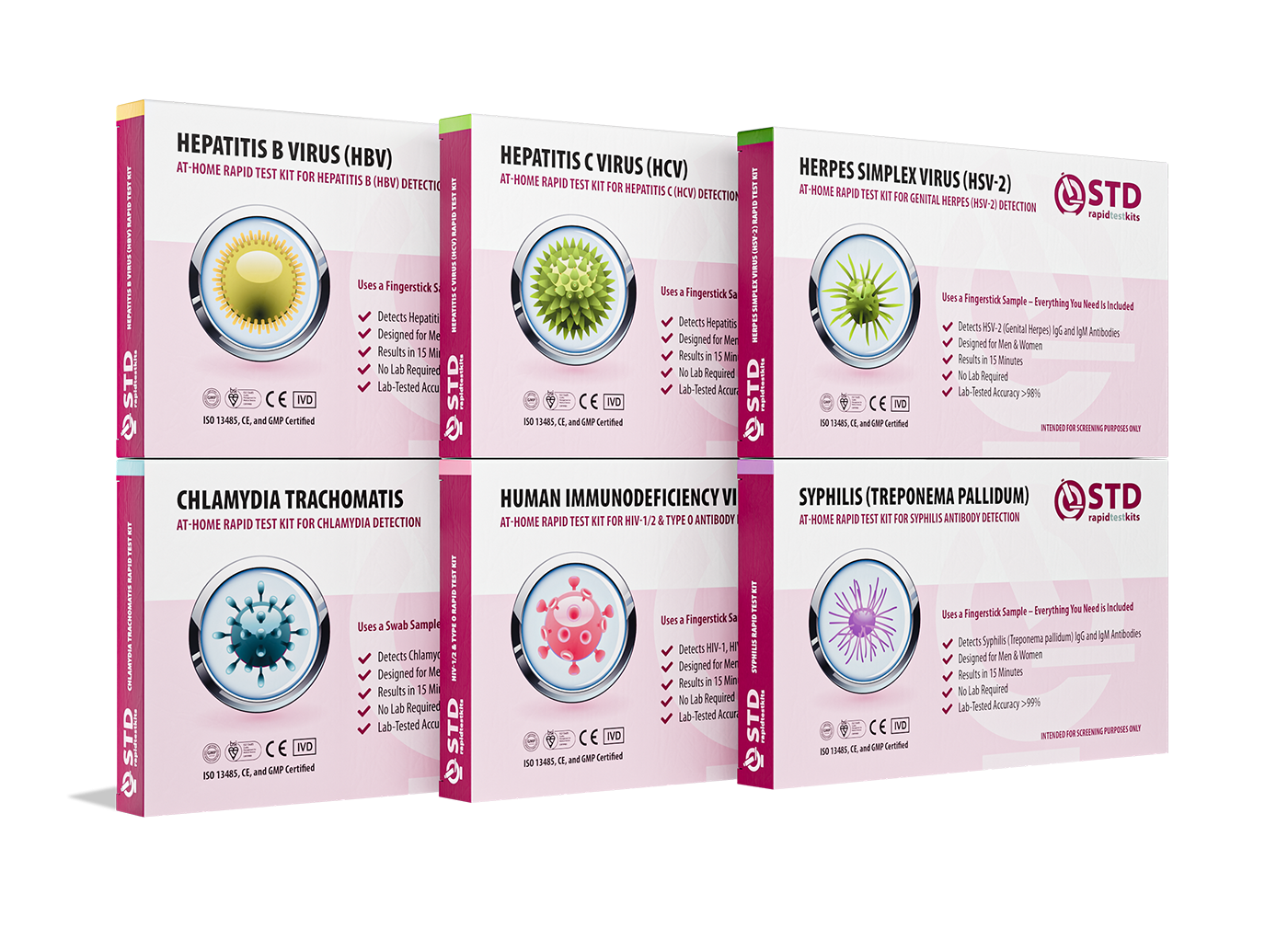
 For Men & Women
 Results in Minutes
 No Lab Needed
 Private & Discreet
Order Now $119.00 $294.00
For all 6 tests
Sex, Antibiotics, and the “7-Day Rule” That No One Explains
Here’s what a lot of people don’t hear clearly at the doctor’s office: even if you take a single-dose treatment like azithromycin, you are still potentially infectious for 7 full days. The medication kills off chlamydia, but your body needs time to shed the remaining bacteria. Having sex before that window closes, even with someone who’s also being treated, can lead to re-exposure.
And here’s the kicker: even if both you and your partner take the pills, if one of you breaks the 7-day no-sex rule (even once), that’s enough to pass the infection back. This is how couples end up bouncing chlamydia back and forth like an invisible tennis ball, symptomless, silent, and incredibly common.
That’s why some clinics are moving toward expedited partner therapy (EPT), where the diagnosed person is given medication to give directly to their partner, no waiting, no guessing. But if your provider didn’t offer that, or your partner didn’t follow through, you’re left vulnerable. Again, not your fault. Just incomplete systems.
“It’s Them, Not Me” , Or Is It Both?
Relationship dynamics can crumble under the weight of a second positive STD result. Whether you're monogamous, open, or somewhere in between, getting chlamydia again raises instant questions about trust, exclusivity, and honesty. And often, people assume a second positive means someone cheated. But that’s not always the case.
Let’s imagine this timeline: You test positive. You get treated. You tell your partner. They say they’ll get tested, but life gets in the way. You two hook up a few days later, figuring the meds are working. Then they test, and they’re positive too. But by then, you’ve already been re-exposed.
It’s not infidelity. It’s timing. It's fear of clinics, busy schedules, denial, or just poor understanding of window periods. People delay testing for all kinds of reasons. And those delays matter more than we think.
That’s why it’s crucial to not only treat both partners at the same time, but also to wait the full 7 days before any genital contact, yes, even oral. Chlamydia can infect the throat, too, and reinfection from oral sex is possible, though less common.
Take Back Control: Your Options Now
If you’ve tested positive for chlamydia again, here’s the empowering truth: you are not doomed to a cycle of endless reinfections. With clear communication, smart timing, and the right testing approach, you can stop the spiral.
Start with a clear conversation. If you haven’t already, let your partner know you tested positive again. Encourage them to get treated whether they’re symptomatic or not. If they already were treated, ask when, and whether you both waited long enough before resuming sex. It's not about accusing, it's about syncing up timelines so the bacteria has no chance to survive between you.
Then make a plan to retest, but at the right time. Testing too soon, within 2 to 3 weeks after antibiotics, can pick up residual DNA. Most health authorities recommend waiting 3 months for a routine rescreen unless you have symptoms or a high-risk exposure.
And if you’re done wondering or stressing over timing, empower yourself to act:
Don’t wait and wonder, get the clarity you deserve. Order a discreet chlamydia rapid test kit and test from home in minutes.
You deserve answers that come with dignity, not shame.
“I Tested Too Early, and It Backfired”
Raquel, 31, didn’t want to wait. She’d taken her antibiotics, abstained from sex for a week, and still felt a creeping anxiety. She ordered an at-home chlamydia test just nine days after treatment. When the results came back positive, she panicked, thinking she must have been reinfected. She called her ex in tears. But the clinic later told her what happened: her test likely picked up residual DNA from the original infection. The treatment had worked. The test was just too sensitive, too soon.
This is one of the lesser-known consequences of testing too early. It doesn’t hurt you physically, but emotionally, it can take a toll. False assumptions about reinfection can break trust, lead to unnecessary blame, and generate anxiety that lingers even after you're medically cleared.
The CDC recommends a “test of cure” only in certain cases, like during pregnancy, or if symptoms persist. Otherwise, a rescreen is recommended at 3 months. But when people are worried, they often don’t wait, and the tests don’t always give the reassurance they’re seeking.
Can You Get Chlamydia Again from the Same Partner?
This is the question that haunts many people who’ve gone through treatment, only to test positive again. And the answer is an unequivocal yes. If both partners aren't treated, or if one of you resumes sex too early, you can pass chlamydia back and forth like an invisible boomerang. Even if you both took antibiotics, reinfection is possible if your timelines were off or if there was sexual contact before the bacteria fully cleared.
It’s not about who’s "clean" or "dirty." It’s about biology. No one can see microscopic bacteria. You can’t feel it. You can’t smell it. And unless you’re both tested and treated with strict adherence to guidelines, the infection can linger, especially in the throat, rectum, or areas that aren’t routinely tested unless you ask for it.
That’s why communication matters. Full testing (including oral and anal if applicable), simultaneous treatment, and abstaining from sex for at least 7 days after both have finished meds, that’s what closes the loop.
People are also reading: Can You Get Herpes on Your Thigh?
Retesting Without the Drama: What to Know Before You Swab
If you’re considering retesting, either because you’re symptomatic again or just anxious, it helps to know the right time frame. Here’s what most clinicians agree on:
Wait at least 21 days after completing treatment before doing a test of cure. This reduces the risk of false positives caused by leftover bacterial DNA. If you're not experiencing symptoms and just want peace of mind, consider retesting at 3 months as a rescreening check.
If you’re sexually active with multiple partners, or your current partner hasn’t confirmed treatment, retesting can be smart. But don't let fear drive you into a testing schedule that causes more anxiety than answers.
Feeling unsure? Return to STD Rapid Test Kits to explore discreet at-home testing options for chlamydia and other common STDs.
Check Your STD Status in Minutes
Test at Home with Remedium8-in-1 STD Test Kit
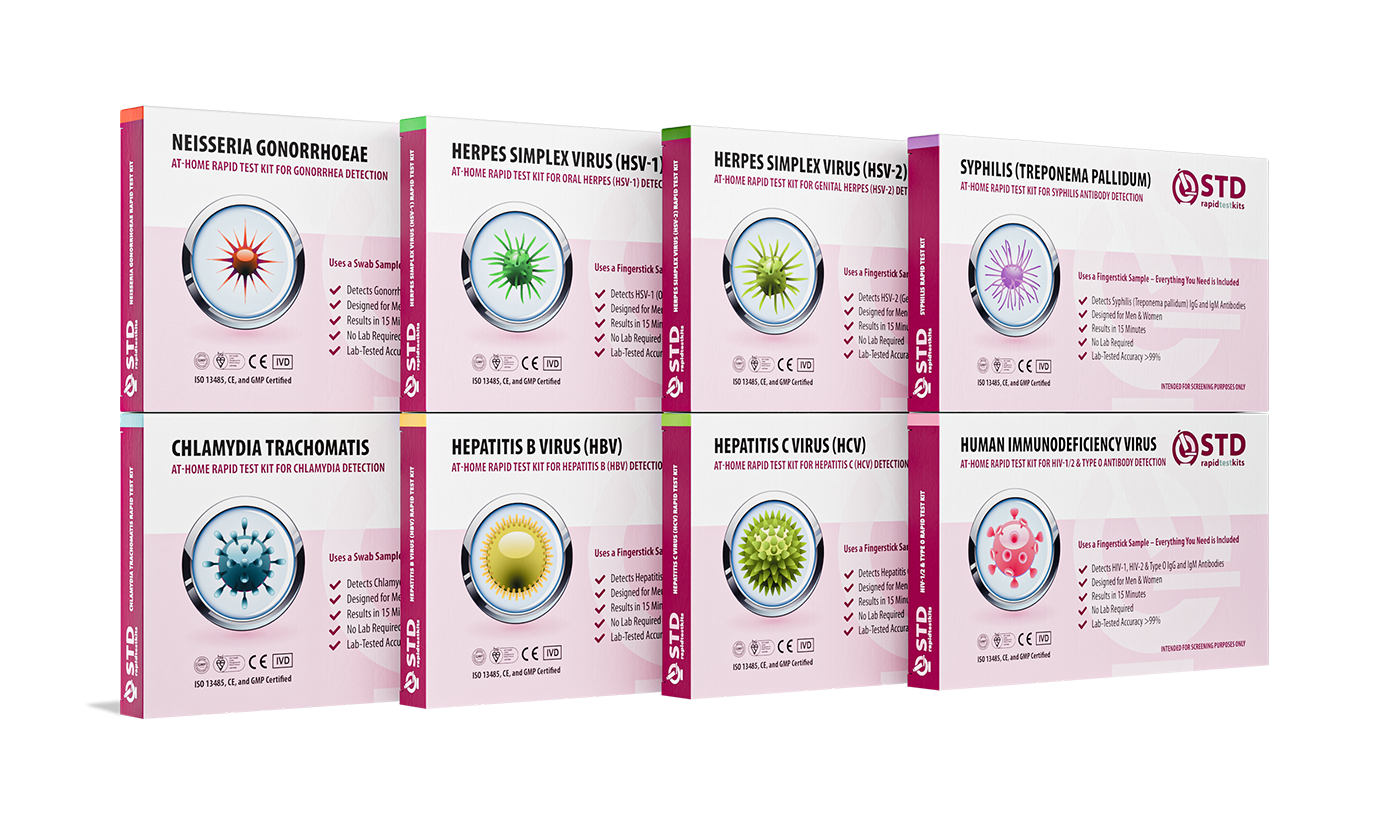 For Men & WomenResults in MinutesNo Lab NeededPrivate & Discreet
Order Now $149.00 $392.00
For all 8 tests
Stigma, Shame, and Why None of This Means You're "Dirty"
Too often, testing positive, especially more than once, makes people feel like they’ve failed sexually. That’s internalized stigma doing its worst. The reality is that chlamydia is the most commonly reported bacterial STD in the U.S., and reinfection is more about timing, biology, and access than it is about promiscuity or carelessness.
You can do everything “right” and still find yourself here again. That doesn’t make you dirty. It makes you human. Testing is not a confession. It’s an act of care, for yourself, and anyone you’re intimate with. Every time you swab or pee in that cup or click “submit” on an at-home kit, you’re practicing something powerful: accountability without shame.
Whether it’s your first result or your third, you deserve healthcare and information that meets you without judgment. That’s why platforms like STD Rapid Test Kits exist, to offer quick, discreet, and doctor-trusted answers, without waiting rooms or weird looks.
FAQs
1. Is it normal to get chlamydia more than once?
Sadly, yes. It’s way more common than people think. Most of us assume once we’ve treated it, it’s done for good, but chlamydia can come back, especially if a partner wasn’t treated at the same time. You didn’t screw up. The system just isn’t set up to catch all the timing pitfalls. Reinfection happens even in monogamous, careful relationships.
2. How soon after treatment can I get tested again?
The sweet spot is 3 weeks after finishing antibiotics if you want to do a “test of cure.” Earlier than that, and the test might pick up dead bacterial bits and say you’re still positive, even when the infection’s gone. For routine follow-up, most experts recommend retesting at 3 months, just to make sure you didn’t get reinfected or miss anything.
3. Why would my partner say they tested negative if I just tested positive again?
It’s possible they’re telling the truth, but the test might’ve been done during their window period, meaning it was too early to show up. Imagine getting exposed and testing just 2 days later, it’s like asking a pregnancy test to work 5 minutes after sex. That’s how chlamydia can fly under the radar and show up later.
4. Could I have given myself chlamydia again?
Only if you didn’t finish your antibiotics or had sex with a partner who hadn’t been treated yet. You can’t give yourself chlamydia from a towel or a toilet seat. But you can bounce it back and forth in a relationship if both people aren’t treated at the same time and avoid sex for the full 7-day recovery period. It’s bacteria, not karma.
5. Do I need to tell my partner if I test positive again?
We get it, it’s a rough convo. But yeah, if you’re still sexually active with them or were recently, they need to know. You can say something like: “Hey, I just tested positive for chlamydia again. I got treated but I wanted to let you know in case you need to get checked too.” Keep it short, factual, and shame-free. Their reaction isn’t your responsibility, your honesty is.
6. Can I get chlamydia from oral sex?
Yep. It’s not the most common way, but it happens, especially if your partner has a throat infection and you’ve got exposure through unprotected oral. The problem? Most people don’t think to test their throat, and many clinics don’t offer that unless you specifically ask. So infections can hide out undetected.
7. Why does my test keep coming back positive even after treatment?
Two main reasons: (1) you got re-exposed by someone who didn’t fully treat or waited too long, or (2) you’re testing too early and the test is picking up bacterial leftovers. Remember, most NAATs are super sensitive, they can detect fragments that aren’t infectious. That’s why timing matters more than people realize.
8. How long after treatment is it safe to have sex again?
We know waiting sucks, but it really has to be a full 7 days after BOTH of you finish antibiotics. Even if you feel fine, or even if they took their meds a day after you, count 7 days from the latest treatment. Anything earlier, and there’s still a risk of passing it back and forth.
9. If I keep getting chlamydia, will it mess with my fertility?
Repeated, untreated infections can lead to complications like PID (pelvic inflammatory disease), which can impact fertility over time. But here’s the good news: if you’re catching it, treating it, and getting retested when needed, you’re doing the work to protect your body. Testing is your power move, not a red flag.
10. Can I use an at-home test to check if I’m clear?
Absolutely. At-home chlamydia test kits are fast, discreet, and give you answers without the awkward clinic visit. Just be sure to wait at least 3 weeks after treatment for the result to be meaningful. If you're worried, or your partner's treatment status is a question mark, testing at home can be a really solid move.
You Deserve Answers, Not Assumptions
Testing positive for chlamydia again doesn’t mean you’re reckless. It means you’re in a system where timing, silence, and test limitations collide. But now you know how to protect yourself. You know when to test, how to talk to partners, and how to stop the cycle.
Don’t guess. Don’t panic. Get clear.
Peace of mind is one test away. This at-home combo test kit checks for the most common STDs discreetly and quickly.
How We Sourced This Article: We combined current guidance from leading medical organizations with peer-reviewed research and lived-experience reporting to make this guide practical, compassionate, and accurate.
Sources
2. Planned Parenthood: Chlamydia
3. How Doctors Treat Chlamydia, According to CDC Guidelines
4. Chlamydia – StatPearls (NIH / NCBI Bookshelf)
5. Testing for Chlamydia Reinfection Among Adolescent Patients (NCBI / PMC)
6. Azithromycin Treatment Failure for Chlamydia trachomatis (PMC)
7. Chlamydia Test – Lab Tests (MedlinePlus / NIH)
About the Author
Dr. F. David, MD is a board-certified infectious disease specialist focused on STI prevention, diagnosis, and treatment. He blends clinical precision with a no-nonsense, sex-positive approach and is committed to expanding access for readers in both urban and off-grid settings.
Reviewed by: C. Ngozi Adibe, RN, MPH | Last medically reviewed: December 2025
This article is just for information and doesn't take the place of medical advice.


