





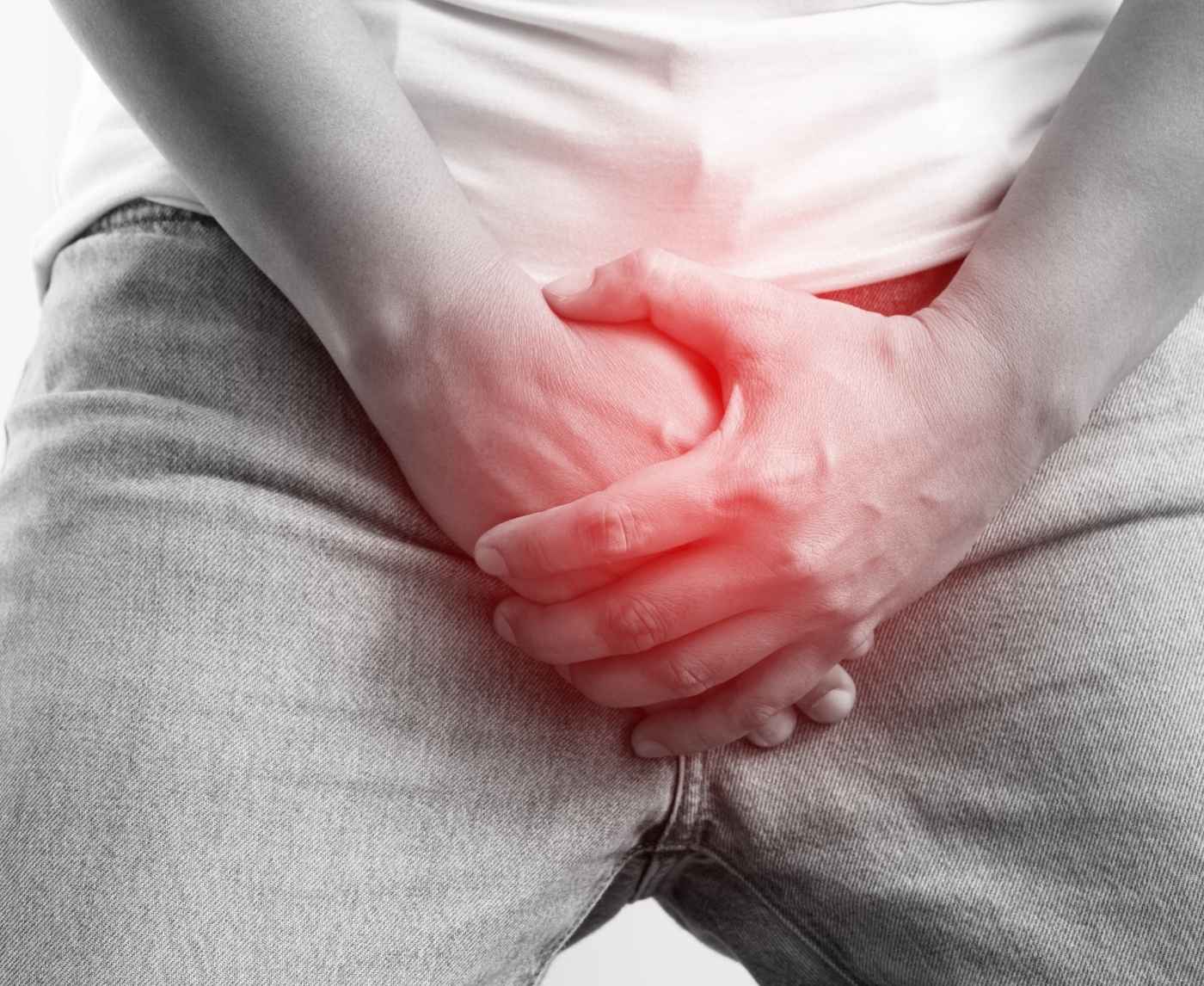

Quick Answer: Pain in one testicle, even without a lump or discharge, can be caused by STDs like chlamydia or gonorrhea. Testing is the only way to know for sure, at-home kits are available and discreet.
“It Was Just a Twinge, Then It Got Weirder”
Jake, 26, didn’t think much of the ache in his left testicle. He had gone for a run, hadn’t had sex in over a month, and figured it was some kind of strain. But two days later, the pain hadn’t left. There was no redness, no discharge, and definitely no swelling he could see. Just that stubborn soreness, like something internal was off. When he finally Googled his symptoms, he found two possibilities that surprised him: epididymitis, often caused by chlamydia or gonorrhea, and testicular torsion, a medical emergency. One was sexually transmitted. The other required emergency surgery.
Most men don’t immediately link testicle pain with STDs, especially if there’s no burning when they pee, no rash, and no obvious signs of infection. But this is exactly how some STDs hide: under the radar, inside your reproductive system, quietly causing inflammation. The epididymis, a coiled tube behind the testicle that stores and carries sperm, is a common target. When bacteria from an STD reaches it, the result is epididymitis, and pain in just one testicle is often the first red flag.
STD or Something Else? What That Pain Might Mean
Let’s be real: not every sore testicle points to an STD. But it also isn’t something to ignore. Here’s where things often get confusing. There are several causes of testicular pain that can look and feel similar at first, especially in the absence of discharge or a visible lump. Here’s how the major culprits stack up:
| Condition | Common Cause | Typical Onset | Related to STD? |
|---|---|---|---|
| Epididymitis | Bacterial infection (often chlamydia or gonorrhea) | Gradual, dull pain | Often yes |
| Testicular torsion | Twisting of the spermatic cord | Sudden, severe pain | No, but a medical emergency |
| Inguinal hernia | Intestinal tissue pushing into groin | Variable, worsens with movement | No |
| Orchitis | Viral or bacterial infection | Swelling + pain, often with fever | Sometimes |
| Trauma or strain | Injury or exertion | Usually right after activity | No |
Table 1: Causes of one-sided testicular pain. Note how epididymitis is both common and STD-linked.
What sets STD-related pain apart is that it can come with no external warning. You might feel fine otherwise. You may not even remember your last exposure clearly. But if you’ve had unprotected sex, oral, vaginal, or anal, in the past few weeks or months, an infection is still on the table.
People are also reading: Can You Trust a Negative STD Test Result? Here’s the Truth
Silent Spreaders: How STDs Cause Testicular Inflammation
Chlamydia and gonorrhea don’t always hit hard right away. In fact, up to 70% of men with chlamydia report no early symptoms at all. That’s what makes it so insidious, it travels upward from the urethra, often unnoticed, until it reaches the epididymis and triggers pain that finally makes you pay attention.
Infections like gonorrhea can follow a similar route. While they’re better known for causing painful urination or discharge, some cases skip those steps entirely. Instead, they head straight for the internal plumbing. If your immune system delays its response, pain may be your only real clue.
According to the CDC, untreated chlamydia in men can lead to infertility due to damage inside the testicles and reproductive tubes (CDC: Chlamydia – STD Facts). That risk climbs if you don’t catch it early, when the only symptom might be an ache you could ignore.
Check Your STD Status in Minutes
Test at Home with Remedium7-in-1 STD Test Kit
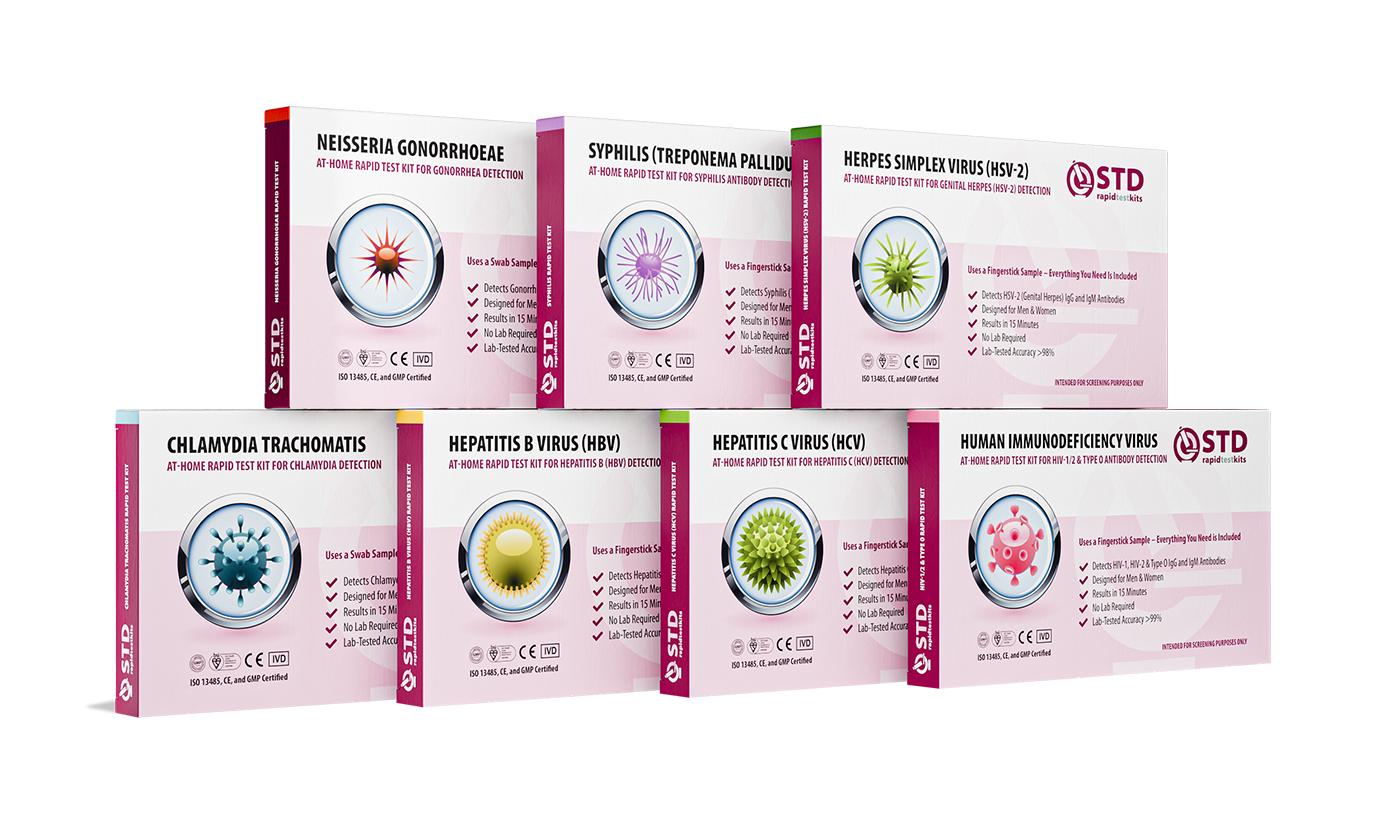
 For Men & Women
 Results in Minutes
 No Lab Needed
 Private & Discreet
Order Now $129.00 $343.00
For all 7 tests
How Long After Exposure Does Testicle Pain Start?
Not all symptoms show up on schedule. The timeline between exposure and noticeable testicular pain varies, because STDs behave differently in different bodies. But here’s what we do know: most STD-related inflammation doesn’t hit overnight. It builds.
If your pain started within 2 to 5 days of a risky hookup, it’s possible your body is just beginning to respond to a fresh infection. If it’s been a week or more, and you’re feeling off, especially in one testicle, your immune system may now be reacting to bacteria that’s already moved deeper into the reproductive tract.
Testing too soon can give you a false sense of security, especially if you’re dealing with chlamydia or gonorrhea. Here’s what that window actually looks like:
| STD | Earliest Reliable Test Window | When Accuracy Peaks | Can Cause Testicle Pain? |
|---|---|---|---|
| Chlamydia | 5–7 days | 14 days+ | Yes |
| Gonorrhea | 5–7 days | 14 days+ | Yes |
| Herpes (HSV-2) | 10–12 days | 3–6 weeks (blood test) | Rarely |
| Syphilis | 3–6 weeks | 6–12 weeks | Rarely, but possible |
Table 2: Typical window periods and symptom risk for STDs linked to testicle pain.
If your symptoms started a week or more after sex, especially unprotected or with a new partner, there’s a strong case for testing now. And if you tested early and got a negative, but the pain’s gotten worse? Retest. The bacteria may have outrun the window.
He Tested Too Soon, and Paid the Price
Two weeks after hooking up with a new partner, Luis felt a twinge in his right testicle. He panicked and rushed to an urgent care clinic. The test came back negative. Relieved, he tried to forget about it. But the pain didn’t go away, it got sharper. A week later, he tested again. This time, it was chlamydia. The doctor explained that the first test had likely been too soon, before the bacteria built up enough to trigger a positive result. Luis hadn’t imagined the pain. He’d just outrun the accuracy window.
This story plays out constantly. And it’s not about getting it wrong, it’s about timing. Your body doesn’t follow a lab manual. That’s why most experts recommend waiting 14 days after potential exposure for the most reliable results for chlamydia and gonorrhea.
STD Testing Without a Clinic: Yes, It’s a Real Option
So what if you want answers without making an appointment, or explaining your sex life to a stranger behind a glass window? That’s where at-home STD testing becomes a lifeline. You can test discreetly, on your own schedule, without ever walking into a clinic. It’s not second-rate, it’s science, just packaged for privacy.
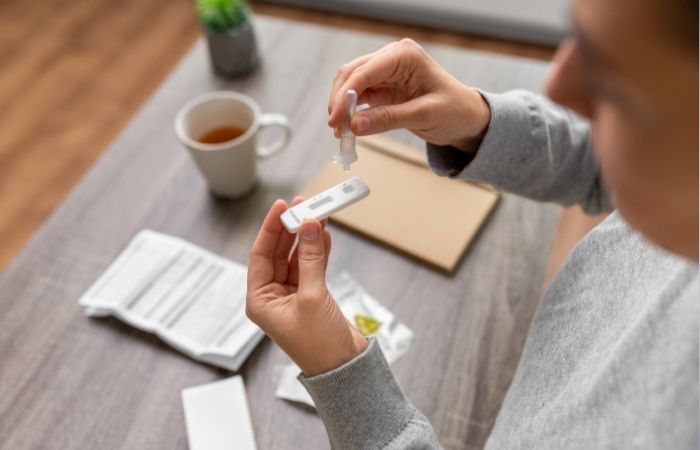
At-home STD kits use the same sample types as many clinics: urine or swabs for chlamydia and gonorrhea, and fingerstick blood samples for things like syphilis or HIV. Results come back in hours or days, depending on whether you’re using a rapid test or mailing in your sample.
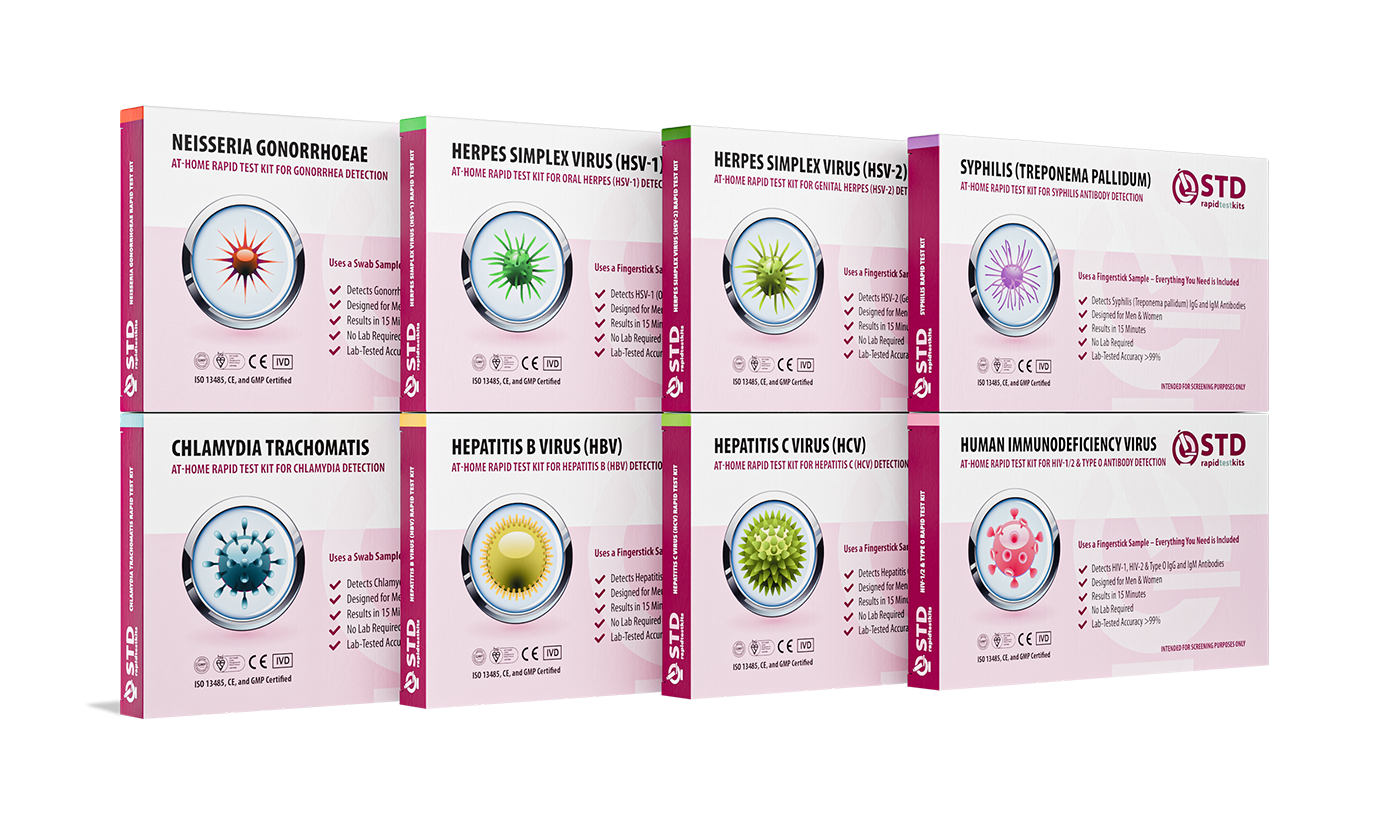
For example, the Combo STD Home Test Kit covers the most common culprits of testicle pain and gives you results from the privacy of home. It’s FDA-approved, clinically accurate, and designed for real-life worries, like yours.
If your head keeps spinning, peace of mind might be one test away. You don’t have to stay in limbo while your symptoms play guessing games.
People are also reading: Why One “Clean” STD Test Doesn’t Always Mean You’re Safe
What Happens If You Don’t Treat It?
Here’s the part people skip, and regret. If chlamydia or gonorrhea go untreated, the inflammation can spread. In men, it doesn’t just stay in the testicles. It can reach the prostate. It can affect fertility. It can cause chronic pelvic pain or even contribute to systemic infections in rare cases. And all of that can start with one testicle hurting… just a little.
That’s what happened to Sam, 33, who assumed his mild discomfort was nothing. “I felt a weird heaviness in one ball, but no fever or anything. I figured it was just from lifting weights or sitting weird at my desk,” he said. “Two months later, I was in urgent care with severe groin pain. They said it was chronic epididymitis and likely due to untreated chlamydia.”
Not every case spirals. But waiting it out almost always makes the outcome worse. Pain is your body’s language for urgency. Testing is the translation.
How Long Should You Wait to Retest If Symptoms Persist?
Retesting isn’t always about paranoia. Sometimes, it’s just good practice, especially if you tested early, symptoms continue, or you’ve had new exposure. Here’s what most health professionals recommend:
If you tested before the 14-day mark after exposure and got a negative, but symptoms remain or get worse? Retest after the two-week point. If you’ve started treatment but want to confirm clearance? Wait 3–4 weeks post-treatment, as testing too soon might still pick up bacterial fragments.
Reinfection is another reality, especially if your partner hasn’t been tested or treated. You can clear chlamydia and catch it again the same month. That’s why partner testing matters just as much as your own results.
Need clarity on when to test again? Our free Window Period Calculator can help pinpoint your ideal testing window based on exposure and symptoms.
Check Your STD Status in Minutes
Test at Home with Remedium8-in-1 STD Test Kit
 For Men & WomenResults in MinutesNo Lab NeededPrivate & Discreet
Order Now $149.00 $392.00
For all 8 tests
“I Didn’t Know I Could Give It Back to Her”
Marc, 29, found out the hard way. After treating his STD, he resumed sex with his girlfriend, thinking they were both fine. But she hadn’t been tested yet. A few weeks later, she had symptoms again. Turns out, he’d cleared his infection, but she hadn’t. When they hooked up, she reinfected him, and the cycle continued until they both got tested and treated, together.
This is where prevention and partner care become part of the healing. Testing isn’t just about you, it’s about the people you’re intimate with. You deserve answers. They do too.
And here’s the good news: with today’s technology, no one needs to suffer through awkward clinics or long delays. You can send your partner a link, order kits separately, and get results at home. Confidential, fast, and stigma-free.
The Emotional Weight of Waiting
Sometimes the worst part isn’t the ache in your body. It’s the ache in your head, the anxiety, the Google spirals, the “what ifs.” The quiet panic that builds when symptoms don’t make sense, when the test says negative but your gut says otherwise. Or when you’re too embarrassed to ask a doctor face-to-face.
Let’s be honest: testicle pain tied to an STD doesn’t feel like something you want to talk about. But that silence can delay action, and prolong discomfort that’s totally preventable. You’re not “dirty.” You’re just dealing with a health issue that a lot of men face but few admit.
Whether it’s an old hookup resurfacing through symptoms or a surprise after what you thought was safe sex, the path forward is the same: test, treat, talk. There’s no shame in taking care of your body, and a whole lot of peace that comes with knowing where you stand.
FAQs
1. Can one testicle hurt from an STD?
Yep. It’s way more common than people think. Sometimes the pain shows up in just one testicle, no lump, no rash, no drama, and it turns out to be chlamydia or gonorrhea. The inflammation can settle into the epididymis (that little tube behind the testicle), and boom, one-sided ache that feels random but isn’t.
2. What if there’s no discharge or burning, just testicle pain?
That doesn’t rule out an STD. Some infections don’t follow the “classic” script. Think of it like a car light that flickers before fully breaking. One testicle aching might be the early warning system. Discharge might show up later, or not at all. Either way, test. Don’t wait for more symptoms to “prove it’s real.”
3. Can I just wait it out and see if the pain goes away?
You can, but you’re gambling. Sometimes it fades. Other times, the infection gets worse quietly. One guy we spoke to waited a month and ended up with chronic epididymitis that still flares up during sex. So yeah, it might go away… or it might not. Testing clears the air.
4. What if I already tested and it came back negative?
Then the timing matters. Did you test too soon? Most STD tests need at least 7–14 days post-exposure for reliable results. If you tested earlier than that and still feel weird, give it a week or two and retest. Symptoms without answers are a sign your body’s not done talking yet.
5. Could this just be from exercise or sitting too long?
Absolutely possible. We’re not saying every sore testicle is an STD. A long bike ride, cramped desk chair, or even bad underwear can cause mild pain. But if it lingers, if it’s deep or internal, or if it came on after sex, you owe it to yourself to rule out infection.
6. Is herpes ever the cause of ball pain?
Rarely. Herpes likes the skin more than the plumbing. But everyone’s body reacts differently. Some guys get nerve-based pain during outbreaks that feels like groin pressure or a deep ache. Still, herpes isn’t usually the first culprit if one testicle hurts with no blisters or sores.
7. Do I need to tell my partner if I think an STD caused this?
If you’re sexually active with someone else, yeah, it’s a good idea. You’re not pointing fingers; you’re protecting both of you. We’ve seen couples pass chlamydia back and forth like an awkward game of hot potato. Testing together takes the guesswork out and builds trust.
8. How fast can I get tested without going to a clinic?
Fast. With an at-home kit, you can collect your sample today, drop it off tomorrow, and have results in days. Or you can use a rapid test and know in minutes. No waiting room, no clipboard, no judgment. Just you, your body, and some real answers.
9. Will I lose fertility from this if I ignore it?
In most cases, no. But ignoring an untreated STD for months increases that risk. Long-term inflammation can scar the epididymis or reduce sperm quality. It’s not about panic, it’s about prevention. Test now, treat if needed, and you protect your future.
10. Is it weird to test for an STD just because my testicle hurts?
Not at all. It’s responsible, smart, and honestly more common than you’d think. Plenty of guys test without classic symptoms. Pain in one testicle is a good enough reason. Your body doesn’t send fake signals, just subtle ones.
You Deserve Answers, Not Assumptions
Your body is telling you something, and even if it’s whispering, it’s worth listening. Pain in one testicle, no lump, no fever, no discharge? That doesn’t mean it’s harmless. It might be an early warning sign of a silent STD. Or it might be something else entirely. But waiting and wondering won’t bring relief. Action will.
Don’t wait and wonder, get the clarity you deserve. This at-home combo test kit quickly and discreetly checks for the most common STDs.
How We Sourced This Article: We combined current guidance from leading medical organizations with peer-reviewed research and lived-experience reporting to make this guide practical, compassionate, and accurate.
Sources
1. How doctors figure out if your testicle pain is from an STD—and what they do about it
2. Chlamydia in Men: Subtle Symptoms That Make It Easy to Miss
3. What Gonorrhea Looks Like in Men—And Why Some Don’t Know They Have It
4. Gonorrhea – Symptoms and Causes (Mayo Clinic)
5. About Chlamydia – Symptoms in Men (CDC)
6. Epididymitis – NIH/NCBI Bookshelf
7. Testicle Pain Causes (Mayo Clinic)
About the Author
Dr. F. David, MD is a board-certified infectious disease specialist focused on STI prevention, diagnosis, and treatment. He blends clinical precision with a no-nonsense, sex-positive approach and is committed to expanding access for readers in both urban and off-grid settings.
Reviewed by: A. Bennett, NP-C | Last medically reviewed: December 2025
This article is just for information and doesn't take the place of medical advice.


