







Quick Answer: Untreated chlamydia in Black women can cause pelvic inflammatory disease (PID), infertility, chronic pain, and pregnancy complications, even with no symptoms. Testing is the only way to catch it early.
When Silence Is a Symptom Too
The dangerous thing about chlamydia is that it rarely announces itself. Especially in women, and especially in Black women. According to the CDC, up to 75% of women with chlamydia report no symptoms at all. Among Black women, that silence is compounded by systemic issues: less access to routine testing, higher medical distrust, and a disturbing tendency among providers to minimize pain reports or ignore subtle symptoms altogether.
Take Kayla, 21, who thought the burning she felt after peeing was just a UTI. Her doctor didn’t test her for STDs because she “didn’t seem high risk.” That missed test allowed her infection to fester. By the time she was finally diagnosed, she was already dealing with inflammation in her fallopian tubes, and didn’t even know what the term “PID” meant.
Pelvic Inflammatory Disease, or PID, is one of the most severe outcomes of untreated chlamydia. It’s not a different STD, it’s what happens when infections like chlamydia move upward and start attacking the uterus, ovaries, and fallopian tubes. And it’s alarmingly common. Black women in the U.S. are disproportionately affected by PID, partly because of underdiagnosed chlamydia.
From Infection to Infertility: A Timeline of Harm
Most people think STDs mean itching, burning, or obvious discharge. But the most dangerous ones, like chlamydia, often do none of that. They just keep climbing inside your body, silently damaging what you can’t feel until it’s too late. Here’s how that progression can happen:
| Stage | What’s Happening | Timeframe | Impact |
|---|---|---|---|
| Initial Infection | Bacteria enter the cervix or urethra | 0–14 days | Often symptomless or mild irritation |
| Silent Spread | Infection travels to uterus and fallopian tubes | 2–6 weeks | Possible unnoticed pelvic pain, spotting |
| Pelvic Inflammatory Disease (PID) | Inflammation and scarring begin | 1–3 months | Tubal damage, chronic pain, ectopic risk |
| Fertility Complications | Scarring blocks egg movement | Months to years | Infertility, increased miscarriage risk |
Table 1: Timeline of harm when chlamydia goes untreated. While not everyone will progress this way, Black women are statistically more likely to experience complications due to systemic healthcare gaps and delayed treatment.

People are also reading: HPV in Men vs Women: Why One Partner Gets Symptoms and the Other Doesn’t
Why Black Women Are Hit Harder
This isn’t about biology, it’s about systems. Black women aren’t more susceptible to chlamydia because of their bodies. They're more vulnerable because of the environment: medical racism, stigma, socioeconomic barriers, and the failure of our public health system to prioritize equitable care.
Research shows that Black women are less likely to get STD testing from doctors, even when they have symptoms. Pain is often dismissed or labeled as “normal” for menstruation. Many women report feeling judged or brushed off when they ask for an STD panel. And culturally, many Black women grow up in environments where sexual health is discussed in whispers, if at all. That silence breeds shame, and shame delays testing.
Janelle, 30, said she avoided getting tested after a condom broke because “I didn’t want the nurse to look at me like I was dirty.” She finally got tested six months later, after she started bleeding during sex. The infection had already spread.
That’s how chlamydia wins. Not because it’s fast or aggressive, but because it hides, and our systems let it hide longer in some communities than others.
Check Your STD Status in Minutes
Test at Home with Remedium7-in-1 STD Test Kit
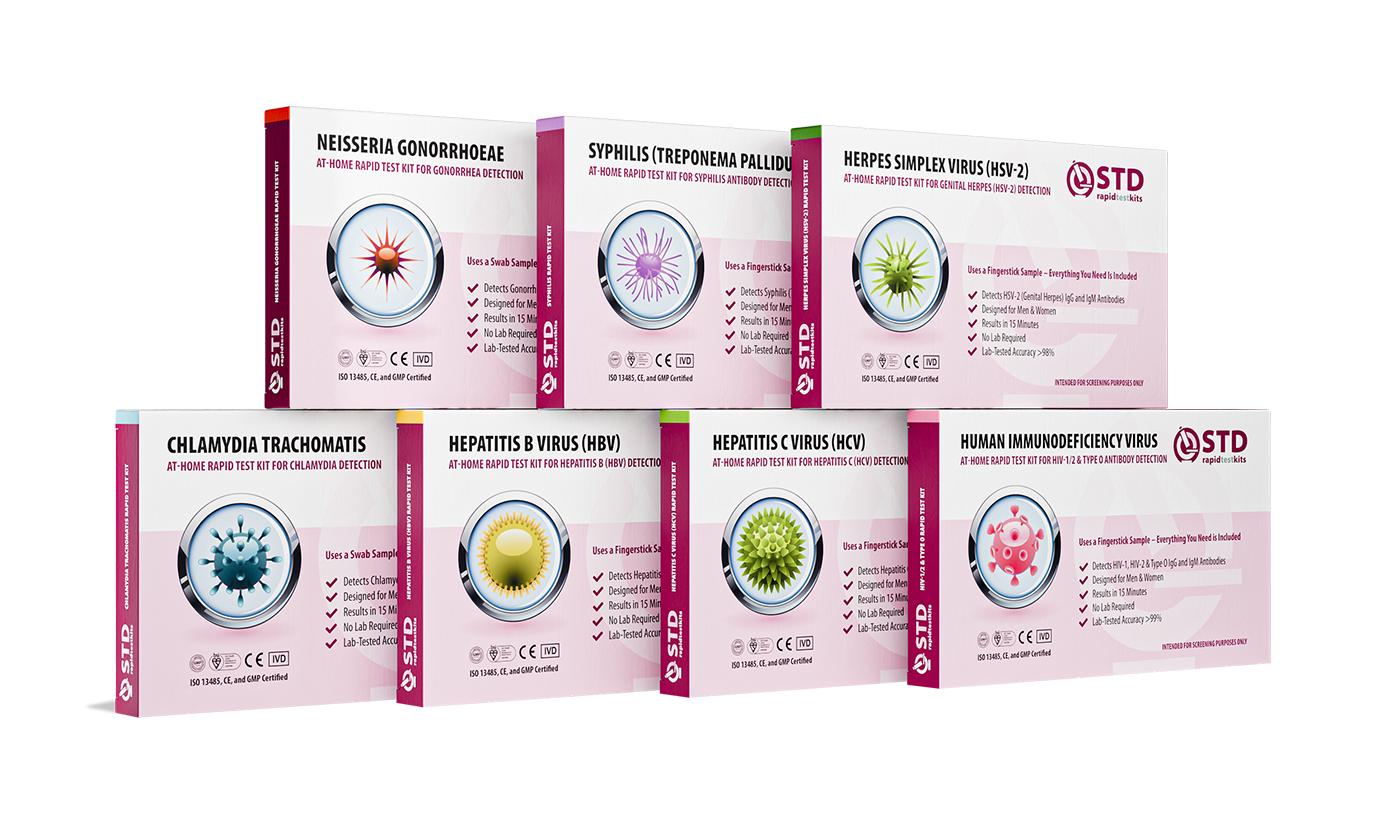
 For Men & Women
 Results in Minutes
 No Lab Needed
 Private & Discreet
Order Now $129.00 $343.00
For all 7 tests
This Isn’t Just a “Women’s Issue”, It’s a Reproductive Justice Issue
Too often, chlamydia in Black women gets filed under “women’s health” and forgotten. But the consequences extend far beyond an individual diagnosis. When untreated, chlamydia becomes a reproductive justice issue, because it denies people full control over their future. Fertility, pregnancy, parenting, it all gets disrupted by an infection that could’ve been caught early, if systems had worked the way they should.
In medical journals, this is described clinically: “increased risk of tubal factor infertility,” “ectopic gestation,” “adverse obstetric outcomes.” But in real life, it looks like Jasmine crying in her OB’s office when she finds out blocked tubes mean IVF might be her only path to pregnancy. It sounds like a 19-year-old calling her ex to ask if he’s ever been tested, because she just found out she has PID and the doctor said it’s not new. It feels like your body turning against you, and nobody ever warned you it could happen.
Here’s what research has shown about how untreated chlamydia impacts pregnancy and reproductive outcomes in Black women:
| Complication | Linked to Untreated Chlamydia? | Risk Amplified in Black Women? | Explanation |
|---|---|---|---|
| Infertility | Yes | Yes | Due to delayed diagnosis and higher PID rates |
| Ectopic Pregnancy | Yes | Yes | Scarring in fallopian tubes from PID |
| Preterm Birth | Yes | Yes | Ongoing inflammation in the uterus linked to infection |
| Miscarriage | Possibly | Emerging Evidence | Infection may interfere with early pregnancy environment |
Table 2: Pregnancy complications associated with chlamydia. Black women face higher risks due to delayed care, misdiagnosis, and systemic inequity, not because of biology.
“But I Didn’t Even Have Symptoms…”
This is the most common phrase heard by doctors when someone finds out they’ve had chlamydia for months. And for Black women, it’s especially heartbreaking, because they often did have symptoms, but weren’t believed. Or they mistook those symptoms for period pain, bladder infections, or stress.
Low pelvic pressure. Unusual spotting. Pain during sex. These are all subtle signs. But if you grew up hearing that cramps are just part of being a woman, or if every doctor has ever told you “it’s normal” or “just hormonal”, you start ignoring them too.
In one study, over half of Black women with confirmed PID said they had sought care earlier for related symptoms, but hadn’t been tested for STDs. That’s how systemic dismissal becomes clinical harm.
And some cases truly are silent. No pain, no discharge, no red flags. Just an infection waiting. That’s why testing matters so much, not because you’re dirty, or risky, or irresponsible, but because you might be doing everything right, and still miss it.
Consider Brielle again. She finally got tested because her new partner asked if she’d been checked recently. She almost said yes. She almost assumed the pill covered her. But she went in anyway. Her infection had likely been there for six months. She had no symptoms, but the scarring had already started. That test may have saved her fertility.
Testing = Prevention, Protection, Power
This isn’t just about catching something. It’s about owning your body’s story before someone else writes it for you. Getting tested, especially as a Black woman navigating systems that weren’t built with you in mind, isn’t just medical. It’s radical self-care. It’s resistance.
If you’ve had unprotected sex, a condom break, a new partner, or even just an instinct something feels off, don’t wait for pain. Don’t wait for approval. Don’t wait for a provider who “takes you seriously.”
You deserve answers now. You deserve to know what’s happening inside your body before it becomes a story about loss or “what could’ve been.”
And testing doesn’t mean making a clinic appointment you don’t have time for. It doesn’t mean sitting in a waiting room worried about who’s watching. It can be done from home, in privacy, on your terms, without shame.
Order a discreet chlamydia rapid test kit today. You don’t need to feel symptoms to deserve peace of mind.
Whether you’re worried, curious, or just tired of wondering, you’re allowed to check. You’re allowed to know.
When the Body Speaks in Codes
One of the hardest parts of detecting chlamydia is that the body rarely speaks in bold letters. It whispers. It hints. It drops subtle clues, and those clues are easy to ignore, especially when life is loud and healthcare isn’t listening.
Here’s how symptoms, or lack of them, tend to show up. Notice how both can exist side-by-side, creating a dangerous illusion of safety if we only rely on feeling “off” to take action:
| Symptom Experience | What It Might Look Like | Common Reactions | Risk If Ignored |
|---|---|---|---|
| Obvious Symptoms | Burning during urination, unusual discharge, pain during sex | Often mistaken for UTI, yeast infection, or stress | Infection progresses if misdiagnosed or not treated |
| Subtle Symptoms | Pelvic discomfort, spotting after sex, mild cramps outside period | Dismissed as normal period variation or hormonal fluctuation | May signal early PID or tubal inflammation |
| No Symptoms | No pain, no odor, no visible change | False sense of security; assumes “I’m clean” | Silent scarring, eventual fertility issues |
Table 3: Symptom patterns in chlamydia infection. Testing is essential even when nothing feels wrong.
“But I Was in a Monogamous Relationship…”
Many women are blindsided by an STD result because they associate risk with hookup culture, not committed relationships. But chlamydia doesn’t care about your relationship status. It only takes one untreated infection, whether from a current partner, a past one, or even from months ago, for it to change your life.
Alana was married. She hadn’t been with anyone else in years. But her husband had cheated, and never knew he was infected. By the time she found out, the infection had migrated, and she was experiencing sharp pelvic pain and severe cramping. She now lives with chronic inflammation that flares up during ovulation.
This isn’t about blame, it’s about biology. Infections don’t come with neon signs. And unless both partners test regularly, even the most loyal relationships can hide unspoken harm.
Monogamy doesn’t replace testing. Trust and testing should coexist, not compete.

People are also reading: When Is It Too Soon to Test for an STD? Real Timelines Explained
The Stigma That Keeps Black Women Silent
We need to talk about the shame. Not just the personal kind, but the kind passed down, between generations, between clinics and patients, between the public health system and Black women’s bodies.
If you grew up hearing that STDs are punishment, that asking for a test means you’re “fast,” that a diagnosis is dirty, it sticks. It affects how soon you test. If you test. Who you tell. Whether you even believe it happened to you.
The truth? You can love your body, protect yourself, make wise choices, and still get chlamydia. You can use condoms most of the time and still get it. You can be someone who cares deeply about health and still miss the signs.
What matters isn’t how you got here. What matters is what happens next.
Reclaiming your health doesn’t mean confessing sin. It means stepping into power. It means choosing care even when the system made it hard to access. It means refusing to let shame do more damage than the infection ever could.
If you need to test privately, that doesn’t mean you’re hiding. It means you’re healing.
This at-home combo test kit checks for the most common STDs discreetly and quickly. It’s not just a test, it’s a tool for control.
Check Your STD Status in Minutes
Test at Home with Remedium6-in-1 STD Rapid Test Kit
 For Men & WomenResults in MinutesNo Lab NeededPrivate & Discreet
Order Now $119.00 $294.00
For all 6 tests
“Nobody Told Me This Could Happen”, So We’re Telling You Now
Chlamydia doesn’t always scream. Sometimes, it’s a whisper that turns into a scar. A silent infection that changes your body’s future. A mistake that wasn’t yours, but still became your burden.
But the thing about silence is: it can be broken. We’re breaking it here, now, together. With truth. With tools. With compassion. Because Black women deserve better than vague warnings and clinic walls that don’t listen.
You deserve testing that respects your time, your dignity, and your right to know. You deserve care that meets you where you are. And if you’ve never had symptoms, if no one ever told you this could happen, you deserve answers anyway.
Peace of mind isn’t just possible. It’s yours to claim.
Return to STD Rapid Test Kits to explore your options and take control of your health today.
FAQs
1. Can chlamydia really just hang out in your body without you knowing?
Unfortunately, yes, and that’s the scariest part. You can be going about your life, feeling totally fine, and have chlamydia quietly damaging your reproductive system behind the scenes. No fever, no pain, no discharge. It doesn’t mean you’re “lucky.” It just means you won’t know it’s there unless you test.
2. I’ve only been with one person. Why would I need to test?
You can love someone and still not know their full medical history. A lot of people carry chlamydia without realizing it, especially men, who are often symptom-free. Monogamy doesn’t equal immunity. Even if you trust your partner, getting tested together can actually deepen that trust.
3. Will chlamydia go away on its own if I just drink water and take care of myself?
As much as we love hydration, no, chlamydia needs antibiotics. Left untreated, it won’t just “clear up.” It sticks around, climbs into your uterus, and can lead to permanent damage. Even if your symptoms disappear, the bacteria can still be causing harm.
4. Can chlamydia really make you unable to have children?
Yep, and it’s one of the leading causes of preventable infertility in women. The infection scars your fallopian tubes over time, which blocks the eggs. It doesn’t happen overnight, but if left untreated long enough, it can affect your ability to get pregnant later. And that’s why early testing matters, even when you feel fine.
5. How would I even know if I have PID?
PID (Pelvic Inflammatory Disease) can start off sneaky, mild cramps, spotting, pain during sex, but it can escalate fast. Think of it like your body trying to fight an infection in your reproductive organs. If you’re having ongoing pelvic pain or bleeding between periods, don’t brush it off. It's not just "bad cramps." Your body could be sending you a warning.
6. Can I get chlamydia again after I’ve been treated?
You sure can. Treatment clears the current infection, but it doesn’t make you immune. If your partner hasn’t been treated, or if you’re exposed again, it’s back on the table. That’s why retesting a few months later is part of the deal. Not because you did something wrong, but because your body deserves a double-check.
7. I thought I had a UTI. Could it have been chlamydia?
Very possible. The two can feel similar, burning when you pee, pelvic pressure, even urgency. That’s why assuming it’s “just a UTI” can be risky. A urine culture won’t always catch chlamydia, so if you’ve been treated for a UTI but still feel off, ask for a full STD panel. Your bladder isn’t always to blame.
8. Should I tell my ex if I test positive?
It’s awkward. It’s uncomfortable. But it’s also the right thing to do. You don’t have to get into blame or drama. You can keep it simple: “Hey, I tested positive for chlamydia. You might want to get tested too.” You’re not just protecting them, you’re protecting future partners, too. If the idea of that conversation stresses you out, there are anonymous notification services that can help.
9. I’ve never had a symptom in my life, why would I even think to test?
That’s exactly the trap chlamydia counts on. No symptoms = no suspicion. But by the time someone has pain or bleeding, the infection may already be causing internal damage. Testing isn’t just for when something feels wrong. It’s for when you want to stay right.
10. Can I test at home without anyone knowing?
Absolutely. That’s kind of the whole point. With an at-home kit like the Chlamydia Rapid Test, you don’t have to sit in a waiting room or explain yourself to anyone. It shows up in discreet packaging, you do the test privately, and you get your answer fast. No judgment. No small talk. Just clarity.
You Deserve Answers, Not Assumptions
By the time most women are diagnosed with chlamydia, the infection has already moved past the cervix. But it doesn’t have to get that far. Testing is how we stop chlamydia from deciding what happens next. It's not just about symptoms, it’s about story. Your body deserves to be listened to before it screams.
If you’ve never tested, or haven’t tested in a while, there’s no shame in starting now. Especially if you’re a Black woman who’s been taught to push through discomfort, delay care, or assume nothing’s wrong unless it hurts.
Don’t wait for the system to take you seriously. Take yourself seriously first. This discreet at-home combo test checks for multiple STDs in one go. It’s your body, your future, your right to know.
How We Sourced This Article: We combined current guidance from leading medical organizations with peer-reviewed research and lived-experience reporting to make this guide practical, compassionate, and accurate.
Sources
1. CDC – Chlamydia: Basic Fact Sheet
2. Planned Parenthood – Chlamydia Info & Testing
3. Chlamydia – CDC: About Chlamydia
4. About Pelvic Inflammatory Disease (PID) – CDC
5. Chlamydia trachomatis – NIH / PubMed
6. Racial/Ethnic Disparities in Lifetime Risk of Chlamydia – NCBI
7. Health Disparities in Black or African American Populations – CDC
8. Chlamydia Infection, PID, and Infertility – NIH / PubMed
About the Author
Dr. F. David, MD is a board-certified infectious disease specialist focused on STI prevention, diagnosis, and treatment. He blends clinical precision with a no-nonsense, sex-positive approach and is committed to expanding access for readers in both urban and off-grid settings.
Reviewed by: Dr. LaToya M. Green, MPH | Last medically reviewed: January 2026
This article is for informational purposes and does not replace medical advice.


