When Is It Too Soon to Test for an STD? Real Timelines Explained
It’s 3AM, and you’re staring at your phone screen, rereading an article that says you should wait to get tested, but you already did it yesterday. You were scared, or maybe the condom broke. Maybe you didn’t use one at all. Now, you’re stuck in that weird limbo where you want to believe your negative result, but deep down, something doesn’t feel right.
This article is for you, the person who did the right thing by getting tested, but maybe did it too soon. We'll explain exactly when STD tests are accurate, how window periods work, and what to do if your timeline doesn't match up with your last exposure. You are not the only one who is confused, and you deserve real answers, not vague medical terms.
12 December 2025
18 min read
595
Quick Answer: STD testing is too soon if done before the infection's window period ends. Most common STDs need at least 7 to 14 days after exposure to show up on tests, with some like HIV or syphilis taking several weeks. Retesting may be needed if you tested early.
Who This Article Is For (And Why It Matters)
If you’ve recently had unprotected sex, a partner cheated, or a condom failed, you’re likely in one of two emotional states: panic or denial. Maybe you're on a trip, or maybe your local clinic doesn’t feel private enough. Maybe you ordered a test online just to “be sure.” Whatever your path here, you clicked this article because you care, about your health, your partner, and peace of mind. And that's already a powerful move.
Let’s make something clear up front: getting tested is an act of care, not guilt. It’s a way to take control of your body and relationships. But if the timing is off, your test might not give you the clarity you’re hoping for. That’s where window periods come in, and why they matter more than most people realize.
What Counts as an STD Test (And Why Timing Affects Them)
STD tests aren’t all the same. Some look for the DNA of an infection, some detect the body’s response (like antibodies), and others scan for proteins or antigens from the infection itself. Which kind you take, and when, affects whether your result is trustworthy.
NAAT tests (nucleic acid amplification tests), like PCR, are the gold standard for infections like chlamydia and gonorrhea. These can often detect infections as early as 5 to 7 days after exposure. For HIV, tests like the 4th generation Ag/Ab combo look for both the virus and your immune system’s reaction. Herpes and syphilis, however, rely on antibody-based tests, and those take longer because your body needs time to produce a measurable response.
Rapid tests, like those offered in many at-home kits, can give results in under 30 minutes. But if you use one before your body has built up detectable levels of the virus or antibodies, you might get a false negative, even if you’re infected. That’s why understanding the "window period" is critical.
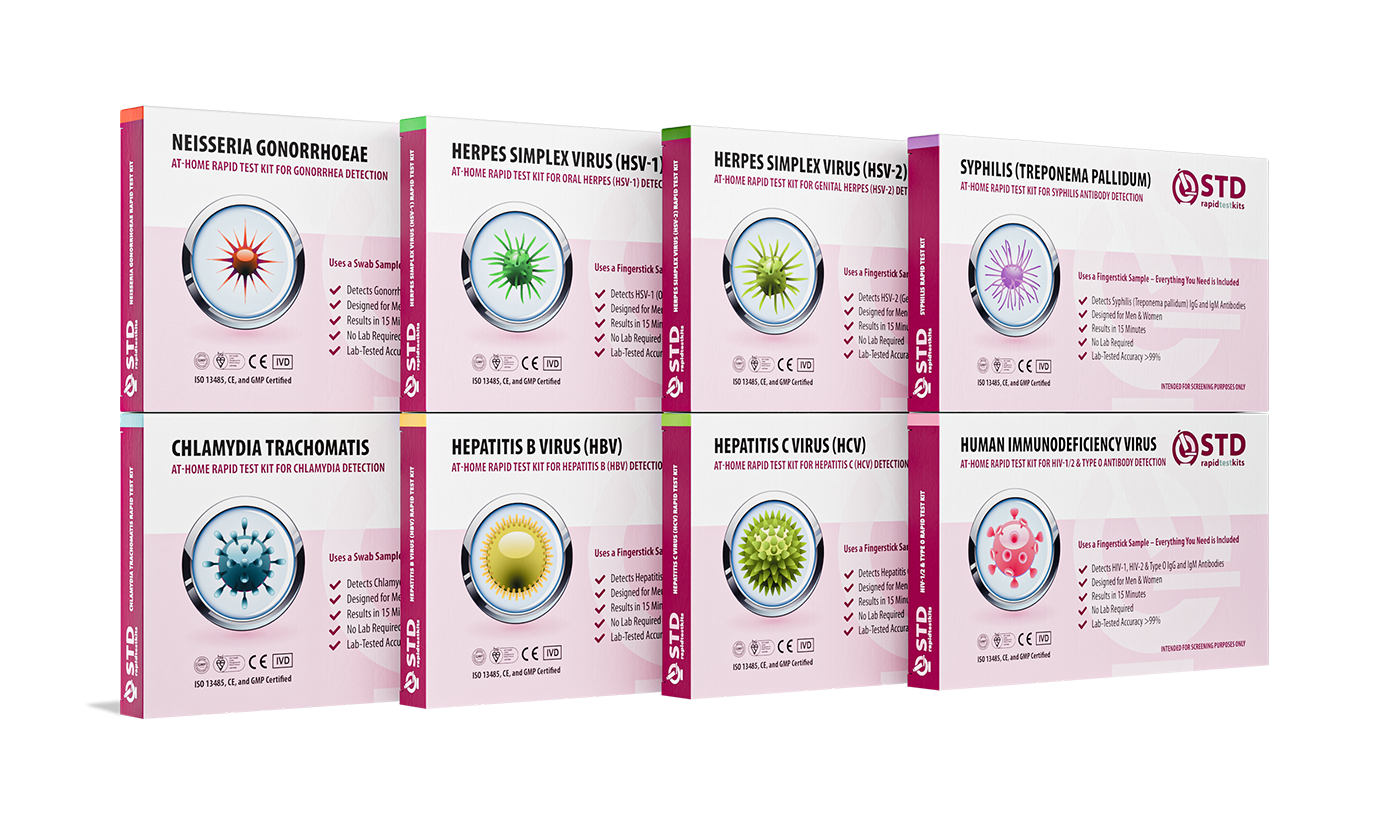
To explore discreet testing options, visit STD Rapid Test Kits, you can order a kit that arrives in privacy-preserving packaging and provides results within minutes.
Window Periods: What They Actually Mean (And Why They Matter)
The "window period" is the time between when you're exposed to an STD and when a test can accurately detect it. Think of it like this: you can’t take a pregnancy test the day after sex and expect a reliable result. The same logic applies here, only every STD has its own unique timeline.
Here’s where most people get confused: the absence of symptoms doesn't mean the absence of infection. You might feel perfectly fine, or you might start itching or burning within a few days. But even visible symptoms don’t guarantee the test will detect the infection if you’re still inside the window period.
STD
Common Test Type
Sample Type
Typical Window Period
When Accuracy Peaks
Chlamydia
NAAT (PCR)
Urine or swab
5–14 days
14+ days
Gonorrhea
NAAT (PCR)
Urine or swab
3–14 days
14+ days
HIV
Ag/Ab Combo or NAAT
Blood or oral fluid
10–33 days
6–12 weeks
Herpes (HSV-2)
IgG Antibody Test
Blood
3–6 weeks
12+ weeks
Syphilis
RPR or treponemal antibody
Blood
3–6 weeks
6–12 weeks
Trichomoniasis
NAAT or rapid antigen
Swab or urine
5–28 days
2–4 weeks
Table 1: Typical window periods by STD. These are general ranges; testing before the peak window may require retesting.
What Happens If You Test Too Early? Real Stories, Real Risks
Let’s talk about Ray. He hooked up with someone new over the weekend, lots of touching, a little oral, no condom. Feeling anxious, he ordered an at-home kit on Monday and tested as soon as it arrived. The result? Negative. But by Thursday, he started feeling a dull ache when he peed. He dismissed it, figuring it was nothing. Two weeks later, a partner texted: “Hey, just so you know…I tested positive for chlamydia.”
Ray’s early test gave him false reassurance. It wasn’t that the test didn’t work, it was just too soon. His body hadn’t built up enough detectable DNA from the infection. And because he thought he was in the clear, he didn’t retest until weeks later, by which point he’d unknowingly exposed another person.
This isn’t a scare tactic. It’s reality. Testing too early can delay treatment, spread infection, and undermine your trust in testing altogether. The goal isn’t to panic you, it’s to time things so your test actually means something.
Rapid Tests vs Lab Tests: What You Need to Know
Picture this: you’re sitting in your car after work, holding a sealed rapid test you ordered online. You swab, wait, squint at the results, negative. Relief floods in... but then doubt creeps up. “Is this real? Was it too soon? What if it just didn’t catch it yet?”
That’s the key tension with at-home rapid testing: it's fast and convenient, but it comes with tradeoffs. A lot of quick tests use lateral flow technology, which is similar to a pregnancy test strip. They're simple to use, but they're not as sensitive as PCR tests done in a lab, especially when the virus is still low or the antibodies haven't risen yet.
On the other hand, lab tests, whether from a clinic or a mail-in kit, usually rely on PCR or enzyme-linked assays, which can detect trace amounts of infection earlier and with higher accuracy. But they take longer. You have to wait a few days, and when you’re anxious, those days feel like weeks.
So, what’s better? The truth is, it depends on your timing and your emotional bandwidth. If you're days after a risky encounter and need fast insight, a rapid test may help, but plan to retest. If it's been two weeks or more, lab testing gives you stronger confidence in your results.
Test Type
Speed
Privacy
Accuracy (Early)
Best Use Case
Rapid At-Home Test
15–30 mins
Very High
Moderate
First test within days of exposure, emotional reassurance
Mail-In Lab Test
2–5 days
High
High
Confirmatory testing after window period
Clinic-Based PCR/NAAT
Same day to 3 days
Moderate
Very High
Persistent symptoms, high-risk exposure, or official diagnosis
Table 2: Comparison of STD test types by speed, privacy, and accuracy across window periods.
When to Retest: If You Jumped the Gun or Still Have Symptoms
Let’s go back to Ray. After that early test and the warning text, he took another test 18 days after the hookup. This time, it came back positive for chlamydia. He started treatment, notified partners, and began navigating the uncomfortable but necessary aftermath. “I wish someone had told me not to trust the first test,” he later said. “It just made everything more complicated.”
Ray’s experience is common, and fixable. The general rule is this: if you test earlier than the recommended window period, plan to retest when you hit that timeline. Especially if symptoms appear, or if you’ve had ongoing exposure (like multiple partners or sex with someone whose status is unknown).
Some infections, like herpes, can show up weeks after exposure, even if your partner never had visible sores. Others, like syphilis, might hide out until your body mounts an antibody response, which can take over a month. Testing too early might miss it. That doesn’t mean you’re safe. It means you’re not done testing yet.
If your first test came back negative but something still feels off, or if you tested within the first week after exposure, don’t wait for symptoms to worsen. Schedule a retest or order a lab-grade kit. This at-home combo test kit checks for multiple infections in one go and can give you clearer answers after the window period has passed.
Can Symptoms Appear Before a Test Is Accurate?
It’s a mind-bender, but yes, sometimes you feel symptoms before a test can confirm them. Burning during urination, itching, unusual discharge, or genital sores might appear just a few days after exposure, depending on the infection. But that doesn’t mean your test will pick it up yet.
That’s where so many people spiral: “If I feel something, shouldn’t the test show it?” Not always. Your body might be reacting before the virus has reached test-detectable levels. Or it might be a different condition entirely, like a UTI or yeast infection, especially in women and people with vulvas.
This doesn’t mean ignore your symptoms. It means test again, and possibly seek in-person care if symptoms worsen or spread. Trust your body, but also trust the science of timing. The two need to work together to get the full picture.
What If Your Partner Tests Positive and You Don’t?
Imagine your partner gets a call: “You’ve tested positive for gonorrhea.” You immediately test yourself, negative. Relief, right? Not so fast. If their exposure happened earlier than yours, or if they had symptoms before you did, your infection might not be visible yet. Or maybe your test was too soon to catch it.
This is one of the most misunderstood dynamics in sexual health. A negative test after a partner’s positive result doesn’t mean you dodged the bullet. It means you need to retest based on your own timeline, not theirs. Give it at least 14 days for gonorrhea, chlamydia, and trichomoniasis. For herpes or HIV, follow the longer windows and retest if needed at the 6- or 12-week marks.
If this feels overwhelming, remember: knowing your status is better than assuming it. Your peace of mind matters, and so does preventing future spread.
Still unsure? Return to STD Rapid Test Kits to explore retesting options designed for privacy, clarity, and emotional safety.
What About Privacy, Shipping, and Timing Anxiety?
Sasha had the test in her mailbox for two days before she could bring herself to open it. She lived with roommates, and the idea of someone spotting it, even in its plain white packaging, made her stomach twist. When she finally did the test, she hovered near the window waiting for the delivery truck to pick up the mail-in return. “It felt like I was mailing away a secret I wasn’t ready to say out loud,” she later admitted.
This isn’t rare. For many people, the hardest part of testing isn’t the needle or the swab, it’s the silence between the moment you mail it and the moment you hear back. Even rapid tests, which give results in minutes, come with the kind of quiet tension that builds while the strip develops.
Privacy matters. That’s why most at-home test kits, including those from STD Rapid Test Kits, use discreet, unmarked shipping, with no indication of what's inside. No one but you has to know. And once your results come, they’re not reported anywhere unless you choose to share them with a provider.
If you live in a rural area, travel often, or just aren’t ready to walk into a clinic, at-home testing can give you a lifeline. But timing still matters, privacy can’t replace accuracy. The best strategy? Use a rapid test for immediate insight, and a lab-grade test once the window period passes.
Let’s be real, nothing stops your heart like seeing two lines on a rapid test or reading “positive” in your online lab results. For a lot of people, there’s an instant flush of shame, fear, or even disbelief. But here’s the truth: most STDs are easily treatable. You’re not dirty. You’re not doomed. You’re just one of millions of people dealing with a really common health issue.
First, check what you tested positive for. Chlamydia, gonorrhea, and trichomoniasis can usually be treated with a single course of antibiotics. Syphilis can be cured with penicillin, and HIV, while not curable, is manageable with medication that lets you live a full, healthy life and lowers your viral load to undetectable (and untransmittable) levels.
Second, confirm your result if needed. For at-home rapid positives, follow up with a clinic or mail-in test. For lab tests, you can usually trust the result, especially if taken after the right window period. Then comes the part no one looks forward to: telling your partners. But it doesn’t have to be dramatic. You can use anonymous notification tools or even text templates if the conversation feels too raw.
One step at a time. You’re allowed to feel everything, shame, anger, confusion, but don’t stay stuck there. Treatment, closure, and confidence are all within reach. And if you need to test again, or want to include your partners in a follow-up, kits like the Combo STD Home Test Kit can make it easier and less emotional than going it alone at a clinic.
What If You’re Still Scared, Even After a Negative?
That post-test anxiety is real. Some people retest multiple times just to feel safe. Others search forums at night, asking if their symptoms are “normal” or if a test could have missed something. If you’ve done that, you're not paranoid, you’re human.
Testing negative doesn’t always erase fear, especially if you’re within the early window period. That’s why many experts recommend testing twice: once around day 7–14 after exposure, and again at 30 days or more, especially for infections like syphilis, herpes, and HIV. It's not overkill. It's just good sense.
And if you’re still worried? Talk to someone. Not the forums, an actual provider. Some telehealth platforms offer STD-focused consults where you can ask about your specific symptoms, testing window, or even bring up mental health impacts.
What matters most is that you’re doing something. You’re not ignoring it. You’re not pretending you’re invincible. You’re showing up, for your health, your partners, and your peace of mind. That’s real strength.
FAQs
1. Can you really get a false negative just because you tested too soon?
Unfortunately, yes, and it happens more than people think. A test can only catch what your body’s ready to show. If you test before the infection has built up enough for detection, the result might say “negative” even when something’s brewing beneath the surface. That’s why timing isn’t just a technical detail, it’s the difference between peace of mind and a false sense of security.
2. How long should I wait after sex to get tested?
Depends on what you’re worried about. For things like chlamydia and gonorrhea, give it at least a week, two is even better. When it comes to syphilis, HIV, or herpes, think in terms of weeks, not days. Most tests work best between 14 and 21 days after exposure, but for some infections, they need to wait up to 12 weeks for full accuracy.
3. I have symptoms, does that mean I can test earlier?
Not necessarily. Here’s the twist: your body might start showing signs before a test can pick them up. Let’s say you feel burning when you pee four days after a hookup. It could be chlamydia, but a test might still miss it if it’s too early. If symptoms show up, test, absolutely. But retest later if your first result is negative and your body’s still waving red flags.
4. My partner tested positive, but I didn’t. Am I in the clear?
Not yet. Your timelines might be different, and your body might just need more time to show the infection. It’s like being in the same storm but on different boats. If they tested positive, retest yourself after 10 to 14 days minimum, and again later if you’re still unsure.
5. Are at-home rapid tests accurate?
They can be, especially for HIV or syphilis, but their accuracy depends on when you take them. Rapid tests are great for convenience and privacy, but if you're in that early window period, even the best test might miss something. That doesn’t mean they’re useless, it means they’re part of a longer game. If you test early, follow up later with a lab-grade kit or clinic visit.
6. I feel weird symptoms, but my test was negative. Now what?
First, don’t gaslight yourself. If something feels off, trust that instinct. A negative result doesn’t erase symptoms, especially if you tested early. This could mean you’re in the window period, or that the cause is something other than an STD (like a UTI or yeast infection). If the weirdness sticks around, get rechecked and ask for a broader panel or clinical evaluation.
7. How often should I test if I’m sexually active with multiple people?
Think of it like dental cleanings, only for your sexual health. Every 3 to 6 months is a solid baseline, but sooner if you’ve had a new partner, symptoms, or a condom slip. Testing isn’t a punishment, it’s an act of care. For you and everyone you're close to.
8. I tested the next day after a hookup. Was that pointless?
Not pointless, just premature. Early tests can give emotional relief, but they don’t offer clinical certainty. If that test says negative, it doesn't mean you're in the clear yet. Think of it as Step 1. Step 2 is retesting after the window closes. That’s where the truth usually lives.
9. Do I have to go to a clinic, or are these at-home tests enough?
If you're not symptomatic and just doing routine testing, high-quality at-home kits (especially ones that test multiple STDs) are a solid choice. If you’re dealing with pain, sores, heavy discharge, or persistent symptoms, a clinic or telehealth consult is the move. At-home tests are amazing for access and privacy, but they’re not one-size-fits-all.
10. I had oral sex. Should I still test?
Yes, oral doesn’t mean risk-free. STDs like gonorrhea, syphilis, and herpes can pass through oral contact. Some throat infections don’t show symptoms at all, but they still spread. So if you're wondering whether oral “counts”, yep, it does. Test accordingly.
You Deserve Answers, Not Assumptions
Window periods are confusing. Testing too early can create a false sense of security, or worse, lead to unintentional spread. But that doesn’t mean testing is hopeless or unreliable, it just means it’s a process, not a moment.
If you tested too early, test again. If you’re not sure what kind of test you used, or what it detects, ask. And if you’re carrying worry in your chest right now, take a breath. You’re doing exactly what someone who cares about their health would do.
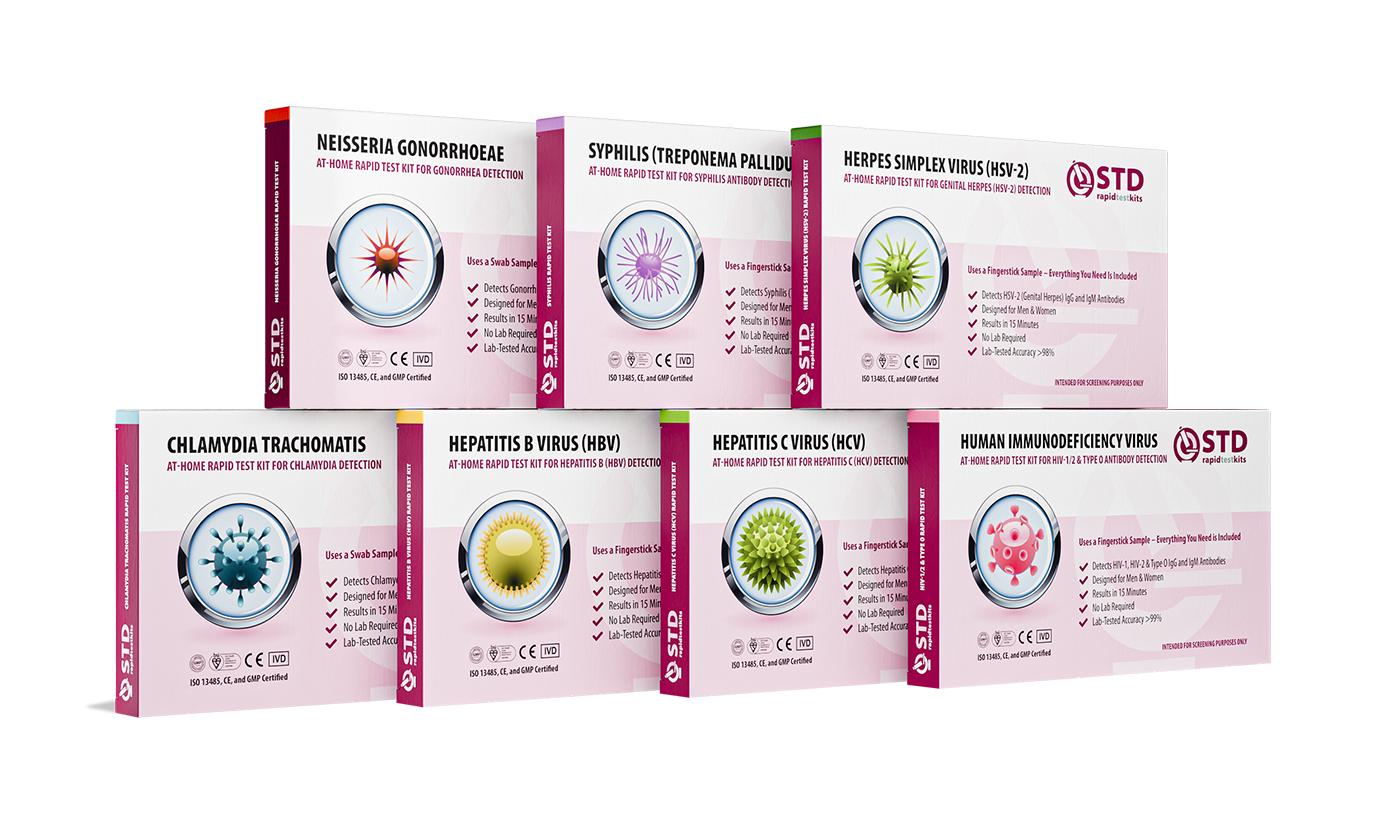
Don’t wait and wonder, get the clarity you deserve. This at-home combo test kit checks for the most common STDs discreetly and quickly.
How We Sourced This Article: We combined current guidance from leading medical organizations with peer-reviewed research and lived-experience reporting to make this guide practical, compassionate, and accurate.
Dr. F. David, MD is a board-certified infectious disease specialist focused on STI prevention, diagnosis, and treatment. He blends clinical precision with a no-nonsense, sex-positive approach and is committed to expanding access for readers in both urban and off-grid settings.
Reviewed by: J. L. Brennan, RN, MPH | Last medically reviewed: December 2025
This article is only for informational purposes and should not be taken as medical advice.







 For Men & Women
 Results in Minutes
 No Lab Needed
 Private & Discreet