Published: October 2025 | Last updated: May 2026 | Editorial review and quality control: Martina N.
Telling a partner you tested positive for HIV is one of the most weighted conversations a person can rehearse. The fear is real. The stigma is older than the science. And much of the language people inherited about HIV came from decades when the medical reality looked very different than it does now.
This guide is a calm walk-through, not a memorized script. It covers how to confirm a result before disclosing it, how to prepare yourself for the conversation, what to say (and what to skip), how reactions tend to land, and what modern HIV treatment actually means for transmission risk and intimacy. The goal is honest information shared with care, both with yourself and with the person on the other side.
Key Takeaways
- A reactive home or rapid HIV test needs a confirmatory laboratory test before you treat it as a diagnosis or disclose it as one.
- People with HIV who take antiretroviral medication and reach an undetectable viral load do not transmit HIV sexually. This is the U=U principle, supported by the CDC and WHO.
Confirm the Result Before You Tell Anyone
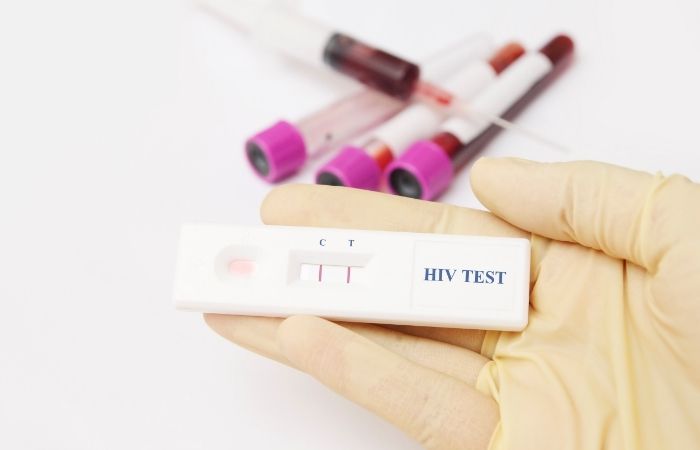
Before disclosure becomes a question, accuracy is. A rapid HIV test, whether fingerstick or oral fluid, is designed as a screen rather than a final diagnosis. These tests are sensitive, but they carry a small false-positive rate. CDC guidance is consistent: any reactive rapid result needs follow-up with a laboratory test, typically a fourth-generation antigen/antibody assay or a nucleic acid test (NAT). The CDC's HIV testing pages walk through the screening-and-confirmation flow in detail.
Most local health departments offer this confirmatory testing free or at low cost. Some clinical labs run reflex confirmation automatically, meaning the same blood sample is escalated to a definitive test if the first screen is reactive. Other settings require you to come back for a separate draw.
Why this matters before disclosure: a single false-positive screen can trigger panic, mistrust, and grief that a later confirmed negative would have to undo. Confirm the result first. Then decide who to tell, when, and how.
Detection windows also matter. Rapid antibody tests can take three to twelve weeks after exposure to turn positive. Lab antigen/antibody tests typically detect HIV two to six weeks after exposure. NAT can detect the virus as early as ten to thirty-three days after exposure. If your exposure was very recent and your screen was negative, retesting at the end of the appropriate window is part of standard care.
| Test Type | Detection Window | False Positive Rate | Next Step if Reactive |
|---|---|---|---|
| Rapid HIV antibody (oral or fingerstick) | 3 to 12 weeks after exposure | Low (but possible) | Confirm with lab-based test |
| 4th-generation antigen/antibody lab test | 2 to 6 weeks after exposure | Very low | Usually includes reflex confirmation |
| Nucleic Acid Test (NAT) | 10 to 33 days after exposure | Extremely low | Highly conclusive when positive |
Plan the Conversation: Timing, Place, Mindset
Disclosure works best when it is planned rather than dropped between meetings, blurted during a fight, or whispered as someone walks out the door. If you have any choice in the matter, plan the setting. Pick a place that feels safe physically and emotionally: your apartment, a quiet park, a friend's living room, a phone call if face-to-face feels too intense. The setting cues the tone.
Plan your own mindset too. Before you tell anyone else, tell yourself the medical reality. HIV is a chronic, treatable condition. Modern antiretroviral therapy keeps people healthy and undetectable. Having a virus does not make you dirty or broken, and handling it by being honest is exactly what the situation asks for. That internal framing is what keeps your voice steady when the other person's reaction is uncertain.
Some people find it helpful to write what they want to say first, then read it aloud or paraphrase it from memory. Writing slows the spiral and reduces the impulse to over-explain or over-apologize. Others prefer a single rehearsed sentence and a willingness to sit in the silence after it.
Consider timing too. A long evening with no immediate next appointment usually beats fifteen minutes before someone has to leave for work. Allow the conversation to expand if it needs to. Many partners will have questions; some will need to process quietly and come back. Either response is normal.
What to Say (And What to Avoid)
You don't need a script. You do need a shape. Three ingredients work for most conversations: a clear statement of the fact, a brief explanation of where you are in care, and a reason you're telling this person specifically.
One workable opener:
"I need to talk to you about something important. I recently tested positive for HIV, and I've had it confirmed with a lab test. I'm starting care, I'm learning what this means, and I'm telling you because I respect you and I want to be honest about my health."
Then pause. The temptation is to keep talking, to fill the silence, to soften the impact with more and more words. Resist it. The other person needs a beat to absorb what you said. They may ask a flood of questions. They may go quiet. They may cry. None of those reactions means you did this wrong.
What to skip: framing that pre-loads guilt or blame. "I'm so sorry I did this to you" assumes a fact you may not have (whether you exposed them) and casts you as someone who caused harm before they've decided how they feel. "You're probably furious" hands them an emotion. Let them name their own response.
If you don't know when or how you contracted HIV, say so directly. HIV doesn't come with a timestamp. Many people test positive years after exposure, and many test positive without an obvious risk factor in their history. Not knowing the source is common and reflects how the virus moves through populations over time. You can say, "I don't know exactly when I got this. That's part of why testing now matters."
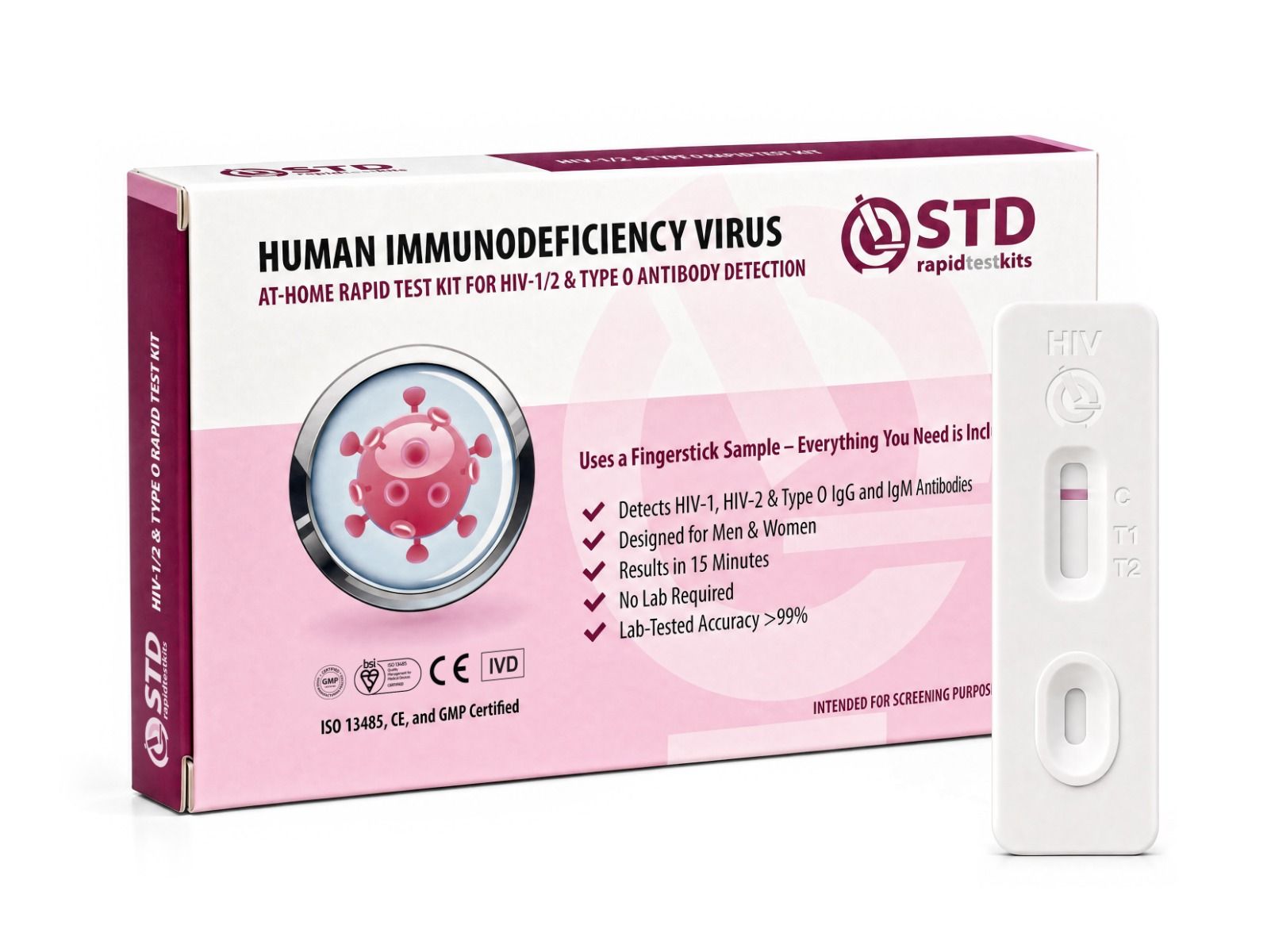
One note on this site and these recommendations: stdrapidtestkits.com sells rapid at-home HIV and STI tests, and product mentions in this article point to products we sell. The clinical guidance above is drawn from CDC and WHO sources and is editorially separate from any product recommendation.
When You Don't Know Who You Got It From
Some people delay disclosure because they can't pin down where the infection started. Maybe you've been monogamous, or thought you were. Maybe there was a break, an open period, a one-time encounter, or a stretch of years without testing. Or maybe nothing in your history feels like an obvious source. None of that erases your responsibility to be honest with current partners; it just means the conversation will likely include uncertainty.
If a partner asks, "Did I give this to you?" or "Did you cheat on me?", the conversation can turn fast. Ground it in facts rather than in a fight.
This is not the moment to litigate every past partner unless you're both ready for that conversation. Focus on the next concrete step: encourage them to get tested, offer to go with them if that helps, and let them set the pace for everything that comes after. The courage it took to speak still stands even if the other person reacts badly.
"I don't know for sure when I got it. That's why I'm here. I want both of us to be safe and supported, whatever that looks like."
Keeping the answer this simple buys time for both of you to think, and refuses the trap of a forensic argument about timelines that neither of you can settle in the moment.
U=U: The Science That Reframes Disclosure
The single most important fact for any modern HIV disclosure conversation is this: Undetectable equals Untransmittable. People living with HIV who take antiretroviral therapy as prescribed and maintain an undetectable viral load do not transmit HIV through sex. The CDC and WHO both back this position, supported by large multi-year partner studies that observed thousands of condomless sex acts with zero linked transmissions when the partner with HIV was undetectable. The CDC's plain-language summary lives on its HIV homepage, and the WHO restates it in its HIV topic pages.
Let that land. If your viral load is undetectable, you can't pass HIV to your partner through sex. Multiple large-scale partner studies, backed by both the CDC and WHO, have established this as scientific consensus. Reaching undetectable status typically takes a few months of consistent treatment, and maintaining it depends on staying adherent and getting monitored.
So when you tell a partner, you aren't saying, "I'm dangerous." You're saying, "I know what's happening in my body, I'm doing what it takes to manage it, and I want you to have that same information." That's responsibility, not threat. For partners who are HIV-negative, pre-exposure prophylaxis (PrEP) is an additional layer of protection that's widely available through primary care, sexual health clinics, and telehealth services.
| HIV Status | Viral Load | Sexual Transmission Risk | Common Tools |
|---|---|---|---|
| Positive, untreated | High | Elevated | Condoms; partner PrEP; start ART |
| Positive, on ART, not yet undetectable | Suppressed but detectable | Low but not zero | Condoms; medication adherence |
| Positive, undetectable | Below 200 copies/mL | Effectively zero (U=U) | Continued ART adherence |
If Your Partner May Have Been Exposed
This is where shame tightens its grip hardest. If you had sex without knowing you were positive, especially without condoms, the fear of "What if I gave it to them?" can paralyze people into silence. The most protective move is telling the person, calmly and plainly, what you know.
If you suspect a recent partner may have been exposed, say so plainly. Offer to get tested together, or to help them find testing. Share what you know about timelines and care options. Be calm without sugarcoating.
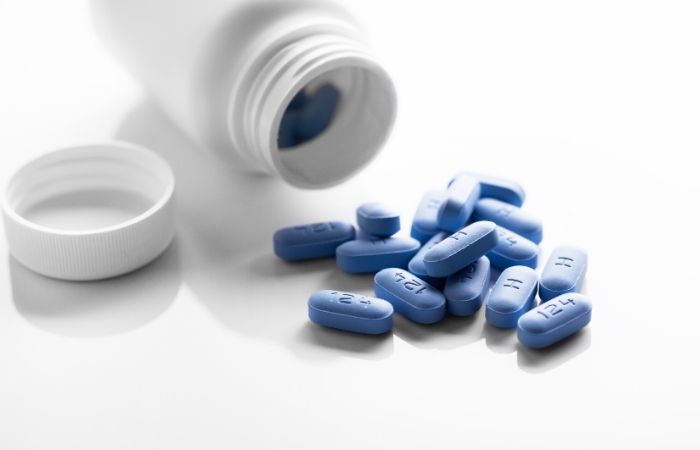
If the possible exposure was within the last 72 hours, post-exposure prophylaxis (PEP) can prevent infection. PEP is a 28-day course of antiretroviral medication taken after a potential exposure, and the sooner it's started, the better it works. Urgent care centers, sexual health clinics, and many emergency departments can start PEP. If 72 hours have already passed, PEP is no longer an option, but regular testing through the appropriate window still matters. Whichever side of the 72-hour line you're on, the message stays the same: you care, you're sharing the information, and you're available to help with next steps.
When Safety Is a Concern
If you're worried that disclosure could trigger physical harm, threats, or coercion from your partner, stop and plan. Your safety comes before any conversation. Disclosing in a public place, with a trusted friend nearby, by phone from a separate location, or in writing are all legitimate options. In some situations, anonymous partner notification through a public health department is the right tool: it gives the partner the medical information they need without exposing the person who tested positive to retaliation.
HIV disclosure laws exist in many U.S. states, and they're controversial. They were largely written before U=U was established and tend to criminalize people living with HIV more than they protect anyone. A legal aid organization or HIV advocacy group can walk you through how the laws actually apply in your state, especially if you're undetectable or if disclosure could put you in danger.
If you're in an unsafe relationship, the National Domestic Violence Hotline and local LGBTQ+ centers offer safety planning that can include how to handle disclosure. Their counselors can help you map a safe disclosure approach, including whether to bring a trusted person with you if an in-person conversation becomes necessary.

How People Actually React
Reactions vary widely, and the response you get reflects the other person's emotional capacity, their HIV knowledge, their relationship to you, and the moment they happen to be in. It rarely reflects whether you delivered the news "correctly."
Some partners respond with calm questions and offer to learn alongside you. Some go quiet and need a day or two before they can engage. Some panic out loud, ask the wrong question first, then come back later having read a CDC page and apologize for the initial reaction. A small minority shut down entirely, ghost, or react with hostility, and that response usually says more about their relationship to fear than about you.
Distance does not always mean rejection. Plenty of partners ask for space, do their own quiet research, talk to someone they trust, and circle back ready to engage. If your partner asks for time, you can grant it without collapsing into anxiety. A reasonable boundary: "I understand you need to process. I also need to know whether we're still in contact. I'll give you space, but I won't wait indefinitely in silence."
If a partner responds with curiosity and care, lean into that. Share what you're learning. Send them a CDC link. Invite them to a clinic visit if they want one. If a partner walks away, the loss is real, and a relationship that cannot survive honest medical information about one of the people in it has a narrower range than you needed.
The reaction spectrum at a glance
- Calm engagement: questions, willingness to learn together, and shared planning around testing and care.
- Quiet processing: a day or two of low communication before the partner re-engages, often after reading reputable sources.
- Initial panic, later correction: an emotional first reaction followed by an apology and a more grounded conversation.
- Withdrawal or hostility: rare, more often a reflection of the partner's relationship to fear than of your disclosure.
Intimacy After Diagnosis: A New Chapter
A common assumption after a positive result is that intimacy is over. It isn't. Sex doesn't get cancelled by an HIV diagnosis; it gets contextualized. Once treatment brings your viral load to undetectable, transmission risk through sex effectively drops to zero, and most couples adjust their physical relationship around treatment, communication, and shared information rather than around fear.
For partners who are HIV-negative, PrEP adds an additional safety margin. Daily oral PrEP and long-acting injectable PrEP are both highly effective when used as prescribed. Many couples use both U=U and PrEP together; the overlap reduces anxiety even when either layer alone would be scientifically sufficient. Condoms remain useful for preventing other sexually transmitted infections and unplanned pregnancy.
What often changes is the texture of the relationship. People who navigate disclosure well report that the conversations they have to have, about medications, side effects, testing schedules, and feelings, end up making the relationship more transparent than it was before. Communication that was previously assumed becomes explicit, and explicit communication tends to be sturdier.
The ingredients are the same as for any healthy intimate relationship: consent, ongoing communication, and curiosity about what the other person needs to feel safe and loved. None of those got rewritten by a positive test.
Practical tools for sex and intimacy after diagnosis
- ART to undetectable: consistent antiretroviral therapy until your viral load is suppressed, then maintained.
- PrEP for the HIV-negative partner: daily oral or long-acting injectable, available through primary care, sexual health clinics, and telehealth.
- Condoms for other STIs and pregnancy prevention: U=U addresses HIV transmission, not the rest of the sexual health picture.
- Open communication about meds, testing, and feelings: explicit conversations replace the assumptions most couples used to run on.
Retesting, Monitoring, and Long-Term Health
A confirmed positive diagnosis is the start of an ongoing relationship with a clinician, not a single event. Your provider will schedule baseline labs to measure your viral load and CD4 count (a marker of immune-cell health that tracks how well your immune system is functioning). Together those numbers shape the early treatment plan. From there, antiretroviral therapy typically begins quickly, and regular monitoring tracks how your body responds.
Most people on effective ART reach an undetectable viral load within a few months. Once you're undetectable, viral load and CD4 are usually rechecked every three to six months for the first year, then less frequently if everything is stable. Bloodwork at this cadence is the maintenance schedule that keeps you in the U=U zone and catches anything that drifts.
If you used an at-home rapid test as your initial screen, the lab-based confirmatory test remains essential before treatment begins. After confirmation, future at-home rapid tests don't replace lab monitoring, but rapid kits can be useful for screening other infections that share risk factors with HIV. If you haven't ruled out other STIs, a combination rapid panel can cover several common infections at once.
| Stage | Recommended Action | Purpose |
|---|---|---|
| After reactive rapid test | Confirm with lab test (Ag/Ab combo or NAT) | Ensure accurate diagnosis |
| Within weeks of diagnosis | Start antiretroviral therapy (ART) | Begin viral suppression |
| 3 to 6 months on treatment | Recheck viral load and CD4 | Confirm treatment is working |
| Every 3 to 6 months long-term | Routine monitoring labs | Maintain undetectable status |

You Don't Have to Do This Alone
If your stomach drops every time you imagine having the disclosure conversation, that's normal, and it's also something other people have walked through before you. HIV peer support groups, telehealth counselors, and hotlines exist specifically to help with this. Many of them will roleplay the conversation, help you draft a letter, or sit on the phone with you before and after.
Resources worth bookmarking include the CDC's HIV section, HIV.gov's main hub for living-well and partner-services guidance, and local AIDS service organizations, which often offer free counseling and partner-notification support.
Your diagnosis doesn't shrink your worth, your future, or your capacity to be loved. It does add new information to the way you take care of yourself and the people in your life. Disclosure, done with preparation and care, is one of the steps that turns a frightening result into a manageable reality.
People with HIV who take HIV medicine as prescribed and get and keep an undetectable viral load have effectively no risk of sexually transmitting HIV to their HIV-negative partners.
Frequently Asked Questions
- Do I have to legally disclose my HIV status to every partner?
- It depends on where you live. Many U.S. states still have HIV-specific disclosure laws, some of which were written before U=U was established. A legal aid group or HIV advocacy organization can explain how those laws apply in your jurisdiction. Outside legal requirements, disclosure is also an ethical and relational decision tied to consent, trust, and the kind of intimacy you want.
- Can a home HIV test be a false positive?
- Yes, though it is uncommon. A reactive rapid result is not the same as a confirmed diagnosis. CDC protocol requires a follow-up lab test (a fourth-generation Ag/Ab assay or NAT) before treating the result as a diagnosis. Acting on a false positive before confirmation can cause significant distress that the lab result then has to undo.
- What does U=U actually mean for sex with my partner?
- U=U stands for Undetectable equals Untransmittable. When someone living with HIV takes their medication as prescribed and reaches an undetectable viral load, they don't pass HIV to sex partners. Reaching undetectable usually takes a few months of consistent treatment, and staying there depends on adherence and routine monitoring.
- What is PEP and when is it useful?
- PEP, or post-exposure prophylaxis, is a 28-day course of antiretroviral medication that can prevent HIV infection after a possible exposure. It needs to be started within 72 hours of the exposure, and the sooner the better. Urgent care, sexual health clinics, and many emergency departments can start PEP. Past 72 hours, PEP is no longer an option, but regular testing still matters.
- Should I tell every past partner I've ever had?
- Generally, focus on recent partners: anyone since your last confirmed-negative test, or roughly the past year if you don't have a recent negative on record. You don't need to compile a full sexual history. If direct conversations feel impossible for some partners, anonymous partner notification through a public health department is a legitimate alternative.
- Can I still date and have intimate relationships?
- Yes. Many people with HIV date, partner, marry, and have HIV-negative children. The tools that make this work are well established: ART for the person living with HIV, U=U status, optional PrEP for HIV-negative partners, and honest communication. Dating apps and HIV-positive community spaces have made it easier to meet partners who already understand the landscape.
- What if my partner reacts badly or threatens me?
- Your safety comes first. If you anticipate hostility or harm, disclose in a public place, with a trusted person nearby, by phone from a safe location, or by letter. In situations involving real risk of violence, anonymous partner notification through a health department can convey the medical information without identifying you. Safety planning resources are available through the National Domestic Violence Hotline.
- How do I tell a new dating partner before we become sexually active?
- Pick a low-pressure moment before things get physical, and lead with the basics: you live with HIV, you are in care, your viral load is suppressed if that is true, and you wanted them to know before sex was on the table. Offer to share a CDC or HIV.gov link. New partners often need a beat to process; ask what questions they have, and be willing to come back to the conversation in a day or two.
How We Sourced This Article: This guide synthesizes current guidance from the U.S. Centers for Disease Control and Prevention, the World Health Organization, HIV.gov, and peer-reviewed clinical literature on disclosure, U=U, PEP, and partner services. Quotations are attributed to the original authoring organizations. We do not provide individual clinical advice; for personal guidance, work with a licensed clinician.
- U.S. Centers for Disease Control and Prevention. HIV testing, treatment, and the evidence supporting Undetectable equals Untransmittable (U=U).
- HIV.gov. Guidance on living well, disclosure, partner services, and ongoing care after an HIV diagnosis.
- World Health Organization. HIV topic pages with global guidance on treatment as prevention, PrEP, and PEP.
- U.S. National Library of Medicine, MedlinePlus. Patient-oriented overview of HIV diagnosis, treatment, and living with HIV.
- National Domestic Violence Hotline. Safety planning support, including for people navigating disclosure in unsafe relationships.
- U.S. Centers for Disease Control and Prevention. HIV stigma reduction and disclosure guidance for individuals and clinicians.
