







Quick Answer: To tell someone you might have given them chlamydia, stay direct and calm: explain the situation, share your test result if you’re comfortable, and encourage them to get tested. You can also use anonymous notification tools if safety or privacy is a concern.
Why This Conversation Feels So Damn Hard
Let’s be real: talking about STDs is hard. Talking about one you might have unknowingly passed to someone else? That feels terrifying. You might be battling guilt, shame, confusion, or fear they’ll never speak to you again. You might be replaying the last time you had sex, wondering if you used protection “right” or if something slipped. You might be obsessing over whether you got it from them or gave it to them.
Chlamydia adds another layer because it’s often silent, up to 70% of people with chlamydia have no symptoms at all, according to the CDC. So if you tested positive, you might have been carrying it unknowingly for weeks or even months. That doesn’t make you a bad person. It makes you human.
And here’s the thing: your partner deserves to know. Not out of punishment or fear, but because untreated chlamydia can lead to serious health issues, including infertility in some cases. This isn’t just about honesty. It’s about care.
Start Here: Check Your Emotions Before You Speak
Before you hit send or make the call, take a minute. Breathe. Your tone will set the entire tone of the conversation. If you’re panicking, they’ll panic too. If you sound accusatory, they’ll go on defense. The goal is to be grounded, not perfect. You don’t have to have all the answers. You just need to be clear about what you know, what you don’t, and what they need to do next.
Here’s a simple internal checklist before you reach out:
| Check-In Step | Why It Matters |
|---|---|
| Have you processed your own result? | Talking while you're still in shock can confuse or scare your partner unnecessarily. |
| Are you sure of your diagnosis? | Make sure you understand your results, false positives and misunderstandings do happen. |
| Is this person at risk? | If you've had unprotected vaginal, anal, or oral sex, even once, they may need testing. |
| Is it safe to contact them directly? | If there's any history of abuse, coercion, or emotional manipulation, consider anonymous notification instead. |
Table 1. Internal check-in before disclosing. Taking time to ground yourself reduces emotional reactivity and increases clarity.

People are also reading: Discharge After Condom Use? Here’s What It Could Mean
What to Say: Scripts for Every Kind of Relationship
There’s no “right” script, but there are ways to say hard things with respect, honesty, and care. Below are examples you can adapt depending on the situation. Say it in person if you can. Text if you must. Just say it. Silence doesn’t protect anyone.
For a recent hookup:
“Hey, I just found out I tested positive for chlamydia. I wanted to let you know so you can get tested too. You might not have symptoms, but it can still be passed on. If you want to talk more, I’m here.”
For a casual but ongoing partner:
“I need to tell you something that’s a little uncomfortable. I just got my test results back, and I tested positive for chlamydia. I’m getting treated and wanted to let you know so you can look after yourself too.”
For a long-term partner:
“This isn’t easy to say, but I just got a positive test for chlamydia. I know this might be hard to hear, and I’m still wrapping my head around it too. I want us to talk about testing and how we move forward together.”
For an ex or someone you don’t speak to:
“I hope you’re doing okay. I recently found out I tested positive for chlamydia, and because we were sexually active, I wanted to let you know so you can decide if you want to get tested.”
If the idea of a direct message terrifies you, or you’re worried about your safety, there are anonymous options. Services like Tell Your Partner or STDCheck’s anonymous alert system can help you send a message without revealing your identity.
Check Your STD Status in Minutes
Test at Home with Remedium6-in-1 STD Test Kit
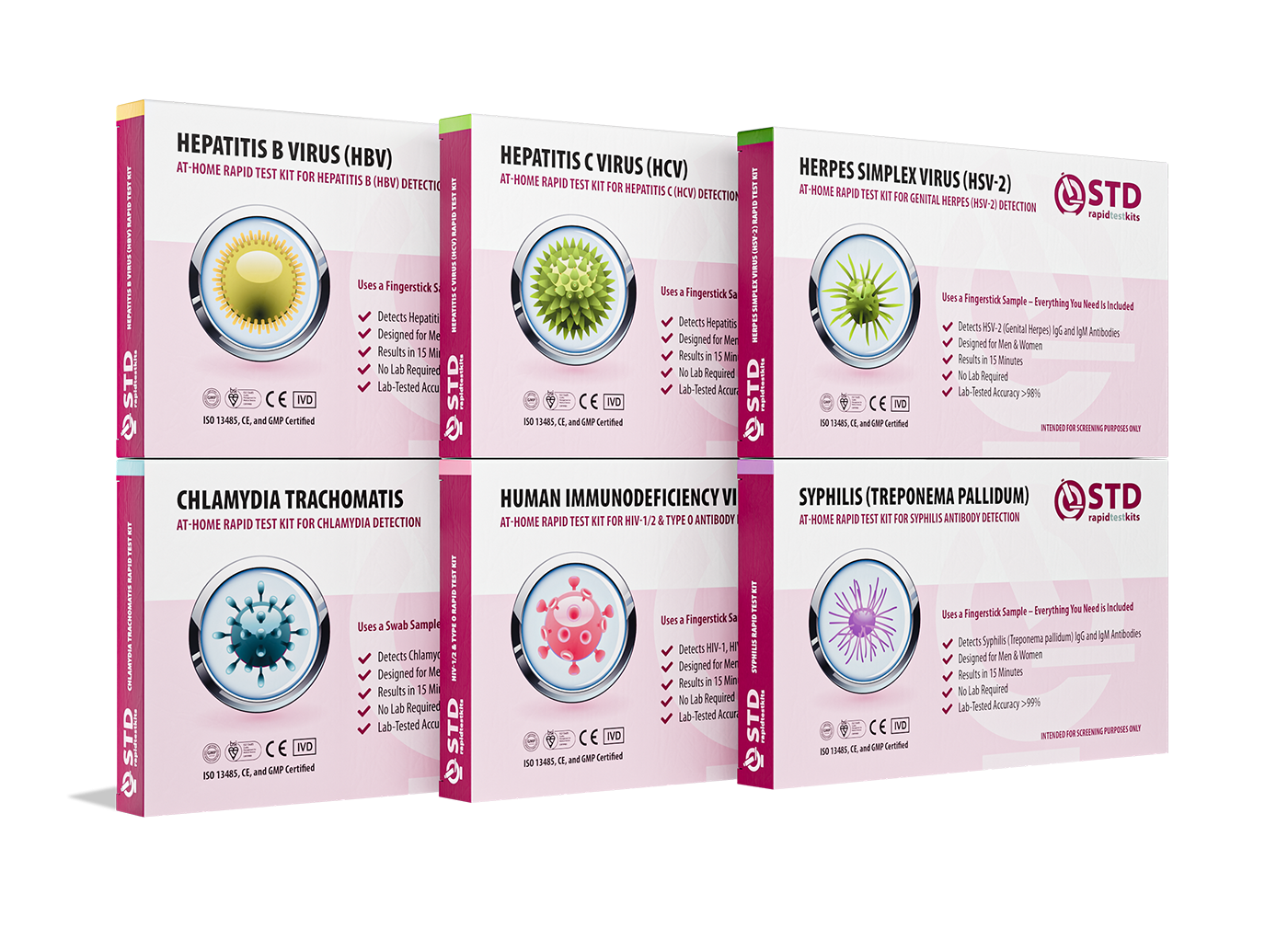
 For Men & Women
 Results in Minutes
 No Lab Needed
 Private & Discreet
Order Now $119.00 $294.00
For all 6 tests
When It’s Not Your Fault, But It’s Still Your Responsibility
Let’s address something that messes with a lot of people’s heads: what if you didn’t even give them chlamydia? Maybe they gave it to you. Maybe you both had it from earlier partners. Maybe you’ll never know.
That’s okay. You’re not contacting them to assign blame. You’re contacting them so they can protect their body and their future. And that’s a brave thing to do.
According to the Planned Parenthood guidelines, if you test positive for chlamydia, anyone you’ve had sex with in the past 60 days should be notified. Even if you’re not sure about the timeline. Even if you’re scared they’ll lash out. Health comes first.
If you’re worried they’ll accuse you of cheating, here’s a script:
“I understand this might raise questions, and I’m not here to argue. I just want to make sure you’re okay. That’s why I’m telling you.”
Empathy can soften even the hardest truth. And if they react with anger or shame you, that says more about them than you.
What If They React Badly?
Let’s be honest, not every partner is going to say “thank you” for the heads-up. Some might shut down. Some might panic. Some might lash out. That doesn’t mean you did the wrong thing. In fact, it means you did the right thing, because their reaction is now based on truth, not ignorance.
Here are some common reactions, and how to respond to each:
| Reaction | What to Say |
|---|---|
| Anger or blame | “I understand you're upset. I'm not blaming anyone. I just want to make sure we’re both safe moving forward.” |
| Denial | “That’s okay, you don’t have to believe me right now. But I still think it’s important for you to get tested.” |
| Ghosting or silence | Let it go. You’ve done your part. Send one clear message, then give them space. |
| Shame or sadness | “You’re not dirty. This happens to so many people, and it’s treatable. You’re not alone.” |
Table 2. Responding to common partner reactions. Your goal is clarity, not control. You can’t manage their emotions, only your delivery.
If someone becomes abusive, threatening, or manipulative after you disclose, stop engaging. Block them. Use an anonymous service for any future messages, and prioritize your own emotional safety.
Take a Breath: You Did Something Brave
Let’s zoom out. You could’ve ignored it. You could’ve hoped it would go away. You could’ve said nothing. But you didn’t. You took ownership. You made a hard choice. That’s not weakness, it’s maturity.
According to a study in the journal “Sexually Transmitted Diseases”, partner notification not only reduces transmission but actually improves treatment follow-through. You’re helping them get care faster. That’s not just responsible, it’s compassionate.
Remember: having chlamydia doesn’t make you bad, irresponsible, or unsafe to love. It makes you a person who had sex (like most people do) and got an infection (like millions do). What matters most is what you do next, and you’re already doing it.
If your head is still spinning, peace of mind is one test away. Order a discreet chlamydia rapid test to double-check your status or to test again after treatment.
When to Retest, and What to Do If You’re Still Positive
Even after treatment, it’s important to retest. The CDC recommends retesting for chlamydia about three months after treatment, even if your symptoms went away, because reinfection is common, especially if your partner wasn’t treated too.
Here’s a typical timeline:
- 0–7 days after treatment: No sex. Let the antibiotics do their job.
- 2–3 weeks post-treatment: Symptoms should fully clear. Don’t retest yet, it’s too soon and might show false positives.
- 3 months after treatment: Retest, even if you feel fine.
If you test positive again, it doesn’t always mean the treatment failed. It could mean:
- Your partner didn’t get treated and reinfected you
- You had sex with a new partner who had chlamydia
- You didn’t complete your antibiotics correctly
In any case, repeat treatment is needed. And so is another round of honest conversations.
You Can Move On From This
This doesn’t have to end your relationship. It doesn’t have to ruin your self-esteem. In fact, many people who disclose honestly find their partners respond with appreciation, even relief. STDs aren’t a moral failing. They are a public health problem, and the best way to protect yourself is to talk about it, get tested often, and share the responsibility.
Worried your partner might need to test too? Our Combo STD Test Kit looks for a number of infections and can help you both move on together with understanding and care.
What If They Say Nothing at All?
Sometimes, the hardest response isn’t yelling, it’s silence. You’ve sent the message, maybe even poured your heart into it... and all you get back is nothing. No reply. No read receipt. Just a cold digital void. It can feel crushing.
But here’s what’s important: your job was to notify, not to control their response. You took the responsible step. That’s where your responsibility ends. Whether they reply or vanish, you’ve protected their health, and your own integrity.
Still, if it helps you sleep better, save a screenshot of your message. Especially if you might need to show you reached out (for medical follow-up or legal protection). Let that be the receipt. Let that be enough.
And if the silence is killing you emotionally, talk to someone who actually answers, whether that’s a friend, a therapist, or a hotline. Love is Respect is one free resource that can help if this was an emotionally tricky relationship.

People are also reading: Can You Still Get Pregnant After Chlamydia? Here’s the Truth
Talking About STDs Without Ruining the Mood (Yes, It’s Possible)
Let’s zoom out again. Maybe you’re not just thinking about this conversation. Maybe you're wondering how the hell you’ll ever talk about STDs again, without freezing up or scaring someone off.
Here’s the real talk: STDs don’t kill the vibe. Shame does. Silence does. But honesty? That can actually deepen trust, set boundaries, and make sex feel safer, hotter, and more connected.
So how do you bring it up in the future, before there’s a diagnosis?
Try something simple, even playful:
“Hey, before we do anything naked, want to swap test dates instead of playlists?” “Just a heads-up, I’m pro-condom, pro-testing, and pro-pleasure, what about you?” “Been tested recently? No pressure, just want us both feeling good about this.”
It doesn’t have to be a TED Talk. It just has to be honest. And the more you practice saying the words “testing,” “results,” and “chlamydia” out loud, the less power they have over your nervous system. Normalize the language, and you normalize the care.
Check Your STD Status in Minutes
Test at Home with Remedium8-in-1 STD Test Kit
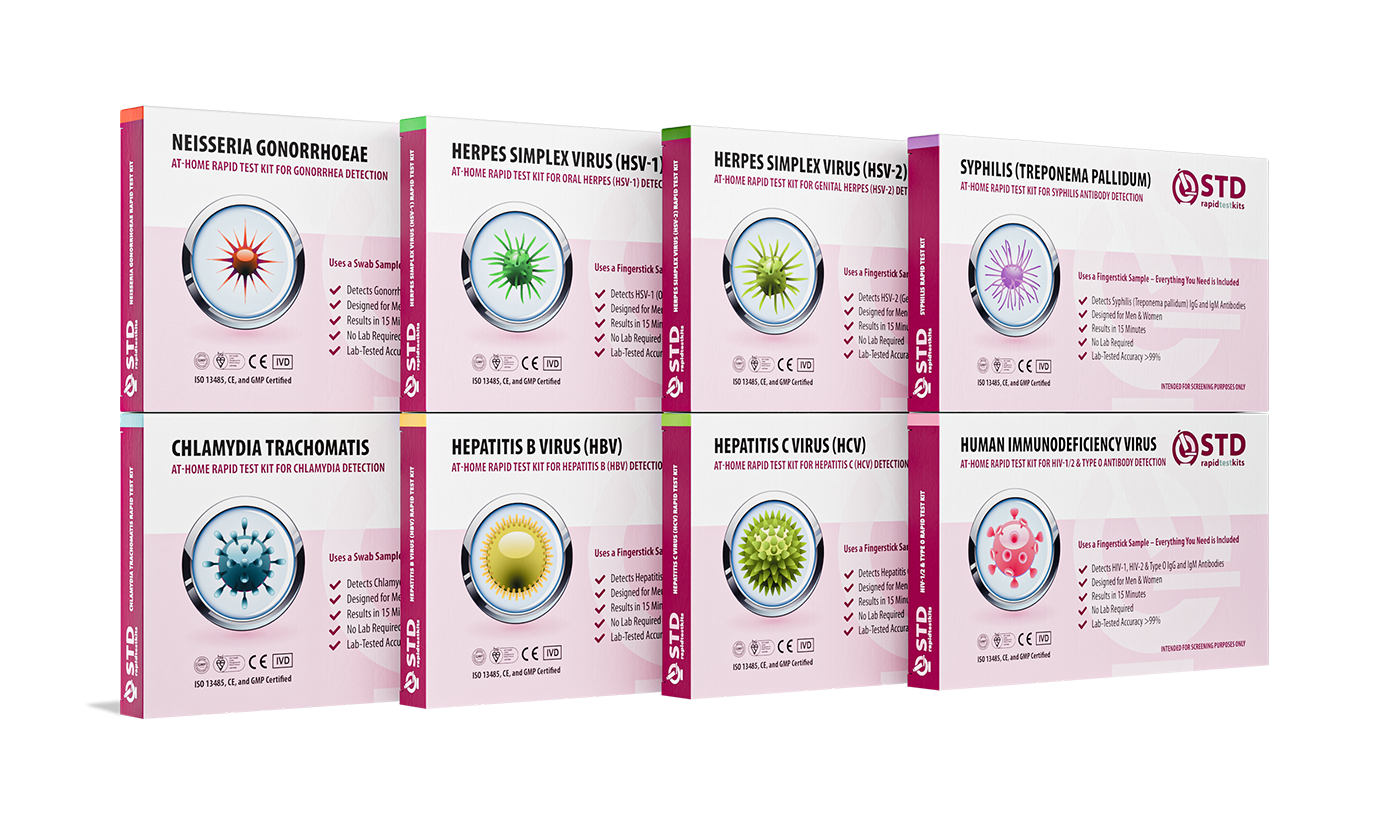 For Men & WomenResults in MinutesNo Lab NeededPrivate & Discreet
Order Now $149.00 $392.00
For all 8 tests
What If You're Still Beating Yourself Up?
Look, we know logic doesn’t always touch the part of you that feels gross, guilty, or broken after an STD. You might be spiraling through every past hookup, second-guessing your judgment, feeling like you “should’ve known better.” But guess what? That spiral is lying to you.
According to the World Health Organization, more than 374 million new STIs are acquired every year worldwide. This isn’t rare. It’s routine. The only difference is whether people talk about it, or bury it in shame.
So let’s reframe this:
You’re not gross. You’re not irresponsible. You’re not broken.
You’re informed. You’re treating it. And you’re doing the right thing, even when it’s hard. That’s the stuff real sexual wellness is made of.
Need to double-check your status after treatment, or help a partner test too? The Combo Home Test Kit is discreet, fast, and doctor-trusted. You can even take it side by side if you're rebuilding trust together.
FAQs
1. Do I really have to tell someone I might’ve given them chlamydia?
Legally? Maybe. Ethically? Almost definitely. In most places, you’re expected to notify recent partners, because they could have it too, even if they feel totally fine. The point isn’t blame. It’s protection. You’re giving them the heads-up they deserve to stay healthy. And that’s something you’d probably want too, right?
2. What if I don’t know who gave it to who?
Honestly, you might never know. Chlamydia is a stealthy little thing, it often has no symptoms and can hang out quietly for weeks or even months. So unless you both tested before and after every partner (which, let’s be real, most people don’t), playing detective won’t get you far. Focus on what you know now: you tested positive, and someone else might need to as well.
3. Can I just send a text? Or does it have to be face-to-face?
Text is totally fine, especially if it feels safer or less emotionally loaded. Some people prefer to say it in person, especially in longer relationships, but a thoughtful message still gets the job done. The facts are what matter, not the format. Be clear, polite, and give them a chance to talk if they want to.
4. What if they freak out and say it’s my fault?
Let them have their feelings, but don’t absorb their blame. You’re not “dirty” for catching an STD. You’re not a villain for telling them. You’re actually showing up in a way most people avoid. If they yell, accuse, or ghost you, that sucks, but it also reveals their emotional bandwidth. Your job is to protect health, not manage their reactions.
5. Can I tell someone anonymously?
Yes, and sometimes that’s the best route, especially if there’s any fear of backlash or if it’s someone you’re no longer in contact with. Tools like Tell Your Partner let you send anonymous messages by text or email. It’s quick, discreet, and gets the info where it needs to go.
6. How long should I wait before having sex again?
Wait at least 7 days after finishing your treatment, and make sure your partner’s been treated too. Chlamydia clears fast with antibiotics, but jumping back into bed too soon can cause reinfection, which just drags the whole thing out. Think of it as a reset window for your health (and yes, you can still sext if you're feeling spicy).
7. What if I used a condom, how did this even happen?
Condoms are awesome, but they’re not magic. They lower risk by a lot, but if they break, slip, or aren’t used for oral sex, transmission can still happen. Chlamydia can also be passed through fingers and toys if there’s genital contact. Protection helps, but it’s not a force field.
8. Should I get tested again after treatment?
Yep. The CDC says to get retested about 3 months after treatment, even if you feel fine. Why? Because reinfection is super common, especially if your partner didn’t get treated or if you’ve had new partners since. It's not about punishment. It’s about peace of mind.
9. Can chlamydia actually go away on its own?
In rare cases, maybe. But counting on that is like hoping your credit card bill disappears if you ignore it. Most of the time, it sticks around, and untreated, it can cause real damage (like fertility issues down the line). Don’t gamble. Just get the meds.
10. How do I stop feeling gross about all this?
Start by reminding yourself: chlamydia doesn’t make you gross. It makes you human. You had sex, welcome to the club. Millions of people catch STDs every year. The difference is, you're facing it head-on. That’s strength, not shame. Treat it, talk about it, and then move forward with your head up.
You Did the Right Thing, Here’s What Comes Next
This wasn’t just an STD article. This was a guide to courage. You had to deal with something that was hard, maybe even embarrassing, and you chose to tell the truth. That means you care about your health, your partners, and your future.
Whether you're still waiting for their response, considering anonymous notification, or planning to test again, remember: you’re not alone. Millions go through this every year. And they survive it, not just medically, but emotionally, sexually, and relationally.
Don’t wait and wonder, get the clarity you deserve. This at-home combo test kit checks for the most common STDs discreetly and quickly. It’s one of the fastest ways to move forward, with answers, not anxiety.
How We Sourced This Article: We combined current guidance from leading medical organizations with peer-reviewed research and lived-experience reporting to make this guide practical, compassionate, and accurate.
Sources
2. Planned Parenthood – Chlamydia Information
3. STDCheck – Notify Partners Anonymously
4. Chlamydial Infections - STI Treatment Guidelines
5. Chlamydia trachomatis - Diagnosis and treatment
6. TellYourPartner.org | National Prevention Information Network
7. Partner Services (CDC Clinical Guidance)
8. Partner Services | HIV Nexus
9. Strategies for partner notification for sexually transmitted infections
10. Your test results show you have gonorrhea or chlamydia
About the Author
Dr. F. David, MD is a board-certified infectious disease specialist focused on STI prevention, diagnosis, and treatment. He blends clinical precision with a no-nonsense, sex-positive approach and is committed to expanding access for readers in both urban and off-grid settings.
Reviewed by: Dr. Nicole Wren, MPH | Last medically reviewed: January 2026
This article is for informational purposes and does not replace medical advice.


