






Home Treatment for Trichomoniasis: What’s Safe and What’s Not
Last updated: April 2026
A rash that shows up a couple of weeks after a sexual encounter can send anyone into a spiral. Is it heat rash? An allergy? Something worse? When HIV is a possibility, that question becomes urgent, and the answer matters more than most people realize. This article breaks down exactly what an HIV rash looks like, when it appears, what causes it, how it differs from other rashes, and, critically, when and how to test. Whether you're trying to identify a current symptom or simply want to understand what early HIV infection actually looks like, here's what you need to know.
People are also reading: Condom Slipped Off During Sex: What to Do Next and Your Real STD Risk
What Does an HIV Rash Actually Look Like?
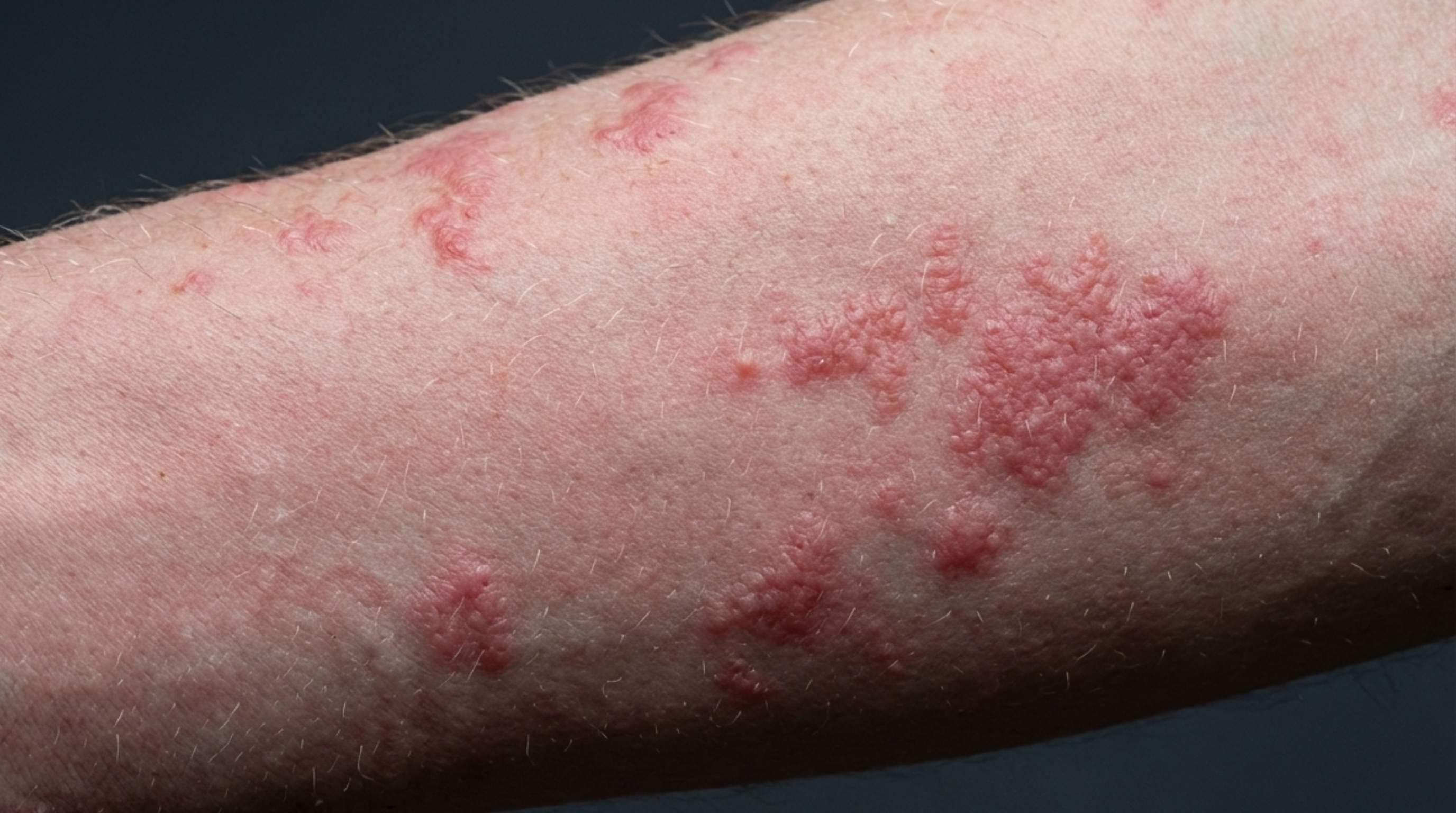
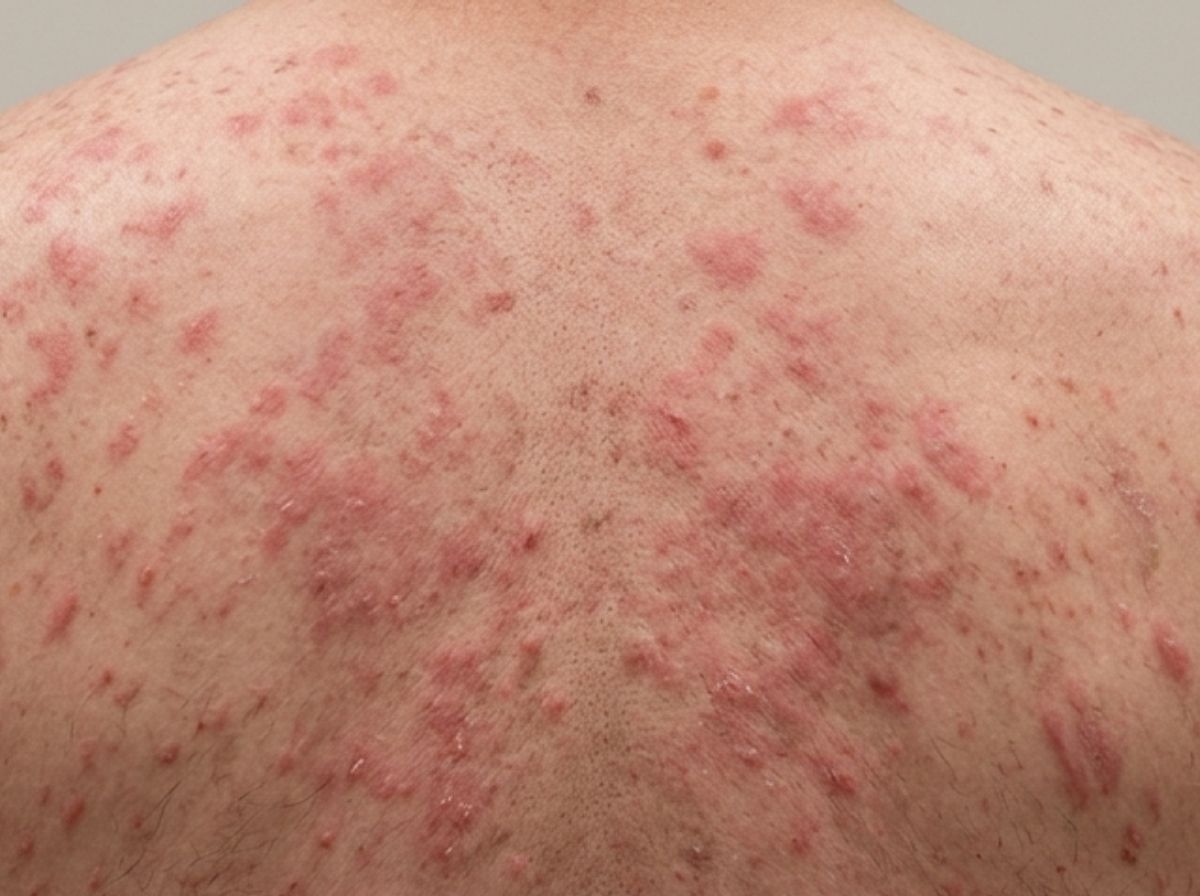
Picture waking up and noticing a scattering of pink or reddish patches across your chest or upper back, nothing dramatic, nothing that screams "emergency." That's actually what most acute HIV rashes look like. They're easy to miss, easy to write off, and that's precisely what makes them clinically significant. If you're aware of recent potential HIV exposure and a rash appears, dismissing it as heat rash or a soap allergy is a costly mistake.
The rash itself is typically described as maculopapular, a combination of flat discolored patches (macules) and slightly raised bumps (papules). The color varies significantly depending on skin tone. On lighter skin, the rash tends to appear pink to red. On medium to darker skin tones, it often looks darker, brownish, reddish-purple, or even deep purple, which can make it harder to spot without good lighting. The bumps are usually symmetrical, meaning they appear in similar patterns on both sides of the body, and they rarely blister or become crusty in the early stage.
The rash most commonly affects the torso, chest, back, and abdomen, along with the face, neck, and arms. Less frequently it appears on the palms of the hands or soles of the feet, though this pattern is more characteristic of secondary syphilis (worth knowing, since the two are sometimes confused). The rash isn't typically dramatic or isolated to one spot; it usually covers a broader area in a diffuse pattern. Mild itching can occur, but many people describe their acute HIV rash as barely itchy at all, which ironically makes it easier to overlook.
| Skin Tone | Typical Rash Color | Appearance | Most Common Locations |
|---|---|---|---|
| Fair / Light | Pink to red | Flat or slightly raised patches, sometimes with small bumps | Chest, back, face, arms |
| Medium / Olive | Red to reddish-brown | Diffuse, may have rough or elevated texture | Torso, neck, limbs |
| Dark / Deep | Dark purple to dark brown | Can be subtle, symmetric patches | Chest, back, face, limbs |
How long does the rash last? In the acute stage, it generally resolves on its own within one to two weeks, sometimes as quickly as a few days. That disappearance does not mean the virus is gone. It means the initial immune response phase is ending. The virus is still present, still replicating, and still transmissible. This is an important distinction: the rash clearing up is not a green light, it's a reason to go get tested.
The Three Types of HIV-Related Rashes
Not every rash connected to HIV looks the same, and not every HIV rash means the same thing. There are three distinct categories of rashes that can occur in people with HIV, and understanding which type is which changes how urgent the response should be. Conflating them, or assuming that all HIV rashes are early-stage and minor, can lead to missed warning signs.
The first is the acute HIV rash, the one most people are referring to when they search "HIV rash." This appears during the primary infection phase, typically two to four weeks after exposure, as the immune system mounts its first response to the virus. According to the NIH's HIVinfo, this type of rash is a direct result of the immune system fighting the virus, and it tends to resolve without treatment. The problem isn't its severity, it's the false reassurance that comes when it disappears on its own.
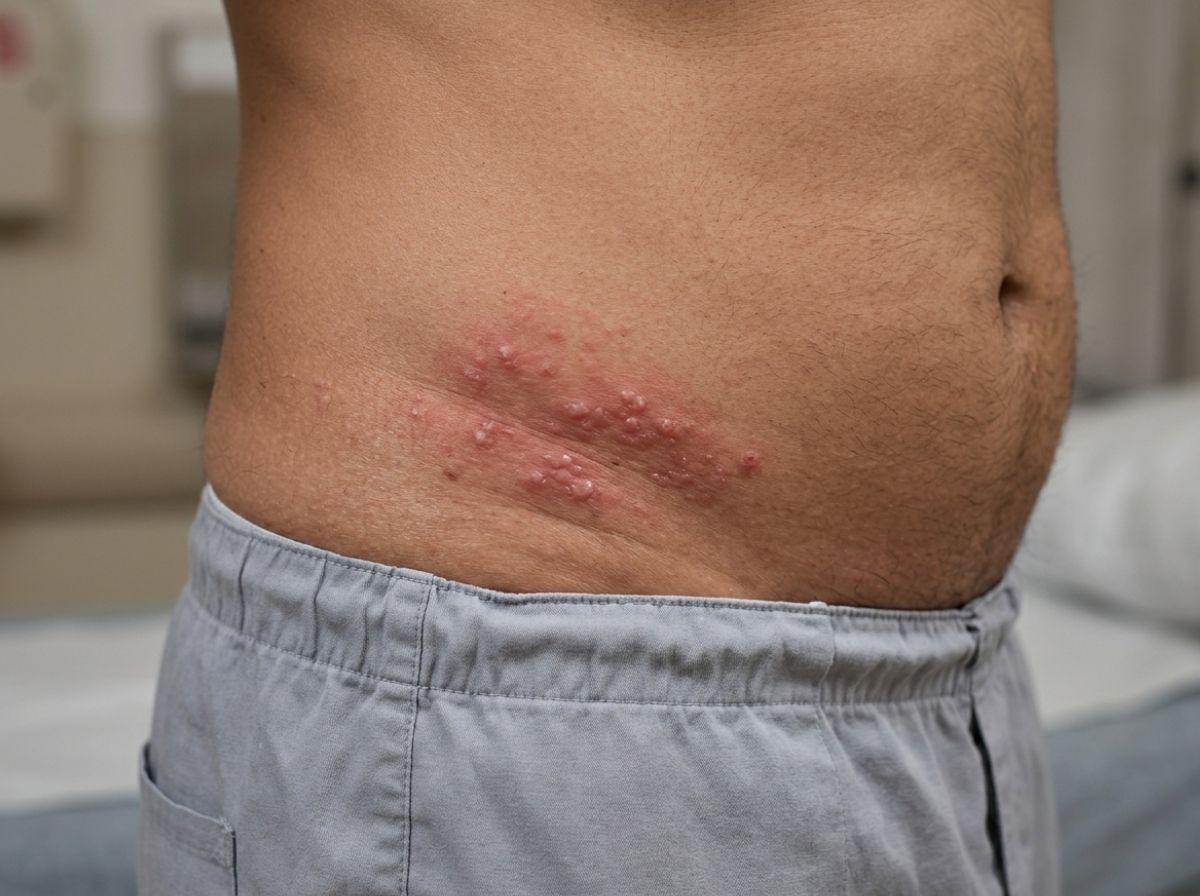
The second type involves rashes caused by opportunistic infections. Without effective treatment, HIV progressively damages the immune system, allowing pathogens the body would normally suppress to cause serious problems. Conditions like herpes zoster (shingles), molluscum contagiosum, fungal infections, and Kaposi's sarcoma can all produce skin changes in people living with HIV. These rashes are not early-stage warning signs, they're indicators that the immune system is already substantially compromised. The appearance varies widely depending on the specific infection involved, but they tend to be more persistent, more painful, and less likely to resolve on their own compared to the acute HIV rash.
The third kind is caused by drugs. Antiretroviral therapy works and can change your life, but some HIV medicines can make your skin allergic. These rashes can show up in the first few weeks of treatment. They usually look like pink or red spots, and sometimes they have raised bumps on them. Most rashes caused by medications are not serious and go away on their own in a few weeks. But in very rare cases, a medication rash can be a sign of a serious hypersensitivity reaction, such as Stevens-Johnson Syndrome (SJS), which can be life-threatening. Anyone with HIV who gets a rash along with a fever, blisters, or trouble breathing should see a doctor right away. This is not a wait-and-see situation.
Check Your STD Status in Minutes
Test at Home with RemediumHIV Rapid Test Kit
Claim Your Kit Today
Save 31%
 For Men & Women
 Results in Minutes
 No Lab Needed
 Private & Discreet
Order Now $33.99 $49.00
HIV Rash vs. Other Rashes: How to Tell the Difference
Here's the honest truth: you cannot definitively identify an HIV rash just by looking at it. No one can, not from a photo, not from a description, and not from a symptom checker. The acute HIV rash looks almost identical to rashes caused by other viral infections, allergic reactions, heat, medication side effects, and common skin conditions like eczema or pityriasis rosea. The internet is full of people trying to self-diagnose from images, and it almost never works. What the rash looks like is one data point. When it appeared, and in what context, matters far more.
That said, there are a few patterns that raise the likelihood of HIV involvement. The key contextual clues are timing and symptom clustering. An acute HIV rash rarely appears in isolation, it almost always comes alongside other symptoms of what's called acute retroviral syndrome: fever, fatigue, swollen lymph nodes, sore throat, muscle aches, and sometimes mouth ulcers. This collection of symptoms together, appearing two to four weeks after a potential HIV exposure, is the real signal. A rash alone, with no other symptoms and no known exposure, is far less likely to be HIV-related.
The most commonly confused conditions include heat rash (miliaria), which appears in hot and humid conditions and tends to be itchier with more uniform tiny bumps. Drug reactions can look almost identical to an HIV rash, which is why medication history matters. Syphilis can produce a rash, classically on the palms and soles, that's worth knowing about since syphilis and HIV share transmission routes and are sometimes acquired together. Pityriasis rosea produces a distinctive "herald patch" followed by a widespread secondary rash. Eczema and psoriasis tend to be more chronic and are usually accompanied by a personal or family history. The honest bottom line: if you're worried about HIV exposure and you have a rash, get tested. That's the only way to actually know.
| Condition | Typical Appearance | Timing / Context | Key Distinguishing Feature |
|---|---|---|---|
| Acute HIV Rash | Flat or raised red/purple patches; symmetric | 2–4 weeks after possible exposure | Appears alongside flu-like symptoms; resolves in 1–2 weeks |
| Heat Rash | Tiny, uniform itchy bumps | During or after heat exposure | No fever or lymph node involvement; resolves with cooling |
| Drug Reaction | Variable; often widespread | Within days to weeks of starting a new medication | Direct link to medication start date |
| Syphilis Rash | Rough, reddish-brown spots | Weeks after a sore appears | Often on palms and soles; doesn't itch |
| Pityriasis Rosea | Oval patches with a herald patch first | Spontaneous onset, no known exposure | "Christmas tree" pattern on back; usually not systemic |
| Eczema | Dry, scaly, intensely itchy | Chronic or recurring | Usually has personal/family history; appears in skin creases |
When and How to Test for HIV After a Rash
If you've noticed a rash two to four weeks after potential HIV exposure, whether through unprotected sex, a shared needle, or any other route of transmission, this is the moment to act. Not in a few more weeks once you see if it clears up. Now. The reason timing matters this much is that the window period for HIV testing is real, and testing too early produces unreliable results regardless of whether an infection is present.
For HIV specifically, the testing window is 6 weeks after exposure for a first meaningful result. This is because most HIV tests detect antibodies, proteins the immune system produces in response to the virus, and it takes the body some time to generate detectable levels of those antibodies. Testing at day seven or even day fourteen is unlikely to give you reliable results. Testing at 6 weeks after exposure provides a strong initial indicator, and retesting at 12 weeks confirms certainty. These are the numbers to work with, not vague guidance like "wait a little while" or "test soon."
At-home rapid HIV tests are one of the fastest, most private ways to get an answer. The HIV 1&2 At-Home Rapid Test Kit from STD Rapid Test Kits delivers results in minutes with 99.7% accuracy, no lab visit, no clinic, no waiting room. The process is straightforward: a simple finger-prick blood sample, a waiting period of a few minutes, and a clear result. If the result comes back positive, that's not the end of the story, it's the beginning of a treatment plan. If it comes back negative but you tested before the 6-week mark, retest. If it comes back negative at 12 weeks, you can be highly confident in that result.
One thing worth knowing: the acute phase of HIV, the period when the rash typically appears, is also when the virus is at its highest concentration in the blood. This is the phase of highest transmissibility. If you suspect you're in this window, being careful about sexual contact and informing recent partners is important, not just for your health but theirs.
People are also reading: Can a Baby Be Born With Syphilis? What Congenital Syphilis Means
Other Symptoms That Appear Alongside the HIV Rash
The rash rarely travels alone. During the acute phase of HIV infection, the body launches what's called an acute retroviral syndrome, essentially a whole-body immune response to the sudden presence of a fast-replicating virus. Most people experience this as something that feels like a bad flu, and many dismiss it exactly that way. It is, in the early days, almost indistinguishable from influenza or mononucleosis. The difference becomes meaningful in retrospect, especially when testing reveals what was actually happening.
Alongside the rash, common symptoms of acute HIV infection include fever, often described as persistent and notable rather than mild, swollen and tender lymph nodes in the neck, armpits, or groin, extreme fatigue, sore throat, muscle aches, night sweats, and sometimes mouth ulcers. According to HIV.gov, around two-thirds of people experience some form of flu-like symptoms within two to four weeks of infection. The rash fits within that broader picture. Its significance increases substantially when it appears together with these other symptoms rather than in isolation.
What happens after the acute phase is another reason early testing matters so much. Once the initial immune response settles, HIV infection typically enters a chronic phase where the virus continues to replicate, but far more quietly. Many people experience no noticeable symptoms for years. This asymptomatic period doesn't mean the virus is harmless; it means the damage is happening out of sight. Without treatment, the immune system gradually loses the cells (CD4 T-lymphocytes) it needs to fight off other infections. By the time significant symptoms return, the disease has progressed considerably. Catching it early, even at the rash stage, changes the entire treatment trajectory.
What the Rash Tells You About HIV Progression
The context of a rash in someone's HIV journey says a lot about where they are in that journey. An acute HIV rash appearing two to four weeks after exposure is a very different situation from a persistent skin condition developing in someone who has been living with untreated HIV for years. Both matter, but they require different responses and carry different implications.
In the early acute phase, the rash is a sign that the immune system is responding, that the body is aware something is wrong and is mobilizing against it. At this point, viral load (the amount of virus circulating in the blood) is extremely high, which is part of why the immune response is so pronounced. The CDC's latest surveillance data indicates that in 2023, over 39,000 people in the United States received a new HIV diagnosis, and roughly 21% were already at stage 3 (AIDS) at the time of diagnosis, suggesting they had been living with undetected infection for a long time. The rash stage is precisely when early detection has the greatest impact.
In someone who has been living with HIV without adequate treatment, rashes take on a different meaning. Skin conditions in advanced HIV are often caused by opportunistic infections, pathogens that the immune system can no longer suppress effectively. These might include herpes zoster (shingles), which reactivates when CD4 counts drop, or fungal infections that produce persistent skin changes, or in the most advanced cases, Kaposi's sarcoma, a type of cancer associated with AIDS that produces dark red, brown, or purple lesions. These are not early-warning symptoms. They're signals that the immune system is severely compromised and that treatment, if not already underway, is urgently needed.
Managing and Treating HIV-Related Skin Rashes
Managing an HIV rash depends almost entirely on identifying its cause. If the rash is part of the acute phase and you haven't yet started treatment, the rash itself will likely resolve within one to two weeks without any specific intervention. That doesn't mean there's nothing to do, it means that the most important action isn't a cream or antihistamine, it's getting tested and evaluated by a healthcare provider as quickly as possible so that treatment can be started if needed.
For symptom relief in the meantime, keeping the skin cool and well-moisturized helps reduce irritation. Avoiding direct sun exposure and hot showers can prevent the rash from worsening. Over-the-counter hydrocortisone cream can reduce mild inflammation, and antihistamines may help if there's significant itching. These are comfort measures, they address the symptom, not the underlying condition. Never stop or alter any HIV medication without consulting a doctor, even if you suspect the medication is causing a rash.
For medication-induced rashes, the approach depends on severity. Mild rashes that appear shortly after starting a new antiretroviral medication often resolve on their own within weeks. If the rash persists, worsens, or is accompanied by systemic symptoms like fever or blistering, a medication change may be necessary. This needs to be managed by a doctor, there are now multiple highly effective antiretroviral regimens available, and finding one that works well for each individual without causing severe side effects is absolutely achievable. The key message here is straightforward: effective treatment exists, options exist, and a rash caused by one medication is not a reason to abandon treatment altogether.
Check Your STD Status in Minutes
Test at Home with Remedium8-in-1 STD Test Kit
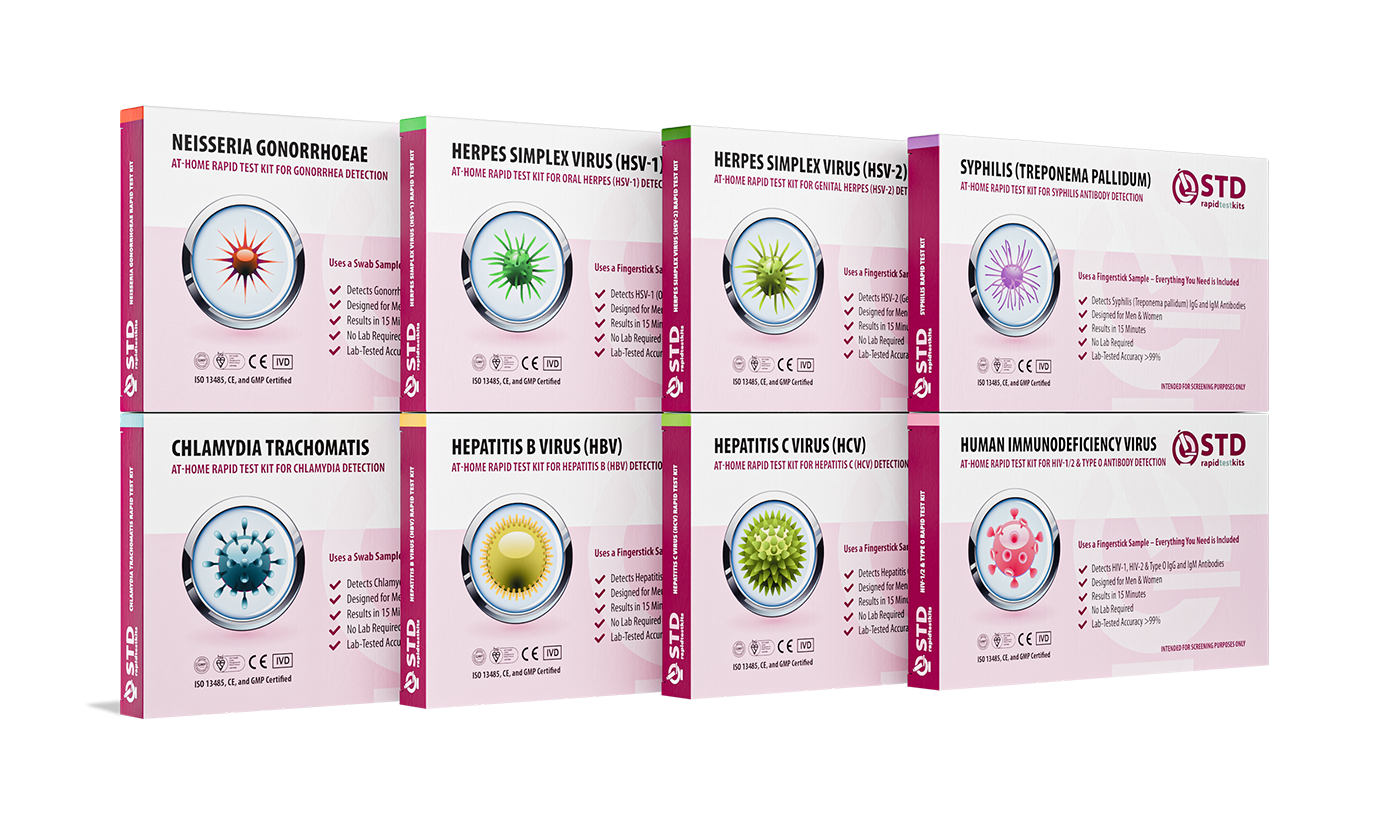
Claim Your Kit Today
Save 62%
For Men & WomenResults in MinutesNo Lab NeededPrivate & DiscreetOrder Now $149.00 $392.00
For all 8 tests
FAQs
1. What does an HIV rash look like exactly?
HIV rashes tend to be flat or slightly elevated patches of skin. They tend to be red or pink in individuals with lighter skin tones. They tend to be dark purple or brown in individuals with darker skin tones. The HIV rash tends to be symmetrical. This means the rash tends to occur in the same pattern on both sides of the body. The HIV rash tends to be located on the chest, back, and face.
2. When does an HIV rash appear after exposure?
This tends to occur two to four weeks after HIV exposure. This tends to be in the acute phase of HIV. The acute phase of HIV tends to be the phase in which the body's immune system is reacting the most to the presence of the HIV virus. The HIV rash tends to occur about 10 to 14 days before the four weeks. The HIV rash tends to occur about the same time in everyone.
3. How long does an HIV rash last?
This tends to last from several days to two weeks. The HIV rash tends to go away on its own. The HIV rash going away on its own does not mean the HIV has gone away. The HIV has not gone away even if the symptoms go away. The HIV has not gone away even if the rash has gone away.
4. Can you get an HIV rash without any symptoms?
Yes. The HIV rash tends to be associated with symptoms. The symptoms tend to be fever, fatigue, sore throat, swollen lymph nodes, and muscle ache. The HIV rash tends to be associated with the symptoms. The HIV rash tends to be associated with the symptoms. The HIV rash tends to be associated with the symptoms. The HIV rash tends to be associated with the symptoms.
5. Does the HIV rash itch?
The rash might itch, but in fact, the absence of itch or a mild itch is more common in the HIV rash than in other conditions such as eczema or heat rash, which itch intensely. Drug-induced rash might also itch more. If your rash itches intensely and has other HIV-like symptoms, it would be a good idea to get tested, as the experience might vary.
6. Can I determine if I have HIV just by looking at the rash?
The answer to this question is a definitive "no," and it's one of the most important things to understand. There's nothing in the HIV rash that would enable someone to identify it as HIV and rule out other conditions. The timing and circumstances in relation to exposure and other symptoms would give the best indication. The only way to confirm or rule out HIV would be to get tested.
7. When would I get tested for HIV if I have a rash?
If you have a rash and a possible HIV exposure, start the process now. However, HIV tests require 6 weeks to give accurate results. If tested too early, a false negative would result even if the person has HIV. Test after 6 weeks for a first positive result and after 12 weeks to confirm your results.
8. Can the HIV rash occur years after exposure to the virus?
Yes. Although the acute rash occurs in the weeks immediately following the onset of the illness, individuals infected with HIV may experience various skin rashes over time as a consequence of the compromised immune system or as a medication side effect. These skin rashes are not the same as the acute HIV rash. They indicate that the infected person's immune system health is compromised and requires attention. Any new skin rashes in HIV-infected individuals should be discussed with the patient's doctor.
9. Is the HIV rash contagious?
Although the HIV rash itself is not contagious because it manifests itself as a skin reaction to the body's immune system, the infected person's HIV status would be highly contagious in the weeks the rash manifests itself because the infected person would be in the acute phase of the illness and would be shedding the most HIV.
10. What if the HIV rash was caused by the HIV medication? Do I stop taking the medication?
You should not stop taking your medication without first consulting your doctor. The majority of HIV rashes caused by medication are not serious and go away on their own within weeks. However, if the HIV rash manifests itself in severe blisters, fever, or difficulty breathing, you should seek immediate medical attention.

People are also reading: Did Houston Really Have 42,000 STD Cases This Spring Break?
Know Your Status, Testing Is the Next Step
A rash that appears weeks after a potential HIV exposure isn't something to watch and wait on. It's a signal worth taking seriously, and the fastest way to take it seriously is to get tested at the right time. HIV is highly manageable when caught early, modern treatment allows people living with HIV to maintain full, healthy lives and even achieve an undetectable viral load, which means they cannot transmit the virus to sexual partners. That outcome starts with knowing your status.
The HIV 1&2 At-Home Rapid Test Kit (99.7% accuracy) gives you results in minutes from home, no clinic, no waiting room, complete privacy. If you're in a situation where HIV exposure is a possibility alongside other STIs, the 7-in-1 Complete At-Home STD Test Kit covers HIV, genital herpes (HSV-2), chlamydia, gonorrhea, syphilis, hepatitis B, and hepatitis C in a single kit, because rashes and overlapping exposures are common enough that comprehensive testing makes more sense than testing one thing at a time. For the most complete picture, the Complete 8-in-1 Kit adds oral herpes (HSV-1) to the panel.
Testing is not a confession. It's not an overreaction. It's the only way to turn uncertainty into clarity, and clarity into action. Visit STD Rapid Test Kits to find the right test for your situation.
How We Sourced This: Our article was constructed based on current advice from the most prominent public health and medical organizations, and then molded into simple language based on the situations that people actually experience, such as treatment, reinfection by a partner, no-symptom exposure, and the uncomfortable question of whether it "came back." In the background, our pool of research included more diverse public health advice, clinical advice, and medical references, but the following are the most pertinent and useful for readers who want to verify our claims for themselves.
Sources
3. CDC, HIV Diagnoses, Deaths, and Prevalence: 2025 Update
4. NIH HIVinfo, The Stages of HIV Infection
5. WebMD, HIV Rash: Types, Related Symptoms, and Treatment
6. Healthline, HIV Rash: Pictures, Treatment, and More
About the Author
Dr. F. David, MD is a board-certified infectious disease specialist focused on STI prevention, diagnosis, and treatment. He writes with a direct, sex-positive, stigma-free approach designed to help readers get clear answers without the panic spiral.
Reviewed by: Rapid STD Test Kits Medical Review Team | Last medically reviewed: April 2026
This article is for informational purposes and does not replace medical advice.


