






Quick Answer: You can get and transmit STDs through pegging, especially if toys are shared, not cleaned properly, or used without condoms. Infections like gonorrhea, chlamydia, herpes, syphilis, and even HIV can be passed through anal tissue contact and contaminated surfaces.
Why Pegging Isn’t “Risk-Free”
The assumption that pegging is safe because there's no biological penis is dangerous and false. Here’s what people forget: sexually transmitted infections aren’t picky about plumbing. They spread through:
- Skin-to-skin contact (e.g., herpes, HPV, syphilis)
- Anal tissue microtears (common during penetration)
- Contaminated surfaces, like unwashed dildos or harnesses
The anal canal is incredibly absorbent and vulnerable to tears during sex. That makes it a high-risk site for STD transmission, especially when toys or bodies are shared without protection.

People are also reading: Why Sex Educators Say You Should Be Wrapping Your Toys
“But I’m the One Wearing the Strap…”
Whether you’re the giver or the receiver, you can be exposed. Here’s how the top-down partner might still be at risk:
- Touching or licking the toy before/after use
- Removing the toy and then engaging in oral, rimming, or genital contact
- Getting fluids on your hands and then touching yourself
In short: STDs don’t care who bought the strap. They only care about exposure routes, and pegging creates plenty.
What STDs Can You Get from Pegging?
It’s not just one or two. Here are the most common STDs that can be transmitted during pegging, and how they get passed:
- Chlamydia: Can infect the rectum and survive on shared toys if not cleaned or covered
- Gonorrhea: Lives in the anus and can cause discharge, pain, or silent infections
- Syphilis: Spreads through skin contact, rashes, sores, or mucosal shedding
- Herpes (HSV-1 & HSV-2): Transmits through contact with an infected area, even without visible sores
- HIV: Risk is low but real, especially if microtears occur during anal penetration and fluids are exchanged
- HPV: Can spread via skin-to-skin contact; some strains linked to anal cancer
Some of these, like chlamydia and gonorrhea, are bacterial and curable. Others, like herpes and HPV, are viral and manageable, but not curable. All are preventable with the right tools and knowledge.
How Clean Is That Strap-On?
Let’s talk about your gear. Strap-ons, dildos, and butt plugs need to be cleaned properly after every use, especially if you're switching between partners or orifices.
Best practices include:
- Use condoms on the toy, even if it’s just between you and your regular partner
- Wash with warm water and fragrance-free soap or toy-safe cleaner
- Sterilize silicone toys by boiling (if they’re boil-safe)
- Never share toys without protection, period
Even toys labeled as “non-porous” can retain bacteria in small scratches. Condoms reduce the risk and simplify cleanup. Swap the condom, not the whole toy.
Check Your STD Status in Minutes
Test at Home with Remedium10-in-1 STD Test Kit

 For Women
 Results in Minutes
 No Lab Needed
 Private & Discreet
Order Now $189.00 $490.00
For all 10 tests
Real Talk: A Pegging Case Study
Andre, 29, got into pegging with his girlfriend after watching some educational porn together. “It was hot. We got a new harness and everything,” he said. They didn’t think twice about using the same toy for vaginal and anal play.
“Two weeks later, we both tested positive for chlamydia. I didn’t even know it could live in the rectum. We thought toys were clean enough with soap.”
They learned the hard way: pegging isn’t exempt from testing, barriers, or real conversations. Now, they use condoms on every toy and test before and after new partners.
The Pegging Conversation You Should Be Having
Pegging is intimate, powerful, and hella hot. But it’s also vulnerable, emotionally and physically. STD safety isn’t just about condoms. It’s about trust, communication, and shared responsibility.
Here’s what to talk about before the harness goes on:
- Testing history: “When was your last STD screen? Did it include rectal testing?”
- Barrier use: “Do you prefer condoms on toys, or are we open to bare if tested?”
- Cleaning protocol: “How do you clean your strap-ons or plugs?”
- Monogamy status: “Is this exclusive, or are we also playing elsewhere?”
These questions may feel awkward, especially in cis-het couples where pegging can already feel taboo. But honest sex includes honest health. You can be wild and well-informed at the same time.

Pegging and STDs: What to Know Before the Strap
When to Get Tested, and What to Ask For
Most standard STD tests don’t include rectal screening unless you ask. That’s a problem, because infections like chlamydia and gonorrhea can live in the rectum silently.
If pegging is part of your play (even just once), ask for:
- Rectal swab testing for gonorrhea and chlamydia
- Blood test for HIV, syphilis, and herpes
- Visual check if you notice warts, rashes, or lesions
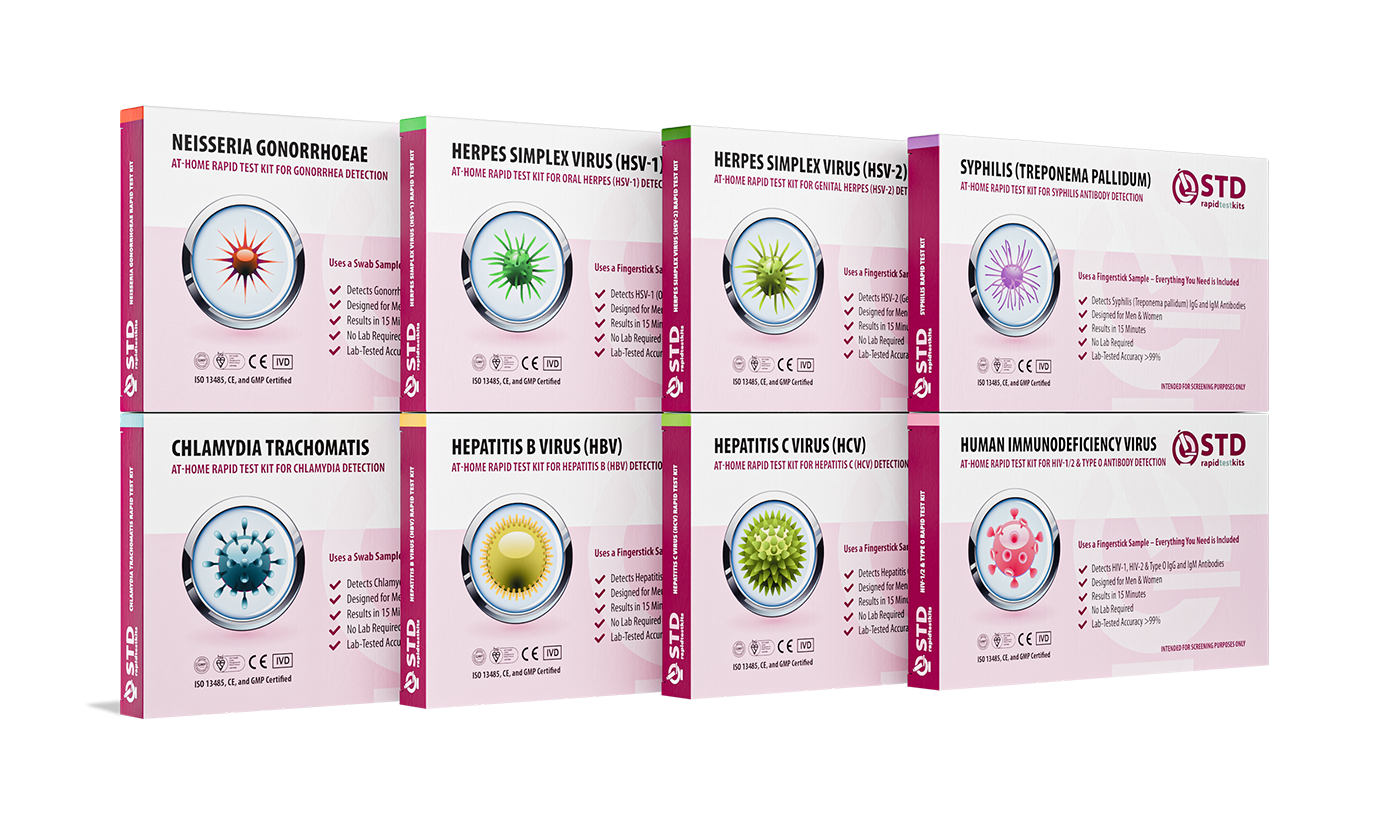
Can’t get into a clinic? At-home kits like the Combo STD Test let you screen discreetly and safely.
Pegging, Queerness, and Safety Fatigue
If you’re queer, nonbinary, or outside the cis-het norm, you might already feel exhausted by the constant need to educate providers, or justify your sexual practices. We see you. And we want you to know: your pleasure deserves protection, just like everyone else’s.
Pegging might not be “mainstream,” but it’s still sex. It still matters. And so does your health.
Why “Clean Enough” Isn’t Good Enough
Let’s bust a myth right now: rinsing a toy in the sink for 10 seconds doesn’t count as cleaning. Residual lube, bacteria, and microscopic bodily fluids can stick around even when a toy looks “clean.”
If you're using a dildo or plug without a barrier, here's what proper cleaning really looks like:
- Use warm water and unscented antibacterial soap (fragrance can irritate)
- Boil silicone toys for 3–5 minutes if the material allows
- Dry fully before storing, moisture grows bacteria
- Clean the harness too, especially if it’s fabric or leather
Remember: just because it's your toy doesn't mean it’s risk-free. Your partner’s body and flora are different from yours. Clean it like someone else’s health depends on it, because it does.
When Pegging Meets Periods, Hemorrhoids, and Anal Health
Most guides don’t talk about the messy stuff, but we do. Pegging during your period, while having hemorrhoids, or with underlying anal issues changes your risk profile.
- Menstrual blood: Can carry HIV and other pathogens that are in the blood.
- Hemorrhoids or anal fissures make it easier for microtears and infections to get in.
- Anal douching: It could irritate tissue and make your body's defenses weaker.
If you're playing with your anus during these times, be extra careful. Use a lot of lube, don't go too deep if it hurts, and always use a condom over your toy. If you start to bleed after, stop and keep an eye on it. Pain is never "just part of it."
You Aren't Strange. You Are Worth Protecting
It's already strong that you care enough to read this far. Pegging is not dirty. There is no danger. But ignoring the risks won't make them go away. It just makes you weak.
Do tests often. Be honest. Make sure your toys are clean. Wear condoms. And don't let shame stop you from taking care of your body. Get a home test kit today and give yourself the peace of mind you need.
Check Your STD Status in Minutes
Test at Home with Remedium8-in-1 STD Test Kit
 For Men & WomenResults in MinutesNo Lab NeededPrivate & Discreet
Order Now $149.00 $392.00
For all 8 tests
Cleaning Toys and Preventing Cross-Infection
Pegging involves toys, hands, and body fluids getting very close to each other, so hygiene is very important. If both partners have "clean" STI histories, using toys the wrong way can still spread infections like HPV, herpes, or bacterial vaginosis.
- Barrier layering: Always put a condom on the dildo or strap before you use it, and change it when you switch from anal to vaginal play.
- Change condoms between holes: If you're going from the anus to the mouth or vagina, always change condoms. The microbes in each area are different.
- Things to think about when storing: After each use, wash toys with warm water and mild soap, dry them well, and store them in separate bags that let air in so they don't get moldy or dirty.
Quick tip: For easier cleaning, pick toys that aren't porous, like glass or silicone. Also, keep an eye out for tears, discoloration, or sticky buildup; these are signs that it's time to replace or deep-clean.
Pre- and Post-Pegg Protocol: A Safety Check for Partners
Pegging isn't just about pleasure; it's also about making sure both people are safe and emotionally ready. Here's a useful list to keep both partners safe:
- Before pegging, get a STI screen: Before trying pegging for the first time, get tested for chlamydia, gonorrhea, HIV, and herpes in your genitals, anus, and mouth.
- Agree on safety: You want smooth, wet interactions to lower the risk of microtears and other problems, so use condoms on the toy, dental dams for oral contact, and lube.
- Check-in after pegging: Keep an eye out for bleeding, irritation, or discharge, which are signs of an infection. If you start to feel sick, be ready to test again in 4 to 6 weeks.
This kind of safety rule isn't cold; it's caring. It shows that you trust, respect, and are responsible for each other's bodies and pleasure.
Emotional Consent and Communication All The Way
Pegging can be emotionally heavy because it often crosses gender or role lines. This means that condoms are just as important as consent and communication.
- Check in all the time: "Is this still okay?" Do you need to stop or take a break? This question should come up throughout the experience, not just before it starts. If pegging is part of BDSM or role play, talk about it ahead of time and set limits, safe words, and aftercare needs.
- Make hesitation normal: It's okay to feel nervous or weak; it just means you're human. Take a break, talk about it, and use what you learned about your feelings to connect with others.
Pegging isn't just something you do with your body; it's a shared experience. Giving each other room for emotional consent, excitement, or even confusion keeps both partners safe, respected, and fully present.
FAQs
1. Can pegging give you an STD?
Yes. You can get STDs like chlamydia, gonorrhea, syphilis, herpes, HPV, and HIV if you use a strap-on.
2. Is it okay to put a condom on a dildo?
Yes, if you switch partners or holes or share toys. Using condoms lowers the risk of getting STDs and makes cleaning up easier.
3. Do sex toys carry STDs?
Yes. Some viruses and bacteria can live on toys for hours or even days. Use condoms or clean well to stop the spread.
4. Is pegging safe for us if we're only seeing one person?
Not no risk, but less risk. If either of you has had other partners or isn't sure of their status, it's still a good idea to get tested.
5. Should I look for STDs in my rectum?
Yes, if you have anal sex or are penetrated through the anus. It's not common in most screenings, so ask for a rectal swab test.
6. Is it possible to get herpes from using a strap-on?
Yes. Herpes spreads through skin-to-skin contact, and it can live on surfaces or be passed along when people play with toys.
7. Is pegging really a risk for getting HIV?
Yes, especially if there are small tears or exposure to fluid. Use barriers and test often to lower the risk.
8. How often should I get tested if I get pegged or peg someone?
You should get tested at least every three to six months if you have sex with more than one partner or don't use protection.
9. Do STD tests you do at home find infections that come from pegging?
Yes, especially if they include swabs from the rectum. Kits like the Combo Test are made for full-site screening.
10. What if I already have an STD?
You can still peg, but you need to be careful. Take care of yourself with medicine, tell your partners, and protect yourself while you play.
Sources
1. Healthline – A Beginner’s Guide to Pegging: STI Precautions
2. Wikipedia – Pegging (Anal Sex with Strap-On): Definitions & Risks
3. BC CDC SmartSexResource – Can HIV Be Transmitted via a Strap-On with Blood Exposure?
4. The Body – Sex Toy STD Infection Risks: When Shared or Contaminated
5. Reddit – Discussion: STI Risk from Shared/Unclean Strap-On (community insight)
6. indy100 / Independent – How to Get Pegged Safely: Condoms, Lube, and Hygiene Tips


