







Quick Answer: Yes, STDs like chlamydia, gonorrhea, and HIV can lead to testicle shrinkage through inflammation, infection, or hormone disruption. It’s called testicular atrophy, and it’s treatable if caught early.
Can an STD Actually Shrink Your Testicles?
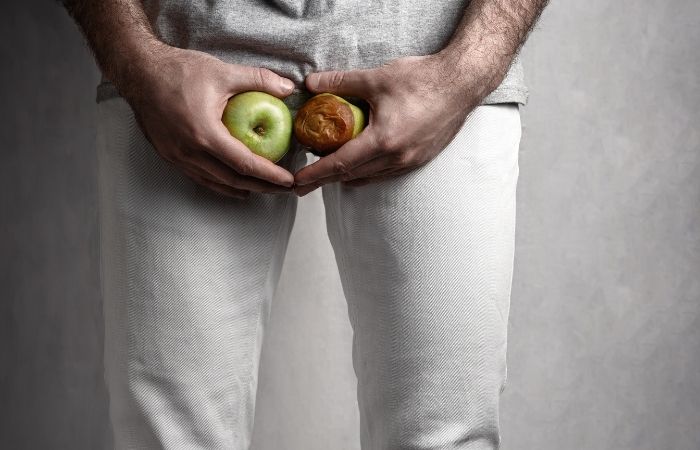
This isn’t urban legend, it’s medical reality. When certain STDs go untreated, they can spread into the reproductive system and affect the testicles, especially through a condition called epididymitis.
Testicular atrophy refers to the loss of size, firmness, and function of the testicles. This can be caused by:
- Direct infection of the testicle (orchitis)
- Chronic inflammation in the epididymis (epididymitis)
- Hormonal disruption, especially in advanced HIV cases
- Damage to sperm-producing structures due to untreated STIs
And yes, some of this damage can lead to shrinking. That doesn’t mean it’s permanent or untreatable, but it does mean you need to take it seriously.
People are also reading: This Common STD Could Be Why Your Testicles Hurt
The STDs That Target Your Testicles
Not all STDs cause testicle damage, but these are the top offenders:
Chlamydia
This is the #1 bacterial STD in young men, and a common cause of epididymitis. It can lead to:
- Pain in one or both testicles
- Redness or warmth in the scrotum
- Swelling that later leads to atrophy if untreated
- Discharge from the penis or burning while peeing
Gonorrhea
This fast-acting infection can spread beyond the urethra and attack the testicles directly. Gonorrhea is more aggressive than chlamydia and can cause:
- Severe testicular pain or heaviness
- Pus-like discharge
- Fever and groin tenderness
- Long-term fertility issues if left untreated
HIV
In advanced stages, HIV can affect hormone levels and reduce testosterone production. This may result in:
- Gradual testicle shrinkage over time
- Lower libido
- Erectile dysfunction
- Testicle softening due to reduced glandular function
Syphilis and mumps (rarely)
While less common, late-stage syphilis or viral infections like mumps can lead to painful testicular swelling, and in severe cases, damage that leads to shrinkage.
How It Happens: Epididymitis and Orchitis Explained
Here’s the basic anatomy lesson. Your testicles produce sperm. Attached to each one is a coiled tube called the epididymis, which helps store and transport that sperm.
When bacteria from an STD like chlamydia or gonorrhea travel backward into that tube, they cause inflammation, aka epididymitis. This can eventually lead to:
- Scarring and blocked sperm ducts
- Local testicle infection (orchitis)
- Reduced blood flow and tissue death in extreme cases
Over time, the damage can result in testicular atrophy, a fancy term for shrinkage, tissue softening, or volume loss.
Check Your STD Status in Minutes
Test at Home with Remedium7-in-1 STD Test Kit
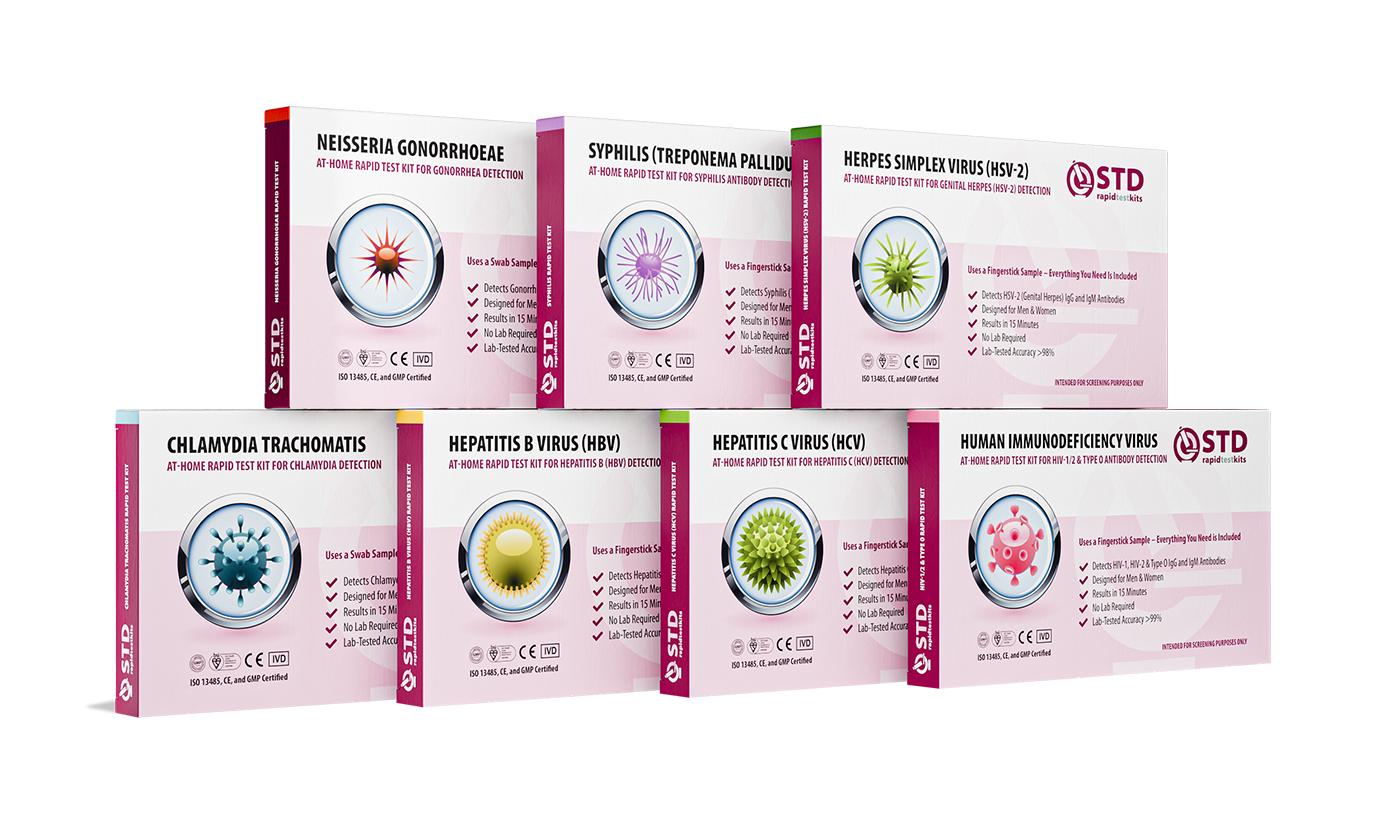
 For Men & Women
 Results in Minutes
 No Lab Needed
 Private & Discreet
Order Now $129.00 $343.00
For all 7 tests
Symptoms You Shouldn’t Ignore (Even If It’s Just One Testicle)
Most men don’t check their balls that often, let’s be real. But if you start noticing asymmetry, tenderness, or a drop in size that wasn’t there before, it’s time to listen to your body.
Here are the top symptoms that could signal an STD-related issue with your testicles:
- Swelling in one or both testicles
- Dull or sharp pain in the scrotum or groin
- A feeling of heaviness or fullness in the testicle
- Pain when ejaculating
- Discharge from the penis (clear, yellow, or white)
- Fever or chills
- One testicle feeling noticeably smaller or softer
These symptoms may not all show up at once. Sometimes the pain hits first, then fades, leaving only shrinkage. In other cases, you’ll just notice your scrotum looks “off” without any major discomfort.
Why It Gets Misdiagnosed or Dismissed
Men tend to delay seeking care for genital issues, often out of fear, shame, or the hope that “it’ll go away on its own.” Unfortunately, that delay can lead to real damage.
Even when you do get checked, misdiagnosis happens. Your provider might blame:
- A minor groin strain or sports injury
- A hydrocele (fluid-filled sac)
- Testicular torsion (which is an emergency, but presents similarly)
- Anxiety or “just normal aging”
And if you don’t disclose recent sexual activity, or if the provider doesn’t ask, STD testing may be skipped entirely. That’s how people walk around with chronic epididymitis or low testosterone for months without knowing why.
It’s not your fault. But it’s your body, and you have the right to know what’s going on inside it.
Can STDs Mess With Your Testosterone?
Short answer: yes. Certain infections can disrupt testicular function so badly that your hormone levels take a hit. That’s a bigger deal than just sex drive, it affects energy, muscle mass, mood, and fertility.
Here’s how:
- Infections like HIV can damage the cells in the testes responsible for testosterone production
- Chronic inflammation from conditions like gonorrhea or chlamydia epididymitis can lead to atrophy, which lowers testosterone output
- Syphilis and mumps (in rare cases) can cause immune damage to testicular tissue, reducing hormone function
Signs of low testosterone (Low T) include:
- Fatigue
- Erectile issues
- Loss of muscle mass
- Mood swings or depression
- Decreased facial or body hair
- Shrinking testicles
If you’ve had an STD, especially if it was untreated for a while, and you’re experiencing these symptoms, it’s worth checking both your hormone levels and your testicles.
People are also reading: The STD That Looks Like Pink Eye But Can Melt Your Cornea
When and How to Get Tested
Don't wait until something visibly changes. If you’ve had unprotected sex, any of the symptoms above, or even just the nagging feeling that something isn’t right, testing is the next right step.
You can test for the most common ball-affecting STDs with discreet, accurate kits:
- Chlamydia + Gonorrhea Home Test: These two are the biggest culprits behind testicle inflammation
- 10-in-1 STD At-Home Rapid Test Kit: Covers all major STDs including HIV, syphilis, and herpes
Many people put off testing because they’re afraid of the result. But knowing what’s going on is the only way to protect your body and your future fertility and hormone health.
Can an STD Affect Your Fertility Long-Term?
Unfortunately, yes. The same STDs that cause testicle inflammation or shrinkage can also interfere with sperm production, sperm transport, and hormone balance, all critical for fertility.
Here’s how it happens:
- Chronic epididymitis can scar the tubes that carry sperm from your testicles
- Orchitis (infection of the testicle) can damage sperm-producing cells
- Prolonged inflammation may lower sperm count and motility
- Untreated infections can reduce semen volume or quality
The damage isn’t always permanent, especially if treated early, but some men only discover the issue when they try to conceive later on. That’s why proactive testing and treatment matter now, not just when you’re “ready for kids.”
Important: even if only one testicle is affected, sperm production can still take a major hit. And with no symptoms in your partner, the infection can quietly bounce back and forth.
The Mental and Sexual Toll of Testicle Changes
Let’s get real. When something’s wrong with your balls, it messes with your head. Whether they feel smaller, softer, sore, or just off, it can lead to:
- Anxiety about your body
- Embarrassment or fear of intimacy
- Worry that something’s seriously wrong (like cancer)
- Shame around needing help or talking about symptoms
You might start avoiding partners. You might over-Google. You might feel stuck between “I don’t want to overreact” and “I can’t stop thinking about it.” That limbo eats at your confidence.
This article exists to remind you: your concern is valid. Shrinking testicles, pain, or changes after sex aren’t in your head, and they’re nothing to be ashamed of. Most causes are treatable, especially if you take action early.
Check Your STD Status in Minutes
Test at Home with Remedium7-in-1 STD Test Kit
For Men & WomenResults in MinutesNo Lab NeededPrivate & DiscreetOrder Now $129.00 $343.00
For all 7 tests
How to Talk to Your Partner (Without Panic or Blame)
If you’re dealing with symptoms and worried it might be an STD, bringing it up with a partner can feel overwhelming. But it doesn’t have to be dramatic.
Try something like this:
“Hey, I’ve been noticing some symptoms that I want to get checked out. I don’t know what it is yet, but I think it’s worth both of us testing just to be safe.”
Or if you’ve already tested:
“I tested positive for chlamydia. It can affect your testicles if untreated, which is why I caught it. You may not have symptoms, but I want to make sure you’re okay too.”
The key here is honesty, not blame. You’re prioritizing health for both of you. And that’s something most people will respect.
What Recovery Looks Like: Can Atrophy Be Reversed?
It depends on the cause and how soon you catch it. If the damage is caused by inflammation (like epididymitis or orchitis):
- Antibiotics can stop the infection
- Swelling usually goes down within days to weeks
- In mild cases, testicle size may return to normal
- In severe or prolonged cases, shrinkage may be permanent
If the damage is hormonal (like from HIV or advanced syphilis):
- Hormone therapy may be needed to restore testosterone
- Testicle size may not return, but sexual function can often be preserved
In all cases, the sooner you test and treat, the better the outcomes. Don’t wait for both testicles to be affected, start now, even if it’s just a weird ache or visual change.

People are also reading: No Symptoms, Still Infected: The Silent STD Problem
FAQs
1. Can chlamydia make your balls shrink?
Yes. If left untreated, chlamydia can cause epididymitis and testicular inflammation. This may result in long-term damage or shrinkage in one or both testicles.
2. What STDs can affect testicle size or function?
Chlamydia, gonorrhea, HIV, syphilis, and even mumps (though not an STD) can all cause testicular issues ranging from pain to atrophy or hormonal disruption.
3. Can gonorrhea lead to infertility?
Yes. Gonorrhea can inflame and scar the reproductive tract, especially the epididymis, reducing sperm transport and potentially causing infertility if not treated.
4. Why is one of my balls shrinking or softer than the other?
This could be due to testicular atrophy from an STD, hormone imbalance, or another medical issue. You should test for infections and see a healthcare provider promptly.
5. Is testicle pain after sex a sign of an STD?
It can be. Pain after ejaculation or during sex could signal an infection like chlamydia or epididymitis. Testing is the only way to know for sure.
6. Will my balls go back to normal after treatment?
In many cases, yes. If you treat the infection early, inflammation usually goes down and testicle size may return to normal. Chronic cases may lead to permanent changes.
7. How do I test for STDs that affect the testicles?
You can use a discreet home test for chlamydia, gonorrhea, HIV, and syphilis. Choose a kit that includes these infections for accurate screening.
8. Is it normal for balls to be different sizes?
A small size difference is normal. But sudden shrinking, pain, or softening could be a sign of testicular atrophy or infection, and should be checked.
9. Can low testosterone make my balls shrink?
Yes. Testosterone affects testicle size and function. If an STD damages your hormone production, shrinkage and sexual symptoms may occur.
10. Can testicle shrinkage be reversed?
Sometimes. If caused by inflammation, prompt treatment may restore normal size. Hormone-related shrinkage might need medical or hormonal therapy.
Take Care of Your Balls, They Deserve It
Changes in your testicles, pain, swelling, or shrinking, are never something to ignore. And yes, an STD can absolutely be the cause. But the solution doesn’t have to involve awkward clinics or weeks of waiting. Test from home, treat early, and reclaim your peace of mind.
Sources
1. 5 Best At‑Home STD Tests 2025 – Medical News Today
2. The Best At‑Home STD Tests of 2025 – Testing.com
3. At‑Home STI Tests Are Everywhere Right Now. How Well Do They Work? – SELF
4. Sexually Transmitted Infection (STI) Tests – MedlinePlus
5. Testing for STIs at home? Yes, it’s possible—and popular – American Sexual Health Association


