







Quick Answer: Chlamydia treatment isn’t always a “one-pill cure.” Misdiagnosis, reinfection, resistance, and improper follow-up can all lead to persistent or recurring infection, even after treatment.
The Dangerous Comfort of “One and Done”
Somewhere along the way, we started treating Chlamydia like the common cold of STDs, annoying but harmless, easy to clear up. Got a positive test? Here’s one dose of azithromycin. You’re cured! No need to test again. No need to tell anyone. No need to think twice.
This narrative is seductive. It makes STI care seem simple, low-stakes, and private. But that’s not how infections, or human behavior, actually work. The truth is far messier. And more people are staying infected because they believed that one pill meant they were safe, clean, or done.
Here’s where things break down:
- Misdiagnosis: Not all symptoms that look like chlamydia actually are. Treating without testing leads to missed or wrong diagnoses.
- Reinfection: If your partner wasn’t treated at the same time, or if you resumed sex too soon, you can get re-infected, fast.
- Test Type Confusion: Some clinics use pooled tests or limited panels that can miss certain sites of infection, like the throat or rectum.
- Antibiotic Resistance: While rare, some chlamydia strains are becoming harder to treat, especially in people with recurring infections.
The bottom line? One pill doesn’t guarantee you’re clear. You need to know what was tested, how you were treated, and whether your partner followed through too. Otherwise, you’re not starting fresh, you’re stuck in a cycle.

People are also reading: Caught Chlamydia Again? It Might Not Be Your Fault
“But I Don’t Even Have Symptoms”, Why That Doesn’t Mean You’re Safe
Here’s another brutal reality: up to 70% of people with Chlamydia don’t have any noticeable symptoms at all, especially in the early stages. That means you could have it, and be passing it on, without a single itch, burn, or discharge. For people with vaginas, this is even more likely.
Even when symptoms do show up, they’re often subtle or mistaken for something else:
- Burning when peeing, often confused with a UTI
- Unusual discharge, can be blamed on yeast infections or normal cycles
- Bleeding after sex, often dismissed as “just rough sex”
- Rectal pain or discharge, frequently goes untested entirely
And for people with penises, symptoms might show up as irritation, itching, or a mild drip that’s easy to ignore or attribute to dehydration or masturbation.
This is why at-home testing is so important. It removes the guesswork, the shame, and the wait. Whether or not you have symptoms, you deserve answers, real ones, from a test that actually checks the right sites.
This combo STD test kit checks for Chlamydia, Gonorrhea, Syphilis, and more, all from home, with discreet packaging and fast results.
Because your peace of mind should never depend on symptoms alone.
“I Took the Pill. I Still Had It.”
Ty, 24, first got tested after his girlfriend had a positive chlamydia result from her OB/GYN. They had both assumed they were monogamous. They both assumed the one-time dose of azithromycin she got at the clinic was enough. They even waited a week before having sex again.
“We did what we thought we were supposed to do. But I never got tested, I just took the pill. No one told me I could still have it, especially in my throat. I had no idea I needed to avoid oral too.”
Three months later, Ty got tested before hooking up with someone new, and he was still positive for chlamydia. Not because he cheated. Not because his partner lied. But because the infection hadn’t actually cleared in his body, and no one had tested him thoroughly in the first place.
We see this story over and over: treatment without testing, or testing without follow-up. Both leave people vulnerable, ashamed, and confused.
Let’s break that cycle, for you, and for your partners.
The Myth of the "Quick Fix" Pills and Why They Fail
Let’s talk about azithromycin, the so-called “miracle” single-dose antibiotic that most people associate with curing Chlamydia. For years, this one-pill treatment was the CDC’s go-to recommendation. But behind the scenes, many sexual health experts were already raising red flags.
In 2021, the CDC officially changed its guidelines. Instead of azithromycin, the preferred treatment for most chlamydia cases is now a 7-day course of doxycycline. Why? Because that one-pill shortcut? It doesn’t work as well, especially for people with rectal infections or repeat exposures.
This is especially important for LGBTQ+ folks, people who engage in oral or anal sex, and anyone whose care provider didn’t ask about sexual practices before prescribing.
If your doctor gave you a single dose without knowing your exposure sites, they might have treated the wrong thing.
It’s not your fault. But it is your responsibility now, to get retested, to inform your partners, and to take the treatment that actually works for your body.
And if you're not sure what treatment you got? That's your sign to follow up, because assumptions can cost you clarity, and your health.
Check Your STD Status in Minutes
Test at Home with Remedium8-in-1 STD Test Kit
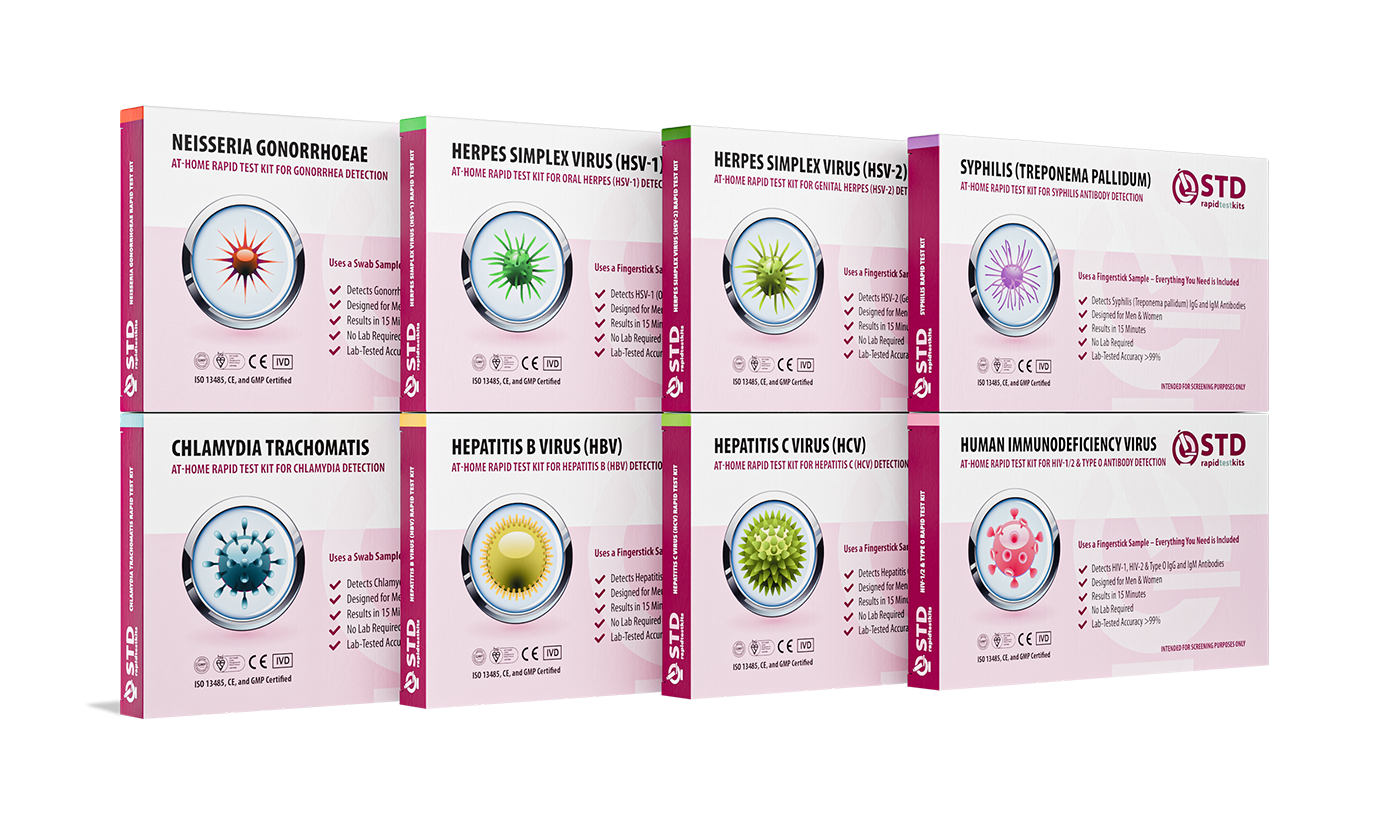
 For Men & Women
 Results in Minutes
 No Lab Needed
 Private & Discreet
Order Now $149.00 $392.00
For all 8 tests
“But We Used Protection…” What That Doesn’t Cover
This one hits hard: you can do “everything right” and still end up with Chlamydia.
Condoms are incredibly important. They lower your risk, especially for HIV and Gonorrhea. But they aren’t magic shields. Chlamydia can still spread through:
- Oral sex, especially if no barrier is used
- Fingering or shared toys, if they aren’t washed or covered between partners
- Genital contact, even without full penetration
- Anal sex, which often goes untested unless specifically requested
Many clinics don’t automatically test the throat or rectum unless you ask. So even if you got tested, you may not have been fully screened. And if your partner skipped testing, or was asymptomatic, you could be re-exposed without realizing it.
This isn’t about blame. It’s about knowledge. The more you know about how Chlamydia works, the more control you get over your choices, your testing schedule, and your protection strategies.
And no, you don’t need to wait until your next doctor’s appointment to act. You can test now, privately, and discreetly from home. Order your rapid Chlamydia test today, and stop guessing.
Reinfection Happens More Than You Think
Here’s one of the most heartbreaking patterns in sexual health: people who clear their infection, do all the right things, and then get reinfected because their partner never got treated, or got treated, but didn’t wait long enough before resuming sex.
Reinfection can happen within days. It doesn’t mean you were reckless. It means someone you trusted wasn’t treated, didn’t finish their meds, or didn’t know they were still contagious.
We don’t talk enough about the emotional toll this takes. People blame themselves. Feel dirty. Question their worth. But reinfection isn’t a moral failure, it’s a breakdown in communication and healthcare systems.
Here’s what helps prevent reinfection:
- Testing BOTH partners, at the same time
- Abstaining from sex until everyone finishes treatment (usually 7 days after last dose)
- Re-testing 3 months later to catch any lingering infection
- Being honest with new partners about your recent history, it’s not shameful, it’s responsible
Chlamydia can recur silently. Don’t rely on symptoms to tell you when something’s wrong. Reinfection is most common in people under 25, especially those who assumed they were “good” after a single treatment.
Take care of yourself. Don’t wait for symptoms.

People are also asking: Is oral sex risky for STDs?
What No One Tells You After the Hookup
We’ve been trained to believe that STDs are about recklessness. That if you test positive, it must be because you were careless, or dirty, or doing something wrong. That’s a lie.
You can get Chlamydia from a partner who had no symptoms. From someone who tested once, years ago, and assumed they were still clear. From a quick hookup where protection slipped or broke. From your long-term partner who didn’t know they were exposed before you met.
Shame is not a treatment plan. Silence is not protection.
What you deserve is honesty. From your body. From your partners. From the tests you take. From the care you receive.
If you’re sitting with that post-hookup anxiety, wondering if the condom was enough, if that sore throat is just allergies, if you’re overthinking everything, you’re not alone.
And you don’t have to wait to find out.
Order your combo STD test, and give yourself the clarity you’re craving.
This Isn’t Just “Embarrassing”, It’s Medical
Let's get rid of the shame. Chlamydia isn't just a "personal mistake"; it's a bacterial infection that can have serious health effects. If not treated, it can lead to:
- Pelvic Inflammatory Disease (PID): If you have a uterus and don't get treated for chlamydia, it can cause chronic pelvic pain, infertility, or an ectopic pregnancy.
- Epididymitis: Chlamydia can cause epididymitis, which is painful and can hurt fertility over time in people with testes.
- Reactive Arthritis: Some people still have joint pain, eye inflammation, or urinary symptoms even after the infection has gone away.
- Higher risk of HIV: If you have chlamydia, it's easier to get or give HIV.
And most of these problems happen without any signs. That's the worst part. You don't feel anything until it's already gotten worse. That's why testing isn't about fear; it's about stopping it.
The sooner you catch it, the easier it is to treat. But only if you get the right tests. That means a full panel screening, which may include the throat and rectum if necessary. It means getting more tests, especially if you're under 30 or have new partners.
Why “Clean” Is the Wrong Word
Let’s talk language. When someone says, “I’m clean,” they usually mean, “I don’t have STDs.” But that word, clean, carries a shadow: it implies that people who do have STDs are dirty. That’s harmful, outdated, and flat-out wrong.
Chlamydia isn’t a punishment. It’s not a mark of irresponsibility. It’s a common bacterial infection that over 1.5 million people in the U.S. get every year, many of them while using protection, while being monogamous, or while thinking they were already treated.
And you know what? You can be “clean” and still have chlamydia. Because many people say that after a single test, a single partner, or even a false sense of trust.
So instead of “clean,” let’s talk about something better:
- When was your last full-panel test?
- What sites did you test, genital, oral, rectal?
- Have you been re-tested since your last partner?
That’s sexual health. Not labels. Not judgment. Just truth, safety, and care.
Check Your STD Status in Minutes
Test at Home with Remedium7-in-1 STD Test Kit
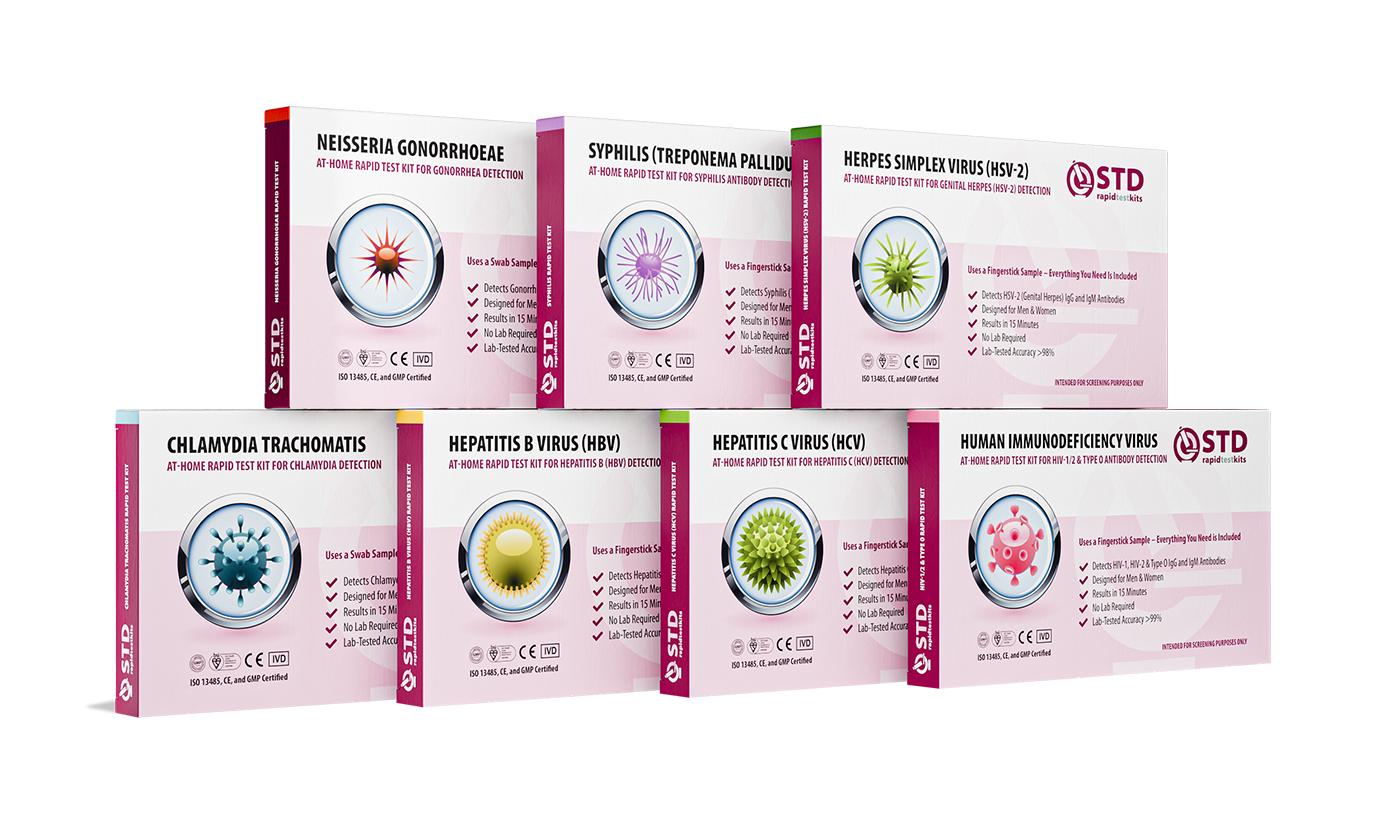 For Men & WomenResults in MinutesNo Lab NeededPrivate & Discreet
Order Now $129.00 $343.00
For all 7 tests
Stop Waiting for Someone Else to Get Tested First
If you're reading this, chances are you've been waiting. Maybe for your partner to bring it up. Maybe for symptoms to appear. Maybe for the anxiety to fade. Maybe for the “right time.”
Here’s your permission slip: You don’t need anyone else’s timeline to protect your body.
Testing doesn’t mean you don’t trust your partner. It means you trust yourself. It means you’re choosing knowledge over guessing, care over avoidance, power over shame.
There is no perfect moment to bring up STDs. But there is a perfect moment to take control, and it’s right now.
Not Just a “Teen” STD, Why Adults Still Miss It
We tend to frame Chlamydia as something that happens to young people: college students, teenagers, party hookups. But the truth is, adults in their 30s, 40s, and beyond are still getting infected, and often less likely to get tested regularly.
Why? Because:
- Primary care visits don’t always include STD screening, especially after age 30
- Long-term partners assume monogamy equals safety, even when past exposures weren’t tested
- People re-entering the dating world after divorce or widowhood often haven’t tested in years
And unlike teens who might get automatic screening at clinics, adults often have to ask to be tested. Many don’t, because of embarrassment, assumptions, or lack of knowledge.
Why Retesting = Real Recovery
If one pill was the beginning, retesting is the follow-through. It’s the moment you go from hoping you’re cleared to knowing you are.
Think of it like this:
- Would you take antibiotics for strep and never check if your throat healed?
- Would you treat a broken bone without doing a follow-up X-ray?
Chlamydia can cause long-term damage if it lingers, pelvic inflammatory disease, infertility, chronic pain. That’s why retesting is more than just peace of mind. It’s prevention.
Symptoms You Shouldn’t Ignore Post-Treatment
- Burning when you pee (beyond 7–10 days)
- Unusual discharge that doesn’t go away
- Pelvic or testicular pain with no other explanation
If you’re experiencing any of these, don’t assume it’s just in your head. Order a follow-up test and get the real answer:
“I Should Have Checked Again”
Lena, 31, tested positive for chlamydia after a weekend hookup. She got treated, waited 10 days, and went on with her life. A year later, she started having strange pelvic pain and irregular periods.
A new test showed she still had chlamydia, likely the same infection, never fully cleared.
“I thought the pill fixed it,” she said. “I never thought to follow up. No one told me I should.”
Her infection had caused scarring, and she was later diagnosed with PID (Pelvic Inflammatory Disease).
One pill might start the healing, but only retesting proves it's complete.
People are also reading: Yes, You Can Get an STD From a Sex Toy: Here’s How
The One-Pill Myths That Keep People Sick
This “quick fix” mindset doesn’t just oversimplify, it harms. Let’s break down the most dangerous myths tied to one-dose treatments:
Myth: One pill means I’m totally cured.
Truth: Not always. Some strains resist treatment, and reinfection happens frequently.
Myth: I don’t need to tell my partner; they probably won’t get it.
Truth: If they’re untreated, they can reinfect you or someone else.
Myth: If I don’t have symptoms, it’s gone.
Truth: Chlamydia is often silent. You can feel fine and still test positive.
Myth: I can’t have it again if I already took meds.
Truth: There’s no immunity to chlamydia. You can get it again, today, tomorrow, six times if exposure happens.
FAQs
1. Can I get chlamydia again after being treated?
Absolutely. Chlamydia doesn’t give you immunity. Think of it like catching a cold from a new person, you cleared it once, but if your partner didn’t treat it too, or if you’ve got a new hookup, it can come right back.
2. Is it true you can have chlamydia without knowing?
Totally true. Most people don’t feel a thing. No weird smell, no burning, no discharge, nothing. That’s why it spreads so easily. You might feel “fine” but still be passing it to every partner.
3. Does the “one pill cure” still work?
Not always. That old azithromycin one-dose treatment used to be the go-to, but it’s falling out of favor, especially for rectal infections or repeat cases. These days, doxycycline for 7 days is the better bet. It’s not sexy, but it works.
4. What if I only had oral sex. Do I still need to test?
Yep. Chlamydia can live in the throat, even with no symptoms. And if you’ve ever given or received oral without protection (be honest now), testing your mouth is a smart move.
5. How soon after sex can I test?
Most tests will pick up an infection within 1–3 weeks after exposure. Earlier than that, and you might test negative even if something’s brewing. If you’re unsure, test now, and again in a few weeks if symptoms show up or anxiety sticks around.
6. I used a condom, how did I still get chlamydia?
Condoms reduce risk, but they don’t block everything. Oral sex, unwashed sex toys, or even skin-to-skin contact can transmit it. It doesn’t mean you were reckless, it just means bacteria are sneakier than we give them credit for.
7. Can chlamydia mess with fertility?
Unfortunately, yes, especially if it goes untreated. In people with uteruses, it can lead to PID, which can scar the reproductive organs. For people with testes, it can inflame the epididymis. But caught early? Totally treatable.
8. Do I really need to tell my partner?
Listen, it’s awkward, we get it. But untreated chlamydia just bounces back and forth. If you want to avoid the whole reinfection loop (and protect them too), a short, honest heads-up is worth it. Think of it as STI karma.
9. Do I have to go to a clinic to test?
Nope. You can test from home, in private, without the awkward waiting room. At-home STD test kits are accurate, FDA-approved, and way more convenient if you’re not ready to talk face-to-face about your sex life.
10. Does testing mean I’m “dirty”?
Hell no. Testing means you give a damn. About your body, your partners, your peace of mind. If anything, testing makes you cleaner than someone who never checks.
Don’t Trust the Pill, Trust the Follow-Up
That one test? Helpful. That one pill? Sometimes effective. But real safety comes from one thing: retesting.
If no one told you that, we are now.
Because you deserve better than quick fixes. You deserve clarity, closure, and the confidence that your treatment actually worked.
One test and one pill might not be enough, but one decision to follow through can protect you for life.
Sources
2. Chlamydial and gonococcal reinfection among men: systematic review (Fung et al., 2007)
3. Modeling study: Re‑infection by untreated partners for Chlamydia (Low et al., 2014)
4. Chlamydia and gonorrhea retesting and reinfection rates in New Zealand (Rose et al., 2020)
5. CDC STI Treatment Guidelines, 2021 — Chlamydia treatment recommendations
6. Systematic review: rectal chlamydia treatment—doxycycline more effective than azithromycin (2021)


