







What Most Men Don’t Know About STDs and Fertility
If you’ve been told infertility is just about “weak swimmers,” it’s time for a reality check. One of the most overlooked causes of male fertility problems is something far more common, and often invisible: untreated STDs.
We’re talking about infections like Chlamydia, Gonorrhea, and Syphilis, the kind that can sit in your system for years without making a scene. While they’re known for causing discharge, burning, or rashes, what they don’t cause (especially in men) is obvious symptoms in most cases. That’s where the danger lies.
Over time, these STDs can:
- Scar the tubes sperm travel through (especially the epididymis)
- Inflame the testicles, prostate, and urethra
- Alter sperm count, motility, and morphology
- Block sperm flow entirely via damage to the vas deferens

People are also looking for: Do gay men have higher STD risk?
How STDs Wreck Reproductive Health Without Symptoms
Let’s get clinical for a second. Chlamydia and Gonorrhea are the worst offenders when it comes to silent reproductive sabotage.
They enter through the urethra and often travel up into the epididymis, that delicate coil where sperm mature and gain motility. There, they can cause epididymitis, a painful inflammation that may go unnoticed until irreversible damage is done.
If the infection moves into the testicle (called epididymo-orchitis), it may disrupt sperm production itself. Even minor cases can cause scar tissue that obstructs sperm pathways.
You may not feel a thing, but internally, your sperm count is quietly dropping.
Syphilis, while less common today, has been shown to affect testicular blood flow and may trigger autoimmune reactions that attack sperm as “foreign invaders.”
Long-term risks include:
- Aspermia: No sperm present in semen
- Oligospermia: Low sperm concentration
- Asthenospermia: Weak or immobile sperm
And here’s the kicker: many men don’t even realize it until they’re trying to have a child.
Why These Infections Are So Often Missed
Most guys don’t get tested unless something burns, leaks, or freaks them out. But up to 70% of men with Chlamydia show no symptoms at all, according to the CDC.
That means you could carry an infection for months, sometimes years, without a clue. By the time signs show up (like pain, swelling, or difficulty ejaculating), the damage may already be permanent.
Even when symptoms do occur, they’re often brushed off as irritation, a UTI, or nothing serious. Combine that with the stigma of sexual health conversations, and many men avoid clinics entirely.
Check Your STD Status in Minutes
Test at Home with Remedium3-in-1 STD Test Kit
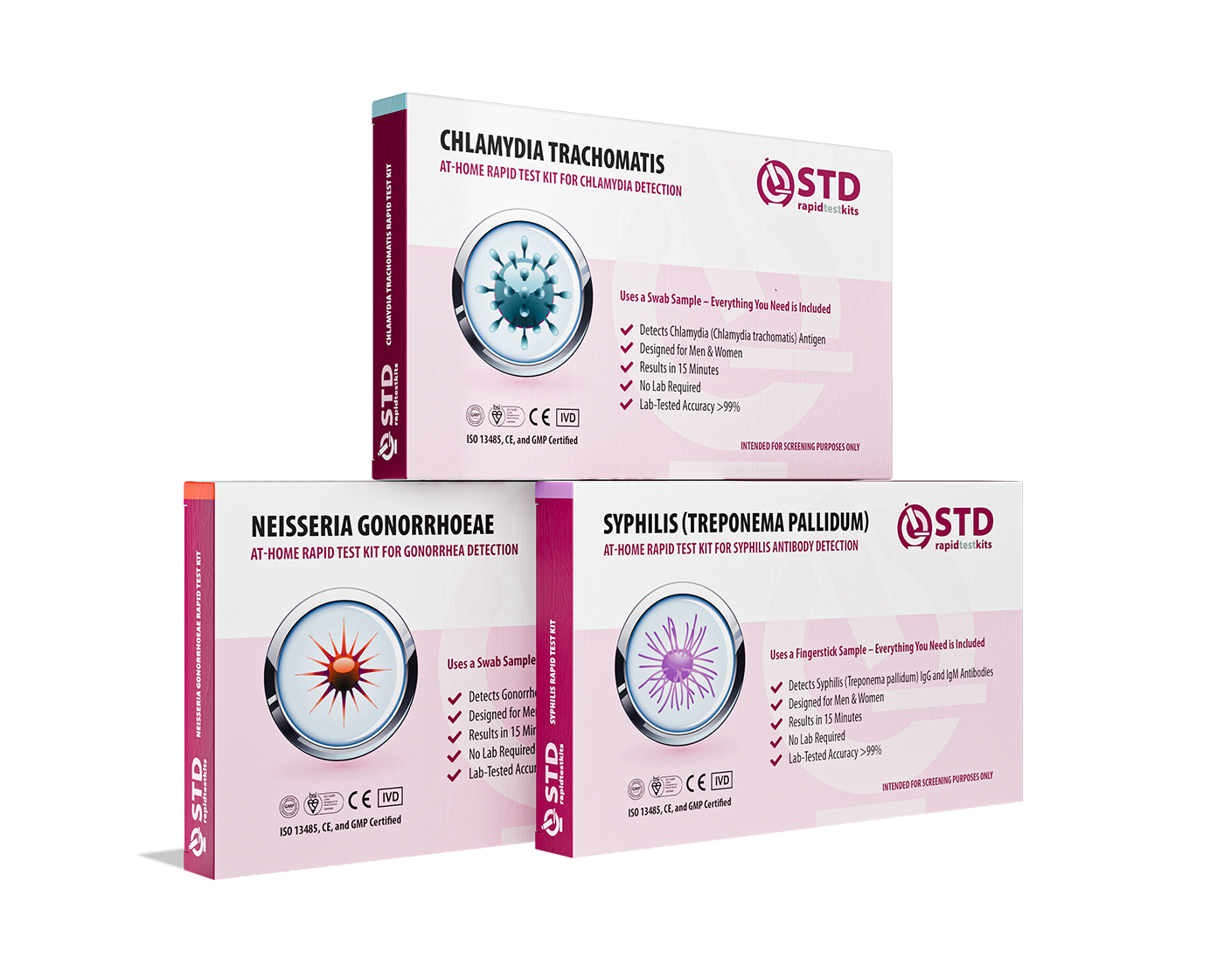
 For Men & Women
 Results in Minutes
 No Lab Needed
 Private & Discreet
Order Now $69.00 $147.00
For all 3 tests
How to Know If You’re at Risk
Ask yourself a few honest questions:
- Have you ever had unprotected sex?
- Do you know your partners’ STD status for sure?
- Have you had multiple partners in the past 12 months?
- Have you experienced testicular pain, swelling, or unusual discharge?
If you answered yes to any of these, or if it’s been more than 6 months since your last test, you’re in the risk zone.
And remember: STDs don’t just affect you, they impact your future family planning too.
Medical Insight: What the Experts Say
The data is clear and sobering:
- A 2020 study in Human Reproduction found a strong correlation between untreated Gonorrhea and lowered sperm motility.
- The CDC reports that Chlamydia and Gonorrhea are major contributors to preventable infertility in men under 40.
- According to the Mayo Clinic, infections that cause scarring or inflammation of the reproductive tract are among the leading causes of male infertility.
In short: the longer you go untreated, the greater the risk to your sperm health.
Real Talk: Emotional Fallout of Fertility Fear
Infertility hits differently when it’s tied to a mistake you didn’t know you made.
For many men, finding out they’re infertile triggers shame, anxiety, and a deep sense of failure. Especially when the cause was preventable.
Some blame themselves. Others blame partners or the medical system. But the reality is, most people were never told how common and quiet STD-related infertility can be.
That’s why talking about it matters. Silence only feeds the stigma.

People are also looking for: Can STDs mimic other infections?
Can the Damage Be Reversed?
In some cases, yes. If the infection is caught early and treated with antibiotics, sperm function can recover, especially if there's no significant scarring.
But once there's fibrosis, blocked ducts, or testicular inflammation? It's harder. Some men may need surgery, IVF, or assisted reproduction techniques.
The key is early detection. Which means regular testing.
Protect Your Fertility: What You Can Do Today
Here’s how to protect your sperm (and peace of mind):
- Get tested every 3–6 months if you're sexually active with multiple partners
- Use protection consistently, especially with new or casual partners
- Ask your partners about testing, and share your results too
- Choose discreet at-home testing if clinics feel overwhelming
Check Your STD Status in Minutes
Test at Home with Remedium8-in-1 STD Test Kit
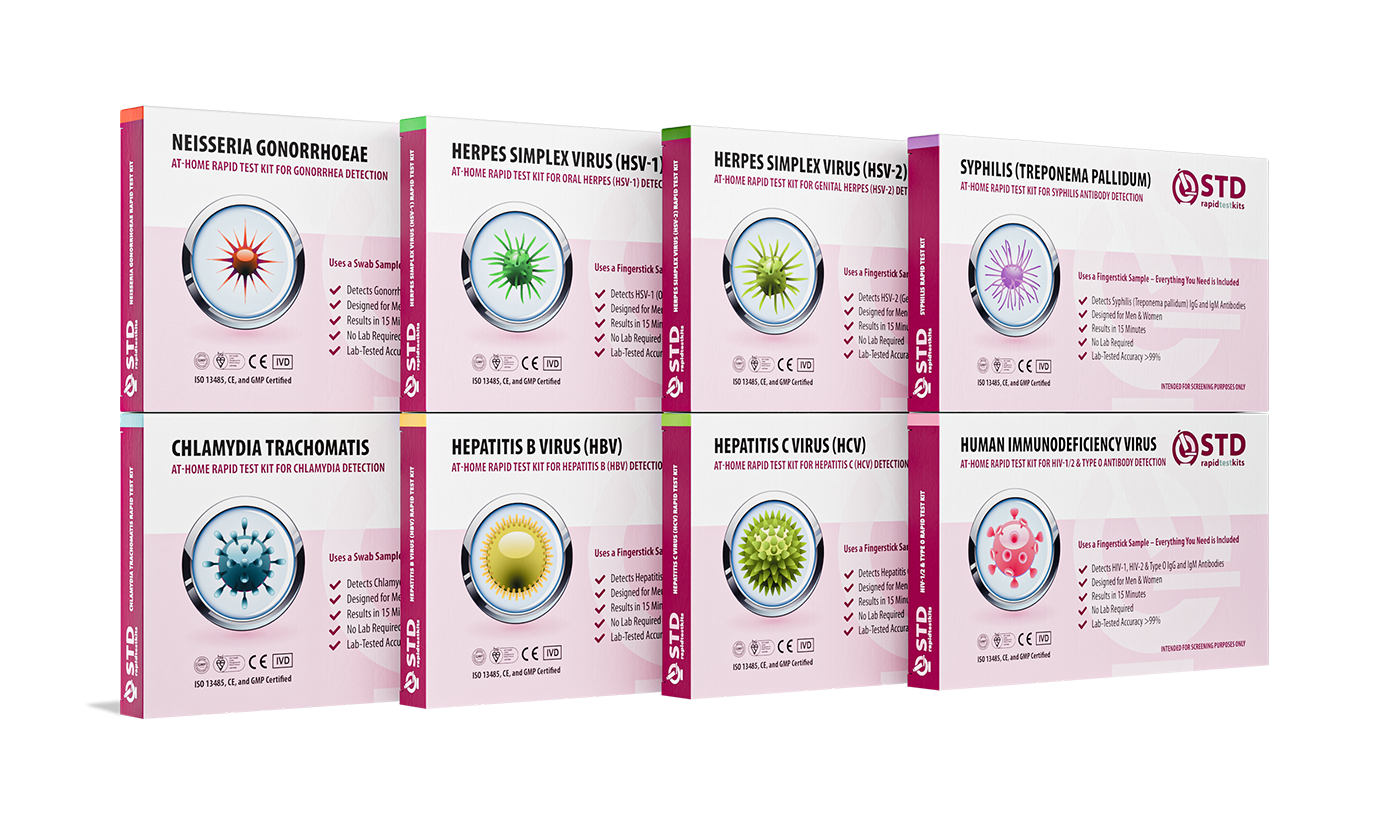 For Men & WomenResults in MinutesNo Lab NeededPrivate & Discreet
Order Now $149.00 $392.00
For all 8 tests
Lifestyle & Environmental Factors: Multiplying the Damage
It’s not just STIs that hurt sperm, everyday habits and environmental exposures can amplify the effects of infections like chlamydia, gonorrhea, and HPV.
Substance Use, Alcohol, Tobacco, and Beyond
Sperm can get oxidative stress from drinking a lot of alcohol, smoking, and using drugs for fun. When you add a STI-triggered inflammatory response to that damage, it gets worse. What happened? A huge drop in motility, count, and DNA integrity.
Pesticides & Environmental Toxins
Men who work in farming or live near areas with a lot of pesticides are at risk of baseline sperm damage. If you have untreated chlamydia or gonorrhea on top of this, your reproductive system may have a hard time healing, even after treatment.
What to do: If you're fighting both lifestyle and infection issues, address both. Wear loose underwear, limit heat exposure, quit smoking or drinking excessively, and reduce chemical contact. These proactive steps matter, even after clearing an STI.
The Emotional Weight: Stress, Identity, and Fertility Anxiety
Most fertility articles talk biology, but few talk about the mental load men carry when STIs threaten their sperm and, with it, their dreams of fatherhood.
- Shame and identity: An STI, that secret co-pilot, can make you feel bad about yourself and make you worry about being a man and having children.
- Relationship strain: Broken trust, fear of giving partners an infection, and not knowing if you can get pregnant can all make you feel guilty, depressed, or avoidant in close relationships.
- Fear of the future: The emotional ripple effect of "what if I can't conceive?" has an impact on everything from mental health to planning a career and a family.
Fertility isn’t just about sperm counts, it’s about trust, possibility, and how connected men feel to their future selves and families. Ignoring the emotional fallout means ignoring half the problem.
Strategy: If you’re dealing with STI-related fertility issues, you’re allowed to ask for emotional support. Seek counseling, find support groups, and talk with other men who've been there. You’re not "less of a man", you’re confronting perfectly valid fears.
People are also looking for: Anxiety About STD Testing: An Important Concern
Beyond Sperm Count: Can STDs Affect Your Future Kids?
Most conversations about STDs and male fertility stop at “Can I still get someone pregnant?” But the real question some people are quietly asking is:
“If I do, will my child be okay?”
Emerging research in the field of epigenetics suggests that damage from untreated STDs doesn’t always stop with your sperm. It can sometimes alter how your DNA gets passed on, raising the risk of developmental issues, immune dysfunction, or other health challenges in future children.
What Is Epigenetic Damage?
Epigenetics is the study of how your genes are expressed in different ways because of things like your environment and infections. Imagine smudges on a CD. The data is still there, but it doesn't play the same.
Researchers have found:
- Chlamydia and gonorrhea can cause inflammation that changes the way DNA is packed in sperm.
- HPV may cause sperm mutations that are linked to problems with the quality of embryos.
- HIV and hepatitis B (if not treated) can change the structure of sperm chromatin, which could have an effect on future generations.
What does that mean for kids?
The research is still going on, but early results show that infections in fathers might play a role in:
- Loss of pregnancy early on or failure of implantation
- Having a baby with a lower birth weight or being born too soon
- A higher chance of metabolic disorders or immune problems in children
It's important to be clear that not every case of untreated STD causes problems for kids. However, when the risk can be avoided with simple testing and treatment, it's important to take it seriously.
Your Body, Your Legacy
If you’re planning to become a parent, now or someday, there’s power in knowing your status. Clearing infections not only protects your fertility, it safeguards the next generation. Your DNA carries more than traits, it carries your choices, too.
FAQs
1. Can STDs make men infertile even if they don't show any signs?
Yes. A lot of STDs, especially Chlamydia and Gonorrhea, can hurt sperm production and transport without showing any signs.
2. How can I tell if my low sperm count is due to an STD?
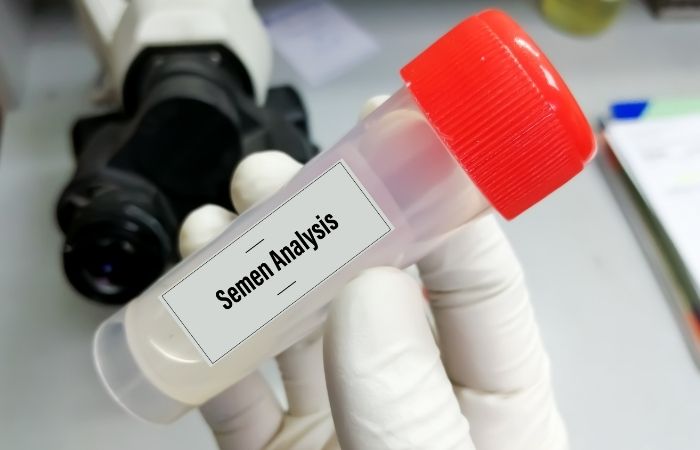
This can only be proven by lab tests. The best way to get a clear picture is to do both a semen analysis and an STD test.
3. Is infertility caused by STDs permanent?
It depends. Treatment can help if caught early. Long-term infections can leave scars that won't go away.
4. Which STD is most likely to hurt sperm?
Men who have trouble getting pregnant are most likely to have chlamydia.
5. After having an STD, can you still have kids?
A lot of men can, but if there has been damage, you might need help getting pregnant. Testing early gives you a better chance.
6. Does syphilis have a direct effect on sperm?
Syphilis can cause inflammation and damage to the testicles, which can affect the health of sperm in an indirect way.
7. Is it possible to get tested without going to a clinic?
Yes. You can order a discreet STD test kit to be sent to your home.
8. Should I still test if I feel fine?
Definitely. Most STDs that make men infertile don't show any symptoms.
9. Is the health of sperm the same as fertility?
Not quite. It's important to have healthy sperm, but other things like hormones, ejaculation, and anatomy are also important.
10. How often should men get checked?
If you're sexually active, a good rule of thumb is to get tested every six months. If you have new partners, you should get tested more often.
The Smartest Move is to Get Tested
Infertility doesn’t start with a symptom, it often starts with silence.
Whether you're trying to start a family now or simply want to protect your future, the smartest move is simple: get tested.
STDs like Chlamydia, Gonorrhea, and Syphilis don’t just risk your current health, they risk your ability to have kids down the line.
And you deserve to know. Not later, today.


