





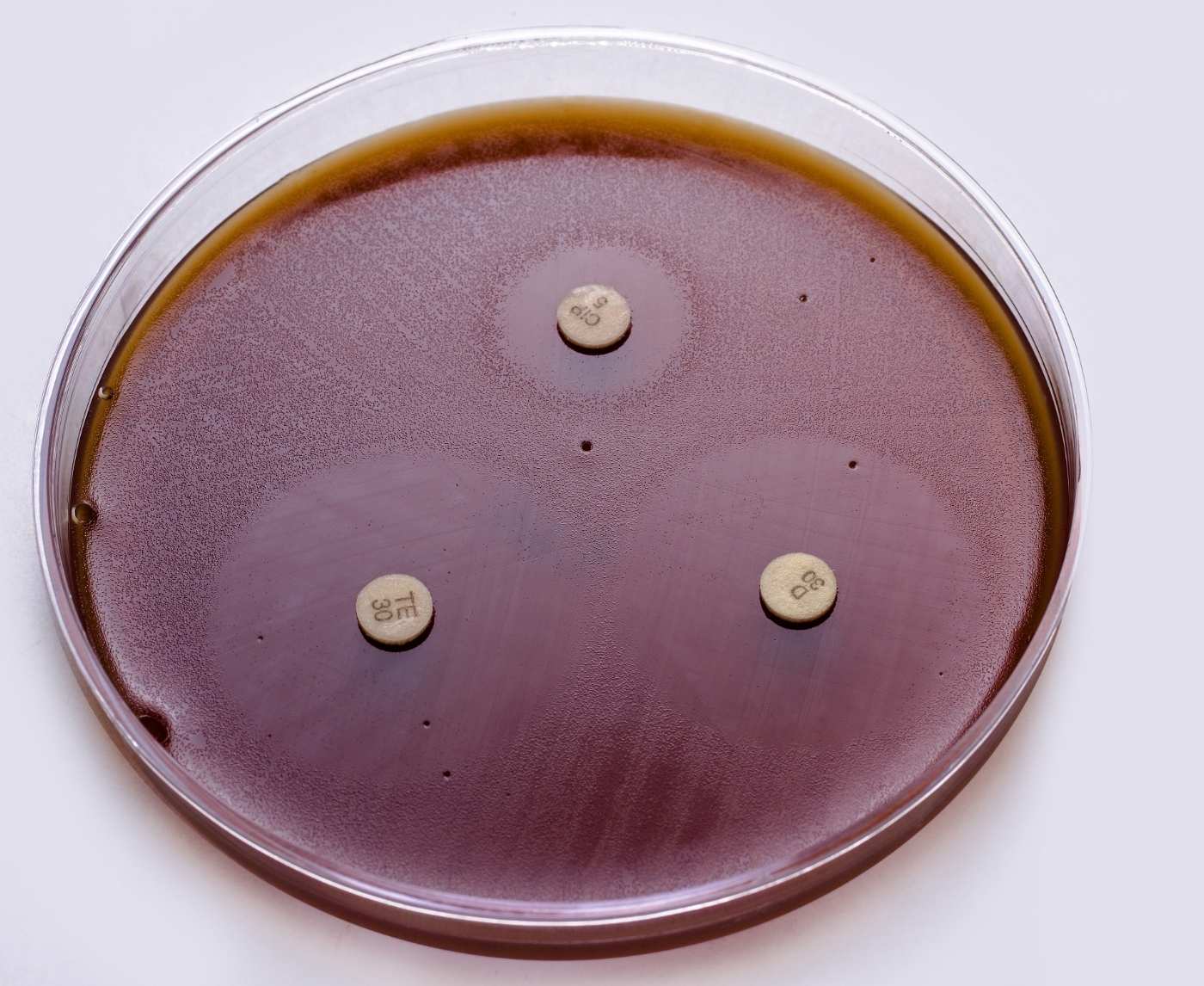

Why Gonorrhea Keeps Coming Back (Even After Treatment)
Quick Answer: Super Gonorrhea is a drug-resistant strain of gonorrhea that doesn’t respond to traditional antibiotics like ceftriaxone and azithromycin. It spreads the same way as regular gonorrhea, through unprotected sex, but is much harder to treat and potentially more dangerous if left unchecked.
The STD That’s Outrunning Antibiotics
We used to think of gonorrhea as curable. One shot, one pill, and done. But now? Not so much. Super Gonorrhea refers to strains of Neisseria gonorrhoeae that have mutated beyond the reach of standard treatments, namely, ceftriaxone, the last-line antibiotic in our arsenal.
The CDC confirmed several U.S. cases in 2023 that showed “reduced susceptibility.” In plain language? The drugs didn’t work. By 2025, those numbers have only increased, especially in urban centers and among people who travel frequently.
This isn’t about scare tactics. It’s about reality. STDs evolve just like viruses do. Overuse and misuse of antibiotics, both in healthcare and agriculture, gave gonorrhea the opportunity to level up. And now, we’re playing catch-up.
Symptoms That Stick Around (and Why That’s a Red Flag)
Here’s the problem with Super Gonorrhea: it acts like regular gonorrhea, but it doesn’t go away when treated.
If you've taken antibiotics and your symptoms still linger or return, it's not your imagination. You could be facing a resistant strain.
Common symptoms of drug-resistant gonorrhea include:
- Painful urination
- Genital discharge (white, yellow, or green)
- Rectal itching, bleeding, or discharge
- Throat soreness after oral sex
- Pelvic or testicular pain
What sets Super Gonorrhea apart is persistence. If you've done a full treatment course and still feel off, or symptoms return within weeks, that’s not something to ignore. Re-infection is possible, yes, but antibiotic resistance is becoming more common.
According to The Lancet, treatment failure rates have doubled in some global regions. And the stigma? That makes people delay testing even more.

People are also asking: Can You Get an STD from Kissing, Grinding, or Oral?
Why "Just Take the Pills" Doesn't Cut It Anymore
Gone are the days when doctors could hand out a single dose of ceftriaxone or azithromycin and call it a cure. Drug-resistant gonorrhea has made treatment way more complicated. In some regions, multiple antibiotics are required. In others, there are no remaining first-line options.
That’s why public health officials are racing to develop new treatments. But drug development takes time, and Super Gonorrhea is spreading faster than we’re innovating.
Here’s the kicker: even if you don’t have symptoms, you can still transmit the infection. And if that infection is resistant, you may pass on something that’s nearly untreatable. That’s why frequent testing, even when you feel fine, isn’t optional anymore. It’s critical.
How Super Gonorrhea Spreads (and Why It's Not Just About Sex)
Yes, unprotected vaginal, anal, and oral sex are the primary methods of transmission. But there’s nuance:
- Oral sex can transmit gonorrhea to the throat, often without symptoms, making it harder to detect.
- Shared sex toys can carry infected fluids between partners.
- Re-infection is common, especially when partners aren’t tested together.
Antibiotic resistance has also been traced across borders. International travel and global hookup culture (think dating apps while abroad) have accelerated spread. A resistant strain that originated in Southeast Asia was detected in multiple countries within months.
Bottom line: it’s not about judgment. It’s about exposure. Even monogamous people can be at risk if a partner is unknowingly infected.
Check Your STD Status in Minutes
Test at Home with RemediumGonorrhea Test Kit
Claim Your Kit Today
Save 31%
 For Men & Women
 Results in Minutes
 No Lab Needed
 Private & Discreet
Order Now $33.99 $49.00
What the Data Says, And Why It Should Scare Policy Makers, Not You
A 2024 report from the World Health Organization found that up to 78 million people contract gonorrhea globally every year. Of these, roughly 5–7% are now resistant to at least one major antibiotic class, and those numbers are climbing.
In the U.S., the CDC tracks antimicrobial-resistant gonorrhea through the Gonococcal Isolate Surveillance Project (GISP). In 2023 alone, GISP detected elevated MICs (Minimum Inhibitory Concentrations) for ceftriaxone in over 1,000 samples, a serious warning sign that the drug may be losing its effectiveness.
What’s even more sobering? A study in Nature Microbiology showed how the gonorrhea genome is adapting in real-time to evade every new antibiotic we throw at it. Like a virus in stealth mode, it’s evolving quietly, and fast.
But here’s what you need to remember: knowledge = protection. The more we test, track, and treat, the more likely we are to outpace this bug’s evolution.
What Doctors Are Saying (And Why They're Worried)
Dr. Lisa Thompson, an infectious disease specialist in Chicago, says,
“We’ve already seen cases where the only available treatment was hospitalization and IV antibiotics. That used to be unheard of for a gonorrhea case.”
Other clinicians report patients returning multiple times after failed treatments, some unknowingly passing the infection to others during that gap.
In an article from BMJ STI, experts recommend enhanced partner notification strategies and “treatment surveillance,” which basically means: if your gonorrhea isn’t going away, your case should be tracked as part of the national data response.
Translation? You're not just a patient, you’re part of the solution. Every test counts. Every confirmed case helps build a map of where resistance is spreading.
Where We’ve Been, And How We Got Here
This isn’t the first time gonorrhea tried to outsmart us. In the 1940s, penicillin was enough. By the 1980s, resistance to penicillin and tetracycline was widespread. Fast forward to the 2000s, and fluoroquinolones (like Cipro) joined the resistance graveyard.
Today, we’re hanging on by a thread, ceftriaxone, and even that thread is fraying.
Public health advocates have been warning about this for over a decade. But low funding, high STI stigma, and inconsistent testing rates kept the crisis brewing quietly in the background, until it wasn’t quiet anymore.
Super Gonorrhea is what happens when we ignore STDs and treat them like minor inconveniences. It’s also what happens when sex ed skips the part about global antibiotic policy.

People are also reading: I tested positive. Now what?
What the Future Holds (Spoiler: It’s Complicated)
Several pharmaceutical companies are racing to develop new gonorrhea treatments, including promising options like zoliflodacin and gepotidacin. But most are still in clinical trials and may not hit the market for years.
Meanwhile, public health agencies are doubling down on test-and-treat strategies, sexual health education, and international cooperation to track strains across borders.
There’s also talk of a gonorrhea vaccine, a holy grail that could change everything. A study in The Lancet Infectious Diseases showed early promise for meningococcal vaccines reducing gonorrhea risk, but we’re still years from anything mass-distributed.
The best path forward? More testing, less shame, smarter sex, and a willingness to talk about STDs like they’re part of life, because they are.
Real Talk: This Could Happen to You
Let’s end the theory. Here’s a real story.
Mark, 27, thought he had a urinary tract infection. Burning when he peed, weird discharge, and a sore throat that wouldn’t quit. His doctor gave him antibiotics, no test, no questions. Two weeks later? Worse.
“I didn’t even know Super Gonorrhea was real,” he told us anonymously. “But the second round of meds didn’t work either. I felt gross, scared, and ashamed. I thought only people who sleep around get STDs, but I was in a situationship, not the club.”
It wasn’t until he took an at-home test and got a proper diagnosis that things turned around. He got specialized treatment, notified his partners, and started talking openly about his story to warn others.
You don’t need to wait until things get that far. Test early. Test smart. Don’t assume “just a UTI” is the full story.
Common Misconceptions About Super Gonorrhea
“It only happens to people who sleep around.”
False. Super Gonorrhea doesn’t care how many partners you’ve had. It only takes one exposure, especially if you or your partner haven’t been tested recently.
“If I don’t have symptoms, I’m fine.”
Also false. Gonorrhea can live silently in the throat or rectum with zero symptoms. That’s how it spreads, quietly, efficiently, and often unnoticed.
“Antibiotics always work eventually.”
Not anymore. Some strains are resistant to everything we’ve got. That’s why testing and follow-up are more crucial than ever.
“I got treated once, so I’m good.”
You can be reinfected, even with the same partner. If they weren’t tested or treated properly, the cycle continues. Always re-test after treatment, especially before resuming sex.
Check Your STD Status in Minutes
Test at Home with Remedium8-in-1 STD Test Kit

Claim Your Kit Today
Save 62%
For Men & WomenResults in MinutesNo Lab NeededPrivate & DiscreetOrder Now $149.00 $392.00
For all 8 tests
FAQs
1. Can you cure Super Gonorrhea?
Not always. Some strains resist all common antibiotics, making them harder or impossible to cure with current medications. Early detection improves treatment chances.
2. Is Super Gonorrhea in the U.S.?
Yes. The CDC has confirmed multiple cases of antibiotic-resistant gonorrhea in states like Massachusetts, California, and Nevada.
3. What are the symptoms of resistant gonorrhea?
Persistent burning during urination, discharge, sore throat after oral sex, rectal discomfort, and pain during sex that continues despite treatment.
4. How do you test for Super Gonorrhea?
Standard gonorrhea tests (swab or urine) will detect the infection. A lab may then do culture or susceptibility testing if resistance is suspected.
5. Can you pass it through oral sex?
Yes. Throat gonorrhea is common and often symptomless, making oral sex a key transmission method, especially for resistant strains.
6. How fast is Super Gonorrhea spreading?
It’s spreading globally, particularly in densely populated cities and through international travel. Cases have increased yearly since 2019.
7. Can condoms prevent Super Gonorrhea?
Yes. Condoms drastically reduce your risk but aren’t 100%. Testing and communication are still vital.
8. Is there a vaccine for gonorrhea?
Not yet. Researchers are working on one, and early studies on meningitis vaccines show promise, but nothing is available today.
9. Why didn’t my antibiotics work?
You may have a resistant strain, were misdiagnosed, or didn’t complete treatment. Retest and consult a specialist if symptoms return.
10. What should I do if I think I have Super Gonorrhea?
Test immediately. Avoid sex. Use an at-home kit or see a provider, and be honest with partners. Early action prevents long-term damage.
Sources
2. Drug-Resistant Gonorrhea – CDC (current resistance, last-line treatments, urgency of monitoring)
5. Antibiotic Resistance in Gonorrhea – Wikipedia (mechanisms of resistance, evolution over time)


