





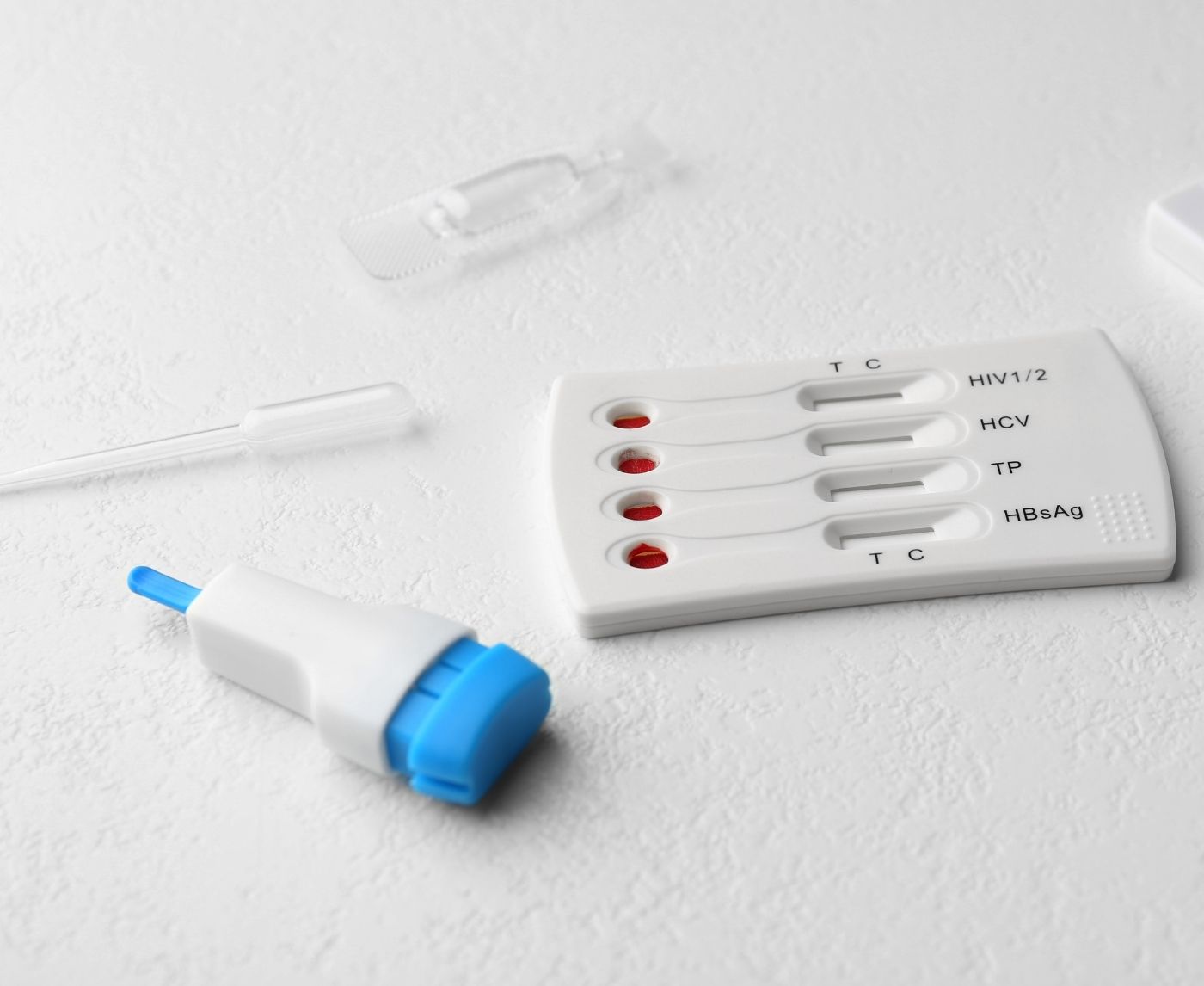

STD Testing 101: What First-Time Testers Need to Know
Quick Answer: Most STD tests do not check for every infection. Herpes, HPV, and Trichomoniasis are often left out of standard panels. False negatives can also occur if you test too early. If you still have symptoms or concerns, get retested with a more complete, time-sensitive panel.
The Herpes Test You Probably Didn’t Get
Let’s get one thing out of the way: most routine STD panels do not test for herpes. Unless you specifically ask, or your provider sees visible sores, Herpes testing is rarely included. Why? Because Herpes blood tests (the ones that look for HSV-1 and HSV-2 antibodies) can be tricky to interpret, and many clinicians only order them when there's a strong reason.
That means you can walk away from a “clean” result still carrying a virus that affects more than half of U.S. adults. And if you’ve only had oral sex or mild symptoms, you might never know until an outbreak hits, sometimes years later.
People are also looking for: Can I test for Herpes at home?
Trichomoniasis: The Common STD That Gets Skipped
Trichomoniasis infects an estimated 2 million Americans annually, and it’s left off most standard STD panels. That’s right: unless you’re specifically tested for it, Trich (as it’s often called) can fly under the radar, especially in men who often carry it without symptoms.
For women, symptoms might include discharge, odor, irritation, or pelvic discomfort. But even those can mimic yeast infections or BV, which leads to misdiagnosis or no diagnosis at all.
If your results didn’t include Trich, and you’re still experiencing symptoms, follow up. It’s treatable with antibiotics, but only if someone actually catches it.
Timing Is Everything: The Window Period Trap
You may have tested negative because you tested too soon. Every STD has a “window period”, the time between infection and when it can actually be detected by a test.
For example:
- HIV: May take 2–6 weeks (or longer for antibody-only tests)
- Chlamydia & Gonorrhea: Detectable within 5–7 days, but best after 2 weeks
- Syphilis: Can take 3–6 weeks to become detectable in blood
So if you hooked up on a Friday and tested on Monday “just to be safe,” your results might be meaningless. You’ll need to test again after the appropriate window has passed, or use an at-home kit that lets you time your test properly.
Check Your STD Status in Minutes
Test at Home with RemediumTrichomoniasis Test Kit
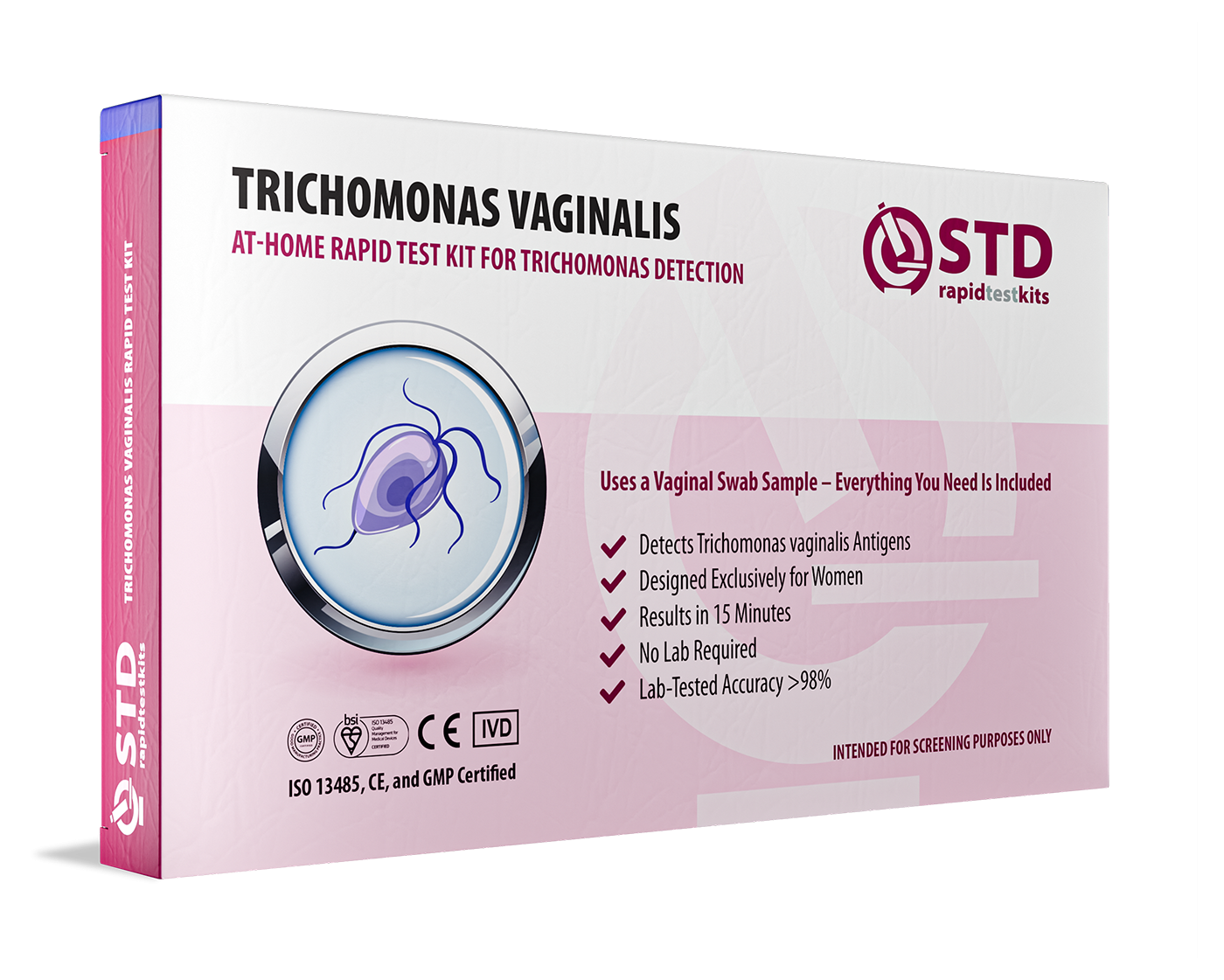
Claim Your Kit Today
Save 31%
 For Women
 Results in Minutes
 No Lab Needed
 Private & Discreet
Order Now $33.99 $49.00
The False Negative Nobody Warned You About
It happens more than you think: someone has symptoms, gets tested, gets a negative result, and still has an STD. That’s a false negative, and it can happen for several reasons:
Testing too early, a lab error, improper sample collection, or even limitations of the test itself. For instance, urine-based tests may miss throat or rectal infections entirely unless specific swabs are taken. That means if you’ve had oral or anal sex and weren’t swabbed there, your test might be incomplete by default.
Feeling symptoms after a negative result? Don’t gaslight yourself. You may need a follow-up test, targeted to your exposure, your symptoms, and your timeline.
The Test Didn’t Include What You Thought It Did
One of the biggest mind games in sexual health? The phrase “full panel.” It sounds comprehensive, right? But what qualifies as a “full panel” changes depending on the clinic, provider, or package, and it rarely includes Herpes, HPV, or trichomoniasis unless requested.
Some urgent care centers only test for chlamydia and gonorrhea. Others may add HIV and syphilis. But if you weren’t swabbed orally, anally, or vaginally (depending on your exposure), key infections may have been missed entirely, even if you walked out feeling “cleared.”
The bottom line? If your provider didn’t ask detailed questions about your sexual activity, the test likely wasn’t tailored to you. That’s not your fault, but it’s your job now to follow up with a better plan.
“But My Partner Tested Negative Too…”
Here's where things get murky. You and your partner both tested negative, so how come you're still dealing with symptoms? Or worse, how did you still end up with an STD months later?
False negatives. Missed infections. Window periods. Asymptomatic carriers. If your partner tested during the early phase of an infection, they might’ve looked clean on paper, but still passed something along. Or their test panel didn’t include everything. Or they were exposed after testing and didn’t re-test before getting intimate again.
STD testing isn’t a guarantee of safety. It’s a snapshot of one moment in time, using limited tools. Combine that with real-world behavior, and it’s easy to see how something gets missed.

People are also looking for: Can I test for Herpes at home?
Emotional Gaslighting: When Your Results Don’t Match Your Reality
Few things mess with your head like symptoms that scream “something’s wrong,” while your results keep saying “everything’s fine.” You might start to doubt your body. Or worse, feel like you’re making it up.
Providers sometimes downplay lingering symptoms after a negative test, assuming it’s anxiety, vaginal imbalance, or stress. But that doesn’t mean you’re wrong. Herpes, Trichomoniasis, BV, and even early HIV can be missed, especially if your provider didn’t order the right panel or asked no real questions about your history.
If you feel dismissed or uncertain, find a new provider, or retest using a complete at-home STD panel that puts the power back in your hands.
Red Flags to Watch for After a “Negative” Result
If you’ve already tested and were told everything’s fine, but you still notice the following, it’s time to look closer:
- Unusual discharge (color, odor, texture changes)
- Persistent itching or irritation despite treatments
- Recurring sores or blisters, even if they’re mild
- Burning with urination or pelvic pain
- Rectal discomfort after anal exposure but no rectal test
Don’t ignore your instincts. If your body’s flagging something and your test didn’t include the full picture, act accordingly. Trust your symptoms, and get re-evaluated.
Check Your STD Status in Minutes
Test at Home with Remedium7-in-1 STD Test Kit

Claim Your Kit Today
Save 62%
 For Men & WomenResults in MinutesNo Lab NeededPrivate & Discreet
Order Now $129.00 $343.00
For all 7 tests
FAQs
1. Do all STD tests include Herpes?
No. Herpes testing is usually excluded unless you have symptoms or specifically request it. Many “full panels” don’t include it by default.
2. Why did I test negative but still have symptoms?
You may have tested too early, taken the wrong type of test, or were tested for only a limited range of infections. Follow-up testing may be needed.
3. Is Trichomoniasis included in STD panels?
Often no. Trich is one of the most commonly skipped infections unless specifically requested or symptoms suggest it.
4. How accurate are STD tests?
Accuracy depends on the test type, timing, and sample collection. No test is 100%, and false negatives can happen, especially during window periods.
5. Can STDs be missed during oral or anal sex testing?
Yes. Unless your provider swabs the site of exposure (throat or rectum), infections in those areas may be completely missed by urine-only tests.
6. How soon after exposure should I test?
Wait 7–21 days for most bacterial infections, and up to 6 weeks for HIV or Syphilis. Retest after potential exposure if symptoms develop.
7. Can you test negative and still have Herpes?
Yes. Blood tests for Herpes can take weeks to show antibodies and sometimes yield false negatives or inconclusive results.
8. Do at-home STD kits check for everything?
No kit checks for everything, but some at-home kits offer more comprehensive panels than many walk-in clinics. Always check what’s included.
9. Is it normal to feel gaslit after a negative test?
Unfortunately, yes. If your symptoms persist and your provider dismisses you, it’s okay to seek a second opinion, or test again at home.
10. Which test should I take if I want to cover more STDs?
The Complete STD Home Test Kit Package is a good option. It includes tests for the most commonly missed STDs like Herpes, Trich, and Syphilis.
Negative Doesn’t Always Mean Safe
STD testing is essential, but it’s not foolproof. False negatives, missed infections, and incomplete panels happen more often than people realize. If you walked away from your last test feeling confused, unheard, or still symptomatic, you’re not being paranoid. You’re being smart.
The fix? Get informed. Ask better questions. And take your health into your own hands when the system falls short. Because your body knows when something’s off, even when the test says otherwise.
Not all STD tests tell the full story. If you’ve got symptoms or doubts, don’t settle for vague answers or rushed clinics. Get a complete picture with this discreet at-home panel that checks for the most commonly missed infections.
Sources
1. CDC – STD Testing Guidelines
2. Planned Parenthood – STD Testing Limitations


