






Can You Get an STD from Oral Sex? Yes, Here’s How
Quick Answer
Yes, you can absolutely get an STD from oral sex. Infections like herpes, chlamydia, gonorrhea, syphilis, HPV, and even HIV can be spread through oral-genital or oral-anal contact. Protection, testing, and symptom awareness are critical.
So You Thought Oral Sex Was “Low Risk”? Here’s Why That Myth Persists
There’s a reason so many people still think oral sex is the safe zone. It’s the way it’s framed in sex ed (if it’s mentioned at all). It’s how we talk about virginity, as if oral “doesn’t count.” And it’s the assumption that if there’s no penetration, there’s no danger.
Add to that the fact that most STDs passed through oral don’t cause dramatic symptoms, and you’ve got a perfect storm of misinformation.
Unlike vaginal or anal sex, oral sex rarely leads to noticeable bleeding or trauma, so people assume the virus has nowhere to enter. But the mouth is full of mucous membranes, prime real estate for viruses and bacteria. If you’ve got a tiny cut on your gums, a healing canker sore, or even a floss-induced nick, you’re open for business as far as an STD is concerned.
And yet most people, even those who use condoms regularly, skip protection during oral. Why? Because it feels less serious. Because dental dams aren’t mainstream. Because nobody wants to kill the mood. That cultural blind spot has a cost.

People are also looking for...How do I know if my mouth ulcer is from an STD?
These Infections Don’t Care If You’re Using Your Mouth
When we talk about oral STDs, we’re not just talking about herpes. The list is longer, weirder, and more dangerous than most people realize. Let’s break down what’s actually at risk here:
- Gonorrhea can live in the throat, often without symptoms. It can cause mild irritation, persistent sore throat, or nothing at all. But you can still pass it to partners, or develop antibiotic-resistant strains that are harder to treat.
- Chlamydia in the throat is less common but very real. Like pharyngeal gonorrhea, it often goes undetected. You might not feel a thing, but your partner’s genitals or anus won’t be so lucky.
- Syphilis can start as a painless sore in the mouth or on the lips, so painless that people miss it entirely. That sore is highly infectious. Kiss someone, go down on someone, or brush your toothbrush after them? That’s all it takes.
- Herpes loves your mouth. HSV-1 is famous for causing cold sores, but it also spreads to genitals through oral sex. HSV-2, traditionally genital, can show up orally too, especially during prolonged or deep contact.
- HPV may be the biggest silent threat. Some strains are harmless. Others cause oral warts. And the high-risk strains? They’re directly linked to oropharyngeal cancers, especially in people with multiple oral sex partners.
- HIV can be transmitted through oral sex, though less efficiently than through other forms. Still, if either party has bleeding gums, mouth sores, or another STD that causes inflammation, the risk rises fast.
This isn’t fear-mongering. It’s biology.
Order Now $129.00 $343.00 Check Your STD Status in Minutes
Test at Home with Remedium
7-in-1 STD Test Kit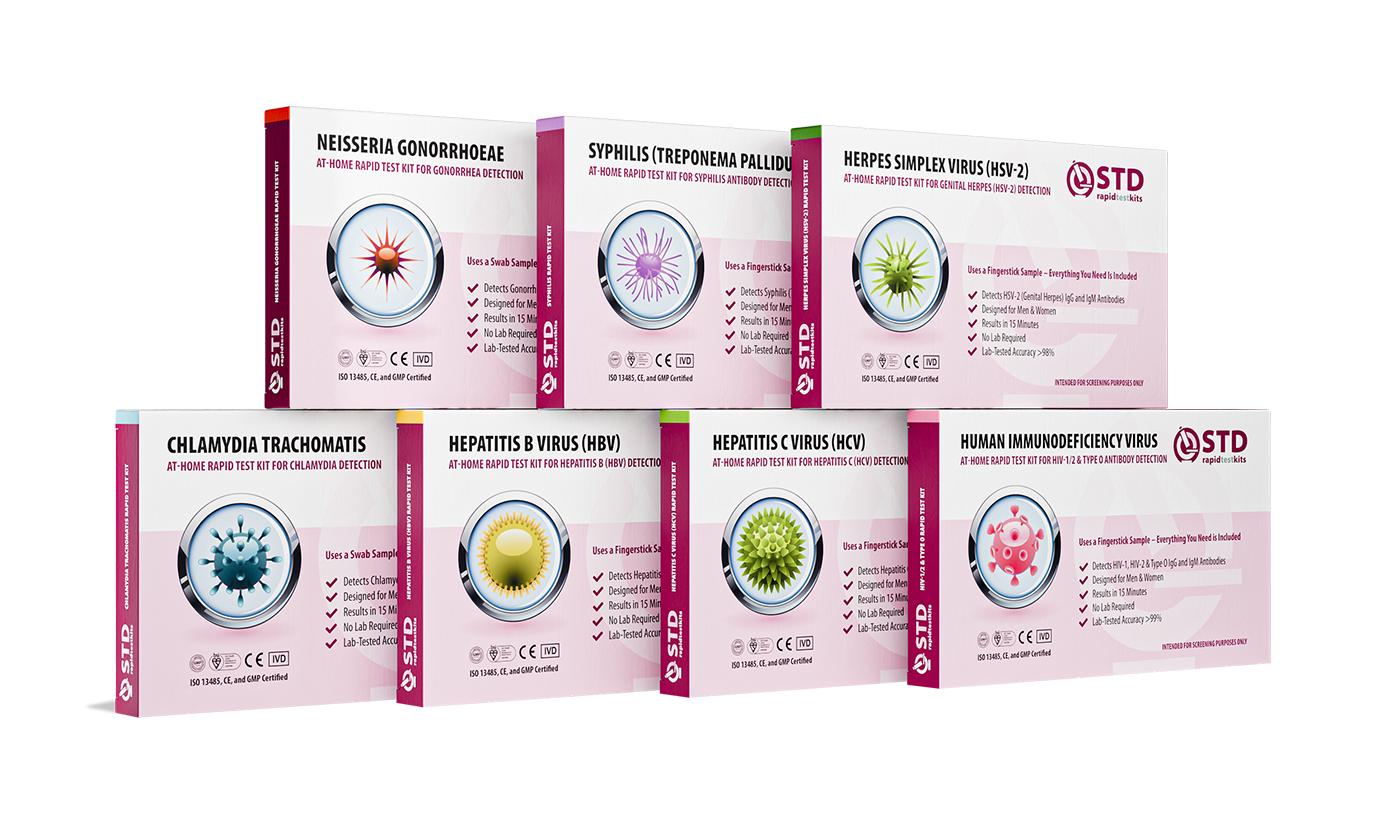 Claim Your Kit TodaySave 62%
 For Men & Women
 Results in Minutes
 No Lab Needed
 Private & Discreet
For all 7 tests
It Doesn’t Always Show Up Where You Expect It
Here’s what no one warns you about: when you get an STD from oral, the symptoms aren’t always in your mouth.
Let’s say you go down on someone who’s shedding herpes, chlamydia, or gonorrhea. The infection can land in your throat, sure, but it can also travel to your bloodstream or lymphatic system, or settle in a mucosal surface and stay quiet.
You might feel:
- A “cold” that won’t go away
- A sore throat that tests negative for strep
- Swollen lymph nodes under your jaw
- Mild fever or chills
- A weird metallic taste in your mouth
- White patches on your tonsils
- Ulcers or small sores that feel like a scratch
Or, you might feel nothing at all.
That’s part of what makes oral STD transmission so dangerous. People often assume that no pain = no problem. But the reality is, oral infections often don’t cause symptoms until they’ve been passed to someone else.
And yes, you can carry an oral infection for months without knowing. During that time, every person you go down on is at risk. Every time you kiss with a fresh sore, you’re playing viral roulette.
People are also looking for...Can you really get chlamydia in your mouth?
Your Partner Might Not Know They’re Infectious Either
Let’s flip the perspective. Maybe you’re the one receiving. You think it’s safer, what can go wrong if someone’s mouth is on you?
A lot, actually.
Oral herpes is one of the most common viruses in the world. Up to 80% of adults carry HSV-1, and many have no idea. They might’ve caught it in childhood, or they mistake early symptoms for chapped lips or acne.
Someone giving you oral with a healing cold sore can pass herpes to your genitals in seconds. The same goes for syphilis, gonorrhea, and chlamydia, especially if the giver has recently been exposed and hasn’t been tested.
If they had unprotected oral sex with someone else a week ago and are now going down on you, you’re in the direct line of fire. And again, symptoms don’t have to be present for transmission to occur.
The Mouth and Throat Aren’t Just Innocent Bystanders
When people think of STDs, they picture the genitals, redness, bumps, weird discharge. They don’t picture their tonsils, tongue, or uvula. But if you've had unprotected oral sex, your throat might be doing more than swallowing, it could be incubating.
Some STDs nest in the back of the throat and pharynx without triggering alarms. You won’t feel fire-in-the-hole strep throat symptoms. You might just feel…off.
Maybe you get sore throats more often than usual. Maybe your breath smells different. Maybe there’s a white coating on your tongue that mouthwash can’t fix. Maybe your doctor even prescribes antibiotics, but the throat culture comes back negative.
That’s how oral gonorrhea and chlamydia stay alive. They don’t look dramatic enough to raise red flags. And because testing swabs for the throat aren’t routine, most people never get diagnosed unless they specifically ask.
The only real sign might be in your partner, when they start having symptoms and you have no idea why.
It’s not just about protecting them. It’s about treating yourself before things get worse. Pharyngeal gonorrhea is increasingly resistant to antibiotics. That means it’s harder to cure, harder to catch, and easier to spread again and again.
Check Your STD Status in Minutes
Test at Home with Remedium10-in-1 STD Test Kit

Claim Your Kit Today
Save 61%
 For WomenResults in MinutesNo Lab NeededPrivate & Discreet
Order Now $189.00 $490.00
For all 10 tests
Real People, Real Consequences: Oral Transmission Stories
Marcus, 27, thought he had a cold. It started with a sore throat that lingered for ten days, then went away. Three weeks later, his girlfriend had burning during urination and vaginal discharge. Her doctor diagnosed her with chlamydia. Marcus tested positive too, but only in his throat. He had no genital symptoms at all.
Delilah, 19, gave oral sex to a guy she met at a party. Two weeks later, she had white patches on her tongue and what she thought was a canker sore on her lip. When she went in for STI testing, she found out it was primary syphilis. She’d never had penetrative sex.
Tomás, 33, has been living with oropharyngeal HPV since his early twenties. It never caused symptoms, until a routine dental check found an ulcer that wouldn’t heal. A biopsy confirmed HPV-related pre-cancerous changes. He’s since had surgery and gets throat scans every six months.
These stories aren’t rare. They just aren’t talked about.
When we treat oral sex like a loophole, we create a culture where people don’t know what to look for, what to ask for in a test, or how to tell their partners something feels off.
Why You Probably Haven’t Been Tested for These
Here’s a dirty secret about standard STD panels: they rarely include oral sites. When you walk into a clinic and say, “I want to get tested,” unless you specifically request it, they’ll swab or sample:
- Your urine (for urethral infections)
- Your blood (for HIV, syphilis, and herpes antibodies)
- Your genitals, if there's an active sore
But they will not automatically test your throat or rectum unless you disclose exposure there. That means if you only gave or received oral sex, you might get a false sense of security. Even worse? Many urgent care providers don’t think to test your throat unless you demand it. You have to say it explicitly:
“I gave oral sex and I want a throat swab for chlamydia and gonorrhea.”
And let’s be real, most people feel too embarrassed to ask. That silence can cost you an early diagnosis and give the infection more time to spread. It’s not just about protecting others. It’s about protecting yourself from future complications like infertility, chronic pain, or increased HIV susceptibility.

People are also looking for...Does kissing spread STDs?
The Emotional Fallout of a “Surprise” STD from Oral
Getting diagnosed with an STD after oral sex hits differently. It’s not just fear, it’s betrayal of everything you thought was safe. You might feel stupid. You might feel misled. You might even feel like you’ve “caught something gross” for doing something that everyone says is harmless.
That emotional whiplash is real.
Many people who get herpes, syphilis, or gonorrhea from oral contact carry an extra layer of shame, not just from the diagnosis, but from the shock of it. Because no one told them it was possible. They thought they were being safe.
And the mental math starts:
- “Did I give this to someone else already?”
- “How long have I had this?”
- “Will anyone believe I wasn’t ‘reckless’?”
- “Does this make me dirty?”
No. It doesn’t. It makes you human. And it makes it even more important to talk openly about oral transmission, so others don’t get blindsided the way you did.
You Can Still Have Good Oral Sex, Here’s How
This article isn’t about making you afraid of oral sex. It’s about giving you the power to enjoy it responsibly.
If you're into oral (and let’s be honest, most people are), there are ways to protect yourself without killing the vibe.
Condoms come flavored now. Dental dams are thin enough to feel everything. You can make your own from a condom if you need to. Testing can be a shared ritual with a new partner. And lube helps everything feel better anyway.
If that still feels like a mood killer, try reframing it.
- “I want us both to stay healthy so we can keep doing this as often as we want.”
- “You taste amazing, but let’s use this dam so we’re not swapping bacteria.”
- “I just got tested, want to do it together next time?”
Sex gets hotter when it’s based in trust. Risk doesn’t turn people on, confidence and care do.
Check Your STD Status in Minutes
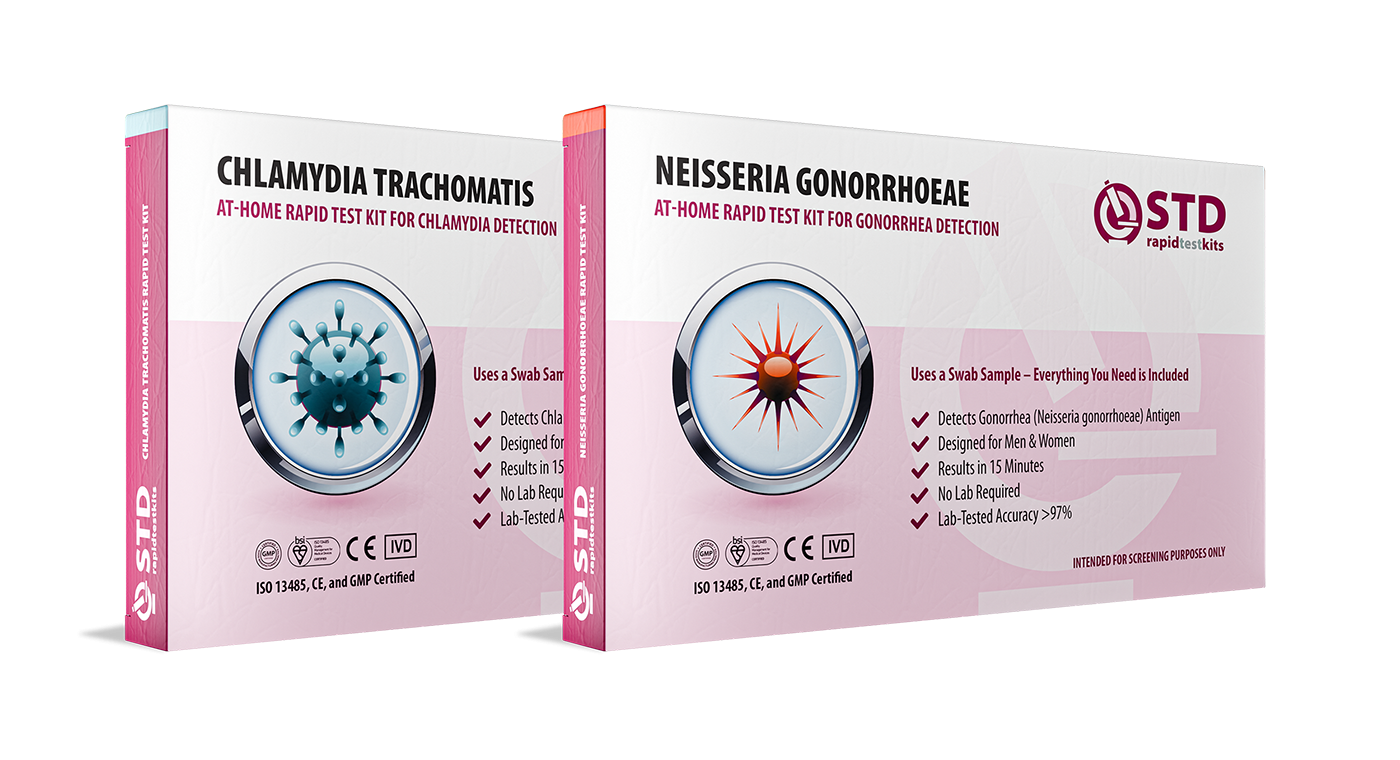
Test at Home with RemediumChlamydia & Gonorrhea Test
Claim Your Kit Today
Save 50%
For Men & WomenResults in MinutesNo Lab NeededPrivate & DiscreetOrder Now $49.00 $98.00
For all 2 tests
FAQs
1. Can you get an STD just from giving oral sex?
Yes. If your mouth touches someone’s genitals or anus, you’re at risk of catching infections like gonorrhea, herpes, chlamydia, syphilis, HPV, and even HIV, especially if you have small cuts or sores in your mouth.
2. What does a throat STD feel like?
Honestly, it often doesn’t feel like anything. But when it does, it might mimic a mild sore throat, white spots on your tonsils, swollen glands, or a scratchy cough that lingers. Many people with oral STDs have no symptoms at all.
3. Can someone with a cold sore give me genital herpes?
Absolutely. HSV-1, which causes cold sores, is now one of the leading causes of genital herpes, usually passed through oral sex. If someone with a cold sore goes down on you, the virus can travel south.
4. If I only received oral, can I still get an STD?
Yes. Your partner’s mouth can transmit infections even if they don’t have symptoms. Gonorrhea, syphilis, and herpes can all pass from mouth to genitals or anus without penetration.
5. Do condoms protect against oral STDs?
Yes, but only partially. Condoms and dental dams reduce the risk significantly, but they don’t cover all areas. Skin-to-skin STDs like herpes and HPV can still spread if the virus is on uncovered skin.
6. Is it worth getting tested if I don’t have symptoms?
Yes. Many oral STDs have no symptoms at all, but you can still transmit them. Regular testing is the only way to know your status and protect your partners.
7. Can you get chlamydia in your throat?
Yes. Pharyngeal chlamydia can occur after giving oral sex to someone with an infection. It often causes no symptoms, but it can still be passed on and should be treated.
8. How soon should I test after oral exposure?
For most STDs, 2 weeks after exposure is a good window. Syphilis and HIV may take longer to appear in tests (3–12 weeks). If you’re unsure, test now and again later.
9. Will my doctor automatically test my throat?
Nope. You must ask for a throat swab. Standard STD panels usually don’t include oral testing unless you specifically request it and disclose oral contact.
10. What kind of test should I get if I’ve had unprotected oral?
You need a multi-site STD test that includes oral swabs (for gonorrhea and chlamydia), a blood test (for syphilis, HIV, herpes), and possibly a urine or genital swab. Or, use an at-home panel like the Complete STD Home Test Kit Package that covers multiple infections.
Don’t Wait Until You Feel It in Your Throat
Think you’ve been exposed? Here’s what to do:
- If it was within the past 5 days, watch for symptoms and get tested early if anything changes.
- If it's been 2+ weeks, go ahead and get tested now, especially for gonorrhea, chlamydia, and syphilis.
- Ask for a throat swab if you gave oral, and a genital or anal test if you received it.
- Even if you have no symptoms, you can still test positive.
You don’t need to go to a clinic for this. Discreet, accurate testing can be done from home with a multi-infection panel like the Complete STD Home Test Kit Package. No questions. No judgment. Just answers.
Oral sex isn’t a loophole. It’s sex. It involves bodies, fluids, and contact, and yes, it can transmit STDs.
But here’s the good news: awareness is power. You’re not helpless, and you’re not dirty. If you’ve had unprotected oral sex, it doesn’t mean you’ve done something wrong, it just means it’s time to check in with your health, like you would with any other intimate act.
The real danger isn’t the sex, it’s the silence. The “it doesn’t count” attitude. The clinics that don’t swab throats unless you beg. The well-meaning partners who say, “Don’t worry, I’m clean,” when they’ve never been tested orally.
You deserve better than that. You deserve the full picture. So get tested. Learn what your body’s been exposed to. And make oral sex a safer, hotter, and more informed part of your life.
Sources
1. World Health Organization – HIV/AIDS Facts
2. What causes white spots on your throat – Healthline (strep throat, thrush, mono, herpes)


