







Quick Answer: Yes, you can get chlamydia from giving oral sex. Though symptoms in the throat are often mild or absent, it can cause soreness, irritation, or a “strep-like” burn, and it’s still contagious even without symptoms.
Why Oral Chlamydia Often Goes Undetected
Here’s the frustrating truth: chlamydia in the throat is easy to miss. The infection doesn't always scream for attention. In fact, many people never feel a thing. That’s why oral chlamydia has become a silent risk, especially among those who believe oral sex is “safer” or doesn’t count as real exposure.
Clinics don’t always screen for it unless you specifically ask. And the symptoms, when they show up, are annoyingly vague: a sore throat that doesn't improve, mild redness, or a sensation of swallowing glass. No discharge. No visible sores. No drama. Just a subtle, persistent discomfort that feels like a mild cold that won’t go away.
According to the CDC, chlamydia is the most reported bacterial STD in the U.S., and while genital infections are more common, the throat is increasingly recognized as a reservoir, especially among people who engage in unprotected oral sex.
What Does Oral Chlamydia Actually Feel Like?
If you're trying to figure out whether that sore throat is from your hookup or just a late-night karaoke session, you're not alone. Here's what people who've had oral chlamydia often describe, based on interviews and anonymized patient stories:
Mia, 26, said she thought it was post-nasal drip. “I had a weird taste in my mouth and a dull ache when swallowing, but I wasn’t sick. No fever, nothing else. It felt like strep, but... off.” She didn’t suspect anything until a friend who worked in public health told her to get tested.
Jonas, 33, didn’t feel any symptoms at all. He only found out he had oral chlamydia after a routine screen for throat infections, requested because he was starting a new relationship and wanted to be proactive. “If I hadn’t asked, no one would have tested my throat,” he said.
Symptoms can vary, but here’s a general table to help distinguish between oral chlamydia and other common throat conditions:
| Condition | Symptoms | Onset | Other Clues |
|---|---|---|---|
| Oral Chlamydia | Mild sore throat, slight redness, odd taste, swollen glands | 3–10 days after oral sex | No fever, no congestion, often asymptomatic |
| Strep Throat | Severe sore throat, fever, white spots on tonsils | 1–4 days after exposure | Rapid onset, general malaise |
| Viral Pharyngitis | Throat irritation, cough, fatigue | Gradual onset | Often follows a cold or flu |
Table 1: Comparing oral chlamydia symptoms to other throat infections. Always confirm with testing if exposure is suspected.

People are aslo reading: Why Young People Are Being Diagnosed With Hep C in Their 40s
So Yes, Oral Sex Can Transmit Chlamydia
Let’s get this out of the way: oral sex is sex. And yes, it can transmit chlamydia, gonorrhea, syphilis, and even herpes, even if no fluids are swallowed and no ejaculation happens. The bacteria can live in mucous membranes, which includes the throat, urethra, rectum, and eyes.
Chlamydia doesn’t need visible symptoms to spread. During oral sex, the bacteria can travel from one partner’s genitals to the other’s mouth, or vice versa, through microscopic abrasions, contact with fluids, or simple mucosal exchange.
This is why giving oral to someone with chlamydia can infect your throat. And from there, you can pass it to another partner during subsequent oral or genital contact. Many people think they’re in the clear because they’re not having penetrative sex, but the bacteria doesn’t care what you call it.
In fact, a 2018 study published in the journal Sexually Transmitted Infections found that chlamydia was present in the throat of up to 7% of people tested, many of whom had no genital infection. It was localized. Silent. Missed by typical urine tests.
If you’re only screening your genitals, you might be missing the point of exposure entirely.
Check Your STD Status in Minutes
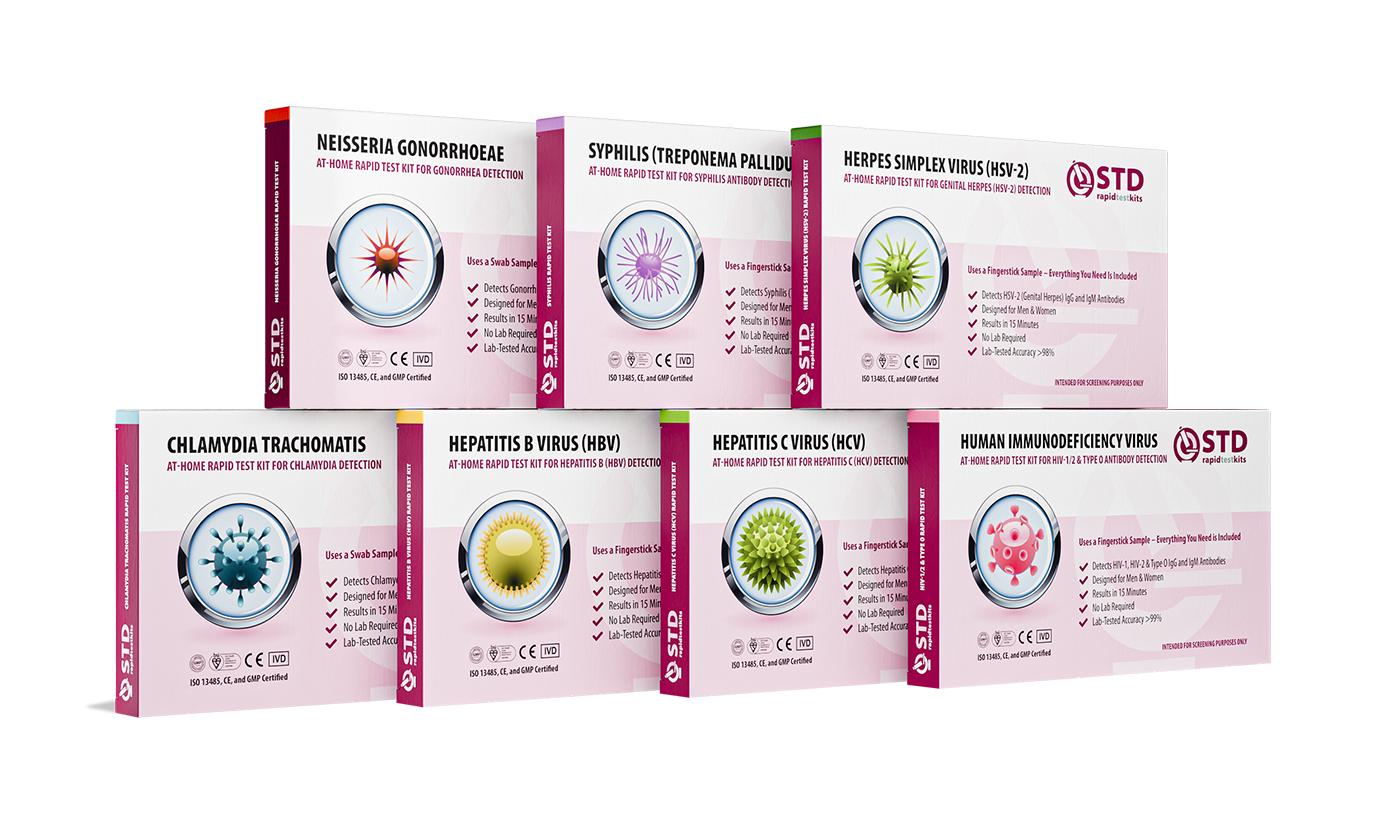
Test at Home with Remedium7-in-1 STD Test Kit
 For Men & Women
 Results in Minutes
 No Lab Needed
 Private & Discreet
Order Now $129.00 $343.00
For all 7 tests
Why Standard STD Tests Might Miss It
This part gets frustrating. Most clinics and at-home test kits only check urine samples or genital swabs unless you specifically ask for throat testing. And if you’re using a rapid test at home, it might not even include an oral swab option.
Here’s a quick comparison of test types and how they detect chlamydia based on where it lives:
| Test Type | Detects Oral Chlamydia? | Sample Needed | Common Use Case |
|---|---|---|---|
| NAAT (PCR) Lab Test | Yes, if throat swab used | Throat swab, urine, or genital swab | Clinic visits, mail-in labs |
| At-Home Combo Kit | Sometimes (check product) | Usually urine + genital swab | Discreet self-testing at home |
| Rapid Antigen Test | Rarely for throat | Genital swab or urine | Quick screens for genital infection |
Table 2: Which test types detect oral chlamydia? Always confirm the sample site before testing.
If you’re looking to check your throat specifically, opt for a mail-in lab kit or clinic test that includes oral swabs. Otherwise, you could get a negative result despite still being infected.
If your last sexual contact involved only oral sex, but you have a lingering sore throat, or even if you just want peace of mind, it’s worth getting tested with the correct method.
You can also explore the chlamydia rapid test kit to screen genital infection first, then follow up with a lab-based throat swab if needed.
“They Said It Was Just Strep”, But It Wasn’t
Nina, 22, had never tested positive for an STD before. She wasn’t in a relationship, but she had given oral sex to someone she met through a dating app. A few days later, her throat felt swollen and sore. She walked into urgent care hoping for antibiotics, and left with a prescription for strep throat.
The meds didn’t work. The pain lingered. She went back. That’s when a different provider asked her one question: “Have you had any oral sex recently?” No one had asked that before. She nodded, surprised. The provider swabbed her throat for chlamydia and gonorrhea. Two days later, her phone lit up with a text: “Positive for chlamydia. Follow-up needed.”
Misdiagnosis is common, especially when symptoms mimic more familiar conditions. That’s why context matters. If you’re feeling off after oral sex, even if you think it was “low-risk,” bring it up. You deserve answers, not assumptions.
When to Test: Timing Is Everything
Testing too early can give you a false negative. But if you wait too long, you might spread the virus to other people without meaning to. So, how do you know when to do it?
After potential exposure, oral chlamydia can be detected reliably around 7 to 14 days later. The bacteria need time to replicate to detectable levels. Testing before Day 7 might come back negative even if you’re infected. If you have symptoms, testing sooner is okay, but plan to retest if your first result is negative and the symptoms persist.
Here’s a timeline to help you plan:
| Time Since Exposure | What to Know | Should You Test? |
|---|---|---|
| 0–5 Days | Too early for reliable detection, but consider if symptoms are severe | Test only if urgent symptoms (then retest later) |
| 6–13 Days | Approaching the ideal detection window | Yes, but retest again after Day 14 for confirmation |
| 14+ Days | Best time for accurate detection of oral chlamydia | Yes, this is your best testing window |
Table 3: Oral chlamydia testing timeline after oral sex exposure. Always use a throat swab for suspected oral infections.
Testing kits vary. Some rapid test kits are optimized for genital chlamydia but not oral infections. For the throat, opt for clinic-based PCR tests or mail-in kits that let you specify an oral swab.
But What If You’re Asymptomatic?
Here’s the kicker: oral chlamydia often causes zero symptoms. According to a 2020 meta-analysis, over 70% of oropharyngeal chlamydia cases in people assigned female at birth had no symptoms. Among those assigned male at birth, the asymptomatic rate was even higher. That means many carriers never know they’re infected, and unknowingly pass it to others.
Silent infections don’t mean harmless. Even without symptoms, chlamydia in the throat can cause inflammation, disrupt the oral microbiome, and increase susceptibility to other infections, including gonorrhea and HIV. It’s also capable of auto-inoculation, transferring from throat to genitals during masturbation or other acts.
If you’ve had unprotected oral sex recently, even just once, and you're not feeling “sick,” testing is still a smart move. Not because you're dirty or guilty, but because you're informed. You're protecting both yourself and your partners.
What Happens If You Test Positive for Oral Chlamydia?
Don’t panic. Don’t spiral. A positive test result is a medical condition, not a moral failure. And the good news? Chlamydia is one of the easiest STDs to treat.
Your provider will likely prescribe oral antibiotics, usually doxycycline for 7 days or azithromycin as a one-time dose. During treatment, avoid all sexual contact (oral, anal, vaginal, kissing) to prevent reinfection or transmission. After you finish the medication, many providers recommend retesting in 3–4 weeks, especially for oral infections, which can be more stubborn to clear in some cases.
Let your partners know. If that feels impossible, there are anonymous partner notification services available, or your clinic may offer help. You’re not throwing anyone under the bus, you’re stopping a cycle that most people didn’t know was even happening.
If you're feeling overwhelmed right now, take a breath. You're not alone, and you're taking care of yourself. That matters.
Whether you're waiting for test results or just found out you need treatment, remember: STD Rapid Test Kits offers discreet options for at-home testing, so you can take the next step on your own terms.
Case Study: When “Just Oral” Turned into a Wake-Up Call
Luis, 29, considered himself careful. He always used condoms, but didn’t think twice about oral. His last partner didn’t show any symptoms, and neither did he. It was only after he developed recurring tonsil pain and saw a sexual health specialist that he found out he had chlamydia in his throat.
“I felt stupid,” he admitted. “I thought I was being safe. I didn’t even realize oral could transmit anything. It never came up in sex ed.”
His provider reassured him, and got him on treatment fast. But the emotional fallout stuck longer than the symptoms. “I wish someone had just said it earlier. Oral sex isn’t nothing. I should’ve known.”
This story is not rare. It's common. But the takeaway isn’t fear, it’s power. You can test, treat, and move forward. And you can do it privately, quickly, and confidently.
Should You Retest After Treatment?
In most cases, a single round of antibiotics clears oral chlamydia completely. But because throat infections may respond differently than genital ones, many clinicians now suggest a “test of cure” 3 to 4 weeks after treatment, especially if your symptoms linger or your provider used azithromycin, which has shown reduced effectiveness in some throat cases.
Savannah, 31, followed her doctor’s instructions, took the meds, and felt fine, but she still tested positive on a follow-up swab a month later. Her doctor explained that some oral chlamydia cases can persist or reappear, especially if the medication wasn’t taken on schedule or exposure happened again during treatment.
So what does this mean for you? If you’ve been treated and your throat still feels irritated, or if you just want confirmation, get retested. It’s not obsessive. It’s responsible.
And if you’re sexually active with new or multiple partners, consider building testing into your routine. Just like dental cleanings or STI checkups, no shame, no judgment. Just smart care.
People are aslo reading: From First Bump to Full Ulcer: Why No One Talks About Donovanosis, But Should
Can You Get Reinfected from the Same Partner?
Yes, and it happens more than you’d think. If you get treated but your partner doesn’t, you can pass it right back and forth, without even knowing. That’s why it’s critical that all partners are tested and treated, even if they don’t feel sick or think they’re clean.
This is especially important in situations where one person only had oral sex and the other had genital exposure. Chlamydia can live in both places and reinfect between sites. That’s not just frustrating, it’s emotionally exhausting when you think you’ve done everything right and still wind up positive again.
One way to prevent this loop? Bring it up. Suggest mutual testing. You can even make it easier by using at-home kits together. Combo STD Test Kits let both of you screen multiple sites from home, discreet, quick, and stigma-free.
What About Queer and Younger People?
Let’s be real: Most sex education doesn’t include throat infections. And if you're LGBTQ+, trans, nonbinary, or sexually active in non-traditional ways, you’ve probably been left out of the conversation altogether. But oral chlamydia doesn’t discriminate. It affects people of all genders and orientations, whether you’re giving head, rimming, or exploring anything in between.
Kamal, 19, had never had vaginal or anal sex, but tested positive for chlamydia in his throat after giving oral to a partner at a party. “I didn’t even know that was possible,” he said. “I thought I was being safe by not having ‘real’ sex.”
Stories like Kamal’s matter because they reflect the real world, not the sanitized version of sex ed that skips anything outside of heterosexual penetration. If you’re engaging in any kind of contact that involves mouths, genitals, or bodily fluids, STDs are part of the risk landscape. But they’re also part of responsible, empowered care.
Check Your STD Status in Minutes
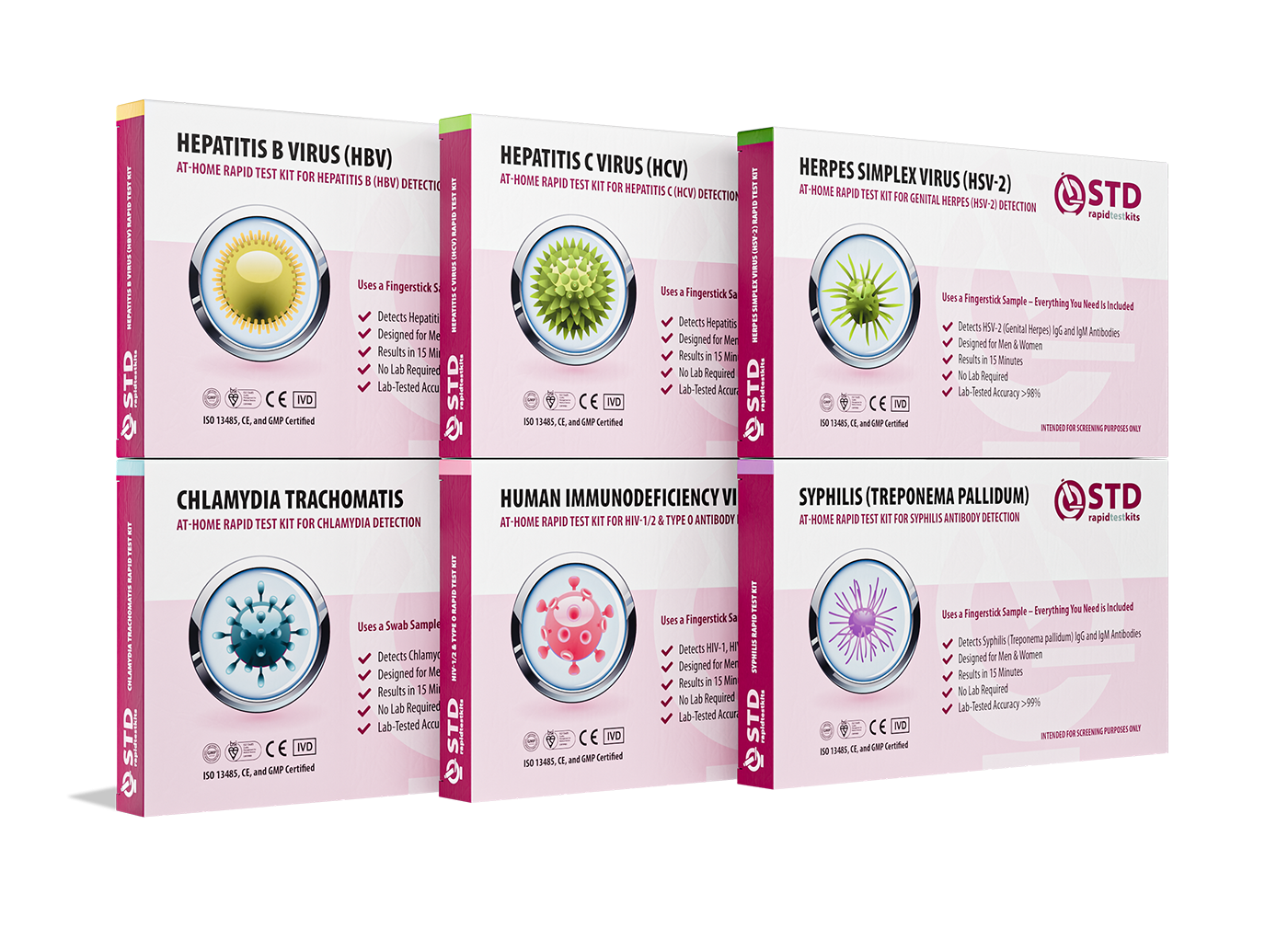
Test at Home with Remedium6-in-1 STD Test Kit
 For Men & WomenResults in MinutesNo Lab NeededPrivate & Discreet
Order Now $119.00 $294.00
For all 6 tests
Discreet, Judgment-Free Testing Is Possible
If you've ever hesitated to get tested because you didn't want to explain yourself to a stranger at a clinic, you're not alone. If you've ever skipped a checkup because it felt embarrassing or unnecessary after "just oral", you're not the first. But things are different now. You can test on your own time, in your own space, with no awkward waiting rooms or raised eyebrows.
STD Rapid Test Kits offers discreet, fast, FDA-approved options for testing from home. Some kits focus on genital infections, while others allow broader screening or mail-in lab options that include throat swabs.
Whether you’re testing because of symptoms, exposure, or just a gut feeling, it's never too early, too late, or too silly to get clarity. That’s care. That’s confidence. That’s what your health deserves.
And if your results come back positive? You’ll have a clear path forward. Treatment is simple. Partner care is doable. You’ve got options, and none of them involve shame.
FAQs
1. Can you actually get chlamydia from giving someone head?
Yes, and it happens more than you'd think. The bacteria that causes chlamydia doesn't care whether it's oral, anal, or vaginal. If you're going down on someone who has chlamydia in their genitals, there's a solid chance it can infect your throat. No, they don’t have to finish in your mouth. Fluids, skin contact, even microscopic abrasions can be enough. It’s not about “how much” exposure, it’s that exposure happened at all.
2. What does chlamydia in the throat actually feel like?
For a lot of people, it doesn’t feel like anything. That’s what makes it sneaky. If symptoms do show up, think low-key strep: mild soreness, a scratchy or burning sensation, maybe a weird taste or slightly swollen glands. One reader described it as “a sore throat that just didn’t follow the rules.” No cough, no fever, just... off.
3. How soon after oral sex should I test?
Aim for the 7 to 14 day window. That gives the bacteria enough time to multiply so a test can catch it. If you test earlier, like on day 3, it might miss the infection and give you false peace of mind. That said, if you have symptoms earlier, don’t wait. Just plan to test again later to be sure.
4. Will a regular STD test catch it if it’s in my throat?
Nope, not unless you specifically ask. Most standard tests only check urine or genital swabs. If your exposure was oral, you need a throat swab. Some mail-in kits include this option, others don’t. And if you're at a clinic, speak up. Say, “I had oral sex, I want a throat swab.” You’d be surprised how often it’s skipped otherwise.
5. Do I need antibiotics if I have no symptoms?
Yes. If you test positive, you need treatment, even if you feel totally fine. The bacteria is still there, still contagious, and still capable of causing long-term issues. Think of antibiotics as a reset button: short-term meds, long-term peace of mind.
6. Can I reinfect myself, or someone else, after treatment?
Absolutely. It happens all the time. If your partner wasn’t treated at the same time, you can play bacterial ping-pong without realizing it. Also, if you touch your mouth and then your genitals, reinfection’s a risk. That’s why partner testing matters, and why it's worth waiting until treatment is done before getting back into anything sexual.
7. Can chlamydia in the mouth spread to other parts of the body?
In rare cases, yes. It can spread from the throat to your eyes (through hand contact), or from your mouth to your genitals if hygiene slips. Auto-inoculation is uncommon but not impossible. That said, treating it early makes that a non-issue.
8. Is oral sex really that risky for STDs?
Here’s the truth: it's not as risky as unprotected anal or vaginal sex, but it's far from “safe.” Chlamydia, gonorrhea, syphilis, herpes, and even hepatitis can all be passed through oral sex. And since people rarely use barriers for oral, it’s the perfect setup for quiet transmission.
9. Can I just treat myself if I’m pretty sure it’s oral chlamydia?
Tempting, but no. You need confirmation before treatment. Taking the wrong antibiotic, or taking it too late, can make things worse. Plus, you won’t know whether you’ve cleared the infection unless you test. Do yourself (and your partners) a favor and get tested properly first.
10. How do I tell someone I might’ve exposed them? 7Deep breath, you don’t have to deliver a TED Talk. A simple message like, “Hey, I tested positive for oral chlamydia, and I think you should get tested too,” works. You can also use anonymous services if saying it out loud feels impossible. Remember: it’s not about blame, it’s about respect. Most people respond better than you'd expect.
One Sore Throat Shouldn’t Leave You Guessing
If something feels off after oral sex, whether it’s a scratchy throat, lingering irritation, or just a nagging sense that you’re not okay, you have every right to get answers. Testing isn’t a confession. It’s a commitment to your health and your peace of mind.
Don’t let shame delay clarity. Oral chlamydia is treatable, testable, and more common than most people realize. The fastest way forward is knowing what you’re dealing with, and we’re here to help.
Take back control of your sexual health. This discreet at-home combo test kit screens for common STDs, including the ones that can live in your throat.
How We Sourced This Article: We combined current guidance from leading medical organizations with peer-reviewed research and lived-experience reporting to make this guide practical, compassionate, and accurate.
Sources
1. Planned Parenthood – Chlamydia Information
2. About STI Risk and Oral Sex – CDC
3. Chlamydia: Symptoms & Causes – Mayo Clinic
4. Chlamydia Diagnosis & Treatment – Mayo Clinic
5. Chlamydia – StatPearls / NCBI Bookshelf
6. Chlamydia 101 – Asexual Health / ASHA
7. Chlamydia in the Throat – Healthline
About the Author
Dr. F. David, MD is a board-certified infectious disease specialist focused on STI prevention, diagnosis, and treatment. He blends clinical precision with a no-nonsense, sex-positive approach and is committed to expanding access for readers in both urban and off-grid settings.
Reviewed by: Lana Reyes, FNP-C | Last medically reviewed: November 2025
This article is for informational purposes and does not replace medical advice.


