Why Hep C Hides for 20+ Years (and Surfaces in Your 40s)
Why decades of silence end in a 40s diagnosis.




- Hepatitis C is asymptomatic in most new infections, so people often live with it for 15 to 25 years before a routine blood test catches abnormal liver enzymes.
- Direct-acting antivirals now cure more than 95% of chronic Hepatitis C cases in 8 to 12 weeks of oral medication for most patients, but treatment cannot start until the infection is diagnosed.
Published: August 2025 | Last updated: May 2026 | Editorial review and quality control: Martina N.
Hepatitis C rarely announces itself. Many people who picked up the virus in their late teens or twenties, through a reused tattoo needle, a brief stretch of injection drug use, a stray blood-contact event nobody remembers, will go on to feel roughly fine for the next twenty years. The infection moves slowly. Liver damage builds quietly. The diagnosis often arrives in someone's late thirties or forties, when a routine blood panel shows liver enzymes drifting in the wrong direction or a doctor finally orders the screening that should have been done a decade earlier.
That gap, between exposure and diagnosis, is the reason this article exists. If you ever did anything in your twenties that involved blood and someone else's body, even once, even briefly, the math says you should know your status. The good news, which we will get to, is that Hepatitis C is now curable in roughly eight to twelve weeks of oral medication for most patients.
Key Takeaways
- Hepatitis C is asymptomatic in most new infections, so people often live with it for 15 to 25 years before a routine blood test catches abnormal liver enzymes.
- Direct-acting antivirals now cure more than 95% of chronic Hepatitis C cases in 8 to 12 weeks of oral medication for most patients, but treatment cannot start until the infection is diagnosed.
Why Hepatitis C Hides for Decades
The acute phase of Hepatitis C, the first six months after infection, is silent for most people. The CDC notes that many people newly infected with Hepatitis C have no symptoms and do not look or feel sick. The minority who do feel something usually report mild, nonspecific complaints: fatigue, mild nausea, low appetite, dark urine, occasionally a brief stretch of yellowed eyes that gets blamed on a stomach bug. Almost no one connects those signs to a liver virus.
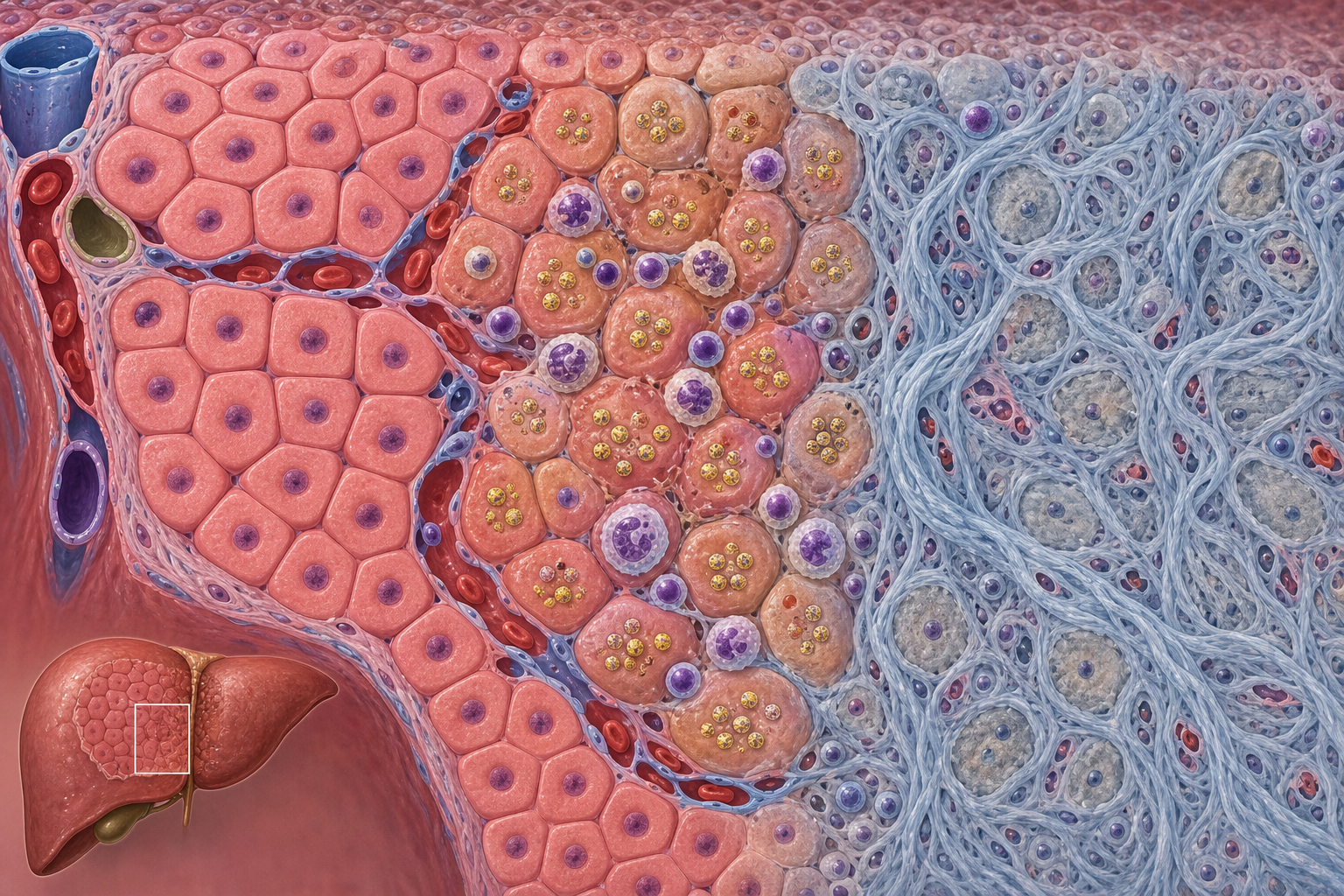
The body either clears the virus on its own, which happens in a minority of acute infections, or transitions into chronic Hepatitis C. Once chronic, the virus settles into liver cells and replicates at a low, steady rate. The immune system responds with persistent low-grade inflammation. That inflammation drives fibrosis, the scarring of liver tissue, which the liver compensates for by working harder with the healthy cells it still has.
This compensation is the main reason the timeline stretches so long. The liver has tremendous reserve capacity. It can lose a substantial fraction of its functional volume before symptoms become obvious. So someone infected at 22 may not have a meaningful clinical signal until 40 or older, when fibrosis tips into early cirrhosis or a routine blood test flags elevated ALT enzymes. By that point the infection has often been present for 15 to 25 years.
Acute Hepatitis C cases climbed sharply in the United States between 2010 and 2020, driven heavily by injection drug use among adults then in their twenties and thirties. The same cohort is now in its forties and entering routine screening, which is why diagnosis-in-your-40s stories have become so common.
Beyond Needles: How Transmission Actually Happens
Hepatitis C is bloodborne. Any contact between infected blood and your bloodstream creates exposure risk. The amount of blood needed is small, often microscopic. The virus survives outside the body on surfaces and equipment for up to three weeks under the right conditions, which is part of why shared injection or piercing equipment is so efficient at transmission.
Sharing injection drug equipment is the highest-risk route in the modern United States, accounting for the majority of new infections. It is not the only route, which is why people who never injected anything still test positive years later.
Other transmission routes that account for a meaningful share of cases:
- Tattoos and body piercings done outside licensed, regulated shops. Dorm-room tattoos, prison tattoos, and unlicensed home setups are the main concern. Properly licensed and inspected shops with single-use needles and autoclaved equipment carry minimal risk.
- Healthcare exposures before universal screening. People who received blood transfusions, organ transplants, or clotting-factor concentrates before 1992 were exposed at higher rates because routine screening of donated blood for Hepatitis C began that year.
- Sharing personal items contaminated with blood. Razors, toothbrushes, nail clippers, and glucometer lancets can carry enough blood for transmission within a household.
- Sexual transmission. The risk is low for monogamous heterosexual partners but rises with multiple partners, sex involving blood exposure, sex during menstruation without barriers, and especially among HIV-positive men who have sex with men, where co-infection with Hepatitis C is more common.
- Mother-to-child during birth. Roughly 6% of infants born to Hep C-positive mothers acquire the virus, with higher rates if HIV is also present.
Snorting drugs through shared straws is sometimes cited as a possible route. The data is thinner, but the mechanism is plausible if straws contact bloody nasal mucosa. Most public-health agencies treat it as a low-but-not-zero risk worth disclosing to anyone with that history.
What Symptoms Look Like When They Finally Show
For people whose Hep C goes undiagnosed for fifteen years or longer, the eventual symptoms are usually a mix of nonspecific malaise and the early signs of a struggling liver. None of these are specific to Hepatitis C on their own; what matters is the combination, the trajectory, and the bloodwork.
Common nonspecific symptoms reported in chronic Hepatitis C:
- Persistent fatigue that does not improve with sleep
- Brain fog and trouble concentrating
- Mild, intermittent nausea or appetite loss
- Joint and muscle aches
- Mild, low-grade depression or irritability
- Reduced libido
Most people in their late thirties and forties write these off as just getting older, work stress, perimenopause, or burnout. That attribution is the single biggest reason late diagnosis is so common.
Liver-specific symptoms tend to appear later, when fibrosis has progressed toward cirrhosis or when the virus is causing more active inflammation:
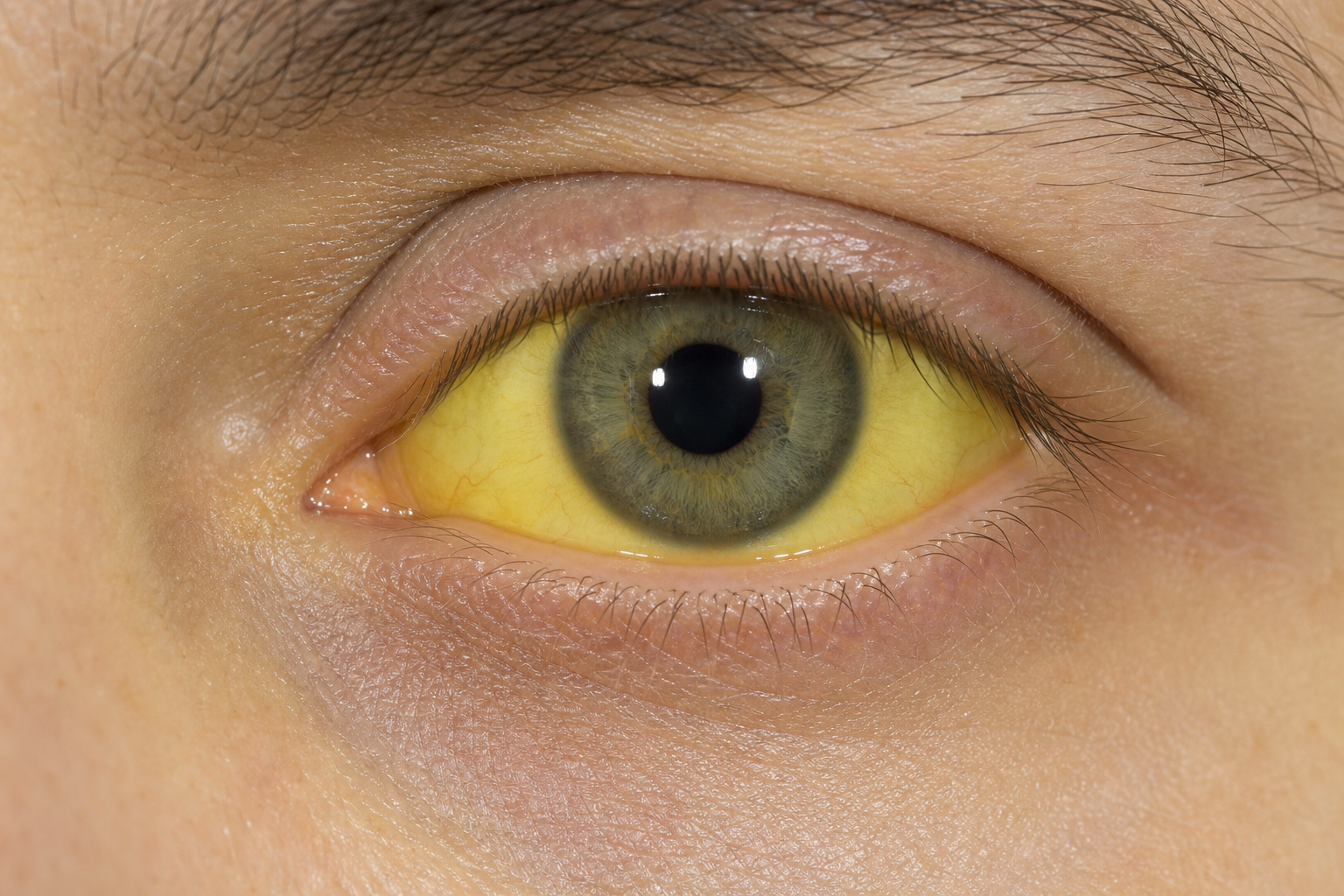
- Jaundice, a yellowing of the whites of the eyes or the skin
- Dark, tea-colored urine and pale, clay-colored stools
- Itchy skin with no visible rash, sometimes severe
- Easy bruising or bleeding, because the liver is producing fewer clotting factors
- Spider angiomas, small star-shaped clusters of blood vessels usually on the chest or face
- Swelling in the legs and ankles (edema) or fluid buildup in the abdomen (ascites)
When symptoms reach this stage, the infection is no longer silent. But by that point, years of damage have already accumulated.
More than half of people who become infected with Hepatitis C virus will develop a chronic infection. Most people with chronic Hepatitis C do not have any symptoms or have only general symptoms like chronic fatigue and depression.
What Counts as Real Risk in Practice
The clinical pattern that drives most late-life Hep C diagnoses is depressingly common: a person in their late thirties or forties with no recent risk behavior, no IV drug use ever, no obvious symptoms beyond general fatigue, and a routine blood panel that comes back with mildly elevated liver enzymes. The follow-up Hep C antibody test is positive. Looking back, the most likely exposure was something they barely thought about at the time, often fifteen to twenty-five years earlier.
The exposures that most often turn up in those histories:
- A tattoo or piercing in college from someone using non-sterile equipment
- A short period of recreational drug use in their twenties involving even one shared item
- An emergency or surgical blood product administered before 1992
- A piercing or cosmetic procedure done while traveling in a country with weaker sterilization standards
- A long-ago needlestick from a medical, dental, or first-responder job
- Living with a Hep C-positive partner or family member where personal-care items were shared
None of these exposures, on their own, are ones most people remember as risky. That is the point. Hepatitis C does not care whether the exposure came from a controlled, respectable source or a chaotic one. It only cares about blood-to-blood contact. A single contaminated needle, used once, is enough.
This is why current CDC guidance moved away from purely risk-based screening toward universal screening of all adults at least once. Risk-based screening missed too many people because too many qualifying exposures simply do not feel risky in retrospect.
Why Stigma Stops People From Testing
Many people who delay Hep C testing do so for one specific reason: fear of what a positive antibody result will say about them, to themselves, to their doctor, to their insurer, to their family. The shame is older than the science. It comes from a public-health era when Hepatitis C was tightly associated with injection drug use and was treated as a marker of moral failure rather than a routine viral infection that anyone with blood-contact exposure could acquire.
That older framing is wrong. The current public-health position is the opposite: Hepatitis C is a common chronic viral infection, often acquired through ordinary exposures the person no longer remembers, and it is curable with a short course of well-tolerated oral medication. The U.S. Preventive Services Task Force and the CDC both recommend broad adult screening precisely because risk-based screening leaves too many cases undiscovered.
A few practical points worth knowing if stigma is what is holding you back:
- A positive antibody result in your medical record does not, in itself, affect your eligibility for major medical insurance under current U.S. law. The Affordable Care Act prohibits exclusion or surcharge based on pre-existing conditions for ACA-compliant plans.
- Many testing options are confidential and at-home. The result lives with you, not in a clinic file, until you decide otherwise.
- Curing the infection clears the virus from your blood. The antibody marker remains, but you are no longer infectious and no longer at risk for ongoing liver damage from this infection.
Every additional year without diagnosis gives the virus more time to advance fibrosis toward cirrhosis and, in a subset of cases, toward liver cancer.
Under the Affordable Care Act, a Hepatitis C diagnosis cannot be used to deny coverage or add surcharges on ACA-compliant health plans in the United States. A positive antibody result in your medical record does not, by itself, jeopardize your eligibility for major medical insurance.
Who Should Get Screened
The current screening guidance from U.S. public-health agencies is straightforward. The CDC recommends that all adults be screened for Hepatitis C at least once in their lifetime. The U.S. Preventive Services Task Force recommends screening for adults aged 18 to 79 years. Pregnant people should be screened during each pregnancy.
People who should be screened more frequently, or sooner if they have not yet been screened at all:
- Anyone who has ever injected drugs, even once, even decades ago
- Anyone with HIV, anyone on hemodialysis, or anyone with a history of receiving blood products before 1992
- Children born to mothers with Hepatitis C
- Healthcare and public-safety workers with documented needlestick or blood exposure
- Anyone with persistently abnormal liver enzymes
- Anyone who has had a tattoo, piercing, or cosmetic procedure in an unregulated setting
- Sexual partners of someone with Hepatitis C
The screening test itself is a Hepatitis C antibody assay, looking for the body's immune response to the virus. A positive antibody result indicates either a current active infection or a past resolved infection, so it is followed up with a Hepatitis C RNA (viral load) test, which confirms whether the virus is currently in your blood. The combination is what determines whether you need treatment.
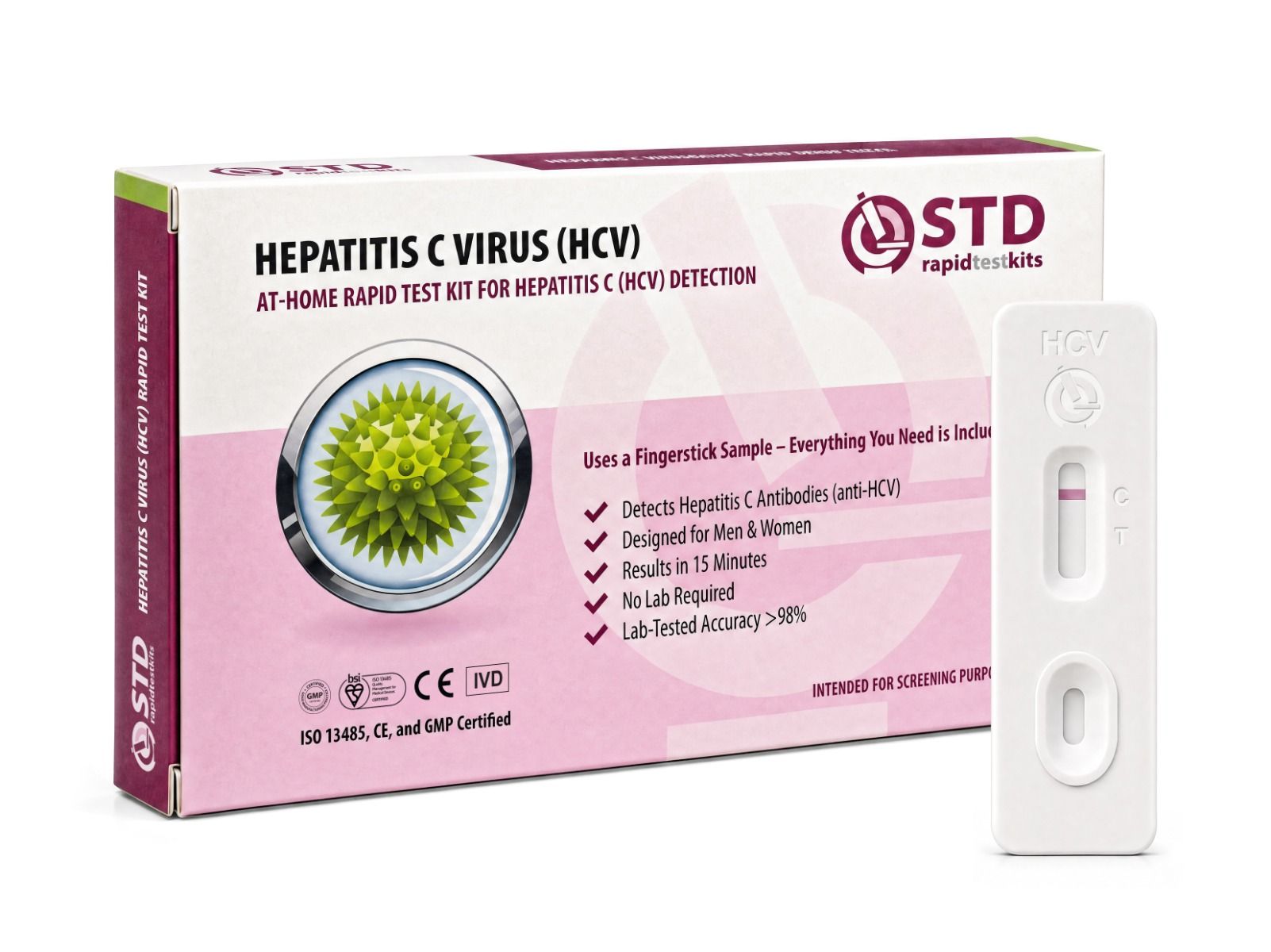
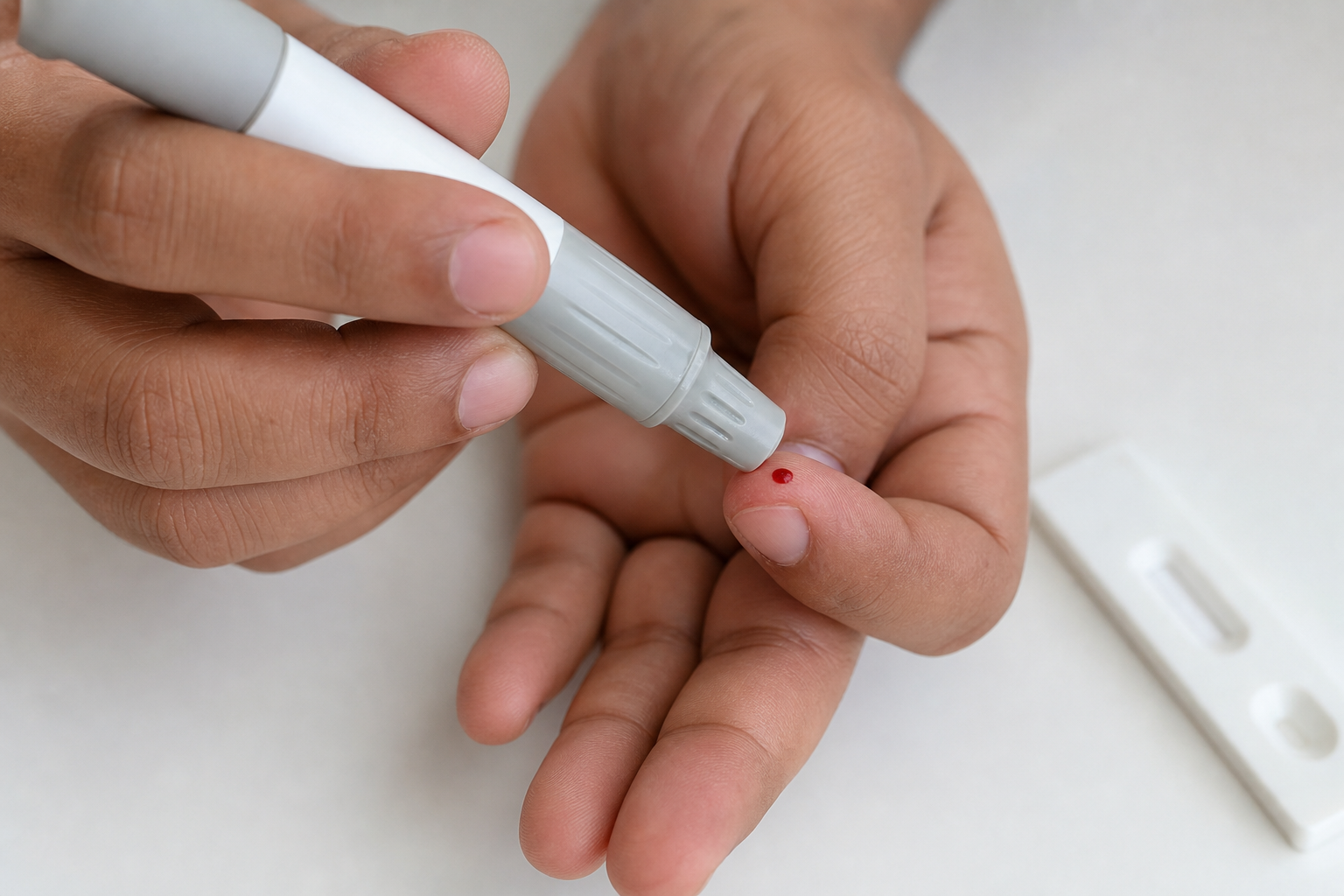
At-home rapid antibody tests are useful for the screening step. They use a fingerstick blood sample and produce a result in about 15 minutes. They are screening tools, not diagnostic confirmations, so a positive result should always be followed up with a confirmatory RNA test through a clinician. A negative result on a high-quality rapid antibody test, taken outside the window period (typically 8 to 12 weeks after exposure for most assays), is reassuring.

Hepatitis C Is Curable in More Than 95% of Cases
The development of direct-acting antiviral medications (DAAs) over the last decade has changed Hepatitis C from a chronic, progressively damaging infection into one that can be cured with oral pills for the great majority of patients. The WHO reports cure rates above 95% with current regimens. Treatment is one or two pills a day, generally well tolerated, with most side effects being mild fatigue or headache.
Most patients complete treatment in 8 to 12 weeks. Those with cirrhosis or prior treatment experience may require longer courses, in some cases up to 24 weeks, depending on genotype and regimen. Your clinician chooses the regimen and duration based on viral genotype, the state of your liver, and treatment history.
Cure in this context has a specific meaning: sustained virologic response, or SVR. Twelve weeks after finishing treatment, a viral load test shows no detectable virus. People who reach SVR stay virus-free unless they are reinfected through a new exposure. The antibody marker remains in the blood (your immune system did encounter the virus), but the infection itself is gone.
The treatment regimen depends on which Hep C genotype you have, whether you have cirrhosis, and whether you have been treated before. Common current regimens include sofosbuvir/velpatasvir and glecaprevir/pibrentasvir. Both are pan-genotypic, meaning they work across the major Hep C genotypes, which simplifies the prescribing decision. Cost has historically been a barrier, but most U.S. insurance plans now cover treatment, and there are patient-assistance programs through the manufacturers and through state Hepatitis C elimination programs for people without coverage.
Treatment cannot start, however, until the infection is identified, which is why screening is the bottleneck for the public-health goal of eliminating Hepatitis C in the United States.
Sustained Virologic Response (SVR) means no detectable Hepatitis C virus in the blood 12 weeks after completing treatment. This is the clinical definition of cure. Current pan-genotypic DAA regimens achieve SVR in more than 95% of treated patients. Antibody markers remain present after cure, but the active infection and ongoing liver damage from this virus stop.
What to Do With This Information
If you are an adult in the United States and have not been screened for Hepatitis C, the recommendation is to be screened once. This is true whether or not you have any symptoms and whether or not you remember any specific exposure. The screening is a simple blood test, or a fingerstick rapid test for at-home screening, and a negative result is reassuring for life unless you have a new exposure event.
If you do remember an exposure that fits the patterns above, a college tattoo at an unregulated shop, a brief stretch of recreational drug use, a healthcare needlestick, a partner with Hep C, the recommendation is the same: get screened. It is the only way to know.
If you screen positive on antibodies, the next step is a confirmatory RNA test through a clinician. That test determines whether the virus is currently active or has been cleared, either spontaneously or through prior treatment. If the RNA test is positive, treatment with direct-acting antivirals is the standard of care, and most insurance plans cover it.
One more practical thing: tell sexual and household partners if you are positive. The risk to a household partner is low but not zero, and giving them the chance to test themselves is the right thing to do. Most clinicians can help guide that conversation and, in many states, can do partner notification on your behalf if you prefer.
The framing that helps most people get past the testing barrier is straightforward. Knowing your Hep C status, positive or negative, is medical information about your own body. It is not a verdict about your character. And in 2026, with a 95%-plus cure rate, a positive Hepatitis C result is one of the most treatable serious diagnoses a person can receive.
Frequently Asked Questions
- Can I really get Hepatitis C from one tattoo?
- Yes, if the tattoo was done with reused or improperly sterilized equipment. Licensed shops using single-use needles and autoclaved equipment have very low risk. Unregulated settings, such as dorm-room or prison tattoos and shops using non-sterile reusable equipment, carry meaningfully higher risk because the virus survives on surfaces for up to three weeks under the right conditions.
- I have no symptoms. Could I still have Hepatitis C?
- Very possibly. Many people with new Hep C infections are asymptomatic, and most chronic Hep C infections produce only nonspecific symptoms (fatigue, brain fog, mild aches) for years before any liver-specific symptom appears. The CDC recommends every adult be screened at least once regardless of symptoms or perceived risk.
- Is Hepatitis C an STD?
- It is bloodborne first and foremost, but sexual transmission does happen. The risk is low for monogamous heterosexual couples without other risk factors, and meaningfully higher with multiple partners, sex involving blood exposure, sex during menstruation without barriers, and especially among HIV-positive men who have sex with men. So Hep C can be sexually transmitted, but most cases come from non-sexual blood-to-blood routes.
- I only used drugs a few times years ago. Should I still test?
- Yes. Even a single shared injection or piercing instrument is enough exposure for transmission. The screening test is simple and a negative result settles the question. Testing is not a confession; it is information about your liver.
- How long can Hepatitis C stay in your body undetected?
- Decades. People are commonly diagnosed 15 to 25 years after their initial exposure, when liver enzymes drift abnormal on routine bloodwork or fibrosis advances enough to cause symptoms. The virus persists silently as chronic infection in most people who do not clear it during the acute phase.
- Do I need to tell my partner if I test positive?
- Yes. The risk to a steady partner is low but not zero, and they deserve the option to test themselves and start treatment if needed. Many clinicians can help guide partner notification or do it on your behalf in jurisdictions where that is offered. Once you reach sustained virologic response (cure), you are no longer infectious.
- Is Hepatitis C treatment really an 8 to 12 week course?
- Most patients complete treatment in 8 to 12 weeks of one or two oral pills daily and reach cure (sustained virologic response, or SVR) in over 95% of cases. Patients with cirrhosis or prior treatment experience may require up to 24 weeks depending on genotype and regimen. Side effects are usually mild. The older interferon-based regimens that were brutal and had lower cure rates are no longer first-line.
- Can I be reinfected after I am cured?
- Yes. SVR clears the current infection but does not produce sterilizing immunity. A new blood-contact exposure (new injection equipment, new tattoo at an unregulated shop, new high-risk sexual exposure) can cause reinfection. People with ongoing risk factors should retest periodically even after a previous cure.

- U.S. Centers for Disease Control and Prevention. Hepatitis C basics: transmission routes, asymptomatic-infection rates, acute and chronic disease course, and adult screening recommendation.
- U.S. Preventive Services Task Force. Final recommendation statement on screening for Hepatitis C virus infection in adolescents and adults aged 18 to 79 years.
- World Health Organization. Hepatitis C fact sheet: global epidemiology, transmission routes, treatment cure rates with direct-acting antivirals, and treatment-duration ranges.
- NHS. Hepatitis C overview: symptoms, transmission, testing, and treatment in the United Kingdom.
- Mayo Clinic. Hepatitis C: symptoms and causes, including fibrosis progression and complications of chronic infection.