Are You Being Misdiagnosed? The Most Overlooked STDs and Their Symptoms
STD misdiagnoses occur more often than people know. Symptoms of sexually transmitted diseases (STD) are occasionally identical to other conditions, resulting in delayed treatment, unnecessary suffering, and even long-term effects. Some people are treated for things like urinary tract infections (UTIs), bacterial vaginosis (BV), or yeast infections, to discover later that they had an STD.
Misdiagnosis occurs for a range of reasons—some STDs are asymptomatic or have mild symptoms, while others present similarly to prevalent non-sexually transmitted illnesses. Not having regular screening, physician assumptions, and misinterpretation of symptoms are all part of the problem.
15 March 2025
8 min read
1592
Chlamydia: The Silent Infection That Is Easily Mistaken for a UTI
Why Chlamydia Gets Misdiagnosed
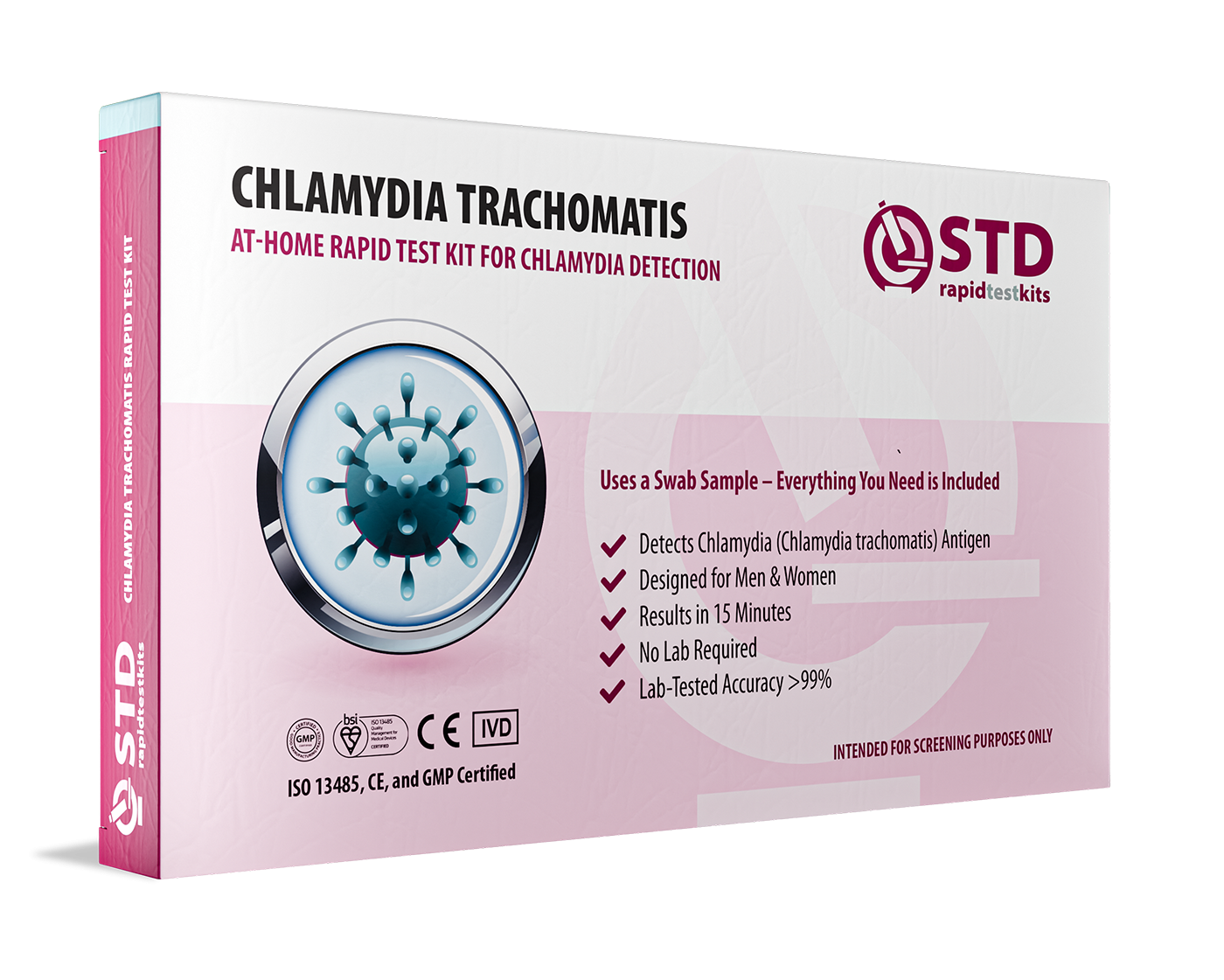
Chlamydia is an extremely common sexually transmitted illness, yet often mistaken for an urinary tract infection (UTI) or a bacterial vaginosis (BV). The reason is that their symptoms—such as burning urination, pelvic pain, and abnormal discharge—are quite similar to these infections.
Common Symptoms That Result in Misdiagnosis
Scalding upon urination (falsely attributed to UTI)
Increased vaginal discharge (confused with BV)
Pelvic pain (wrongly diagnosed as pelvic inflammatory disease)
No symptoms whatsoever (resulting in no diagnosis)
Case Study: "I Was Treated for UTIs for Months
Jessica, age 27, was experiencing painful urination and pain for almost six months. Each time she visited the doctor, she was given antibiotics for frequent UTIs. It was not until she changed doctors and asked for an STD panel that she was ultimately diagnosed with chlamydia.
"I was shocked. I never thought it would be an STD since my symptoms matched so well with a UTI. I spent so much time on the wrong treatment."
Key Statistics on Chlamydia Misdiagnosis
As many as 70% of chlamydia infections in women are symptomless, resulting in failure to diagnose.
Chlamydia is among the leading causes of infertility in untreated people.
Most physicians treat UTI symptoms with broad-spectrum antibiotics without diagnosing the infection via appropriate STD testing.
Herpes: Commonly Mistaken for Ingrown Hairs or Skin Issues
Why Herpes Is Misdiagnosed
Genital herpes is frequently mistaken for ingrown hairs, pimples, or skin infections like folliculitis. Since the symptoms of herpes are usually mild or present as small sores that resemble other skin irritations, many people are unaware that they have it.
Common Symptoms Which Lead to Misdiagnosis
Several small, red pimples or blisters (confused with razor burns or pimples)
Itching or tingling (wrongly blamed on a skin rash)
Flu-like symptoms (wrongly diagnosed as flu or some other virus)
No apparent symptoms (leading to undiagnosed cases)
Testimonial: "I Thought It Was Just Razor Burn"
Tom, age 31, initially noticed a red bump after shaving. He thought it was razor burn and did nothing about it. When it returned a few weeks later with itching and a little pain, he went to a dermatologist. After several incorrect diagnoses, a blood test revealed that it was herpes simplex virus (HSV-2).
"I felt embarrassed and angry. I could have been defending myself, but I was made to think it was just a nuisance."
Key Statistics on Herpes Misdiagnosis
Over 80% of individuals infected with genital herpes are unaware that they are.
Physicians usually diagnose herpes just when sores exist, failing to catch cases that don't show classic symptoms.
Herpes tests are not always included in routine STD panels unless specified.
Check Your STD Status in Minutes
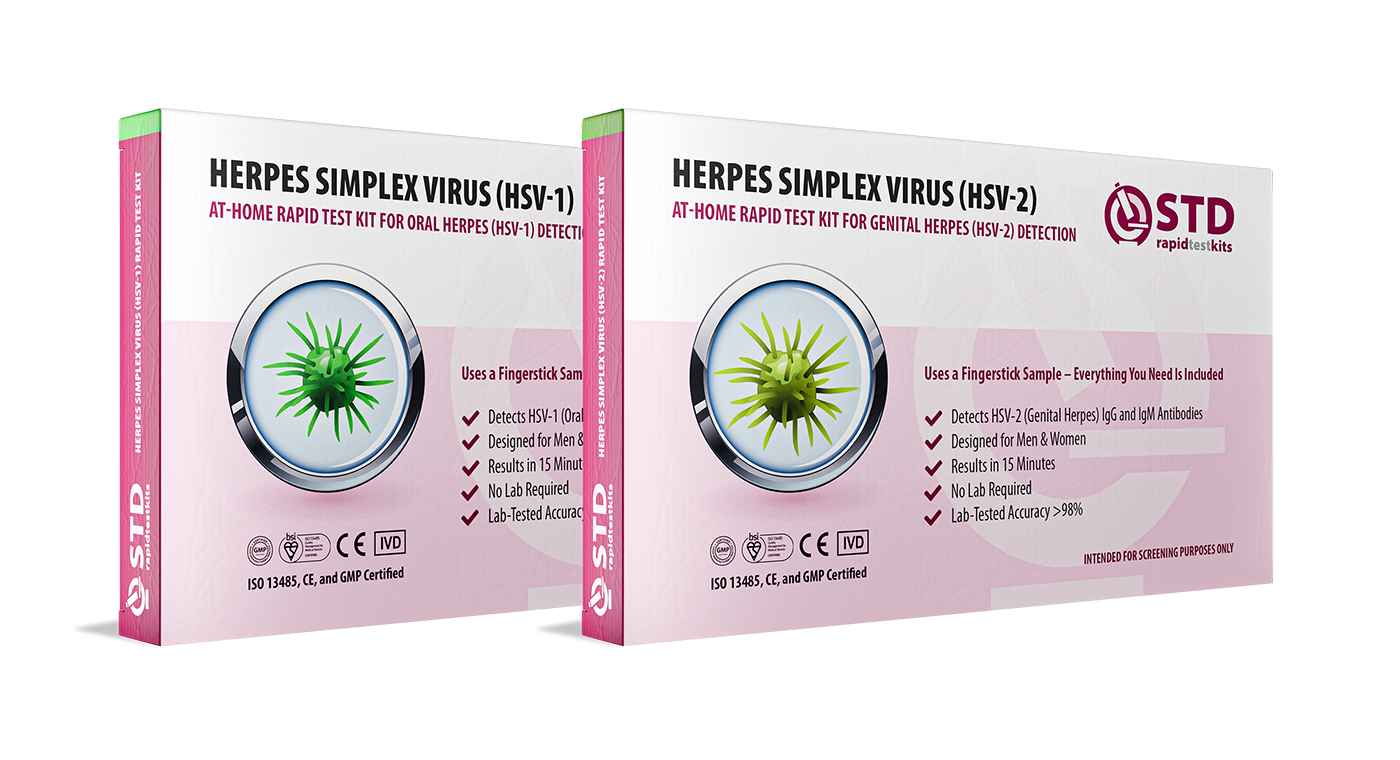
Test at Home with Remedium Genital & Oral Herpes Test Kit
Trichomoniasis: The STD That Imitates Bacterial Vaginosis
Why Trichomoniasis Is Misdiagnosed
Trichomoniasis, sometimes referred to as "trich," is often mistaken for bacterial vaginosis (BV) or yeast infections since it results in abnormal discharge and irritation.
Common Symptoms Resulting in Misdiagnosis
Foul smelling discharge (often blamed on BV)
Itching or irritation (wrongly confused with a yeast infection)
Burning during urination (mistaken for a UTI)
No symptoms whatsoever (resulting in a failure to diagnose)
Case Study: "My BV Treatment Didn't Work
Maria, 29, had been treated for BV multiple times, but the symptoms persisted to return. It wasn't until she consulted a specialist and underwent a trichomoniasis-specific test that she was finally correctly diagnosed.
"I wasted so much time putting on creams and antibiotics that weren't even for the correct infection. I wish I had been tested for trich earlier."
Key Points pertaining to Trichomoniasis Misdiagnosis
85% of patients who have trichomoniasis are symptomless.
Trich is the most prevalent curable STD but is widely underdiagnosed.
Trich cannot be seen except in a special test and is not part of every standard STD screening.
Check Your STD Status in Minutes
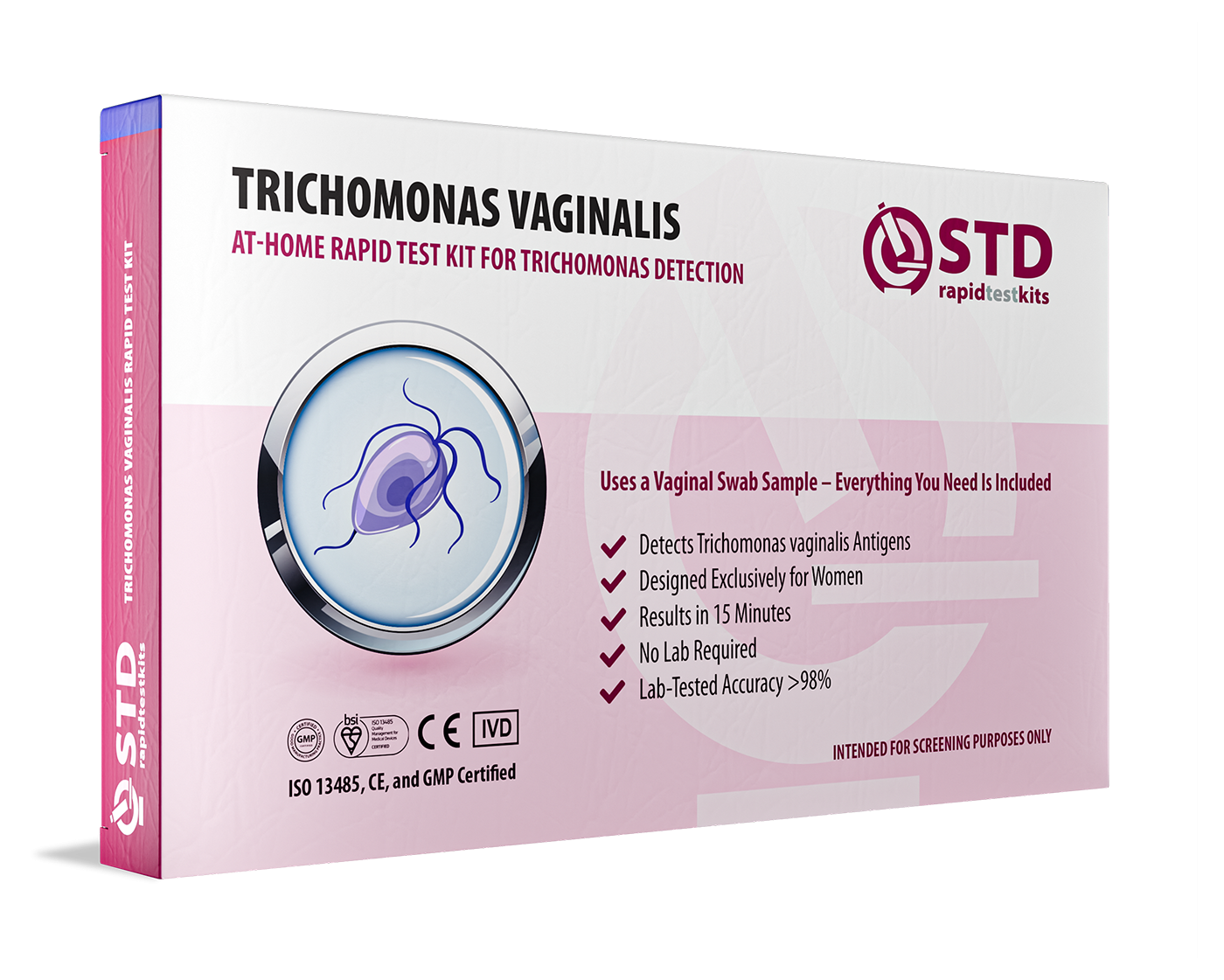
Test at Home with Remedium Trichomoniasis Test Kit
Human papillomavirus (HPV) does not usually have any symptoms until it has turned into genital warts or abnormal Pap smears. Most people do not know they have it until much later.
Common Symptoms That Result in Misdiagnosis
Genital warts (misidentified as skin tags)
No symptoms (resulting in delayed diagnosis)
Abnormal Pap smears (detectable only by screening)
Testimonial: "I Had No Idea Until My Pap Smear"
Lauren, age 33, didn't have any symptoms. She was shocked when her normal Pap smear returned showing abnormal cells and she was diagnosed with high-risk HPV.
"I didn't even know I had an STD. I never had symptoms, and no doctor ever said anything about getting tested for HPV."
Leading Statistics on HPV Misdiagnosis
More than 80% of sexually active people will get HPV during their lifetime.
Most cases are asymptomatic and resolve on their own.
The high-risk HPV types, when not treated, result in cervical cancer.
Chlamydia is usually mistaken for a UTI or bacterial vaginosis (BV) because it has the same symptoms, such as burning urination and abnormal discharge. Nonetheless, herpes, trichomoniasis, and HPV are also commonly ignored.
2. How frequently do physicians misdiagnose STDs?
Studies show that misdiagnosis rates of certain STDs are as high as 50%, especially for STDs that have mild or no symptoms at all. Symptoms are what most doctors rely on, instead of lab tests, so the inappropriate treatments are prescribed.
4. What happens if an STD goes undiagnosed for too long?
Untreated STDs develop into serious complications, which include:
Infertility (gonorrhea, chlamydia)
Chronic pelvic pain (inflammatory pelvic disease secondary to unresolved infection)
Higher risk of HIV (un-treated STDs facilitate transmission)
Cervical cancer (high-risk HPV types)
5. Is it possible to test negative for an STD and still be infected?
Yes. Certain STDs, such as herpes and trichomoniasis, do not necessarily appear on standard STD tests. False negatives can result if:
You test too soon (prior to when infection can be detected).
The testing procedure followed is too insensitive for the STD under investigation.
6. Why don't physicians routinely test for STDs?
Most physicians only test for STDs if the patient is showing symptoms or if the patient asks specifically to be tested. Certain infections, such as herpes and HPV, are not part of a standard STD panel unless specifically requested.
7. Are STD home test kits accurate?
Yes. The majority of FDA-approved home STD test kits are accurate for chlamydia, gonorrhea, trichomoniasis, and other prevalent infections. They offer privacy and convenience for shy individuals who prefer not to go to a clinic.
8. What if I believe my STD was incorrectly diagnosed?
If you suspect a misdiagnosis:
Order a complete STD panel (including less common infections such as trichomoniasis and herpes).
Get a second opinion from another physician.
Obtain confidential and accurate results with home STD testing.
9. Do untreated STDs go away by themselves?
Some STDs, like HPV, heal on their own, but others, like chlamydia, gonorrhea, herpes, and syphilis, require treatment in order to prevent complications.
10. How can I minimize my risk of undiagnosed STDs?
Test yourself regularly (even when you are not showing symptoms).
Be proactive—request some tests, such as herpes and trichomoniasis.
Think about home testing for regular check-ups.
Talk about your symptoms and your concerns with your physician.
The Need for Testing: Don't Let a Misdiagnosis Harm Your Health
Misdiagnosed STDs are more common than the average person is aware of. Via confusing symptoms, not testing unless specifically suspected, or erroneous assumptions on the part of healthcare providers, people can go months, even years, without treatment since they are not aware that they have an STD.
Take Charge of Your Health
If you have symptoms that won't disappear or have been treated for something such as a UTI or yeast infection more than once and haven't noticed any change, it's time to think about STD testing.
At-Home STD Testing: The Private and Reliable Option For those who prefer private, accurate, and convenient testing, home STD test kits offer convenient testing for frequent infections without the need to go to a clinic. The tests offer:
Accurate laboratory findings equivalent to clinic tests
Convenience—take your sample at home
Privacy—avoid awkward conversations
Raise Awareness & Protect Yourself. Misdiagnoses of STDs can be severe if not treated. Educate yourself, get tested regularly, and encourage others to do the same. If you found this article helpful, share it to inform others about the dangers of undiagnosed STDs. Don’t wait—get tested and take charge of your life today.








 For Men & Women
 Results in Minutes
 No Lab Needed
 Private & Discreet
 For Women