






Can You Date Someone with an STD and Stay Safe? A Complete Guide
In͏͏ this͏͏ article,͏͏ we’ll͏͏ explore͏͏ seven͏͏ STIs͏͏ that͏͏ can͏͏ affect͏͏ male͏͏ fertility,͏͏ how͏͏ they͏͏ cause͏͏ damage,͏͏ and͏͏ what͏͏ steps͏͏ you͏͏ can͏͏ take͏͏ to͏͏ protect͏͏ your͏͏ reproductive͏͏ health.
Chlamydia͏͏ and͏͏ Male͏͏ Infertility
Chlamydia͏͏ is͏͏ one͏͏ of͏͏ the͏͏ most͏͏ common͏͏ bacterial͏͏ STIs,͏͏ but͏͏ it’s͏͏ also͏͏ one͏͏ of͏͏ the͏͏ most͏͏ dangerous͏͏ for͏͏ male͏͏ fertility.͏͏ When͏͏ left͏͏ untreated,͏͏ chlamydia͏͏ can͏͏ cause͏͏ epididymitis,͏͏ an͏͏ inflammation͏͏ of͏͏ the͏͏ tube͏͏ that͏͏ carries͏͏ sperm.͏͏ This͏͏ can͏͏ lead͏͏ to͏͏ scarring,͏͏ reduced͏͏ sperm͏͏ motility,͏͏ and͏͏ even͏͏ blockages͏͏ in͏͏ the͏͏ reproductive͏͏ tract.
How͏͏ It͏͏ Affects͏͏ Fertility
- Causes͏͏ inflammation͏͏ in͏͏ the͏͏ epididymis͏͏ and͏͏ testicles
- Leads͏͏ to͏͏ scarring͏͏ that͏͏ blocks͏͏ sperm͏͏ from͏͏ reaching͏͏ the͏͏ semen
- Lowers͏͏ sperm͏͏ count͏͏ and͏͏ motility
Prevention͏͏ &͏͏ Treatment
- Regular͏͏ STI͏͏ testing͏͏ (including͏͏ at-home͏͏ test͏͏ kits͏͏ for͏͏ convenience)
- Antibiotic͏͏ treatment͏͏ can͏͏ clear͏͏ the͏͏ infection,͏͏ but͏͏ fertility͏͏ damage͏͏ may͏͏ be͏͏ irreversible͏͏ if͏͏ left͏͏ untreated
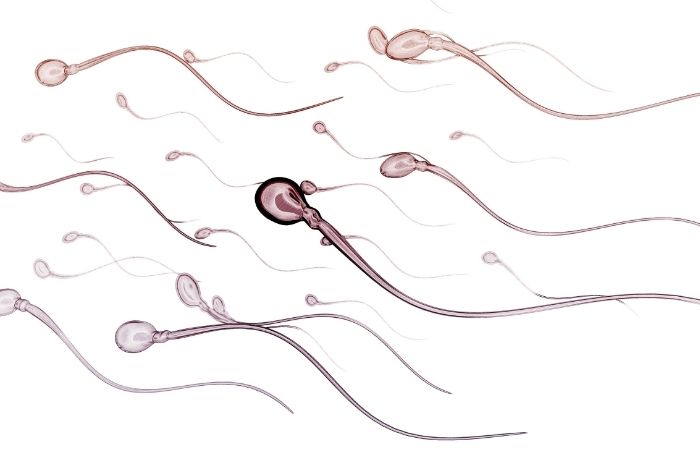
Gonorrhea͏͏ and͏͏ Its͏͏ Impact͏͏ on͏͏ Sperm͏͏ Health
Gonorrhea,͏͏ another͏͏ bacterial͏͏ STI,͏͏ has͏͏ similar͏͏ long-term͏͏ effects͏͏ on͏͏ male͏͏ fertility.͏͏ If͏͏ untreated,͏͏ it͏͏ can͏͏ spread͏͏ to͏͏ the͏͏ prostate͏͏ and͏͏ epididymis,͏͏ leading͏͏ to͏͏ chronic͏͏ inflammation,͏͏ blockages,͏͏ and͏͏ reduced͏͏ sperm͏͏ quality.
How͏͏ It͏͏ Affects͏͏ Fertility
- Causes͏͏ painful͏͏ inflammation͏͏ in͏͏ the͏͏ reproductive͏͏ tract
- Leads͏͏ to͏͏ sperm͏͏ DNA͏͏ fragmentation,͏͏ which͏͏ can͏͏ lower͏͏ fertilization͏͏ rates
- Increases͏͏ the͏͏ risk͏͏ of͏͏ long-term͏͏ testicular͏͏ damage
Prevention͏͏ &͏͏ Treatment
- Regular͏͏ screenings,͏͏ particularly͏͏ if͏͏ engaging͏͏ in͏͏ unprotected͏͏ sex
- Antibiotics͏͏ can͏͏ clear͏͏ the͏͏ infection,͏͏ but͏͏ early͏͏ detection͏͏ is͏͏ key
Check Your STD Status in Minutes
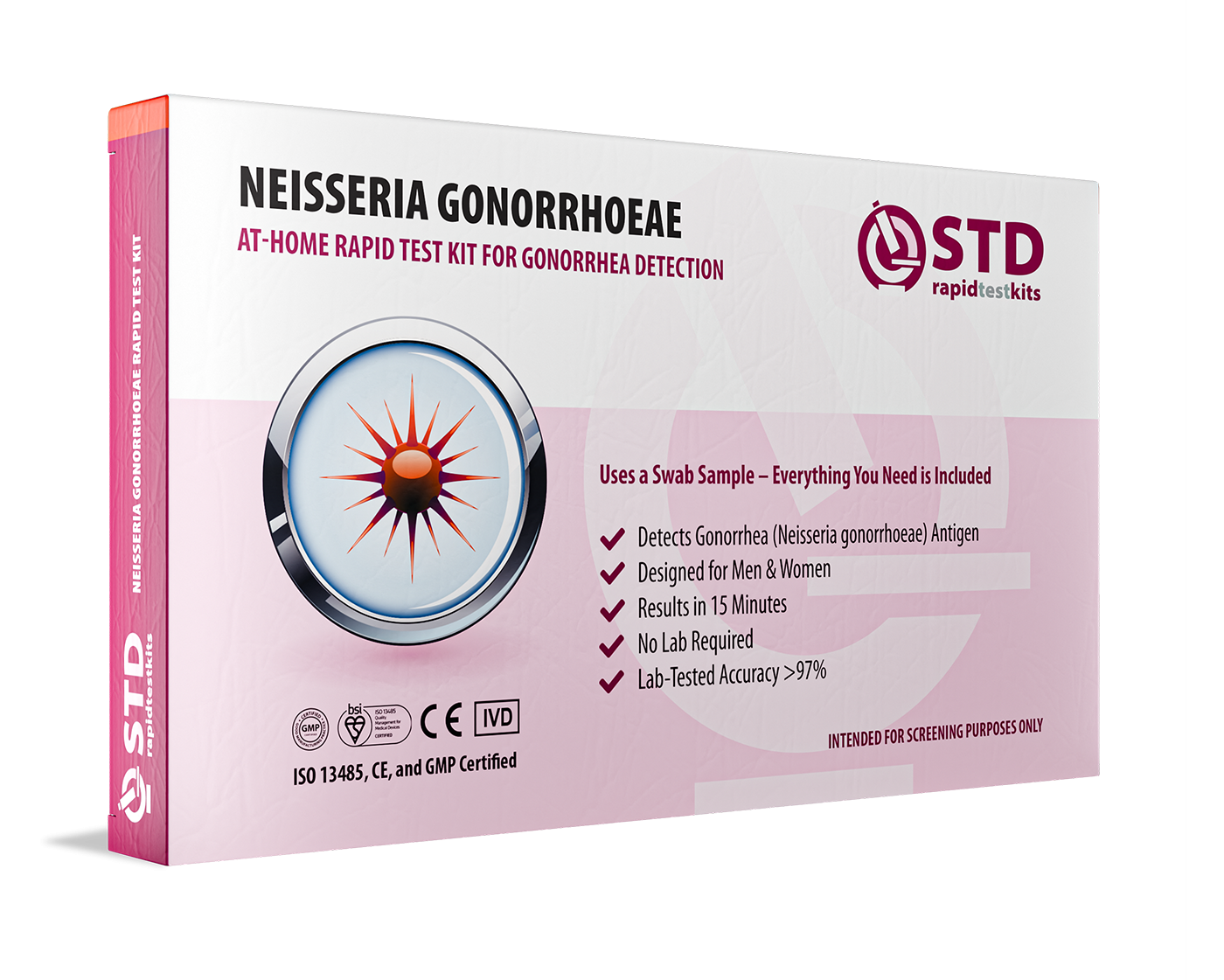
Test at Home with RemediumGonorrhea Test Kit
Claim Your Kit Today
Save 31%
 For Men & Women
 Results in Minutes
 No Lab Needed
 Private & Discreet
Order Now $33.99 $49.00
Syphilis͏͏ and͏͏ Male͏͏ Reproductive͏͏ Health
Syphilis͏͏ is͏͏ known͏͏ for͏͏ its͏͏ devastating͏͏ effects͏͏ on͏͏ overall͏͏ health,͏͏ but͏͏ its͏͏ impact͏͏ on͏͏ male͏͏ fertility͏͏ is͏͏ often͏͏ overlooked.͏͏ In͏͏ later͏͏ stages,͏͏ syphilis͏͏ can͏͏ cause͏͏ testicular͏͏ atrophy,͏͏ leading͏͏ to͏͏ a͏͏ decline͏͏ in͏͏ testosterone͏͏ production͏͏ and͏͏ sperm͏͏ quality.
How͏͏ It͏͏ Affects͏͏ Fertility
- Inflammation͏͏ and͏͏ scarring͏͏ in͏͏ reproductive͏͏ organs
- Reduces͏͏ sperm͏͏ production͏͏ due͏͏ to͏͏ testicular͏͏ damage
- Can͏͏ lead͏͏ to͏͏ neurological͏͏ complications͏͏ that͏͏ affect͏͏ hormone͏͏ regulation
Prevention͏͏ &͏͏ Treatment
- Early-stage͏͏ syphilis͏͏ is͏͏ easily͏͏ treated͏͏ with͏͏ antibiotics
- Regular͏͏ STI͏͏ screenings͏͏ help͏͏ catch͏͏ the͏͏ infection͏͏ before͏͏ damage͏͏ occurs
Human͏͏ Papillomavirus͏͏ (HPV)͏͏ in͏͏ Males
HPV͏͏ is͏͏ one͏͏ of͏͏ the͏͏ most͏͏ widespread͏͏ STIs,͏͏ and͏͏ while͏͏ it’s͏͏ often͏͏ associated͏͏ with͏͏ cervical͏͏ cancer͏͏ in͏͏ women,͏͏ it͏͏ can͏͏ also͏͏ impact͏͏ male͏͏ fertility.͏͏ Certain͏͏ HPV͏͏ strains͏͏ have͏͏ been͏͏ linked͏͏ to͏͏ lower͏͏ sperm͏͏ motility͏͏ and͏͏ DNA͏͏ damage͏͏ in͏͏ sperm͏͏ cells.
How͏͏ It͏͏ Affects͏͏ Fertility
- Some͏͏ strains͏͏ of͏͏ HPV͏͏ alter͏͏ sperm͏͏ structure͏͏ and͏͏ function
- Can͏͏ cause͏͏ chronic͏͏ inflammation͏͏ in͏͏ the͏͏ male͏͏ reproductive͏͏ system
- Increases͏͏ the͏͏ risk͏͏ of͏͏ genital͏͏ warts,͏͏ which͏͏ may͏͏ interfere͏͏ with͏͏ sperm͏͏ transfer
Prevention͏͏ &͏͏ Treatment
HPV͏͏ vaccines͏͏ can͏͏ protect͏͏ against͏͏ high-risk͏͏ strains
Safe͏͏ sex͏͏ practices͏͏ reduce͏͏ transmission͏͏ risk
Check Your STD Status in Minutes
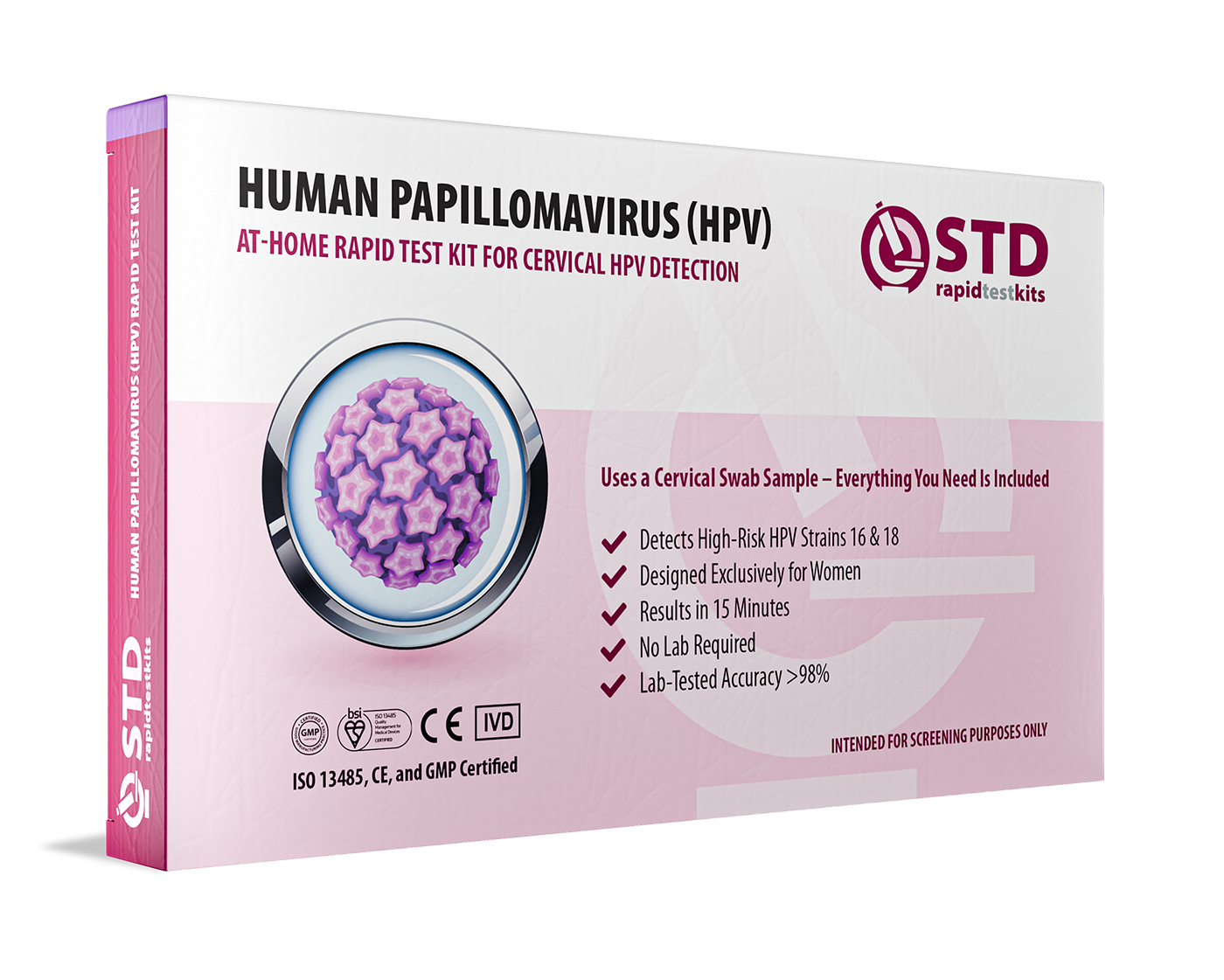
Test at Home with RemediumPapillomavirus (HPV) Test
Claim Your Kit Today
Save 31%
 For WomenResults in MinutesNo Lab NeededPrivate & Discreet
Order Now $33.99 $49.00
Mycoplasma͏͏ Genitalium:͏͏ A͏͏ Lesser-Known͏͏ Threat͏͏ to͏͏ Male͏͏ Fertility
Mycoplasma͏͏ genitalium͏͏ is͏͏ a͏͏ relatively͏͏ unknown͏͏ but͏͏ growing͏͏ concern͏͏ in͏͏ male͏͏ infertility͏͏ cases.͏͏ This͏͏ bacterial͏͏ STI͏͏ can͏͏ lead͏͏ to͏͏ persistent͏͏ urethritis͏͏ (inflammation͏͏ of͏͏ the͏͏ urethra),͏͏ damaging͏͏ sperm͏͏ motility͏͏ and͏͏ increasing͏͏ oxidative͏͏ stress.
How͏͏ It͏͏ Affects͏͏ Fertility
- Increases͏͏ oxidative͏͏ stress,͏͏ leading͏͏ to͏͏ sperm͏͏ damage
- Causes͏͏ chronic͏͏ inflammation͏͏ in͏͏ the͏͏ reproductive͏͏ system
- Can͏͏ lead͏͏ to͏͏ persistent͏͏ urethritis,͏͏ which͏͏ affects͏͏ ejaculation͏͏ and͏͏ sperm͏͏ transport
Prevention͏͏ &͏͏ Treatment
Standard͏͏ STI͏͏ tests͏͏ may͏͏ not͏͏ detect͏͏ Mycoplasma͏͏ genitalium,͏͏ so͏͏ specialized͏͏ testing͏͏ is͏͏ recommended
Some͏͏ cases͏͏ require͏͏ extended͏͏ antibiotic͏͏ treatment

Trichomoniasis͏͏ and͏͏ Semen͏͏ Quality
Trichomoniasis,͏͏ caused͏͏ by͏͏ a͏͏ parasite,͏͏ is͏͏ one͏͏ of͏͏ the͏͏ few͏͏ STIs͏͏ that͏͏ directly͏͏ affects͏͏ semen͏͏ health.͏͏ Studies͏͏ suggest͏͏ that͏͏ trichomoniasis͏͏ leads͏͏ to͏͏ increased͏͏ sperm͏͏ abnormalities,͏͏ DNA͏͏ fragmentation,͏͏ and͏͏ reduced͏͏ sperm͏͏ motility.
How͏͏ It͏͏ Affects͏͏ Fertility
- Lowers͏͏ sperm͏͏ quality͏͏ by͏͏ increasing͏͏ oxidative͏͏ stress
- Alters͏͏ sperm͏͏ morphology,͏͏ leading͏͏ to͏͏ abnormal͏͏ sperm͏͏ function
- Increases͏͏ risk͏͏ of͏͏ prostate͏͏ inflammation
Prevention͏͏ &͏͏ Treatment
Easily͏͏ treated͏͏ with͏͏ a͏͏ single͏͏ dose͏͏ of͏͏ antibiotics
Regular͏͏ STI͏͏ testing,͏͏ especially͏͏ for͏͏ men͏͏ experiencing͏͏ unexplained͏͏ infertility
Check Your STD Status in Minutes
Test at Home with RemediumTrichomoniasis Test Kit
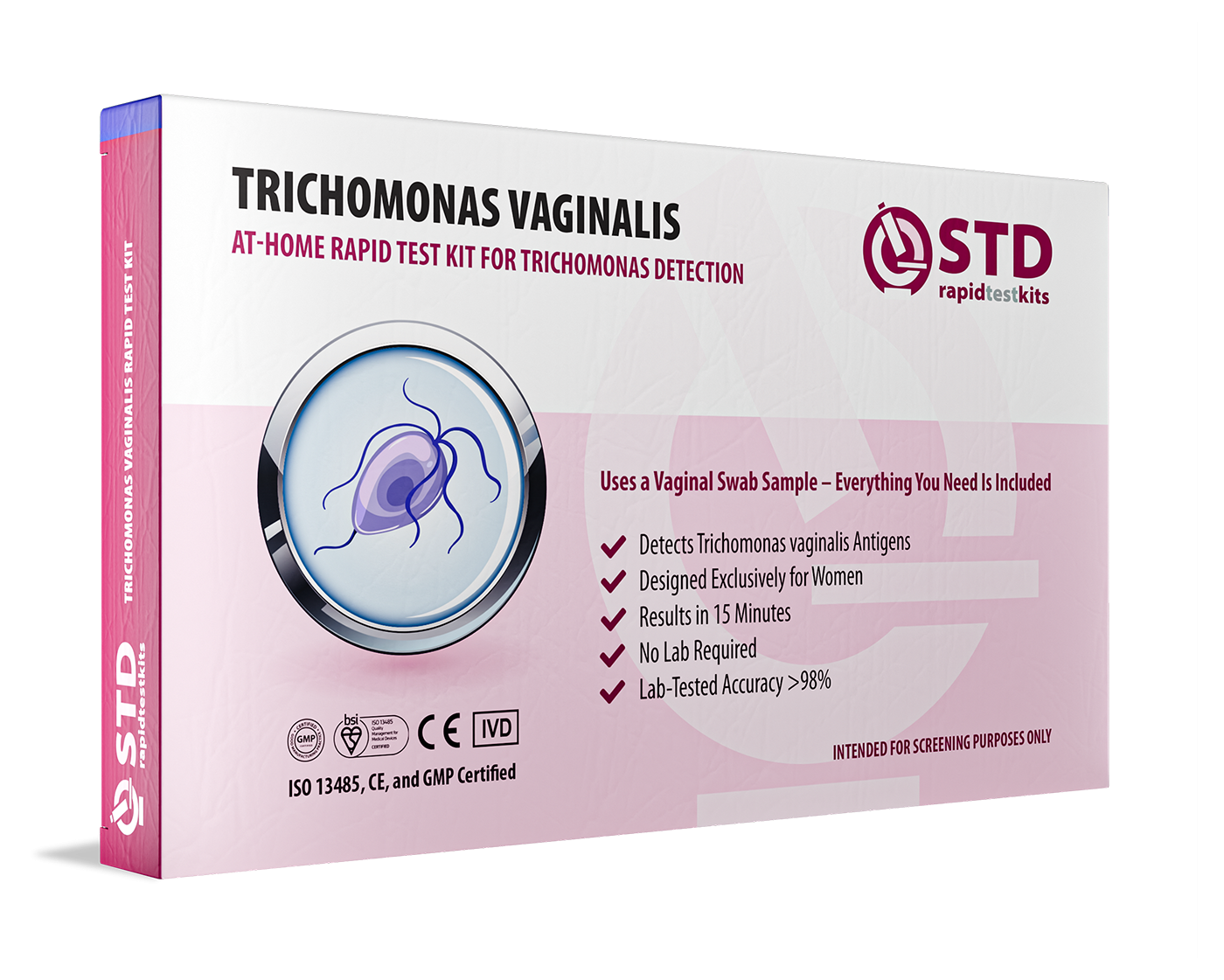
Claim Your Kit Today
Save 31%
For WomenResults in MinutesNo Lab NeededPrivate & DiscreetOrder Now $33.99 $49.00
HIV͏͏ and͏͏ Male͏͏ Fertility
HIV͏͏ itself͏͏ does͏͏ not͏͏ directly͏͏ cause͏͏ infertility,͏͏ but͏͏ the͏͏ medications͏͏ used͏͏ to͏͏ manage͏͏ the͏͏ virus—along͏͏ with͏͏ immune͏͏ system͏͏ suppression—can͏͏ significantly͏͏ reduce͏͏ sperm͏͏ count͏͏ and͏͏ motility.
How͏͏ It͏͏ Affects͏͏ Fertility
- Certain͏͏ antiretroviral͏͏ medications͏͏ may͏͏ decrease͏͏ sperm͏͏ production
- Weakened͏͏ immune͏͏ function͏͏ increases͏͏ the͏͏ risk͏͏ of͏͏ secondary͏͏ infections͏͏ (such͏͏ as͏͏ STIs͏͏ that͏͏ directly͏͏ harm͏͏ fertility)
- Chronic͏͏ inflammation͏͏ can͏͏ lead͏͏ to͏͏ testicular͏͏ damage
Prevention͏͏ &͏͏ Treatment
- Antiretroviral͏͏ therapy͏͏ (ART)͏͏ helps͏͏ manage͏͏ the͏͏ virus͏͏ but͏͏ should͏͏ be͏͏ monitored͏͏ for͏͏ fertility͏͏ side͏͏ effects
- Regular͏͏ screenings͏͏ for͏͏ secondary͏͏ infections

Protecting͏͏ Your͏͏ Fertility:͏͏ What͏͏ You͏͏ Can͏͏ Do
The͏͏ good͏͏ news͏͏ is͏͏ that͏͏ many͏͏ STI-related͏͏ fertility͏͏ issues͏͏ can͏͏ be͏͏ prevented͏͏ with͏͏ proactive͏͏ sexual͏͏ health͏͏ habits.͏͏ Here’s͏͏ what͏͏ you͏͏ can͏͏ do:
- Get͏͏ Tested͏͏ Regularly͏͏ –͏͏ Routine͏͏ STI͏͏ screenings͏͏ are͏͏ crucial,͏͏ especially͏͏ if͏͏ you͏͏ have͏͏ multiple͏͏ partners.͏͏ At-home͏͏ test͏͏ kits͏͏ offer͏͏ privacy͏͏ and͏͏ convenience.
- Use͏͏ Protection͏͏ –͏͏ Condoms͏͏ significantly͏͏ reduce͏͏ the͏͏ risk͏͏ of͏͏ STI͏͏ transmission.
- Seek͏͏ Early͏͏ Treatment͏͏ –͏͏ Many͏͏ STIs͏͏ are͏͏ treatable͏͏ with͏͏ antibiotics͏͏ if͏͏ caught͏͏ early.
- Consult͏͏ a͏͏ Doctor͏͏ for͏͏ Semen͏͏ Analysis͏͏ –͏͏ If͏͏ you’re͏͏ experiencing͏͏ fertility͏͏ issues,͏͏ a͏͏ semen͏͏ analysis͏͏ can͏͏ help͏͏ identify͏͏ potential͏͏ problems.
Frequently͏͏ Asked͏͏ Questions͏͏
Here͏͏ are͏͏ 10͏͏ FAQs͏͏ that͏͏ cover͏͏ additional͏͏ insights͏͏ not͏͏ mentioned͏͏ in͏͏ the͏͏ main͏͏ article:
1.͏͏ Can͏͏ STIs͏͏ cause͏͏ permanent͏͏ infertility͏͏ in͏͏ men?
Yes,͏͏ some͏͏ STIs͏͏ can͏͏ cause͏͏ permanent͏͏ infertility͏͏ if͏͏ left͏͏ untreated.͏͏ Infections͏͏ like͏͏ chlamydia͏͏ and͏͏ gonorrhea͏͏ can͏͏ lead͏͏ to͏͏ scarring͏͏ in͏͏ the͏͏ reproductive͏͏ tract,͏͏ blocking͏͏ sperm͏͏ movement.͏͏ The͏͏ longer͏͏ an͏͏ STI͏͏ goes͏͏ untreated,͏͏ the͏͏ greater͏͏ the͏͏ risk͏͏ of͏͏ irreversible͏͏ damage.
2.͏͏ Do͏͏ all͏͏ STIs͏͏ affect͏͏ sperm͏͏ count͏͏ and͏͏ motility?
No,͏͏ not͏͏ all͏͏ STIs͏͏ directly͏͏ impact͏͏ sperm͏͏ count͏͏ or͏͏ motility.͏͏ Some,͏͏ like͏͏ HPV,͏͏ primarily͏͏ cause͏͏ inflammation͏͏ without͏͏ significantly͏͏ reducing͏͏ sperm͏͏ production,͏͏ while͏͏ others,͏͏ like͏͏ gonorrhea͏͏ and͏͏ chlamydia,͏͏ can͏͏ lead͏͏ to͏͏ reduced͏͏ sperm͏͏ quality͏͏ and͏͏ motility.
3.͏͏ How͏͏ long͏͏ does͏͏ it͏͏ take͏͏ for͏͏ an͏͏ STI͏͏ to͏͏ affect͏͏ fertility?
It͏͏ depends͏͏ on͏͏ the͏͏ infection.͏͏ Some͏͏ STIs,͏͏ like͏͏ gonorrhea,͏͏ can͏͏ cause͏͏ inflammation͏͏ within͏͏ weeks͏͏ if͏͏ left͏͏ untreated,͏͏ while͏͏ others,͏͏ like͏͏ syphilis͏͏ or͏͏ Mycoplasma͏͏ genitalium,͏͏ may͏͏ cause͏͏ long-term͏͏ damage͏͏ over͏͏ months͏͏ or͏͏ years͏͏ before͏͏ symptoms͏͏ appear.
4.͏͏ Can͏͏ antibiotics͏͏ reverse͏͏ STI-related͏͏ fertility͏͏ problems?
Antibiotics͏͏ can͏͏ cure͏͏ bacterial͏͏ STIs͏͏ (e.g.,͏͏ chlamydia,͏͏ gonorrhea,͏͏ syphilis),͏͏ but͏͏ they͏͏ cannot͏͏ reverse͏͏ existing͏͏ damage͏͏ to͏͏ the͏͏ reproductive͏͏ system.͏͏ If͏͏ scarring͏͏ or͏͏ blockages͏͏ have͏͏ already͏͏ formed,͏͏ fertility͏͏ treatments͏͏ like͏͏ sperm͏͏ extraction͏͏ or͏͏ surgery͏͏ may͏͏ be͏͏ needed.
5.͏͏ Are͏͏ men͏͏ more͏͏ likely͏͏ than͏͏ women͏͏ to͏͏ have͏͏ asymptomatic͏͏ STIs?
Yes.͏͏ Many͏͏ STIs͏͏ are͏͏ asymptomatic͏͏ in͏͏ men,͏͏ meaning͏͏ they͏͏ don’t͏͏ show͏͏ noticeable͏͏ symptoms.͏͏ This͏͏ is͏͏ particularly͏͏ common͏͏ with͏͏ chlamydia,͏͏ HPV,͏͏ and͏͏ Mycoplasma͏͏ genitalium,͏͏ making͏͏ regular͏͏ STI͏͏ screenings͏͏ essential͏͏ for͏͏ early͏͏ detection.
6.͏͏ Can͏͏ condoms͏͏ completely͏͏ prevent͏͏ STIs͏͏ that͏͏ affect͏͏ fertility?
Condoms͏͏ greatly͏͏ reduce͏͏ the͏͏ risk͏͏ of͏͏ STI͏͏ transmission͏͏ but͏͏ are͏͏ not͏͏ 100%͏͏ effective.͏͏ Some͏͏ infections,͏͏ like͏͏ HPV͏͏ and͏͏ herpes,͏͏ can͏͏ spread͏͏ through͏͏ skin-to-skin͏͏ contact,͏͏ even͏͏ if͏͏ a͏͏ condom͏͏ is͏͏ used.͏͏ However,͏͏ condoms͏͏ still͏͏ provide͏͏ the͏͏ best͏͏ protection͏͏ against͏͏ bacterial͏͏ STIs.
7.͏͏ Can͏͏ past͏͏ STI͏͏ infections͏͏ affect͏͏ fertility͏͏ even͏͏ after͏͏ being͏͏ cured?
Yes.͏͏ Even͏͏ after͏͏ an͏͏ STI͏͏ is͏͏ treated,͏͏ past͏͏ infections͏͏ can͏͏ leave͏͏ behind͏͏ scarring,͏͏ inflammation,͏͏ or͏͏ DNA͏͏ damage͏͏ in͏͏ sperm.͏͏ This͏͏ is͏͏ why͏͏ early͏͏ detection͏͏ and͏͏ treatment͏͏ are͏͏ critical͏͏ to͏͏ minimizing͏͏ fertility͏͏ risks.
8.͏͏ Can͏͏ lifestyle͏͏ changes͏͏ help͏͏ reverse͏͏ STI-related͏͏ fertility͏͏ issues?
In͏͏ some͏͏ cases,͏͏ improving͏͏ diet,͏͏ quitting͏͏ smoking,͏͏ reducing͏͏ alcohol͏͏ intake,͏͏ and͏͏ taking͏͏ antioxidants͏͏ can͏͏ enhance͏͏ sperm͏͏ health͏͏ after͏͏ an͏͏ STI.͏͏ However,͏͏ if͏͏ structural͏͏ damage͏͏ has͏͏ occurred,͏͏ medical͏͏ interventions͏͏ like͏͏ IVF͏͏ or͏͏ ICSI͏͏ (intracytoplasmic͏͏ sperm͏͏ injection)͏͏ may͏͏ be͏͏ necessary.
9.͏͏ Do͏͏ STIs͏͏ increase͏͏ the͏͏ risk͏͏ of͏͏ miscarriage͏͏ or͏͏ birth͏͏ defects?
Yes.͏͏ If͏͏ a͏͏ male͏͏ partner͏͏ has͏͏ an͏͏ untreated͏͏ STI,͏͏ it͏͏ can͏͏ increase͏͏ the͏͏ risk͏͏ of͏͏ miscarriage,͏͏ preterm͏͏ birth,͏͏ or͏͏ birth͏͏ defects͏͏ if͏͏ the͏͏ infection͏͏ is͏͏ transmitted͏͏ to͏͏ the͏͏ female͏͏ partner͏͏ during͏͏ conception͏͏ or͏͏ pregnancy.
10.͏͏ Should͏͏ men͏͏ get͏͏ tested͏͏ for͏͏ STIs͏͏ even͏͏ if͏͏ they͏͏ don’t͏͏ have͏͏ symptoms?
Absolutely.͏͏ Many͏͏ STIs͏͏ do͏͏ not͏͏ cause͏͏ symptoms͏͏ but͏͏ can͏͏ still͏͏ harm͏͏ fertility͏͏ and͏͏ be͏͏ passed͏͏ to͏͏ partners.͏͏ Regular͏͏ screenings͏͏ (including͏͏ at-home͏͏ STI͏͏ test͏͏ kits)͏͏ help͏͏ detect͏͏ infections͏͏ before͏͏ they͏͏ cause͏͏ long-term͏͏ damage.
Get͏͏ Tested͏͏ Today!
Sexually͏͏ transmitted͏͏ infections͏͏ pose͏͏ a͏͏ real͏͏ but͏͏ preventable͏͏ risk͏͏ to͏͏ male͏͏ fertility.͏͏ Many͏͏ STIs͏͏ cause͏͏ damage͏͏ over͏͏ time,͏͏ meaning͏͏ early͏͏ detection͏͏ is͏͏ the͏͏ best͏͏ defense͏͏ against͏͏ reproductive͏͏ complications.͏͏ If͏͏ you’re͏͏ sexually͏͏ active,͏͏ regular͏͏ STI͏͏ screenings,͏͏ safe͏͏ sex͏͏ practices,͏͏ and͏͏ prompt͏͏ treatment͏͏ can͏͏ help͏͏ protect͏͏ both͏͏ your͏͏ fertility͏͏ and͏͏ overall͏͏ health.
For͏͏ a͏͏ private͏͏ and͏͏ convenient͏͏ option,͏͏ consider͏͏ using͏͏ at-home͏͏ STI͏͏ test͏͏ kits͏͏ to͏͏ monitor͏͏ your͏͏ sexual͏͏ health.͏͏ Taking͏͏ action͏͏ now͏͏ can͏͏ make͏͏ a͏͏ significant͏͏ difference͏͏ in͏͏ preserving͏͏ your͏͏ ability͏͏ to͏͏ start͏͏ a͏͏ family͏͏ in͏͏ the͏͏ future.
Sources
1.- 7 STIs That Affect Male Fertility – Fertility Academy
2.- STDs and Male Infertility – PMC Article
3.- Can an STD Cause Infertility? – Verywell Health


