







STD Testing 101: What First-Time Testers Need to Know
Consistent Partner STD Testing and Its Benefits
Ensuring You Are Well
Regular testing of both partners for sexually transmitted infections provides confidence. Sexually transmitted infections can remain latent for a long period, mostly asymptomatic, even in committed relationships. Early detection and treatment of the diseases can prevent possible health consequences such as infertility and chronic pain.
Building Trust and Closeness
Honesty and openness, the building blocks of any successful relationship, are facilitated through sexually transmitted disease testing discussions. Mistrust is eliminated and trust developed when both parties commit to being tested. Getting your partner tested on a regular basis is one surefire way to let them know you care about their well-being.
Preventing the Spread of Sexually Transmitted Diseases
One partner can unknowingly spread an undetected sexually transmitted infection to another. Testing can save the couples from the silent transmission of diseases and further damage that may occur.

Common Misconceptions About Sexually Transmitted Disease Testing Among Partners
"We Do Not Need Testing Because We Are Monogamous."
Even committed relationships run a risk from one partner's past sexual history or latent infections. The only thing that will assure happiness in any relationship, whatever its duration, is regular testing.
"Only Those Showing Symptoms Need To Get Tested."
With most sexually transmitted diseases, it is possible to be asymptomatic and therefore infected. Thus, it is very important not to skip screenings even when no signs of disease show up in either spouse.
"Home Tests Are Not To Be Trusted."
The privacy and precision of modern at-home STD testing kits are unparalleled. They are a great choice for couples who enjoy a little more convenience but don't want to give up reliability.
Order Now $119.00 $294.00 Check Your STD Status in Minutes
Test at Home with Remedium
6-in-1 STD Test Kit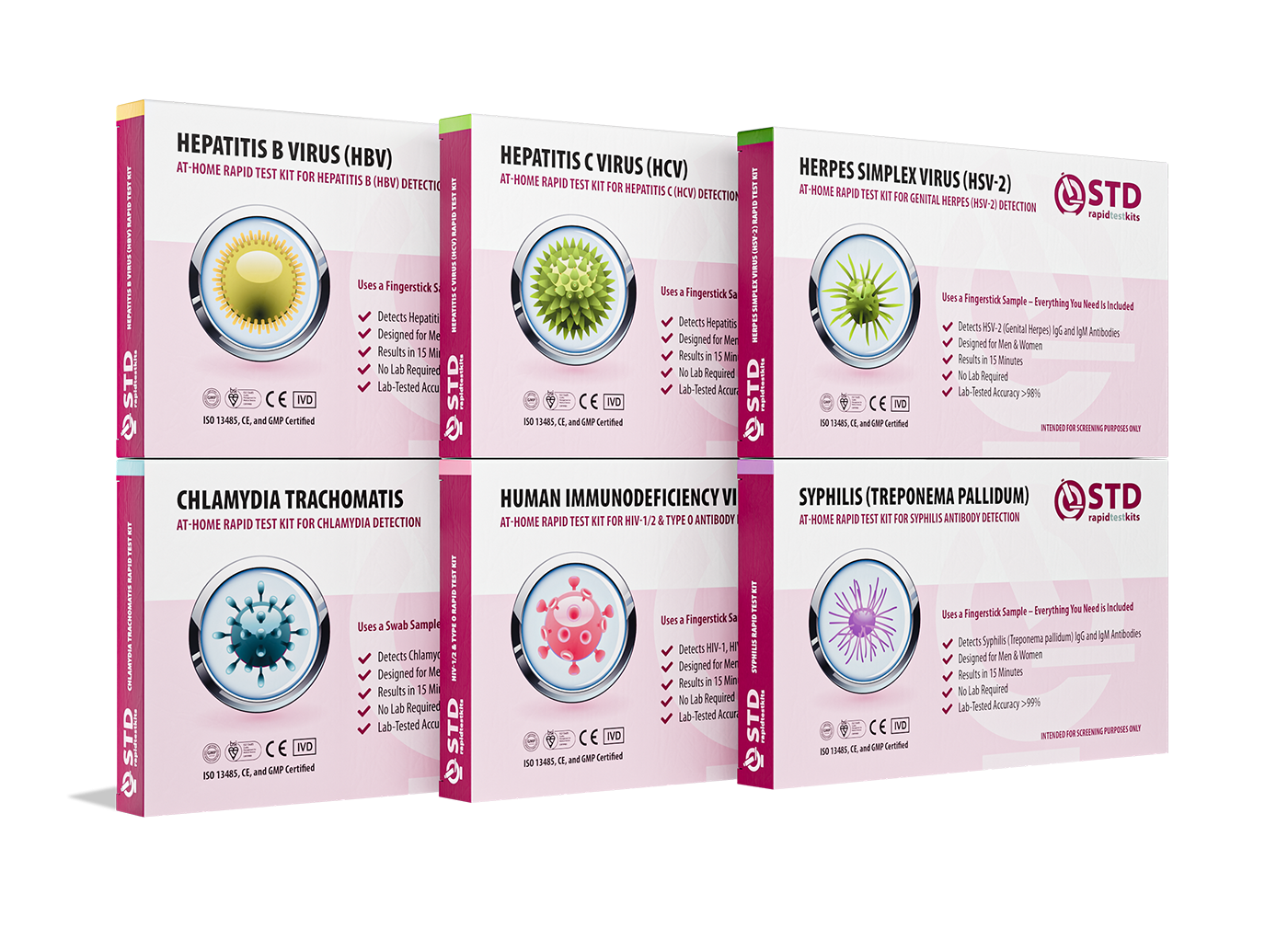 Claim Your Kit TodaySave 60%
 For Men & Women
 Results in Minutes
 No Lab Needed
 Private & Discreet
For all 6 tests
STD Testing: A Couple's Guide
Communicate Openly and Honestly
Begin by explaining why getting tested is so vital and how it will benefit them both. Rebrand it as a step toward ensuring mutual health, rather than a sign of mistrust.
Harmonize Testing Schedules
If you get tested together, you will help each other minimize the feelings of discomfort or embarrassment. You feel more connected as a couple with this mutual commitment.
Consider Testing Options
Go to the clinic together or even have an at-home test kit regarding sexually transmitted diseases. Choose one method that best works for both.
When Should a Couple Go Get Tested?
- When Entering New Relationship: Both partners get tested before engaging in sex.
- On Regular Basis During a Relationship: Testing is recommended once every year even for couples who claim to be monogamous.
- If One Partner Has Been Exposed: If one partner has been exposed to any sexually transmitted infection, then the testing of both partners should be done as soon as possible.

Promoting Routine Check-Ups
Careful partner self-care includes getting tested for sexually transmitted diseases. The following are some of the many reasons couples should often test:
- Stimulates Open Communication: Testing allows free questions to be asked about the present and past relationships and health concerns.
- Maintains Health: The relationship becomes safer and healthier henceforward to both partners, ensuring their continued well-being.
- Promotes a Sense of Security: A sense of confidence and trust are developed when both of you have made conscious steps to look out for each other.
How to Bring Up the Topic of STD Testing with Your Partner
Although it may be awkward, having an open conversation about STD testing with your partner is a critical part of developing trust, staying healthy, and being truthful with one another.
Choose the Right Setting
- Find a quiet, uninterruptible location where you can clear your mind and relax.
- In tense situations, such as arguments, avoid bringing it up.
Frame It as a Mutual Responsibility
Emphasize that testing serves to protect not just one's self but also one's partner, and is not done to create distrust between them. For example: "I feel this is something we should do to protect ourselves from sexually transmitted diseases, and to protect each other."
Have Proof to Support Your Claims
Present statistics or data to put a foundation into this concept of testing. Example: "Do you know that the greater majority of all STDs never appear?"
Discuss the Benefits
Show what to be gained: confidence and decreased anxiety or stress; being concerned for each other's safety. Example: "It's not just about health; it's one way for us to show we care about each other."
Suggest Getting Tested Together
An offer to get tested together minimizes anxiety and promotes the idea of being in it together. Example: "How about we all get tested at the same time? We can support each other and also know our health status."
Normalize Small Talk
Just as everyone goes to the doctor for regular check-ups, everyone should get regularly tested for STDs. Example: "Getting tested for STDs is a normal and necessary thing to do-it's just part of taking care of one's health."
Expect Questions or Resistance
Your partner may be nervous or apprehensive about the test. Be sensitive to their feelings and let them know that you care about them. Example: "This is just one way through which we can ensure we are taking good care of ourselves; I know it is not the most comfortable thing."
Order Now $119.00 $294.00 Check Your STD Status in Minutes
Test at Home with Remedium
6-in-1 STD Test KitClaim Your Kit TodaySave 60%For Men & WomenResults in MinutesNo Lab NeededPrivate & DiscreetFor all 6 tests
FAQs
1.- What are the benefits of frequent testing for STDs among couples?
- Regular testing promotes mutual health.
- Latent diseases become more detectable.
- Trust in the partnership is enhanced.
- It demonstrates responsibility toward yourself and others, taking the first step to avoid health crises.
2.- How often should couples get tested for sexually transmitted diseases?
A couple should be tested once a year or more often if there are changes in sexual activity or suspected exposure. Testing is also advisable before entering into a new sexual relationship.
3.- If a person has an STD, does he/she always have symptoms?
No, most STDs show no symptoms. This emphasizes the need for continued testing even when both partners feel healthy.
4.- How reliable are home test kits for STDs?
Yes, the testing kits available for use at home today are excellent in terms of accuracy, privacy, and convenience. They are a good option if couples prefer to test privately.
5.- Is STD testing necessary for monogamous couples?
Yes, even in monogamous relationships, there is still a risk of latent diseases from previous partners. Confirming each other's health and wellness is the point of testing.
6.- What can be done if one partner tests positive for a sexually transmitted disease screening?
Both partners need to see a doctor as soon as possible. Open communication, treatment, and re-testing are essential to manage the illness and prevent further spread.
7.- Is it true that anyone with multiple partners should be tested for STDs?
No, it’s not limited to those with multiple partners. All sexually active individuals, including those in relationships, should consider regular testing.
8.- Can sexually transmitted disease testing increase a partner's trust?
Yes, regular testing shows care and responsibility, ensuring openness and building trust between partners.
9.- What methods can diagnose sexually transmitted diseases?
Some common STDs diagnosed through testing include HIV, chlamydia, gonorrhea, syphilis, herpes, and HPV.
Testing options depend on the specific disease and test type.
10.- How can couples make STD testing a part of their relationship routinely?
Couples can normalize testing as a shared responsibility. Scheduling tests together, using at-home testing kits, and having open discussions about sexual health are effective strategies.
Take Action Now
One cannot stress how important it is to value your relationship and health. Regular STD testing will not only keep both partners healthy but also improve communication and trust between them.
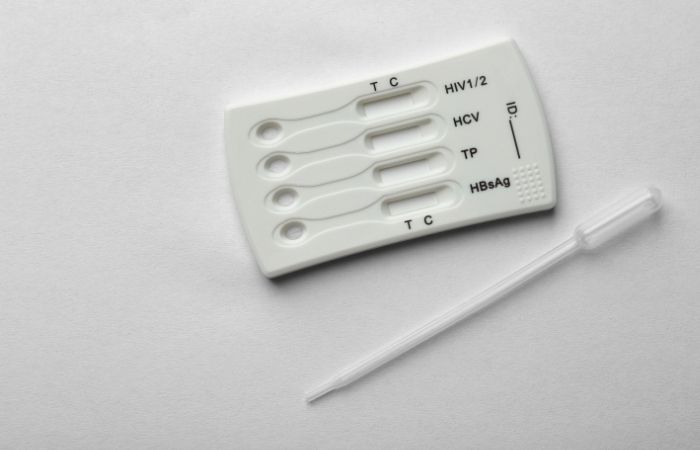
Consider our at-home STD test kits for discreet and hassle-free approaches toward managing your sexual health. You must begin today to make your relationship with your partner much stronger and even safer.
Sources
1.- Understanding the Importance of Regular STD Testing
2.- When and Where to Get STD Testing
3.- The Importance of Regular STD Testing


