






Last updated: April 2026
Noticing a strange tingling, a small bump, or irritation that doesn’t feel quite normal can send your mind into overdrive. Herpes is one of the most searched, and misunderstood, STDs when it comes to early symptoms. This guide breaks down exactly what the first signs look and feel like, what’s actually happening in your body, and when testing gives you real answers.
You’re not alone if your first instinct is to Google every symptom and compare images. The tricky part is that early herpes doesn’t always look dramatic right away. In fact, the earliest signs are often subtle, more about sensation than appearance. Understanding those early cues can save you days (or weeks) of second-guessing.
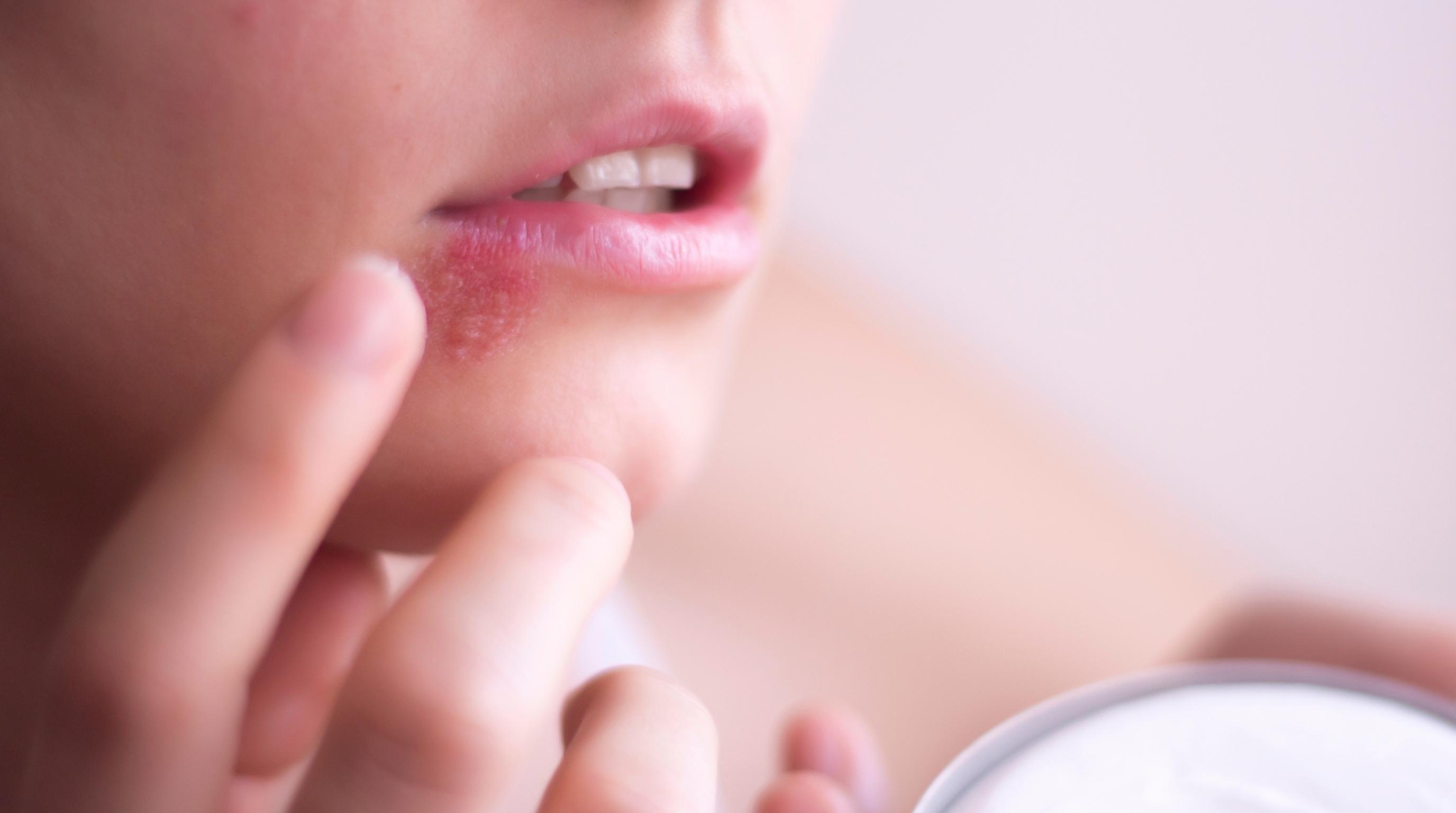
The first signs of herpes usually begin with tingling, itching, or a burning sensation in a specific area, followed by small red bumps that can turn into fluid-filled blisters. These symptoms typically appear between 2 to 12 days after exposure. The timing and progression matter, because that’s what tells you whether testing now will give you a real answer or a misleading one.
People are also reading: Why Syphilis Is Surging, and What No One Is Telling You
What Are the First Signs of Herpes?
Most people expect herpes to start with obvious sores. That’s not how it works. The earliest stage is usually something you feel, not something you see. It often begins with a localized tingling or itching sensation, almost like your skin is “on alert” in one specific spot.
This happens because the herpes simplex virus doesn’t just sit on the skin. After entering the body through tiny breaks in the skin or mucous membranes, it travels along nerve pathways and settles in nearby nerve cells. As it reactivates or begins its first outbreak, it irritates those nerves, creating that signature tingling or burning feeling before anything visible appears.
You might notice this sensation while showering, getting dressed, or even just sitting still. It’s not intense pain at first, it’s more like a persistent awareness that something isn’t right. That subtle shift is often the very first clue your body gives you.
Within a short time frame, sometimes hours, sometimes a day or two, this sensation is followed by visible changes. But catching that early nerve-based signal is key, because it’s what separates herpes from many other skin conditions that don’t involve nerve irritation.
What Herpes Looks Like in the Early Stage
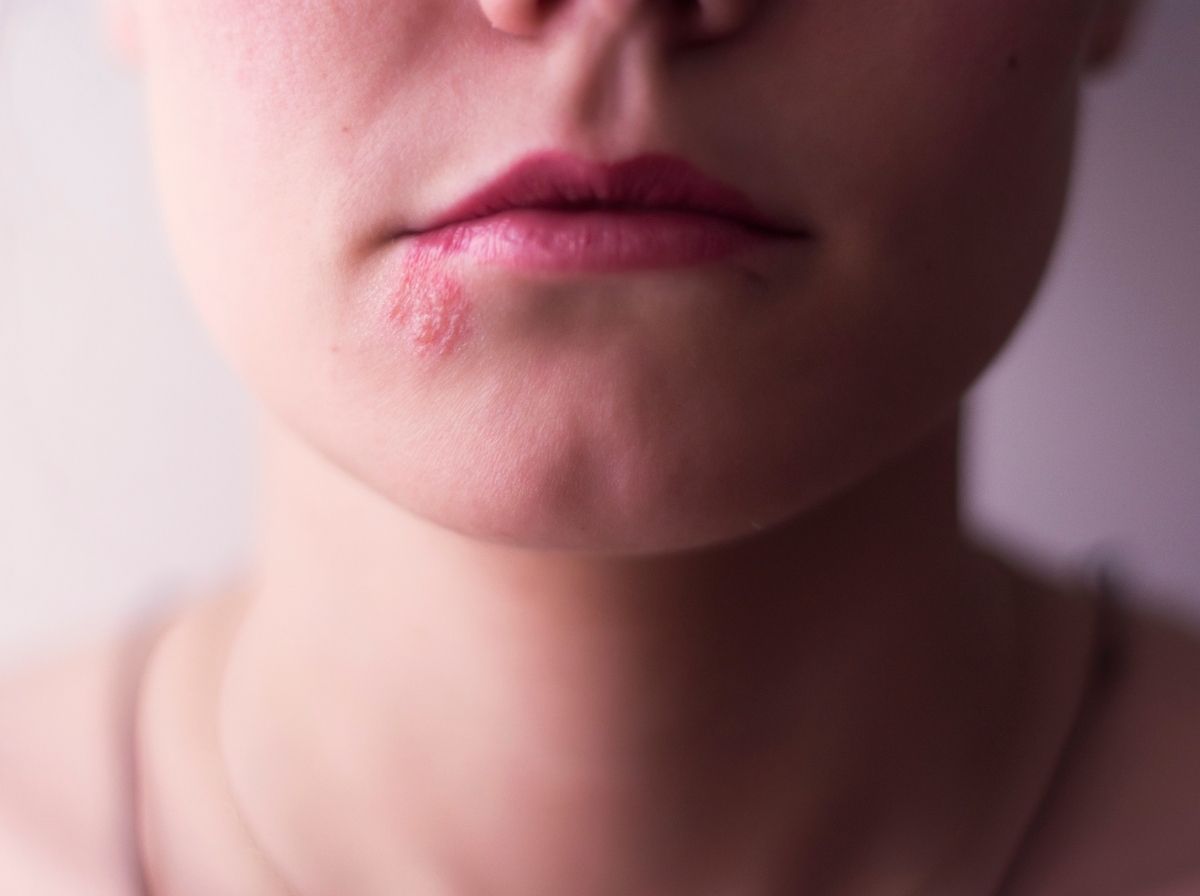
Once herpes becomes visible, it doesn’t usually appear as a single dramatic sore right away. Instead, it starts small. You may see tiny red bumps clustered in one area. These bumps can easily be mistaken for pimples, ingrown hairs, or even mild irritation from shaving or friction.
The way the bumps change is what makes herpes different. Instead of staying solid like a pimple, they often turn into blisters filled with fluid. Most of the time, these blisters are clear or a little cloudy and sit close together. They may break open and form shallow ulcers over time. Eventually, they will crust over and heal.
The location also matters. Herpes tends to appear in areas of direct skin-to-skin contact during sex, genitals, inner thighs, around the anus, or the mouth (for oral herpes). But visually, in the early stage, it can still look deceptively mild.
| Condition | Early Appearance |
|---|---|
| Herpes | Clusters of small red bumps that become fluid-filled blisters |
| Pimple | Single raised bump, often with white or yellow center |
| Ingrown Hair | Red bump with a visible hair trapped underneath |
| Razor Burn | Widespread redness and irritation, not clustered blisters |
Here’s where people get tripped up: early herpes can look completely harmless. It doesn’t always scream “STD.” That’s why relying on appearance alone is unreliable, and often misleading.
If you find yourself zooming in on your skin in the mirror trying to decide whether something is herpes or just irritation, you’re in the exact situation where testing, not guessing, becomes the smarter move.
Check Your STD Status in Minutes
Test at Home with Remedium8-in-1 STD Test Kit
 For Men & Women
 Results in Minutes
 No Lab Needed
 Private & Discreet
Order Now $149.00 $392.00
For all 8 tests
What Herpes Feels Like Before You See Anything
Before any bumps or blisters show up, herpes often announces itself through sensation. This stage is called the “prodrome,” and it’s one of the most distinctive parts of a herpes infection. People describe it as tingling, itching, burning, or even a slight electric sensation under the skin.
This happens because the virus is activating in the nerve endings beneath the skin. Unlike surface-level conditions like acne or razor burn, herpes interacts directly with the nervous system. That’s why the feeling can seem deeper, more specific, and harder to ignore.
You might notice it at random moments, walking, sitting, or even lying in bed trying to fall asleep. It’s not constant pain, but it’s persistent enough to make you check the area more than once. That repeated awareness is often the earliest sign something is developing.
In some cases, this stage also comes with general flu-like symptoms during a first outbreak. That can include fatigue, mild fever, or swollen lymph nodes. Biologically, this is your immune system recognizing the virus for the first time and mounting a response.
What’s important here is timing. That tingling phase can start before visible symptoms by anywhere from several hours to a couple of days. If you test during this phase, results may not yet reflect the infection, which is why understanding the timeline matters as much as recognizing the symptoms.
How Soon Do Herpes Symptoms Appear After Exposure?
This is the question that keeps people up at night: “If something happened a few days ago, would I know by now?” The answer isn’t instant, but it’s also not random. Herpes follows a fairly predictable biological timeline.
For a first-time infection, symptoms typically appear between 2 to 12 days after exposure. That window exists because the virus needs time to enter the body, replicate, and travel along nerve pathways before it triggers visible or physical symptoms. It’s not just sitting on the surface, it’s moving internally before you ever see a bump.
In practical terms, that means if you’re checking your body the very next day and don’t see anything, that doesn’t rule herpes out. At the same time, if symptoms show up within that 2–12 day window, especially with tingling followed by clustered bumps, that pattern becomes much more meaningful.
| Time After Exposure | What’s Happening in Your Body |
|---|---|
| Day 1–2 | Virus enters through skin/mucosa; no symptoms yet |
| Day 2–5 | Virus replicates and travels through nerve cells |
| Day 3–10 | Tingling, itching, or burning may begin (prodrome stage) |
| Day 4–12 | Visible bumps or blisters appear |
Here’s where it gets tricky: not everyone follows this timeline perfectly. Some people have very mild symptoms that go unnoticed. Others may not recognize their first outbreak at all. According to the CDC, a large percentage of people with herpes don’t realize they have it because symptoms can be subtle or mistaken for something else.
This is why relying on symptoms alone can leave you stuck in uncertainty. The timeline gives you clues, but testing is what gives you clarity.
People are also reading: It Was Just One Night, Then the Burning Started
At-Home STD Testing, When and How to Check
If you’re somewhere between “I think this might be herpes” and “I need a real answer,” this is the part that matters most. Testing is the only way to confirm what’s going on, and timing is everything.
For herpes specifically, testing is typically done using a blood test that looks for antibodies your immune system produces in response to the virus. These antibodies don’t appear instantly. Your body needs time to recognize the infection and build a detectable response.
If you test too early, you can get a false negative, not because you’re clear, but because your body hasn’t produced enough antibodies yet. This is one of the biggest sources of confusion people run into.
Here are the exact testing windows you need to follow:
- Chlamydia: test from 14 days after exposure
- Gonorrhea: test from 3 weeks after exposure
- Syphilis: test from 6 weeks after exposure
- HIV: test at 6 weeks for first indicator, retest at 12 weeks for certainty
- Herpes HSV-1 and HSV-2: test from 6 weeks after exposure
- Hepatitis B: test from 6 weeks after exposure
- Hepatitis C: test from 8–11 weeks after exposure
For herpes, that 6-week mark is critical. That’s when antibody levels are high enough for most tests to detect. Testing earlier than that can give you a result that looks reassuring, but isn’t actually reliable.
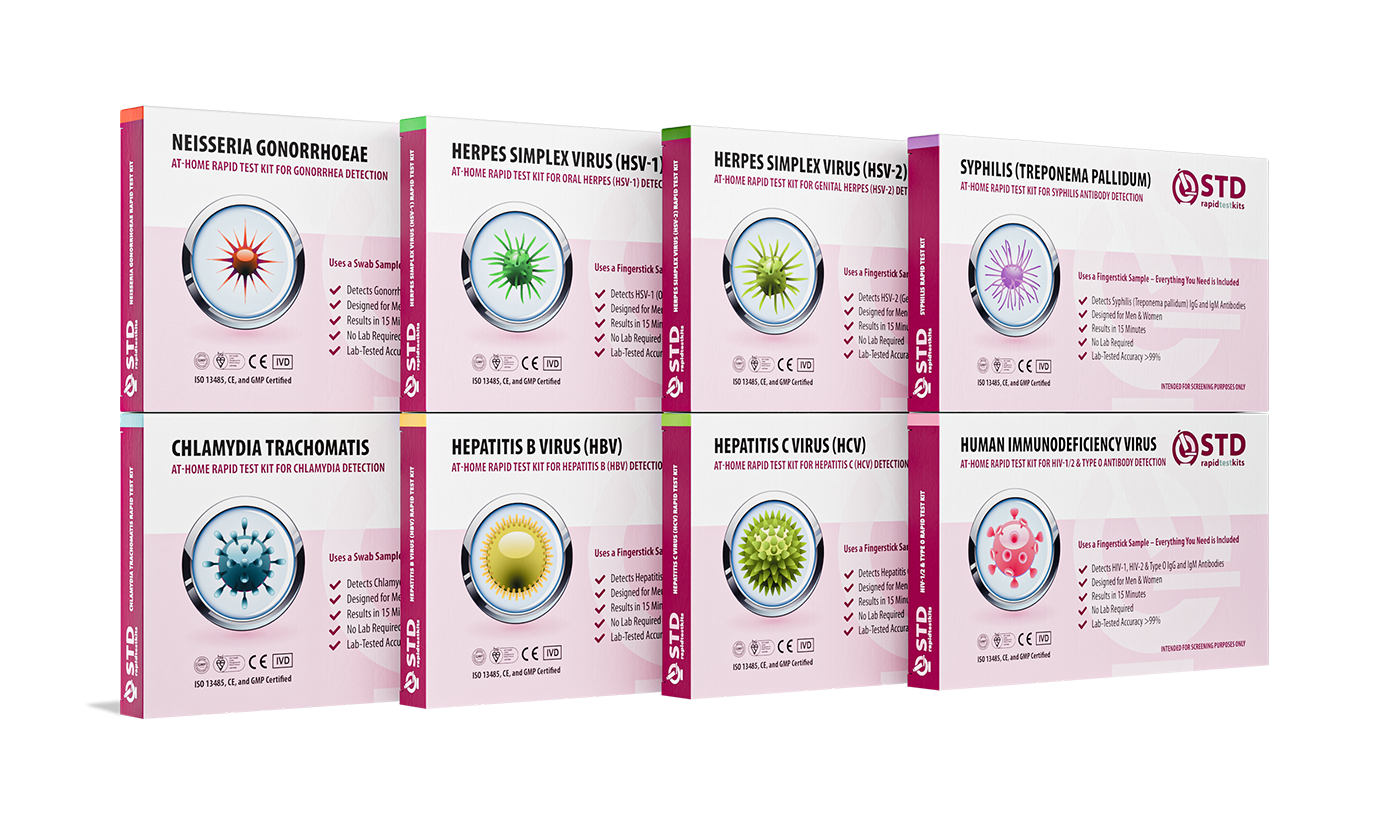
If you’re looking for a discreet way to get answers without waiting for a clinic appointment, at-home kits make this process straightforward. A comprehensive option like the STD combo test kit allows you to check for herpes along with other common infections at the same time, because symptoms often overlap.
If you test after the right amount of time (6 weeks for herpes) and get a negative result, it means that no antibodies were found. In simple terms, your body is not showing any signs of infection at that time. The result may not be clear if you tested less than six weeks ago.
What a positive result means: A positive herpes blood test indicates that your body has produced antibodies to HSV-1 or HSV-2. That confirms exposure and infection at some point. It does not necessarily tell you when you got it, but it does give you a clear answer about your status.
If you took your first test less than six weeks ago, you should take it again at or after six weeks. The immune system needs time to make enough antibodies for them to be seen. Retesting makes sure that the results are correct instead of guessing.
The bottom line: testing too early creates confusion. Testing at the right time gives you clarity, and that’s what actually helps you move forward.
Can You Have Herpes Without Knowing?
Yes, and this is one of the most important (and honestly surprising) things about herpes. A large number of people who have herpes don’t recognize their first outbreak, or they never notice symptoms at all. That’s not because the virus isn’t active, it’s because the symptoms can be so mild or easily mistaken for something else.
Biologically, herpes doesn’t always cause aggressive skin reactions. After the virus enters your body and settles in nearby nerve cells, it can remain relatively quiet or produce very subtle signs. Instead of obvious blisters, someone might experience mild irritation, slight redness, or a feeling they brush off as friction, shaving sensitivity, or a random skin issue.
This is where a lot of confusion starts. You might think, “I would definitely know if I had herpes.” In reality, many people don’t, especially during their first exposure. According to the World Health Organization (WHO), most herpes infections are either asymptomatic or go unrecognized.
There’s also something called viral shedding. This means the virus can be active on the skin, even without visible sores, and potentially be transmitted to a partner. That’s why someone can pass herpes without realizing they have it.
If you’re in that uncertain space, no clear symptoms, but a possible exposure, this is exactly where testing becomes less about reacting to symptoms and more about getting clarity.
Check Your STD Status in Minutes
Test at Home with RemediumGenital & Oral Herpes Test Kit
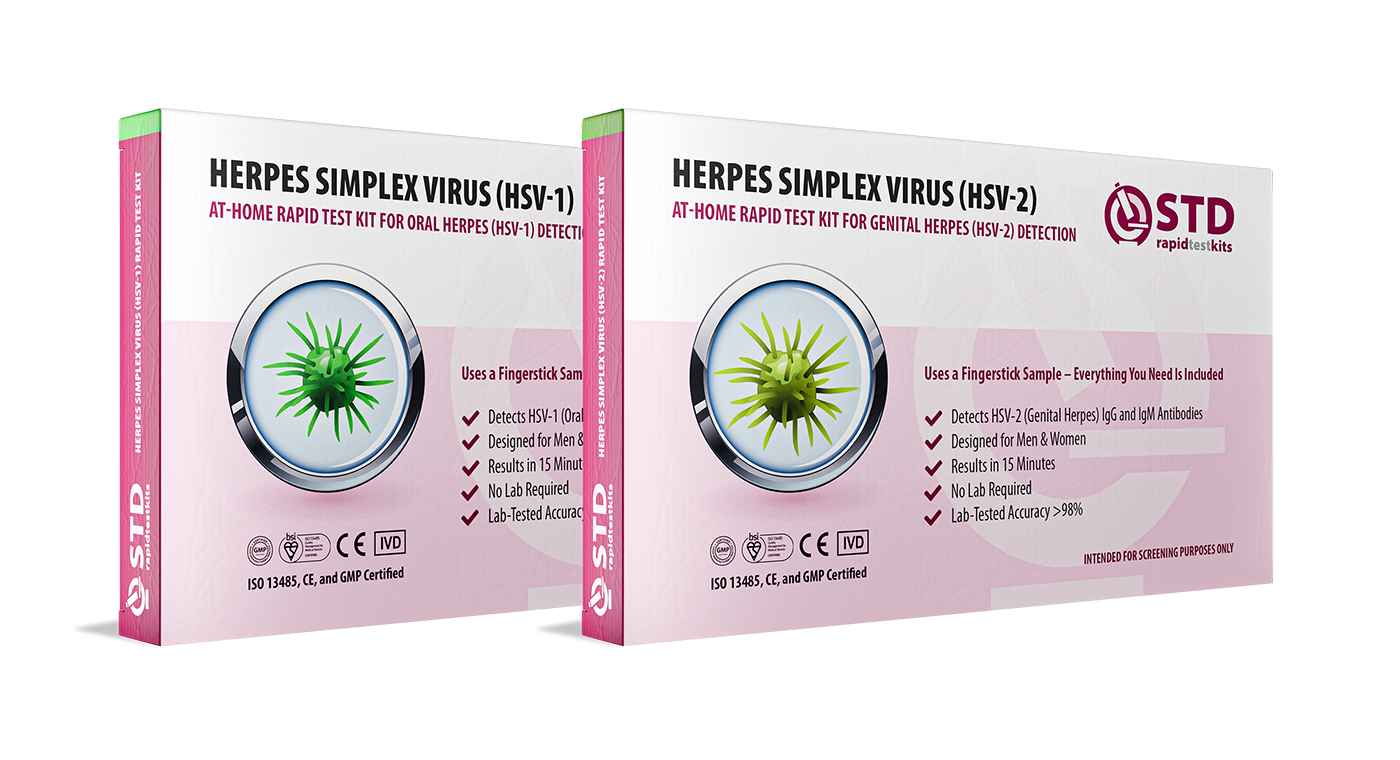 For Men & WomenResults in MinutesNo Lab NeededPrivate & Discreet
Order Now $75.00 $98.00
For all 2 tests
What to Do If You Think It’s Herpes
If you’re looking at your skin right now wondering, “Is this herpes?”, you’re not alone. This is one of the most common moments that brings people to articles like this. The key is to move from guessing to understanding what your next step actually is.
First, pause the urge to self-diagnose based on appearance alone. Early herpes can look like several other things, and even experienced clinicians don’t rely on visual inspection alone to confirm it. That mental loop of comparing images online rarely leads to a clear answer, it usually just increases anxiety.
Instead, focus on two things: timing and symptoms together. If you’ve had a recent exposure within the past 2–12 days and you’re noticing tingling followed by clustered bumps or blisters, that pattern matters. It doesn’t confirm herpes, but it does make testing the logical next step.
If you’re still within the early window (under 6 weeks), the smartest move is to note your symptoms and plan your test at the right time. Testing too early can give you a false sense of relief, which is often worse than waiting a bit longer for an accurate answer.
If you’re already at or past the 6-week mark, this is your moment to get clarity. Using a reliable at-home option like the STD combo test kit allows you to check for herpes and other infections privately and quickly, without the stress of scheduling appointments or waiting rooms.
This is your chance to get clear if you're already at or past the six-week mark. You can check for herpes and other infections quickly and privately at home with a reliable option like the STD combo test kit. You won't have to worry about making appointments or waiting in line.
If your test comes back positive, it's important to know what that means: herpes is common, can be managed, and many people live with it without it affecting their health or relationships. The goal is not to panic, but to be clear and know what to do next.
Does Herpes Stay Forever, and Is It Serious?
This is usually the next question that hits right after someone suspects herpes: “If this is herpes, what does that mean long-term?”
Once herpes gets into your body, it stays in your nerve cells for the rest of your life. But that doesn't mean that symptoms will always be there or that outbreaks will keep happening. In fact, after the first infection, a lot of people have fewer and less severe outbreaks over time, or none at all.
The reason is that your immune system changes over time. Your body makes a certain immune response the first time you get sick that keeps the virus from spreading. The virus can come back to life from time to time, but these times are usually shorter, less severe, and even hard to notice.
In terms of seriousness, herpes is not considered a dangerous condition for most healthy adults. It does not damage internal organs, and it does not progress into more severe diseases in typical cases. The real impact tends to be psychological, stress, uncertainty, and stigma, rather than physical harm.
That being said, it's important to know what your status is. If you know you have herpes, you can make smart choices about your health and the health of your partners. It changes something that is unclear into something that is easy to handle, and that change alone can make a big difference.
If you’ve been stuck in the cycle of “maybe it is, maybe it isn’t,” the most powerful move you can make is to get a definitive answer. Because once you know, everything else becomes clearer.
At this point, you’ve seen how herpes starts, how it progresses, and when testing actually works. The next step is simple: if there’s doubt, test at the right time. That’s how you move from guessing to knowing, and from anxiety to control.
FAQs
1. What are the very first signs of herpes?
It usually doesn’t start with dramatic sores like people expect. Most people notice a weird tingling, itching, or slightly burning patch of skin first, like something is “about to happen” in that exact spot. Then within a day or two, small bumps or blisters can show up. That early sensation is your biggest clue.
2. Can herpes start with just itching and no sores?
Yes, and this is where a lot of people get thrown off. You can feel something off (itching, tingling, sensitivity) without seeing anything yet. Some people even dismiss it as friction or irritation, only realizing later it was the early stage of an outbreak.
3. How do I know if a bump is herpes or just a pimple?
This is the classic spiral. The biggest difference? Herpes tends to show up in clusters and often follows that tingling phase. Pimples are usually оди single bumps with a white center and no nerve-related sensation beforehand. If you’re staring in the mirror trying to decode it, that’s usually your sign to test instead of guess.
4. How soon after exposure do herpes symptoms show?
Most first outbreaks show up between 2 to 12 days after exposure. That’s the time your body needs for the virus to replicate and travel through your nerve pathways. So if you’re checking yourself the next morning, totally normal instinct, but it’s usually too early to see anything yet.
5. Can herpes show up overnight?
It can feel like it does. You go to bed fine, wake up, and suddenly there’s a bump or irritation. But behind the scenes, the virus has already been active for several days. What you’re seeing is just the moment it becomes visible.
6. When should I get tested for herpes?
The key number is 6 weeks after exposure. That’s when your body has produced enough antibodies for a blood test to detect. Testing earlier might feel proactive, but it can give you a false negative, which is way more confusing than helpful.
7. What does a negative herpes test actually mean?
If you test at or after 6 weeks and it’s negative, that’s a strong sign you don’t have herpes. If you tested earlier, though, it’s more like a “not yet detectable” result, not a final answer. Timing really is everything here.
8. What happens if I test positive?
First, take a breath. A positive result means your body has been exposed and developed antibodies. It doesn’t tell you exactly when it happened, and it doesn’t mean your life suddenly changes overnight. It just gives you clarity so you can move forward with real information instead of uncertainty.
9. Can you have herpes and never notice it?
Yes, and it’s more common than people think. Some people have such mild symptoms that they never connect the dots, or they mistake it for something else entirely. That’s part of why herpes spreads easily, people often don’t realize they have it.
10. Is herpes actually a big deal health-wise?
For most people, it’s not physically dangerous. It doesn’t damage your body long-term or turn into something more serious. What throws people off is the stigma and the uncertainty, not the medical impact. Once you understand it, it becomes a lot less overwhelming.
Take Control of Your Sexual Health
If you’ve made it this far, you already know more than most people Googling herpes symptoms at 2 AM. The biggest takeaway is simple: symptoms can guide you, but only testing gives you a real answer. And timing that test correctly is what makes the difference between clarity and confusion.
If you’re ready to stop guessing, a reliable option like the STD combo test kit allows you to check for herpes along with other common infections in one step. If your concern is more specific, you can also explore targeted options on the single STD tests page. Everything is designed for privacy, speed, and straightforward results.
Prefer to browse all options first? Visit the STD Rapid Test Kits homepage and choose what fits your situation best. Peace of mind is one test away, and it’s always better to know than to keep wondering.
How We Sourced This: Our article was constructed based on current advice from the most prominent public health and medical organizations, and then molded into simple language based on the situations that people actually experience, such as treatment, reinfection by a partner, no-symptom exposure, and the uncomfortable question of whether it “came back.” In the background, our pool of research included more diverse public health advice, clinical advice, and medical references, but the following are the most pertinent and useful for readers who want to verify our claims for themselves.
Sources
NCBI, Herpes Simplex Virus Clinical Overview
CDC, STI Treatment Guidelines: Herpes
Harvard Health Publishing — Genital Herpes
About the Author
Dr. F. David, MD is a board-certified infectious disease specialist focused on STI prevention, diagnosis, and treatment. He writes with a direct, sex-positive, stigma-free approach designed to help readers get clear answers without the panic spiral.
Reviewed by: Rapid STD Test Kits Medical Review Team | Last medically reviewed: April 2026
This article is for informational purposes and does not replace medical advice.


