





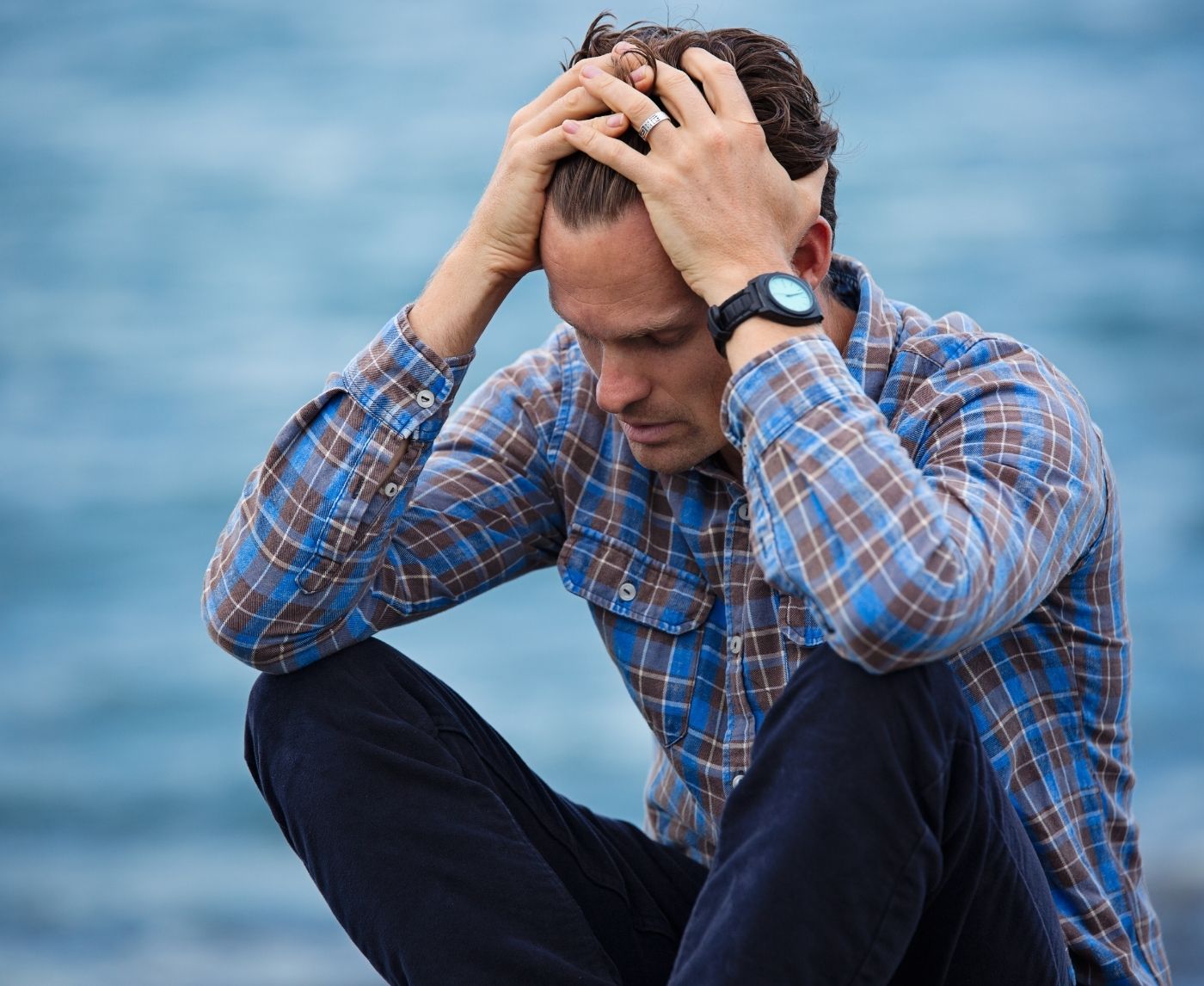

Quick Answer: Stress triggers herpes outbreaks by weakening immune control over the virus. When your body is overwhelmed, emotionally or physically, HSV can reactivate, leading to a flare-up.
What Stress Actually Does Inside Your Body (And Why Herpes Pays Attention)
Stress isn’t just a feeling, it’s a full-body biological event. When you’re under pressure, your body releases hormones like cortisol and adrenaline. These are designed to help you survive short-term threats, not long-term burnout.
The problem is that herpes doesn’t care why your immune system is distracted. It just notices that it is. HSV lives quietly in your nerve cells, held in check by your immune system. But when stress hormones stay elevated, immune efficiency drops.
That drop doesn’t mean your body is failing. It means your body is prioritizing. It’s trying to deal with what it sees as the most urgent threat. Herpes takes advantage of that temporary shift.
“I always thought it was coincidence,” one patient shared. “But every time work got intense, I’d get an outbreak a few days later. It wasn’t random, it was a pattern.”
And that pattern is something you can learn to recognize.
This Isn’t Just “Emotional”, Physical Stress Counts Too
When people hear “stress,” they often think about anxiety or emotional overwhelm. But your body doesn’t separate emotional stress from physical stress. To your immune system, it’s all the same signal: strain.
That means multiple things can stack together and increase your risk of a flare-up:
| Type of Stress | What It Does to Your Body | Why It Triggers HSV |
|---|---|---|
| Emotional stress | Raises cortisol, disrupts sleep | Weakens immune suppression |
| Lack of sleep | Reduces immune recovery | Lowers resistance to reactivation |
| Illness (cold/flu) | Diverts immune resources | Creates opportunity for HSV |
| Overexertion | Physically drains the body | Reduces immune efficiency |
So if you’re stressed, sleeping poorly, and getting sick at the same time, that’s not three separate triggers. That’s one compounded window where herpes is more likely to reactivate.

People are also reading: Can You Test for Oral STDs at Home? Here’s What to Know
Why Some People Flare Up During Stress, and Others Don’t
This is where people start comparing themselves, and usually unfairly.
You might know someone who has herpes and barely gets outbreaks, even during stressful times. Meanwhile, you notice a pattern every time your life gets chaotic. That difference doesn’t mean your body is weaker, it means your trigger threshold is different.
Several factors influence how your body responds:
| Factor | Impact |
|---|---|
| Time since infection | Outbreaks often decrease over time |
| Immune system baseline | Stronger baseline = better suppression |
| Trigger stacking | Multiple stressors increase risk |
| Sleep quality | Directly affects outbreak frequency |
“I thought I was doing something wrong,” another patient said. “But once I tracked it, it was always the same, bad sleep, high stress, then boom.”
This isn’t randomness. It’s a pattern your body repeats until you notice it.
The Part No One Says Out Loud: It’s Not Your Fault
There’s a quiet kind of guilt that comes with stress-triggered outbreaks. People think, “If I just handled stress better, this wouldn’t happen.” That belief sticks harder than it should.
But here’s what matters: stress is not a personal failure. It’s a biological state. Your nervous system, hormones, and immune system are reacting exactly the way they were designed to.
Herpes responding to that isn’t a reflection of your choices or your discipline. It’s a reflection of how viruses behave when the immune system is temporarily stretched.
Understanding that shift, from blame to biology, is where things start to change.
How Stress Turns Into an Actual Outbreak (The Timeline Most People Miss)
One of the most confusing parts about stress-triggered herpes outbreaks is timing. It rarely happens instantly. You don’t feel stressed at 2 PM and see a sore at 3 PM. There’s usually a delay, and that’s where people lose the connection.
Here’s what’s typically happening behind the scenes: your body enters a stressed state, cortisol rises, sleep quality drops, and your immune system shifts focus. Over the next few days, HSV senses that shift and begins reactivating along the nerve pathways.
By the time you notice symptoms, the trigger has already happened. That’s why it can feel like outbreaks come out of nowhere.
| Stage | What’s Happening |
|---|---|
| Day 1–2 | Stress increases, sleep or immune function dips |
| Day 2–4 | HSV begins reactivation in nerve cells |
| Day 3–5 | Early symptoms: tingling, itching, sensitivity |
| Day 4–7 | Visible outbreak develops |
This delay is actually useful. If you can recognize early warning signs, like tingling or unusual sensitivity, you have a window where you can act early.
What “Early Signs” Feel Like Before a Stress Triggered Flare-Up
Most people don’t get surprised by outbreaks forever. Over time, your body starts giving you signals. They’re subtle at first, but once you notice them, they become predictable.
These early signs, called prodrome symptoms, are your body’s way of saying something is about to happen.
- Tingling: A light buzzing or electric sensation under the skin
- Itching: Not intense, but persistent and localized
- Sensitivity: Skin feels irritated before anything is visible
- General fatigue: Your body feels slightly “off” overall
“It always starts with this weird itch I can’t explain,” one person said. “Once I feel that, I already know what’s coming.”
Catching this stage is one of the most effective ways to reduce the severity, or even stop, an outbreak before it fully develops.
Check Your STD Status in Minutes
Test at Home with Remedium7-in-1 STD Test Kit
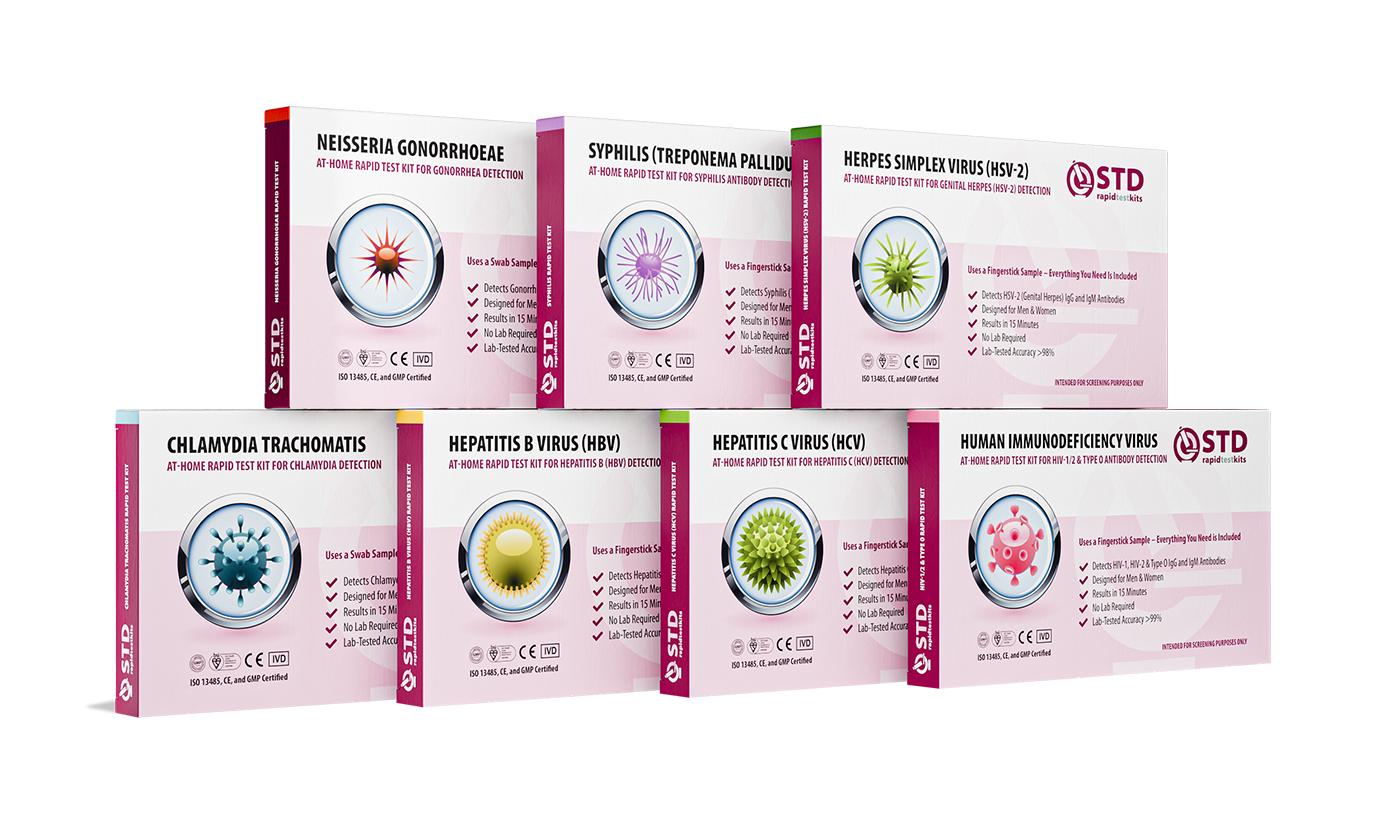
 For Men & Women
 Results in Minutes
 No Lab Needed
 Private & Discreet
Order Now $129.00 $343.00
For all 7 tests
How to Stop or Reduce Stress-Triggered Outbreaks (What Actually Helps)
You can’t eliminate stress completely. That’s not realistic, and honestly, it’s not necessary. What matters is how your body handles it, and how quickly you support it when stress hits.
The goal isn’t perfection. It’s buffering the impact so your immune system stays strong enough to keep HSV suppressed.
Here’s what actually makes a difference:
| Strategy | Why It Works |
|---|---|
| Prioritize sleep | Restores immune balance and lowers cortisol |
| Hydration + nutrition | Supports immune response under stress |
| Early antiviral use | Stops viral replication during early stage |
| Stress management habits | Reduces frequency of immune dips |
This doesn’t mean you need to overhaul your life overnight. Sometimes it’s as simple as recognizing when you’re entering a high-stress period and adjusting early, before your body has to compensate.
A Small Shift That Changes Everything: Track, Don’t Guess
Most people rely on memory when trying to figure out their triggers. The problem is, memory is unreliable, especially when stress is involved.
Tracking changes that. When you start writing down when outbreaks happen, and what was going on in your life right before, you begin to see patterns clearly.
It doesn’t have to be complicated. A simple note in your phone can be enough:
- Sleep: How much you got that week
- Stress level: Low, moderate, high
- Illness: Any cold, fatigue, or symptoms
- Timing: When the outbreak started
After a few cycles, most people notice the same thing: it’s not random at all. It’s predictable.
And once something becomes predictable, it becomes manageable.
When It’s Worth Getting Tested or Double-Checking Symptoms
Not every bump, irritation, or skin change is automatically herpes, even if you’ve had it before. Stress can also trigger other skin reactions, including irritation, friction-related issues, or unrelated infections.
If something feels different than your usual pattern, different location, different sensation, or longer healing time, it’s worth confirming what you’re dealing with.
That’s where testing comes in. It removes the guesswork.
Take back control of your health. Get clear answers with a discreet at-home STD test that helps you understand exactly what’s going on without waiting weeks or dealing with uncertainty.
If you want broader coverage, a combo STD home test kit can check for multiple infections at once, especially helpful if symptoms aren’t clear.
Because the worst part for most people isn’t the outbreak, it’s not knowing.
Why “Just Relax” Isn’t a Real Solution (And What Actually Works Instead)
People love to say “just relax” when stress is involved. It sounds simple, but it completely misses the point. Stress isn’t something you can switch off like a light, it’s something your body processes whether you want it to or not.
And when herpes is involved, that advice can feel even worse. It turns a biological response into something that feels like a personal responsibility. Like if you were calmer, this wouldn’t be happening.
That’s not how this works. The goal isn’t eliminating stress, it’s reducing how hard it hits your system when it shows up.
“I kept trying to ‘manage stress better,’” one patient explained. “But what actually helped was recognizing when I was entering a stressful period and taking care of my body earlier.”
That shift, from control to awareness, is where things start to feel different.

People are also reading: You Didn’t Kiss It Goodbye Oral Chlamydia Is a Real Thing
What Actually Lowers Your Risk During High-Stress Periods
Instead of trying to avoid stress completely, think of this as building a buffer. When stress hits, your body doesn’t fall as hard, and herpes is less likely to reactivate.
These aren’t extreme changes. They’re small, consistent adjustments that protect your immune system when it needs it most.
| Habit | What It Protects | Why It Matters |
|---|---|---|
| Consistent sleep schedule | Immune recovery | Prevents cortisol spikes from stacking |
| Eating regularly | Energy + immune support | Keeps body from entering stress mode |
| Short recovery breaks | Nervous system balance | Reduces prolonged stress exposure |
| Early antiviral response | Viral activity | Stops escalation before symptoms worsen |
Notice what’s not here: perfection. You don’t need a flawless routine. You need consistency during the moments that matter most.
When Stress, Sleep, and Illness Collide (The Perfect Storm Scenario)
This is where outbreaks feel the most frustrating, when everything stacks at once. You’re stressed, not sleeping well, maybe starting to feel sick, and your body is stretched thin across multiple fronts.
That combination creates what many people describe as a “guaranteed outbreak window.” Not because anything is inevitable, but because your immune system is juggling too many priorities at once.
“It’s never just one thing,” someone shared. “It’s always when I’m stressed, not sleeping, and getting run down. That’s when it hits.”
Recognizing this pattern is powerful. Because instead of reacting after the outbreak appears, you can step in earlier, when your body first starts shifting.
You’re Not “Causing” This, You’re Noticing It
There’s a difference between causing something and recognizing what triggers it. That difference matters more than people realize.
Stress doesn’t create herpes. It reveals when your body is under pressure. The outbreak is a signal, not a failure. It’s your immune system showing you its limits in real time.
Once you understand that, the entire experience changes. You stop seeing outbreaks as random or self-inflicted. You start seeing them as patterns, patterns you can work with.
And that’s where control actually begins.
Check Your STD Status in Minutes
Test at Home with Remedium6-in-1 STD Test Kit
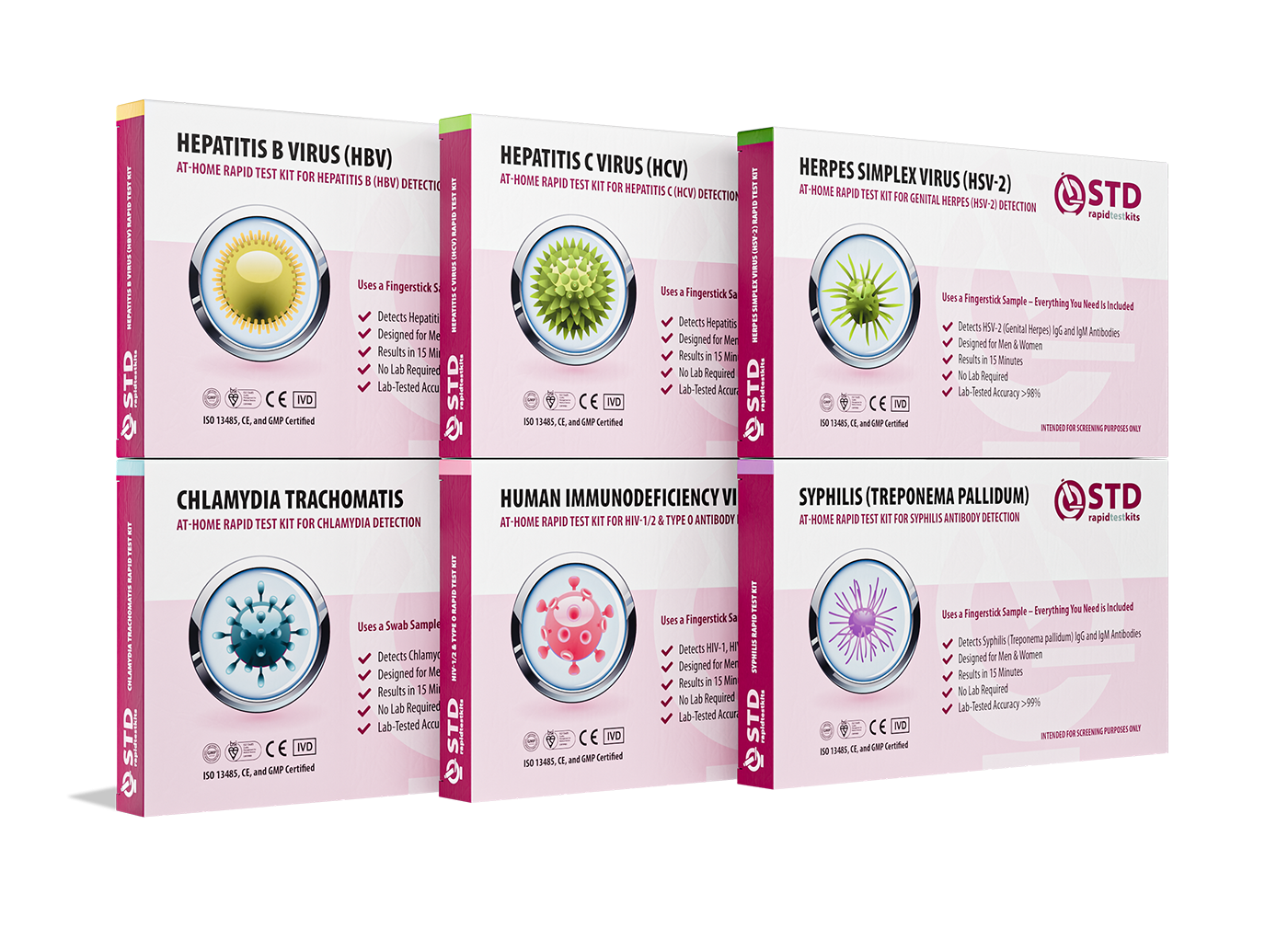 For Men & WomenResults in MinutesNo Lab NeededPrivate & Discreet
Order Now $119.00 $294.00
For all 6 tests
When It’s Not Just Stress: Knowing When Something Else Is Going On
Not every outbreak that shows up during a stressful time is purely about stress. That’s where things can get confusing. Your body doesn’t label causes, it just reacts, and sometimes multiple triggers overlap in ways that are easy to miss.
For example, stress often quietly changes your habits. You might sleep less, eat irregularly, drink more caffeine, or push through early signs of illness. On the surface, it feels like “just stress,” but underneath, your body is dealing with a combination of factors that all affect immune function at once.
This is why two stressful weeks don’t always produce the same outcome. One might pass without symptoms, while another leads to a flare-up. The difference usually isn’t the stress itself, it’s what came with it.
“I thought stress was the trigger every time,” one patient explained. “But when I looked closer, it was stress plus no sleep plus getting run down. That’s when it actually happened.”
There’s also another layer people don’t always consider: not every irritation is herpes. Friction, shaving, yeast infections, and general skin sensitivity can all show up during stressful periods too. Stress can make your skin more reactive overall, not just trigger HSV.
If something looks or feels different than your usual pattern, longer healing time, different sensation, or a new location, it’s worth pausing before assuming. Patterns matter here. The more familiar you are with your typical outbreaks, the easier it is to spot when something doesn’t match.
That’s where clarity comes in. Instead of guessing or spiraling, you can confirm what’s happening and move forward with confidence. Because the real goal isn’t to overanalyze every symptom, it’s to understand your body well enough that you’re not caught off guard.
FAQs
1. So… can stress really trigger a herpes outbreak, or is that just something people say?
Yeah, it’s real. Not in a “stress magically creates herpes” way, but in a “your immune system is busy and the virus takes advantage” way. Think of it like your body being distracted, HSV just uses that moment.
2. Why does it always seem to happen right when life gets overwhelming?
Because your body doesn’t separate emotional stress from physical strain. Breakups, deadlines, lack of sleep, it all stacks. By the time things feel overwhelming mentally, your immune system has usually already been under pressure for days.
3. How fast can stress turn into an actual outbreak?
Usually not instantly. Most people notice symptoms a few days after the stressful period starts, not during the peak of it. That delay is why it can feel random, until you start connecting the dots.
4. Is anxiety enough to trigger it, even if nothing “big” is happening?
It can be. Ongoing anxiety keeps your body in a low-level stress state, even if your life looks calm on the outside. Your nervous system stays activated, and over time, that can be enough to tip the balance.
5. Why do I feel like I get outbreaks more than other people?
You’re probably just more aware of your triggers, or your body reacts more quickly when stress hits. Some people need multiple stressors stacked together, while others only need one. Neither is “better” or “worse,” just different wiring.
6. Is there a way to stop an outbreak once I feel that tingling?
Sometimes, yeah. That early tingling phase is your warning sign, and it’s actually useful. If you act quickly, rest, hydrate, and use antivirals if you have them, you can often make it shorter or less intense.
7. Do stress-related outbreaks feel worse than normal ones?
They can feel more intense, mostly because your body is already run down. It’s like getting sick when you’re exhausted, it just hits harder. But it doesn’t necessarily mean the outbreak itself is medically worse.
8. What if I’m doing everything “right” and still getting outbreaks?
Then it’s not about doing something wrong. Sometimes your body just has a lower tolerance for stress, or your triggers are harder to avoid. This isn’t a discipline issue, it’s biology playing out in real time.
9. How do I actually figure out what’s triggering mine?
Patterns beat guessing every time. Pay attention to what’s happening in the few days before each outbreak, sleep, stress, illness, even travel. After a couple of cycles, it usually becomes obvious.
10. Be honest, am I causing this by being stressed?
No. You’re not causing it, you’re experiencing a normal body response. Stress is unavoidable, and herpes reacting to it is just part of how the virus behaves. Blame doesn’t belong anywhere in this equation.
You Deserve Clarity, Not Guesswork
Stress-triggered outbreaks can feel personal. They show up during the exact moments you’re already stretched thin, which makes it easy to assume you did something wrong. But this isn’t about failure, it’s about how your body manages pressure.
Once you understand your patterns, things shift. You start recognizing the early signals, supporting your body sooner, and reducing how hard those flare-ups hit. It’s not about eliminating stress, it’s about not letting it catch you off guard.
Don’t wait and wonder. If something doesn't seem right or is even a little different from what you usually do, use a Combo STD Home Test Kit to find out for sure. It's private, quick, and gives you real answers instead of making you guess late at night.
How We Sourced This Article: This article is based on reliable public health advice about the herpes simplex virus (HSV) and research on how stress can weaken the immune system and cause outbreaks. We read studies about cortisol and the immune system, but we also paid close attention to how outbreaks happen in real life, based on what patients have said, not just what we read in books. The goal is simple: explain what’s really happening in a way that feels clear, honest, and useful.
Sources
1. Centers for Disease Control and Prevention – Genital Herpes Fact Sheet
2. Mayo Clinic – Genital Herpes Overview
4. World Health Organization – Herpes Simplex Virus
5. PubMed – Stress and Immune Function Research
6. Planned Parenthood – Herpes Overview
About the Author
Dr. F. David, MD is a board-certified infectious disease specialist focused on STI prevention, diagnosis, and treatment. He combines clinical accuracy with a direct, sex-positive approach that prioritizes clarity, privacy, and patient empowerment.
Reviewed by: Michael R. Levin, MD, Infectious Disease Specialist | Last medically reviewed: March 2026
This article is for informational purposes and does not replace medical advice.


