Offline mode
You Didn’t Kiss It Goodbye Oral Chlamydia Is a Real Thing

You Didn’t Kiss It Goodbye Oral Chlamydia Is a Real Thing

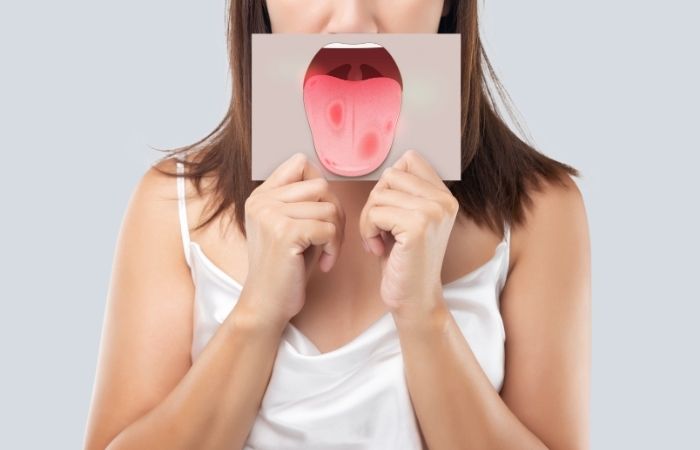
It started as a sore throat that wouldn't quit. You swore it felt like strep, but the rapid test came back negative. No fever, no swollen glands, just this weird rawness in the back of your throat, and the timing was suspicious. The night before it started, you'd hooked up with someone. It was only oral. No penetration, no condom. Just “safe stuff.” Or so you thought. Here’s the truth: oral chlamydia is real, surprisingly common, and rarely talked about. You don’t have to have vaginal or anal sex to get an STD. And you absolutely can get chlamydia from giving or receiving oral, especially when the infection hides in the throat with few or no obvious signs.
26 October 2025
17 min read
847

Quick Answer: Oral chlamydia spreads through unprotected oral sex and often causes no symptoms. It can be mistaken for a sore throat or strep and is not always included in routine STD testing unless specifically requested.

This Is for Anyone Who’s Wondering: “Wait… Can I Get an STD From That?”


Maybe you’re here because your throat’s been sore for a week and no one's giving you answers. Maybe your last STD panel came back negative, but you didn’t feel totally reassured. Maybe you gave head at a party, didn’t think twice, and now you’re Googling weird symptoms at 2AM.

We wrote this for you. For the people who’ve been told oral sex is “safe enough,” who didn’t realize their standard clinic test didn’t include a throat swab. For the folks who are scared to ask their doctor for one. For everyone who’s feeling something but being told it’s probably nothing.

This guide will break down the signs of oral chlamydia, how it spreads, why it gets missed, and how to get tested, especially at home. No shame. Just clarity.

When a Sore Throat Isn’t “Just a Sore Throat”


Here’s what makes oral chlamydia so sneaky: most people have no idea they’re infected. Studies show up to 80% of oral chlamydia cases are asymptomatic. That means no redness, no pain, no swelling, just silence. But for those who do get symptoms, the most common one is a persistent sore throat that doesn’t respond to typical treatment.

Ty, 24, thought he had allergies. “My throat just felt dry all the time. No fever, no white spots, just this scratchy thing that wouldn't go away,” he shared. “I kept taking allergy meds and lozenges. It never even occurred to me it could be an STD.” Ty had given oral sex to a new partner a month earlier. A friend later pushed him to get tested, including a throat swab, and that’s when he got the answer.

Throat chlamydia rarely causes a full-blown infection you can see or feel in the same way as genital chlamydia. But it can still be transmitted, especially through unprotected oral sex, both giving and receiving. And if untreated, it can linger for months, spreading silently.

People are also reading: Can an STD Shrink Your Balls?

Table 1: Oral Chlamydia vs Common Lookalikes


Condition Shared Symptoms Unique Clues Test Needed
Oral Chlamydia Sore throat, mild redness No fever, doesn’t respond to strep treatment, recent oral sex NAAT throat swab (not routine)
Strep Throat Severe pain, white patches Fever, swollen glands, very sore swallowing Rapid strep test
Oral Thrush White coating, discomfort Fungal smell, sometimes after antibiotics Visual diagnosis or culture
Mono (EBV) Fatigue, sore throat Extreme exhaustion, swollen spleen Monospot blood test

Table 1: Many throat infections share symptoms. Oral chlamydia is often misread as something benign, which delays testing and treatment.

Why Regular STD Tests Might Miss It


Here’s the thing no one tells you until it’s too late: most standard STD tests, especially at urgent care or your primary doctor’s office, don’t check your mouth. Unless you explicitly ask for a throat swab, you’re likely only being tested via urine or genital swab. Even some at-home kits don’t include oral sample options unless you order a specific one.

Renee, 31, found this out the hard way. “I got a full panel because I was dating again,” she explained. “They said everything came back clean. But I still had this throat thing, and eventually, someone at a queer health clinic told me, ‘You know those tests probably didn’t include a throat swab, right?’” Renee retested with a targeted oral kit. This time, she got a positive result.

This is where it gets personal, and crucial: If your exposure was oral, your test needs to match. Otherwise, you may walk around thinking you’re in the clear while still carrying and spreading chlamydia orally.

Check Your STD Status in Minutes

Test at Home with Remedium
7-in-1 STD Test Kit
Claim Your Kit Today
Save 62%
For Men & Women
Results in Minutes
No Lab Needed
Private & Discreet

Order Now $129.00 $343.00

For all 7 tests

How Oral Chlamydia Spreads, Even Without Symptoms


You don’t need symptoms to be contagious. That’s the hardest truth about oral chlamydia. Whether you're giving or receiving oral sex, transmission can happen silently. The bacteria that causes chlamydia lives in mucous membranes, like the throat, rectum, or genitals, and can transfer through contact with infected fluids, even if ejaculation doesn’t occur.

Let’s be specific: giving a blowjob to someone with genital chlamydia can result in throat infection. Receiving oral from someone with undiagnosed throat chlamydia? That can pass the bacteria to your genitals. Kissing alone? That’s less likely, but if the person has active oral lesions from other STIs, risk increases.

This is why “just oral” isn’t as low-risk as people assume. Not high-risk like unprotected anal, sure, but not risk-free either. The danger isn’t only in the act. It’s in the assumptions.

The Mismatch Between Real Risk and Routine Testing


Many people believe that if they get an “STD test,” they’re covered. But the truth is more complicated. Most clinics only screen what you specifically ask for. If you say “I want to be tested,” they may default to urine-based chlamydia and gonorrhea tests, and totally skip oral or rectal swabs unless you disclose exposure.

According to CDC guidelines, extra-genital testing (mouth and rectum) is recommended based on sexual practices, not just symptoms. But that assumes the provider asks detailed questions, and the patient feels safe answering. In reality, a lot of people leave those conversations out of embarrassment, fear, or simply not knowing what to say.

This matters because oral chlamydia doesn’t usually travel to the genitals. It can live in your throat and never make itself known elsewhere. If you’re not swabbing the right site, your test may give you a false sense of reassurance.

Table 2: What Most STD Panels Test, And What They Miss


Testing Location What's Usually Included What's Often Missing Notes
Primary Care Doctor Urine chlamydia, gonorrhea, maybe HIV/syphilis Oral and rectal swabs Providers may assume monogamy or skip exposure questions
Urgent Care Clinics Rapid HIV, urine chlamydia Full panel, throat swabs Focused on symptoms; may not test asymptomatic people
At-Home Kits (Basic) Genital swabs or urine sample Oral or rectal testing Depends on kit selection, combo tests may exclude oral
Sexual Health Clinics Full panel with site-specific swabs Usually comprehensive if exposure discussed Best for inclusive, judgment-free care

Table 2: Many STD testing panels focus only on the genitals. If your risk was oral, the test must match the site of exposure.

What Happens If You Don’t Treat It?


Untreated oral chlamydia can linger quietly for weeks or months. While it’s less likely to cause long-term complications in the throat than in the reproductive system, it still poses public health risks, and personal ones.

Some people report ongoing throat discomfort, mild cough, or a raw feeling in the tonsils. Others feel nothing at all. But even if symptoms fade, the bacteria may remain active. That means you could unknowingly transmit the infection to partners, especially if you give oral sex again before treatment.

If you don't treat oral infections, they could also become antibiotic-resistant over time, which would make it harder to treat them in the future. Systemic spread is rare, but it can occur if you have another infection or your immune system isn't functioning properly.

There’s also the mental burden. The stress of not knowing. Of wondering if you’re still infected. Of questioning every new symptom or partner. That anxiety doesn’t go away until you have answers, and treatment brings peace.

Treatment Is Simple. But Testing Comes First.


The good news? Oral chlamydia is curable. Treatment usually involves a 7-day course of oral antibiotics like doxycycline, or a single dose of azithromycin (though this is now less common due to resistance concerns).

But, and this is crucial, your provider needs to know where the infection is. A positive urine test won't catch a throat infection. And if your swab misses the location, you might never get treated at all. That’s why self-advocacy matters: you have to ask for oral testing if your risk involved the mouth.

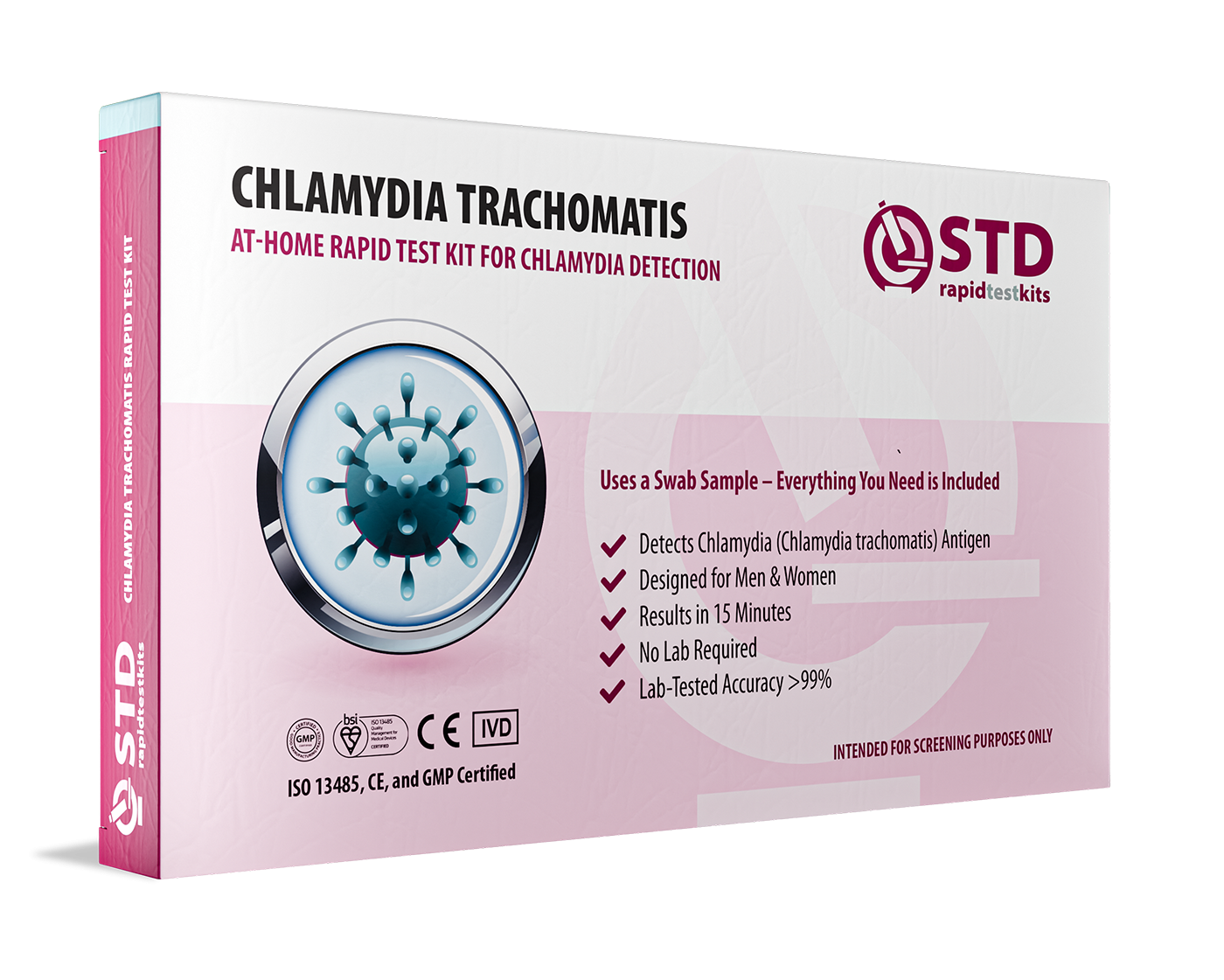
If going to a clinic feels awkward or unsafe, there are now at-home STD kits that include throat swabs and mail-in options. These let you test privately and accurately without the wait room or side-eye.

Don’t guess. Don’t wait. Know what’s going on in your body, and take back control.

If you're ready to stop second-guessing, order a discreet chlamydia throat test kit and get clarity from home.

People are also readingSwollen Eye After Oral Sex? It Could Be Chlamydia

Do You Need to Retest? That Depends on Timing, and Trust


Let’s say you got treatment, antibiotics, check. You followed the instructions, maybe even abstained for a week like your provider suggested. But something still feels off. Or maybe you’re planning to hook up with someone new, and you just want to be sure it’s gone.

Retesting matters, especially if:

You didn’t receive treatment for the oral site specifically. You weren’t tested with a throat swab the first time. You resumed oral sex with a partner who might not have been treated. Or you simply want peace of mind.

According to clinical guidance, it’s reasonable to retest for chlamydia 3 to 4 weeks after completing treatment. That window allows enough time for the bacteria to clear and reduces false positives from leftover DNA fragments that can linger briefly.

Dana, 22, shared, “I took the antibiotics, but something told me to double-check. I did a mail-in throat swab and it still came back positive. Turns out I’d only been tested genitally the first time. I felt so angry, but relieved to finally treat the real site.”

Retesting isn’t paranoia. It’s part of healing, and it’s a way to make sure your partner’s also protected.

Kissing Isn’t How It Spreads, But Here’s Why It Still Matters


This is a big one: chlamydia doesn’t typically spread through kissing. The bacteria doesn’t survive well in saliva alone. So deep kissing, even French kissing, is not considered a major transmission route, unlike, say, herpes or mono.

But here’s the nuance: if you’re kissing someone with active oral chlamydia and also engaging in oral sex with them, there’s a risk of fluid crossover. And if you have cuts, bleeding gums, or sores, the barrier is already lowered.

Still, kissing itself isn’t the core risk. The real danger is assuming oral sex is risk-free. That’s where most people get blindsided. They trust that if it’s not penetrative, it’s safe. They don’t use barriers like condoms or dental dams during oral. They skip testing. And the bacteria spreads quietly, person to person, throat to throat.

That’s why shame-free, judgment-free awareness matters more than blanket fear. It’s not about being paranoid, it’s about being empowered to know the real facts and protect yourself accordingly.

Check Your STD Status in Minutes

Test at Home with Remedium
10-in-1 STD Test Kit
Claim Your Kit Today
Save 61%
For Women
Results in Minutes
No Lab Needed
Private & Discreet

Order Now $189.00 $490.00

For all 10 tests

Case Story: “I Thought It Was Just a Scratchy Throat”


Andre, 29, didn’t think of himself as risky. “I was careful. Always used condoms. But I didn’t use one for oral, I mean, who does?” After a long weekend away, he noticed his throat felt raw. “I figured it was from yelling at a show or maybe allergies.”

He mentioned it during a virtual STD consult and got tested. But the test was urine only. When results came back negative, he relaxed. “But the throat thing didn’t go away. It wasn’t bad, just annoying.” A few weeks later, he hooked up again. “That’s when I started feeling guilty. What if I was wrong?” He ordered an at-home throat swab kit. It was positive.

Andre got treatment, but what stayed with him wasn’t the sore throat, it was the silence. “No one ever told me this could happen from oral. Not even the doctor the first time.”

That silence is part of the problem. And breaking it is part of the solution.

Table 3: Real Testing Scenarios, What to Ask For Based on Exposure


Exposure Type Likely STD Risks Tests You Need Ask For Specifically
Giving oral sex to a penis Oral chlamydia, gonorrhea Throat swab (NAAT) “Please swab my throat for chlamydia and gonorrhea.”
Receiving oral sex (vaginal/penile) Genital chlamydia, herpes, gonorrhea Urine or swab (NAAT) “Please include tests for oral-to-genital STDs.”
Rimming (giving or receiving) Rectal chlamydia, gonorrhea Rectal swab “Please swab rectally based on exposure.”

Table 3: Your STD test should reflect where you’ve had contact. If your provider doesn’t ask, tell them.

One Small Test Can Change Everything


Testing doesn’t make you dirty. Asking for a throat swab doesn’t mean you’re reckless. It means you care, about your body, your partners, your peace of mind. It means you want facts, not fear. Clarity, not confusion.

And if you’re not ready to ask a doctor, you don’t have to. You can take control quietly, from home. Order a discreet oral STD test kit and swab yourself in a safe, private space. No judgment. No waiting room. Just answers.

Because the longer you wonder, the harder it gets to ask. But the moment you know? That’s the moment it starts to get better.

FAQs


1. Can I really get chlamydia from just giving oral?

Yep. That’s the part no one warns you about. If your partner has chlamydia on their genitals and you go down on them, no barrier, no protection, you can absolutely end up with it in your throat. You don’t have to swallow anything for it to happen. Just contact is enough.

2. But my throat just feels scratchy. Isn’t that allergies or yelling too much?

Could be. But here’s the catch: oral chlamydia doesn’t always feel dramatic. It’s often just a mild rawness, or that dry, annoying tickle you keep clearing your throat for. If it’s lingering and you’ve recently had oral sex, it’s worth swabbing to rule it out, especially if strep tests keep coming back negative.

3. Is this even something doctors test for?

Only if you ask. Most clinics or urgent care centers don’t include throat swabs by default. You’ll usually get a urine test and maybe bloodwork. If your exposure was oral, and you don’t speak up, they probably won’t test the right area. It’s not shady, it’s just system oversights. But it means you have to advocate for your own mouth (literally).

4. Will kissing give me oral chlamydia?

Not likely. Chlamydia doesn’t spread well through saliva. But if you’re also doing oral sex or there’s something going on with cuts, sores, or inflamed gums, the risk edges up. Think of kissing as low risk, not zero. If your partner has it in their throat and things get... enthusiastic? It’s possible, just uncommon.

5. How long should I wait before getting tested?

Aim for 7 to 14 days after the encounter. Testing earlier might miss it, and that just means you’ll be left in limbo. If you test too soon and get a negative, retest after two weeks for peace of mind. Bodies don’t work on exact clocks, but that window gives you the best odds of catching it if it’s there.

6. I tested negative but still feel off. Could they have missed it?

If your test didn’t include a throat swab, and your only exposure was oral, yeah, they might’ve missed it. Most “clean panel” results only cover what they actually tested. It’s like checking one room in the house and saying the whole place is spotless. Ask for a swab or get an at-home kit that targets the site you’re worried about.

7. What happens if I don’t treat it?

Honestly? Maybe nothing… at first. Oral chlamydia doesn’t always cause major damage, but that doesn’t mean it’s harmless. You could pass it to someone else without realizing. And walking around with an untreated infection messes with your peace of mind. Plus, the longer it lingers, the higher the risk of complications and resistance.

8. How do I treat it, and is it complicated?

Not complicated at all. Usually a short course of antibiotics, like doxycycline for a week. Some people used to get azithromycin as a one-dose fix, but that’s falling out of favor. It’s prescription-only, so you’ll need to test first. But once it’s treated, you’re good. Just avoid sex until the meds are finished and give your body time to fully clear it.

9. Can I test at home for this?

Yes, and that might be your best bet if you’re too anxious to go to a clinic or don’t want to explain your sex life to a stranger. Some at-home STD kits now include throat swabs. Just make sure it lists oral testing before you buy. It’s private, fast, and you’ll actually know what’s going on instead of guessing.

10. What if my partner refuses to get tested?

Tricky, but not impossible. You can’t force someone, but you can protect yourself. Get tested for your own clarity. Use barriers. Have the hard convo anyway. And know this: their avoidance doesn’t make you overreacting. It makes you the responsible one. Keep that energy.

You Deserve Answers, Not Assumptions


No one should have to walk around wondering if a hookup gave them an STD, especially when they did everything they thought was “safe.” Oral sex isn’t risk-free. But it’s also not a death sentence. The key is knowledge, not fear. Testing, not guessing.

If you’re still unsure whether your throat discomfort is allergies, strep, or something more, the best next step is the clearest one: test yourself with a discreet at-home kit. You don’t have to explain yourself to anyone. You just have to care enough to know.

How We Sourced This Article: We combined current guidance from leading medical organizations with peer-reviewed research and lived-experience reporting to make this guide practical, compassionate, and accurate.

Sources


1. NHS – Chlamydia Overview

2. About Chlamydia – CDC

3. Chlamydial Infections – STI Treatment Guidelines, CDC

4. Pharyngeal screening for Chlamydia trachomatis, more evidence needed – The Lancet Infectious Diseases

5. Chlamydia trachomatis – Symptoms and causes – Mayo Clinic

6. Incidence and Duration of Pharyngeal Chlamydia Among a Community Cohort of Men Who Have Sex With Men – NCBI PMC

7. A Systematic Review of Kissing as a Risk Factor for Oropharyngeal Gonorrhea but not Chlamydia – PMC

8. Oral sex STD risk charts: Safety and prevention – Medical News Today

9. Diagnostic Tests for Detecting Chlamydia trachomatis and Neisseria gonorrhoeae – ASM Journals

About the Author


Dr. F. David, MD is a board-certified infectious disease specialist focused on STI prevention, diagnosis, and treatment. He blends clinical precision with a no-nonsense, sex-positive approach and is committed to expanding access for readers in both urban and off-grid settings.

Reviewed by: Kendra Long, MSN, APRN | Last medically reviewed: October 2025

This article is for informational purposes and does not replace medical advice.