





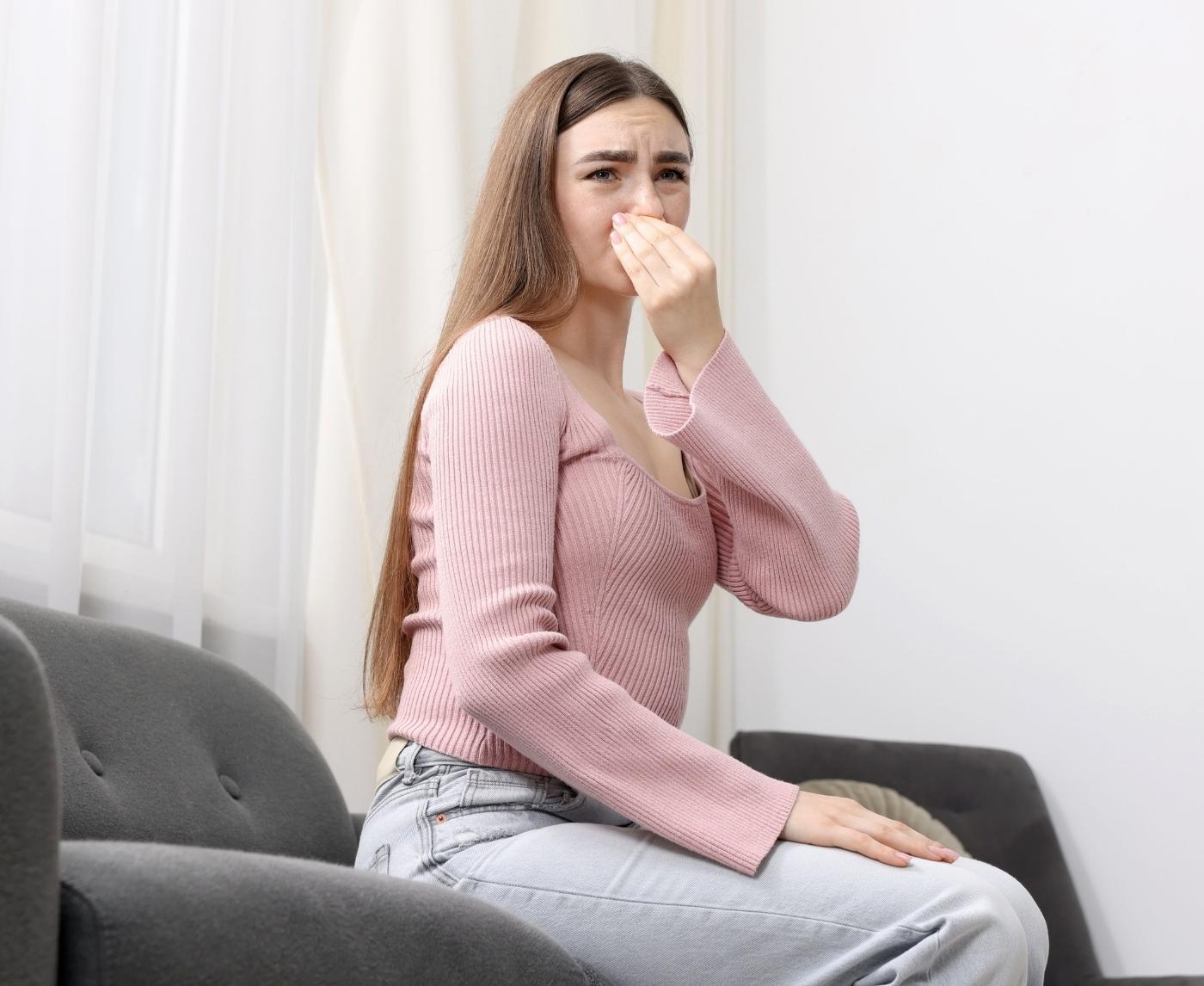

Quick Answer: Fishy smell but no discharge is most commonly linked to bacterial vaginosis (BV) or pH imbalance, not always an STD, but testing is the only way to rule infections out.
This Is More Common Than You Think, But No One Talks About It
Let’s get one thing out of the way: a change in smell without discharge is incredibly common. It doesn’t mean you’re “dirty,” it doesn’t mean you did anything wrong, and it definitely doesn’t automatically mean you have an STD. Bodies shift. pH levels change. Bacteria move around depending on sex, sweat, hormones, and even what soap you used yesterday.
Still, the anxiety hits fast. A lot of people assume that if something smells fishy, it must be serious. That’s not always true, but it’s also not something to ignore completely. Odor is one of those signals your body uses when something subtle is off, even if everything else seems normal.
“I kept checking over and over because there was no discharge, no pain. Just the smell. I thought I was imagining it, but it didn’t go away.”
That exact scenario shows up in clinics and online forums constantly. The confusion comes from one simple fact: odor alone sits in a gray area between normal body chemistry and early-stage infection.
So What Actually Causes a Fishy Smell Without Discharge?
People who type "fishy smell but no discharge" into a search engine are usually trying to figure out if this is a hygiene issue, a pH imbalance, or something worse, like an infection. The truth is that this can happen for a lot of different reasons, and not all of them act the same way.
Here’s a breakdown of the most likely causes and how they typically show up:
| Cause | What’s Happening | Typical Clues |
|---|---|---|
| Bacterial Vaginosis (BV) | Imbalance of vaginal bacteria | Fishy smell, sometimes stronger after sex |
| pH imbalance | Temporary shift in acidity | Mild odor, no other symptoms |
| Post-sex bacterial change | Semen alters vaginal pH | Odor appears after sex, fades later |
| Sweat + external bacteria | Skin bacteria buildup | Odor improves after washing |
| STDs (less common) | Infection affecting genital tract | Usually other symptoms follow |
The key thing here is that BV and pH imbalance are by far the most common causes, especially when there’s no discharge. But that doesn’t mean you can automatically rule everything else out.
People are also reading: Can You Test for Oral STDs at Home? Here's What You Need to Know
BV Without Discharge Is Real, And It’s Where Most Confusion Starts
A lot of people are taught that bacterial vaginosis always comes with gray discharge. That’s not actually true. BV can absolutely show up as odor-only, especially in early or mild cases.
What’s happening is a shift in the vaginal microbiome. The “good” bacteria (lactobacilli) drop, and other bacteria take over. That imbalance produces amines, compounds that create that unmistakable fishy smell.
“I didn’t have any discharge, so I ignored it for weeks. When I finally got tested, it was BV the whole time.”
This is why so many people delay testing. They’re waiting for a “full set” of symptoms that never actually shows up. In reality, odor can be the first, and sometimes only, sign.
And here’s the part that matters: untreated BV can increase susceptibility to other infections, including STDs. So even if it’s “just BV,” it’s still something to take seriously.
Could It Still Be an STD If There’s No Discharge?
Short answer: yes, but it’s less likely based on odor alone.
Chlamydia and gonorrhea, two of the most common STDs, don't always show symptoms right away. When symptoms do show up, they usually include discharge, pain when urinating, or pain in the pelvic area. Usually, smell isn't the first or only sign.
That said, the overlap is real. Some infections can subtly affect vaginal flora, which can lead to smell changes before anything else becomes obvious. That’s why relying on symptoms alone can be misleading.
If you’re asking yourself, “Can you have an STD with just odor and no discharge?”, the honest answer is: it’s possible, but not the most common explanation.
This is exactly where testing comes in, not as a panic move, but as a clarity move.
Take back control of your health. If you’re unsure what’s causing the change, you can use a discreet at-home STD test to check for common infections without waiting for symptoms to escalate.
When It’s Probably Not an Infection at All
Not every smell is a red flag. Sometimes your body is just… being a body.
Hormonal shifts during your cycle can change how you smell. Diet, hydration, and even stress can subtly affect vaginal chemistry. After sex, semen (which is alkaline) temporarily shifts pH, which can create a short-lived odor that resolves on its own.
External factors matter too. Tight clothing, sweating, or using scented products can disrupt the natural balance and create odor without any infection involved.
The difference usually comes down to persistence. A temporary smell that fades is one thing. A consistent or worsening odor that sticks around is something else.
What to Do Next (Without Spiraling)
This is where people either ignore it completely, or panic and assume the worst. There’s a middle ground that actually works.
| Situation | Best Next Step |
|---|---|
| Odor lasted 1–2 days after sex | Monitor, likely pH shift |
| Persistent fishy smell (no discharge) | Test for BV or infection |
| New partner or unprotected sex | STD test recommended |
| Odor + new symptoms appear | Seek testing ASAP |
The goal isn’t to diagnose yourself perfectly, it’s to avoid guessing for too long.
If you want a clear answer quickly, a combo STD home test kit can screen for multiple infections at once. It’s one of the simplest ways to move from “what if” to “here’s what’s actually going on.”
Check Your STD Status in Minutes
Test at Home with Remedium7-in-1 STD Test Kit
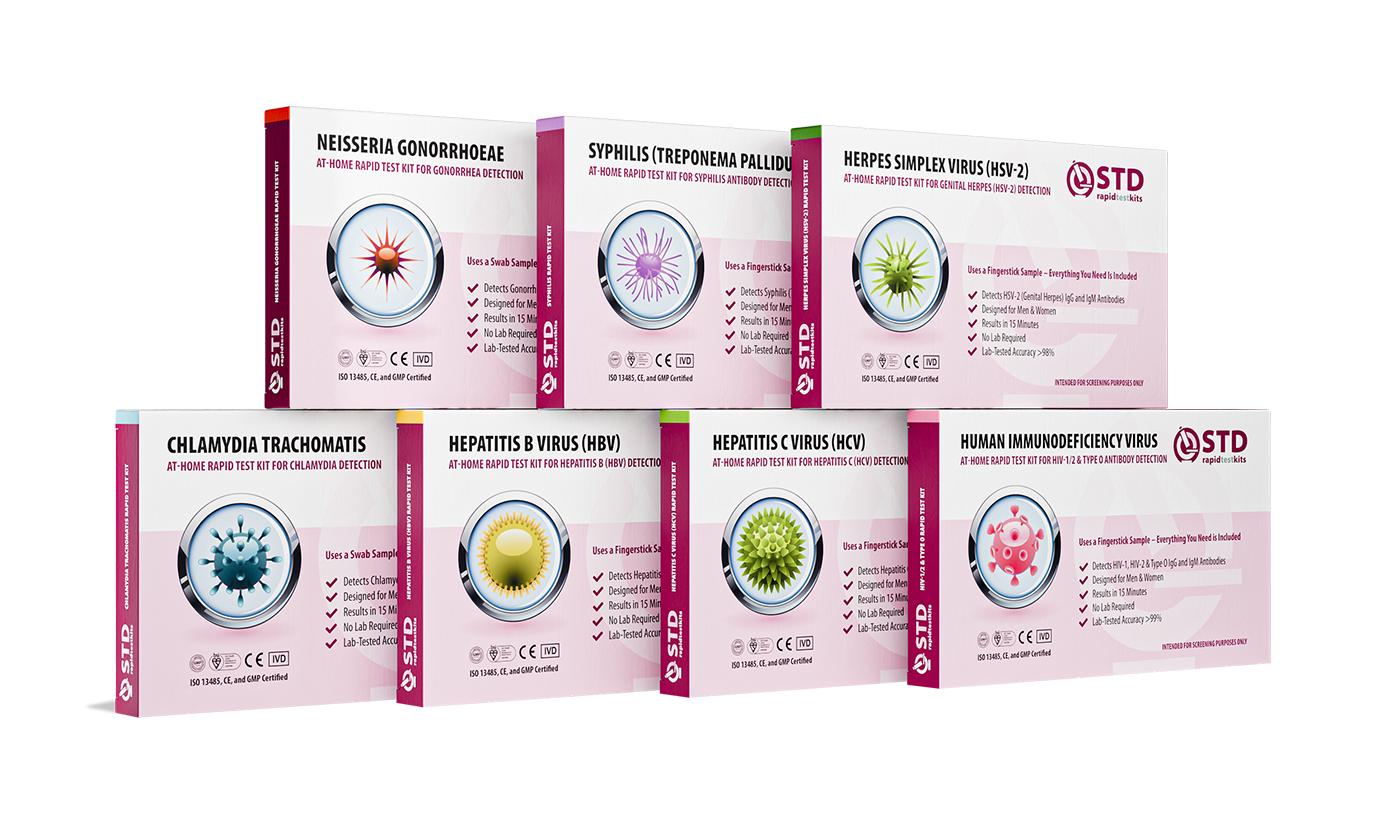
 For Men & Women
 Results in Minutes
 No Lab Needed
 Private & Discreet
Order Now $129.00 $343.00
For all 7 tests
What No One Tells You About Smell, Sex, and Timing
Here’s where things get a little more nuanced, and honestly, where most online advice falls apart. Timing matters more than people think. When a smell shows up, when it gets stronger, and what was happening right before it started can tell you a lot.
For example, a fishy smell that appears right after sex and fades within a day or two is often tied to pH disruption. Semen is alkaline, and when it mixes with the naturally acidic vaginal environment, it can temporarily shift the balance. That shift allows certain bacteria to produce odor, even if there’s no infection.
But if that same smell sticks around, comes back repeatedly, or gets stronger over time, that’s when the situation changes. That’s no longer just chemistry, that’s a sign something in the microbiome isn’t correcting itself.
“It always happened the morning after sex, but then one time it didn’t go away. That’s when I knew something was different.”
This is one of the clearest dividing lines between a harmless shift and something like bacterial vaginosis. Temporary vs persistent. Fading vs lingering. Your body usually resets itself, unless it can’t.
Why Google Makes This More Confusing Than It Needs to Be
If you’ve searched anything like “fishy smell but no discharge,” you’ve probably seen two extremes. One side says it’s definitely BV. The other says it’s definitely an STD. Neither is fully accurate, and that’s what keeps people stuck in loops of anxiety.
The truth is, symptoms don’t read textbooks. Real bodies don’t follow neat checklists. You can have BV without discharge. You can have an STD with almost no symptoms at all. And you can also have neither, and still notice a smell.
What matters is pattern recognition, not panic. Is it new? Is it persistent? Did something change before it started? Those questions are more useful than trying to match yourself perfectly to a list of symptoms online.
And here’s the part most people don’t say out loud: waiting for “clear symptoms” is one of the biggest reasons infections go untreated longer than they should.
The Subtle Differences Between BV, pH Imbalance, and STDs
Let’s slow this down and get specific, because this is where clarity actually happens. These conditions overlap, but they don’t behave exactly the same way.
| Feature | BV | pH Imbalance | STD |
|---|---|---|---|
| Odor | Strong, fishy | Mild to moderate | Not always present |
| Discharge | Sometimes absent | Usually none | Often present eventually |
| Timing | Persistent | Temporary | Varies |
| After sex | Often worse | Common trigger | Not specific |
| Needs treatment | Yes | Usually no | Yes |
This table isn’t about diagnosing yourself perfectly, it’s about helping you understand patterns. If you’re seeing a persistent fishy smell with no discharge, BV moves higher on the list. If it comes and goes quickly, pH imbalance becomes more likely.
And if there’s any uncertainty, especially with a new partner or recent exposure, that’s when testing stops being optional and starts being useful.
Testing Isn’t About Panic, It’s About Ending the Guessing
There’s a moment where curiosity turns into low-level stress. You check again. You Google again. You tell yourself to wait another day. That cycle can go on longer than it should.
Testing breaks that cycle.
And it doesn’t have to mean sitting in a clinic waiting room replaying every decision you’ve made. At-home options exist specifically for situations like this, where symptoms are subtle, but your peace of mind isn’t.
Don’t wait and wonder. You can get clear answers privately with a trusted at-home STD testing kit, designed to detect common infections early, even when symptoms are minimal.
The goal here isn’t to assume the worst. It’s to remove uncertainty so you can actually move forward, whether that means treatment, reassurance, or just understanding your body better.
People are also reading: Never Had Sex, Still Got an STD? Here's How It Happens
When to Stop Monitoring and Actually Take Action
There’s a difference between being aware of your body and over-monitoring it. But there’s also a point where waiting stops being helpful. Knowing where that line is can save you a lot of stress, and prevent small issues from becoming bigger ones.
If the odor has been consistent for more than a few days, that’s your signal. If it keeps coming back after sex, that’s another one. And if anything new shows up, itching, irritation, discharge, or discomfort, that’s your body escalating the message.
“I kept telling myself it would fix itself. It didn’t. Getting tested was actually a relief because at least I knew what I was dealing with.”
You don’t need to wait for things to get worse to justify taking action. In fact, the earlier you check, the simpler everything tends to be.
What Actually Fixes the Smell (And What Usually Makes It Worse)
This is where a lot of people go wrong, not because they don’t care, but because most advice online is either too aggressive or completely off-base. When something smells off, the instinct is to fix it fast. But the wrong fix can actually make things worse.
The vaginal environment is self-regulating when it’s balanced. That means harsh soaps, douching, or heavily scented products don’t “clean” the problem, they disrupt the very bacteria that keep things stable. In many cases, people accidentally extend the issue by trying to overcorrect it.
If what you’re dealing with is a mild pH imbalance, your body may correct itself within a few days. But if it’s bacterial vaginosis, it usually won’t fully resolve without treatment. And if it’s something else entirely, masking the smell doesn’t address the cause.
The goal isn’t to erase the symptom, it’s to understand why it’s happening.
A Quick Reality Check on “Normal” vs “Not Normal” Smell
Here’s something that doesn’t get said enough: vaginas are not supposed to smell like nothing. A natural scent is completely normal, and it changes throughout your cycle, after sex, and even throughout the day.
What tends to trigger concern is a sharp, fishy, or noticeably different smell, especially when it wasn’t there before. That shift is what matters, not the presence of scent itself.
It’s also worth saying this directly: a change in odor doesn’t say anything about your hygiene, your choices, or your worth. It’s biology. Full stop.
“I thought it meant I wasn’t clean enough. Turns out I was actually overdoing it, and that’s what caused it.”
That misunderstanding alone keeps a lot of people stuck in cycles of shame and overcorrection. Once you understand what’s actually happening, the next steps become much clearer, and much less stressful.
Check Your STD Status in Minutes
Test at Home with Remedium6-in-1 STD Test Kit
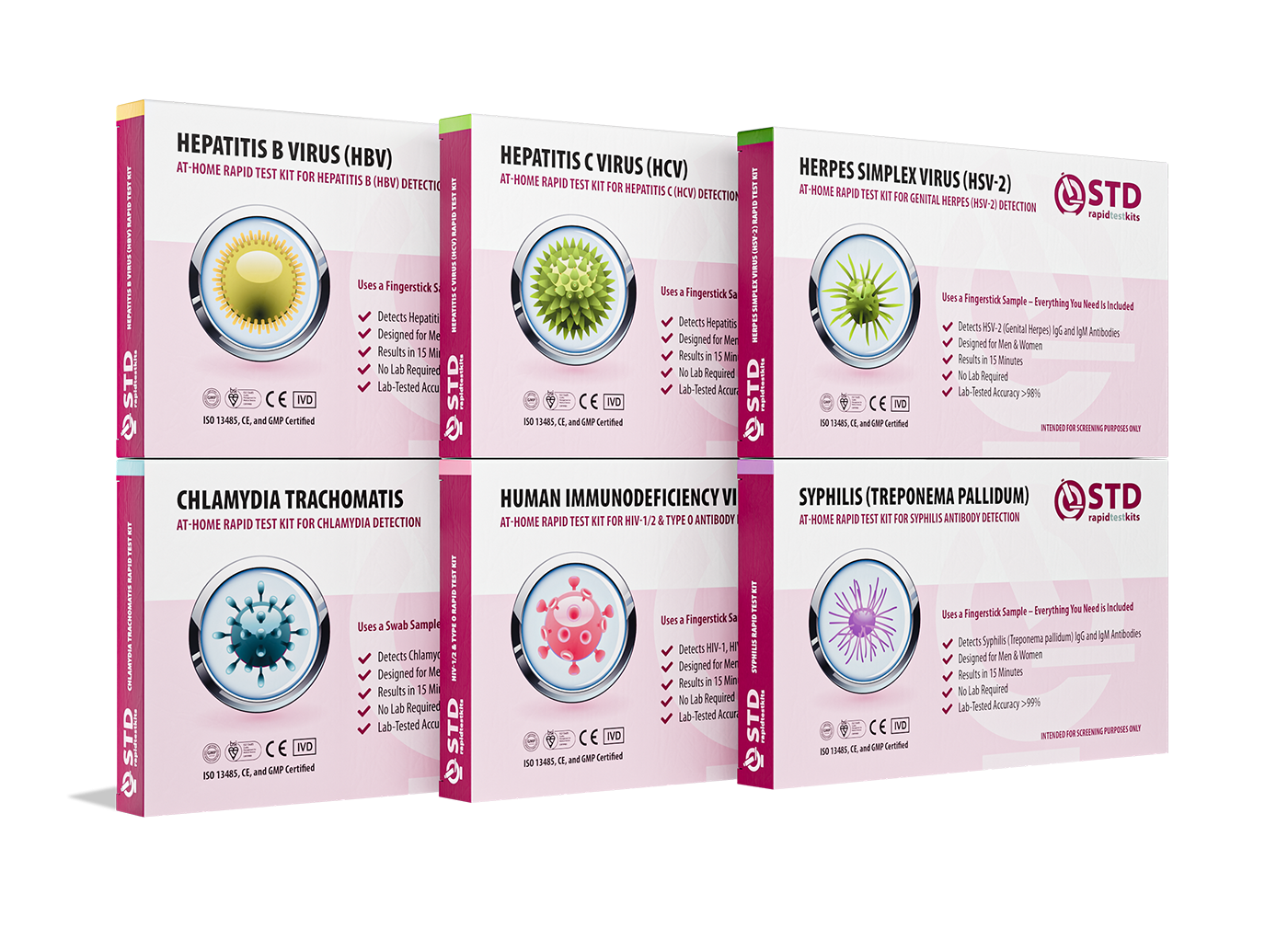 For Men & WomenResults in MinutesNo Lab NeededPrivate & Discreet
Order Now $119.00 $294.00
For all 6 tests
If You’re Still Unsure, Here’s the Simplest Way to Get Clarity
You don’t need to diagnose yourself perfectly. You don’t need to guess between BV, pH imbalance, or an STD based on subtle differences. And you definitely don’t need to sit in uncertainty longer than necessary.
What you do need is a clear answer.
If there’s any doubt, especially if the smell is persistent, new, or tied to a recent sexual experience, the most practical next step is testing. Not because something is definitely wrong, but because guessing doesn’t resolve anything.
Whether it’s a question or a pattern, you deserve clarity. A comprehensive at-home STD test kit checks for multiple infections at once, giving you real answers without the waiting or uncertainty.
For many people, that shift, from guessing to knowing, is where the anxiety finally stops.
FAQs
1. Can you really have BV with just a smell and nothing else?
Yeah, this surprises a lot of people, but BV doesn’t always come with discharge. Sometimes it’s just that unmistakable fishy smell that won’t quit. If it’s sticking around for a few days, that’s your cue to stop guessing and check.
2. Okay but be honest, does a fishy smell mean I have an STD?
Not automatically. Most of the time, that smell points more toward BV or a pH shift than an STD. But bodies don’t follow scripts, so if there’s even a little doubt (especially after a new partner), testing just clears the mental noise.
3. Why does it smell worse after sex, even if nothing else is going on?
Totally normal question. Semen changes your vaginal pH for a bit, and that can make odor more noticeable the next day. If it fades, it’s likely just chemistry, but if it lingers, your body might need a little help resetting.
4. I have no discharge, no itching, nothing, should I still care?
If it’s new and consistent, yeah, it’s worth paying attention. Not in a panic way, just in a “let’s not ignore this for three weeks” kind of way. Odor alone can be the first hint that something’s slightly off.
5. Can chlamydia or gonorrhea show up like this, with just smell?
It’s not the usual presentation. Those infections tend to bring other symptoms eventually, even if they start quietly. Smell by itself leans more toward BV, but again, testing is how you stop wondering.
6. If I don't do anything, will this fix itself?
Yes, sometimes, especially if the pH change is only temporary. But if it’s been hanging around or coming back, it usually won’t fully resolve on its own. That’s when a quick test or treatment makes life easier.
7. Be honest… am I making it worse by trying to “clean” it?
You might be. Overwashing, scented soaps, or anything harsh can actually throw your balance off more. The vagina is pretty self-sufficient, when we interfere too much, that’s often when things get weird.
8. What if I already tested and everything came back negative, but the smell is still there?
That’s actually pretty common. Standard STD tests don’t always check for BV or general bacterial imbalance. So a negative result doesn’t mean “nothing’s happening”, it just means you may need to look at a different cause.
9. Is it normal to have any smell at all?
100%. Anyone who told you it should smell like nothing was either misinformed or selling something. What matters is a change, especially a sharp or fishy shift that wasn’t there before.
10. What’s the fastest way to stop overthinking this?
Get an answer. Seriously. Whether it’s BV, pH, or nothing at all, knowing what’s going on shuts down the spiral way faster than Googling the same symptom five different ways.
You Deserve Clarity, Not Guesswork
A fishy smell without discharge is frustrating, yeah, but more than that, it messes with your head. It’s subtle enough to second-guess, but noticeable enough that you can’t ignore it. The goal isn’t to panic over every change. The goal is to understand what your body is actually telling you.
If it showed up after sex and faded, it was likely just a temporary pH shift. If it’s lingering or coming back, BV moves higher on the list. And if there’s any chance of exposure, even a small one, testing removes the uncertainty fast. Each step replaces guessing with something solid.
Don’t wait and overanalyze it for days. If you want a clear answer, start with a discreet option like the Combo STD Home Test Kit. It’s private, straightforward, and gives you the kind of clarity that Google never will.
How We Sourced This Article: This guide blends clinical guidance on bacterial vaginosis, vaginal pH balance, and sexually transmitted infections with peer-reviewed microbiome research and real-world symptom patterns. We reviewed medical literature on vaginal flora disruption, STI presentation variability, and post-sex pH shifts to ensure accuracy while keeping the information grounded and usable. Only established medical authorities and research publications informed the distinctions made here.
Sources
1. Centers for Disease Control and Prevention – Bacterial Vaginosis (BV)
3. Mayo Clinic – Bacterial Vaginosis Overview
4. World Health Organization – Sexually Transmitted Infections Fact Sheet
5. American College of Obstetricians and Gynecologists – Vaginitis
6. Office on Women’s Health – Bacterial Vaginosis
About the Author
Dr. F. David, MD is a board-certified expert in infectious diseases who works to stop, find, and treat STIs. He is direct and sex-positive, and he puts patient empowerment, privacy, clinical accuracy, and clarity at the top of his list of priorities.
Reviewed by: Dr. Elena Marquez, MD, Infectious Disease Specialist | Last medically reviewed: March 2026
This article is only for information and should not be used instead of medical advice.


