






Quick Answer: Yes, some at-home STD tests can detect oral infections like gonorrhea or chlamydia, but only if they include a throat swab. Most standard kits use urine or blood samples, which don’t catch infections in the mouth or throat.
You Can Get STDs from Oral Sex, Even If No One Talks About It
Let’s get one thing straight: STDs can absolutely be transmitted through oral sex. You can catch, or pass, chlamydia, gonorrhea, syphilis, and even herpes through mouth-to-genital or mouth-to-anus contact. HPV and hepatitis B are also on that list. But because people still think of STDs as something you get “down there,” throat infections often fly under the radar.
Here’s how it happens: when your mouth or throat comes into contact with infected genitals, fluids, or even skin, bacteria or viruses can settle into your throat tissue. This is especially common with gonorrhea and chlamydia, which can infect the throat without causing obvious symptoms.
In fact, some studies show that oral gonorrhea is more likely to go undiagnosed, and untreated, because people don’t feel anything unusual and most tests don’t check the throat.
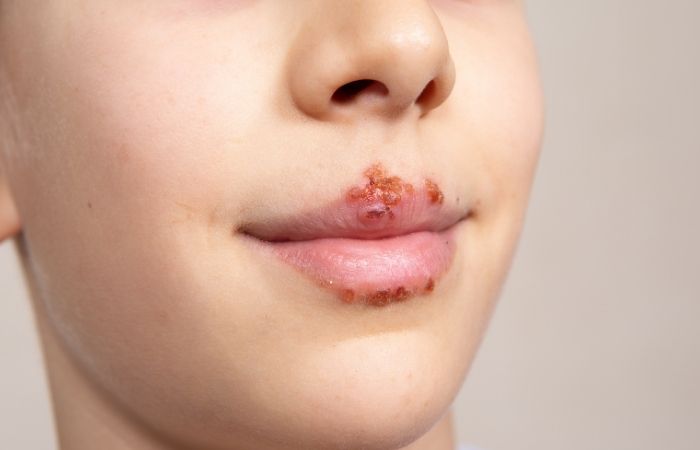
People are also reading: I Only Kissed Them, So Why Do I Have Herpes Now?
Symptoms of an Oral STD (If You Even Get Them)
One of the trickiest things about oral STDs is how subtle, or totally absent, the symptoms can be. That’s why it’s possible to carry an infection in your throat and never know it unless you test for it specifically.
Still, here are some of the more common warning signs:
- Sore throat that lingers without other cold symptoms
- Redness or white patches near the tonsils
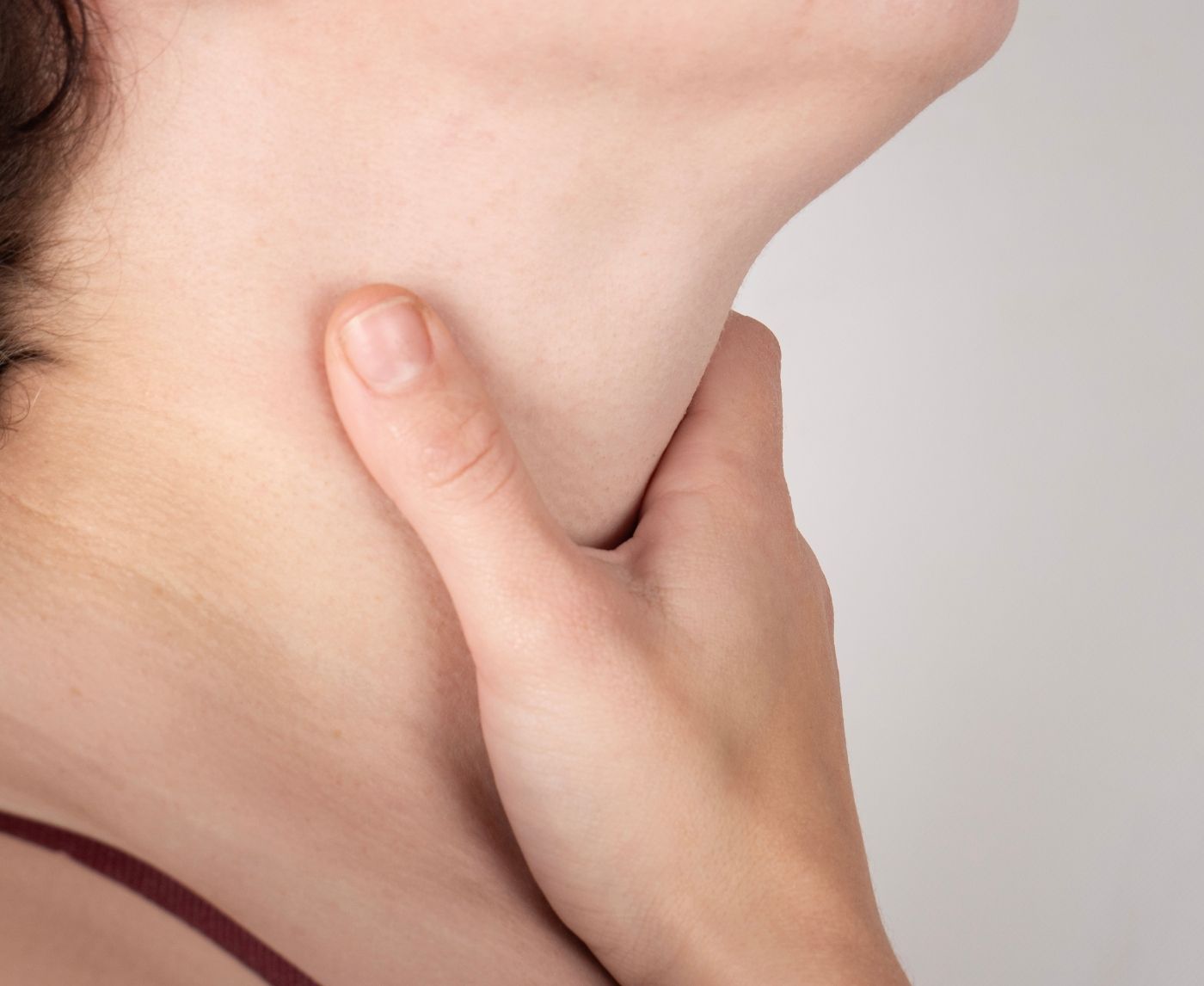
- Swollen lymph nodes in the neck
- Bad breath or unusual taste in your mouth
- Mild fever or fatigue after oral sex
- Pain when swallowing
None of these automatically mean you have an STD. But if they show up a few days after giving oral sex, and especially if you didn’t use protection, it’s smart to test. Just know that a typical urine-based or blood-based STD kit won’t detect anything in your throat.
What Most At-Home STD Tests Actually Check For
Most at-home STD tests are designed to be easy: pee in a cup, prick your finger, mail it in. And while that’s great for accessibility, it also creates blind spots. The majority of standard kits look for:
- Chlamydia and Gonorrhea – via urine samples
- HIV – via finger-prick blood test
- Syphilis – blood test
- Trichomoniasis – urine (sometimes)
- Hepatitis B & C – blood test
- Herpes (HSV-2) – blood test for antibodies
The problem? Urine tests only detect infections in the urinary tract. If you’ve got gonorrhea in your throat but not in your genitals, that urine test will come back clean, even though you’re still carrying the bacteria and could pass it to someone else during oral or even kissing in some cases.
Same goes for chlamydia: a negative urine test won’t catch an oral infection.
Which Infections Can Live in the Throat?
Plenty. And they don’t always behave the way you expect. Here are the most common culprits that can infect your mouth or throat:
| STD | Can It Infect the Throat? | Standard At-Home Detection? |
|---|---|---|
| Gonorrhea | Yes | No, unless throat swab included |
| Chlamydia | Yes | No, unless throat swab included |
| Syphilis | Yes | Yes, via blood test (any site) |
| HSV-1/HSV-2 | Yes | Only detectable if symptomatic or through antibody blood test |
| HPV | Yes | Not typically included in at-home kits |
Figure 1. Common STDs that can infect the throat and whether standard home tests detect them.
Why Throat Swabs Are the Key (and Rarely Included)
To catch an oral STD, you need a sample from your mouth or throat. That means a throat swab, not a urine or blood test. But here’s the issue: most at-home STD kits don’t include one. Either because they’re focused on genital testing, or because swabs are seen as harder to collect correctly without a provider.
Some advanced kits now offer triple-site testing: urine (genital), rectal swab, and throat swab. These are ideal for people who’ve had oral or anal exposure, and want to test all bases. But you’ll need to actively choose a kit that includes it.
We recommend using an FDA-approved, physician-backed kit that includes a throat swab if you:
- Have oral sex without protection (giving or receiving)
- Have throat symptoms after a hookup
- Got a “negative” result but still feel off
- Are in a non-monogamous relationship or testing routinely
Don’t guess. Don’t assume you’re fine just because a pee test said so. Order a test and get peace of mind you can trust.
Check Your STD Status in Minutes
Test at Home with Remedium7-in-1 STD Test Kit

 For Men & Women
 Results in Minutes
 No Lab Needed
 Private & Discreet
Order Now $129.00 $343.00
For all 7 tests
Why You Might Get a Negative Test, But Still Have an Oral STD
This is where things get tricky. A lot of people take a standard at-home test, get negative results, and breathe easy. But if that test didn’t include a throat swab and your only exposure was oral? That negative might not mean what you think it does.
False negatives happen when the test misses the infection because it was looking in the wrong place. A urine test can’t find gonorrhea hiding in your tonsils. A blood test won’t catch HPV in your mouth. And a herpes antibody test doesn’t tell you where the infection lives, or if it’s even active.
If your test didn’t include a swab of your throat and you’re still having symptoms, or you had unprotected oral sex, retesting is a smart move.
“I Thought I Was In the Clear, Then My Partner Got Sick”
Alejandro, 29, took an at-home STD test three weeks after a hookup. It came back negative. He’d only given oral, so he figured he was fine. But a month later, his partner started showing signs of gonorrhea, burning, discharge, the works.
Confused and worried, Alejandro went to a clinic. The doctor asked if he’d done oral and ordered a throat swab. Boom: oral gonorrhea. It had been hiding in his throat the whole time. His standard kit never looked there.
“I felt horrible. Not just for missing it, but for thinking I was safe because the test said ‘negative.’ I wish I’d known that not all tests cover every site.”
This happens more than people think. It’s not your fault if you weren’t told, but it’s your right to get accurate testing from here forward.
When (and How Often) to Retest
If you’ve had unprotected oral sex, or any symptoms in your throat, and your test didn’t include a throat swab, consider retesting with a more complete kit. Timing also matters. Here’s a general guide:
| Infection | When It’s Detectable | Best Time to Test |
|---|---|---|
| Gonorrhea (oral) | 2–7 days post exposure | 7–10 days after oral contact |
| Chlamydia (oral) | 1–3 weeks post exposure | 3 weeks after oral contact |
| Syphilis | 3–6 weeks (blood) | 6 weeks, or retest at 3 months |
| HSV-1/HSV-2 | 1–12 weeks (antibodies) | Retest at 12+ weeks for accuracy |
Figure 2. Common STDs that infect the mouth/throat and when they show up on tests.
If you tested too early or used a kit that didn’t check your throat, it’s not overthinking to test again. It’s being smart with your health, and your partners’.
Can You Get Oral STDs from Kissing or Sharing Drinks?
Not usually. Most oral STDs require more intimate contact, like oral sex, rimming, or direct skin-to-skin exposure. However, some infections like HSV-1 (oral herpes) and syphilis can be spread through kissing if active sores are present.
Here’s a quick myth check:
- Sharing drinks or utensils? Low risk
- Toilet seats? Big myth
- Unprotected oral sex? Yes, risk is real
- Rimming (oral-anal contact)? Yes, test all sites
If your exposure involved fluids or skin contact around genitals or anus, and you used your mouth, you’re in the testing window. Don’t let myths talk you out of protecting yourself.

People are also reading: I Had Symptoms but Was Too Embarrassed to Go to a Clinic, These Tests Helped
FAQs
1. Can you really get an STD in your mouth?
Yes, and not just hypothetically. If your mouth touches infected genitals or anus during oral sex, that’s all it takes. Gonorrhea, chlamydia, herpes, syphilis, and even HPV can set up shop in your throat. Doesn’t matter if it “felt low risk.” If the virus or bacteria can get in, it will.
2. But I only gave oral, do I really need to test?
If you’re even asking this, trust your gut and test. Oral sex is often treated like the "diet soda" of sexual contact, but it still carries real risk. If you didn’t use protection and now you’ve got a sore throat, white patches, or even nothing at all, yes, testing is smart.
3. Do home STD kits check your throat by default?
Nope. Most kits check your pee (genital exposure) or your blood (systemic stuff like HIV, syphilis, herpes antibodies). They don’t include a throat swab unless you specifically choose one that does. It’s not that they’re bad kits, they’re just blind to anything above the belt.
4. So if I tested negative, but only peed in a cup…?
You could still have an oral infection. A negative urine test means “we didn’t find it in your urinary tract.” It says nothing about what might be chilling in your tonsils. Think of it like checking the basement for a leak when the water’s dripping from the attic.
5. What does oral gonorrhea actually feel like?
In many people? Absolutely nothing. Silent. But if you do get symptoms, it might feel like a lingering sore throat, painful swallowing, swollen tonsils, or mild fever. If it shows up after a hookup and doesn’t act like your usual seasonal cold, test it, not guess it.
6. I kissed someone, should I panic?
No need to spiral. Most STDs don’t spread from casual kissing. But a few can if certain conditions line up. Oral herpes (HSV-1) can pass if someone has an active cold sore. Syphilis too, if there’s a lesion in the mouth. But generally, kissing is low-risk. Oral sex is where the heat is.
7. Can I pass an STD from my throat to someone else?
Absolutely. You don’t need symptoms to be contagious. If you’ve got an oral STD, you can pass it on during oral sex. That’s how throat gonorrhea and chlamydia stay sneaky, people feel fine, test negative from the waist down, and unknowingly spread it.
8. Is there a kit that actually checks my throat?
Yes, and hallelujah for that. You just have to pick one that includes a throat swab.
9. How soon should I test after giving oral?
For throat gonorrhea or chlamydia, aim for 7–10 days post-exposure. For syphilis or herpes, antibody tests may need a few more weeks. If your symptoms show up sooner, test sooner. And if it’s negative but you still feel off, retest in 2–3 weeks. Your body’s not lying.
10. What if my last test missed something, what now?
You’re not the first person this has happened to. Test again, but this time choose the right kind of test. Prioritize kits that check multiple sites (genital, oral, maybe rectal). You deserve answers that match how you actually have sex, not just the default assumption.
The Test Should Fit Your Sex Life, Not the Other Way Around
Oral sex isn’t “safe sex” just because it doesn’t involve penetration. STDs can, and do, spread through the mouth. But most standard tests weren’t built with real-world exposure in mind. That’s why so many oral infections go undetected.
If your last test didn’t include a throat swab, you may not be getting the full picture. But you deserve answers, not anxiety. Order a home STD kit, and get the clarity your body, and your peace of mind, need.
How We Sourced This Article: We combined guidance from major health organizations with clinical studies, provider recommendations, and patient narratives to offer a complete view of oral STD testing. Around fifteen reputable sources informed this article; below, we’ve highlighted some of the most relevant and reader-friendly sources.
Sources
1. Getting Tested for STIs | CDC
2. Testing for STIs at Home? Yes—it’s Possible—and Popular | American Sexual Health Association (ASHA)
3. Home STD Tests Are Convenient, but There Are Drawbacks | UAB Medicine
4. What to Know About At-Home STD Tests | WebMD
5. The Advantages of Getting a Rapid STD Test | Verywell Health
About the Author
Dr. F. David, MD is a board-certified infectious disease physician and clinician-researcher specializing in STIs, rapid testing, and decentralized healthcare delivery. He advocates for trauma-informed, accessible, and judgment-free testing for all.
Reviewed by: C. Beltran, FNP-C | Last medically reviewed: October 2025
This article is for informational purposes only and should not be used as a substitute for medical advice, diagnosis, or treatment from a licensed provider.


