







Quick Answer: Chlamydia during pregnancy is treatable with safe antibiotics, and when treated early, the risk to your baby is low. To avoid problems, your doctor will give you medicine, tell you to have a retest, and keep an eye on your pregnancy.
The Moment After the Result: What This Actually Means
Let's take a break from the panic and talk about what a positive test really means. Chlamydia is an infection caused by bacteria, not a disease that lasts forever. It doesn’t stay forever, and it doesn’t define your pregnancy.
In fact, many people who test positive during pregnancy had no symptoms at all. No burning, no discharge, no warning signs. That’s why routine screening is built into prenatal care, it’s designed to catch infections quietly before they cause problems.
“I felt completely normal. That’s what scared me the most,” said Daniela, 31. “I kept thinking, how long has this been there?”
The answer, frustratingly, is often unclear. But what matters now isn’t when it started, it’s what happens next.
Step One: Treatment Starts Quickly (And Safely)
The first step after a positive result is straightforward: treatment with antibiotics that are considered safe during pregnancy. This is not a “wait and see” situation. The goal is to clear the infection as soon as possible to reduce any risk of complications.
Most of the time, doctors give patients medications like azithromycin. These have been studied a lot during pregnancy and were chosen because they work against chlamydia without harming the baby's growth.
There’s often hesitation here. People worry about taking anything while pregnant, especially antibiotics. But untreated infection carries more risk than the medication itself.
“I almost didn’t take it,” said Noor, 24. “I Googled for hours about antibiotics and pregnancy. But my doctor was like, this is exactly what protects your baby.”
That’s the key shift: treatment isn’t just about you. It’s about creating a safer environment for the pregnancy moving forward.

People are also reading: It’s Not Healing Like Usual, Could This Be Syphilis or Herpes?
What Happens If You Don’t Treat It (And Why Doctors Don’t Wait)
This is the part that can feel scary, but clarity is better than guessing. When chlamydia goes untreated during pregnancy, it can increase the risk of certain complications. Not guaranteed outcomes, just increased risk.
These can include preterm labor, low birth weight, and infection passed to the baby during delivery. The reason doctors move quickly is because these risks are largely preventable with timely treatment.
| Scenario | What It Means |
|---|---|
| Treated early | Infection clears, risks drop significantly, pregnancy continues normally in most cases |
| Untreated | Higher chance of preterm birth, newborn infection, and complications |
The important nuance here is that a positive test is not a prediction of harm. It’s a signal, one that gives you time to act.
The Part Everyone Asks: “Will My Baby Be Okay?”
This question comes up almost immediately, and it deserves a clear, honest answer. In most cases, especially when treated, yes, your baby will be okay.
Chlamydia doesn’t automatically affect the baby during pregnancy itself. The primary concern is transmission during vaginal delivery if the infection is still present at that time.
That’s why timing matters. Treatment now, and follow-up testing later, are designed to make sure the infection is gone well before delivery.
“My OB told me, ‘We caught this early, that’s what matters,’” said Renata, 29. “That one sentence changed everything for me.”
And it’s true. Early detection is what turns this from a risk into a manageable situation.
Why You Might Not Have Noticed Anything at All
One of the most disorienting parts of this experience is the lack of symptoms. You might feel completely fine and still test positive. That’s not unusual, it’s actually the norm.
Chlamydia is often called a “silent infection” because many people never experience obvious signs. When symptoms do show up, they can be subtle or mistaken for normal pregnancy changes.
| Possible Symptom | Why It Gets Overlooked |
|---|---|
| Increased discharge | Often assumed to be normal pregnancy discharge |
| Mild pelvic discomfort | Can feel like typical pregnancy stretching |
| Burning with urination | Sometimes mistaken for a UTI |
This is exactly why testing, not symptoms, is the only reliable way to know.
A Quiet but Important Step: Your Partner Also Needs Testing
This part can feel awkward, emotional, or even confrontational, but it’s medically essential. If you test positive for chlamydia, your partner needs testing and treatment too.
Otherwise, there’s a risk of passing the infection back and forth, even after you’ve completed antibiotics. This isn’t about blame, it’s about breaking the cycle so the infection doesn’t come back during pregnancy.
“I was scared to bring it up,” said Camila, 26. “But once I did, it turned into a ‘we’re handling this together’ situation.”
And that’s the ideal outcome. This is a shared health moment, not a personal failure.
After Treatment: The Waiting, the Retest, and the Mental Spiral
You take the antibiotics. Maybe it’s a single dose, maybe a short course. And then comes a different kind of stress, the waiting. Not for symptoms, because you probably didn’t have any. But for confirmation that it’s actually gone.
This part matters more than most people realize. Treating chlamydia is step one. Confirming it’s cleared is what protects the rest of your pregnancy.
“I kept thinking, what if it didn’t work?” said Isabel, 30. “Like I did everything right, but what if it’s still there?”
That’s exactly why follow-up testing exists. Not because something is likely wrong, but because pregnancy care is designed to double-check, not assume.
Check Your STD Status in Minutes
Test at Home with Remedium7-in-1 STD Test Kit

 For Men & Women
 Results in Minutes
 No Lab Needed
 Private & Discreet
Order Now $129.00 $343.00
For all 7 tests
When You’ll Be Retested (And Why Timing Matters So Much)
After treatment, your doctor will schedule a “test of cure.” This is usually done about 3 to 4 weeks after finishing antibiotics. It’s not optional, it’s a key part of managing chlamydia during pregnancy.
Testing too early can give misleading results. Testing too late increases the chance of missing a reinfection. So the timing is deliberate and precise.
| Stage | What Happens |
|---|---|
| Initial prenatal visit | Routine screening detects infection |
| Immediately after diagnosis | Antibiotic treatment begins |
| 3–4 weeks later | Test of cure confirms infection is gone |
| Third trimester | Possible retesting for high-risk cases |
This isn’t over-testing, it’s protection layered into the system. Especially because reinfection is more common than people think.
Sex, Intimacy, and That Weird In-Between Phase
No one really prepares you for this part. You’re pregnant, processing a diagnosis, possibly navigating partner conversations, and now there are temporary changes to your sex life.
It can feel clinical, awkward, even emotionally loaded. But medically, the goal is simple: avoid reinfection while your body clears the bacteria.
This doesn’t mean intimacy disappears. It just shifts for a moment. And for many couples, it becomes a conversation they weren’t having before, about testing, trust, and communication.
“It forced us to actually talk about sexual health for the first time,” said Valeria, 28. “Not in a scary way, just real.”
And that kind of honesty tends to carry forward long after the infection is gone.
What Your Doctor Is Actually Monitoring Moving Forward
Once treatment is complete and the infection clears, your pregnancy doesn’t suddenly become “high risk” in the way people often fear. Instead, your provider simply keeps an eye on a few specific things.
They’re watching for signs of complications, but more importantly, they’re confirming that none develop.
Here’s what that monitoring typically involves:
- Follow-up test results: Making sure the infection is fully cleared
- Routine prenatal visits: Checking fetal growth and development
- Symptom check-ins: Even though symptoms are rare, they still ask
The tone here is proactive, not reactive. This is about staying ahead of potential issues, not responding to something already wrong.
Let’s Talk About Delivery, Because That’s Where Most Fear Lives
A lot of anxiety around chlamydia in pregnancy centers on delivery. Specifically: what happens if the infection is still present when the baby is born?
The concern is transmission during vaginal delivery. In that case, a newborn can develop eye infections or, more rarely, respiratory issues.
But here’s the part that matters: this is exactly what treatment and retesting are designed to prevent.
If your infection is cleared before delivery, which is the goal and the most common outcome, this risk essentially disappears.
| Status at Delivery | What It Means for Baby |
|---|---|
| Infection treated and cleared | No increased risk of transmission |
| Infection still present | Possible eye or lung infection, treated after birth |
This is why doctors stay focused on timing. Not to scare you, but to make sure you arrive at delivery with everything already handled.

People are also reading: How to Ask for an STD Test Without Sounding Accusatory
Testing From Home: Where It Fits (And Where It Doesn’t)
Some people prefer privacy, especially when navigating something emotionally loaded during pregnancy. At-home testing can play a role, but it’s important to understand where it fits.
If you’re between appointments, concerned about reinfection, or just want reassurance, a discreet option like an at-home STD test can help you stay informed.
For example, a Chlamydia Home Test Kit allows you to check your status privately and quickly, without waiting for a clinic visit.
That said, during pregnancy, your primary care team still leads decision-making. Home testing can support awareness, but it doesn’t replace prenatal care or follow-up testing.
Miscarriage, Preterm Birth, and What the Risk Really Looks Like
One of the most searched fears is whether chlamydia causes miscarriage. The honest answer is nuanced. Untreated infection has been associated with increased risks, including preterm labor and complications, but it’s not a guaranteed outcome, and it’s not the typical outcome when treatment happens.
What matters most is timing. When chlamydia is identified and treated during pregnancy, those risks drop significantly. That’s why screening early, and acting quickly, changes the entire trajectory.
“I thought I had already done damage before I even knew,” said Fernanda, 33. “But my doctor kept repeating, this is exactly why we test early.”
That’s the piece people miss: detection is not failure. It’s intervention.
Will This Affect Breastfeeding Later?
This is another quiet worry that doesn’t always get asked out loud. The good news: chlamydia does not pass through breast milk. If your infection has been treated, which it almost always is by the time you give birth, there’s no barrier to breastfeeding.
Even if treatment happens close to delivery, your care team will guide you clearly. But in standard cases, breastfeeding remains completely safe.
“I remember asking, ‘Can I still breastfeed?’ like it was the final test,” said Sofia, 25. “When they said yes, I finally relaxed.”
And that relief is real, because it signals that this moment, as stressful as it feels now, doesn’t define what comes next.
The Emotional Side No One Charts in Your Medical Record
There’s a clinical version of this story, and then there’s the human version. The part where you replay timelines in your head. Wonder where it came from. Question trust, or timing, or your own body.
That emotional layer doesn’t show up in lab results, but it matters just as much.
“I kept thinking it meant something about me,” said Jimena, 29. “Like I had done something wrong. It took a while to realize this is just… something that happens.”
Because it is. Chlamydia is one of the most common infections worldwide. It doesn’t require a “bad decision” or a dramatic backstory. Sometimes it’s just timing, biology, and the fact that most people don’t have symptoms.
This is where the stigma starts to loosen. Not all at once, but enough to breathe again.
Check Your STD Status in Minutes
Test at Home with Remedium6-in-1 STD Test Kit
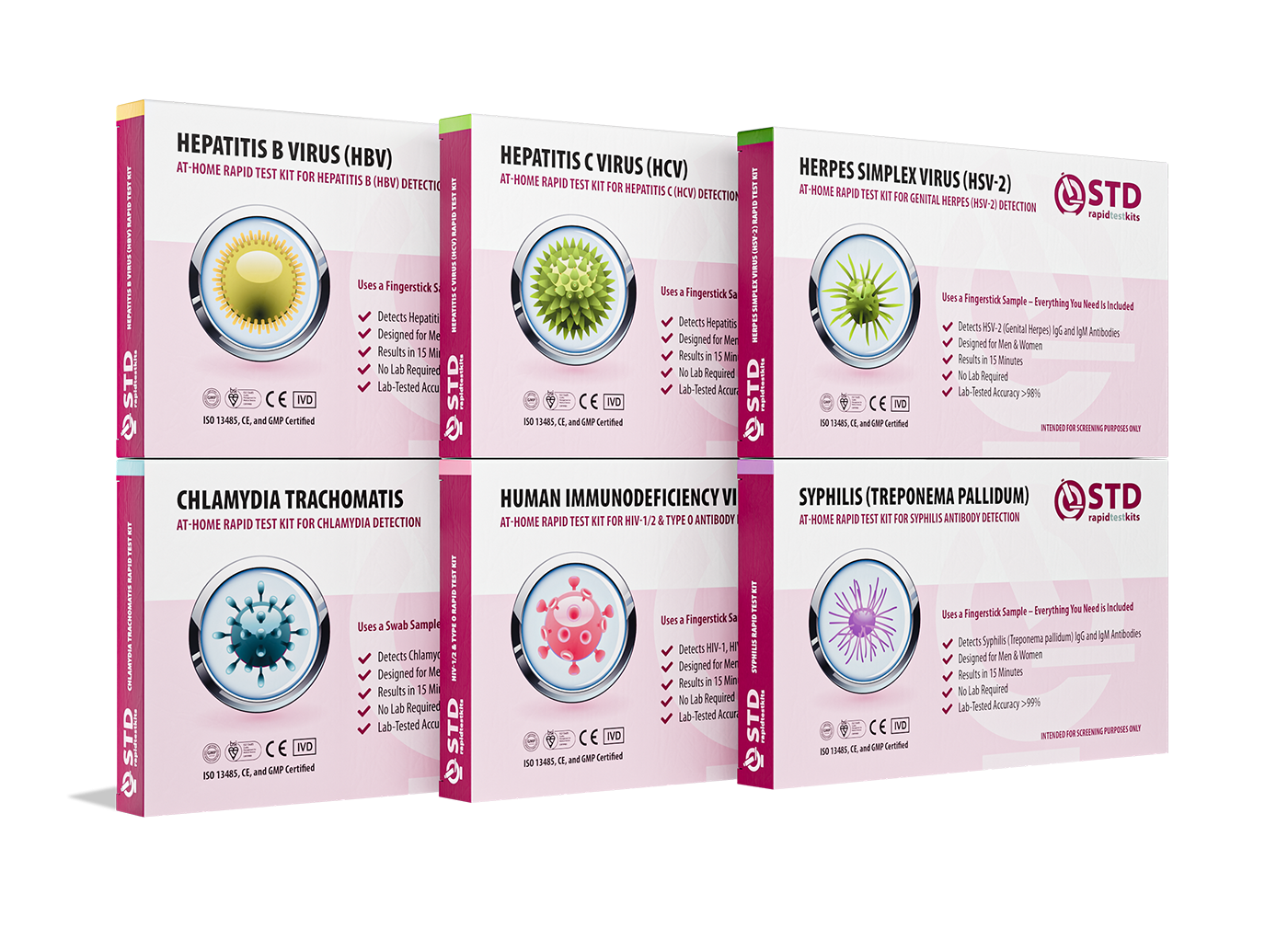 For Men & WomenResults in MinutesNo Lab NeededPrivate & Discreet
Order Now $119.00 $294.00
For all 6 tests
Taking Back Control (Without Over-Googling Everything)
After a diagnosis like this, it’s easy to fall into a loop of constant checking, symptoms, forums, worst-case scenarios. But control doesn’t come from more searching. It comes from clear steps.
That includes finishing treatment, attending follow-up testing, and making sure partners are treated. It also means having access to testing when you need reassurance, without waiting weeks for appointments.
If you ever find yourself in that in-between space again, uncertain, waiting, or just wanting clarity, you can always use a discreet option like a Combo STD Home Test Kit to check multiple infections at once from home.
This isn’t about panic testing. It’s about access, having answers when your brain won’t settle without them.
So What Actually Matters Most Right Now?
Not the past. Not where it came from. Not the “what ifs” that haven’t happened.
What matters is this: you caught it, you’re treating it, and you’re following through. That’s the entire system working exactly as it should.
“I thought this was going to define my pregnancy,” said Karla, 34. “But honestly? It became a small chapter, not the whole story.”
And that’s where this is heading. Not a crisis, just a moment that got handled.
FAQs
1. I tested positive for chlamydia while pregnant, did I already hurt my baby?
No, this is the part your brain jumps to, but it’s usually not what’s happening. Chlamydia typically doesn’t affect the baby during pregnancy itself, especially when it’s caught early. What matters is that you know now, and you’re treating it, that’s what protects your baby moving forward.
2. How fast does treatment actually work? Like… is this gone in days or weeks?
The antibiotics start working quickly, sometimes within days, but your body still needs time to fully clear the infection. That’s why doctors wait about 3–4 weeks before retesting. It’s less about how you feel and more about confirming the bacteria is truly gone.
3. Be honest, can chlamydia just go away on its own?
Not in a way you can rely on, and definitely not during pregnancy. It might sit quietly for a while, but that doesn’t mean it’s harmless. Treatment is simple, safe, and way more predictable than hoping your body handles it solo.
4. Am I going to need a C-section now?
No, this doesn't mean that your delivery plan will change right away. If the infection is treated and cleared, which is the goal, you can still have a vaginal birth. This diagnosis sounds big, but it usually doesn’t rewrite your entire pregnancy.
5. What if my partner gave it back to me without realizing?
That happens more often than people think. Chlamydia doesn’t come with warning signs, so someone can feel completely fine and still pass it back. That’s why both of you getting treated, and hitting pause on sex for a bit, is such a key part of this.
6. Okay but worst-case, what if I still have it when I give birth?
If it’s still present during delivery, there’s a chance the baby could get an eye or lung infection. That sounds scary, but those are treatable. The entire reason you’re being treated now is to make sure you never get to that scenario.
7. Why do I need another test if I already took the medication?
Because pregnancy care doesn’t gamble, it verifies. The follow-up test isn’t about assuming failure, it’s about confirming success. Especially since reinfection is possible, even when you did everything right.
8. I feel completely normal… do I really need to take this seriously?
Yeah, and that’s the tricky part. Chlamydia is famous for being silent, especially during pregnancy. Feeling fine doesn’t mean nothing’s there, it just means your body isn’t waving a red flag.
9. Can I still breastfeed after all of this?
Yes, absolutely. Once the infection is treated, there’s no issue with breastfeeding. Chlamydia doesn’t pass through breast milk, so this doesn’t take that experience away from you.
10. Is it weird that I keep overthinking where this came from?
Not weird at all, it’s one of the most common reactions. But chlamydia doesn’t always come with a clear timeline or a dramatic story. Sometimes it’s just a quiet infection that went unnoticed, and now you’re dealing with it, that’s it.
You Deserve Clarity, Not Spiral Thinking
Testing positive while pregnant hits differently. It’s not just about your body anymore, it’s about everything you’re carrying, everything you’re responsible for, everything you’re trying to protect. And that’s exactly why your brain starts filling in gaps with worst-case scenarios.
But this isn’t a guessing game. You’ve already done the most important part, you found it. From here, it’s treatment, follow-up, and making sure it stays gone. That’s it. No hidden twists, no delayed consequences waiting to surprise you later.
If you find yourself slipping back into that “what if” loop, bring it back to facts. Confirm the infection is cleared. Make sure your partner is treated. And if you need reassurance between appointments, use something discreet like the Combo STD Home Test Kit. Because clarity, real, confirmed clarity, will always feel better than sitting in uncertainty.
How We Sourced This Article: This guide merges contemporary clinical guidelines regarding chlamydia in pregnancy with peer-reviewed research on maternal and neonatal outcomes. We read CDC and WHO recommendations and studies that had already been published about how to treat STIs while pregnant. We also looked at what real patients were worried about and how they searched for information to show how people really deal with and understand a diagnosis like this.
Sources
1. Centers for Disease Control and Prevention – Chlamydia Fact Sheet
2. Centers for Disease Control and Prevention – STDs and Pregnancy
3. Fact Sheet from the World Health Organization on Sexually Transmitted Infections
4. NHS—A Brief Look at Chlamydia
5. Mayo Clinic – Chlamydia Symptoms and Causes
6. American College of Obstetricians and Gynecologists – Chlamydia, Gonorrhea, and Syphilis FAQ
7. MedlinePlus – Chlamydia Infections
8. Planned Parenthood – Chlamydia Overview
About the Author
Dr. F. David, MD is a board-certified infectious disease doctor who specializes in preventing, diagnosing, and treating STIs. His direct, sex-positive approach puts clinical accuracy, clarity, privacy, and patient empowerment first.
Reviewed by: Dr. Elena Marquez, MD, OB/GYN | Last medically reviewed: March 2026
This article is only for informational purposes and should not be used as medical advice.


