






Quick Answer: Yes, you can live a normal life with HIV. With modern treatment, people with HIV can have sex, date, build relationships, and live nearly the same lifespan as someone without HIV.
This Isn’t 1987 Anymore, And That Changes Everything
For a lot of people, the word HIV is still stuck in a different decade. It brings up images of crisis, fear, and a life cut short. That version of HIV still lives in headlines, movies, and half-remembered health class warnings, but it’s not the reality anymore.
Today, HIV is considered a manageable chronic condition, not a death sentence. The shift happened because of antiretroviral therapy (ART), which doesn’t just treat HIV, it suppresses it so effectively that it can become undetectable in the body.
“I thought my life was over,” said Daniel, 29. “But my doctor looked at me and said, ‘You’re going to live a long life, you just need to take one pill a day.’ That was the moment everything changed.”
That one pill, taken consistently, can lower the virus to levels so low that standard tests can’t detect it. And that leads to one of the most important concepts in modern sexual health: U=U.
Undetectable = Untransmittable (And Why That Matters for Sex)
Let’s talk about the question that keeps people up at night: can you have sex if you’re HIV positive?
The answer is yes, and not in a risky, “be careful” kind of way. In a medically proven, globally supported way. When someone with HIV reaches and maintains an undetectable viral load through treatment, they cannot pass HIV to their sexual partners.
This isn’t theory. It’s backed by massive studies involving thousands of couples. Zero transmissions. Not low risk, no risk.
| Status | Transmission Risk | What It Means |
|---|---|---|
| Undetectable (on treatment) | Zero | Cannot pass HIV through sex |
| Detectable (not on treatment) | Varies | Transmission possible |
That means sex, including condomless sex in many cases, can be part of a healthy, normal relationship when HIV is properly managed. It also means a lot of the fear people carry is based on outdated information, not current science.
“The first time I told someone I was undetectable, I expected them to run,” said Luis, 34. “Instead, they said, ‘So… we’re good?’ That moment felt like getting my life back.”

People are also reading: What Your Teacher Didn’t Tell You About STDs (And Why It Matters Now)
Dating with HIV: The Fear vs The Reality
Dating is where HIV hits emotionally, not just medically. It’s not the virus, it’s the disclosure. When do you tell someone? How do you say it? What if they react badly?
There’s no single script, but there is a pattern most people go through. Anxiety before disclosure. Relief after saying it. And then, surprisingly often, acceptance.
Some people will walk away. That’s real. But many won’t, and the ones who stay tend to be more informed, more emotionally mature, and more worth your time.
“I practiced the conversation like 20 times,” said Aisha, 27. “When I finally said it, he just nodded and said, ‘Thanks for trusting me.’ I built it up way more in my head than it actually was.”
Modern dating with HIV is less about hiding and more about filtering. You’re not just hoping to be accepted, you’re finding people who understand, respect, and deserve your honesty.
And here’s the part most people don’t say out loud: being open about HIV often leads to deeper, more honest relationships. Because you’re forced to communicate in a way most couples avoid.
What “Normal Life” Actually Looks Like Day to Day
“Normal” doesn’t mean nothing changes. It means your life expands again after it shrinks for a while.
Living with HIV today usually means taking daily medication, going to regular check-ups, and staying aware of your health. That’s it. No constant symptoms. No visible signs. No interruption to your career, friendships, or goals.
| Fear | Reality |
|---|---|
| “I’ll always feel sick” | Most people feel completely normal on treatment |
| “I can’t have sex safely” | Undetectable = no transmission risk |
| “No one will date me” | Many people date, marry, and build families |
| “My life expectancy is short” | Near-normal lifespan with treatment |
The biggest shift isn’t physical, it’s mental. The fear fades, but it takes time. And for most people, the hardest part isn’t living with HIV. It’s unlearning what they thought HIV meant.
Take Back Control, Without Leaving Your House
If you’re here because you’re unsure about your status, or you’re waiting for answers, that anxiety can feel overwhelming. The unknown is always worse than the truth.
You don’t have to sit in that uncertainty. You can take control privately, quickly, and without stepping into a clinic.
Explore at-home STD testing options here and get clear answers without the waiting room stress.
And if you want a broader check, this combo STD test kit screens for multiple infections at once, because peace of mind shouldn’t come in pieces.
Sex, Intimacy, and the Conversations No One Prepares You For
Sex after an HIV diagnosis isn’t just about safety, it’s about confidence. The physical side becomes manageable pretty quickly once you understand treatment and U=U. The emotional side, though, can take longer to untangle.
There’s often a moment, right before intimacy, where your brain goes into overdrive. Should I say something now? Do they already know? Will this change everything?
The truth is, intimacy doesn’t disappear, it evolves. Communication becomes part of attraction, not a barrier to it. And for many people, that leads to better sex, not worse.
“I thought sex would feel stressful forever,” said Javier, 31. “But once I understood I was undetectable, it actually made me more present. I wasn’t scared anymore, I was just there.”
Understanding your viral load, staying consistent with treatment, and having honest conversations are what create safety. Not fear. Not avoidance. Not silence.
And if you're dating someone who is HIV-negative, tools like PrEP (pre-exposure prophylaxis) can add another layer of protection. But even without it, U=U already changes the equation completely.
Check Your STD Status in Minutes
Test at Home with Remedium6-in-1 STD Test Kit
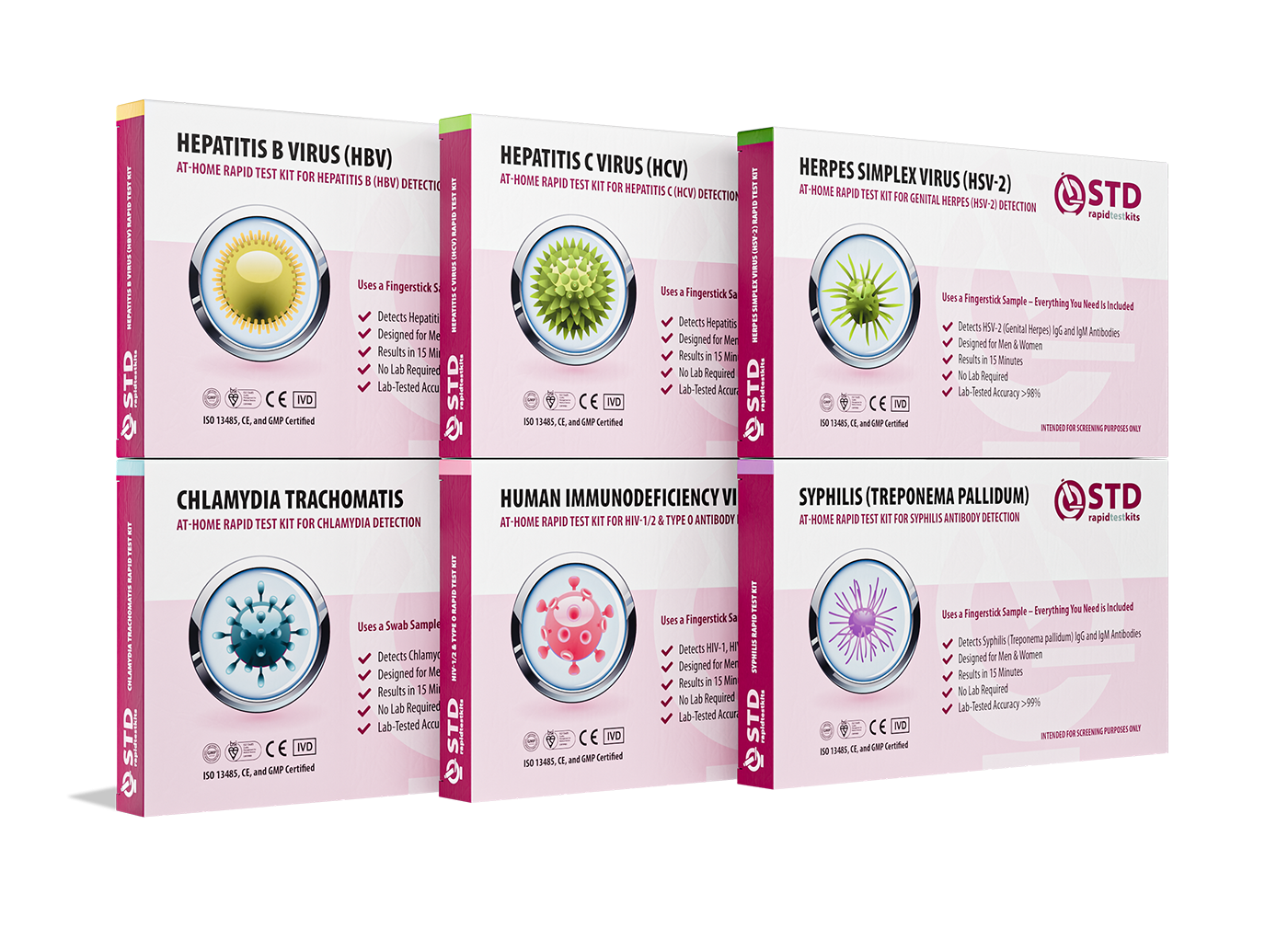
 For Men & Women
 Results in Minutes
 No Lab Needed
 Private & Discreet
Order Now $119.00 $294.00
For all 6 tests
How Long Can You Live with HIV? Let’s Talk Reality, Not Fear
This is the question people are often too afraid to ask directly: is HIV still deadly?
With modern treatment, people living with HIV can have a life expectancy that’s close to the general population. The key factor isn’t the diagnosis itself, it’s access to treatment and staying consistent with it.
Someone diagnosed early and treated properly can live decades. Work, travel, fall in love, age, retire, all of it is still on the table.
“My doctor told me, ‘You’re more likely to die from heart disease or old age than HIV if you stay on treatment,’” said Renata, 42. “That flipped everything for me.”
| Time Period | Life Expectancy After Diagnosis | Key Factor |
|---|---|---|
| 1980s–early 1990s | Often severely shortened | Limited or no effective treatment |
| Today | Near-normal lifespan | Consistent ART treatment |
The biggest risk now isn’t HIV itself, it’s delayed diagnosis or untreated infection. That’s why testing matters so much, especially after potential exposure.
The Moment After Diagnosis: What Actually Happens Next
No one really prepares you for the first 24 hours after seeing a positive result. Your thoughts jump to extremes. Worst-case scenarios feel immediate and unavoidable.
But medically, the next steps are structured, calm, and effective. You confirm the result, start treatment, and begin monitoring your viral load. That’s it. There’s no dramatic decline, no sudden collapse, just a process.
Emotionally, though, it’s a different story. Shock, shame, anger, confusion, they all show up. And then, slowly, they start to settle.
“I remember thinking, ‘Who do I even tell?’” said Omar, 25. “But within a month, I was on treatment, feeling normal, and realizing this wasn’t going to define my life.”
This is where accurate information matters most. Because misinformation is what turns a manageable condition into something that feels overwhelming.
Stigma Is Still Real, But It’s Not the Whole Story
Let’s be honest: HIV stigma hasn’t disappeared. It still shows up in dating apps, awkward conversations, and outdated assumptions.
But it’s also changing. Fast.
More people understand U=U. More people know someone living with HIV. And more conversations are happening openly, without shame.
The people who react negatively are often reacting to fear, not facts. And while that can hurt, it also filters out partners who aren’t ready for real, informed connection.
What’s left are relationships built on honesty, education, and mutual respect. And those tend to be stronger from the start.
What About Having Kids, Marriage, and Long-Term Plans?
This is where a lot of quiet grief can sit: the fear that HIV closes doors to the future you imagined.
But medically and practically, those doors are still open.
People living with HIV can have children without passing the virus to their partner or baby, especially when treatment is consistent and managed properly. Couples navigate this every day with medical support.
Marriage, long-term relationships, shared lives, none of these are off-limits. HIV doesn’t remove your ability to build a future. It just adds one layer of awareness to how you manage your health.
“I thought kids were off the table,” said Sofia, 36. “Now I have two, and neither of them has HIV. That fear wasn’t based on reality.”
The biggest shift is understanding that HIV is something you live with, not something that controls what your life can become.

People are also reading: Not All Sex Is Equal Ranking STD Risk by What You Actually Do
The Part No One Talks About: Mental Health, Shame, and Rebuilding Confidence
For most people, HIV doesn’t disrupt their body nearly as much as it disrupts their identity. There’s a before and after, not because your life is over, but because your perception of yourself shifts overnight.
Shame tends to creep in quietly. It shows up in thoughts like “I should’ve known better” or “No one will see me the same way again.” But those thoughts don’t come from science, they come from stigma that’s been passed down for decades.
The reality is, HIV is a medical condition. It doesn’t define your worth, your attractiveness, or your ability to be loved. But it can take time to truly believe that again.
“The hardest part wasn’t taking the medication,” said Karim, 38. “It was looking at myself the same way again. That took longer, but it did come back.”
Support systems matter here. Whether it’s a trusted friend, a partner, or even online communities, hearing from others living full lives with HIV can shift your perspective faster than any statistic.
And slowly, the internal narrative changes. You stop seeing HIV as something that happened to you, and start seeing it as something you manage while continuing everything else.
What “Safe” Actually Means Now (And What It Doesn’t)
There’s a lot of confusion around safety when it comes to HIV. People often assume that “safe” means avoiding sex, avoiding relationships, or constantly worrying about transmission.
But safety today looks very different, and much more practical.
If you’re on treatment and undetectable, you’re already eliminating the risk of passing HIV to sexual partners. That’s the foundation. Everything else, like condoms or PrEP, becomes optional layers depending on your comfort, your partner, and your situation.
Where safety still matters is in regular testing for other STDs. Because HIV being controlled doesn’t mean you’re protected from everything else.
That’s why many people incorporate routine testing into their lives, especially when dating or starting new relationships.
If you want a discreet way to stay on top of your status, at-home STD testing makes it possible without clinic visits or awkward conversations.
And for a more complete picture, this combo test kit checks for multiple infections at once, because sexual health isn’t just about one diagnosis.
The Internet Gets This Wrong All the Time
If you’ve Googled HIV at 2AM, you’ve probably seen a mix of outdated information, worst-case scenarios, and flat-out myths. And those myths stick, especially when you’re already anxious.
Let’s clear a few of the most common ones that still shape how people think about HIV today.
| Myth | Reality |
|---|---|
| “HIV means a short life” | People on treatment can live long, full lives |
| “You can’t have sex safely” | Undetectable = zero transmission risk |
| “No one will date you” | Many people have healthy relationships and marriages |
| “You’ll always feel sick” | Most people feel normal with proper treatment |
These myths don’t just misinform, they delay testing, increase fear, and keep people from getting the care they need. And that’s where the real danger lies.
The more accurate your understanding is, the more control you have. And control is what replaces fear.
Check Your STD Status in Minutes
Test at Home with Remedium7-in-1 STD Test Kit
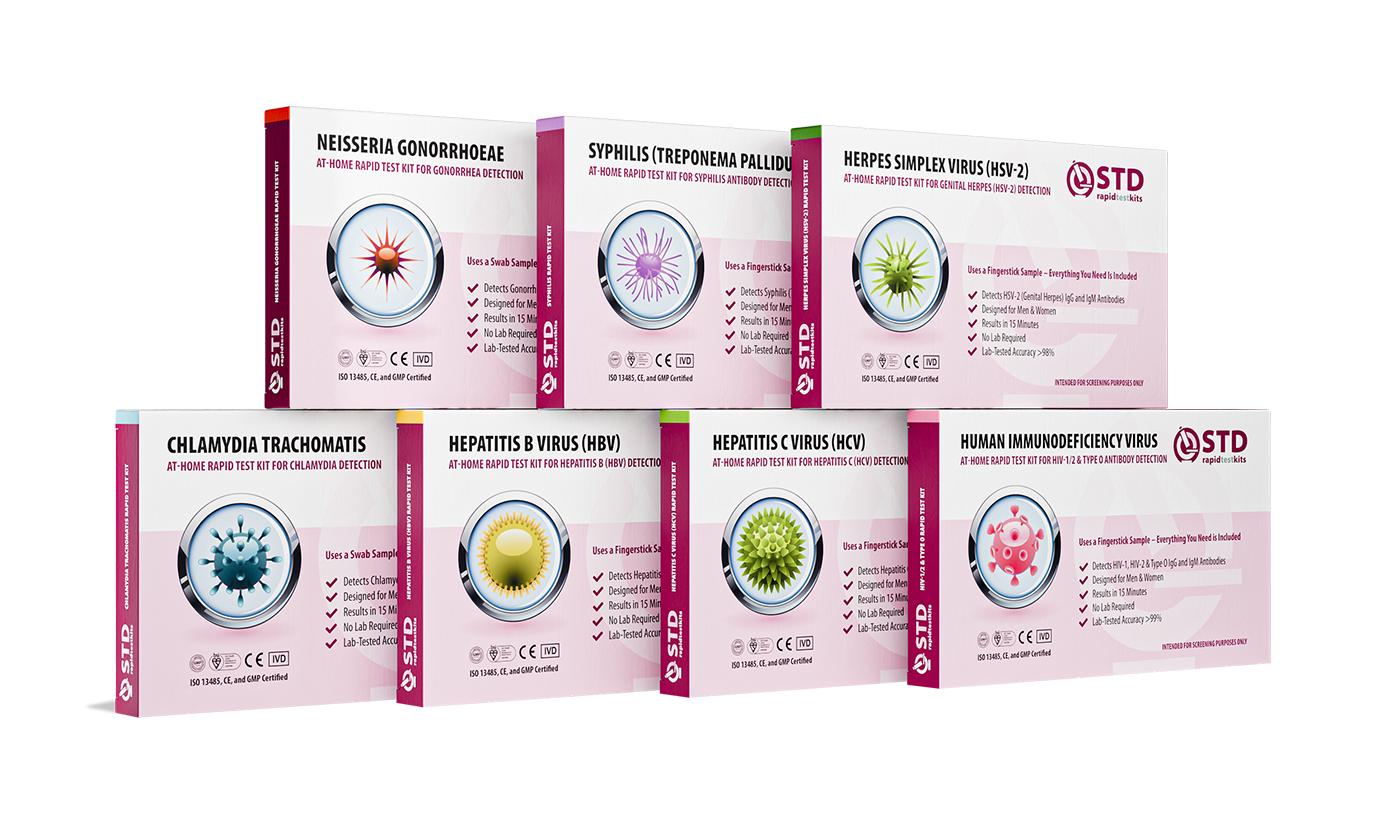 For Men & WomenResults in MinutesNo Lab NeededPrivate & Discreet
Order Now $129.00 $343.00
For all 7 tests
You Don’t Have to Guess, Testing Changes Everything
A lot of this article comes down to one thing: knowing your status. Because everything, treatment, peace of mind, relationships, starts there.
Waiting and wondering can feel worse than the result itself. Your mind fills in gaps with worst-case scenarios, and suddenly everything feels urgent and overwhelming.
Testing brings clarity. It turns uncertainty into information you can act on. And whether the result is positive or negative, you’re no longer stuck in that in-between space.
“The waiting was the worst part,” said Elena, 24. “Once I knew, even though it was scary, I could actually do something. That changed everything.”
And today, testing doesn’t have to mean sitting in a clinic or explaining yourself to anyone. You can take that step privately, on your own terms, and get answers quickly.
FAQs
1. Can I actually have sex without constantly worrying about HIV?
Yes, you really can. Once you’re undetectable, you’re not passing HIV during sex, full stop. The bigger shift isn’t physical safety, it’s trusting that reality after years of hearing the opposite.
2. How long do people with HIV actually live now?
Longer than most people expect. If you’re on treatment and taking care of your health, you’re looking at a near-normal lifespan. In real life, that means careers, aging, retirement plans, not a countdown.
3. When do you even tell someone you’re dating?
There’s no perfect script, and honestly, everyone fumbles it a little. Some people say it early to filter fast, others wait until there’s trust. What matters more than timing is confidence, if you understand U=U, that conversation lands very differently.
4. What if someone rejects me because of HIV?
It happens, and yeah, it stings. But most of the time, it says more about their understanding than your worth. The people who stay tend to be the ones you actually want to build something real with.
5. Is kissing, sharing drinks, or normal closeness risky?
No, none of that spreads HIV. You can kiss, share food, be physically close without a second thought. A lot of people carry this quiet fear, but it’s not grounded in how HIV actually works.
6. What does “undetectable” feel like, can you tell?
You don’t feel it. That’s the weird part. You feel normal, healthy, like yourself, and your labs quietly show the virus is suppressed. It’s not something you sense in your body, it’s something you confirm with testing.
7. Can I still have a serious relationship or even get married?
Absolutely, and people do, all the time. HIV doesn’t block commitment, love, or long-term plans. If anything, the communication it forces early on can make relationships stronger.
8. Can people with HIV have kids safely?
Yes, and this surprises a lot of people. With proper treatment and medical guidance, the risk of passing HIV to a partner or baby can be reduced to effectively zero. This isn’t rare, it’s routine now.
9. What’s the hardest part of living with HIV day to day?
For most people, it’s not the medication, it’s the mental side. The unlearning, the stigma, the moments of “do I say something or not?” That part fades over time, but it’s real at the beginning.
10. Do I need to keep testing even after diagnosis?
Yes, just in a different way. You’ll monitor your viral load regularly, and you’ll still want routine STD testing if you’re sexually active. Staying informed becomes part of staying in control.
You’re Still Allowed to Want Everything
An HIV diagnosis can hit like a full stop. Plans pause. Your brain rewrites the future in worst-case scenarios before you’ve even had time to breathe. But that version of the future isn’t the one people actually live.
You can still date, still have sex without fear, still build something long-term that feels stable and real. The science backs that up, but more importantly, real people are already doing it. The shift isn’t about losing your life. It’s about recalibrating how you take care of it.
If there’s even a small part of you that’s unsure about your status, don’t sit in that gray zone. Get clarity. Start with something private and straightforward like the Combo STD Home Test Kit. Knowing gives you options. Guessing just keeps you stuck.
How We Sourced This Article: This guide combines current clinical guidance on HIV treatment and transmission with peer-reviewed research on viral suppression and life expectancy. We checked the information against big U=U studies, global public health data, and medical advice to make sure it was correct. We also made sure that the information was based on what people with HIV go through in real life today.
Sources
1. Centers for Disease Control and Prevention – Living with HIV
2. World Health Organization – HIV/AIDS Fact Sheet
3. NHS – HIV and AIDS Overview
4. Planned Parenthood – HIV Information
5. CDC – HIV Treatment as Prevention (TasP)
6. Aidsmap – Undetectable Viral Load and HIV Transmission
7. Mayo Clinic – HIV/AIDS Diagnosis and Treatment
About the Author
Dr. F. David, MD is a board-certified doctor who specializes in preventing, diagnosing, and treating sexually transmitted infections (STIs). His approach is direct and sex-positive, and it puts clinical accuracy, clarity, privacy, and patient empowerment first.
Reviewed by: Dr. Elena Marquez, MD, Infectious Disease Specialist | Last medically reviewed: March 2026
This article is only for informational purposes and should not be used as medical advice.


